标签: Suriname

苏里南

  • Canada zet in op vrijhandelsovereenkomst met Mercosur tegen herfst

    Canada zet in op vrijhandelsovereenkomst met Mercosur tegen herfst

    Canadian Trade Minister Maninder Sidhu has announced an accelerated timeline for finalizing a comprehensive free trade agreement with the South American Mercosur bloc, targeting completion by fall 2026. The revelation came during the sidelines of the World Trade Organization ministerial conference in Yaoundé, Cameroon, where Sidhu confirmed negotiations would now occur approximately every six weeks.

    Speaking from the Canadian High Commissioner’s residence in New Delhi, Sidhu expressed strong confidence in the negotiation pace, stating: “We are being very ambitious. I believe we can get this done.” The minister has already conducted bilateral discussions with Argentina and Paraguay, with scheduled meetings involving Brazil and Uruguay representatives later this week.

    Diplomatic sources close to the negotiations indicate a potential signing ceremony as early as September or October, marking approximately one year since formal talks resumed. A Brazilian diplomat confirmed the unprecedented speed and positive momentum, characterizing a 2026 agreement as highly probable.

    Canada’s push for diversified trade relationships comes amid ongoing uncertainties surrounding import tariffs imposed by the United States under the Trump administration. South America, particularly Brazil, represents an indispensable trading partner for Canada, making the Mercosur agreement a strategic priority for strengthening economic ties.

    Mercosur (Common Market of the South) comprises full members Argentina, Brazil, Paraguay, Uruguay, and Venezuela (currently suspended due to political and economic reasons). The bloc maintains associate memberships with Chile, Peru, Colombia, Ecuador, and Guyana, while Bolivia is progressing toward full membership status.

    The trade bloc facilitates free movement of goods, services, capital, and people among member states while establishing a common external tariff to regulate foreign trade. Internal trade within Mercosur accounts for substantial portions of member countries’ GDP, significantly driving economic growth and regional cooperation.

    This potential agreement with Canada represents Mercosur’s continued expansion of free trade agreements with external nations, aimed at market liberalization, export stimulation, and enhanced global competitiveness through technological exchange and collaborative economic development.

  • Japan ondersteunt vrouwenproject Suriname bij 50 jaar diplomatieke banden

    Japan ondersteunt vrouwenproject Suriname bij 50 jaar diplomatieke banden

    Suriname and Japan have celebrated half a century of diplomatic relations with a significant donation to an agricultural initiative focused on enhancing female entrepreneurship and sustainable production capabilities. The contribution, delivered through Japan’s grassroots grant assistance program, will directly support the Wi Uma Fu Sranan agricultural cooperative in expanding its cassava processing operations with new industrial machinery.

    The ceremonial handover highlighted the enduring partnership between the two nations, with Director of International Cooperation Elizabeth Bradley emphasizing that international collaboration must yield tangible societal benefits. Bradley noted the extensive history of Japanese-Surinamese cooperation across multiple sectors including food security, climate initiatives, and healthcare infrastructure.

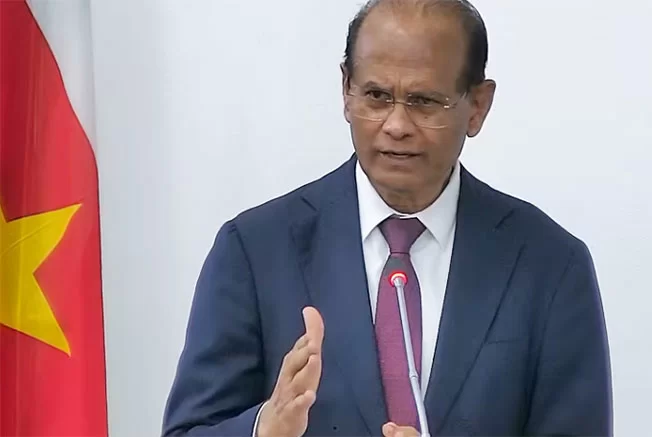
    Surinamese President Jennifer Simons voiced strong governmental support for the initiative, encouraging participating women entrepreneurs to expand their operational capacities. Japanese Ambassador Akira Umezawa reinforced the project’s alignment with sustainable development goals and women’s economic empowerment objectives. The donation represents both a practical investment in Suriname’s agricultural sector and a symbolic gesture strengthening bilateral relations between the Pacific nation and South American country.

  • Oekraïne sluit veiligheidsdeals in het Midden-Oosten tegen Iraanse drones

    Oekraïne sluit veiligheidsdeals in het Midden-Oosten tegen Iraanse drones

    Ukraine has nearly finalized a series of groundbreaking security agreements with Middle Eastern nations, including a recently announced pact with Saudi Arabia, to bolster defenses against Iranian drone attacks. Ukrainian Foreign Minister Andrii Sybiha disclosed these developments during an interview on the sidelines of the G7 foreign ministers’ meeting in France.

    President Volodymyr Zelenskiy confirmed the Saudi agreement through social media, characterizing it as a ‘significant arrangement’ that establishes foundations for future contracts, technological cooperation, and investments. This defense partnership emerges amid escalating Iranian attacks on Gulf states, which have intercepted hundreds of drones and dozens of missiles since February.

    The United Arab Emirates and Qatar, both severely impacted by these attacks, are engaged in advanced negotiations with Ukraine regarding unmanned technology cooperation. Sybiha indicated these discussions represent the most progressed talks among current diplomatic efforts.

    Gulf nations have deployed over 800 Patriot missiles for defense since conflict initiation and now seek to leverage Ukraine’s expertise in countering Russian drones and missiles. Ukraine has evolved into a leading producer of cost-effective yet highly efficient interception drones. Reports indicate Russia launched more than 19,000 drones against Ukraine during winter alone, positioning the country as a global leader in counter-drone technology.

    Beyond technical knowledge sharing, Ukraine aims to secure financial support and investments in exchange for its drone warfare expertise. The prolonged conflict continues straining Ukraine’s economy, which faces enormous reconstruction costs, military expenditures, and humanitarian needs. Investments from the Gulf region could significantly enhance both economic stability and defense capabilities.

    With the war entering its fifth year, Ukraine remains dependent on international support to sustain its defense efforts. The volatile Middle East situation, particularly the US-Israel-Iran conflict triangle, creates uncertainty regarding continuity of Western military supplies.

    As peace negotiations stall, Kyiv is exploring China’s potential role as mediator. China maintains close ties with Russia and hasn’t joined sanctions against Moscow. Although not directly involved in peace talks, China remains Ukraine’s primary trading partner. Sybiha confirmed receiving an invitation for discussions in China, potentially occurring within two months.

    Drone warfare represents one of Ukraine’s most pressing military challenges. During one particularly intense aerial assault, Russia launched 948 drones within 24 hours, resulting in two casualties. Ukraine has consequently deployed specialized anti-drone experts to assist Gulf states in defending against Iranian attacks, accounting for unique regional conditions including sandstorm interference.

  • Twee verdachten opgepakt in Nickerie voor smokkel en illegale goederen

    Twee verdachten opgepakt in Nickerie voor smokkel en illegale goederen

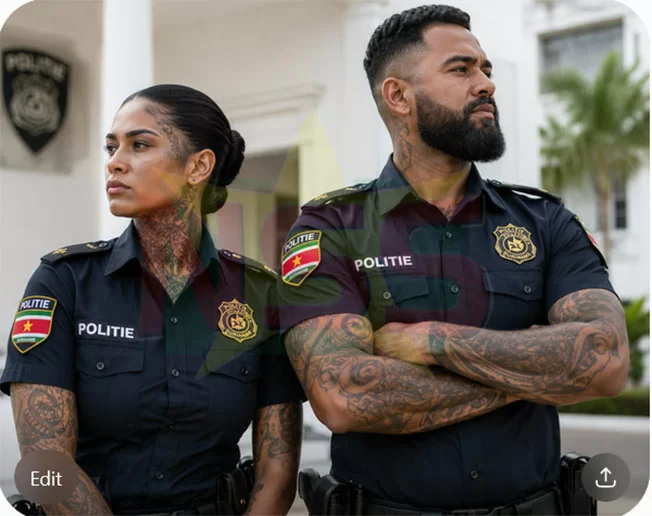
    Law enforcement authorities in Nickerie have apprehended two individuals following targeted operations that uncovered significant contraband and violations of economic regulations. The arrests occurred during coordinated inspections at commercial establishments in the Henarpolder area on March 27.

    In the initial operation, police discovered substantial quantities of illicit goods at a local supermarket. The inventory included cigarettes lacking mandatory tax stamps, alcoholic beverages, and fireworks being sold outside legally permitted periods. When questioned about the provenance of these items, the store owner failed to provide legitimate documentation or explanation for their origin.

    A subsequent inspection at a service station revealed additional violations, including more illegal cigarettes and prohibited agricultural chemicals. The proprietor claimed to have acquired these goods from an unidentified Guyanese national, though could not substantiate this assertion with credible details.

    Following evidence collection and consultation with the Public Prosecutor’s Office, both suspects have been placed in custody. All confiscated items have been secured as evidence while investigations continue into potential smuggling networks and economic offenses. The operations demonstrate heightened vigilance by authorities against cross-border smuggling operations and violations of national economic laws.

  • SER  moet koers uitzetten voor duurzame ontwikkeling Suriname

    SER moet koers uitzetten voor duurzame ontwikkeling Suriname

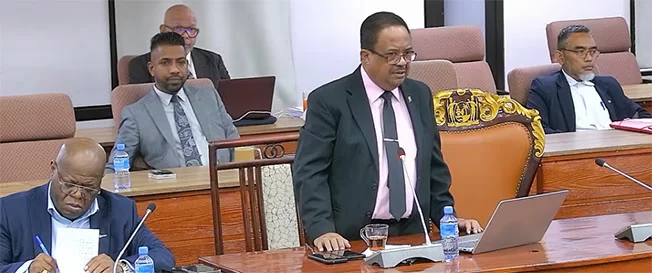
    In a significant move to reshape national economic policy, President Jennifer Simons has formally reinstated the Socio-Economic Council (SER) as Suriname’s principal advisory body for sustainable development strategies. The installation ceremony, held Thursday at the Presidential Cabinet, marks the council’s return to active service after years of dormancy.

    The newly constituted SER—chaired by Reggy Nelson and comprising representatives from government, private sector, and trade unions—has been tasked with providing both solicited and unsolicited counsel to the government and National Assembly. President Simons emphasized that Suriname must avoid over-reliance on future oil and gas revenues, urging instead for diversified economic development aligned with global trends and social justice principles.

    Chairman Nelson echoed this vision, warning that exclusive focus on hydrocarbons would lead the nation into an economic dead end. He outlined the council’s mandate to identify sustainable sectors and formulate targeted policies for their growth. The SER will prioritize addressing complex challenges including international tensions whose impacts are already affecting Suriname’s economy.

    Deputy Chair Robby Berenstein (trade unions) stressed the need for building consensus around socioeconomic policies, while Mervel Kotzebue (private sector) acknowledged the council’s historical inactivity but expressed optimism about its renewed mandate. Kotzebue emphasized creating long-term strategies for economic resilience, noting Suriname’s vulnerability to repeated economic shocks despite potential oil opportunities. Energy transition and climate change have been identified as cross-cutting themes in all council deliberations.

  • Kustwachtraad krijgt actieve rol in beleid: geen formeel orgaan

    Kustwachtraad krijgt actieve rol in beleid: geen formeel orgaan

    In a significant shift from ceremonial duties to substantive governance, Suriname’s Minister of Home Affairs Marinus Bee has redefined the role of the Coast Guard Council during its inaugural meeting with newly appointed members. The minister declared that the council would evolve into an active participant in policy formulation and operational guidance rather than maintaining a purely symbolic function.

    Bee emphasized that regular consultations would be established between the ministry and the council, mirroring the existing coordination framework with the Coast Guard directorate. This repositioning explicitly establishes the council as a substantive partner within the decision-making architecture of Suriname’s maritime security apparatus.

    ‘The council exists not merely to facilitate but to contribute intellectually, provide directional guidance, and share responsibility,’ Minister Bee stated during the proceedings.

    The reconstituted council features broad interdepartmental representation including Rudie Roeplal as chairman, with members Samantha Liu, Ludwig Mendelzoon, Luciano Coutinho, Biswadath Somai, Clyde Griffith, Reginald Karwofodi, Marita Lautan-Wijnerman, and Rildo Aserie. This diverse composition draws expertise from multiple government ministries and the President’s Cabinet, designed to foster integrated approaches to coastal policy development and oversight.

    Minister Bee expressed confidence in the council’s capabilities, particularly highlighting the chairman’s extensive experience. The minister characterized the collective expertise as forming a robust foundation for effective collaboration and decision-making processes.

    Through this emphasis on structured dialogue and substantive involvement, the ministry is implementing a governance model where the council actively contributes to strategic direction rather than merely providing advisory input. The clear message emerging from this restructuring is that effective leadership requires not just positional authority but deliberate guidance, with expectations for the council to play an instrumental role in strengthening policy development and oversight mechanisms within Suriname’s coastal security framework.

  • Column:Column: Bezuinigen of bezwijken: tijd voor harde keuzes

    Column:Column: Bezuinigen of bezwijken: tijd voor harde keuzes

    Suriname faces an escalating economic emergency as soaring fuel prices catalyze a chain reaction across all sectors, transforming from theoretical concern to tangible daily burden. The government’s temporary price cap—approximately SRD 53 for diesel and SRD 48 for gasoline—provides minimal respite while international pressures, particularly Middle East conflicts, continue driving prices upward.

    Transport companies and suppliers have already implemented rate increases, affecting land transportation, imported goods, and even emergency services like ambulance costs in Coronie. The crisis disproportionately impacts small businesses and vulnerable populations while driving food prices and construction costs to unprecedented levels.

    This economic shock echoes previous crises like COVID-19, yet the current response lacks equivalent urgency and decisive action. The government faces a credibility challenge: meaningful austerity must begin with visible reductions in public spending and operational efficiency. Structural changes like reinstating verifiable remote work policies could immediately reduce fuel consumption and foreign currency pressure.

    Effective resolution requires genuine multilateral consultation—not just top-down mandates. Engaging businesses, trade unions, and civil society organizations through platforms like the recently established Social Economic Council could yield implementable solutions with broader acceptance. Simultaneously, citizens must reconsider consumption patterns and reduce dependence on non-essential imports while investing in local production and self-sufficiency.

    The reality demands courageous political will from both coalition and opposition parties. Without leadership, consensus-building, and equitable burden-sharing, delayed action will inevitably worsen outcomes in this critical economic crossroads.

  • WK-droom Suriname eindigt na 1-2 nederlaag tegen Bolivia

    WK-droom Suriname eindigt na 1-2 nederlaag tegen Bolivia

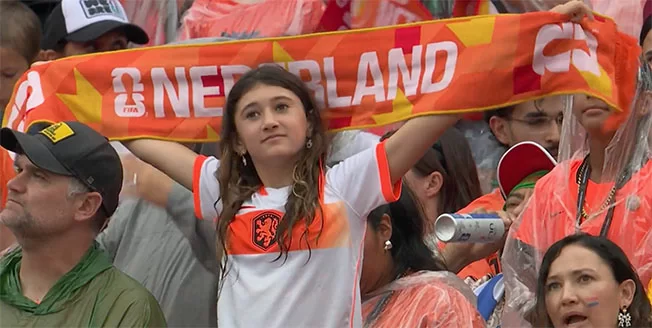
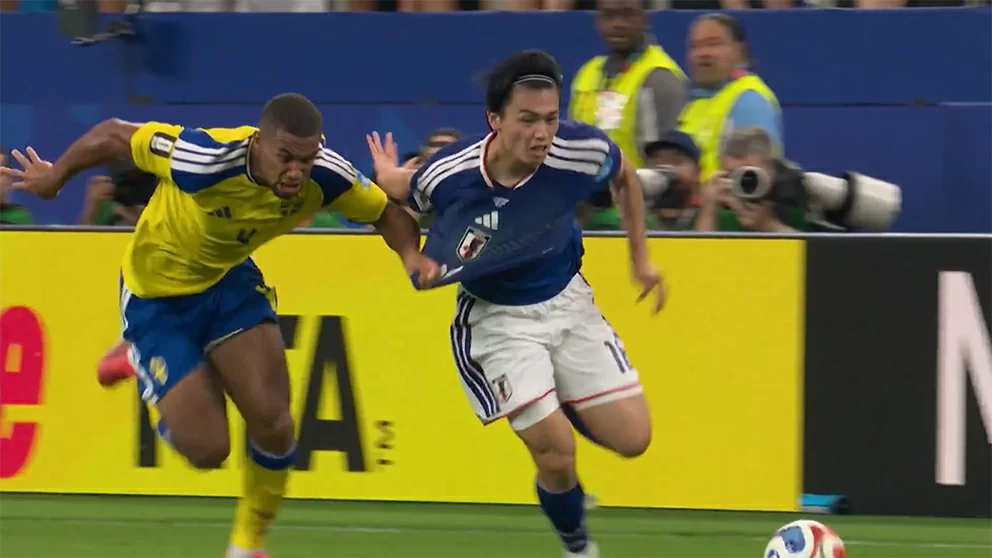
    In a devastating turn of events at Monterrey’s Estadio BBVA, Suriname’s aspirations for World Cup qualification evaporated following a 2-1 defeat against Bolivia. The match, characterized by dramatic momentum shifts, saw Suriname initially dominate before collapsing under Bolivia’s relentless pressure.

    The encounter commenced with Bolivia establishing immediate control, demonstrating superior technical prowess and maintaining approximately 66% possession throughout the first half. Despite being consistently outplayed, Suriname’s defensive resilience prevented any scoring during the initial 45 minutes, with the teams entering halftime deadlocked at 0-0.

    Suriname emerged transformed after the interval, executing precisely coordinated attacks that culminated in a breakthrough goal during the 55th minute. Forward Liam van Gelderen capitalized on a goalmouth scramble, clinically finishing past Bolivia’s goalkeeper to secure a 1-0 advantage.

    The lead sparked a period of Surinamese dominance, with the team creating multiple scoring opportunities over the subsequent 15 minutes. However, their failure to convert these chances proved costly as Bolivia gradually regained composure. The equalizer arrived in the 71st minute through 18-year-old sensation Paniagua, who marked his international debut with a historic goal.

    Bolivia’s momentum intensified dramatically following the leveler, with increased penetration into Suriname’s defensive third. The decisive moment occurred in the 79th minute when a Bolivian attacker was fouled inside the penalty area. Terceros converted the resulting spot-kick with unwavering precision, establishing a 2-1 lead.

    Despite late substitutions including Cheryaldo Becker and Dion Malone, Suriname’s desperate offensive efforts during regular and stoppage time yielded no equalizer. The final whistle triggered visible despair among players and supporters alike, extinguishing hopes for Suriname’s inaugural World Cup appearance.

  • Suriname op rand van geschiedenis: cruciaal duel tegen Bolivia om WK-droom

    Suriname op rand van geschiedenis: cruciaal duel tegen Bolivia om WK-droom

    In what represents the most significant match in Surinamese football history, the national team prepares for an intercontinental playoff semi-final showdown against Bolivia tonight. The high-stakes encounter, scheduled for 7:00 PM Suriname time at Estadio BBVA in Monterrey, Mexico, will determine which nation advances to the final qualifying match for a coveted World Cup berth.

    Suriname stands merely two victories away from achieving what has previously been unattainable—the country’s inaugural qualification for the FIFA World Cup. The mathematical reality presents a binary outcome: victory secures advancement to the March 31st final against Iraq, while defeat terminates World Cup aspirations indefinitely. Should regular time conclude evenly, the match will proceed to extra time followed by penalty kicks if necessary.

    National team coach Henk ten Cate maintains unwavering confidence in Suriname’s breakthrough potential, emphasizing the collective support from the entire nation under the unifying motto “Bribi na krakti!” (Unity is strength).

    Suriname approaches the contest with mixed but promising preparatory results, including a decisive 4-0 victory against El Salvador, a 1-1 draw with Panama, and a 1-3 defeat against Guatemala. Their opponents, Bolivia, despite recent friendly match setbacks, present physically robust and experienced opposition with prior World Cup participation, most recently in 1994.

    The intercontinental playoffs feature six nations competing for two remaining World Cup slots: Suriname, Bolivia, Iraq, DR Congo, Jamaica, and New Caledonia. All matches are conducted on neutral territory in Mexico to ensure competitive fairness.

  • Beroependag op Kangoeroe High: leerlingen maken kennis met diverse beroepen

    Beroependag op Kangoeroe High: leerlingen maken kennis met diverse beroepen

    Kangoeroe High School successfully hosted its seventh annual Career Day on Wednesday, creating dynamic interfaces between students and active professionals across diverse sectors. The event featured direct engagement opportunities with lawyers, software engineers, journalists, cryptocurrency traders, customs officials, fashion designers, drone pilots, and agricultural producers.

    A particularly popular segment involved immersive role-playing activities where students temporarily transformed into ‘journalists’ conducting press conferences with a student-acting ‘president.’ These simulated exchanges featured probing questions addressing real-world concerns including inflation rates, infrastructure development, and environmental issues surrounding mercury usage.

    School Principal Giovanni Robinson emphasized the event’s core objective: “This initiative fundamentally introduces children to the vast spectrum of existing professions. Through dialogue with practicing professionals, students gain clearer perspectives on requirements for reaching their career aspirations. The diversity and range of represented occupations expands annually, with participants consistently expressing desire for continued involvement.”

    Robinson noted growing student interest in technical fields including ICT, oil & gas, and geology. Beyond introductory conversations, the program offered practical exposure through ‘sniff internships’ – day-long shadowing experiences in self-selected professions. These immersive opportunities allow students to evaluate career compatibility through firsthand observation of daily professional realities.

    The comprehensive career fair attracted over twenty companies and professionals, with notable presence from Telesur Plus and Subisco alongside a complementary braderie (open-air market). Kangoeroe High, serving approximately 250 students aged 12-17 across lower and upper secondary education, continues expanding industry partnerships to broaden student orientation and maximize future career choices.