标签: Suriname

苏里南

  • Contract met Lazard opgezegd; nog US$ 3 miljoen schuld

    Contract met Lazard opgezegd; nog US$ 3 miljoen schuld

    The Surinamese government has addressed its outstanding financial obligations to international financial advisory firm Lazard, revealing a debt exceeding $4 million accumulated under previous administration contracts. Finance and Planning Minister Adelien Wijnerman disclosed these details during a Friday press conference, confirming partial payment of $1 million with the remaining $3 million balance scheduled for settlement in the coming period.

    The debt originated from contracts initially renewed in 2023, covering advisory services related to Suriname’s debt restructuring program, particularly the resolution of the so-called final bond round. According to Minister Wijnerman, Lazard submitted invoices for services rendered between 2021 through October 2025 that remained unpaid by the former government.

    In a significant policy shift, the current administration has terminated Lazard’s contract for any new transactions associated with ongoing negotiations with bondholders. “We have formally canceled the contract and notified Lazard via official correspondence. This matter has been conclusively resolved,” Wijnerman stated, emphasizing the government’s commitment to fiscal responsibility.

    The settlement process demonstrates the new government’s approach to handling inherited financial commitments while restructuring its international financial advisory relationships. The minister’s transparency regarding the outstanding debt and its partial settlement reflects the administration’s efforts to maintain Suriname’s financial credibility despite challenges inherited from previous governance arrangements.
  • Soroptimistclub doneert kookvoorzieningen aan vrouwenafdeling Santo Boma

    Soroptimistclub doneert kookvoorzieningen aan vrouwenafdeling Santo Boma

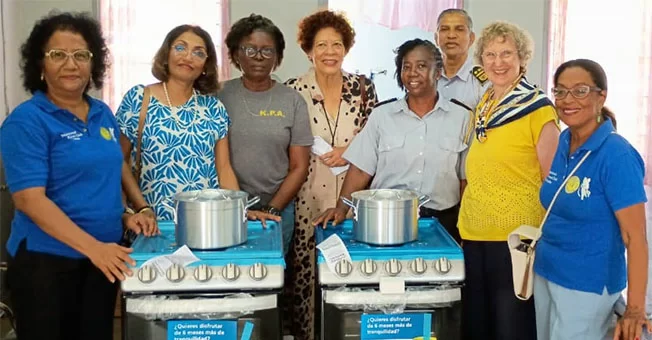
    The Soroptimist International Club Paramaribo (SICP) has significantly improved living conditions for incarcerated women at Santo Boma Central Penitentiary Institution’s female wing through a substantial donation of kitchen equipment. The humanitarian contribution included two gas stoves, two large cooking pots, and a gas cylinder, directly addressing practical needs expressed by the detained population.

    During an official handover ceremony, Prison Corps Chief Joyce Alfaisi expressed profound gratitude for the initiative, noting that female detainees frequently face societal neglect despite their legitimate right to dignified treatment and rehabilitation support. Alfaisi emphasized the alignment between Soroptimist values and the correctional system’s fundamental mission: guiding inmates toward meaningful societal reintegration.

    SICP President Trees Cirino revealed that the donation resulted from a July 2025 visit to the facility where detainees specifically requested improved cooking facilities. This marks the organization’s continued engagement with the institution, following previous book donations facilitated through collaboration with Soroptimist Club Hilversum from the Netherlands.

    Cirino reinforced that Soroptimist advocacy for women’s empowerment explicitly includes incarcerated women, who deserve particular support during rehabilitation and personal development processes. The donation provides both practical benefits and psychological encouragement, enabling detainees to actively shape their daily routines while maintaining dignity and self-worth.

    The recipient women conveyed deep appreciation for the equipment, pledging responsible usage. The proceedings unfolded in an atmosphere characterized by mutual respect, positivity, and gratitude. This successful humanitarian endeavor was made possible through collaborative efforts among multiple partners and donors committed to penal system improvement.

  • SOVA vraagt zorgvuldige afweging bij inrichting derde rechterlijke instantie

    SOVA vraagt zorgvuldige afweging bij inrichting derde rechterlijke instantie

    The Suriname Bar Association (SOVA) has issued a comprehensive response to legislative proposals currently before the National Assembly regarding the establishment of a third judicial instance in the country’s legal system. SOVA Dean Alleson Freank emphasized that while the organization recognizes Suriname’s clear need for enhanced judicial oversight, any structural changes require meticulous examination before implementation.

    The proposed legislation includes a constitutional amendment to create a Surinamese High Council as the nation’s third judicial body. This initiative aligns with SOVA’s ongoing exploration of the same matter through a dedicated committee established earlier this year. The Bar Association acknowledges the fundamental importance of strengthening legal protections for Surinamese citizens through judicial reform.

    Critical to the debate is determining the most effective framework for this third instance. SOVA highlights that a domestic High Council represents only one potential solution, noting that several regional neighbors have instead chosen to integrate with the Appellate Jurisdiction of the Caribbean Court of Justice (CCJ). Both models present distinct advantages and considerations that warrant careful analysis.

    The Association’s committee has been tasked with evaluating both options objectively, examining which approach best suits Suriname’s legal system and societal context. This assessment requires comprehensive multidisciplinary research encompassing constitutional, legal, and practical implementation factors to ensure the chosen model functions effectively in daily practice.

    Following a recent general members’ meeting where preliminary findings were presented, SOVA plans to organize a discussion evening to foster broad-based consensus. The Association stresses that regardless of the selected model, professional and societal support remains essential, with timely involvement of relevant stakeholders including judiciary members, legal practitioners, and the Public Prosecutor’s Office.

    Regarding separate proposals to lower the retirement age for the Prosecutor General, SOVA notes that while no principled objections exist against age limits, such changes must consider available human resources and should generally apply only to future officeholders. The Association also questions how this initiative aligns with existing legislative proposals for Public Prosecutor’s Office reforms.

    SOVA expressed disappointment at not being consulted prior to the submission of these legislative initiatives but remains encouraged by the President’s commitment to stakeholder consultation during further deliberations. The organization reaffirms its dedication to constructively strengthening Suriname’s rule of law and anticipates continued productive dialogue on these crucial judicial matters.

  • Hofpresident Rasoelbaks geïnformeerd over opname derde instantie in Grondwet

    Hofpresident Rasoelbaks geïnformeerd over opname derde instantie in Grondwet

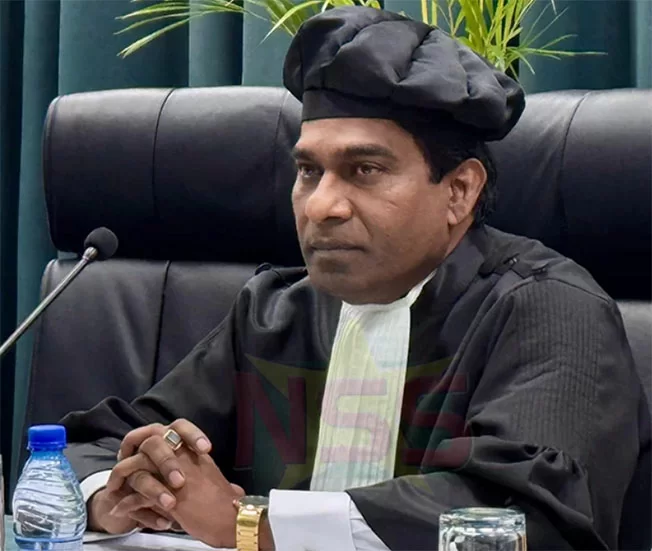
    Suriname’s judicial landscape may undergo significant transformation as six parliamentarians have submitted initiative proposals to establish a third-tier cassation court within the country’s legal system. The proposed constitutional amendments, introduced on Thursday, aim to create a Supreme Court or similar high judicial authority, though the current Court of Justice President Iwan Rasoelbaks confirms his institution hasn’t been formally consulted in the legislative drafting process.

    President Rasoelbaks clarified that while National Assembly President Jennifer Simons informed him about plans to constitutionally anchor the third instance, substantial consultations regarding implementation details would occur later through secondary regulations. The Court of Justice will thoroughly examine the proposed legislation once formally submitted for judicial review, after which lawmakers will receive comprehensive advisory input.

    The judicial leader emphasized the court’s longstanding support for cassation jurisdiction, noting that such reform would enhance legal development and broaden societal legal protection. For several years, the Court of Justice has independently researched possibilities through a specialized task force comprising local and international experts. This think tank produced two comprehensive options presented earlier this month to both the National Assembly and the President, with reports publicly available on the court’s website for transparent public access.

    The proposed models include conditional accession to the Caribbean Court of Justice’s appellate jurisdiction with a civil law chamber, or alternatively, establishing a domestic Supreme Court grounded in civil law tradition. Rasoelbaks stressed that any future cassation court wouldn’t function as a factual instance but would focus exclusively on reviewing proper legal application, while the Court of Justice would maintain its position as Suriname’s highest factual jurisdiction.

    Three of the four submitted initiatives concern constitutional modifications to judicial organization, with the fourth addressing the judicial branch’s legal status. This separation of competencies between factual and cassation jurisdictions aims to foster credible, thorough jurisprudence and legal evolution, according to the Court President.

  • Nieuwe wet moet Surinaams natuurbeheer moderniseren

    Nieuwe wet moet Surinaams natuurbeheer moderniseren

    Suriname’s parliamentary coalition has introduced groundbreaking legislation aimed at fundamentally transforming the nation’s approach to environmental protection and resource management. The ‘Sustainable Nature Management’ initiative law represents a comprehensive overhaul of the country’s outdated 1954 Nature Protection Act, addressing contemporary ecological challenges while acknowledging economic realities.

    With approximately 93% forest coverage and ranking among the world’s most biodiverse nations, Suriname faces critical decisions regarding conservation amidst growing economic pressures. While internationally recognized as a High Forest Low Deforestation country, recent data reveals deforestation rates are climbing to approximately 0.06% annually. Mining operations account for the majority (73%) of forest loss, followed by infrastructure development and urbanization—trends that not only cause ecological damage but directly impact indigenous and tribal communities through habitat disruption and land use conflicts.

    The proposed legislation shifts from strict conservation toward sustainable management principles, recognizing nature as both ecological treasure and economic resource under stringent conditions. The core philosophy establishes that those who benefit from nature must contribute to its preservation. Innovative mechanisms include nature tourism concessions, payments for ecosystem services, and provisions for designating private lands as protected areas—all aimed at stimulating green growth while reducing economic dependence on oil and gold.

    A cornerstone of the new framework is the enhanced role of the National Environmental Authority (NMA), which will coordinate nature management, oversee protected areas, supervise concessions, and enforce regulations. The Environmental Fund will be expanded to finance nature management projects accessible to government agencies, local communities, and private managers alike.

    Perhaps the most transformative aspect is the formal incorporation of the Free, Prior and Informed Consent (FPIC) principle, requiring explicit approval from indigenous and tribal communities for protected areas, buffer zones, or concessions within their territories. The law further recognizes traditional knowledge and enables communities to submit proposals for independently managed protected areas, elevating their role from stakeholders to full partners in environmental stewardship.

    Aligned with IUCN guidelines and international biodiversity treaties, the legislation introduces modern enforcement mechanisms including administrative coercion, fines, and criminal sanctions for serious violations. It explicitly grants citizens and organizations access to objection and appeal procedures against NMA decisions, strengthening legal protection and transparency.

    This legislative initiative represents Suriname’s attempt to solidify its international reputation as a forest-rich biodiversity haven while promising greater participation, enhanced protection, and the integration of conservation with economic development. Its ultimate success will depend on implementation factors including adequate capacity, political will, and genuine community engagement—determining whether it becomes a paper reform or a foundational pillar of Suriname’s future environmental policy.

  • Henk ten Cate nieuwe bondscoach nationale herenselectie

    Henk ten Cate nieuwe bondscoach nationale herenselectie

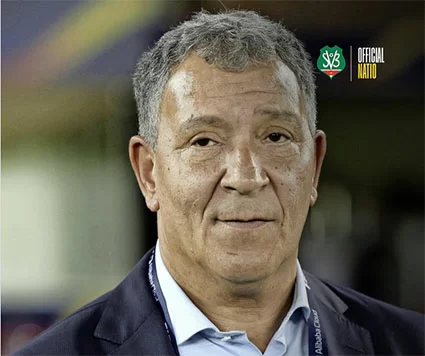
    The Surinamese Football Association (SVB) has officially announced the appointment of Dutch manager Henk ten Cate as the new head coach of the men’s national team. This strategic decision positions the experienced international manager to lead Suriname through the critical World Cup qualifying play-offs scheduled for March 2026.

    Ten Cate brings extensive international coaching credentials to the role, having previously worked with top European clubs including Barcelona, Chelsea, and Ajax. His appointment signals SVB’s commitment to leveraging global expertise as Suriname pursues qualification for the 2026 FIFA World Cup.

    According to the football association, Ten Cate’s tactical acumen and leadership qualities align perfectly with the organization’s ambition to elevate the national team’s competitive level. SVB officials expressed confidence that his proven track record in high-pressure environments will optimally prepare the squad for their upcoming challenges.

    General Manager Brian Tevreden will collaborate closely with Ten Cate in the coming weeks to finalize squad selection and develop a comprehensive preparation program ahead of the decisive playoff matches. The technical staff will also be expanded with additional assistant coaches to strengthen the support system around the national team.

    This appointment represents a significant milestone in Surinamese football as the nation seeks to qualify for its first World Cup tournament. The March 2026 playoffs represent the final hurdle in Suriname’s journey to potentially secure a place in global football’s premier competition.

  • Initiatiefwet: ‘muilkorfartikelen’ schrappen uit strafrecht, vrije meningsuiting centraal

    Initiatiefwet: ‘muilkorfartikelen’ schrappen uit strafrecht, vrije meningsuiting centraal

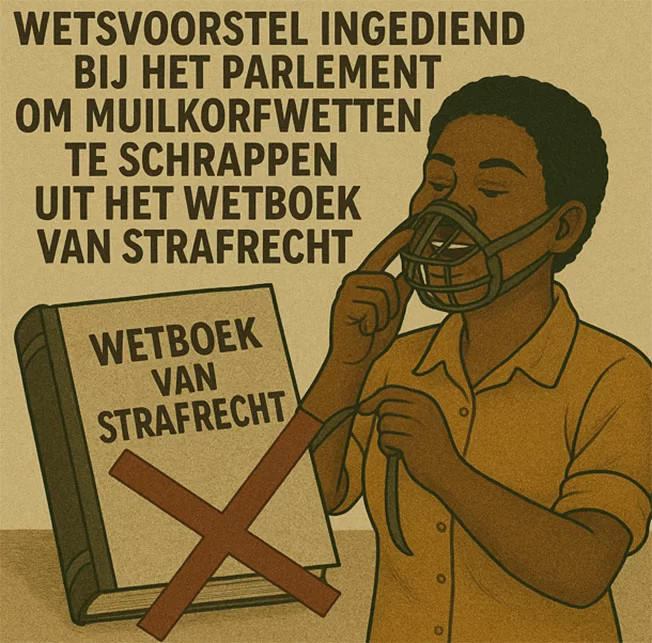
    A landmark legislative initiative currently before Suriname’s National Assembly proposes the comprehensive elimination of eight controversial articles from the country’s Criminal Code. Submitted in March 2022 by assembly members Ebu Jones and Tashana Lôsche, the bill targets provisions widely criticized as suppressing free speech and political dissent.

    The targeted statutes—Articles 152, 153, 154, 157, 158, 159, 173, and 174—criminalize various forms of expression including insult, undermining state authority, and criticism of public officials. Proponents argue these colonial-era provisions fundamentally contradict both Suriname’s constitutional free speech protections under Article 19 and its international human rights commitments, particularly the American Convention on Human Rights and the Universal Declaration of Human Rights.

    In their explanatory memorandum, the legislators characterize freedom of expression as the ‘cornerstone of a free and democratic society,’ asserting that without robust protections for critical speech, genuine democratic governance remains unattainable. The proposed reforms aim to align Suriname’s legal framework with its democratic aspirations by preventing the criminal justice system from being weaponized against political opponents or dissenters.

    Civil society organizations including the Surinamese Association of Journalists have long documented the chilling effect these provisions exert on public discourse. Media professionals, activists, and ordinary citizens reportedly self-censor due to fears of prosecution, particularly during periods of political tension. The legislation’s prolonged stagnation since March 2022 raises questions about parliamentary commitment to fundamental rights reform amid ongoing national debates about democratic renewal and rule of law.

    If adopted, the law would take immediate effect upon promulgation, marking a historic shift toward a legal system that protects rather than punishes free expression. The Assembly now faces a defining choice: embrace reforms befitting a modern democracy or maintain a legal framework that keeps free expression under perpetual threat of criminal prosecution.

  • Aanpak illegale goudwinning Brownsberg grote uitdaging voor regering

    Aanpak illegale goudwinning Brownsberg grote uitdaging voor regering

    Surinamese authorities are grappling with persistent illegal gold mining operations within the protected confines of Brownsberg Nature Park, acknowledging the complex challenge without immediate solutions. President Jennifer Simons addressed journalists during a Friday press conference, revealing that combating these activities proves particularly difficult as perpetrators “believe they are above the law.”

    While recognizing that gold extraction will continue in the broader Brownsberg region, Simons emphasized that such operations must remain outside the park’s official boundaries. The government has scheduled comprehensive dialogues for the coming week involving multiple stakeholders, including various ministries, military and police representatives, the Nature Conservation Foundation Suriname (Stinasu), and non-governmental organizations.

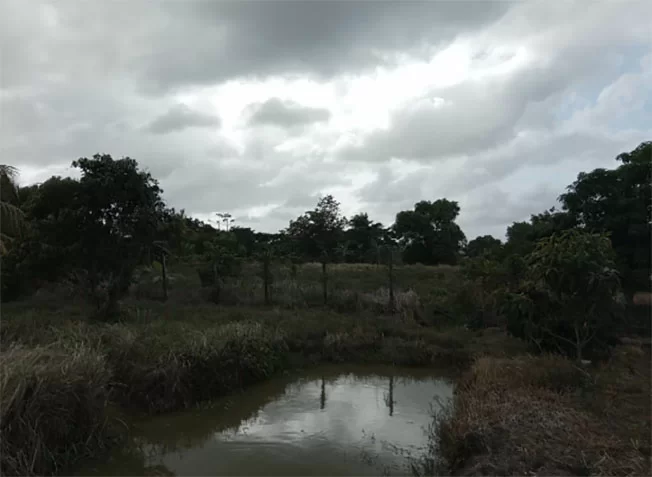
    This environmental crisis spans over two decades, with the President indicating the problem extends beyond mere gold extraction, though she refrained from identifying specific individuals or groups involved in these unlawful practices. Large-scale deforestation caused by both artisanal and industrial mining operations has significantly damaged the protected ecosystem.

    Minister of Natural Resources David Abiamofo reported increased government presence in the area during November 6-10, resulting in the identification of illegal operators and confiscation of unauthorized equipment through coordinated efforts with local law enforcement. The minister advocates establishing a permanent settlement within the park to enhance security measures, with ongoing discussions currently underway with Stinasu and other relevant parties.

    President Simons supports regulated gold mining outside protected areas while stressing the need for improved organization and increased state revenue generation from Brownsberg’s natural resources.

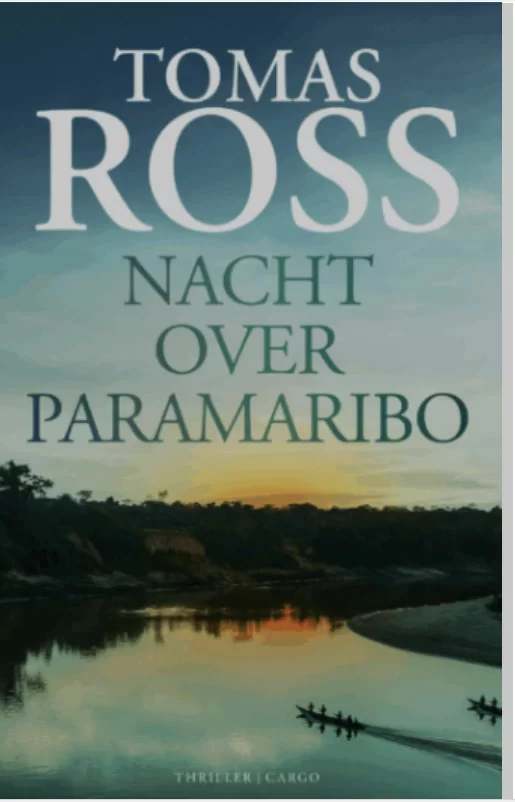
  • Recensie: Tomas Ross: Nacht over Paramaribo

    Recensie: Tomas Ross: Nacht over Paramaribo

    Dutch author Tomas Ross, pseudonym of Willem Hogendoorn, reaffirms his status as a master of the ‘faction’ genre with his latest novel ‘Night Over Paramaribo.’ This gripping 460-page thriller delivers both heart-pounding suspense and a penetrating examination of Suriname’s complex history and its intricate ties with the Netherlands.

    The narrative boldly incorporates real political figures including former Surinamese president Desi Bouterse and his wife Ingrid, current president Chan Santokhi and first lady Mellisa, alongside Dutch politicians such as Hans van Mierlo and even Prince Bernhard. Ross presents their achievements and flaws with unflinching candor.

    At the core of the plot lies a provocative question: Why did the Netherlands never attempt to arrest Bouterse despite multiple opportunities? The answer points toward potential Dutch involvement in the 1980 coup, referencing Colonel Valk and a secret document known as Operation Black Tulip. This document, allegedly held by Bouterse in a secure box obtained from a former Dutch embassy employee, becomes the story’s central MacGuffin—a potential tool for blackmailing the Dutch government.

    Following Bouterse’s death in late 2024, the box is stolen from his villa, triggering an international manhunt involving spies, secret agents, and rival factions. The action moves dynamically from Suriname to various European locations, featuring brutal confrontations across the Netherlands, France, and Spain.

    The final act returns to Suriname, where Bouterse’s loyalists, the Unity Council, prepare a new coup dubbed Operation Silver Arrow. Protagonists Lex Hansen and Suzy Ling find themselves in a desperate race against time as they hurry toward Paramaribo, coinciding with a multinational military exercise involving Suriname, the Netherlands, the United States, and France—which Ross ingeniously portrays as the coup’s actual execution.

    While grounded in historical fact, Ross skillfully incorporates fictional elements, including a car rental company in Snesi Kondre and the improbable rental of a motor yacht in an inland village for navigating the treacherous Marowijne River. This deliberate blending of fact and imagination enhances the story’s intrigue.

    Ross demonstrates exceptional narrative pace and precision throughout. His vivid depictions of Paramaribo’s atmosphere, the Surinamese jungle, and European urban landscapes create an immersive reading experience. The potent combination of political intrigue, espionage, and personal drama establishes ‘Night Over Paramaribo’ as a standout thriller that maintains relentless tension despite its complex cast of characters.

  • STS Nickerie naar Georgetown voor internationaal scholenvoetbal

    STS Nickerie naar Georgetown voor internationaal scholenvoetbal

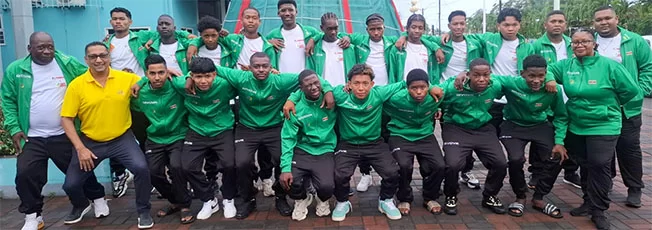
    The Surinamese Technical School (STS) from Nickerie district has commenced its journey to Guyana as Suriname’s official representative at the prestigious KFC Goodwill School Football Tournament 2025. This international U18 competition, scheduled from December 14-21 in Georgetown, marks the third consecutive year of Surinamese participation in the regional sporting event.

    Strategic selection positioned STS Nickerie as the national delegate due to both their athletic merit and geographical significance. The team earned this distinguished opportunity by securing the district championship title in Nickerie, which shares a border with host nation Guyana. Organized by the Petra Organization, the tournament stands as one of the Caribbean’s most respected scholastic football competitions.

    The Surinamese squad, comprising 19 players under 18 years old, will compete against elite youth teams from multiple nations including Guyana, Jamaica, Brazil, and the Bahamas. Under the guidance of head coach Michel Dors and assistant coach Razack Lorenzo, the students aim to demonstrate their athletic prowess on an international platform.

    This initiative has been orchestrated by the Foundation School Sports Federation Suriname, an operational branch of the Ministry of Youth Development and Sports (JOS). The participation aligns with Suriname’s national policy to enhance youth sports development through international exposure, providing young athletes with competitive opportunities that foster both personal growth and national pride.