标签: Suriname

苏里南

  • Van buschauffeur tot president: Nicolás Maduro bleef altijd in de schaduw van Chávez

    Van buschauffeur tot president: Nicolás Maduro bleef altijd in de schaduw van Chávez

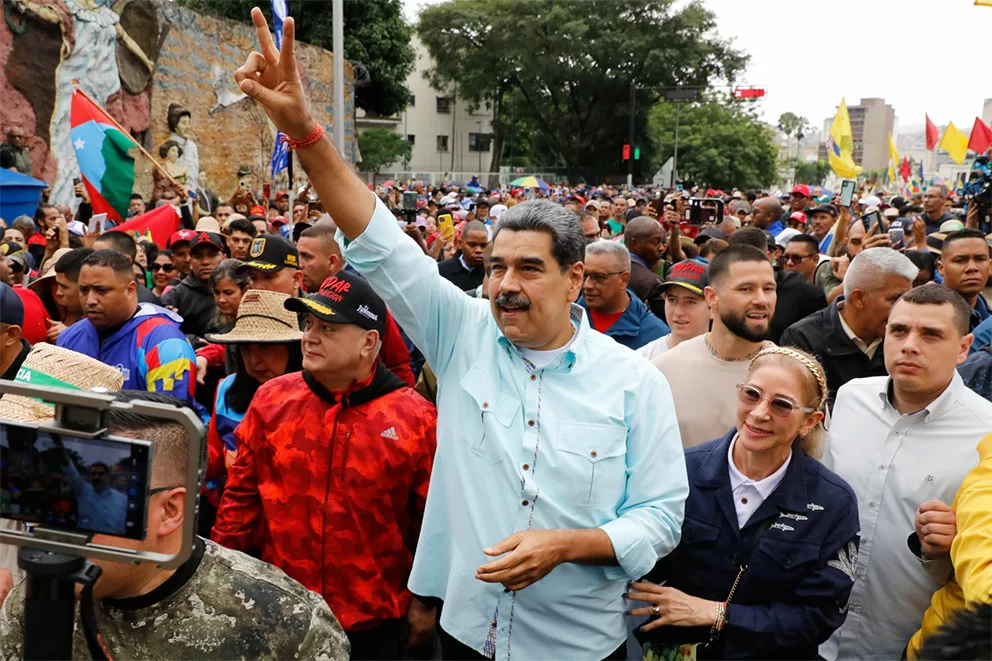
    In a dramatic turn of events, Venezuelan President Nicolás Maduro was apprehended during an early morning US military operation in Caracas on Saturday, marking a stunning conclusion to his controversial leadership that witnessed Venezuela’s descent into economic collapse and democratic erosion.

    The operation, announced via social media by US President Donald Trump, resulted in Maduro and his wife Cilia Flores being taken into custody. Venezuelan Vice President Delcy Rodríguez confirmed their whereabouts remained unknown shortly after the operation. US Attorney General Pam Bondi stated both would face trial on American soil for serious charges including drug trafficking and corruption.

    Maduro’s capture represents the culmination of mounting US pressure across multiple fronts. The Venezuelan leader had spent his final months in power anticipating military intervention aimed at dismantling the socialist revolution initiated by his mentor Hugo Chávez in 1999. Throughout his presidency, Maduro consistently portrayed the United States as Venezuela’s primary antagonist, resisting efforts by both Democratic and Republican administrations to restore democratic norms.

    Maduro’s extraordinary political journey began over four decades ago. After receiving ideological training in Cuba in 1986—his only formal education beyond high school—he returned to Caracas as a bus driver for the metro system, quickly rising through union ranks. By the 1990s, intelligence agencies identified him as a left-wing radical with close Cuban ties.

    His political ascent accelerated when he joined Chávez’s movement following the latter’s presidential pardon after a failed military coup. Maduro progressed through party ranks, serving six years in parliament before becoming National Assembly president. He additionally held the foreign ministry portfolio for six years and briefly served as vice president.

    Chávez formally anointed Maduro as his political heir during his final address before dying in 2013. Though the choice surprised many, Chávez’s substantial electoral capital secured Maduro a narrow victory and his first term. However, he never achieved his predecessor’s popularity levels.

    Maduro’s presidency became characterized by profound socio-political and economic crisis. Millions were plunged into poverty, over 7.7 million Venezuelans fled the country, and thousands of government opponents faced imprisonment and frequent torture—sometimes allegedly ordered by Maduro himself. Critical voices were systematically purged from state institutions.

    The crisis erupted during his first year with protests resulting in 43 deaths and numerous arrests. In 2015, Maduro’s party lost parliamentary control after sixteen years, prompting him to establish a pro-government constituent assembly in 2017 to sideline opposition. This triggered months of protests with over 100 fatalities and thousands injured. Maduro survived an assassination attempt involving explosives detonated during a military parade in 2018.

    The US-led capture operation signifies the lowest point of Maduro’s rule, forming part of broader American strategy to end socialist governance and reestablish influence in Venezuela. The arrest has provoked strong global reactions, with US allies applauding the action while other nations warn against escalation and emphasize peaceful, lawful transition needs.

    Regional countries are closely monitoring developments given the ongoing humanitarian crisis and refugee flows. Venezuela’s political and economic situation remains extremely fragile, with recovery expected to require years amid significant stability and security challenges. The international community now faces the complex task of facilitating Venezuela’s transition toward democratic and economic recovery while respecting human rights and sovereignty.
  • America First en de hertekening van het Guiana Shield

    America First en de hertekening van het Guiana Shield

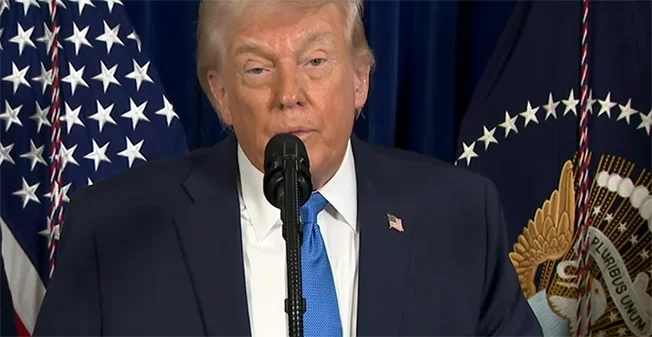
    The escalating crisis in Venezuela represents not an isolated incident but the most visible manifestation of a comprehensive geopolitical repositioning by the United States across the Western Hemisphere. This strategic shift, formalized in the December 2025 National Security Strategy under the ‘America First’ doctrine, demonstrates a calculated integration of energy interests, governance influence, and regional power projection.

    Venezuela has transitioned from sovereign nation to geopolitical testing ground following a unilateral US military intervention that resulted in the capture and extradition of President Nicolás Maduro and his wife to New York. Conducted without Congressional authorization or UN Security Council mandate, the operation has drawn international condemnation while revealing Washington’s broader ambitions. President Donald Trump has explicitly stated that military action constitutes merely the initial phase, with plans for direct involvement in Venezuela’s governance and development of its oil resources by American corporations—effectively establishing elements of externally imposed administration.

    International legal experts warn these actions violate fundamental principles of the UN Charter regarding prohibitions on force, non-interference in domestic affairs, and self-determination rights.

    Venezuela’s strategic significance stems from possessing the world’s largest proven reserves of heavy crude oil—a resource particularly suited to US refinery infrastructure despite years of sanctions and economic decline. This explains why American discourse encompasses not merely resource extraction but complete governance restructuring, positioning Venezuela as a demonstration case for how far the US will go to secure strategic energy interests.

    Neighboring Guyana exemplifies alternative approach within the same framework. As the world’s fastest-growing oil producer—approaching one million barrels daily under predominantly US corporate leadership—Guyana maintains formal sovereignty while becoming deeply integrated into American economic and security arrangements. Though Venezuelan claims over oil-rich Essequibo remain unresolved, Washington views Guyana as proof that energy development can occur within its strategic framework without overt confrontation.

    Suriname emerges as the next strategic focal point, poised to commence large-scale offshore oil production within the same geographic corridor. Recent replacement of the US ambassador to Suriname—part of broader diplomatic reshuffling affecting 29 nations—signals heightened American interest in the country’s future direction, with embassies increasingly functioning as strategic hubs connecting economic, security, and political interests.

    Regional bodies including the Organization of American States (OAS) and Caribbean Community (CARICOM), alongside Surinamese President Jennifer Simons, advocate counterbalancing power politics with normative frameworks emphasizing de-escalation, international law, constitutional order, and regional stability. For smaller nations, this represents not merely diplomatic rhetoric but essential self-protection in an era where resources increasingly drive geopolitical maneuvers.

    The Venezuela crisis demonstrates that energy has transcended economic status to become geopolitical currency attracting influence that seeks administrative control. Resource-rich nations consequently face heightened vulnerability when institutions, oversight mechanisms, and regional solidarity remain underdeveloped. As Suriname contemplates its oil future, it must consider not merely production partnerships but institutional strengthening to preserve governance autonomy amid great power competition.

  • OAS roept op tot de-escalatie en respect voor internationaal recht

    OAS roept op tot de-escalatie en respect voor internationaal recht

    The Organization of American States (OAS) is intensifying diplomatic efforts to address Venezuela’s rapidly deteriorating political situation. Secretary General Albert Ramdin confirmed the regional body is closely monitoring developments and has engaged in high-level consultations with multiple member state governments.

    Ramdin revealed that while there is widespread concern across the Western Hemisphere regarding Venezuela’s crisis, OAS member states maintain divergent perspectives on appropriate responses. The secretary general emphasized that his office prioritizes facilitating a peaceful resolution that respects international law and the Inter-American legal framework. Fundamental principles include peaceful dispute resolution, human rights protection, and safeguarding civilian infrastructure.

    The OAS leadership asserts that Venezuela’s political future must reflect popular will through good governance practices. Ramdin stressed that existing institutional arrangements, particularly constitutional order, provide essential foundations for stability. He noted that sustainable stability and democratic legitimacy can only emerge through peaceful means, inclusive dialogue, and strengthened institutions.

    Preparing for coordinated regional action, Ramdin announced the convening of an OAS Permanent Council meeting. This gathering will enable member states to openly discuss recent developments and consider collective next steps. The secretary general confirmed the OAS secretariat stands ready to support de-escalation initiatives aimed at achieving a peaceful, democratic solution serving Venezuelan citizens’ interests.

    Ramdin issued a direct appeal to all Venezuelan stakeholders, urging unified and constructive participation in preserving peace, rule of law, and democratic coexistence.

  • Nieuwsmedia: Venezolaanse leider Maduro arriveert in New York

    Nieuwsmedia: Venezolaanse leider Maduro arriveert in New York

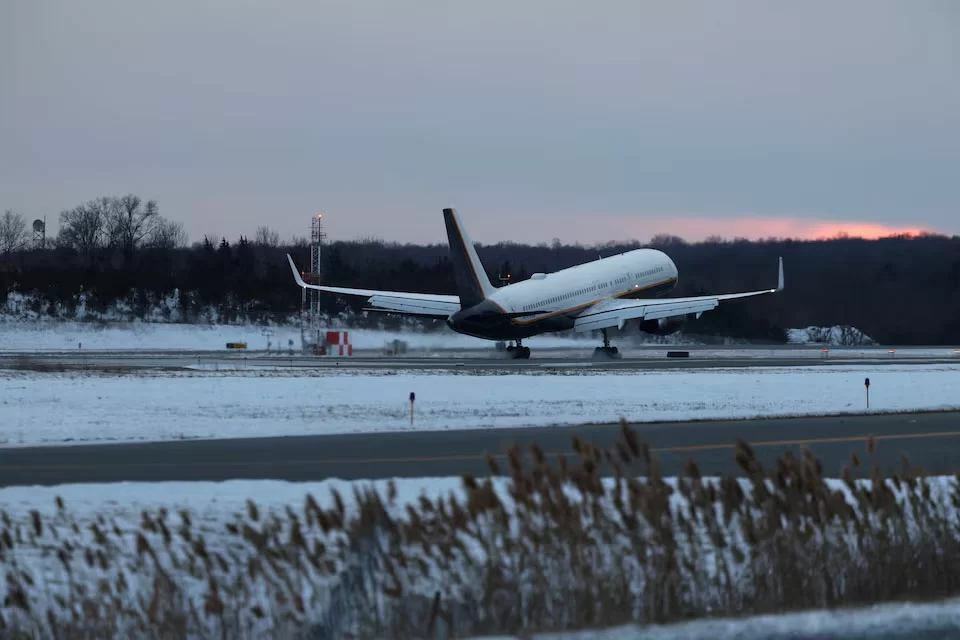
    In an unprecedented military operation marking the most aggressive U.S. regime change action since the 2003 Iraq invasion, Venezuelan President Nicolas Maduro was forcibly removed from power and transported to American soil on January 3, 2026. The dramatic nighttime arrest culminated with Maduro and his wife Cilia Flores landing at Stewart International Airport in Newburgh, New York, approximately 97 kilometers northwest of New York City.

    Video footage captured the moment a aircraft carrying the Venezuelan leader touched down at the airbase, followed by FBI personnel in full tactical gear boarding the vessel. Major news networks including CNN, Fox News, and MS Now confirmed Maduro’s identity among those disembarking from the plane.

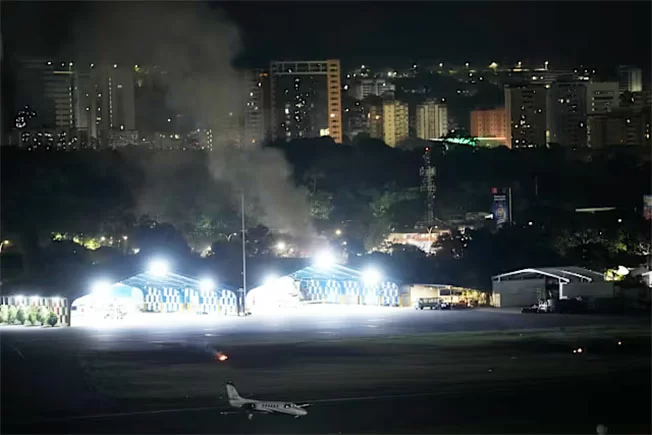
    The operation, which involved explosive disturbances rocking Venezuela’s capital in the early hours of Saturday, resulted in Maduro and Flores being transported via U.S. warship to face conspiracy to commit narcoterrorism charges at Manhattan’s federal courthouse. Legal experts note this extraordinary action surpasses even the most notable historical precedents of U.S. interventions against autocratic regimes in Panama and Iraq.

    President Donald Trump declared following the operation that the United States would temporarily “govern” Venezuela and leverage the nation’s substantial oil reserves for international sale. The Trump administration justified the military intervention—along with previous lethal attacks on vessels in the Caribbean Sea—as necessary measures to combat dangerous drug trafficking networks.

    The bold maneuver raises significant legal and diplomatic questions regarding the legitimacy of U.S. actions within its broader campaign against the South American nation, potentially setting new precedents for international power projection and regime change tactics.

  • Cubaanse president veroordeelt ‘staatsterrorisme’ tegen Venezuela

    Cubaanse president veroordeelt ‘staatsterrorisme’ tegen Venezuela

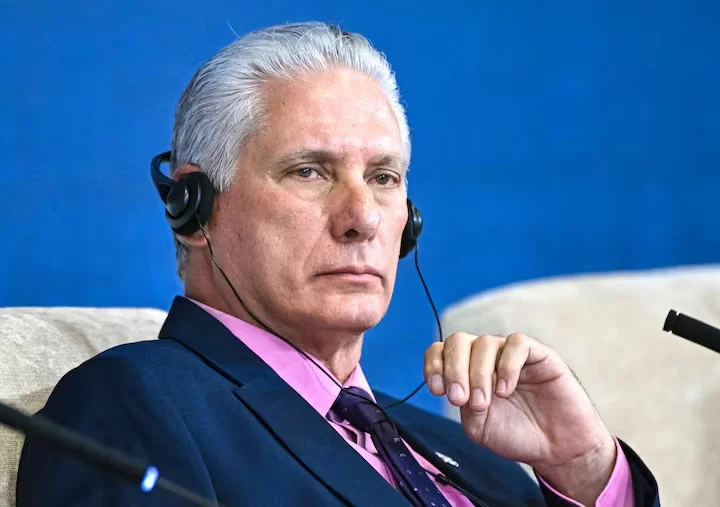
    Cuban President Miguel Díaz-Canel has issued a forceful condemnation of United States military operations in Venezuela, characterizing the actions as acts of “state terrorism” during a mass demonstration outside the U.S. Embassy in Havana. The address came in response to recent U.S. operations that resulted in the detention of Venezuelan leadership.

    Addressing thousands of assembled citizens, Díaz-Canel asserted that the military aggression represents ‘a shocking violation of international law norms’ directed against ‘a peaceful nation that poses no threat to the United States.’ The condemnation highlights escalating tensions in Caribbean geopolitical relations.

    The development carries significant economic implications for Cuba, which depends on Venezuela for approximately 30% of its already constrained oil imports. This energy partnership has been maintained through an exchange program that stations thousands of Cuban medical professionals within the South American nation.

    Energy analysts warn that disruption to Venezuelan oil supplies could deliver a catastrophic blow to Cuba’s fragile electrical grid and energy infrastructure. Simultaneously, thousands of Cuban families expressed concern about relatives working in Venezuela, though the Cuban Health Ministry stated via Twitter that these personnel remain ‘well protected.’

    In a contrasting statement to the New York Post, U.S. President Donald Trump indicated no plans for additional military action against Cuba, stating: ‘No, Cuba will fall on its own. Cuba is doing very poorly.’ Trump further emphasized Cuba’s historical dependence on Venezuelan support, suggesting this relationship ‘didn’t work out too well in this case.’

    The diplomatic confrontation unfolds against Cuba’s severe six-year economic crisis, which officials report has triggered at least a 15% economic contraction. The nation continues to grapple with critical shortages of basic goods, hyperinflation, collapsing public services, and widespread power outages. Cuban authorities attribute these challenges primarily to intensified U.S. sanctions implemented during the Trump administration, which compounded the decades-long comprehensive trade embargo.

  • America First: 21e-eeuwse déjà vu

    America First: 21e-eeuwse déjà vu

    In an unprecedented diplomatic maneuver, the United States has recalled thirty ambassadors, including 29 career diplomats and its envoy to Suriname, signaling a dramatic shift in Western Hemisphere policy. This mass recall—the largest simultaneous withdrawal of diplomatic personnel in American history—stems directly from President Donald Trump’s newly implemented National Security Strategy (NSS) published in December 2025.

    The 30-page NSS document, crafted under Trump’s direct supervision, introduces what it terms the ‘Trump Corollary to the Monroe Doctrine’ on its fifteenth page. This policy marks a modern revival of the 1823 Monroe Doctrine originally articulated by President James Monroe, which sought to limit European colonization and intervention in the Americas while asserting U.S. dominance in the Western Hemisphere.

    The updated doctrine emphasizes restoring American security interests through commercial diplomacy and discouraging partnerships with nations outside the hemisphere. It prioritizes combating illegal migration, dismantling drug trafficking networks, enhancing maritime stability, and supporting governments that align with U.S. objectives.

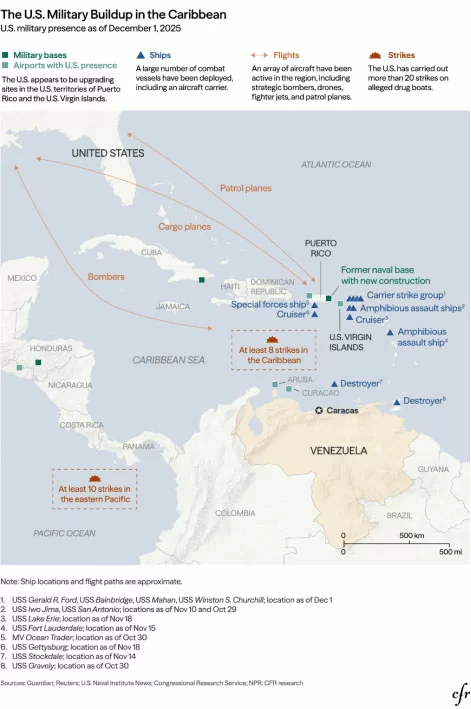
    Most significantly, the NSS legitimizes expanded U.S. military presence in the region through four key provisions: appropriate coast guard and maritime deployments to combat drug trafficking and illegal migration, and control of crucial routes during crises. Current reports indicate over 10,000 U.S. troops are now deployed across the Caribbean region.

    This policy has manifested dramatically in Venezuela, where since November 2025, U.S. military aircraft have conducted operations that Caracas has denounced at the United Nations as violations of national sovereignty. The situation escalated on January 3, 2026, with targeted U.S. airstrikes on Venezuelan territory and the reported capture of President Maduro, whom American authorities accuse of involvement in international drug trafficking.

    The developments raise profound questions about sovereignty and interventionism, echoing historical U.S. military actions in the Dominican Republic (1965) and Nicaragua (1983). With the U.S. likely to veto any UN Security Council action, the international community faces limited options to address what many consider unlawful sovereignty violations.

    For Caribbean nations like Suriname, the new doctrine presents both challenges and opportunities. Regional cohesion through organizations like CARICOM becomes increasingly vital, while commercial diplomacy divorced from military objectives could offer benefits if aligned with national trade strategies. As the hemisphere navigates this new diplomatic landscape, nations must balance engagement with sovereignty in what appears to be a return to great power politics in America’s backyard.

  • Suriname uit grote bezorgdheid over escalatie na luchtaanvallen op Venezuela

    Suriname uit grote bezorgdheid over escalatie na luchtaanvallen op Venezuela

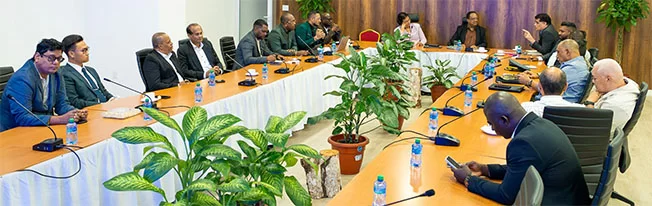
    The Surinamese government has expressed profound concern regarding the deteriorating security situation in the region following overnight airstrikes targeting Venezuela. President Jennifer Simons participated in an emergency summit of CARICOM heads of state before convening urgent national consultations with political and security authorities to assess implications for Suriname and neighboring nations.

    In an official statement, the government confirmed it had ‘taken note with great concern of the escalation of the security situation in our region resulting from nocturnal aerial attacks on the Bolivarian Republic of Venezuela.’ The emergency CARICOM summit brought together regional leaders to coordinate responses to the developing crisis.

    President Simons subsequently convened an emergency meeting with Vice President Ronnie Brunswijk, ministers of Foreign Affairs, International Trade, Defense, Justice and Police, the Chairman of the National Assembly, parliamentary faction leaders, and all national security authorities. The Ministry of Foreign Affairs has established contact with Surinamese diplomatic representation in Venezuela, confirming all personnel remain safe.

    The government has committed to ensuring the security of Surinamese citizens potentially affected by the escalating situation and is working to facilitate the safe return of any nationals stranded in the region. Within CARICOM frameworks, ongoing discussions will address the broader regional implications, with particular solidarity expressed for Caribbean islands experiencing immediate economic disruption from the crisis.

    Suriname has issued an appeal to international organizations including the Organization of American States, the United Nations, and the global community to actively promote regional peace and uphold international legal order. The government emphasized that vulnerable nations can only thrive within a functioning international legal framework committed to by all countries.

    Meanwhile, authorities are implementing necessary measures in anticipation of potential refugee movements and have called for public calm during this period of regional instability.

  • President Simons voert veiligheidsoverleg over ontwikkelingen in Venezuela

    President Simons voert veiligheidsoverleg over ontwikkelingen in Venezuela

    Surinamese President Jennifer Simons convened high-level consultations with government ministers, security agencies, and political leaders on January 3rd to address the escalating situation in neighboring Venezuela. The emergency meetings focused on regional security implications and reaffirmed Suriname’s commitment to international legal standards.

    The comprehensive briefing brought together ministers of Foreign Affairs, International Trade and Cooperation, Justice and Police, and Defense at the Presidential Cabinet. Following the ministerial session, President Simons engaged in separate discussions with leadership from various security services, the Chairman of the National Assembly, and parliamentary faction leaders to assess the evolving developments in the Bolivarian Republic of Venezuela.

    Suriname officially endorsed and expressed full support for the CARICOM (Caribbean Community) declaration regarding the Venezuelan crisis. The South American nation emphasized that the international legal order must be consistently respected and upheld by all parties involved.

    President Simons stressed the critical importance of maintaining calm, stability, and security throughout the region to preserve the foundations of peace and cooperation among neighboring states. As a nation committed to dialogue and collaborative solutions, Suriname called on all involved parties to pursue peaceful resolutions while upholding the principles of international law and regional solidarity. The government’s statement highlighted that regional stability remains paramount for continued development and cooperation among Caribbean and South American nations.

  • VS wil Venezuela samen besturen en olie-industrie hervormen

    VS wil Venezuela samen besturen en olie-industrie hervormen

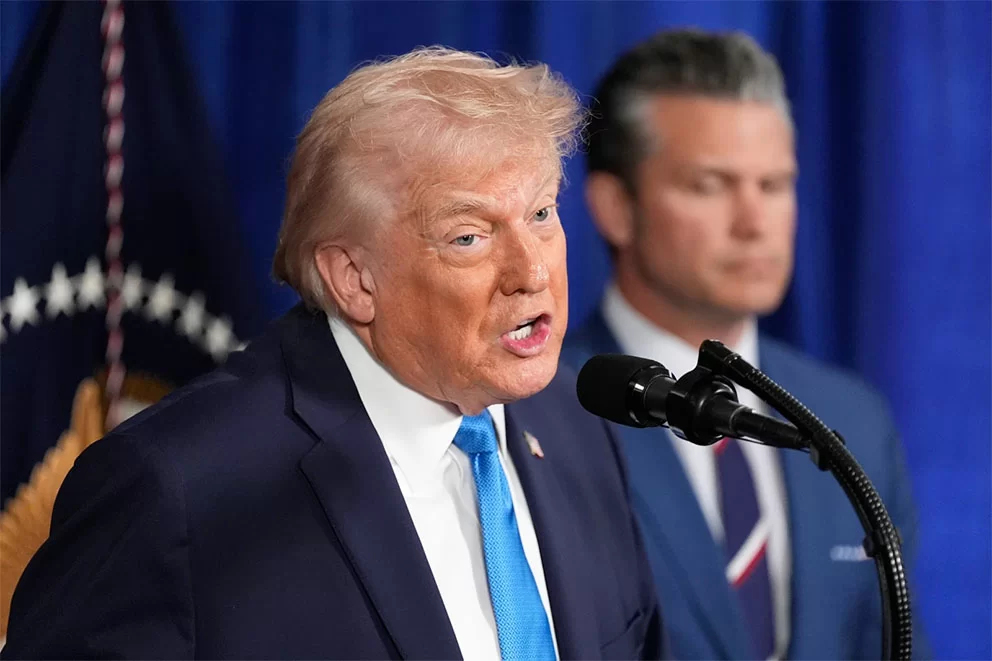
    In a historic development that marks an unprecedented escalation of U.S. involvement in Latin America, President Donald Trump announced from his Mar-a-Lago estate that the United States will govern Venezuela directly until a “secure transition” of power can be established. The declaration follows a meticulously planned military operation that resulted in the capture of Venezuelan leader Nicolás Maduro and his wife.

    Speaking at a press conference with Defense Secretary Pete Hegseth at his side, Trump characterized Maduro as a leader who has “perpetually engaged in violence, terror, and subversion against the United States,” threatening both American citizens and regional stability. The president revealed that overwhelming evidence of Maduro’s crimes had been obtained by U.S. judicial authorities, describing the situation as “both horrifying and breathtaking.”

    The military operation, codenamed “Absolute Resolve,” was executed on January 2 at 22:46 local time after months of preparation. Chairman of the Joint Chiefs of Staff General Dan Caine disclosed that over 150 aircraft provided air cover while intervention forces stormed Maduro’s residence in Caracas. Venezuelan air defenses were neutralized, and despite one helicopter being struck, it remained operational. Maduro and his wife surrendered without further incident and were taken into custody by the U.S. Department of Justice.

    Trump has appointed Secretary of State Marco Rubio to lead a governance team that will oversee Venezuela’s administration. The president expressed skepticism about opposition leader María Corina Machado’s capacity to lead, questioning her popular support among Venezuelans.

    In a significant policy statement, Trump indicated that ground troops would be deployed if necessary and promised that U.S. oil companies would invest billions to restore Venezuela’s damaged oil infrastructure. Profits from these ventures would be partially returned to Venezuela while providing compensation to the United States.

    International reactions have been mixed, with allies including Italy and Israel expressing support while other nations warn of escalation and emphasize the importance of dialogue and international law. Regional neighbors are monitoring developments closely due to potential impacts on refugee flows and stability. Brazil temporarily closed its border with Venezuela but has since reopened it.

    The legal legitimacy of the operation remains contentious, as Trump did not consult Congress beforehand, raising questions about the action’s compliance with international legal standards.

  • Bondgenoten VS juichen arrestatie Maduro toe

    Bondgenoten VS juichen arrestatie Maduro toe

    A dramatic US military operation resulting in the capture of Venezuelan President Nicolás Maduro has triggered polarized international responses, raising complex questions about sovereignty, interventionism, and regional stability. The operation represents Washington’s most direct military engagement in Latin America since the 1989 invasion of Panama.

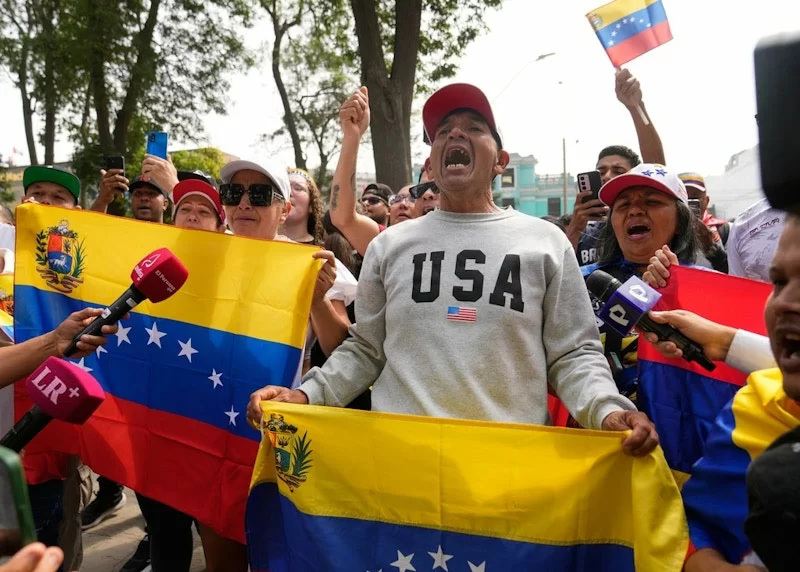
    Venezuelan opposition leader María Corina Machado, a Nobel Peace Prize laureate who has been living underground since Maduro’s controversial July 2024 reelection, hailed the development as “the hour of freedom.” Through social media channels, she urgently called for immediate transfer of power to opposition candidate Edmundo González Urrutia, whom the opposition considers the legitimate winner of the presidential elections.

    European allies offered measured support. Italian Prime Minister Giorgia Meloni, a prominent ally of President Donald Trump, defended the operation as a legitimate defensive action targeting organized crime and drug trafficking networks. However, she notably emphasized that foreign military interventions should not become the standard method for ending dictatorships, reflecting the delicate balance between supporting regime change and respecting international law.

    Israel expressed unequivocal support, with Foreign Minister Gideon Sa’ar praising the United States as “leader of the free world” and expressing solidarity with the Venezuelan people who he said suffered under Maduro’s “illegal tyranny.” Israel anticipates restored democratic processes and friendly bilateral relations.

    The operation occurred amid mounting pressure on Maduro’s government, which faces allegations of corruption, political repression, and involvement in international drug trafficking. Venezuela has experienced years of severe economic crisis, massive refugee outflows, and intense political polarization.

    Neighboring countries Brazil and Colombia are closely monitoring developments due to potential impacts on regional stability and refugee movements. The Venezuela-Brazil border was temporarily closed during the initial escalation but has since reopened, with Brazilian authorities maintaining heightened surveillance. The region already hosts significant numbers of Venezuelan refugees, creating substantial humanitarian pressures.

    Legal and procedural questions emerge as the operation was conducted without prior congressional approval in the United States, raising concerns about its legal basis and legitimacy. Reports indicate the operation was originally planned for the Christmas period but was delayed due to other military priorities.

    The international community remains divided between supporting nations that view the action as necessary for democracy and those warning against escalation while emphasizing diplomatic solutions and respect for international law. The ultimate impact on Venezuela’s political future and broader regional stability remains uncertain.