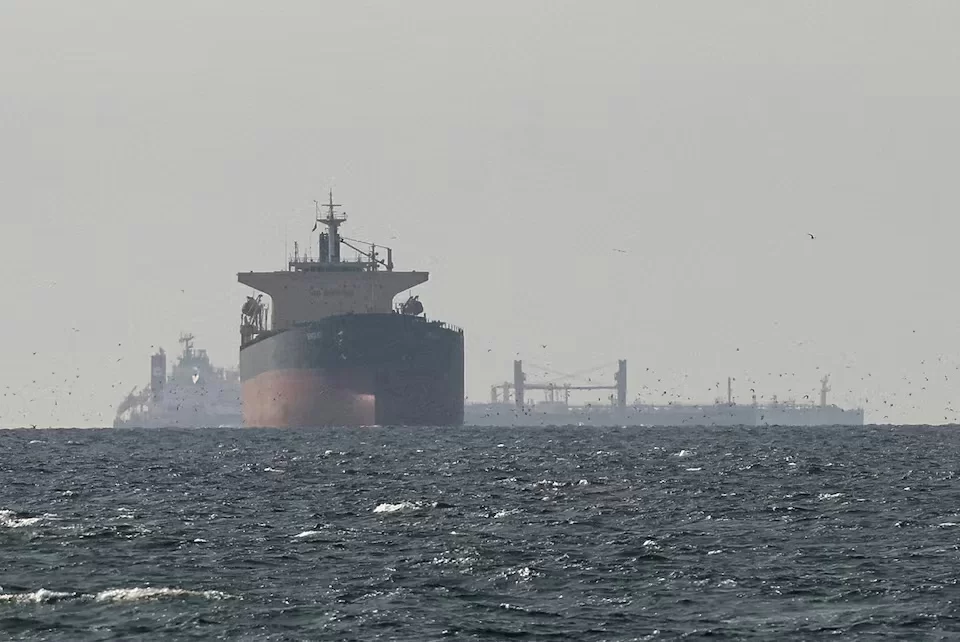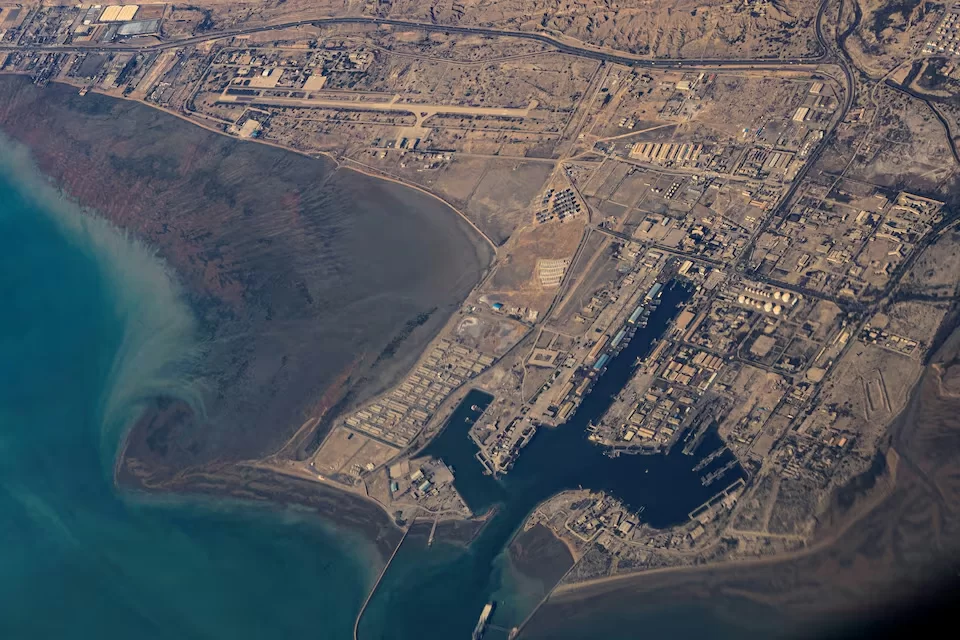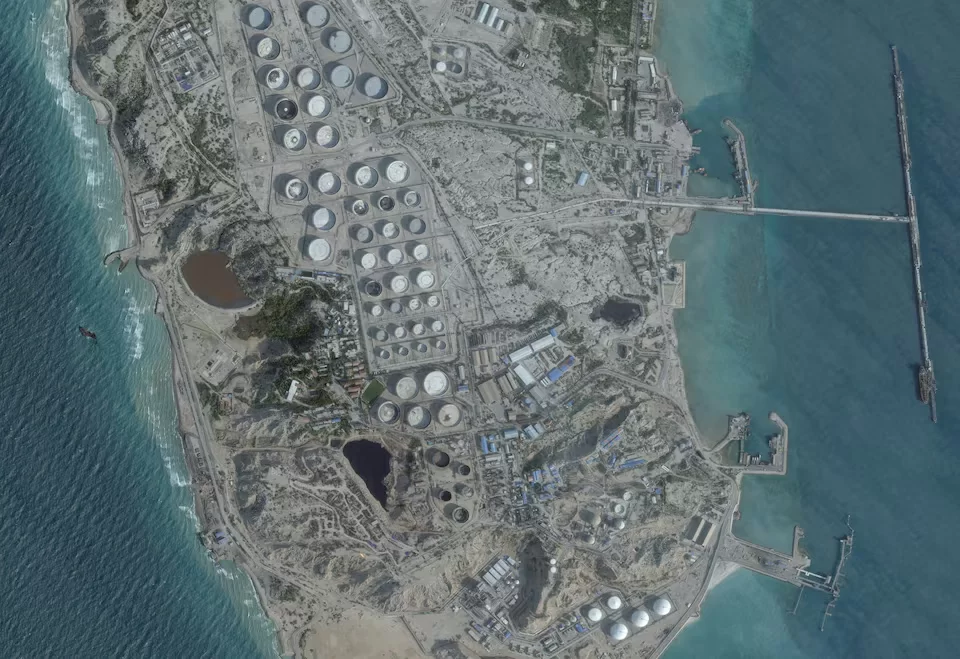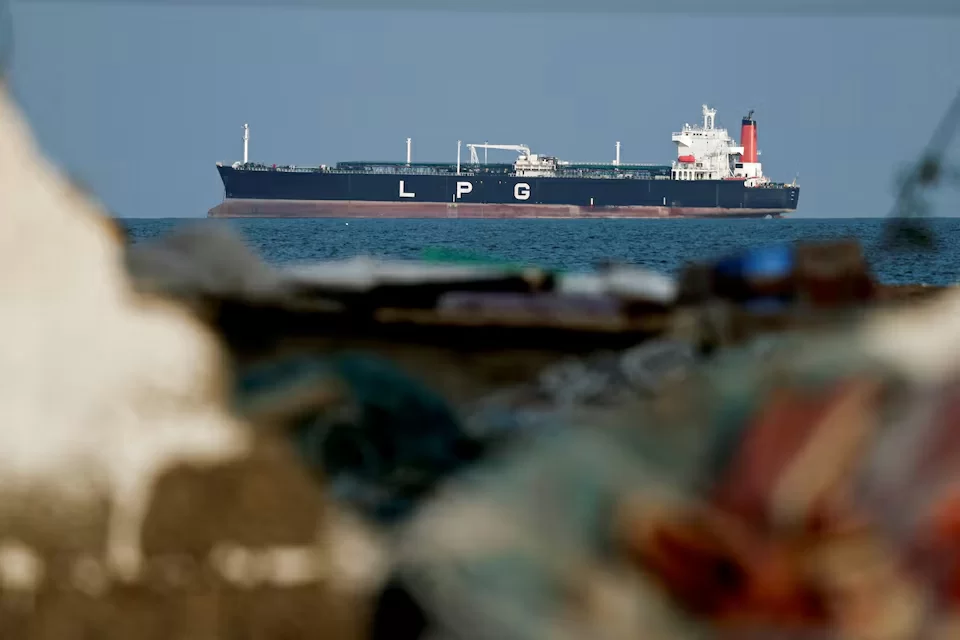
The strategic Strait of Hormuz remains effectively closed to global shipping as the U.S.-Israel conflict with Iran enters its third week, creating unprecedented disruption to world energy markets. President Donald Trump has escalated rhetoric by threatening additional strikes on Kharg Island, Iran’s primary oil export terminal, while dismissing prospects for a near-term diplomatic resolution.
Speaking to NBC News on Saturday, Trump stated that U.S. attacks had already ‘completely devastated’ significant portions of Kharg Island and suggested further bombings ‘just for fun.’ This represents a marked escalation from previous claims that U.S. operations targeted only military installations on the island.
The conflict has claimed over 2,000 lives, predominantly in Iran and Lebanon, while spreading instability across the Middle East. Washington has reportedly sidelined mediation attempts by regional allies, according to three sources familiar with the discussions.
Iran’s Revolutionary Guard announced Sunday it had launched additional rocket attacks against Israeli targets and three U.S. bases in the region. The organization pledged further retaliation for workers killed in Iranian industrial zones after airstrikes hit a refrigerator and heater factory in Isfahan, killing at least 15 people.
Supreme Leader Mojtaba Khamenei, who succeeded his father following the elder Khamenei’s death on the first day of attacks, has maintained that the Strait of Hormuz must remain closed. The waterway typically handles approximately one-fifth of global oil and gas production.
The International Energy Agency reported last week that the closure has created the largest disruption in global oil market history, potentially reducing worldwide oil inventories by approximately 8% in March. Brent crude prices have surpassed $100 per barrel with expectations of further increases.
Trump has called upon China, France, Japan, South Korea, Britain and other nations to deploy warships to secure the strategic passageway, stating that ‘countries receiving oil through the Strait of Hormuz should secure that passage.’ However, no nation has committed to direct action while combat operations continue.
French officials indicated they are attempting to form a coalition to secure the strait once the security situation stabilizes, while Britain is discussing various options with allies to ensure shipping safety. Iranian Foreign Minister Abbas Araqchi warned counterparts that nations should refrain from any actions that might escalate the conflict.