标签: Suriname

苏里南

  • India en EU bereiken baanbrekende handelsdeal: tarieven worden flink verlaagd

    India en EU bereiken baanbrekende handelsdeal: tarieven worden flink verlaagd

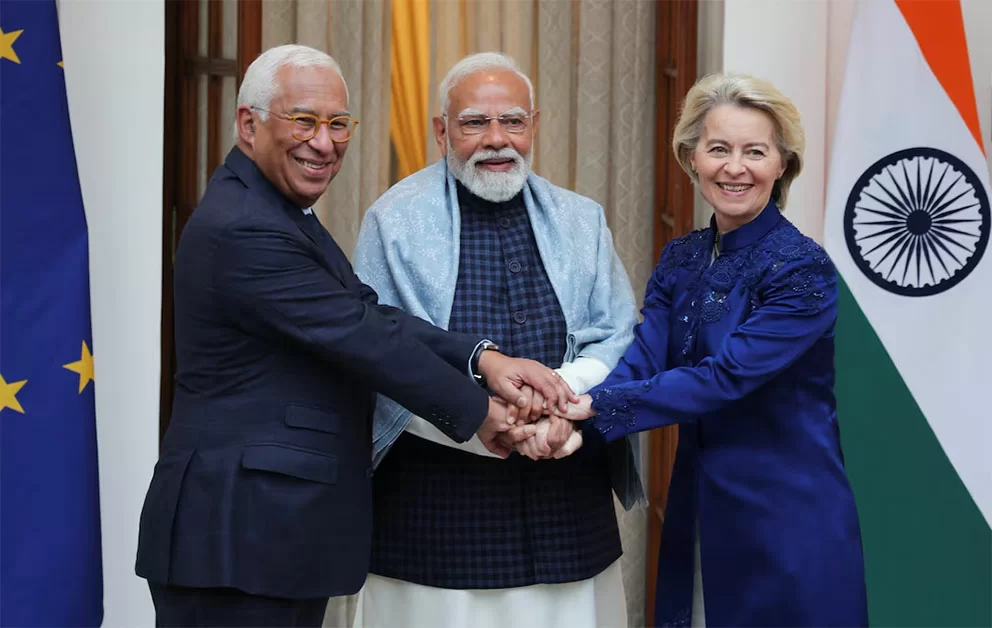
    In a landmark move reshaping global trade dynamics, India and the European Union have finalized a comprehensive trade agreement after two decades of negotiations. The pact, signed at Hyderabad House in New Delhi with Indian Prime Minister Narendra Modi, European Commission President Ursula von der Leyen, and European Council President Antonio Costa in attendance, represents one of the most significant trade liberalization efforts between the major economies.

    The agreement eliminates or substantially reduces tariffs on 96.6% of EU exports to India by value, projected to save European businesses approximately €4 billion ($4.75 billion) in import duties. Conversely, the EU will eliminate tariffs on 99.5% of Indian imports within a seven-year framework, covering key Indian export sectors including seafood, leather goods, textiles, chemicals, rubber, base metals, and jewelry.

    Prime Minister Modi hailed the agreement as “the mother of all deals” that will “create tremendous opportunities for India’s 1.4 billion people and millions of Europeans.” European Commission President von der Leyen characterized the pact as a “historic step” and emphasized that this marks “just the beginning” of enhanced EU-India economic cooperation.

    The breakthrough comes amid shifting global trade alignments, accelerated by recent U.S. imposition of 50% tariffs on certain Indian goods and broader trade tensions under the Trump administration. The agreement notably excludes several agricultural products including soybeans, beef, sugar, rice, and dairy from tariff reductions.

    The pact dramatically opens protected Indian market segments, with automobile tariffs dropping from as high as 110% to 10% over five years, benefiting European manufacturers including Volkswagen, Renault, Mercedes-Benz, and BMW. Immediately upon implementation, tariffs on 250,000 vehicles annually valued above €15,000 will drop to 30-35%.

    Similarly, alcohol tariffs will see substantial reductions: wine tariffs falling immediately from 150% to 75% with a gradual reduction to 20%, while spirits tariffs will drop to 40%. Additional reductions apply to European machinery, electrical equipment, chemicals, and iron and steel products.

    The EU has committed to providing flexibility regarding the Carbon Border Adjustment Mechanism (CBAM), its carbon tax regime affecting steel, cement, electricity, and fertilizers effective since January 1. Additionally, the EU will provide India with €500 million in financial support over the next two years to reduce greenhouse gas emissions.

    Bilateral trade between India and the EU reached $136.5 billion in the fiscal year ending March 2025, slightly exceeding India’s trade with both the United States ($132 billion) and China ($128 billion). The agreement is expected to double EU exports to India by 2032.

    Following a five-to-six month legal review period, full implementation of the agreement is anticipated within one year, marking a significant reconfiguration of global trade partnerships during a period of increasing geopolitical realignment.
  • Chinese Zijin Gold breidt wereldwijd uit met overname van Canadese Allied Gold

    Chinese Zijin Gold breidt wereldwijd uit met overname van Canadese Allied Gold

    Chinese mining giant Zijin Mining Group has unveiled plans to acquire Canadian miner Allied Gold Corporation in a landmark cash transaction valued at approximately C$5.5 billion (US$4.02 billion). The strategic move signals Zijin’s continued global expansion efforts, strategically timed during a period of unprecedented gold prices that have significantly enhanced profitability across the mining sector.

    The acquisition comes as gold prices maintain record-breaking levels driven by global economic uncertainties and increased demand for safe-haven investments. These market conditions have made gold mining companies particularly attractive to investors while accelerating industry consolidation trends.

    Under the agreement terms, Zijin will pay C$44 per share, representing a 5.4% premium over Allied Gold’s recent closing price. The announcement immediately triggered a nearly 4% surge in Allied’s premarket trading activity in U.S. markets. Allied Gold CEO Peter Marrone emphasized that the transaction delivers “significant value for shareholders” while highlighting the scale of the company’s African gold portfolio.

    The transaction, expected to finalize by late April 2026, occurs against the backdrop of improving Canada-China trade relations. Both nations recently reached preliminary agreements to reduce import tariffs on electric vehicles and canola oil while committing to further diminish trade barriers and enhance strategic cooperation.

    Zijin, ranking among the world’s largest gold producers with operations across nine countries, demonstrated strong market performance following its Hong Kong listing last year, bolstered by the sustained gold price rally. The company maintains significant presence in Suriname through its ownership of Rosebel Gold Mines, one of the country’s largest gold operations that plays vital role in the Surinamese economy.

    The acquisition agreement includes a termination clause requiring Allied to pay Zijin C$220 million if the deal fails under specified conditions. This move exemplifies broader industry trends where major producers expand their portfolios through strategic acquisitions of long-life assets rather than exclusively investing in new mine development.

  • Suriname en VAE verkennen samenwerking op diplomatiek en economisch vlak

    Suriname en VAE verkennen samenwerking op diplomatiek en economisch vlak

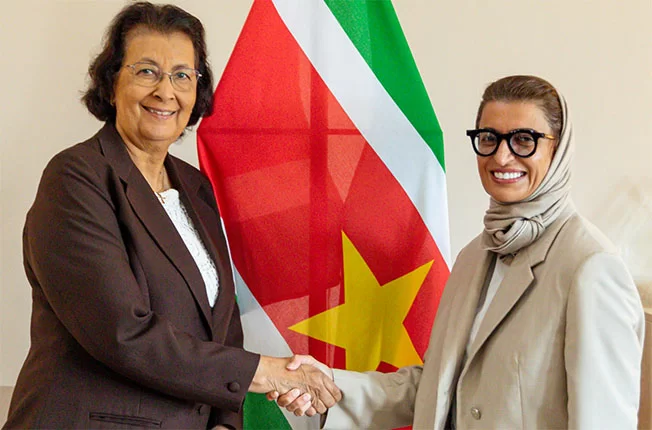
    In a significant diplomatic engagement, Surinamese President Jennifer Simons hosted United Arab Emirates Minister of State Noura bint Mohammed Al Kaabi on Monday, marking a pivotal step toward strengthening bilateral relations between the two nations. The high-level discussions focused on expanding diplomatic presence, technological collaboration, and sustainable development initiatives.

    The meeting yielded concrete plans for enhanced diplomatic representation, with Foreign Minister Melvin Bouva announcing the UAE’s intention to appoint a new ambassador to Suriname. In reciprocity, Suriname will designate a non-resident ambassador to the UAE. Additionally, both nations are considering establishing a Surinamese diplomatic mission in the UAE, strategically positioning Suriname to expand its Middle Eastern presence and access markets across the region and South Asia.

    Technology and digital transformation emerged as cornerstone collaboration areas, with the UAE offering expertise in artificial intelligence, e-governance, and smart city development. Both countries identified mutual opportunities for knowledge exchange and joint projects, particularly in renewable energy. Three key agreements are currently under development: an Air Service Agreement, an investment protection pact, and a comprehensive technological cooperation framework.

    Economic cooperation discussions encompassed agriculture, agri-business, sustainable tourism investments, and diversified energy development. Suriname emphasized its unique position as a carbon-negative nation while highlighting the importance of climate finance collaboration. The talks also covered cultural preservation, with the UAE expressing particular interest in restoring historic buildings within Paramaribo’s UNESCO World Heritage site—a commitment underscored by Minister Al Kaabi’s visit to the Cathedral Basilica of St. Peter and Paul.

    On multilateral matters, both nations pledged mutual support within the UN system and committed to collaborative efforts toward global stability and sustainable development, looking ahead to the Caribbean Energy Week that Suriname will host in March 2026.

    Minister Al Kaabi commended President Simons’ leadership and expressed anticipation for deepened cooperation. Both delegations committed to translating discussed agreements into actionable plans in the immediate future.

  • Groot aanbod grofvuil bij gerichte ophaalactie tegen chikungunya

    Groot aanbod grofvuil bij gerichte ophaalactie tegen chikungunya

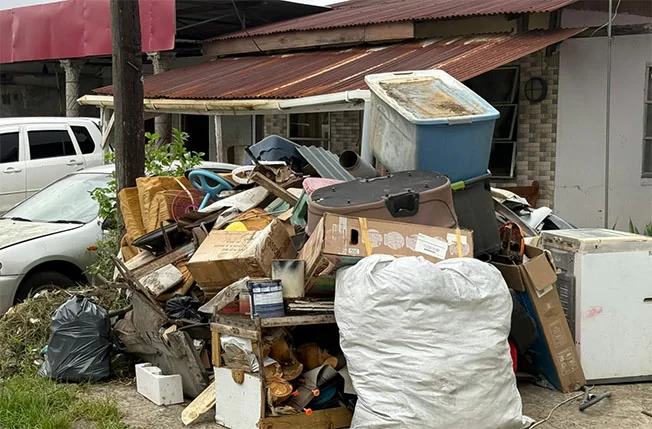
    Surinamese authorities have initiated an intensive bulk waste removal operation in high-risk areas as a strategic measure to contain the spread of chikungunya virus. The campaign, targeting neighborhoods with the highest infection rates, represents a coordinated multi-agency response to eliminate mosquito breeding grounds.

    Acting Director of Public Green Space and Waste Management (OGA) Anwar Moenne confirmed substantial public participation in the Marowijne Project and Blauwgrond regions during initial collections. The operation is spearheaded by OGA under the Ministry of Public Works and Spatial Planning (OWRO), with implementation guidance from the Ministry of Health, Welfare and Labor (VGA).

    The collaborative effort involves district commissioners and the National Coordination Center for Disaster Management (NCCR), which has contributed two vehicles to support logistics. Execution combines contracted service providers already engaged by OWRO with prison labor resources, creating an integrated operational approach.

    Health Minister André Misiekaba emphasized that eliminating breeding sites remains the most effective preventive strategy against chikungunya transmission. Officials have issued urgent appeals for community cooperation, urging residents to maintain clean premises and cease illegal dumping of household and bulk waste along streets and public spaces.

    The operation continues through Friday with scheduled collections in Geyersvlijt (Tuesday), Clevia (Wednesday), Tamansari in Commewijne District (Thursday), and concludes in Richelieu. Project effectiveness will undergo comprehensive evaluation upon completion.

  • President Xi noemt India en China ‘goede buren, vrienden en partners’

    President Xi noemt India en China ‘goede buren, vrienden en partners’

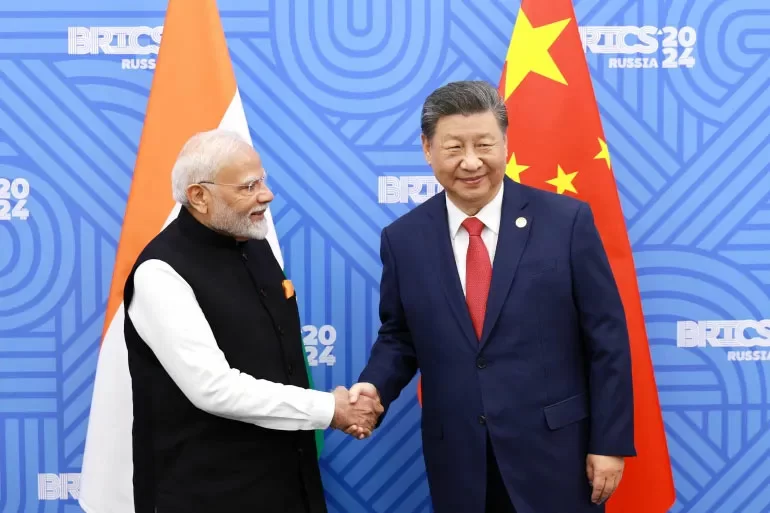
    In a significant diplomatic gesture, Chinese President Xi Jinping characterized India and China as “good neighbors, friends and partners” during his Republic Day message to Indian President Droupadi Murmu. This statement underscores the remarkable thaw in bilateral relations between the two Asian powers following nearly four years of heightened border tensions and economic restrictions.

    The diplomatic reconciliation traces back to October 2024 when President Xi and Prime Minister Narendra Modi held their first formal bilateral meeting in five years during the BRICS summit in Kazan, Russia. This breakthrough encounter set the stage for subsequent confidence-building measures, including India’s August 2025 participation in the Shanghai Cooperation Organisation summit in Tianjin where Modi reaffirmed commitments to improved relations.

    Despite the deadly 2020 border clashes that claimed at least twenty Indian and four Chinese soldiers’ lives—which prompted India to ban TikTok and restrict Chinese investments—bilateral trade demonstrated remarkable resilience. Cross-border commerce continued expanding throughout the tensions, surpassing $130 billion in 2025 even as both nations navigated additional US tariff impositions on their goods.

    The reconciliation process has yielded concrete outcomes: October 2025 marked the announcement of resumed direct flights after a five-year suspension, while Reuters reports indicate pending relaxations of Chinese investment restrictions in India. President Xi’s metaphor of “the dragon and elephant dancing together” captures the evolving dynamic between these civilizational neighbors who now appear determined to transcend historical complexities.

    While persistent border issues require continued diplomatic attention, both nations demonstrate renewed commitment to expanding exchanges and addressing mutual concerns. According to China’s Xinhua News Agency, these developments carry profound significance for maintaining and promoting global peace and prosperity, positioning India and China as increasingly influential power blocs across Asia and beyond.

  • Zestien dorpen Boven-Suriname nu 24 uur per dag van stroom voorzien

    Zestien dorpen Boven-Suriname nu 24 uur per dag van stroom voorzien

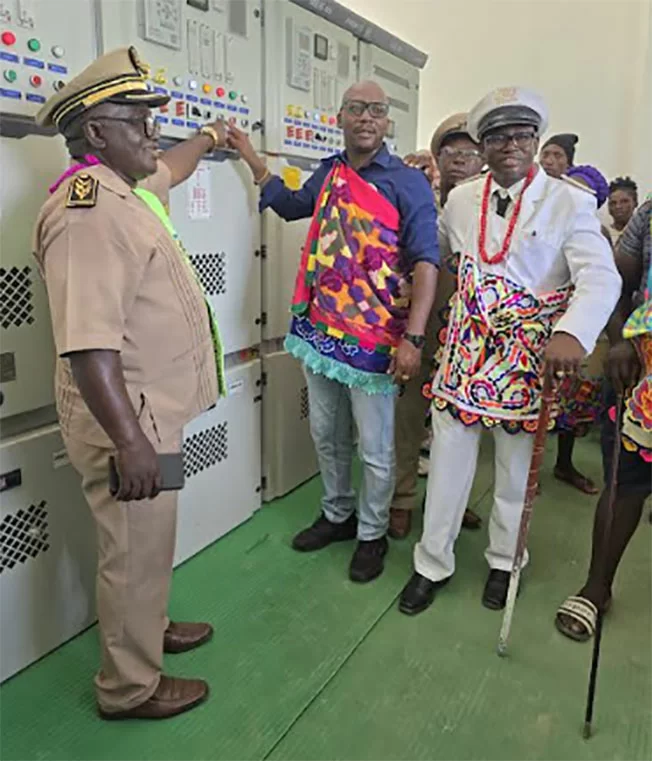
    Sixteen villages in Upper Suriname have achieved a landmark development with the inauguration of continuous electricity supply on January 22. The newly operational Dyumu cluster now provides reliable power to 5,105 households through an innovative hybrid energy system.

    The benefiting communities include Semoisi, Pempe, Dawme, Granslee, Akwaukonde, Bofokule, Godo, Solang, Palulubasu, Asaubasu, Kampu, Bedekonde, Asidonhopo, Akisiamau, Dangogo-1, Dangogo-2, and the Dyumu settlement. These previously underserved regions now enjoy uninterrupted 24-hour electricity access.

    The comprehensive energy infrastructure features a solar farm in Dawme village equipped with 1,872 solar panels, complemented by an 800 kVA diesel generator and a substantial 4,500 kWh battery storage facility. This integrated design not only meets current energy demands but incorporates scalability for future expansion needs.

    Chinese state-owned enterprise Power China has assumed initial operational management responsibilities. The company has committed to knowledge transfer initiatives, pledging to train local residents from connected communities to eventually assume full maintenance operations independently.

    Despite existing financial constraints, Suriname’s Ministry of Natural Resources has affirmed its commitment to expanding continuous electricity provision to additional interior regions. Minister David Abiomofo presided over the commissioning ceremony alongside dignitaries, marking a significant step in national infrastructure development.

  • ‘Niemand is veilig’: China’s Xi richt zich op zijn nauwe bondgenoot in zuivering

    ‘Niemand is veilig’: China’s Xi richt zich op zijn nauwe bondgenoot in zuivering

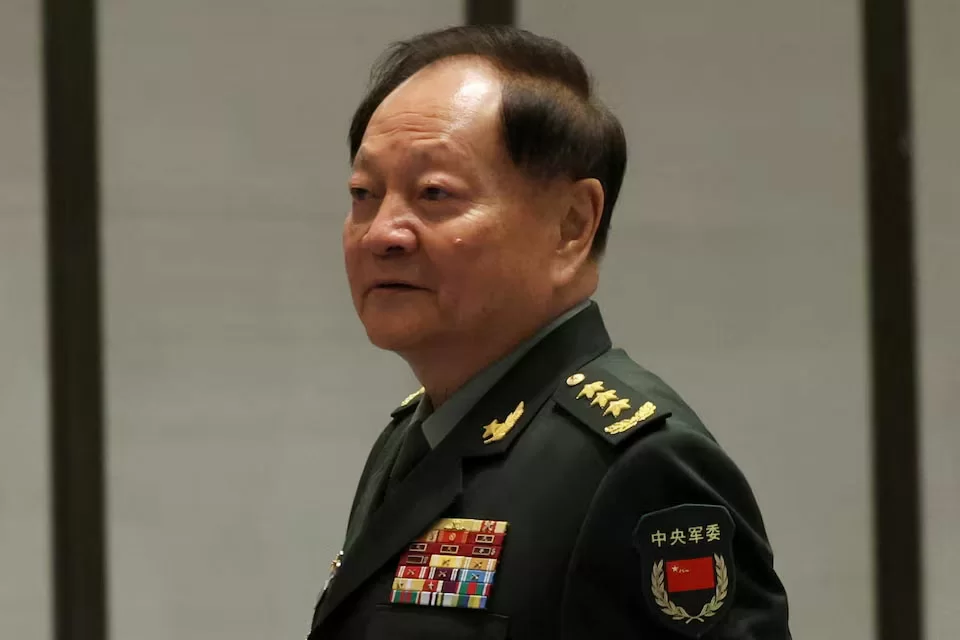
    Chinese President Xi Jinping’s sweeping anti-corruption campaign has penetrated his innermost circle with the announced investigation of General Zhang Youxia, his longtime ally and senior vice-chairman of China’s Central Military Commission (CMC). This unprecedented move demonstrates that even the closest personal connections offer no protection when party loyalty is questioned, fundamentally reshaping China’s political landscape.

    Defense Ministry officials confirmed on Saturday that General Zhang—second only to Xi in military command hierarchy—faces scrutiny over “suspected serious violations of discipline and law.” The investigation marks a significant escalation in Xi’s decade-long corruption purge that previously targeted the Rocket Force leadership overseeing nuclear weapons and removed two defense ministers.

    Analysts from Washington-based think tanks describe the development as “astonishing,” noting that Xi has effectively dismantled the PLA’s leadership structure to an unprecedented degree. The seven-member CMC now functionally operates with just two members following simultaneous investigations into Liu Zhenli, chief of joint staff.

    The PLA Daily’s front-page editorial framed the investigations as a major achievement, accusing both generals of “seriously undermining and violating the Chairman Responsibility System”—the institutional mechanism granting Xi ultimate military decision-making authority. This suggests Zhang may have exercised power beyond prescribed boundaries, though no evidence of power struggle has been presented.

    Notably, both Xi and Zhang belong to the “princeling” class—children of revolutionary veterans—with their relationship dating back decades. The 75-year-old general had been expected to retire in 2022 but was retained by Xi for an unusual third term, highlighting their historically close ties.

    The leadership vacuum raises operational questions for the world’s largest military, with analysts suggesting joint exercises and major initiatives may slow until Xi rebuilds the command structure. Some expect comprehensive appointments during next year’s Communist Party Congress after thorough vetting of candidates.

    Regional security implications are significant: the purge suggests diminished likelihood of immediate military action against Taiwan as Xi prioritizes internal consolidation. However, analysts warn this restructuring aims to create more capable and loyal military leadership that could pose greater future threats to regional stability.

    As Xi continues his mission to ensure absolute political loyalty within party and military ranks, the investigation demonstrates his unwavering commitment to power consolidation—even at the cost of longstanding alliances.

  • Oproep om informatie over overleden Lucia Mildred Harris in Amsterdam

    Oproep om informatie over overleden Lucia Mildred Harris in Amsterdam

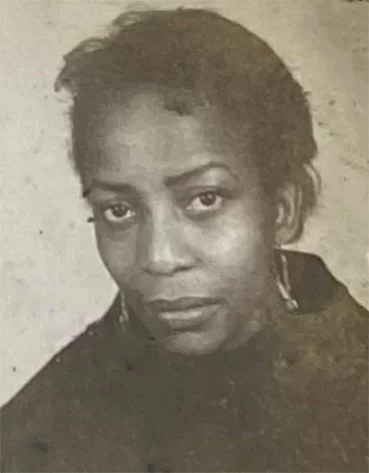
    Amsterdam authorities are making a public appeal for information about Lucia Mildred Harris, a Suriname-born woman who will receive a solitary funeral after being discovered deceased in her Amsterdam-Zuid apartment with no known surviving relatives or social connections.

    The 66-year-old woman was found lifeless in her Cornelis Trooststraat residence on January 7th after a concerned neighbor, who hadn’t seen her for approximately a month, alerted police. Forensic investigation confirmed Harris died of natural causes, ruling out any criminal involvement.

    Despite extensive efforts by Amsterdam municipal authorities to locate next of kin, friends, or acquaintances, no personal connections have been identified. This has prompted the Foundation for Solitary Funerals Amsterdam (Stichting De Eenzame Uitvaart Amsterdam) to organize a dignified burial service for Harris, ensuring she receives proper funeral rites despite her apparent isolation.

    The upcoming ceremony will feature poet Antoine de Kom reciting a poem specially composed in Harris’s honor. The foundation will also document the proceedings for archival purposes.

    Limited biographical information exists about Harris’s life. While it remains unclear when she emigrated from Suriname to the Netherlands, records indicate she attended the Charles Montaigne Fashion Academy in Amsterdam in 1980 before studying French at the University of Amsterdam. Her post-graduate professional life and potential career sector remain unknown.

    The foundation expressed particular surprise that an educated and well-groomed woman would apparently lack any visible social network. They are now issuing an explicit appeal to readers in Suriname and the Surinamese community in the Netherlands who might have known Harris or possess information about her family background and life story.

    The funeral is scheduled for this Friday in Amsterdam. Those with relevant information or potential family connections who wish to attend the service are encouraged to contact the Foundation for Solitary Funerals Amsterdam directly.

  • Cubaanse diplomaat beschuldigt VS van ‘piraterij’ na blokkade Venezolaanse olie

    Cubaanse diplomaat beschuldigt VS van ‘piraterij’ na blokkade Venezolaanse olie

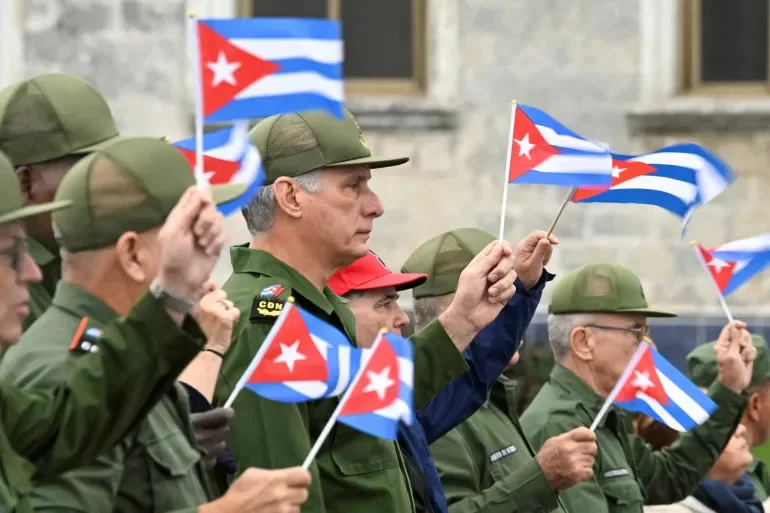
    Cuban Ambassador to Colombia Carlos de Cespedes has leveled serious accusations against the United States, characterizing Washington’s interception of Venezuelan oil shipments to Cuba as “international piracy.” This dramatic escalation follows a controversial U.S. military operation that resulted in the abduction of Venezuelan President Nicolás Maduro.

    In an exclusive interview with Al Jazeera on Saturday, de Cespedes described the American restrictions as a “maritime siege” that severely impacts Cuba’s economy. He asserted that Cuba currently faces the most intense threats from the United States since the 1959 revolution, with comprehensive sanctions and military pressure creating unprecedented economic strain.

    The oil supply from Venezuela, which had served as Cuba’s primary energy source for years, has virtually ceased following Maduro’s capture. President Donald Trump declared earlier this month that “zero” Venezuelan oil would reach Cuba and threatened additional military actions if necessary.

    American forces have been intercepting and confiscating Venezuelan oil tankers throughout the Caribbean region—actions that critics equate with modern-day piracy. Trump has stated that Cuba stands “ready to collapse” due to the loss of these critical energy revenues.

    Although Cuba continues importing limited oil supplies from alternative sources including Mexico, the termination of Venezuelan shipments threatens to push the island’s already fragile economy to the brink. Washington is reportedly considering a complete energy blockade that could potentially trigger a humanitarian crisis.

    Relations between Washington and Havana have remained tense since Fidel Castro’s communist revolution in 1959. The current Trump administration, influenced by Cuban-American officials including Senator Marco Rubio, has adopted an increasingly hardline stance toward Cuba.

    The United States continues to implement its hemispheric foreign policy through a strategy reminiscent of the 19th-century Monroe Doctrine, which treats the American continent as an exclusive sphere of influence. This historical precedent established that European interference in the Americas would be viewed as an attack on the United States itself.

    Despite these mounting pressures, Ambassador de Cespedes emphasized Cuba’s resilience: “It will not subjugate us or break our determination, even if not another drop of oil enters our country.” He invoked Fidel Castro’s anti-imperialist legacy and affirmed that Cuba remains unafraid of threats or terror, concluding with a powerful statement: “Those who seek peace must be prepared to defend it.”

  • Overleg DIN en ambassadeur Panka gericht op samenwerking en ontwikkeling

    Overleg DIN en ambassadeur Panka gericht op samenwerking en ontwikkeling

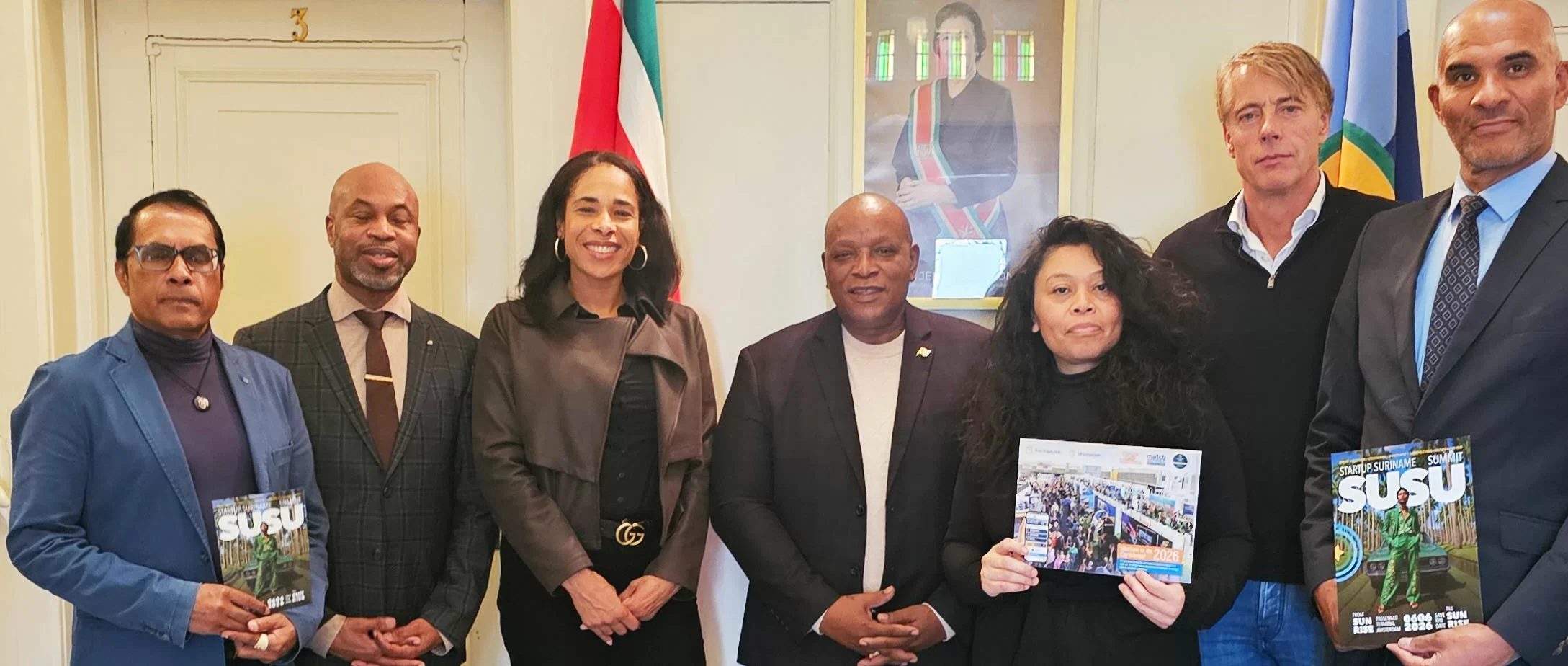
    In a significant diplomatic engagement, the Diaspora Institute Netherlands (DIN) convened with Ambassador Ricardo Panka at the Surinamese Embassy in The Hague to establish frameworks for bilateral cooperation and sustainable development initiatives. The high-level discussion focused on creating substantive partnerships between Suriname and its diaspora community in the Netherlands.

    During the comprehensive dialogue, DIN showcased several strategic initiatives from its network, including the upcoming Career Fair Netherlands scheduled for April 24-25 at Amsterdam’s RAI Convention Center. The event will feature a specialized pavilion dedicated to ‘Working in Suriname,’ complemented by a talk show and networking session on April 24. Additionally, SUSU has planned a significant event for June 6 in Amsterdam.

    Entrepreneur Ludwig Landvreugd presented his visionary plans for international projects in Suriname, emphasizing economic growth and sustainable development models that balance progress with environmental responsibility.

    Ambassador Panka emphasized the critical importance of early embassy involvement in Suriname-related initiatives, stating that the diplomatic mission serves as both a connecting hub and gateway for collaborative ventures. The ambassador explicitly welcomed projects that contribute to the broader interests of both Suriname and its diaspora community.

    All parties agreed to establish concrete implementation steps in the coming period aimed at creating sustainable partnerships and successful societal projects. The meeting reinforced DIN’s role as a platform connecting people, organizations, and initiatives through shared societal interests and transnational cooperation.