标签: Suriname

苏里南

  • President en VWPU werken aan structurele oplossing

    President en VWPU werken aan structurele oplossing

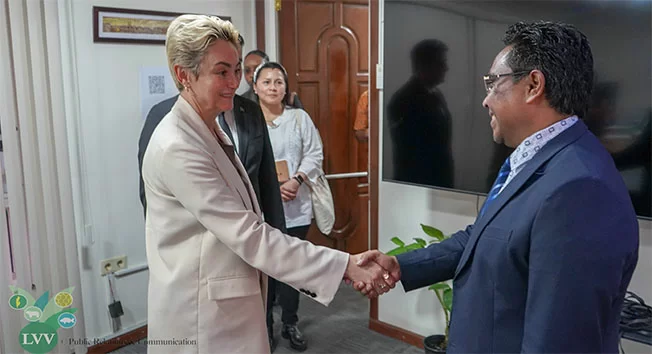
    In a significant development for Suriname’s education sector, the Scientific Staff Union of Anton de Kom University (VWPU) has emerged from productive negotiations with President Jennifer Simons with renewed optimism. The Wednesday meeting at the Presidential Cabinet marked a resumption of dialogue after a period of stalled communications, focusing on systemic challenges within higher education.

    Led by VWPU Chairman Aroenprekash Badal, a physics professor and faculty coordinator, the union delegation engaged in what both sides described as open and respectful discussions. President Simons provided comprehensive context regarding the nation’s current socioeconomic difficulties while union representatives detailed the specific concerns affecting academic staff members.

    A crucial outcome of the meeting was the establishment of a clear timeline for resolution. President Simons formally requested the union to submit concrete proposals in the immediate term, with both parties committing to achieve definitive solutions to existing problems by March 2026. This deadline creates a structured framework for addressing long-standing issues that have affected the university’s academic community.

    Following the presidential engagement, the VWPU has initiated internal consultations with its membership to develop a unified position and craft proposals that address both immediate concerns and long-term structural improvements. The renewed dialogue represents a positive step toward stabilizing Suriname’s higher education system amid broader national challenges.

  • Vaktrainingen geven nieuwe kansen aan inwoners van Albina

    Vaktrainingen geven nieuwe kansen aan inwoners van Albina

    Seventy-five residents of Albina, Suriname, have achieved a significant milestone toward economic self-sufficiency after completing nine months of intensive vocational training. The certificate awarding ceremony, held Tuesday at the VOJ-school in Albina, showcased the tangible outcomes of the “Wroko Fu Mek Moni” project, which equips participants with practical skills to generate independent income.

    The comprehensive training program covered diverse trades including textile crafts, electrical and home installation, assistant hairdressing and barbering, and assistant construction works. This initiative is implemented by the Labor Mobilization and Development Foundation (SAO), an operational arm of the Ministry of Health, Welfare, and Labor (VWA), specifically targeting the enhancement of self-reliance and employment prospects in district communities.

    President Jennifer Simons, who attended the closing ceremony, expressed strong appreciation for the project’s concrete achievements. Female participants presented self-made clothing items, while other graduates demonstrated their skills by repairing the school’s entrance gate and constructing a collection basin. The Head of State emphasized that investing in vocational skills directly contributes to production capabilities and income generation opportunities.

    Simons highlighted that while Suriname’s developing oil and gas sector presents new economic opportunities, it remains essential for citizens to acquire relevant skills to provide services within and around this industry. “During this government term, we aim to transition people from poverty to welfare through production. This requires craftsmanship and creativity,” she stated. The President encouraged graduates to further develop their acquired knowledge and announced that the Foundation for Productive Work Units will provide additional entrepreneurial training for those interested in starting businesses.

    Along with their certificates, all successful participants received starter kits containing essential tools to practice their trades immediately. VWA Vice Minister Raj Jadnanansing urged graduates to become project ambassadors who motivate others to enroll. He also announced that VWA and SAO will soon organize awareness campaigns in Albina and surrounding areas, focusing on educating youth about the dangers of drug and alcohol abuse.

    District Commissioner Marvin Vyent of Northeast Marowijne emphasized the importance of such training programs for young people, noting that the district holds significant potential particularly in hospitality, while vocational training creates broader professional opportunities for both employment and self-employment.

    SAO Director Joyce Lapar described the graduation as a milestone achievement, noting that for some participants, this marked the first formal certificate they had ever earned. She expressed gratitude to the business community, National Army, school administration, and the President for their support, stating: “Your presence underscores the importance of vocational training, capacity building, and SAO’s role in this process. We greatly appreciate this recognition.”

  • Latijns-Amerika en Cariben delen nieuwe oplossingen duurzame schoolmaaltijden

    Latijns-Amerika en Cariben delen nieuwe oplossingen duurzame schoolmaaltijden

    In a landmark gathering in Brazil, Latin American and Caribbean nations unveiled groundbreaking strategies to revolutionize school feeding programs through sustainability, technology, and community engagement. The inaugural RAES exhibition of best practices in school nutrition, co-organized by the UN Food and Agriculture Organization (FAO), the Brazilian government, and the School Feeding Network, convened approximately 300 professionals from 20 nations across Latin America, the Caribbean, and Europe.

    Eleven countries demonstrated concrete initiatives linking school meals to sustainable agri-food systems. Chile introduced the PAE App pilot project, enabling schools to photograph served meals and compare them against planned menus while facilitating parental feedback. Brazil showcased its Food and Nutrition Education Journeys program, reaching over 11,000 schools since 2017 to integrate nutritional education into core curricula.

    Belize revealed how training school cooks alongside professional chefs transformed menus across 78 institutions serving 15,000 students. Paraguay’s Mbo’Eco project combined waste management with environmental education, while Suriname emphasized accelerated progress through international knowledge-sharing.

    Notable innovations included the Dominican Republic’s Optiwaste tool for measuring and reducing food waste, and school garden initiatives from Cuba, Guatemala, and Saint Lucia that enhanced nutrition, entrepreneurship, and special needs education. Uruguay reported a striking 22% reduction in student absenteeism following hygiene and nutrition interventions, while Colombia advocated for culturally adapted meals respecting indigenous communities’ culinary traditions.

    The RAES network—a collaboration of 18 countries implemented by Brazil’s Cooperation Agency (ABC), the National Fund for Education Development (FNDE), and FAO—demonstrated how regional cooperation is creating more transparent, inclusive, and environmentally conscious school nutrition systems.

  • Wet Openbaarheid van Bestuur kent lange voorgeschiedenis

    Wet Openbaarheid van Bestuur kent lange voorgeschiedenis

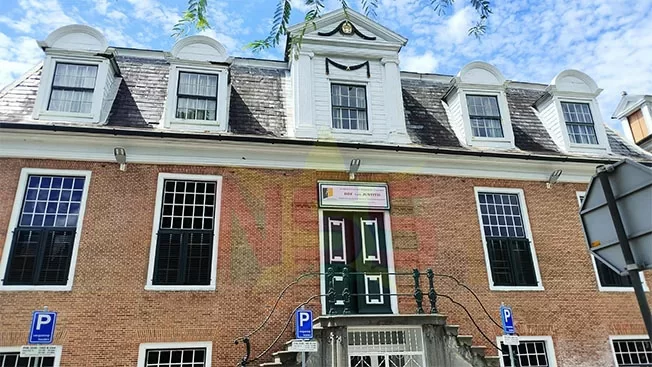
    A significant political discourse has emerged in Suriname regarding the long-pending Wet Openbaarheid van Bestuur (WOB) or Law on Government Transparency, revealing a complex legislative history that predates current political claims. Contrary to recent assertions by VHP faction leader Asis Gajadien, historical records indicate the transparency legislation concept originated from Soewarto Moestadja during his tenure as Acting Minister of Home Affairs in the first Bouterse cabinet.

    The initial draft, developed in 2014, was formally submitted to Parliament in 2016. Moestadja, now an NDP member and former parliamentarian, disclosed that he had already prepared a preliminary version during the 2010-2015 governing period under then-Vice President Robert Ameerali. This early proposal underwent two deliberations in the Council of Ministers before its parliamentary submission.

    Political obstacles, particularly from the then-VHP opposition, prevented substantive discussion of the legislation until after the 2020 government transition. Following the political shift, the VHP—now part of the governing coalition—developed an alternative WOB concept. Moestadja emphasized that two distinct legislative proposals existed simultaneously, challenging Gajadien’s characterization of the initiative as solely his own.

    The VHP’s version also faced implementation challenges during the previous governing period. While parliamentary committees under Gajadien’s leadership attempted to advance the process through interactive sessions with civil society groups, progress stalled due to absenteeism among opposition members, particularly from the NDP.

    Expert assessment revealed substantial criticisms from consulted specialists and organizations including the Citizen Initiative, Surinamese Association of Journalists (SVJ), public administration expert August Boldewijn, and former Vice President Ameerali. The consensus indicated the proposal required comprehensive redesign. An evaluation by the regional Centre for Law and Democracy further confirmed deficiencies, noting insufficient scores on legal and democratic criteria.

    In January 2025, four months before the May 2025 elections, Gajadien submitted an amended version renamed the Wet Openbaarheid van Bestuursinformatie (Law on Transparency of Government Information). Moestadja contextualized this development within Suriname’s broader legislative challenges, noting that three labor laws he proposed as Labor Minister similarly remained unaddressed—even during NDP-led governments.

  • Olieprijzen dalen scherp; markten vrezen overschot in 2026

    Olieprijzen dalen scherp; markten vrezen overschot in 2026

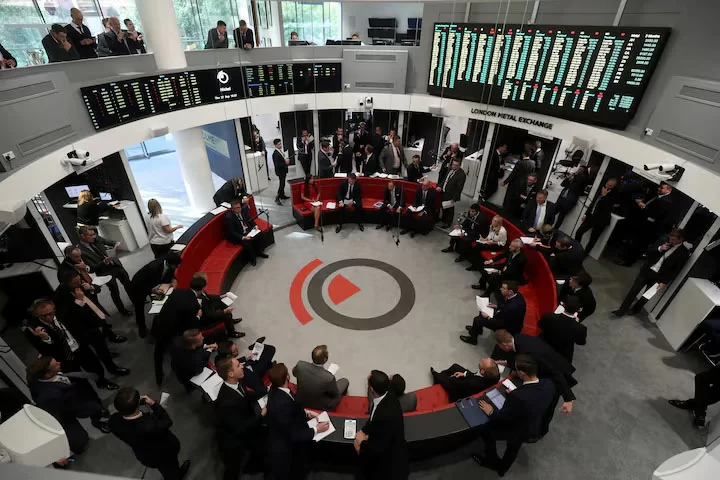
    International oil markets experienced a significant downturn yesterday, with both Brent crude and West Texas Intermediate (WTI) facing substantial pressure due to mounting concerns about potential supply surpluses and weakening demand from major economies. The decline occurred despite a brief price spike following former U.S. President Donald Trump’s announcement regarding potential military action against Venezuela.

    Brent crude futures fell below $60 per barrel while U.S. WTI oil traded around $55 per barrel, marking the lowest levels seen in several months. This downward trajectory follows emerging signals that global oil supply could outpace demand throughout 2026, creating a fundamentally bearish market environment.

    Market analysts attribute the price collapse to multiple concurrent factors:
    – Decelerating economic growth, particularly in China, which continues to suppress oil demand
    – Rising non-OPEC+ production, especially from United States shale operations
    – Geopolitical developments involving Russia and Ukraine that have heightened fears of additional supply entering markets

    Recent economic indicators from both the United States and Europe further reinforced concerns about weakening industrial activity, subsequently deteriorating sentiment across oil markets.

    Analytical projections suggest continued short-term volatility with a downward bias. Most experts agree that without clear production cuts from OPEC+ and with persistent demand weakness from China, the risk of further price deterioration remains substantial.

    Market participants are preparing for several scenarios in 2026:
    – Brent prices oscillating between $55-$65 per barrel range
    – Ongoing tension between producers seeking market share and those prioritizing price stability
    – Potential market interventions by OPEC+ should prices decline excessively

    For oil-producing nations, the price decline translates to increased revenue uncertainty and potential budget pressures. Conversely, importing nations and consumers may experience relief from reduced fuel and energy costs. These market developments underscore the critical importance of prudent fiscal policies and avoiding overreliance on projected oil revenues, according to energy analysts.

  • Kunsteducatie krijgt impuls in Brokopondo met project Beeldkracht

    Kunsteducatie krijgt impuls in Brokopondo met project Beeldkracht

    In a vibrant celebration of cultural heritage, the Beeldkracht arts education initiative has brought renewed focus to the significance of artistic development within Suriname’s Brokopondo district. Spearheaded by the Nola Brokopondo Foundation, the project resumed activities Monday at the Nucleus Center of the Ministry of Education, Science and Culture, receiving enthusiastic endorsement from the Directorate of Culture.

    The program attracted hundreds of students and teachers from vocational schools across the district, who arrived by bus to engage with visual arts and photography. Participants admired the intricate woodcarvings of visual artist David Linga while photographer Roy Tjin demonstrated techniques for capturing artwork effectively using basic mobile phone cameras.

    The opening ceremony featured students from Frans Pryor School in Tapoeripa, who welcomed cultural representatives with a traditional Saramaccan song followed by a musical tribute to the Surinamese flag. The performance highlighted the symbolic meaning of the flag’s colors and star as emblems of national identity.

    Samuel Wens, chairman of the Nola Brokopondo Foundation, honored the legacy of Dutch artist Nola Hatterman, who played a pivotal role in developing Suriname’s art education system from 1954 until her final years in Brokopondo. Hatterman taught drawing to local children and organized exhibitions from her Mamamdamweg studio. The Beeldkracht project forms part of Suriname’s 50th independence anniversary commemorations and advances plans to restore Hatterman’s former residence as a district arts center.

    Clifton Braam, deputy director of the Directorate of Culture, praised the initiative while acknowledging the challenges facing arts education in schools. He emphasized that creativity remains understimulated despite art’s essential role in youth development, celebrating both the restoration plans and the students’ flag song as exemplary methods for instilling national values.

    Workshops commencing Tuesday featured Linga’s mahogany sculptures displayed throughout the center’s park, with the artist explaining their symbolism connected to Suriname’s history of slavery and freedom struggles. Tjin provided practical photography guidance focusing on lighting, composition, and background techniques.

    Students responded with visible emotion to the artworks, with 16-year-old Kimora Liberetto noting that arts education diminishes after secondary school’s second year, making the project particularly meaningful. The sculptures evoked recognition of animals, birds, and elements from the students’ local environment.

    The program continues through the week with workshops on woodworking, cedar craftsmanship, and art conservation in tropical climates. Over five hundred secondary students will participate in exhibitions and workshops, supported by funding from the Johan Ferrier Fonds.

  • Parlementaire commissie wil OM spreken over initiatiefwet inrichting rechterlijke macht

    Parlementaire commissie wil OM spreken over initiatiefwet inrichting rechterlijke macht

    Suriname’s National Assembly has taken significant steps toward judicial reform with the establishment of a special parliamentary committee mandated to engage with the Public Prosecutor’s Office regarding proposed legislation on the structure of the judiciary. The committee, appointed during Monday’s administrative session, aims to initiate dialogue with judicial authorities as early as this week.

    Rabin Parmessar, leader of the National Democratic Party faction and appointed committee chair, currently oversees four distinct legislative proposals concerning judicial organization. Parmessar clarified that the decision to consult the Public Prosecutor’s Office stems from constitutional necessities rather than responding to Prosecutor General Garcia Paragsingh’s expressed concerns about the proposed laws. “This initiative reflects our shared commitment to properly establishing the judicial branch as a fundamental pillar of our separation of powers,” Parmessar stated.

    Both Parmessar and fellow NDP legislator Ebu Jones emphasized that parliamentary members maintain constitutional authority to propose legislation, noting that the Prosecutor General’s public criticism through media channels occurred prematurely and without proper procedural context. Jones highlighted the established parliamentary process for legislative proposals, which involves formal submission, committee appointment during administrative sessions, and consultation with relevant stakeholders before public deliberation.

    The current situation presents a unique circumstance where four separate committees—all chaired by Parmessar—will examine constitutional amendments and judicial restructuring proposals before they became public knowledge, somewhat accelerating the typical legislative timeline.

    In parallel developments, the National Assembly established additional committees for other legislative matters, including a committee for the Sustainable Nature Management initiative led by NDP parliamentarian Rossellie Cotino. The government has identified this legislation as crucial for policy implementation, particularly following Suriname’s recent securing of $20 million in commitments from Nordic countries and international environmental institutions during the latest UN assembly. These funds remain contingent upon strengthening the legal framework for environmental conservation.

    Notably, the proposed ban on online gambling has not yet received committee assignment as it was absent from the current session’s agenda. Jones has received assurances that this proposal will be prioritized during the next parliamentary administrative meeting.

  • SZF-verzekerden voortaan verlost van bijbetalingen operaties en medicijnen

    SZF-verzekerden voortaan verlost van bijbetalingen operaties en medicijnen

    In a landmark healthcare reform, Suriname’s Minister of Public Health, André Misiekaba, has announced the complete elimination of co-payments for surgeries and medications covered under the state insurance scheme. The policy shift, declared on December 13th during the opening of the Medhulp General Practitioners Emergency Post, aims to provide immediate financial relief to thousands of citizens.

    The minister revealed that since assuming office, he has been confronted with numerous complaints from patients who faced exorbitant out-of-pocket expenses despite being insured with the State Health Fund (SZF). Particularly at the Academic Hospital, these supplemental payments reached staggering amounts—up to SRD 60,000 per surgery—rendering essential medical care unaffordable for many.

    A recent SZF directive now prohibits hospitals, physicians, and pharmacies from directly billing patients for treatments and medicines included in the SZF formulary. Instead, all invoices must be submitted directly to SZF for processing. When necessary, SZF will collaborate with health insurer SOSAVO to determine cost coverage parameters, ensuring patients are shielded from unexpected financial burdens.

    “If you are insured with SZF and require surgery, you will no longer receive a bill. It goes directly to SZF. Citizens need not worry about co-payments anymore,” Minister Misiekaba stated emphatically.

    Additionally, the ministry will conduct a comprehensive evaluation and update of the national drug formulary in January. Frequently prescribed medications for oncology and diabetes patients—increasingly used in recent years—will be incorporated into the formulary to guarantee their structural availability at SZF pharmacies.

    The minister emphasized that healthcare providers must strictly adhere to their contractual agreements with SZF. For medicines within the formulary, no supplemental payments may be requested. Only when a physician consciously prescribes an alternative treatment outside the formulary might a limited co-payment apply.

    These measures represent a significant stride toward more accessible and affordable healthcare in Suriname. Further improvements will be implemented phasedly, with citizens expected to experience tangible relief in their daily healthcare interactions.

  • PAHO presenteert routekaart tegen ‘stille moordenaar’ hoge bloeddruk

    PAHO presenteert routekaart tegen ‘stille moordenaar’ hoge bloeddruk

    The Pan American Health Organization (PAHO) has launched a transformative roadmap to revolutionize hypertension and cardiovascular disease management across the Americas. Published in The Lancet Regional Health – Americas, the innovative Hearts Quality Framework provides nations with an immediately actionable blueprint for preventing heart attacks and strokes through primary care systems.

    Cardiovascular diseases claim over 2.2 million lives annually throughout the region, frequently affecting individuals during their most productive years. Hypertension, affecting nearly 40% of adults and dubbed the ‘silent killer,’ represents the primary risk factor. Despite the availability of affordable and effective medications, only one in three patients currently maintains controlled blood pressure levels.

    PAHO Director Jarbas Barbosa emphasized that hypertension represents “the deadliest yet most manageable health challenge worldwide.” The framework transcends theoretical policy documents, serving as a practical implementation guide already saving lives in thousands of healthcare facilities.

    The comprehensive framework consolidates evidence-based practices and addresses critical barriers including inaccurate blood pressure measurements, limited access to essential medications, suboptimal treatment protocols, and unnecessary monthly consultations. Key interventions mandate the use of validated automated blood pressure monitors, implement pooled procurement mechanisms for affordable medications, extend prescription durations, and expand nurses’ roles in medication adjustment.

    Currently operational across 33 nations, the Hearts initiative reaches approximately 10,000 primary care facilities and serves over six million patients. Regions implementing the program fully demonstrate remarkable success, with nearly 60% of patients achieving blood pressure control—almost double the regional average.

    The framework supports the ambitious 80-80-80 targets: diagnosing 80% of hypertensive individuals, treating 80% of diagnosed patients, and achieving controlled blood pressure in 80% of those treated. PAHO’s Pedro Orduñez projects that meeting these objectives could prevent over 400,000 deaths and 2.4 million hospitalizations by 2030.

    Significant improvements in blood pressure control are already evident in pioneering nations including Cuba, Chile, El Salvador, and Mexico. PAHO urgently calls upon governments and healthcare providers to adopt this life-saving model to strengthen primary healthcare infrastructure and preserve millions of lives across the Americas.

  • IPSC sluit sportjaar af met succesvolle Tanfoglio Exhibition Match

    IPSC sluit sportjaar af met succesvolle Tanfoglio Exhibition Match

    The Surinamese IPSC Shooters Association culminated its sporting year with the successful Tanfoglio Exhibition Match, a Level 1 competition sponsored by Tanfoglio-Tomahawk. Held at the NorthISH shooting range in Weg naar Zee instead of the usual Rijstdijk venue, the event aimed to enhance public awareness of dynamic shooting sports while providing athletes with a celebratory season finale.

    The competition featured three stages across five classifications, maintaining a spirited yet relaxed atmosphere despite intense competitive rivalries. Hongan Bai emerged as the standout performer, securing victory in both the Standard class (ahead of Andy Liu and Stanley Lau) and Senior class (followed by Liu and Marcel Tjon Kon Joe).

    Tamani Stuger claimed top honors in the Ladies’ category while achieving an impressive fourth-place overall ranking. The Open class witnessed Bruce Djosetiko demonstrating superior skill against Mingpei Gao, with Andrew Wilson completing the podium. Will Liu dominated the PCC classification ahead of Calvin Baank and surprise contender Damian Chung.

    Additional category victories included Alex Stuger’s Production Optics win over Darren Tjon Kon Joe and Jeff Yang, while Nigel Sloot triumphed in Production class with Lin Feng as runner-up.

    A notable event feature allowed spectators to experience newly introduced Tanfoglio competition firearms under IPSC association supervision. This interactive initiative generated substantial interest and appreciation among attendees, potentially expanding the sport’s participant base.

    With this successful season conclusion, IPSC Suriname anticipates an even more dynamic competitive calendar in 2026.