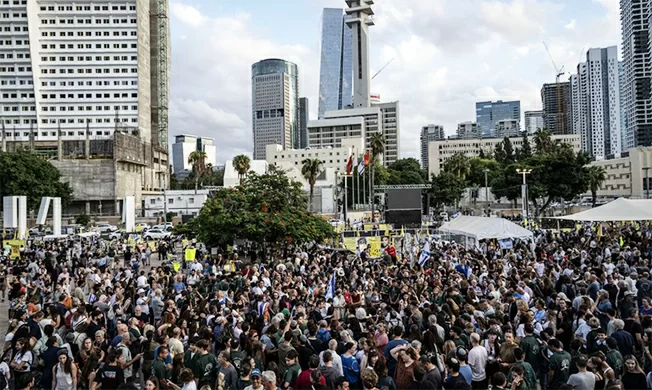
In a significant diplomatic breakthrough, Israel and Hamas have agreed to the first phase of a ceasefire in Gaza, marking a pivotal moment in the ongoing conflict. The agreement, finalized on Thursday after weeks of intense negotiations in Sharm el-Sheikh, Egypt, was brokered with the mediation of the United States, Egypt, and Qatar. Both parties, along with U.S. President Donald Trump, confirmed the signing of the deal, which includes the release of hostages and Palestinian prisoners, as well as a partial withdrawal of Israeli troops from certain areas of the Gaza Strip. According to Reuters, the initial phase involves Hamas releasing all remaining Israeli hostages in exchange for hundreds of Palestinian detainees. Additionally, Israel will withdraw its forces to a pre-determined ‘initial line’ and permit humanitarian aid across all regions of Gaza. International reactions have been cautiously optimistic, with the United Nations describing the agreement as a ‘moment of hope’ while emphasizing the critical importance of compliance. The Palestinian Authority hailed the deal as a ‘necessary humanitarian breakthrough,’ while Israeli opposition leaders urged vigilance and oversight during its implementation. However, uncertainties remain regarding Gaza’s future governance and Hamas’s role in the second phase of negotiations, which will focus on reconstruction and demilitarization. Despite the immediate enforcement of the ceasefire, reports of sporadic clashes in parts of Gaza persist. Diplomats stress that adherence in the coming days will be decisive for the agreement’s success. President Trump called the deal a ‘historic moment that gives peace a chance,’ while Hamas spokesperson Basem Naim stated that ‘the Palestinian people yearn for security and dignity after years of suffering.’ An international monitoring team will oversee compliance in the weeks ahead, with hopes that this agreement lays the groundwork for a second phase aimed at sustainable peace, reconstruction, and political reform in Gaza.