标签: Suriname

苏里南

  • Samenwerking MAS en UKHO beoogt versterking maritieme veiligheid

    Samenwerking MAS en UKHO beoogt versterking maritieme veiligheid

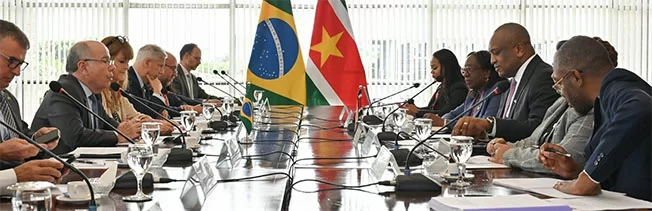
    In a significant bilateral advancement for maritime operations, Suriname’s Maritime Authority (MAS) has formalized a strategic partnership with the United Kingdom Hydrographic Office (UKHO) through a newly signed cooperation agreement. This collaboration focuses on deploying state-of-the-art hydrographic surveying technology and jointly producing specialized navigation charts for maritime transport.

    The partnership will employ advanced multibeam echosounder systems to conduct comprehensive seabed and river mapping, alongside precision hydrographic measurements. This technological integration aims to substantially enhance the efficiency of hydrographic surveys while dramatically reducing production costs associated with both river and seafloor mapping operations.

    According to official statements from MAS, this agreement delivers multifaceted benefits beyond mere cost reduction. It represents a substantial leap in technological capability for Suriname’s maritime sector while simultaneously strengthening navigational safety standards throughout the region. The collaboration marks a critical step in modernizing Suriname’s hydrographic infrastructure through knowledge transfer and technical assistance from one of the world’s leading hydrographic institutions.

    The UKHO brings centuries of cartographic expertise to this partnership, having maintained the world’s largest repository of depth information for safe navigation. This cooperation signifies growing international interest in Suriname’s maritime domain and sets a precedent for technological exchange between Caribbean nations and European specialized agencies.

  • DSB stelt SRD 160 miljoen dividend vast na goedkeuring jaarrekening 2024

    DSB stelt SRD 160 miljoen dividend vast na goedkeuring jaarrekening 2024

    Suriname’s leading financial institution, De Surinaamsche Bank N.V. (DSB), has announced a substantial dividend distribution of SRD 160 million to shareholders during its recent General Assembly meeting. This decision coincides with the bank’s landmark 160th anniversary celebrations and follows an exceptionally profitable fiscal year in 2024.

    The bank reported impressive financial results, achieving a net profit of SRD 546.3 million for the year ending 2024. DSB’s equity capital demonstrated robust growth, climbing to SRD 3.7 billion, while its solvency ratio strengthened significantly to 27.2%, up from 24.2% recorded in 2023.

    During the assembly, management highlighted substantial improvements in operational frameworks implemented over the past 24 months. The bank has successfully enhanced its supervision protocols, governance structures, risk management systems, compliance measures, and financial reporting capabilities. Notably, DSB has produced four consecutive IFRS-compliant annual financial statements, positioning the institution to achieve its target of reporting within six months after the balance sheet date starting from 2026.

    Corporate governance developments included the reappointment of two members to the Board of Commissioners and the nomination of a new board member, pending regulatory approval from the Central Bank of Suriname. Additionally, shareholders endorsed the nomination of Raveen Koelfat as Director in the capacity of Chief Commercial Officer. Upon central bank approval, this appointment will expand the bank’s directorate team to four members.

    The Board of Commissioners and executive leadership expressed profound appreciation for management and staff contributions while acknowledging the continued trust from shareholders, clients, business partners, and regulatory authorities. DSB reaffirmed its commitment to building upon its solid foundation and clear strategic direction to further strengthen its market position in the coming years.

  • Leger des Heils deelt dit jaar fors minder kerstpakketten uit

    Leger des Heils deelt dit jaar fors minder kerstpakketten uit

    The Salvation Army in Suriname faces a significant reduction in its annual Christmas outreach program, distributing only 800 food parcels this holiday season compared to 1,400 last year. The organization had targeted a fundraising goal of SRD 1 million to support 1,500 packages for those in need but fell substantially short of this objective.

    Distribution commenced this morning at the Salvation Army’s Paramaribo headquarters, where over 600 recipients collected their packages. According to PR officer Guillermo Demon, the remaining 200 parcels will be distributed across the Para, Coronie, Saramacca and Nickerie regions.

    The event began with prayers and Christmas wishes before nearly descending into chaos as demand dramatically exceeded supply. Police intervention was required to maintain order and ensure the orderly continuation of the distribution process. Following the official allocation, a group of hopeful individuals remained on the premises in the vain expectation that additional packages might become available.

    Demon noted that hundreds of registered applicants ultimately faced disappointment. ‘Demand is increasing, but our resources and finances are diminishing,’ he observed. Despite the setback, Demon maintained a philosophical perspective: ‘This is indeed a decline. But as a Christian organization, we don’t complain or mourn. We prayed and worked toward this goal. Whatever the result, we thank the Lord. We will examine how to improve next year.’

  • DNA buigt zich vrijdag over wet Duurzaam Natuurbeheer

    DNA buigt zich vrijdag over wet Duurzaam Natuurbeheer

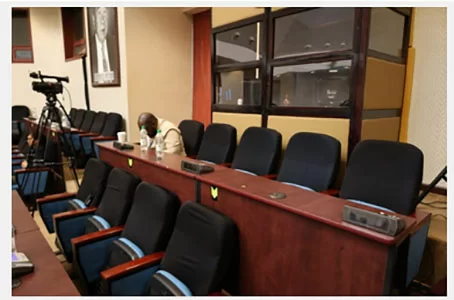
    Suriname’s National Assembly is poised to conduct a pivotal public deliberation on the Sustainable Nature Management Initiative Law this Friday, marking a transformative shift in environmental governance. This legislative proceeding will commence with an administrative session featuring comprehensive reports from parliamentary committees before advancing to open debate and potential ratification.

    The proposed legislation represents a fundamental paradigm shift in how the nation approaches conservation and resource utilization. With Suriname maintaining over 93% forest coverage and ranking among the world’s most biodiverse regions, the country faces critical balancing between economic development pressures and environmental preservation. The initiative constitutes a complete revision of the outdated Nature Protection Act of 1954, establishing modern frameworks for ecological stewardship.

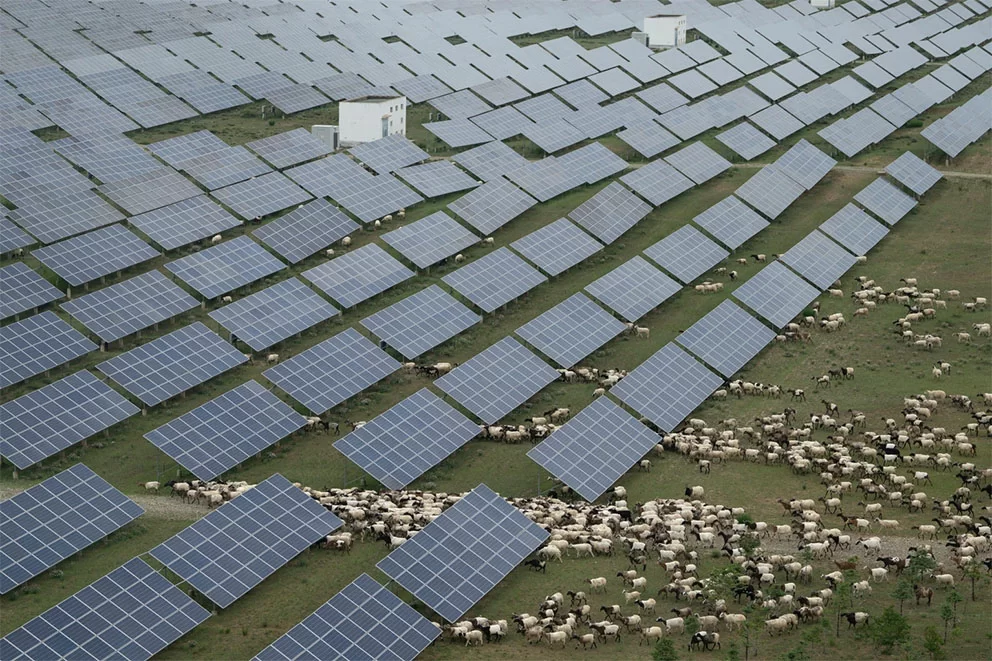
    A cornerstone innovation involves the financial architecture supporting nature policy. The legislation allocates approximately USD 20 million as seed capital for conservation management, channeled through the Environmental Fund to finance protection initiatives, sustainable usage programs, and area management. This funding mechanism extends eligibility to government agencies, local communities, and private conservationists alike, establishing unprecedented financial sustainability for environmental initiatives.

    International environmental organizations including Rainforest Trust, Re:wild, and Andes Amazon Fund have committed minimum USD 20 million in conservation funding to President Jennifer Simons, contingent upon legislative modernization. These resources will strengthen protected areas, promote sustainable ecotourism, and support indigenous communities through structured programming.

    Despite Suriname’s international recognition as a High Forest Low Deforestation nation, recent data reveals accelerating deforestation rates approaching 0.06% annually. Mining operations constitute the primary driver of habitat loss, followed by infrastructure development and urbanization. These trends generate not only ecological consequences but also directly impact indigenous territories, escalating land-use conflicts throughout the region.

    The legislative framework explicitly embraces sustainable management principles, recognizing nature as both ecological treasure and economic resource under stringent conditions. Innovative instruments including nature tourism concessions, payments for ecosystem services, and designation of private protected areas aim to foster ‘green growth’ while reducing dependence on extractive industries like oil and gold.

    Implementation authority centers on the National Environmental Authority (NMA), tasked with coordinating and executing conservation management. The NMA will oversee protected areas, concessions, scientific research, and compliance enforcement through interagency collaboration.

    The legislation further institutionalizes the FPIC principle (Free, Prior and Informed Consent), mandating explicit community approval for protected areas, buffer zones, or concessions affecting indigenous territories. Traditional knowledge receives formal recognition, with provisions enabling indigenous groups to propose independently managed protected areas.

  • Levenslange celstraf voor Franse anesthesist na vergiftiging 30 patiënten

    Levenslange celstraf voor Franse anesthesist na vergiftiging 30 patiënten

    In a landmark judicial ruling, French anesthesiologist Frédéric Péchier has been sentenced to life imprisonment for the deliberate poisoning of thirty patients during surgical procedures, resulting in twelve fatalities. The Besançon court established that the 53-year-old medical professional systematically adulterated intravenous bags between 2008 and 2017, intentionally inducing cardiac arrests in patients across two private clinics in eastern France.

    The victims, whose ages ranged from 4 to 89 years, required emergency resuscitation following their operations. Tragically, twelve patients did not survive despite medical intervention. The investigation into Péchier’s activities commenced after forensic analysis detected lethal concentrations of potassium in the IV solution administered to one female patient who suffered intraoperative cardiac arrest.

    Throughout the trial proceedings that commenced in September, Péchier maintained his innocence regarding all charges. The presiding judge specified that the convicted anesthesiologist must serve a minimum of 22 years before becoming eligible to petition for early release. Péchier was taken into custody immediately following the verdict, having remained free throughout the investigative period without pretrial detention.

    This case represents one of France’s most severe medical criminal prosecutions, highlighting critical vulnerabilities in healthcare safety protocols and raising profound ethical questions regarding medical professional conduct.

  • Subsidie-uitbetaling en commissie in zicht na overleg met PLO

    Subsidie-uitbetaling en commissie in zicht na overleg met PLO

    In a significant development for Suriname’s public transportation sector, President Jennifer Simons has brokered a comprehensive agreement with the Private Bus Owners Organization (PLO) following high-stakes negotiations at the Cabinet of the President on Wednesday. The breakthrough talks yielded concrete solutions addressing long-standing financial and operational challenges that have plagued the nation’s transport system.

    The discussions, characterized by both parties as open and constructive, resulted in two major commitments: the immediate disbursement of long-overdue subsidies to bus operators and the establishment of a special commission tasked with developing sustainable, long-term improvements for the sector. PLO Chairman John Mahadewsing presented multiple solution models during the negotiations, focusing specifically on three critical pain points: the severely aging bus fleet, outdated fare structures, and chronic financial difficulties facing bus operators.

    Demonstrating the administration’s commitment to swift action, President Simons personally contacted the Ministry of Finance and Planning during the meeting to initiate the subsidy payment process. This direct intervention has bolstered confidence that outstanding subsidy funds will be disbursed this week or next at the latest, according to reports from Suriname’s Communication Service.

    The newly established commission will bear responsibility for crafting a detailed development plan aimed at creating a more future-proof public transportation system. This initiative seeks to balance the interests of both bus operators and passengers while addressing systemic sustainability challenges.

    Notably, Mahadewsing explicitly ruled out any threat of transport strikes or disruptive actions, assuring citizens that ‘society need not worry.’ He characterized the negotiations as exceptionally positive and forward-looking, expressing cautious optimism about the implementation of the agreed measures. The chairman emphasized that the agreement establishes a foundation for incremental improvements that will benefit both the transportation sector and the broader society.

  • Tienduizenden boeren protesteren in Brussel tegen Mercosur-verdrag

    Tienduizenden boeren protesteren in Brussel tegen Mercosur-verdrag

    Thousands of European farmers descended upon Brussels on Thursday, mobilizing agricultural vehicles in a massive demonstration against the proposed EU-Mercosur trade agreement. The protest coincided with a critical summit where European leaders are scheduled to deliberate on the contentious trade pact with the South American bloc.

    Organizers reported approximately 10,000 agricultural producers from 26 EU member states converged on the Belgian capital to voice their opposition. The timing was strategically aligned with high-level discussions concerning the European budget and the future trajectory of agricultural policy beyond 2027.

    At the heart of the protest lies farmers’ profound concerns regarding market competition. They argue the agreement—which would open European markets to agricultural products from Argentina, Brazil, Paraguay, and Uruguay—creates fundamentally unequal conditions. European producers fear being undercut by cheaper South American imports, potentially destabilizing price structures and threatening their economic viability.

    The demonstration featured a convoy of tractors and displayed numerous banners amplifying their message through Brussels’ streets. This mobilization represents the latest in a series of coordinated actions by agricultural organizations across the EU, opposing both the Mercosur agreement and proposed reforms to the Common Agricultural Policy.

    The Mercosur pact, subject to prolonged and intense negotiations, faces renewed scrutiny during current EU deliberations. France and Italy have already expressed reservations about supporting the agreement, influenced significantly by pressure from agricultural constituencies. This opposition casts considerable uncertainty on the ratification process.

    These developments highlight the growing tension between free trade ambitions and the protection of European agricultural interests. The coming days are poised to determine the fate of the Mercosur agreement and its acceptance within the European Union.

  • Column: Ten Cate aan het roer

    Column: Ten Cate aan het roer

    In a bold strategic move to qualify for the FIFA World Cup, the Surinamese Football Association has secured the services of two renowned Dutch football figures. Former Ajax and Barcelona assistant coach Henk ten Cate has emerged from retirement to take helm as head coach, joined by ex-Chelsea and Barcelona defender Winston Bogarde as assistant coach.

    The appointments mark a significant development in Suriname’s renewed approach to international football, which focuses on leveraging professional players who received their training abroad. Both coaches bring substantial elite-level experience, with Ten Cate having previously worked with some of Europe’s top clubs while Bogarde enjoyed a distinguished playing career at the highest level.

    This coaching combination represents an unprecedented commitment to Suriname’s football development. Despite their already accomplished careers, both professionals have demonstrated willingness to contribute their expertise to help grow the national team program. Their decision to join the project underscores the seriousness of Suriname’s World Cup ambitions.

    Football authorities emphasize that this moment represents a unique opportunity for Surinamese football, though significant challenges remain. The path to World Cup qualification requires extensive work from all stakeholders—the board, general manager, coaching staff, and players alike. Success will also depend on FIFA’s cooperation in releasing eligible players in a timely manner to facilitate proper preparation.

    The appointments have generated optimism within Surinamese football circles, with hopes that the coaches’ expertise and humility will positively influence the entire organization as they work toward the common goal of international success.

  • Lazard akkoord met ontbinden schuldherstructureringscontract

    Lazard akkoord met ontbinden schuldherstructureringscontract

    Suriname’s Ministry of Finance has formally dissolved its contentious debt restructuring agreement with financial advisory firm Lazard, marking the end of a five-year partnership that has cost the South American nation nearly $9.5 million. Finance Minister Adelien Wijnerman confirmed to Starnieuws that the termination follows mutual consent through official correspondence, though Suriname still owes approximately $3 million in outstanding fees to the New York-based investment bank.

    The original 2020 contract, amended in 2025, stipulated Lazard would receive a $120,000 monthly retainer fee plus a 0.25% success fee on restructured or swapped foreign government debt and state-guaranteed commercial obligations—covering both principal and interest portions. However, several contractual provisions remained unenforced, including requirements mandating Lazard’s involvement in all debt negotiation phases and payment of $109,000 for legal advisory services regarding the Value Recovery Instrument (VRI).

    The VRI—a debt financing mechanism that would have pledged future oil royalties to creditors in exchange for debt reduction—has been rendered obsolete by Suriname’s recent bond issuance that redeemed outstanding debts. Former government officials had promoted the VRI as potentially reducing Suriname’s debt by over $300 million, but financial experts condemned it as an oppressive agreement that would have indefinitely mortgaged the nation’s future oil revenues.

    Background reveals Lazard was selected through a 2020 tender process that included five prestigious firms: Moelis & Company, Morgan Stanley, Credit Suisse, Rothschild, and Lazard Frères. A special committee appointed by former Finance Minister Armand Achaibersingh chose Lazard for its low bid and global reputation, despite the controversial terms.

    Contract termination clauses allow either party to exit with thirty days’ notice, after which obligations cease except for specific provisions. The agreement also stipulates that if Suriname resumes debt management strategies within twelve months with previously involved parties, Lazard must be reengaged under identical terms. Minister Wijnerman assured that outstanding payments to Lazard will be settled, noting the firm—as a publicly traded company—must report client payment obligations to regulatory authorities.

  • Instelling beheersraad centraal bij overleg over Waterkant

    Instelling beheersraad centraal bij overleg over Waterkant

    Suriname’s Presidential Tourism Commission has initiated decisive action to address the deteriorating conditions at Waterkant, the capital’s prominent waterfront tourist area. During a recent stakeholder assembly, commissioners unanimously advocated for establishing a formal management authority to oversee the district’s rehabilitation and sustainable development.

    Commission Chair Rachel Pinas revealed that the organization has received numerous complaints regarding Waterkant’s declining state. Local residents, vendors, artisans, and business operators have reported widespread vandalism, inadequate waste management, insufficient lighting, and lack of security patrols throughout the area.

    The meeting highlighted how fragmented responsibilities among various agencies have hindered effective management. Minister Raymond Landveld of Transport, Communication, and Tourism has been formally requested to establish a Waterkant Management Council that will centralize oversight and coordination.

    This new governing body will serve as the central contact point for all stakeholders, coordinate between involved institutions, and develop unified policies for maintenance, security, and aesthetic enhancement. Pinas emphasized that such centralized authority is essential for preserving Waterkant’s tourism value and ensuring its sustainable protection. She expressed hope that the council could be operational before year’s end.

    Participants also agreed to organize a follow-up session with all involved parties to develop a comprehensive action plan. The commission chair appealed to the public to exercise greater care for the waterfront area, stating, “Let us be loving and good to our country.”

    The stakeholder meeting included representatives from multiple government entities including the Ministry of Transport, Communication and Tourism, SMS Pier, Public Green Spaces and Waste Management, the Paramaribo Middle District Commission, the Paramaribo Urban Rehabilitation Program, and local residents.