标签: Suriname

苏里南

  • Trump waarschuwt: ‘Cuba is next’ na ‘successen’ in Venezuela en Iran

    Trump waarschuwt: ‘Cuba is next’ na ‘successen’ in Venezuela en Iran

    President Donald Trump has identified Cuba as the next potential target for U.S. intervention following what he characterized as successful military operations in Venezuela and Iran. Speaking at an investment forum in Miami on Friday, the president hinted at impending actions against the Caribbean nation while maintaining his signature ambiguous rhetoric.

    “I’ve built this tremendous military,” Trump stated. “I said, ‘You’ll never have to use it.’ But sometimes you have to use it. And Cuba is next, by the way. But pretend I didn’t say that.”

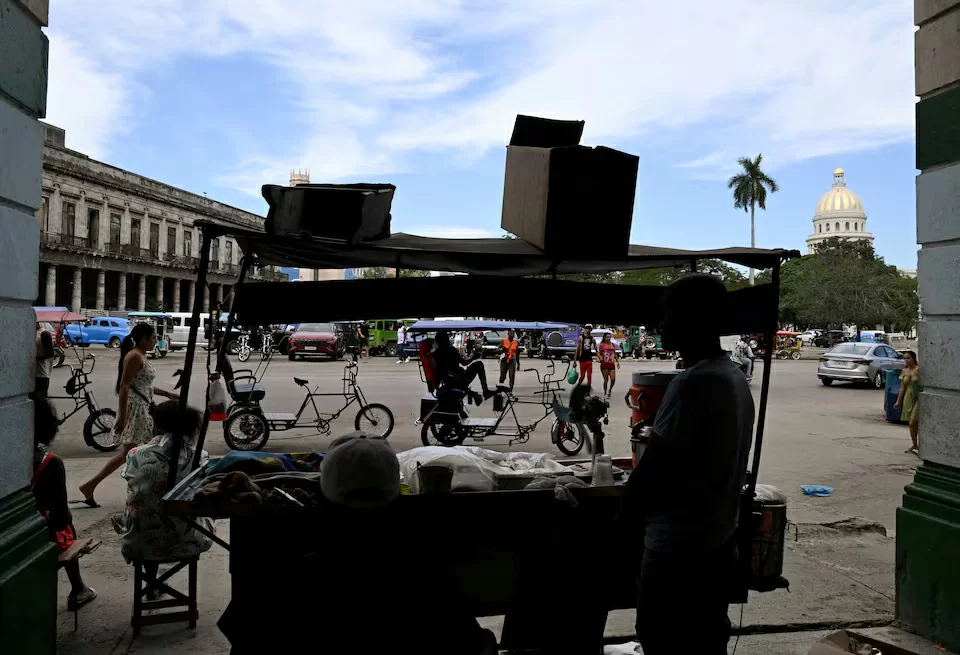
    The declaration comes amid escalating tensions between Washington and Havana, particularly following Trump’s vow to halt Venezuelan oil and financial flows to Cuba. While the president refrained from detailing specific plans, he reiterated his conviction that Cuba’s government—currently grappling with severe economic turmoil—stands on the brink of collapse.

    Behind the confrontational public statements, diplomatic channels remain active. Cuban President Miguel Díaz-Canel has confirmed ongoing discussions with United States officials to prevent potential military confrontation. The talks occur against the backdrop of Cuba’s worsening energy crisis, exacerbated by Caracas’ termination of oil shipments under pressure from Washington.

    The energy shortage has created significant challenges for the island nation, which historically relied on Venezuelan petroleum imports. This development has intensified Cuba’s existing economic difficulties, creating a complex scenario where military threats and diplomatic negotiations coexist in determining the country’s future.

    Earlier this month, Trump suggested Cuba might face either a “friendly takeover” or its alternative, further contributing to the uncertainty surrounding U.S. intentions. The evolving situation represents the latest chapter in the complicated relationship between the two nations, where public confrontation and private diplomacy continue to operate simultaneously.
  • Ebu Jones gekozen in Executive Committee internationale parlementaire organisatie

    Ebu Jones gekozen in Executive Committee internationale parlementaire organisatie

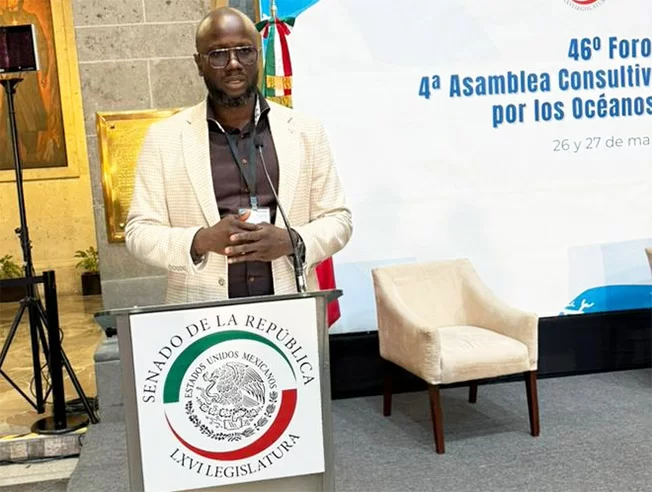
    Surinamese legislator Ebu Jones of the National Democratic Party (NDP) has achieved a significant international milestone with his election to the Executive Committee of Parliamentarians for Global Action (PGA). His term on the governing board of this influential international parliamentary network will commence on April 1, 2026, and extend through December 31, 2027.

    The election occurred during PGA’s 46th Annual Forum convened in Mexico City this week, where Jones secured one of six available positions on the organization’s executive leadership body. His candidacy received strong bipartisan endorsement from Assembly members Hakiem Lithmohamed (VHP) and Iona Edwards (NDP), creating a unified national nomination that significantly strengthens Suriname’s position within global parliamentary networks.

    In his new capacity, Jones will contribute to shaping PGA’s strategic direction and coordinating international parliamentary cooperation across critical areas including human rights advancement, democratic governance, rule of law enforcement, and sustainable development initiatives. The annual forum serves as a convergence point for legislators worldwide to address pressing policy challenges and fill key organizational leadership positions.

    Parliamentarians for Global Action represents a worldwide alliance of lawmakers dedicated to strengthening democratic institutions and fostering international collaboration. The Executive Committee occupies a central role in steering the organization’s programs and global initiatives.

    For Suriname, Jones’s election signifies enhanced visibility and representation at the highest levels of international governance. Participation in such forums provides crucial opportunities for diplomatic engagement and policy influence. Jones brings extensive international experience to the role, having recently contributed to global discussions on ocean governance and sustainable development practices.

  • Presidenten Simons en Lula willen sterkere samenwerking en betere verbindingen

    Presidenten Simons en Lula willen sterkere samenwerking en betere verbindingen

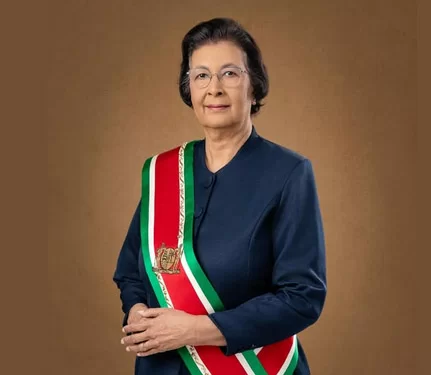
    In a significant diplomatic development, President Jennifer Simons of Suriname and Brazilian President Luiz Inácio Lula da Silva have established a comprehensive framework to deepen bilateral cooperation during a high-level telephone conference held on Friday. The discussion paved the way for enhanced connectivity, food security initiatives, and economic collaboration between the two South American nations.

    The presidential dialogue served as a strategic preparation for President Simons’ upcoming official working visit to Brazil later this year. According to official statements, this engagement aligns with previous agreements aimed at strengthening the bilateral partnership framework.

    During the extensive conversation, both leaders addressed pressing regional and international issues while examining Suriname’s position within the current global context. Particular emphasis was placed on improving transportation connectivity, with focused discussions on expanding air and maritime links between the two countries.

    While characterizing the current relationship as positive, President Simons identified substantial opportunities for further enhancement. She highlighted potential collaboration in training programs and acknowledged Brazil’s dominant role in the agricultural sector, suggesting knowledge transfer opportunities.

    Food security emerged as a critical agenda item, with both nations underscoring the necessity of developing efficient trade chains. This discussion extended to regional connectivity projects, including transportation networks through Guyana and French Guiana toward Brazil’s Amapá state.

    President Lula expressed particular interest in facilitating a Brazilian Cooperation Agency (ABC) delegation visit to Suriname. This mission would focus on evaluating ongoing projects and developing new initiatives in social development and healthcare sectors.

    The leaders also reviewed recent engagements with Brazilian aerospace company Embraer, noting that these discussions establish a foundation for expanded cooperation in defense and aviation sectors.

    President Simons emphasized the relationship’s importance for border communities and people-to-people connections. Both heads of state committed to maintaining high-level cooperation and further developing joint initiatives in preparation for the planned working visit later this year.

  • Vier zakken mest per hectare voor rijstboeren na akkoord LVV en sector

    Vier zakken mest per hectare voor rijstboeren na akkoord LVV en sector

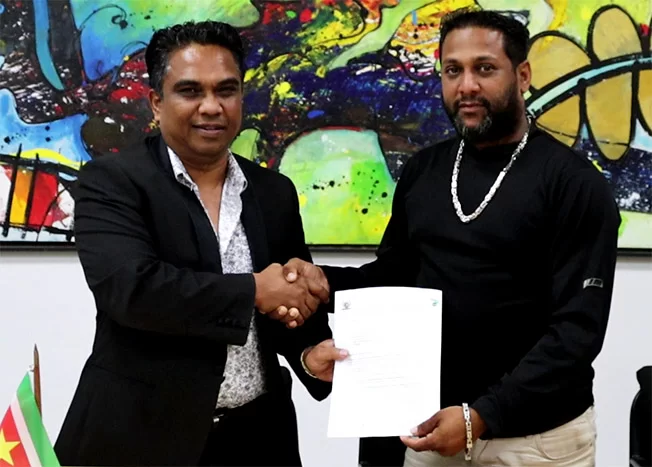
    The Surinamese agricultural sector has witnessed a significant development as Minister Mike Noersalim of Agriculture, Livestock, and Fisheries (LVV) and Hansraj Jagmohansingh, Chairman of the Nickerie Paddy Growers Association (VBPN), formalized an expanded support agreement for rice farmers. This agreement substantially increases fertilizer subsidies to address ongoing challenges in the rice industry.

    Under the new terms, rice farmers will now receive four bags of fertilizer per hectare distributed across three growing seasons, marking a substantial enhancement from previous arrangements. The decision comes as a response to financial pressures facing farmers who have received lower paddy prices than initially anticipated. While some processors have purchased paddy at prices ranging from SRD 500 to SRD 550 per unit, these rates have proven insufficient to cover production costs.

    Minister Noersalim emphasized the government’s commitment to supporting struggling farmers, stating, ‘Farmers are facing severe difficulties and financing challenges. The offered purchase price simply doesn’t allow them to cover their expenses completely.’ This recognition prompted renewed negotiations between stakeholders.

    The fertilizer agreement now forms an annex to the existing comprehensive 25-point action plan between LVV and VBPN, which addresses short, medium, and long-term solutions for sustainable development in the rice sector. Both parties expressed satisfaction with the outcome, with Minister Noersalim noting that ‘the farmers’ organization is content and I believe they are returning home satisfied.’

    VBPN Chairman Jagmohansingh confirmed this sentiment, stating, ‘I must say I am pleased and returning to my district with a positive outlook.’ He appreciated not only the material support but also the constructive dialogue with government officials, acknowledging that ‘the minister has a listening ear, I see the president has a listening ear.’

    Additional measures include a six-month interest freeze on loans for rice farmers, a move that William Waidoe, LVV’s Deputy Director for the Western Region, described as crucial for structural improvement in the sector. Waidoe clarified that despite the government’s limited influence on paddy pricing following market liberalization, LVV remains committed to supporting farmers through strategic interventions where possible, declaring the negotiations ‘a success nonetheless.’

  • Goudsector moet inclusiever en duurzamer: vrouwen en jongeren centraal

    Goudsector moet inclusiever en duurzamer: vrouwen en jongeren centraal

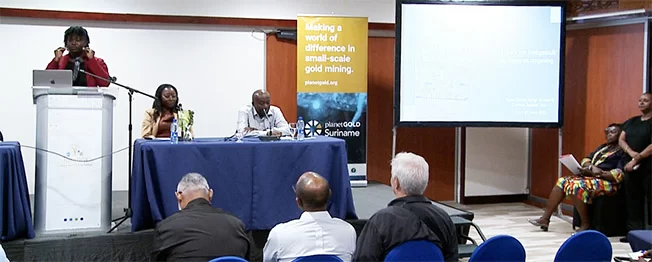
    Suriname’s journey toward establishing an environmentally conscious and ethically responsible gold mining industry demands enhanced collaboration, public awareness, and the active participation of women and youth. This central message emerged from Friday’s Community Congress held in Torarica, which convened policymakers, industry experts, and community representatives to address the sector’s environmental impact and necessary reforms.

    The gathering highlighted that sustainable development within the gold industry can only be achieved through the inclusive engagement of all stakeholders—including the informal sector. According to Natural Resources authorities, behavioral transformation across the sector remains paramount. Participants emphasized the urgent need to transition toward eco-friendly mining practices that prioritize water conservation, public health, and community wellbeing.

    Congress discussions particularly underscored women’s pivotal role as change agents within mining communities and the broader sector. Meanwhile, youth were identified as essential contributors to building a resilient and future-ready gold industry. Through structured workshops and dialogue sessions, attendees collaborated to develop practical solutions and cooperative frameworks.

    These outcomes are expected to inform policy development and implementable strategies for responsible gold management. The congress ultimately demonstrated that reforming Suriname’s gold sector transcends technical adjustments—it represents a societal imperative where inclusivity and shared responsibility must take center stage in shaping the industry’s sustainable future.

  • Canada zet in op vrijhandelsovereenkomst met Mercosur tegen herfst

    Canada zet in op vrijhandelsovereenkomst met Mercosur tegen herfst

    Canadian Trade Minister Maninder Sidhu has announced an accelerated timeline for finalizing a comprehensive free trade agreement with the South American Mercosur bloc, targeting completion by fall 2026. The revelation came during the sidelines of the World Trade Organization ministerial conference in Yaoundé, Cameroon, where Sidhu confirmed negotiations would now occur approximately every six weeks.

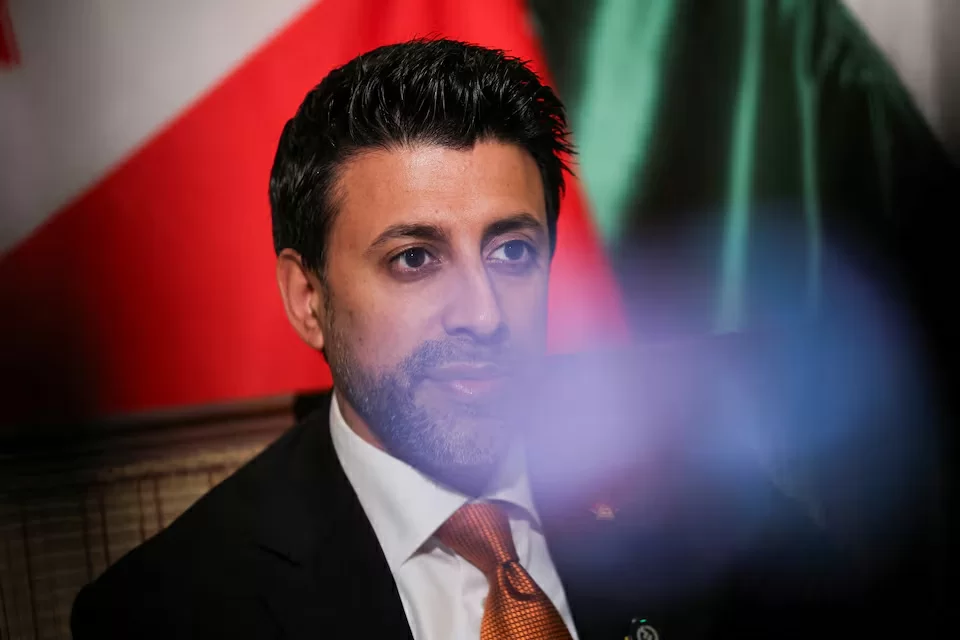
    Speaking from the Canadian High Commissioner’s residence in New Delhi, Sidhu expressed strong confidence in the negotiation pace, stating: “We are being very ambitious. I believe we can get this done.” The minister has already conducted bilateral discussions with Argentina and Paraguay, with scheduled meetings involving Brazil and Uruguay representatives later this week.

    Diplomatic sources close to the negotiations indicate a potential signing ceremony as early as September or October, marking approximately one year since formal talks resumed. A Brazilian diplomat confirmed the unprecedented speed and positive momentum, characterizing a 2026 agreement as highly probable.

    Canada’s push for diversified trade relationships comes amid ongoing uncertainties surrounding import tariffs imposed by the United States under the Trump administration. South America, particularly Brazil, represents an indispensable trading partner for Canada, making the Mercosur agreement a strategic priority for strengthening economic ties.

    Mercosur (Common Market of the South) comprises full members Argentina, Brazil, Paraguay, Uruguay, and Venezuela (currently suspended due to political and economic reasons). The bloc maintains associate memberships with Chile, Peru, Colombia, Ecuador, and Guyana, while Bolivia is progressing toward full membership status.

    The trade bloc facilitates free movement of goods, services, capital, and people among member states while establishing a common external tariff to regulate foreign trade. Internal trade within Mercosur accounts for substantial portions of member countries’ GDP, significantly driving economic growth and regional cooperation.

    This potential agreement with Canada represents Mercosur’s continued expansion of free trade agreements with external nations, aimed at market liberalization, export stimulation, and enhanced global competitiveness through technological exchange and collaborative economic development.

  • Japan ondersteunt vrouwenproject Suriname bij 50 jaar diplomatieke banden

    Japan ondersteunt vrouwenproject Suriname bij 50 jaar diplomatieke banden

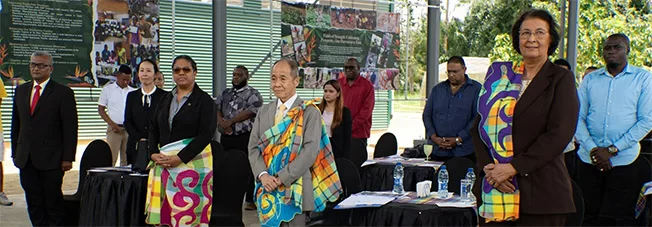
    Suriname and Japan have celebrated half a century of diplomatic relations with a significant donation to an agricultural initiative focused on enhancing female entrepreneurship and sustainable production capabilities. The contribution, delivered through Japan’s grassroots grant assistance program, will directly support the Wi Uma Fu Sranan agricultural cooperative in expanding its cassava processing operations with new industrial machinery.

    The ceremonial handover highlighted the enduring partnership between the two nations, with Director of International Cooperation Elizabeth Bradley emphasizing that international collaboration must yield tangible societal benefits. Bradley noted the extensive history of Japanese-Surinamese cooperation across multiple sectors including food security, climate initiatives, and healthcare infrastructure.

    Surinamese President Jennifer Simons voiced strong governmental support for the initiative, encouraging participating women entrepreneurs to expand their operational capacities. Japanese Ambassador Akira Umezawa reinforced the project’s alignment with sustainable development goals and women’s economic empowerment objectives. The donation represents both a practical investment in Suriname’s agricultural sector and a symbolic gesture strengthening bilateral relations between the Pacific nation and South American country.

  • Oekraïne sluit veiligheidsdeals in het Midden-Oosten tegen Iraanse drones

    Oekraïne sluit veiligheidsdeals in het Midden-Oosten tegen Iraanse drones

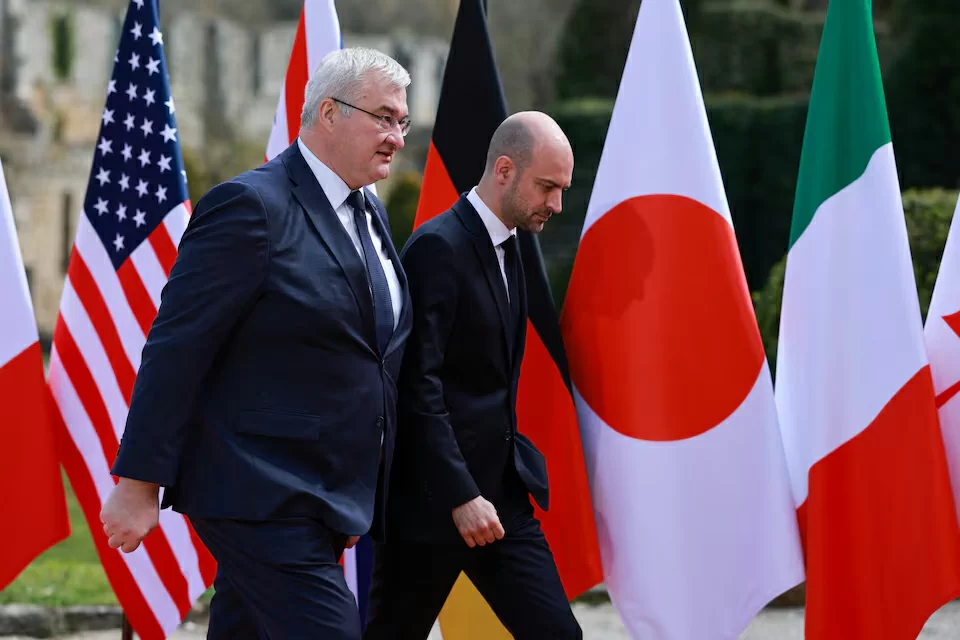
    Ukraine has nearly finalized a series of groundbreaking security agreements with Middle Eastern nations, including a recently announced pact with Saudi Arabia, to bolster defenses against Iranian drone attacks. Ukrainian Foreign Minister Andrii Sybiha disclosed these developments during an interview on the sidelines of the G7 foreign ministers’ meeting in France.

    President Volodymyr Zelenskiy confirmed the Saudi agreement through social media, characterizing it as a ‘significant arrangement’ that establishes foundations for future contracts, technological cooperation, and investments. This defense partnership emerges amid escalating Iranian attacks on Gulf states, which have intercepted hundreds of drones and dozens of missiles since February.

    The United Arab Emirates and Qatar, both severely impacted by these attacks, are engaged in advanced negotiations with Ukraine regarding unmanned technology cooperation. Sybiha indicated these discussions represent the most progressed talks among current diplomatic efforts.

    Gulf nations have deployed over 800 Patriot missiles for defense since conflict initiation and now seek to leverage Ukraine’s expertise in countering Russian drones and missiles. Ukraine has evolved into a leading producer of cost-effective yet highly efficient interception drones. Reports indicate Russia launched more than 19,000 drones against Ukraine during winter alone, positioning the country as a global leader in counter-drone technology.

    Beyond technical knowledge sharing, Ukraine aims to secure financial support and investments in exchange for its drone warfare expertise. The prolonged conflict continues straining Ukraine’s economy, which faces enormous reconstruction costs, military expenditures, and humanitarian needs. Investments from the Gulf region could significantly enhance both economic stability and defense capabilities.

    With the war entering its fifth year, Ukraine remains dependent on international support to sustain its defense efforts. The volatile Middle East situation, particularly the US-Israel-Iran conflict triangle, creates uncertainty regarding continuity of Western military supplies.

    As peace negotiations stall, Kyiv is exploring China’s potential role as mediator. China maintains close ties with Russia and hasn’t joined sanctions against Moscow. Although not directly involved in peace talks, China remains Ukraine’s primary trading partner. Sybiha confirmed receiving an invitation for discussions in China, potentially occurring within two months.

    Drone warfare represents one of Ukraine’s most pressing military challenges. During one particularly intense aerial assault, Russia launched 948 drones within 24 hours, resulting in two casualties. Ukraine has consequently deployed specialized anti-drone experts to assist Gulf states in defending against Iranian attacks, accounting for unique regional conditions including sandstorm interference.

  • Twee verdachten opgepakt in Nickerie voor smokkel en illegale goederen

    Twee verdachten opgepakt in Nickerie voor smokkel en illegale goederen

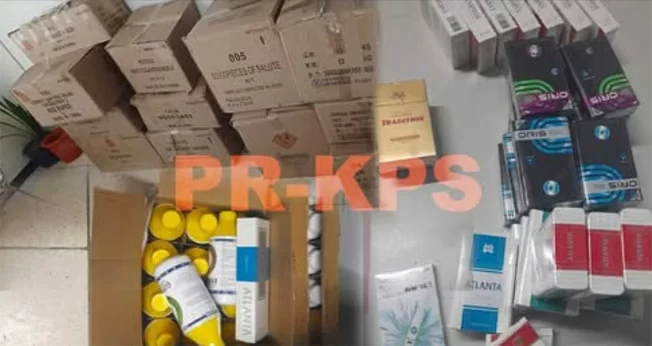
    Law enforcement authorities in Nickerie have apprehended two individuals following targeted operations that uncovered significant contraband and violations of economic regulations. The arrests occurred during coordinated inspections at commercial establishments in the Henarpolder area on March 27.

    In the initial operation, police discovered substantial quantities of illicit goods at a local supermarket. The inventory included cigarettes lacking mandatory tax stamps, alcoholic beverages, and fireworks being sold outside legally permitted periods. When questioned about the provenance of these items, the store owner failed to provide legitimate documentation or explanation for their origin.

    A subsequent inspection at a service station revealed additional violations, including more illegal cigarettes and prohibited agricultural chemicals. The proprietor claimed to have acquired these goods from an unidentified Guyanese national, though could not substantiate this assertion with credible details.

    Following evidence collection and consultation with the Public Prosecutor’s Office, both suspects have been placed in custody. All confiscated items have been secured as evidence while investigations continue into potential smuggling networks and economic offenses. The operations demonstrate heightened vigilance by authorities against cross-border smuggling operations and violations of national economic laws.

  • SER  moet koers uitzetten voor duurzame ontwikkeling Suriname

    SER moet koers uitzetten voor duurzame ontwikkeling Suriname

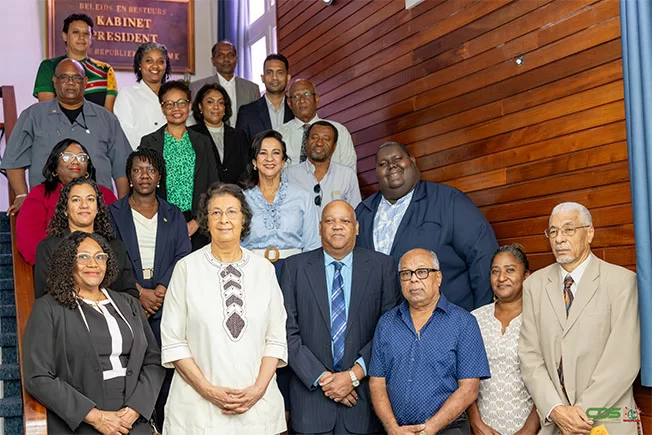
    In a significant move to reshape national economic policy, President Jennifer Simons has formally reinstated the Socio-Economic Council (SER) as Suriname’s principal advisory body for sustainable development strategies. The installation ceremony, held Thursday at the Presidential Cabinet, marks the council’s return to active service after years of dormancy.

    The newly constituted SER—chaired by Reggy Nelson and comprising representatives from government, private sector, and trade unions—has been tasked with providing both solicited and unsolicited counsel to the government and National Assembly. President Simons emphasized that Suriname must avoid over-reliance on future oil and gas revenues, urging instead for diversified economic development aligned with global trends and social justice principles.

    Chairman Nelson echoed this vision, warning that exclusive focus on hydrocarbons would lead the nation into an economic dead end. He outlined the council’s mandate to identify sustainable sectors and formulate targeted policies for their growth. The SER will prioritize addressing complex challenges including international tensions whose impacts are already affecting Suriname’s economy.

    Deputy Chair Robby Berenstein (trade unions) stressed the need for building consensus around socioeconomic policies, while Mervel Kotzebue (private sector) acknowledged the council’s historical inactivity but expressed optimism about its renewed mandate. Kotzebue emphasized creating long-term strategies for economic resilience, noting Suriname’s vulnerability to repeated economic shocks despite potential oil opportunities. Energy transition and climate change have been identified as cross-cutting themes in all council deliberations.