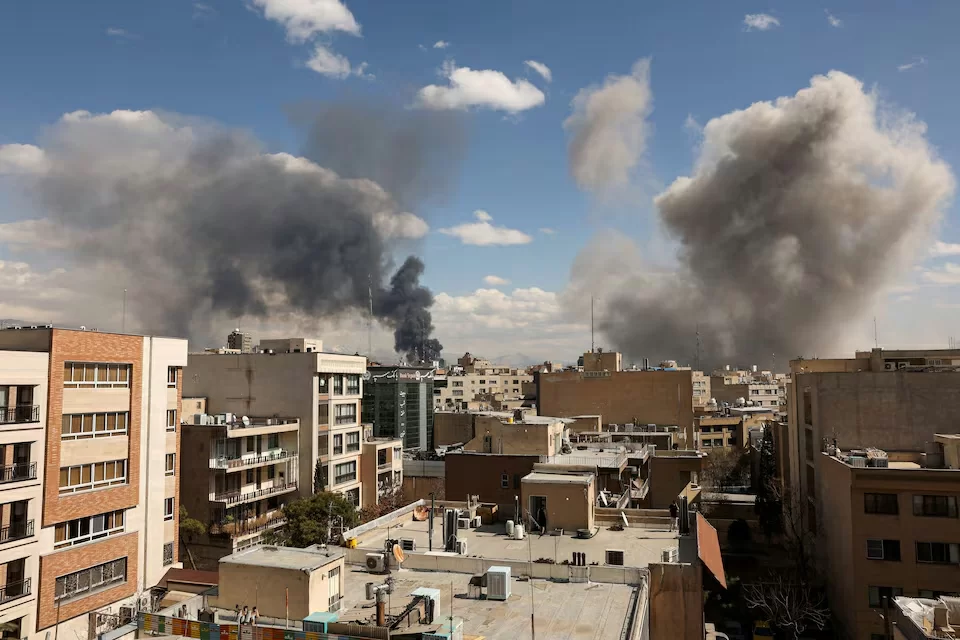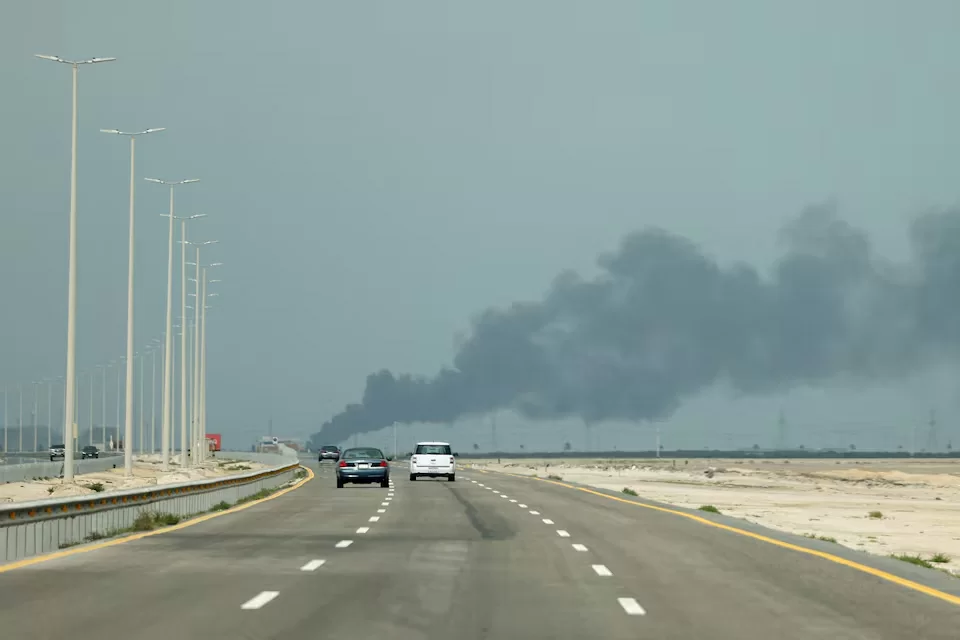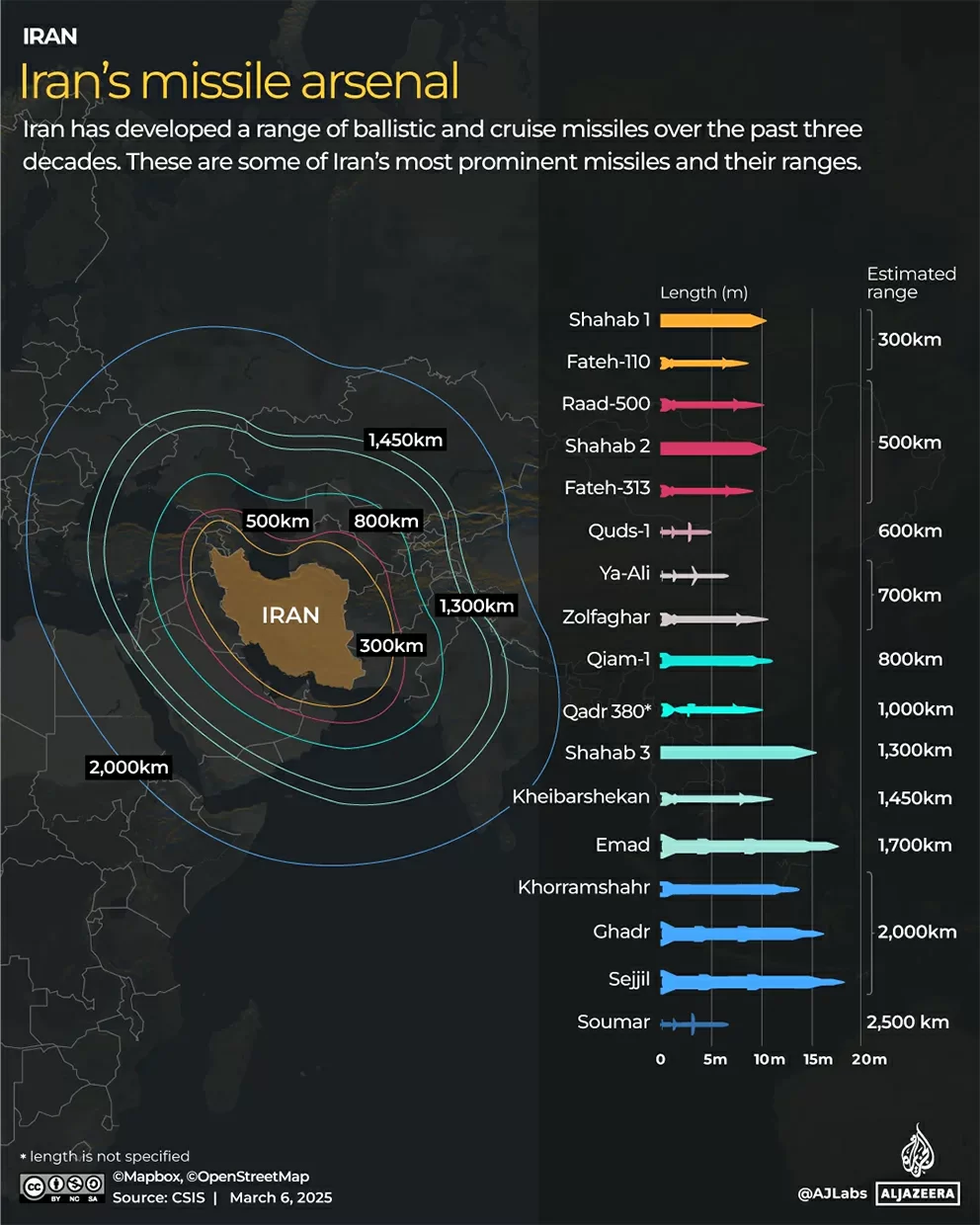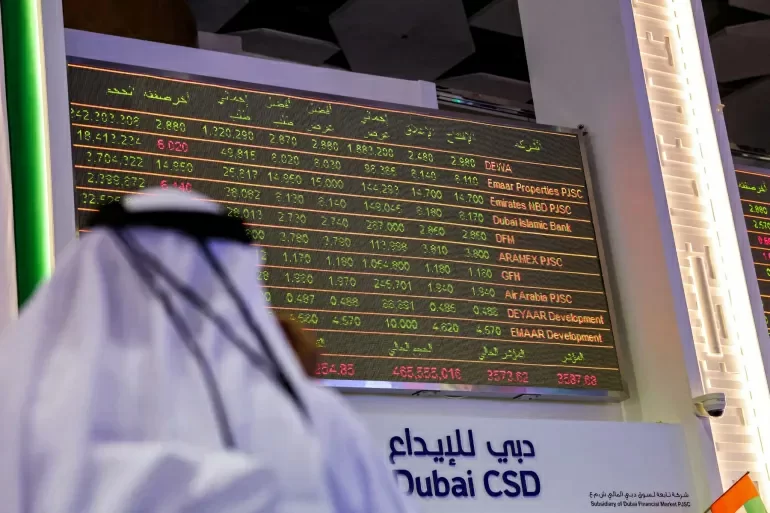
The United Arab Emirates has taken the extraordinary step of suspending trading operations at its premier financial hubs—the Dubai Financial Market and Abu Dhabi Securities Exchange—in response to escalating regional hostilities following joint U.S.-Israeli airstrikes against Iranian targets. This decisive action comes after a weekend of heightened security concerns, during which the UAE endured hundreds of Iranian missile and drone assaults, including a direct strike on Abu Dhabi International Airport that resulted in one fatality and seven injuries.
The UAE’s Capital Markets Authority formally announced Sunday that both exchanges would remain shuttered through Monday and Tuesday as authorities closely monitor the rapidly evolving security situation in the Gulf region. In an official statement, the regulatory body emphasized its commitment to continuous evaluation of developments, pledging to implement additional protective measures if circumstances require further intervention.
Market analysts identify the primary rationale behind the trading halt as preventive crisis management—an unconventional but globally recognized measure to avert panic-driven selloffs during periods of extreme volatility. Such market suspensions historically occur during wartime scenarios or financial shocks when investors typically rush to liquidate positions, potentially triggering destructive downward spirals that could culminate in full-scale market collapses.
Global financial markets have demonstrated heightened sensitivity since the initiation of U.S.-Israeli operations against Iran. Regional indicators reflected this strain with Saudi Arabia’s Tadawul Index plunging over 4% Sunday, while Egypt’s EGX 30 benchmark retreated approximately 2.5%. Asian markets including Japan and Hong Kong opened Monday’s session with notable declines, confirming the contagion effect across international trading floors.
The economic ramifications extend beyond equity markets, with oil prices experiencing sharp increases due to airspace closures above the Gulf region and mounting uncertainties regarding the security of hydrocarbon transportation through the critical Strait of Hormuz. This energy supply disruption exerts substantial pressure on the global economy, elevating fuel costs that ultimately translate into increased expenses for consumers and businesses worldwide.
Despite the preventive intent, financial experts caution that extended trading suspensions carry significant drawbacks. Investors face temporary capital immobility while markets lose essential price discovery mechanisms. According to Professor Burdin Hickok of New York University, prolonged closures risk undermining Dubai’s status as a premier financial center and potentially eroding investor confidence in the region’s market infrastructure.
Historical precedents exist for such extraordinary measures within the UAE, primarily following the passing of prominent leaders, though market suspensions triggered by regional conflicts remain exceptionally rare. Other nations have implemented similar protocols, including Russia during its 2022 invasion of Ukraine and Egypt throughout the Arab Spring uprising of 2011.
Market fundamentals preceding the current geopolitical crisis remained robust, with UAE equities recording nearly 30% gains over the trailing twelve-month period. Haytham Aoun, Assistant Professor at the American University in Dubai, characterizes the suspension as a precautionary maneuver rather than an indication of structural economic vulnerability, suggesting underlying strength should support market recovery once normal operations resume.