标签: Suriname

苏里南

  • AZP viert 60 jaar zorg: regering investeert SRD 60 miljoen in modernisering

    AZP viert 60 jaar zorg: regering investeert SRD 60 miljoen in modernisering

    PARAMARIBO – Suriname’s Academic Hospital Paramaribo (AZP) celebrated its 60th anniversary with a major government commitment to healthcare modernization. Health Minister André Misiekaba announced a minimum investment of SRD 60 million to upgrade critical departments at the nation’s premier medical institution, founded on March 9, 1966.

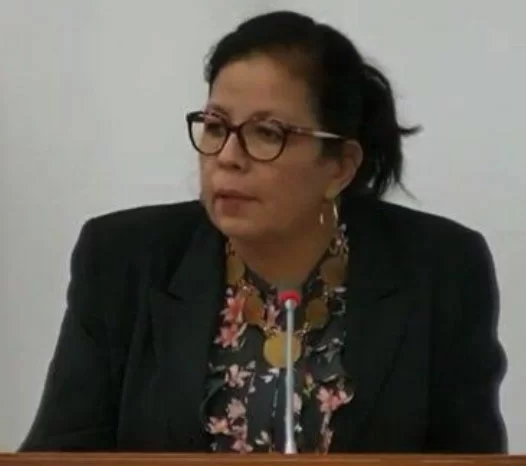
    The anniversary celebrations featured an interfaith prayer gathering under the theme ‘Strong Together, Forward Together,’ reflecting on six decades of service to the Surinamese community. Hospital Director Claudia Redan emphasized that the institution’s legacy rests on its dedicated staff rather than physical infrastructure, describing healthcare work as a calling rather than mere employment.

    ‘Do good and don’t look back,’ Redan stated, addressing her team. ‘Working in healthcare isn’t just a job – it’s a vocation. Hundreds of patients depend on us daily, beyond what social media captures: 560 inpatients, over 100 emergency cases, and more than 2,000 outpatient visits.’

    Lloyd Pool, Chairman of the General Staff Union, acknowledged the persistent challenges faced by healthcare workers, noting that while thousands of employees have retired over six decades, ‘the hospital itself cannot retire – we continue for the community.’

    The substantial investment will fund several critical upgrades:
    • Doubling operational operating theater capacity
    • Expanding Intensive Care Unit (ICU) from current levels to 16 beds initially, then to 21 beds
    • Modernizing neonatal intensive care facilities
    • Accelerated renovation of Emergency Department services

    Additional initiatives will focus on recruiting specialized nurses and implementing measures to counter brain drain in the healthcare sector. Minister Misiekaba acknowledged existing challenges regarding salaries and allowances but reaffirmed the government’s commitment to supporting the sector.

    Describing AZP as an indispensable symbol of quality care in Suriname, the minister concluded: ‘This hospital cannot and must not fail. Congratulations on 60 years of dedication, and onward to the next 60 years.’

  • Olieprijs schiet boven US$ 119 door oorlog in het Midden-Oosten

    Olieprijs schiet boven US$ 119 door oorlog in het Midden-Oosten

    Global oil markets experienced unprecedented volatility on Monday as Brent crude prices surged to $119.50 per barrel, marking the highest level since 2022 and recording the largest single-day price increase in history. The dramatic price movement stems from escalating military conflicts involving the United States, Israel, and Iran that have severely disrupted oil production and transportation infrastructure across the Middle East.

    The crisis has been particularly amplified by effective closures of the Strait of Hormuz, a critical maritime chokepoint that normally facilitates approximately one-fifth of global oil and liquefied natural gas exports. Simultaneously, production declines across major oil-producing nations have compounded supply concerns. Iraq has reported approximately 70% production decreases from key oil fields as storage facilities reached maximum capacity, while Kuwait has announced temporary production reductions and delivery suspensions.

    Market analysts anticipate that major producers including Saudi Arabia and the United Arab Emirates may implement additional production cuts as storage capacities face increasing strain. The geopolitical landscape further intensified following the appointment of Mojtaba Khamenei as Iran’s new supreme leader after the death of his father, signaling continued hardline control in Tehran during ongoing regional conflicts.

    Global economic repercussions are already materializing, with U.S. gasoline prices reaching approximately $3.22 per gallon—the highest level in years. Economic experts warn that consumers and businesses face potentially prolonged periods of elevated fuel costs due to damaged infrastructure, disrupted logistics networks, and increased transportation risks, even if military conflicts see relatively swift resolution.

    International coordination efforts are underway to address mounting energy price pressures. Political leaders from G7 nations, including the United States and European members, are discussing potential releases from strategic petroleum reserves to stabilize markets. These developments underscore the continued vulnerability of global energy markets to Middle Eastern tensions, where substantial portions of worldwide oil production remain concentrated. Economists caution that prolonged conflict could trigger heightened inflationary pressures and additional strain on the global economic recovery.

  • CBvS verwerkt activiteiten buitenlandse oliemaatschappijen in economische statistieken

    CBvS verwerkt activiteiten buitenlandse oliemaatschappijen in economische statistieken

    The Central Bank of Suriname (CBvS) has implemented a major statistical revision by incorporating foreign oil companies’ operations into the country’s external sector statistics. This strategic move aims to provide a more accurate representation of Suriname’s economic landscape as the offshore oil sector gains increasing importance for the nation’s development.

    The revision, applied retroactively from Q1 2021 through Q4 2025, was published on the central bank’s website in late February. CBvS officials emphasized the necessity of this adjustment given the substantial expansion of offshore oil activities in recent years, particularly following the investment decision for Block 58 in October 2024, which triggered significant foreign investments in production preparations.

    This statistical overhaul reveals profound impacts on key macroeconomic indicators. The current account deficit dramatically increased from $192 million to approximately $2.5 billion for 2025, primarily driven by oil companies’ intensive investment phase requiring substantial imports of technical, engineering, and construction services.

    Crucially, the expanded current account deficit is nearly entirely offset by foreign direct investments from parent companies into their Surinamese subsidiaries, reaching approximately $2 billion in 2025. According to the CBvS, this equilibrium means the higher deficits do not exert pressure on the country’s international reserves.

    The revised data also shows Suriname’s international investment position shifting from -$2.8 billion to -$6.6 billion as of December 2025, mainly due to increased direct investment liabilities. Additionally, the nation’s external debt position expanded by approximately 70% to $9.5 billion, incorporating $3.9 billion in foreign oil company debts.

    While international reserves remain unchanged, the import coverage ratio statistically declined from 7.1 months to 3.5 months due to increased service imports. The central bank clarified this represents a statistical effect rather than an actual reserve deterioration and will provide alternative calculations for policy analysis excluding oil company imports.

    The CBvS reports approximately 90% of active foreign oil companies now regularly submit data, enabling statistics that better align with international standards and creating a stronger foundation for economic analysis and policy formulation, particularly regarding the offshore oil sector’s continued development.

  • Vrouwen hebben 36% minder economische rechten dan mannen

    Vrouwen hebben 36% minder economische rechten dan mannen

    Suriname’s agricultural sector is taking decisive steps to address persistent gender inequalities, as highlighted during the recent Women in Agriculture Fair held in Paramaribo’s Orchid Garden. The event, timed with International Women’s Day celebrations, brought together female entrepreneurs, government officials, and international partners to address the 36% legal rights gap women face globally in economic spheres.

    Agriculture Minister Mike Noersalim delivered a powerful address challenging traditional perceptions of women’s roles in farming. “We must recognize that women are not merely ‘helping hands’ in the fields but the backbone of our food security system,” Noersalim stated. “Your rights to land, capital, and policy participation are non-negotiable.”

    The fair, organized by the Ministry of Agriculture, Livestock and Fisheries (LVV) in collaboration with the Inter-American Institute for Cooperation on Agriculture and the Inter-American Development Bank, focused on the global theme of “Rights, Justice, Action.” Minister Noersalim elaborated on this framework, explaining that justice requires removing invisible structural barriers that disproportionately affect women in rural areas.

    Innovation emerged as a key solution, with the ministry promising improved access to new technologies, tailored training programs, and sustainable practices. These initiatives aim to create a level playing field where female entrepreneurs can develop, grow, export, and thrive equally with their male counterparts.

    Sandy Cameron, Commissioner of the National Development Bank, acknowledged financing challenges faced by women but emphasized support mechanisms are available. “Access to funding sometimes appears more difficult for women, but it’s not impossible—we must guide them through the process,” Cameron noted.

    Experienced entrepreneur Grace Watamaleo offered encouragement to aspiring female farmers, particularly those in interior regions where agriculture represents both cultural tradition and economic survival. “Don’t be discouraged if you don’t know where to begin,” Watamaleo advised. “Today information is readily accessible. Be strong, persist in your efforts, and if you haven’t started yet, simply take that first step.”

  • Iran benoemt Khamenei’s hardline zoon Mojtaba als nieuwe Opperste leider

    Iran benoemt Khamenei’s hardline zoon Mojtaba als nieuwe Opperste leider

    In a decisive move that solidifies hardline control, Iran’s Assembly of Experts has appointed Mojtaba Khamenei as the nation’s third Supreme Leader, succeeding his father Ali Khamenei who perished in recent attacks. The midnight announcement came amid escalating hostilities that have entered their ninth day, with Tehran witnessing massive explosions at fuel storage facilities that illuminated the night sky with orange flames.

    Mojtaba Khamenei, a cleric with extensive influence within Iran’s security apparatus and business networks, secured the position through a conclusive vote by the 88-member clerical body responsible for leadership succession. The appointment grants him ultimate authority over all state matters in the Islamic Republic.

    The transition occurs against a backdrop of intensified military conflict that has claimed at least 1,332 Iranian civilian lives according to Iran’s UN ambassador, with thousands more injured. U.S. forces confirmed a seventh American casualty from injuries sustained during Iran’s initial counterattack one week ago.

    The expanding warfare has severely disrupted global oil markets, with U.S. oil futures surging over 20% to reach July 2022 peaks amid supply concerns and potential disruptions to Hormuz Strait shipments. Attacks on energy infrastructure have created toxic atmospheric conditions throughout Tehran, described by residents as blanketing the city in thick black smoke.

    Iranian military leadership has pledged allegiance to the new Supreme Leader, with Revolutionary Guard commanders expressing readiness to follow his directives. Security chief Ali Larijani confirmed the Assembly convened despite explicit threats targeting the body, emphasizing Mojtaba’s capability to lead under current sensitive conditions.

    The appointment has drawn sharp international reactions, with President Trump asserting Washington should have approval rights over the selection, while Israel previously threatened to attack any appointed successor. Iranian officials have responded defiantly, with Parliament President Mohammad Bagher Qalibaf stating Tehran seeks no ceasefire and will punish aggressors.

    As combat operations intensify, Israeli forces continue targeting high-ranking Iranian officials, including recently appointed military office head Abolqasem Babaian, killed in a Saturday strike. The conflict has entered what Iranian foreign ministry spokesperson Esmaeil Baghaei termed a “dangerous new phase,” characterizing attacks on fuel depots as war crimes due to hazardous material release.

  • Column: De lente die niet wijkt

    Column: De lente die niet wijkt

    Across conflict-ravaged regions from Gaza to Afghanistan, an extraordinary juxtaposition unfolds as communities simultaneously observe Nowruz celebrations and Ramadan fasting rituals amidst unimaginable devastation. While international observers document the destruction, local residents continue centuries-old traditions with profound determination.

    In Tehran’s Tajrish Bazaar, women smile while holding flower bouquets in preparation for Nowruz, the Persian New Year that coincides with Ramadan this year. This visual symbolism contrasts sharply with scenes from Afghanistan where families clean homes surrounded by unrecovered rubble, plant flowers in pots while the earth thirsts for blood, and prepare feasts despite countless empty tables.

    The convergence of these observances creates powerful philosophical contradictions: Muslims worldwide engage in soul purification through fasting and prayer while in Gaza, Iran, Afghanistan, Syria, Yemen, and Sudan, bodies are prepared for burial with nothing but silence. Children are extracted from rubble rather than breaking their fast with dates at sunset. Mothers are buried by daughters who should be fitting new dresses for Eid celebrations.

    This persistent adherence to tradition represents what analysts term the ‘Mahdi concept’ – not a messianic figure descending from heaven, but a collective spiritual resilience that refuses to surrender to imposed circumstances. The act of cleaning homes, laying new carpets, watering flowers, and extending invitations becomes revolutionary resistance against destruction.

    Historical parallels emerge from Islamic teachings, notably Prophet Mohammed’s saying: “If the Day of Judgment arrives while one of you holds a seedling, let him plant it.” This ethos of planting despite impending doom, celebrating life within death’s shadow, forms the indestructible core of human spirit currently manifesting across conflict zones.

    The profound wisdom underlying these traditions suggests that as long as communities maintain cultural practices – cleaning, planting, inviting, fasting, praying, hoping – victory does not belong to those who believe violence holds the final word. This dual observance of Nowruz and Ramadan transcends cultural ritual to become what anthropologists identify as the most subversive resistance: refusing to stop living.

    The immense irony between what these holy days represent and what they have become creates nearly unbearable tension. Yet within this tension germinates the unbreakable seed of human resilience, demonstrating that true spring is not a season but a conscious decision to embody renewal despite surrounding destruction.

  • Directeur SBB krijgt ontslag aangezegd en kondigt juridisch verweer aan

    Directeur SBB krijgt ontslag aangezegd en kondigt juridisch verweer aan

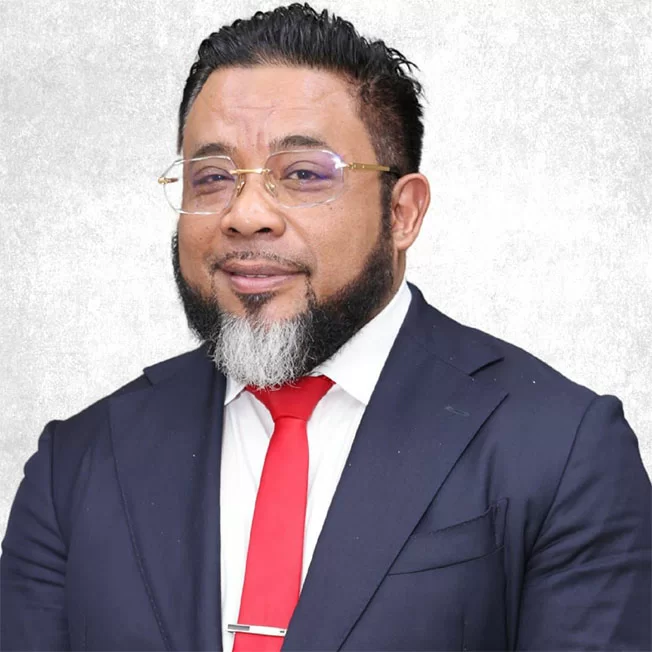
    Suriname’s forest management authority faces leadership turmoil as Ruben Ravenberg, Director-General of the Foundation for Forest Management and Production Control (SBB), has been issued a dismissal notice. The controversy centers on conflicting employment contracts discovered during an internal investigation.

    An oversight committee review revealed two distinct employment agreements in Ravenberg’s personnel file. The initial contract, dated December 22, 2023, established a five-year term from January 1, 2024, through December 31, 2028, based on official government authorization.

    However, investigators uncovered a second agreement signed June 13, 2025, that allegedly appointed Ravenberg as indefinite-term director with enhanced compensation. This subsequent contract referenced the same governmental approval that originally authorized only a fixed-term arrangement.

    The supervisory board determined the indefinite contract was executed without proper nomination or involvement from the foundation’s board of directors, violating organizational statutes that mandate board recommendation for director appointments. The report further noted absence of formal performance evaluation or official resolution authorizing the transition to permanent status.

    Citing these procedural irregularities, the board advised Lands Policy and Forest Management Minister Stanley Soeropawiro to negotiate voluntary termination with Ravenberg to avoid potential litigation and maintain organizational stability.

    The dismissed director has vigorously contested these findings, maintaining he acted in good faith throughout the process. Ravenberg asserts the permanent appointment resulted from direct initiative by the former minister following positive performance assessment. He argues that administrative errors in supervisory decision-making cannot justify consequences for an employee who fulfilled duties appropriately.

    Ravenberg highlights his academic credentials—including advanced degrees in biodiversity and nature conservation—and emphasizes his successful implementation of organizational reforms during his tenure. He has retained legal counsel to formally challenge the dismissal, with potential court action pending ministerial response.

    This leadership crisis emerges during a critical period for Suriname’s forestry sector, where SBB plays vital regulatory roles in forest conservation and timber industry oversight.

  • China waarschuwt tegen regimewissel in Iran

    China waarschuwt tegen regimewissel in Iran

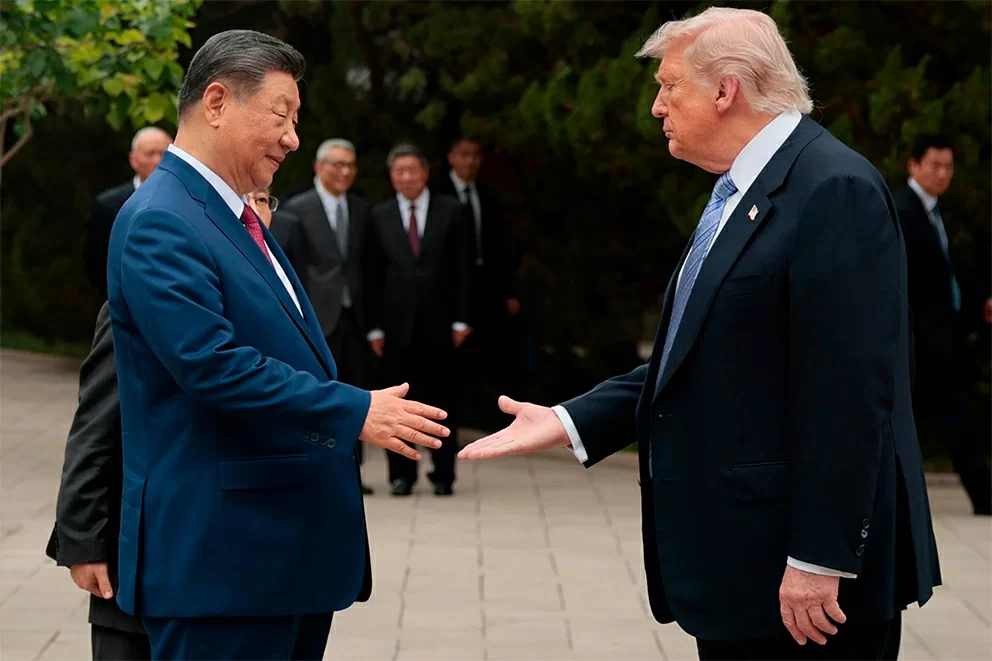
    Amid escalating tensions between the United States, Israel, and Iran, China has positioned itself as a vocal advocate for diplomatic resolution in the Middle East. Chinese Foreign Minister Wang Yi, speaking during a press conference at the sidelines of a major annual political gathering in Beijing, issued a stark warning against attempts to orchestrate regime change in Iran, emphasizing the critical importance of respecting national sovereignty.

    Wang characterized the ongoing conflict as ‘a war that should never have occurred’ and one that ‘benefits no party involved.’ He articulated China’s firm position that military solutions inevitably breed hatred and spawn new crises rather than delivering sustainable resolutions. The Foreign Minister underscored that Middle Eastern nations must independently determine their own affairs without external interference, stating that ‘the people of the Middle East are the true masters of their region.’

    The Chinese diplomat employed vivid metaphorical language, asserting that ‘a strong fist doesn’t equate to a strong argument’ and cautioning against reverting to the ‘law of the jungle’ in international relations. He called upon all involved parties to promptly return to negotiation tables, advocating for dialogue as the primary mechanism for resolving differences and establishing collective security frameworks.

    China has offered to collaborate with regional partners to restore order, provide stability for affected populations, and promote global peace. Simultaneously, Wang reaffirmed the resilience of China-Russia relations, describing them as ‘steadfast and indestructible’ despite Western criticism of Russia’s actions in Ukraine.

    The geopolitical context remains volatile, with the United States and Israel conducting strikes on Iranian targets—including Tehran’s oil storage facilities and refineries—triggering significant fires. Iran has responded with attacks on American bases throughout the Gulf region, with collateral damage affecting neighboring nations such as the United Arab Emirates, Kuwait, Qatar, Bahrain, and Saudi Arabia through missile and drone assaults.

    Notably, despite Iranian President Masoud Pezeshkian’s official apology for these attacks, Tehran has continued its military operations, drawing criticism from hardline factions within the country. A leaked assessment from the U.S. National Intelligence Council suggests that even large-scale American military operations would unlikely succeed in overthrowing Iran’s established military and religious power structures—directly contradicting claims that external forces could install preferred leadership.

    The conflict’s economic ramifications continue to intensify, with rising oil prices and disruptions to critical trade routes like the Strait of Hormuz. Regional leaders and international observers increasingly emphasize the dangers of further escalation and the urgent necessity for diplomatic solutions.

  • C-47 staat stil bij dubbele rol van werkende vrouwen

    C-47 staat stil bij dubbele rol van werkende vrouwen

    On International Women’s Day, labor federation C-47 delivered a comprehensive assessment of women’s multifaceted contributions to socioeconomic development, emphasizing their dual roles in both formal employment and domestic spheres. The organization presented a detailed analysis of how female workers sustain economic productivity while simultaneously maintaining household stability through often-unrecognized labor.

    The federation’s statement highlighted that women constitute a fundamental pillar of national economic infrastructure across diverse sectors including healthcare, education, retail, manufacturing, and public administration. Their professional engagement is characterized by exceptional dedication, discipline, and technical competence despite frequently challenging circumstances requiring substantial resilience.

    C-47’s analysis revealed that women’s economic participation extends beyond conventional metrics, as many commence secondary responsibilities following formal working hours. This includes child supervision, household management, and family support systems—critical functions that remain largely unquantified in economic statistics yet form essential societal foundations.

    The labor organization identified this dual role as both an economic necessity and social reality, noting that modern workplaces continue expecting professional excellence while women concurrently manage disproportionate domestic burdens. This paradigm necessitates broader recognition of women’s compound contributions beyond traditional economic measurements.

    International Women’s Day serves not merely as symbolic appreciation but as a catalyst for ongoing awareness regarding equitable workplace treatment, according to C-47. The federation emphasized that struggles for dignified working conditions, equal opportunity, and professional respect remain urgently relevant across numerous industries.

    The organization advocated for comprehensive labor market reforms including equitable compensation structures, safe working environments, and enhanced leadership development opportunities. Additionally, C-47 stressed the importance of policy frameworks that acknowledge women’s need to balance professional ambitions with familial and societal obligations.

    C-47’s proclamation characterized working women as multidimensional actors—simultaneously serving as organizational leaders, educators, mentors, and foundational supporters of communal success. While acknowledging generational progress in opportunity expansion, the federation insisted that sustained advancement requires continuous institutional commitment.

    The statement concluded with explicit solidarity expressions toward nurses, educators, administrative staff, industrial workers, entrepreneurs, mothers, and caregivers—recognizing their simultaneous contributions to economic development, family structures, and national future-building.

  • We zijn er nog niet; maar we zetten door

    We zijn er nog niet; maar we zetten door

    On March 8th, 2026, Suriname joins the global community in commemorating International Women’s Day—a moment dedicated to recognition, reflection, and renewed determination. While progress has been achieved, the journey toward full gender equality remains ongoing and demands persistent effort.

    This observance, established by the United Nations, transcends symbolism. It represents a continuous call to action for justice, equality, and human dignity worldwide. True advancement requires unwavering commitment, solidarity, and courage.

    Suriname marked a historic milestone on July 16, 2025, with the inauguration of its first female president since gaining independence in 1975, Her Excellency Jennifer Geerlings-Simons. This breakthrough signifies far more than a political shift; it embodies a transformative step in leadership representation and affirms national confidence in women’s capacity to guide the nation’s future. This achievement sends a powerful message to young girls across the country: their place is at every decision-making table.

    However, significant challenges persist. The UN Secretary-General’s 2026 message highlights that global gender equality faces substantial legal hurdles. Women worldwide possess approximately only 64% of the legal rights available to men, revealing inequality that is not merely social or cultural, but often embedded within judicial frameworks.

    The UN’s theme for 2026, aligned with the 70th session of the Commission on the Status of Women, emphasizes three critical pillars: the abolition of discriminatory legislation, the guarantee of full legal equality, and the transition from symbolic gestures to tangible action. This necessitates robust law enforcement and active combat against gender-based violence.

    Progress must be inclusive, reaching all women including those experiencing poverty, living with disabilities, residing in rural areas, and girls denied educational access. In Suriname, legislative protection alone proves insufficient, as evidenced by recent increases in violence against women. True justice requires enforcement mechanisms, public awareness campaigns, and cultivating a culture of respect. Women are not property but equal partners bearing inherent dignity, strength, and wisdom. Societies that fail to protect women ultimately undermine their own future.

    This day also calls for solidarity with women and children in conflict zones including Gaza, the West Bank, Ukraine, and other Middle Eastern regions. In wartime, they endure the heaviest burdens: loss of family, violence, displacement, and profound uncertainty. During the sacred month of Ramadan—a time for reflection, mercy, and protecting the vulnerable—we are reminded that true strength lies in compassion, not power, and that greatness is measured by protecting innocent lives, not military might. No woman should give birth under bombardment; no child should know sirens as the soundtrack to their childhood.

    The global community must urgently prioritize diplomacy, dialogue, and humanity. Our world suffers not from a lack of weapons, but from a deficit of wisdom and compassion.

    International Women’s Day represents unity rather than division. It concerns not only women but all humanity:
    • Secure women strengthen societies
    • Economies grow with equal opportunities for women
    • Peace flourishes when women are respected

    This day reinforces our conviction that progress is achievable—step by step, law by law, and heart by heart. While the destination remains ahead, the journey continues, together.

    – Rose-Anne Franklin