标签: Saint Vincent and the Grenadines

圣文森特和格林纳丁斯

  • Gang members given keys to their prison cells

    Gang members given keys to their prison cells

    In a significant ruling addressing public violence, six individuals involved in a gang-related confrontation at a Kingstown KFC outlet have received suspended prison sentences. Chief Magistrate Colin John delivered the verdict at the Serious Offences Court on Monday, imposing a six-month prison term suspended for two years upon each defendant.

    The convicted individuals include Kimron Jacobs, Jazrick Young (16, student), Kezron Peters (17, car wash attendant), Verron Holder (17, salesperson), Gabriel Haywood (18, construction worker), and Ivorn Thomas (23). All parties pleaded guilty to charges of affray stemming from the February 13 incident.

    According to prosecution evidence presented by Inspector Renrick Cato, the violence erupted around 9 p.m. following a sports event at Independence Park. The altercation began as a verbal dispute between Thomas and another patron inside the Bay Street restaurant before escalating into a physical confrontation. Participants reportedly utilized restaurant objects as weapons during the melee.

    Police investigation, aided by CCTV footage, revealed connections to local gang networks. During interviews, defendants acknowledged associations between the ‘Eight and 6ixx’ gangs and the ‘Five and 7even’ gangs operating across multiple communities including Georgetown, Campden Park, and Sandy Bay.

    Notably, Haywood—a former Police Youth Club member who dropped out of school in Form 3—claimed gang involvement resulted from needing to protect a bullied cousin. The magistrate emphasized the defendants’ behavior brought embarrassment to both themselves and their families while urging them to pursue educational opportunities.

    Prosecutor Cato highlighted the offense’s severity, noting public location and property damage to warning signs. While personally favoring imprisonment, he professionally recommended suspended sentences, stating defendants should ‘hold the keys to their own cells’ for future behavior.

    The court noted that despite previously admitting gang affiliations, all defendants except Thomas denied membership when their parents attended proceedings.
  • SVG represented at regional CSOs conference in Jamaica

    SVG represented at regional CSOs conference in Jamaica

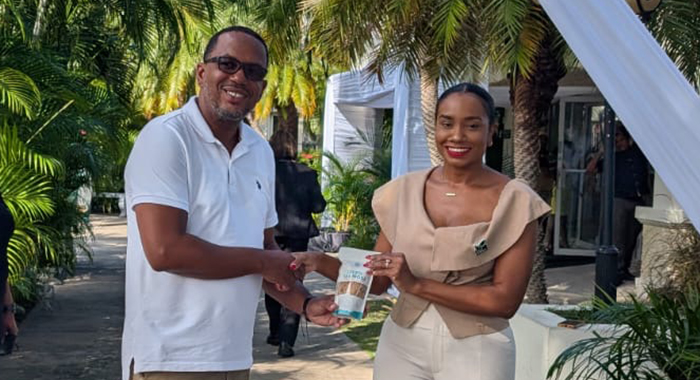
    Jamaica served as the host for a landmark gathering of civil society organization (CSO) leaders from across the Caribbean region from February 24th to 27th. The inaugural Caribbean CSO Conference assembled 120 delegates representing twelve nations, including Antigua and Barbuda, Barbados, Guyana, Suriname, and St. Vincent and the Grenadines.

    Organized through a partnership between the Canadian-funded Local Engagement and Action Fund (LEAF) and the Caribbean Development Bank’s Basic Needs Trust Fund, the conference adopted a practical, execution-oriented approach. The four-day forum was strategically designed to enhance collaboration, stimulate innovation, and facilitate strategic dialogue to bolster regional resilience and impact.

    Canada’s High Commissioner to Jamaica, Mark Berman, emphasized the critical function of CSOs in tackling persistent development challenges. He identified climate vulnerability, youth unemployment, gender inequality, and protection of vulnerable populations as key areas where civil society plays an indispensable role. Commissioner Berman further urged organizations to adapt to global transformations by strengthening governance structures, financial resilience, digital capabilities, and advocacy efforts.

    George Yearwood, Portfolio Manager for the CDB Basic Needs Trust Fund, reinforced the institutional recognition of CSOs as fundamental pillars of sustainable development throughout the Caribbean. He highlighted how non-governmental and community-based organizations consistently serve as first responders during crises and maintain positions as trusted advocates within marginalized communities, championing causes ranging from social justice and environmental stewardship to gender equality and youth empowerment.

    The conference, themed “The Shift: Igniting Civil Society’s Next Chapter,” centered its discussions around four critical pillars: funding and sustainability models, technology and artificial intelligence integration, operational excellence, and enhanced advocacy and visibility strategies. The event concluded with a World NGO Day celebration featuring a regional showcase that honored the vital contributions of CSOs to Caribbean development progress.

  • Former T&T PM among 5 foreign lawyers in SVG’s election cases

    Former T&T PM among 5 foreign lawyers in SVG’s election cases

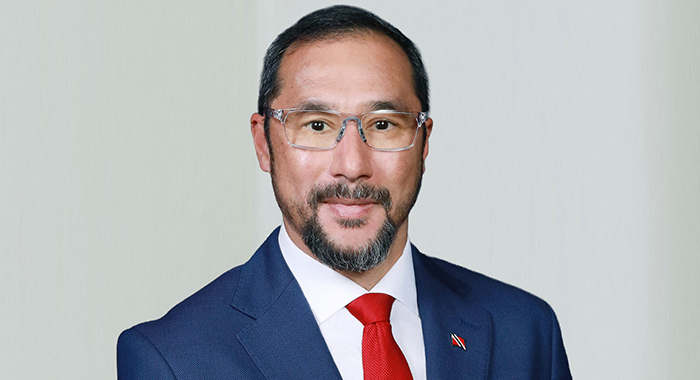
    In a significant political development, former Trinidad and Tobago Prime Minister Stuart Richard Young will be among five international attorneys called to the Bar in St. Vincent and the Grenadines this Thursday. The High Court hearing marks the commencement of legal proceedings challenging the eligibility of Prime Minister Godwin Friday and Foreign Minister Dwight Fitzgerald Bramble to hold parliamentary seats due to their Canadian citizenship status.

    Young, who served as Trinidad’s eighth prime minister for a brief period from March to April 2025 before his party’s electoral defeat, will represent members of the opposition Unity Labour Party (ULP). The plaintiffs contend that Friday and Bramble’s dual citizenship violates constitutional requirements for elected officials.

    The legal challenges involve two separate petitions. Agustus Carlos Williams contests Prime Minister Friday’s nomination in the Northern Grenadines constituency, alleging improper handling by returning officer Devon Ollivierre and Supervisor of Elections Dora James. Simultaneously, Luke Browne challenges Foreign Minister Bramble’s eligibility in East Kingstown, citing similar concerns regarding electoral officials’ conduct.

    Representing the government defendants are legal teams comprising both local and international counsel, including England-based Kate Quincy Temple-Mabe and Trinidadian attorneys Anand Ramlogan S.C., Vishal Siewsaran, and Ganesh Saroop. The Attorney General’s office is also named as a respondent in both cases, as standard procedure in constitutional matters.

    The controversy stems from pre-election assertions by the ULP that votes cast for Friday and Bramble would be invalid due to their foreign citizenship status. Both officials maintain their eligibility, arguing that St. Vincent’s Constitution contains distinct provisions permitting parliamentary service while holding Canadian citizenship.

    Historical context reveals Friday’s extensive parliamentary tenure since 2001, while Bramble is serving his second term after initial election in 2020. Electoral results show decisive victories for both officials despite the citizenship concerns, with Friday securing 2,185 votes against Williams’ 339 in Northern Grenadines, and Bramble defeating Browne by 1,001 votes in East Kingstown.

    The case management hearing will be presided over by Acting High Court Judge Justice Gertel Thom, setting the stage for what promises to be a landmark constitutional interpretation case with significant implications for future electoral eligibility standards in the Caribbean region.

  • Man who searched woman’s vagina killed in Kingstown

    Man who searched woman’s vagina killed in Kingstown

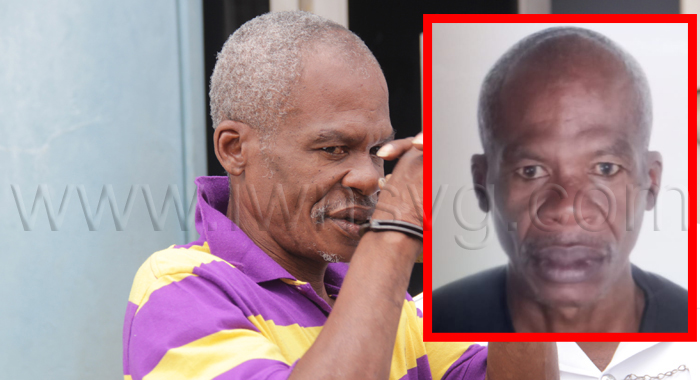
    Authorities in St. Vincent and the Grenadines have initiated a comprehensive homicide investigation following the discovery of 63-year-old Bertram Wright’s body in central Kingstown on Saturday. The victim was found unresponsive in the China Town district, located directly opposite the Royal St. Vincent and the Grenadines Police Force headquarters.

    Medical examination revealed Wright succumbed to multiple blunt force injuries to both his head and torso, indicating a severe physical assault. The timing of the incident has raised particular concerns, as Wright had attended an awards ceremony hosted by the Criminal Investigations Department at Kingstown Central Market merely hours before his body was discovered.

    Eyewitness accounts indicate Wright was socializing with a group of men who regularly congregate under a commercial store gallery in the urban center. Investigators confirmed he departed the law enforcement event before its official conclusion. The proximity of the crime scene to police facilities has prompted serious questions regarding public safety in the nation’s capital.

    Court records show Wright had an extensive criminal history, including a 2019 conviction that resulted in a 12-month prison sentence for domestic violence and sexual assault against his former common-law partner. The case continues to develop as forensic specialists and detectives pursue active leads.

  • SVG bracing for higher prices, fewer visitors amidst Middle East war

    SVG bracing for higher prices, fewer visitors amidst Middle East war

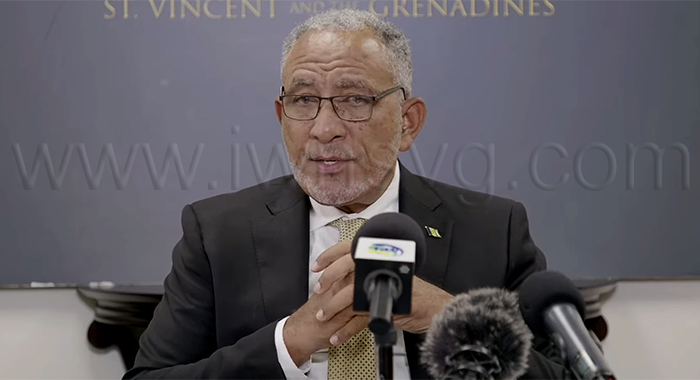
    Prime Minister Godwin Friday has issued a stark warning regarding the potential economic repercussions for St. Vincent and the Grenadines (SVG) stemming from the escalating military confrontation between the United States, Israel, and Iran. Speaking at a press briefing in Kingstown, the Prime Minister emphasized that while the physical conflict remains geographically distant, its economic impact will be profoundly felt by the Caribbean nation.

    The recent coordinated strikes by U.S. and Israeli forces targeting Iranian military infrastructure, leadership, and nuclear facilities have triggered a series of retaliatory measures from Iran. These counter-strikes have expanded across the Middle East, affecting numerous countries and resulting in significant military and civilian casualties according to international reports.

    Prime Minister Friday identified two primary areas of concern for SVG’s economy: energy price volatility and imported inflation. He projected a ‘high likelihood of experiencing a severe energy and fuel-cost shock’ within the coming year, which would inevitably affect transportation costs and overall economic activity. As a finance minister, Friday particularly highlighted the vulnerability of SVG’s tourism sector—the nation’s largest foreign exchange earner and fastest-growing economic segment—which faces potential declines in long-haul arrivals and occupancy rates due to increased travel costs and regional instability.

    The government is implementing proactive measures to monitor early warning indicators including freight costs, insurance quotes, and supermarket pricing trends. Drawing parallels to recent economic challenges following the COVID-19 pandemic, the administration is developing contingency plans to address potential supply chain disruptions and scarcity of essential imports, particularly in construction materials and energy supplies. Previous mitigation measures including VAT-free shopping days and social assistance programs may be expanded to counter anticipated cost of living pressures.

    Prime Minister Friday concluded that while SVG cannot control international events, his government remains focused on developing responsive strategies to cushion the nation from global economic shocks arising from the Middle East conflict.

  • NDP govt’s VAT-free day was illegal — Camillo

    NDP govt’s VAT-free day was illegal — Camillo

    In a significant political development, former Finance Minister Camillo Gonsalves has characterized the recently implemented VAT-free shopping day as fundamentally illegal. The initiative, executed on December 19 by the newly elected New Democratic Party (NDP) administration, fulfilled a major campaign pledge but has now sparked serious constitutional concerns.

    Gonsalves, who served in the previous Unity Labour Party (ULP) government that held power for 25 years before its electoral defeat in November 2020, articulated his position during an appearance on Star Radio, the ULP’s affiliated station. While emphasizing that his comments represented personal views rather than official party stance, the former minister delivered a detailed legal critique.

    “I am not here to criticize the concept of a VAT-free day itself,” Gonsalves stated, acknowledging the government’s legitimate right to implement campaign promises. “However, I personally consider it more of a political gimmick than substantive help for vulnerable populations, primarily benefiting those with disposable income for major appliance purchases.”

    The core of his argument rests on legal technicalities within the Value Added Tax Act. Gonsalves, leveraging his expertise as a legal professional, emphasized that “nothing in existing legislation authorizes any entity to suspend law arbitrarily. Simply declaring ‘no VAT today’ constitutes a violation of established statute.”

    He proposed the proper legislative pathway would require parliamentary amendment to the VAT Act, specifically granting the Finance Minister authority to suspend VAT collection on specific items for designated periods through official Gazette publication. With the NDP commanding a supermajority of 14 out of 15 parliamentary seats, Gonsalves noted such amendment would face minimal opposition.

    The former minister suggested political convenience motivated bypassing proper legislative channels, as the government sought rapid implementation before Christmas. This approach, he warned, creates “a tension between legal protocol and political sentiment” where “the decision was made at highest levels to ignore the law and legislate from cabinet.”

    Gonsalves expanded his critique to address broader democratic concerns within Caribbean small island states, referencing similar supermajority situations in Barbados, Trinidad and Tobago, and St. Lucia. He cautioned against the regional trend of governing from cabinet rooms rather than through transparent parliamentary processes, emphasizing that “democracies are built on adherence to law, respect for majority, but protection of minority.”

    While reiterating he wasn’t opposing the policy itself, Gonsalves concluded that “ignoring the law is a bad start even if the outcome is politically desirable. We are a country of laws founded on a Constitution, and we cannot bypass them when convenient.”

  • VIDEO: Teen charged over stabbing of Alia McDowall

    VIDEO: Teen charged over stabbing of Alia McDowall

    A St. Vincent court has granted EC$15,000 bail to 17-year-old Doriel Duncan of Bethel High School, who faces charges of wounding with intent following the November 2024 stabbing incident that resulted in the death of fellow teenager Alia McDowall. The alleged victim, a 17-year-old student-athlete from Central Leeward Secondary School, succumbed to complications from her injuries at Milton Cato Memorial Hospital last Sunday after multiple hospitalizations.

    The judicial proceedings saw Duncan, a Barrouallie resident, released without entering a plea to the indictable charge. The court imposed specific bail conditions requiring her to report to the Barrouallie Police Station twice weekly on Tuesdays and Thursdays. The case is scheduled to resume on April 2 with the commencement of a preliminary inquiry.

    Legal complications have emerged due to the timing of the charges. The ‘year-and-a-day’ rule in Vincentian law prevents prosecutors from upgrading the charges to murder or manslaughter following McDowall’s death. This legal technicality has drawn sharp criticism from the victim’s family, who expressed frustration with the investigative process.

    Family members revealed to iWitness News that police failed to conduct follow-up investigations during McDowall’s hospitalization and showed minimal engagement with the case. ‘The system and the authorities need to do better,’ stated a close female relative of the deceased. ‘A case like this should not require families to track down developments themselves. The complete lack of communication and follow-up while Alia fought for her life has undermined our confidence in achieving justice.’

    The case has raised questions about police procedures and legal limitations in serious assault cases that result in delayed fatalities, highlighting broader concerns about judicial responsiveness in violent crime investigations.

  • Family doubtful they’ll receive justice over student-athlete’s death

    Family doubtful they’ll receive justice over student-athlete’s death

    The grieving family of Alia McDowall, a 17-year-old student-athlete who succumbed to injuries 16 months after being stabbed outside her school, is confronting systemic failures in St. Vincent and the Grenadines’ justice system. McDowall passed away at Milton Cato Memorial Hospital on Sunday, following continuous health complications stemming from the November 28, 2024 attack allegedly perpetrated by another secondary school student.

    Family members have expressed profound frustration with law enforcement and judicial authorities, accusing them of systemic negligence and case mismanagement. According to a close relative who spoke anonymously, police failed to conduct basic follow-ups during McDowall’s extended hospitalization, while prosecutors allegedly delayed crucial decisions regarding charges.

    The case presents legal complications due to St. Vincent’s “Year-And-A-Day” statute, which prevents murder or manslaughter charges when death occurs more than one year and a day after the incident. The alleged assailant, who has since graduated secondary school, was initially charged with grievous bodily harm and required to report weekly to Barrouallie Police Station while remaining free throughout McDowall’s medical ordeal.

    Communications obtained by iWitness News reveal contradictory narratives between police and the Director of Public Prosecutions’ office regarding case file locations and charging decisions. Family members describe being repeatedly redirected between agencies, with officials claiming unfamiliarity with case details despite multiple prior communications.

    Compounding the family’s distress are social media posts from the alleged assailant’s family that demonstrate apparent lack of remorse. The McDowall family maintains that the accused and victim knew each other potentially from primary school, while dismissing speculation about athletic competition motivations as factually unfounded.

    The family’s quest for justice now confronts both legal limitations and their perception of institutional indifference, leaving them questioning whether any meaningful accountability will be achieved through the judicial process.

  • Quarry workers accuse Rayneau of inequality

    Quarry workers accuse Rayneau of inequality

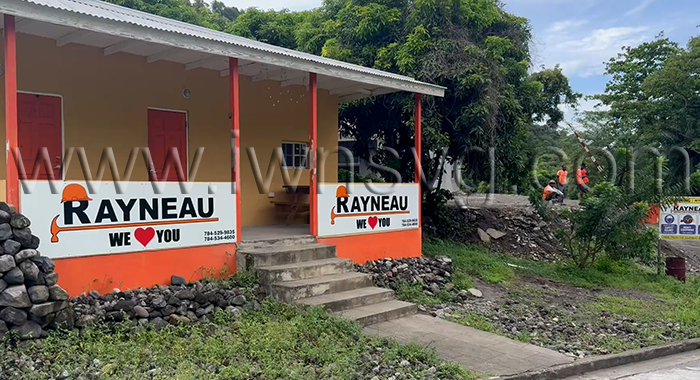
    Employees at Rayneau Construction in St. Vincent and the Grenadines have raised serious allegations of discriminatory labor practices and systemic wage inequality at the company’s Richmond quarry operation. The workers, who were employed under the previous Unity Labour Party government’s land lease agreement, claim the company maintains a two-tiered system that favors foreign nationals while suppressing the rights and compensation of local Vincentian workers.

    According to detailed worker testimonies, Vincentian employees face stark disparities in treatment compared to their foreign counterparts. Local workers report being paid a flat rate of EC$7.14 per hour regardless of their skill level or position, while foreign workers—particularly those from Guyana and India—allegedly receive upwards of EC$20 per hour for similar work. This uniform pay structure fails to distinguish between unskilled laborers and trained tradespeople, creating fundamental inequities in compensation.

    The situation escalated when, following a visit from Labour Department representatives, instead of addressing wage concerns, the company reduced local workers’ hours from 10 to 7 per day. This reduction pushed daily earnings below the EC$50 minimum wage threshold for laborers and under EC$100 for tradesmen, while foreign workers continued to receive full-time hours and compensation.

    Additional grievances include the company’s failure to adjust salaries for Vincentian workers who were promoted to skilled positions such as equipment operators and masons, with some performing these advanced duties for up to two years without corresponding pay increases. Workers also allege systematic denial of legally mandated overtime payments, with the company claiming employees had “agreed” to work 10-hour days without overtime compensation—an arrangement workers contend violates national labor standards.

    The workers have formally requested documented evidence of any voluntary agreement to waive overtime rights, as well as transparency regarding the company’s wage structure and its compliance with St. Vincent and the Grenadines’ labor regulations. They emphasize that industrial workers, given the hazardous nature of quarry operations, should receive higher compensation and better working conditions under national law.

    Despite raising these concerns through proper channels, workers report feeling limited protection from labor authorities and fear job loss if they advocate more forcefully. The case has broader implications for foreign investment and labor practices in the country, with workers warning that if one company is permitted to bypass national labor laws, it could establish a dangerous precedent for other enterprises.

    iWitness News attempted repeatedly over a two-week period to obtain comment from Rayneau Construction representatives, but received no response to the allegations.

  • Drew denies CARICOM, US discussed regime change in Cuba

    Drew denies CARICOM, US discussed regime change in Cuba

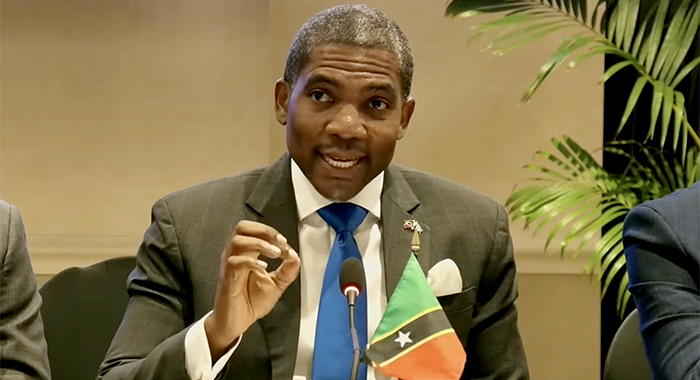
    The Caribbean Community (CARICOM) has firmly refuted allegations of participating in U.S.-backed regime change discussions regarding Cuba, while simultaneously announcing concrete plans to address the island nation’s escalating humanitarian crisis. The clarification came from CARICOM Chairman and St. Kitts and Nevis Prime Minister Terrance Drew during the closing press conference of the 50th Heads of Government Conference in Basseterre.

    Prime Minister Drew explicitly denied multiple reports from Miami Herald and Associated Press suggesting CARICOM’s involvement in transition discussions with U.S. Secretary of State Marco Rubio. When pressed by journalists about alleged meetings between Rubio and Fidel Castro’s grandson during the conference sidelines, Drew maintained that “CARICOM has not involved itself in any discussion of such nature.”

    Instead, the regional bloc revealed its intention to launch substantial humanitarian assistance to Cuba by late March. Drew emphasized the community’s primary concern regarding Cuba’s deteriorating conditions, describing severe shortages of food, water, and electricity, alongside accumulating street garbage and general infrastructure collapse.

    The CARICOM chairman, who studied medicine in Cuba for seven years, shared personal connections to the crisis: “I have friends there. I have people who are like family to me. They reach out to me and tell me of their difficulties. I can only feel the pain of those who treated me so well when I was a student.”

    Geopolitical context reveals the crisis stems partly from disrupted oil supplies from Russia, Mexico and Venezuela following U.S. military actions against Venezuela and President Trump’s executive order threatening tariffs against countries shipping oil to Cuba. CARICOM’s joint statement acknowledged discussions with Rubio regarding “the growing humanitarian crisis” while emphasizing the community’s unique position to facilitate dialogue given its “very close relationship with both Cuba and the USA.”

    Drew issued a stark warning about regional implications: “A destabilized Cuba will destabilize all of us. Cuba’s population is anywhere from 9 to 12 million people. Excluding Haiti, the rest of CARICOM does not amount to 10 million people. Therefore, if a state within our community is so destabilized, it will affect all of us in the region.”