标签: Saint Vincent and the Grenadines

圣文森特和格林纳丁斯

  • Family doubtful they’ll receive justice over student-athlete’s death

    Family doubtful they’ll receive justice over student-athlete’s death

    The grieving family of Alia McDowall, a 17-year-old student-athlete who succumbed to injuries 16 months after being stabbed outside her school, is confronting systemic failures in St. Vincent and the Grenadines’ justice system. McDowall passed away at Milton Cato Memorial Hospital on Sunday, following continuous health complications stemming from the November 28, 2024 attack allegedly perpetrated by another secondary school student.

    Family members have expressed profound frustration with law enforcement and judicial authorities, accusing them of systemic negligence and case mismanagement. According to a close relative who spoke anonymously, police failed to conduct basic follow-ups during McDowall’s extended hospitalization, while prosecutors allegedly delayed crucial decisions regarding charges.

    The case presents legal complications due to St. Vincent’s “Year-And-A-Day” statute, which prevents murder or manslaughter charges when death occurs more than one year and a day after the incident. The alleged assailant, who has since graduated secondary school, was initially charged with grievous bodily harm and required to report weekly to Barrouallie Police Station while remaining free throughout McDowall’s medical ordeal.

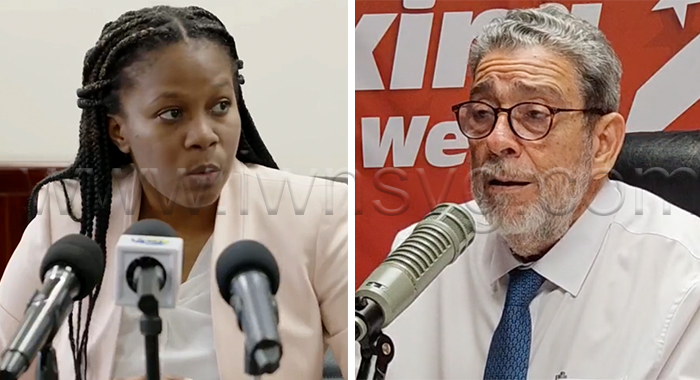
    Communications obtained by iWitness News reveal contradictory narratives between police and the Director of Public Prosecutions’ office regarding case file locations and charging decisions. Family members describe being repeatedly redirected between agencies, with officials claiming unfamiliarity with case details despite multiple prior communications.

    Compounding the family’s distress are social media posts from the alleged assailant’s family that demonstrate apparent lack of remorse. The McDowall family maintains that the accused and victim knew each other potentially from primary school, while dismissing speculation about athletic competition motivations as factually unfounded.

    The family’s quest for justice now confronts both legal limitations and their perception of institutional indifference, leaving them questioning whether any meaningful accountability will be achieved through the judicial process.

  • Quarry workers accuse Rayneau of inequality

    Quarry workers accuse Rayneau of inequality

    Employees at Rayneau Construction in St. Vincent and the Grenadines have raised serious allegations of discriminatory labor practices and systemic wage inequality at the company’s Richmond quarry operation. The workers, who were employed under the previous Unity Labour Party government’s land lease agreement, claim the company maintains a two-tiered system that favors foreign nationals while suppressing the rights and compensation of local Vincentian workers.

    According to detailed worker testimonies, Vincentian employees face stark disparities in treatment compared to their foreign counterparts. Local workers report being paid a flat rate of EC$7.14 per hour regardless of their skill level or position, while foreign workers—particularly those from Guyana and India—allegedly receive upwards of EC$20 per hour for similar work. This uniform pay structure fails to distinguish between unskilled laborers and trained tradespeople, creating fundamental inequities in compensation.

    The situation escalated when, following a visit from Labour Department representatives, instead of addressing wage concerns, the company reduced local workers’ hours from 10 to 7 per day. This reduction pushed daily earnings below the EC$50 minimum wage threshold for laborers and under EC$100 for tradesmen, while foreign workers continued to receive full-time hours and compensation.

    Additional grievances include the company’s failure to adjust salaries for Vincentian workers who were promoted to skilled positions such as equipment operators and masons, with some performing these advanced duties for up to two years without corresponding pay increases. Workers also allege systematic denial of legally mandated overtime payments, with the company claiming employees had “agreed” to work 10-hour days without overtime compensation—an arrangement workers contend violates national labor standards.

    The workers have formally requested documented evidence of any voluntary agreement to waive overtime rights, as well as transparency regarding the company’s wage structure and its compliance with St. Vincent and the Grenadines’ labor regulations. They emphasize that industrial workers, given the hazardous nature of quarry operations, should receive higher compensation and better working conditions under national law.

    Despite raising these concerns through proper channels, workers report feeling limited protection from labor authorities and fear job loss if they advocate more forcefully. The case has broader implications for foreign investment and labor practices in the country, with workers warning that if one company is permitted to bypass national labor laws, it could establish a dangerous precedent for other enterprises.

    iWitness News attempted repeatedly over a two-week period to obtain comment from Rayneau Construction representatives, but received no response to the allegations.

  • Drew denies CARICOM, US discussed regime change in Cuba

    Drew denies CARICOM, US discussed regime change in Cuba

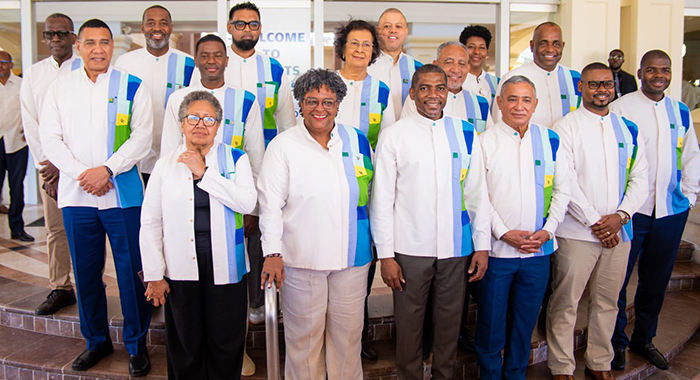
    The Caribbean Community (CARICOM) has firmly refuted allegations of participating in U.S.-backed regime change discussions regarding Cuba, while simultaneously announcing concrete plans to address the island nation’s escalating humanitarian crisis. The clarification came from CARICOM Chairman and St. Kitts and Nevis Prime Minister Terrance Drew during the closing press conference of the 50th Heads of Government Conference in Basseterre.

    Prime Minister Drew explicitly denied multiple reports from Miami Herald and Associated Press suggesting CARICOM’s involvement in transition discussions with U.S. Secretary of State Marco Rubio. When pressed by journalists about alleged meetings between Rubio and Fidel Castro’s grandson during the conference sidelines, Drew maintained that “CARICOM has not involved itself in any discussion of such nature.”

    Instead, the regional bloc revealed its intention to launch substantial humanitarian assistance to Cuba by late March. Drew emphasized the community’s primary concern regarding Cuba’s deteriorating conditions, describing severe shortages of food, water, and electricity, alongside accumulating street garbage and general infrastructure collapse.

    The CARICOM chairman, who studied medicine in Cuba for seven years, shared personal connections to the crisis: “I have friends there. I have people who are like family to me. They reach out to me and tell me of their difficulties. I can only feel the pain of those who treated me so well when I was a student.”

    Geopolitical context reveals the crisis stems partly from disrupted oil supplies from Russia, Mexico and Venezuela following U.S. military actions against Venezuela and President Trump’s executive order threatening tariffs against countries shipping oil to Cuba. CARICOM’s joint statement acknowledged discussions with Rubio regarding “the growing humanitarian crisis” while emphasizing the community’s unique position to facilitate dialogue given its “very close relationship with both Cuba and the USA.”

    Drew issued a stark warning about regional implications: “A destabilized Cuba will destabilize all of us. Cuba’s population is anywhere from 9 to 12 million people. Excluding Haiti, the rest of CARICOM does not amount to 10 million people. Therefore, if a state within our community is so destabilized, it will affect all of us in the region.”

  • Prosecutors mull options as student dies 16 months after being stabbed

    Prosecutors mull options as student dies 16 months after being stabbed

    The Caribbean nation of St. Vincent and the Grenadines is grappling with profound legal and social questions following the tragic death of 17-year-old student athlete Alia Mc Dowall on Sunday. Mc Dowall succumbed to complications from a severe throat stabbing that occurred outside her Central Leeward Secondary School on November 28, 2024, allegedly perpetrated by a student from Campden Park Secondary School.

    Her passing came precisely as her school community was conducting its annual athletic meet—an event where Mc Dowall would have showcased her running talents. The Central Leeward Secondary School memorialized her on social media, stating: “Today, we express our deepest condolences on the loss of our student-athlete. On a day such as this, you would have been prepared to showcase your talent through running. Rest in peace, young one.”

    The case has ignited serious scrutiny of the nation’s justice system. Prosecutors had instructed investigators just three days before Mc Dowall’s death to charge the alleged assailant with ‘wounding with intent.’ However, investigators have expressed frustration over procedural delays within the prosecution service.

    Complicating the legal proceedings is the unoperationalized Child Justice Act of 2019, which restricts investigators from charging minors without explicit instructions from the National Prosecution Service. Additionally, Section 169 of the Criminal Code presents a significant barrier, stating that a person cannot be deemed to have killed another if death occurs more than ‘a year and a day’ after the alleged act.

    Legal experts suggest prosecutors may now pursue charges of grievous bodily harm (GBH), which carries a maximum penalty of life imprisonment—the same as murder in a jurisdiction where capital punishment has been abolished. The case continues to develop as prosecutors weigh their options amid growing public concern about youth violence and judicial efficiency.

  • Nutritious Wambugu apple takes root in SVG

    Nutritious Wambugu apple takes root in SVG

    A transformative agricultural initiative is unfolding across the Caribbean as St. Vincent and the Grenadines becomes the latest nation to adopt Kenya’s innovative Wambugu apple variety. This development marks a significant shift in intercontinental agricultural cooperation, moving beyond historical paradigms to embrace knowledge exchange and technological transfer between African and Caribbean nations.

    The Wambugu apple, developed by Kenyan farmer Peter Wambugu twenty-five years ago, represents a breakthrough in fruit cultivation. Unlike traditional apples requiring cold climates, this variety thrives in tropical conditions, making it ideally suited for Caribbean agriculture. Cherio Farms, a forward-thinking agricultural enterprise in SVG, is spearheading the distribution of Wambugu saplings to experienced local farmers, signaling a new era of food sovereignty initiatives.

    Prominent agricultural experts including Kemston Cato, holder of a master’s degree in food science, and Hubert “Shaka” Williams, a seasoned farmer with decades of experience, are among the first to implement this innovative cultivation. The project also involves Roosevelt John, a pineapple specialist in Mesopotamia Valley, and Marlon da Silva, whose twenty-five years of citrus farming experience provides valuable comparative insight.

    The economic implications are substantial. SVG currently imports approximately 165,000 kilograms of apples annually at a cost exceeding EC$1 million. This initiative aims to significantly reduce that import bill while creating local agricultural value. The Wambugu apple’s nutritional profile—low-calorie, fat-free, and rich in vitamin C, dietary fiber, and antioxidants—positions it as a health-conscious alternative to imported fruits.

    Beyond economic benefits, this collaboration represents a philosophical shift in North-South relations. As Che Connell of Cherio Farms notes, this exchange emphasizes “the brains, not the bodies, the tech, not the toil” of African agricultural innovation. The project has already demonstrated success in Jamaica and Trinidad, suggesting broader regional potential.

    Looking forward, Cherio Farms envisions expanded partnerships with Taiwan’s agricultural sector and further African collaborations, potentially including apricots, strawberries, citrus, and grapes. This neo-agricultural revolution aims to achieve food sovereignty for SVG by 2030, transforming both agricultural practices and international relationships through sustainable, knowledge-based development.

  • Pastor urges Chance to play ‘two-fold’ role in Taiwan

    Pastor urges Chance to play ‘two-fold’ role in Taiwan

    In a significant send-off ceremony at the Rillan Hill Church of the Nazarene on February 22, Reverend Chiefton Charles delivered a powerful commissioning sermon for Kenton X. Chance, St. Vincent and the Grenadines’ newly appointed ambassador to Taiwan. The retired educator and pastor emphasized the diplomat’s unique dual responsibility—representing both his nation and his Christian faith in the Asian territory.

    Reverend Charles, who officiated the Chances’ wedding thirteen years ago, drew parallels between secular diplomacy and spiritual representation using scriptures from 2 Corinthians chapter 5. He highlighted that Ambassador Chance—a distinguished journalist and founder of iWitness News—becomes the first Nazarene church member appointed to such a diplomatic position, making his assignment particularly noteworthy.

    The pastor detailed the substantial demands of ambassadorial work, noting it requires exceptional skills in management, negotiation, public speaking, and cultural fluency—qualities he confirmed Chance possesses from his previous studies in Taiwan. Charles specifically commended Foreign Minister Dwight Fitz Bramble, who attended the service, for making an exemplary choice in the appointment.

    Addressing the politically charged environment back home, Charles reminded the congregation that ambassadors represent all Vincentians regardless of political affiliations. He specifically noted that Chance represents neither the ruling New Democratic Party nor opposition parties but the entire population of St. Vincent and the Grenadines.

    The service also recognized Symantha Chance, the ambassador’s wife, who resigned from her position to support her husband’s mission. Charles urged her to provide strong spousal support while reminding the couple to maintain work-life balance despite the demanding nature of diplomatic duties.

    The church community pledged ongoing spiritual support through prayers that “are not hindered by distance,” ensuring the couple remains connected to their religious foundation while serving abroad. Chance departed for Taipei on Friday and is expected to assume his duties immediately upon arrival.

  • VIDEO: Lowmans Hill woman turns 10

    VIDEO: Lowmans Hill woman turns 10

    The community of Lowmans Hill, Saint Vincent and the Grenadines, witnessed a remarkable celebration of life on February 7, 2026, as resident Hilda Charles reached the extraordinary milestone of her 100th birthday. The esteemed centenarian was honored with a formal toast by His Excellency Governor General Sir Stanley “Stalky” John, KC, in a ceremony that highlighted her significance to the nation.

    The celebratory event brought together distinguished guests including Mrs. Charles’s Member of Parliament, Daniel Cummings, alongside a gathering of cherished relatives and lifelong friends. The gathering served as a testament to Mrs. Charles’s profound impact on her community throughout her century of life.

    This milestone birthday transcends personal achievement, representing a living chronicle of Saint Vincent’s history and societal evolution across ten decades. Official recognition from the highest levels of Vincentian leadership underscores the cultural importance placed on honoring elders and preserving intergenerational connections within the nation’s social fabric. The celebration stands as a powerful affirmation of life, community spirit, and the valued contributions of senior citizens to the Caribbean society.

  • Police appeal to parents as clueless students join ‘6ixx’, ‘7even’ gangs

    Police appeal to parents as clueless students join ‘6ixx’, ‘7even’ gangs

    St. Vincent and the Grenadines’ top law enforcement official has issued an urgent plea to parents regarding the alarming proliferation of transnational criminal gangs within the nation’s educational institutions. Assistant Commissioner of Police Trevor ‘Buju’ Bailey, the country’s chief crime-fighter, revealed that rival factions known as ‘6ixx’ and ‘7even’—originating from Trinidadian super gangs—have established deep roots in secondary schools, recruiting students unaware of the groups’ violent histories.

    During an appearance on the New Democratic Party’s ‘New Times’ radio program, Commissioner Bailey characterized the situation as a ‘growing problem’ that remains ‘rampant in our schools.’ He disclosed startling statistics from school administrators, including one principal who reported 20-25% of students failing to return after lunch periods.

    The senior law enforcement official emphasized that parental engagement represents the first line of defense. He recommended unexpected school visits and closer monitoring of children’s associations and digital activities. ‘Parents have to know where their children are at all times,’ Bailey stressed, noting that parenting transcends mere provision of basic needs and requires meaningful dialogue to prevent external negative influences.

    Bailey shared disturbing anecdotes from his school visits, including one incident where a student openly rolled and smoked marijuana during class. At West St. George Secondary School, he encountered students enthusiastically identifying with gang affiliations while demonstrating complete ignorance about the groups’ origins or benefits. One female student admitted she knew of no advantages to gang membership yet still participated.

    These gangs trace their origins to Trinidad’s ‘The Muslims’ and ‘Rasta City’ organizations—highly structured criminal enterprises with international militant connections. The Jamaat al Muslimeen, affiliated with The Muslims, attempted a violent coup in Trinidad in 1990 that resulted in 24 fatalities.

    Bailey concluded that addressing this crisis requires collective action beyond law enforcement, involving churches, community groups, and national institutions to eradicate gang influence from educational environments.

  • Rotary, Rotaract advance national dialogue on preventing childhood obesity

    Rotary, Rotaract advance national dialogue on preventing childhood obesity

    In a significant collaborative effort, Rotary and Rotaract organizations throughout St. Vincent and the Grenadines convened a high-level dinner meeting this month to formulate strategic approaches against childhood obesity. The gathering assembled club presidents, Rotarians, and distinguished government officials to align community service initiatives with national health priorities.

    The event featured pivotal attendees including Health Minister Daniel Cummings, Deputy Chief Education Officer Joycelyn Blake-Browne, Chief Health Promotion Officer Shanika John-Trent, and Senior Nutritionist Alicia Ferdinand. Their presence underscored the government’s commitment to cross-sector partnerships addressing pediatric health challenges.

    Presidents Felicia Cumberbatch (Rotary Club of St. Vincent), Kim Haydock (Rotary Club of St. Vincent South), and Angelina Questelles (Rotaract Club of Kingstown) jointly hosted the engagement under the leadership of Assistant Governor Janelle Allen. This coordination supports Rotary District 7030’s multi-year “Rotary Moves” campaign targeting childhood obesity prevention through 2026.

    Discussions centered on the advocacy dimension of the campaign, exploring practical interventions, policy adjustments, and legislative measures to shield children’s wellbeing and encourage sustainable healthy habits. Minister Cummings, himself a former Rotary Club president, reiterated his ministry’s dedication to developing implementable programs with Rotary organizations that foster lasting lifestyle improvements among youth.

    A official statement emphasized the shared recognition of obesity’s profound societal implications, noting: “Rotary and Rotaract clubs in St. Vincent and the Grenadines remain committed to collaboration, advocacy, and partnership in safeguarding the nation’s future.”

  • Former PRO is new head of SVG Teachers’ Union

    Former PRO is new head of SVG Teachers’ Union

    In a landmark transition of leadership, Fiona Charles-Williams has been unanimously elected as the new president of the St. Vincent and the Grenadines Teachers’ Union (SVGTU) without facing opposition. The election, conducted over Tuesday and Wednesday, saw the former union spokesperson ascend to the organization’s highest office following her tenure as public relations officer.

    Charles-Williams brings substantial expertise to the role, having dedicated 23 years to the education sector as a graduate teacher. Her election marks a continuation of institutional leadership within the union’s newly formed executive body.

    The leadership restructuring also saw retired educator Oswald Robinson, the immediate past president, secure the position of first vice-president after defeating Rosmond Richardson of Bishop’s College, Kingstown. This competitive election within the vice-presidential race contrasted with the presidential acclamation.

    The newly established executive committee comprises several key appointments: Yokanne Blugh assumes the role of second vice-president, Andrea Durrant as general secretary, and Reba Cozier-Veira as assistant general secretary. Aurie Gordon will serve as treasurer, while Shanique Bailey takes on responsibilities as public relations officer. Committee members Jevon Bynoe and Anthony Compton complete the leadership team.

    In her inaugural platform statement, President Charles-Williams committed to maintaining transparent governance practices while aggressively advocating for legislative reforms that benefit educators. She additionally emphasized expanding the union’s social outreach initiatives to strengthen its community presence.

    The entire executive leadership has been elected for a standard two-year term, during which they will address critical issues facing the education sector in St. Vincent and the Grenadines.