标签: Saint Vincent and the Grenadines

圣文森特和格林纳丁斯

  • National debt at $3.5b as ULP gov’t spent ‘like a drunken sailor’ in 2025

    National debt at $3.5b as ULP gov’t spent ‘like a drunken sailor’ in 2025

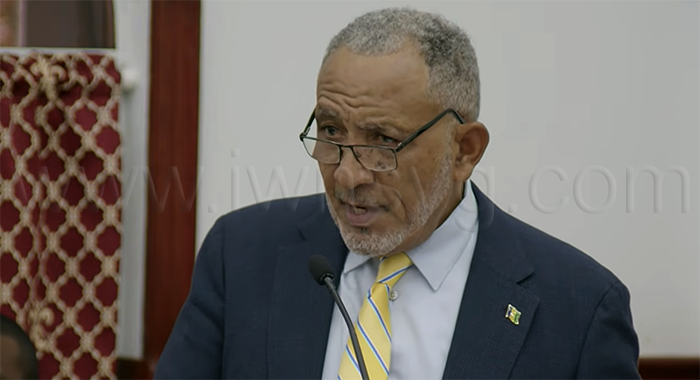
    Prime Minister Godwin Friday has disclosed a staggering national debt of EC$3.54 billion (US$1.31 billion) as of December 31, 2025, painting a dire fiscal picture during his presentation of the 2026 Estimates of Revenue and Expenditure to Parliament on Thursday. The revelation came as Friday’s New Democratic Party administration, elected in a landslide victory on November 27, 2025, took office after unseating the Unity Labour Party that had governed for nearly 24 years.

    The debt figure represents a substantial EC$400 million more than previously estimated by the new government and shows a 13% increase compared to the same period in 2024. Friday characterized the previous administration’s spending patterns as irresponsible, stating they had spent “like a drunken sailor” during the election year.

    Breaking down the debt structure, domestic debt reached EC$993 million, marking a 1.1% year-on-year increase, while external debt surged to EC$2.55 billion, representing an alarming 18.7% increase. A particularly concerning element was the public sector overdraft, which ballooned to nearly EC$200 million despite parliamentary authorization limiting it to EC$85 million.

    The 2026 budget of EC$1.89 billion, approved by lawmakers, represents a 2% increase over the 2025 budget. It includes recurrent expenditure of EC$1.31 billion and capital expenditure of EC$577.2 million. Financing will come from current revenue of EC$906.9 million and capital receipts of EC$978.7 million.

    Friday emphasized the severe debt servicing burden, revealing that 39.5 cents of every tax dollar collected will be allocated solely to debt repayment, totaling EC$358 million for 2026. This includes interest payments of EC$120.7 million, amortization of EC$215.4 million, and sinking fund contributions of EC$22 million.

    The Prime Minister defended his government’s approach, stating they must first address the cost-of-living crisis while gradually cleaning up the fiscal mess inherited from the previous administration. The disclosure has sparked intense parliamentary debate about the nation’s economic future and the challenges facing the new government.
  • RFHL records US$89m in first quarter profits

    RFHL records US$89m in first quarter profits

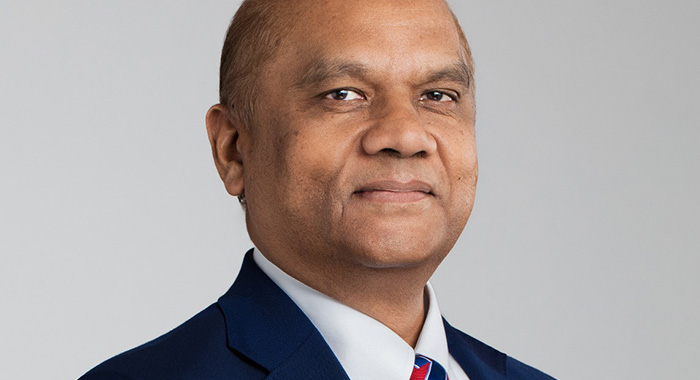
    Republic Financial Holdings Limited (RFHL) has demonstrated robust financial performance in its first fiscal quarter, reporting substantial growth across key metrics. Chairman Yashmid Karamath revealed the Group achieved $89 million in profit attributable to equity holders for the three-month period ending December 31, marking a significant $7 million (8.9%) increase compared to the $82 million recorded during the same period in the previous financial year.

    The financial institution’s total assets reached $19.6 billion as of December 31, representing a $1.1 billion (6%) expansion over December 2024 figures. This asset growth was primarily driven by increased lending activity across RFHL’s subsidiary network, despite persistent economic headwinds in certain operational markets.

    Karamath attributed the strong quarterly results to ‘steady core earnings, supported by stable asset quality and disciplined cost management.’ He emphasized the Group’s ‘robust capital and liquidity positions’ which provide a solid foundation for sustained future expansion.

    Reflecting this positive performance, RFHL’s board declared a quarterly interim dividend of $0.08 per share, maintaining the same distribution rate as the previous year. The dividend will be payable on February 27, 2026, to shareholders of record as of February 13, 2026.

    Regarding strategic direction, Karamath highlighted the Group’s continued advancement of key initiatives focused on strengthening operational efficiency, enhancing customer experience, and investing in digital transformation capabilities. ‘We remain focused on sustainable growth,’ he stated, ‘ensuring that innovation and expansion align with our long-term value creation objectives and our commitment to sound governance.’

    The Chairman expressed gratitude to RFHL management and staff for their professionalism and dedication, and thanked shareholders for their ongoing trust. He also acknowledged the contributions of former Chairman Vincent A. Pereira, recognizing his ‘exemplary leadership, commitment and outstanding service to the Board and the organisation during his tenure.’

  • Housing ‘one of the most corrupt institutions’ under ULP

    Housing ‘one of the most corrupt institutions’ under ULP

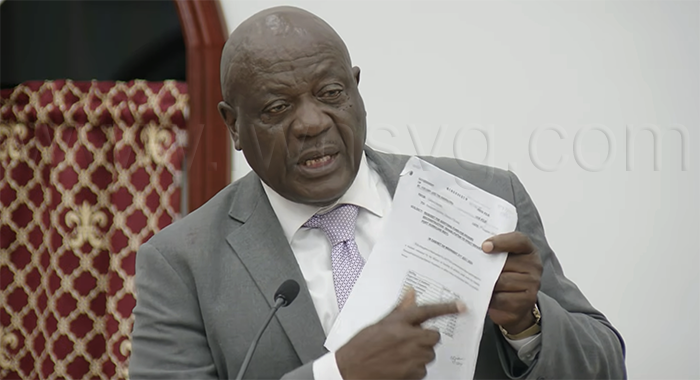
    In a fiery parliamentary address, St. Vincent and the Grenadines’ newly appointed Housing Minister Andrew John delivered a damning indictment of his predecessor’s administration, characterizing the housing ministry as “one of the most corrupt institutions” in the nation’s recent history. The allegations emerged during Thursday’s debate on the EC$1.886 billion fiscal package for 2026.

    Minister John, who secured his parliamentary seat in the November 27 elections that ousted the Unity Labour Party (ULP) government, presented compelling evidence of systematic mismanagement. He revealed significant discrepancies between officially reported housing repairs and actual on-ground assessments, stating that claimed repairs to 5,034 homes were entirely fictional upon physical inspection.

    The minister detailed how the previous administration allegedly utilized housing resources as “political footballs,” strategically positioning over $6 million worth of construction materials in key constituencies to manipulate electoral outcomes. These tactical depots were established across multiple regions including North Leeward, Central Leeward, and various Windward constituencies.

    The parliamentary session grew increasingly heated when opposition senator Carlos James challenged the current government’s fiscal priorities, particularly questioning the allocation of EC$2.1 million for prime ministerial vehicles and official residence repairs while temporary housing assessors faced layoffs. James presented documentation showing termination notices issued to workers involved in post-Hurricane Beryl reconstruction efforts.

    Minister John countered by producing a July 2024 Cabinet memo that established the temporary nature of these positions, emphasizing that his administration inherited expiring contracts rather than initiating dismissals. He contrasted this with the ULP government’s termination of over 500 workers during COVID-19 vaccine mandate implementations.

    The housing minister committed to presenting photographic evidence during the formal budget debate commencing February 9, promising visual documentation of the alleged mismanagement and unfinished projects that have left citizens in inadequate housing conditions across the nation.

  • Reinstated workers say gov’t short-changed them on salary bonus

    Reinstated workers say gov’t short-changed them on salary bonus

    A significant controversy has erupted in St. Vincent and the Grenadines as reinstated public sector workers accuse the newly elected New Democratic Party (NDP) administration of failing to fulfill campaign promises regarding salary bonuses. The government faced intense criticism Thursday night after remaining silent on allegations that hundreds of recently reinstated employees received substantially reduced payments instead of the full bonuses pledged during last year’s election campaign.

    Multiple public servants have reported receiving merely EC$166.67 instead of the promised EC$2,000, while others obtained EC$125 rather than the anticipated EC$1,500. Approximately 100 workers reinstated under the NDP’s policy appear most severely affected, receiving only one-twelfth of the committed amounts according to documents obtained by iWitness News.

    The dispute centers on a January 26, 2026 government memorandum—issued just three days after officials publicly announced bonus payments—stipulating that public sector workers who hadn’t worked the entire previous year were ineligible for full bonuses. This directive directly contradicts Prime Minister Godwin Friday’s administration’s previous commitments to fully reinstate all benefits for workers terminated under the previous government’s COVID-19 vaccine mandate.

    Over 500 public servants lost their positions in November 2021 under the Unity Labour Party (ULP) administration for refusing COVID-19 vaccination. The NDP had campaigned explicitly on reinstating these workers with full benefits, aligning with High Court Justice Esco Henry’s March 2023 ruling that declared the vaccine mandate illegal and unconstitutional.

    Justice Henry’s landmark decision had emphasized that terminated workers “remain entitled to hold those respective offices” and should receive “full pay and all benefits due and payable to them.” The ruling specifically mandated compensation for constitutional breaches including interest at 6% annually.

    The current administration maintains it upholds Justice Henry’s ruling despite the Court of Appeal’s subsequent overturning of the decision, which has now been appealed to the Privy Council in London. Attorney General Louise Mitchell previously stated at a January 23 press conference that 92 of 100 returning workers had been placed in positions and would receive full benefits.

    Reinstated workers now report that government departments are treating their service as interrupted rather than continuous, directly contravening both court rulings and campaign promises. Mitchell had previously emphasized that government policy required full compliance with reinstatement commitments, stating: “The policy is for the persons to return to work full with their benefits intact. Everyone in a position that affects the implementation of that policy must adhere with that.”

    The growing discontent among public servants highlights the challenges facing the two-month-old administration in reconciling political promises with bureaucratic implementation, raising questions about the government’s ability to deliver on its commitment to rectify what it had condemned as unjust treatment of public employees.

  • Gov’t will use all legal means to crush gangs — Leacock

    Gov’t will use all legal means to crush gangs — Leacock

    In a forceful address on national radio, St. Vincent and the Grenadines’ newly appointed National Security Minister St. Clair Leacock issued an uncompromising warning to criminal organizations, demanding immediate cessation of armed violence while outlining a dual-strategy approach to public safety.

    Speaking on NBC Radio just two months into his tenure, Minister Leacock—a former Commandant of the St. Vincent Cadet Force with substantial military background—vowed to reclaim every square inch of national territory from gang influence. “I will not hesitate to employ all legal measures,” declared Leacock, emphasizing that criminal elements would not be permitted to foster fear among citizens.

    The Minister acknowledged statistical improvements in homicide rates over recent years but maintained that current crime levels remain unacceptable. His strategy combines robust law enforcement with what he terms “soft power” initiatives—preventive measures targeting the sociological roots of criminal behavior.

    Leacock specifically praised NBC Radio’s innovative public awareness campaign featuring emotional appeals from children urging family members to avoid criminal activities. These broadcasts include testimonials from incarcerated individuals describing the harsh realities of prison life.

    Calling for nationwide collaboration, the Minister invited media outlets, community organizations, and creative professionals to contribute to anti-crime efforts through cultural, educational, and religious channels. He emphasized that sustainable security requires collective societal engagement alongside traditional enforcement measures.

    Minister Leacock confirmed ongoing coordination with local law enforcement and the Regional Security System, indicating that operational responses are being strengthened while preventive measures are being expanded.

  • Reinstated doctor barred from seeing patients

    Reinstated doctor barred from seeing patients

    In a developing administrative conflict, a physician previously terminated for COVID-19 vaccine refusal finds himself barred from practicing medicine despite official reinstatement by the new government. The case highlights systemic obstacles undermining the New Democratic Party’s pledge to reemploy dismissed public sector workers.

    The physician, practicing in Mespo, had enthusiastically resumed duties following the reversal of the previous administration’s vaccine mandate policy. However, Ministry of Health authorities subsequently issued directives prohibiting him from treating patients, creating a paradoxical situation where he receives salary payments but remains unable to perform medical duties.

    Public Service Union President Elroy Boucher revealed these developments during a Boom FM interview, identifying this case as emblematic of broader implementation failures. Numerous reinstated workers across the public sector have reported similar experiences of being turned away from their positions despite official policy changes.

    The administrative impasse appears rooted in inter-ministerial coordination challenges. Health officials cited the Finance Ministry’s failure to release the physician’s post as the primary obstruction, creating bureaucratic limbo for reinstated personnel.

    Contradictory reports emerge regarding the scale of affected workers. While Attorney General Louise Mitchell claimed only eight public servants remained to be reinstated, Boucher contends at least 44 workers were still awaiting actual return to duties as of last weekend. The union leader reported unsuccessful attempts to verify figures through official channels, including the Chief Personnel Officer’s office.

    The situation presents a significant governance challenge for the administration, which had prominently featured reinstatement promises during its election campaign. The gap between policy announcement and practical implementation continues to affect both healthcare delivery and workforce stability in Saint Vincent and the Grenadines’ public sector.

  • PM to set up Private Sector Advisory Council

    PM to set up Private Sector Advisory Council

    The government of St. Vincent and the Grenadines has announced the creation of a Private Sector Advisory Council, with Prime Minister Godwin Friday confirming the initiative will be operational by March 2026. This strategic body will function as a direct communication channel between the Cabinet and business leaders, facilitating structured dialogue on economic matters.

    The council’s mandate includes regular assessment of economic conditions, identification of sector-specific challenges, and development of practical solutions to enhance the business environment while reducing operational costs. During his second high-level engagement with private sector representatives on Tuesday, Prime Minister Friday emphasized that the council would transform conceptual discussions into actionable policies supporting investment, job creation, and sustainable economic growth.

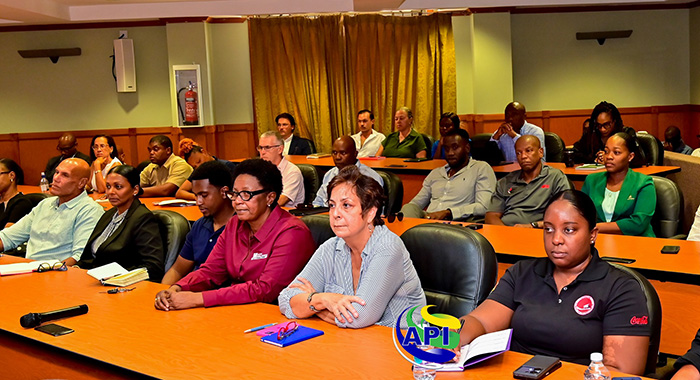
    The forum, themed “Partners in Progress: A New Social Contract for St. Vincent,” brought together Cabinet members, senior government officials, and prominent business figures including Jimmie Forde (ACADO SVG), Shafia London (SLU Group), Derry Williams (Bank of SVG), Isola Giddings (SVG Hotel & Tourism Association), and Ronette Lewis (Centre for Enterprise Development).

    Prime Minister Friday articulated that sustainable prosperity requires concrete partnership and action, stating: “We are not here for a talk shop, but a working session to forge a new social contract for 2026 and beyond. Prosperity is built on our farms, in our fishing villages, on construction sites, and in the boardrooms represented here today.”

    The government’s initiative received regional endorsement from Dr. Patrick Antoine, CEO and Technical Director of the CARICOM Private Sector Organisation (CPSO). Speaking at the forum, Dr. Antoine advocated for strengthened public-private partnerships across the Caribbean region, emphasizing the need for evidence-based collaboration to drive investment, innovation, and effective policy formulation. He specifically highlighted opportunities for St. Vincent’s emerging industries and enhanced business integration with neighboring Grenada.

    This establishment of formal government-private sector dialogue mechanisms represents a significant step toward advancing the CARICOM Single Market and Economy objectives while addressing national economic priorities through collaborative governance.

  • Estimates ‘treading water dangerously and gasping for breath’ – Gonsalves

    Estimates ‘treading water dangerously and gasping for breath’ – Gonsalves

    In a scathing parliamentary address on Thursday, Opposition Leader Ralph Gonsalves delivered a comprehensive critique of the New Democratic Party’s EC$1.89 billion fiscal package for 2026, characterizing the government’s approach as financially perilous and fundamentally inadequate for current economic challenges.

    The North Central Windward MP and former prime minister asserted that the EC$105.5 million deficit contained within the Estimates of Revenue and Expenditure surpasses the combined deficits of four previous years under his administration, despite those periods encompassing extraordinary crises including COVID-19, volcanic eruptions, Hurricane Elsa, and the devastating impact of Hurricane Beryl which destroyed over 90% of structures in the Southern Grenadines.

    Gonsalves dismissed Prime Minister Godwin Friday’s budget presentation as “an underwhelming and laboured performance” filled with “self-congratulation” rather than substantive policy. He warned that the current fiscal approach represents “dangerous treading water while gasping for breath,” particularly criticizing the recurrent budget framework as unsustainable.

    The opposition leader raised serious concerns about the government’s borrowing strategy, noting the EC$200 million in projected local loans represents twice the amount approved for 2025. He highlighted the irony of this approach from a party that previously criticized what it termed “ballooning debt and huge fiscal deficits.”

    Gonsalves presented detailed financial analysis indicating that when accounting for current account deficit, amortization payments, and sinking fund contributions, the government faces a total financial gap exceeding EC$401.4 million before even addressing capital expenditures. He questioned the feasibility of raising EC$573.9 million through external loans, noting that only EC$385 million is allocated to the capital budget while the remainder appears directed toward recurrent spending.

    The former prime minister projected significant implementation challenges, suggesting that local loan financing would not materialize until late March at the earliest due to market constraints. He warned government MPs that community projects promised in the budget would face substantial delays and predicted potential difficulties in meeting monthly salary obligations and essential bill payments.

    Gonsalves concluded that the budget framework is “unsuited to these perilous times” and unlikely to generate meaningful economic growth, characterizing it as a collection of “little bits and pieces with doubtful funding” rather than a coherent economic strategy.

  • PM presents $1.9b Estimates including $105m deficit

    PM presents $1.9b Estimates including $105m deficit

    In a landmark parliamentary address, Prime Minister Godwin Friday presented the 2026 national budget totaling EC$1.89 billion, marking the first fiscal blueprint since his New Democratic Party’s decisive electoral victory in November. The financial plan introduces a modest 2% increase over 2025 allocations, signaling a period of strategic fiscal management amid economic challenges.

    The budget architecture reveals recurrent expenditure dominating at EC$1.31 billion, while capital investment is set at EC$577.2 million. Financing mechanisms demonstrate careful balancing, with EC$906.9 million expected from current revenue streams and EC$978.7 million from capital receipts. This structure results in a current account deficit of EC$105.5 million, which the government acknowledges requires deliberate containment strategies.

    Revenue projections indicate a slight contraction, primarily attributable to a 40% decline in non-tax revenue following the conclusion of hurricane reimbursement programs. Tax revenue shows resilience with a projected 0.7% growth, driven by increased international trade transactions (1.9% increase) and significant growth in income and profit taxes (6.5% rise).

    Expenditure analysis reveals concerning trends in debt servicing, with amortization costs surging by 25.8% and sinking fund contributions increasing by 13.6%. Personnel compensation grows by 9.6%, while pension obligations see modest adjustment. The capital budget reflects strategic prioritization, decreasing by 17.4% but focusing resources on critical infrastructure including transportation networks, educational facilities, and climate resilience projects.

    Sectoral allocations demonstrate targeted investment: Transport and Works receives EC$115.5 million, Education and Vocational Training allocated EC$63.5 million, while Higher Education and Grenadines Affairs secures EC$78.4 million. The Finance Ministry obtains the largest capital portion at EC$190.1 million, with housing initiatives receiving nearly EC$40 million.

    The Prime Minister emphasized the government’s commitment to fiscal sustainability while maintaining essential public services and infrastructure development, acknowledging the challenges of deficit reduction while meeting developmental objectives.

  • Gonsalves takes oaths as MP

    Gonsalves takes oaths as MP

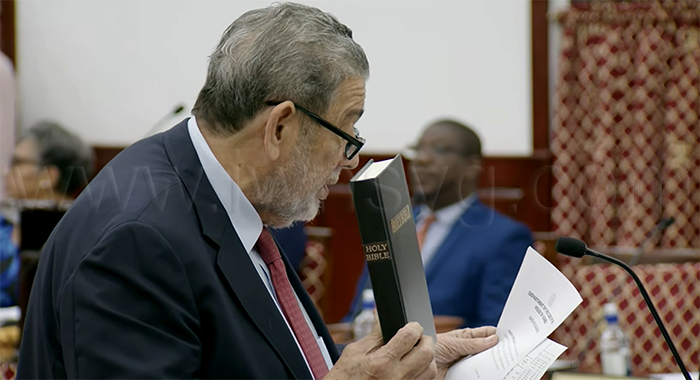
    In a significant political development, veteran opposition leader Ralph Gonsalves formally commenced his parliamentary duties on Thursday by taking the oaths of allegiance and declaration. This ceremony occurred just prior to the newly elected New Democratic Party administration presenting the 2026 Estimates of Revenue and Expenditure.

    The swearing-in follows a notable procedural incident where House Speaker Ronnia Durham-Balcombe had previously excluded Gonsalves from a parliamentary committee meeting due to his delayed oath-taking. At 79 years old, Gonsalves now enters his 32nd year as representative for North Central Windward, making him both the longest-serving and oldest sitting parliamentarian.

    Gonsalves’ Unity Labour Party suffered a devastating electoral collapse in the November 27 polls, securing only one seat compared to the NDP’s 14-seat victory. This outcome ended the ULP’s 24-year governance period that began with a landslide 12-3 win in 2001.

    The opposition leader had previously expressed uncertainty about his swearing-in timeline, telling a December press conference he was giving the matter “prayerful consideration” while maintaining his constitutional position as opposition leader appointed by the Governor General.

    Accompanying Gonsalves in Thursday’s ceremony were two opposition senators: Carlos James, who lost the North Leeward seat after one term, and Keisal Peter, a former ULP senator and minister who failed to secure the West Kingstown constituency.

    House Speaker Durham-Balcombe formally welcomed the opposition members, declaring “The House is now fully constituted” following the ceremony. The political transition marks a dramatic reversal for the ULP, which had governed since 2001 but faced declining popular support despite major infrastructure projects, ultimately culminating in their recent electoral collapse.