标签: Saint Kitts and Nevis

圣基茨和尼维斯

  • Trump Administration Makes Visa Bond Programme Permanent; Two Caribbean Nations Included

    Trump Administration Makes Visa Bond Programme Permanent; Two Caribbean Nations Included

    WASHINGTON, D.C. – Building on a year-long trial that program leaders frame as a proven success, the second Trump administration announced Friday it will convert its temporary Visa Bond Pilot Program into a permanent immigration policy, with the new permanent rule taking effect Monday, August 3, 2026.

    First launched earlier this year as a temporary measure targeting temporary visitor overstays, the framework gives U.S. consular officials the authority to require select B-1/B-2 visitor visa applicants – which cover travel for business and leisure purposes – to put down a refundable financial deposit before their visa is approved. Under the permanent rules, the bond amount ranges from $5,000 to $20,000, with individual consular officers adjusting the sum based on each applicant’s specific circumstances.

    The core policy goal of the program is to incentivize compliance with nonimmigrant visa terms, ensuring that temporary visitors exit the U.S. before their authorized period of stay expires. The administration’s formal announcement was published in the Federal Register, where officials laid out their case that the 12-month pilot generated enough data to confirm visa bonds are an effective tool for boosting temporary visitor compliance with immigration rules.

    The interagency evaluation conducted during the pilot, which included input from the U.S. Department of State, Department of Homeland Security, and Department of the Treasury, concluded that the bond system is both operationally feasible and effective at cutting rates of visa overstays, one of the most common sources of unlawful residual presence in the U.S.

    While the majority of nations on the program’s designated country list are African countries, the roster also includes two Caribbean Community (CARICOM) member states: Antigua and Barbuda, and Dominica.

    This permanent codification of the visa bond program aligns with the broader hardline immigration agenda the Trump administration has advanced since returning to office in 2025. Over the past year, the administration has rolled out a suite of policies targeting both unauthorized and legal immigration, including stricter visa screening protocols, expanded interior immigration enforcement raids, and increased deportation numbers.

    Administration officials have repeatedly emphasized that visa overstays account for a large share of people who remain in the U.S. in violation of immigration law. By tying compliance to a refundable financial deposit, officials argue the program creates a direct financial incentive for visitors to abide by their visa terms and depart on schedule. The pilot was initially rolled out for dozens of countries earlier this year, with the designated country list expanded in a May 2026 update ahead of the permanent transition.

    In addition to the visa bond program, the administration has advanced another controversial immigration policy change affecting international students and foreign journalists: replacing the longstanding “Duration of Status” rule, which allows authorized stay for the duration of an individual’s academic program or journalistic assignment, with fixed maximum periods of authorized stay. That proposal has sparked sharp pushback from student advocacy groups and media organizations, which warn the change will introduce unnecessary uncertainty for people legally residing, studying, and working in the United States.

    According to the Federal Register notice, the permanent visa bond program is being implemented to fulfill the mandates of Executive Order 14159, titled “Protecting the American People Against Invasion,” which directs all federal immigration agencies to strengthen enforcement measures and improve overall compliance with U.S. immigration law.

  • Message from the CARICOM Reparations Commission

    Message from the CARICOM Reparations Commission

    On 1 August 2026, Emancipation Day, the Caribbean Community (CARICOM) Reparations Commission has issued a formal message honoring the legacy of enslaved African ancestors who fought against chattel slavery, while marking a historic turning point in the global movement for reparatory justice.

    The commission opened its message by paying tribute to the courage, relentless resistance and unwavering determination of generations of enslaved people who overthrew one of the most cruel and long-standing systems of racial oppression in modern history. As communities across the Caribbean, Africa, and the global African diaspora gather to celebrate the hard-won emancipation from chattel slavery, the commission emphasized that the broader struggle for full justice, human dignity, and racial equality remains incomplete.

    This year’s Emancipation observance carries unique global significance, coming less than five months after the United Nations General Assembly adopted a landmark declaration on 25 March 2026 that formally classifies the transatlantic trafficking of enslaved Africans and the system of racialized chattel slavery as the gravest crime against humanity. This unprecedented international recognition validates a position that descendant communities, academic researchers, and racial justice advocates have advanced for decades: that the transatlantic slave trade and chattel slavery were not merely exploitative labor systems, but brutal, dehumanizing crimes whose intergenerational harm continues to shape the social, economic, political, and developmental outcomes of Caribbean nations and African diaspora communities around the world. The UN resolution strengthens the moral and political foundation for demands of reparatory justice, representing a critical milestone in the international community’s formal acknowledgment of historical truth.

    The 2026 Emancipation Day also coincides with preparations for the 25th anniversary of the Durban Declaration and Programme of Action, the landmark framework adopted at the 2001 World Conference Against Racism, Racial Discrimination, Xenophobia and Related Intolerance. To date, the Durban Declaration remains the most comprehensive international agreement designed to address the persistent legacies of slavery, colonialism, and systemic racism. Ahead of the official anniversary commemorations, the CARICOM Reparations Commission issued a call for all United Nations member states to reaffirm their commitment to full implementation of the Durban framework, and to push back against efforts to undermine its ongoing relevance to global racial justice efforts.

    For CARICOM, Emancipation Day is intrinsically tied to the ongoing movement for reparatory justice. While political independence was secured decades ago, it has not erased the deep structural inequalities created by centuries of systematic exploitation of enslaved African people. The enormous wealth extracted from the forced labor of enslaved Africans funded the industrial and imperial development of European colonial powers, while leaving Caribbean nations grappling with persistent underdevelopment, structural economic dependency, and ongoing racial disparities. These unresolved historical injustices continue to block sustainable, equitable development across the region, making meaningful redress an urgent moral and political priority.

    In response to this moment, the CARICOM Reparations Commission has formally relaunched the expanded CARICOM Ten Point Plan for Reparatory Justice: A Manifesto for the Coming Enlightenment. The plan serves as a collaborative framework for former colonial powers, private multinational corporations, academic institutions, religious bodies, civil society organizations, and all people of goodwill to engage in honest dialogue about historical harm, acknowledge formal responsibility for past injustice, and embrace reparatory justice as a core pillar of global reconciliation, shared human progress, and a more just future.

    In closing, the commission reiterated its core mission: drawing inspiration from the vision of freedom rooted in justice, dignity, and equality that guided enslaved resistors, the global movement will continue building inclusive societies free from racism, discrimination, and exclusion. “Together, let us transform remembrance into resolve and justice into reality for present and future generations,” the statement read.

  • Global Reflection Index ranks St. Kitts and Nevis as best relocation destination in Caribbean  – WIC News

    Global Reflection Index ranks St. Kitts and Nevis as best relocation destination in Caribbean – WIC News

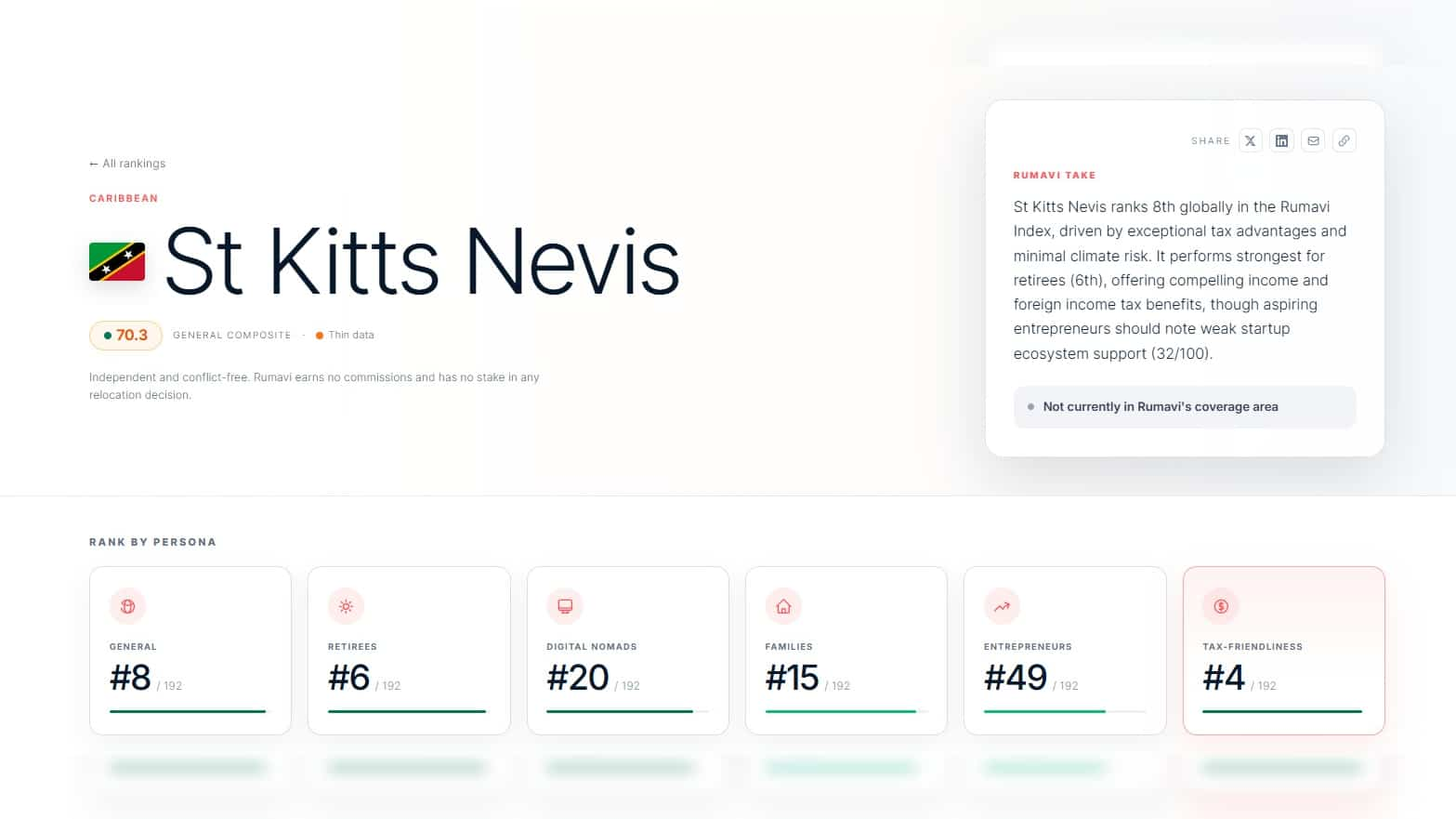
    Each year, the independent Rumavi Global Relocation Index assesses 192 countries and territories across the globe to rank the most attractive destinations for people looking to relocate, whether for retirement, work, family life, or entrepreneurial ventures. For 2026, the small Caribbean federation of St. Kitts and Nevis has earned a standout placement: eighth overall worldwide, and the number-one ranking for the entire Caribbean region.

    The index structures its assessments around 24 weighted metrics, sorted into four core categories that matter most to people planning a cross-border move: financial and tax conditions, liveability and access to health care, public safety and political stability, and ease of settling in alongside economic opportunity. Across all metrics, St. Kitts and Nevis posted a total overall score of 70.3, finishing just ahead of ninth-place Czechia and tenth-place Malta, to secure its spot in the global top 10. Estonia claimed the top position in the 2026 general ranking, followed by Singapore, Malaysia, Portugal, and Taiwan to round out the top five.

    St. Kitts and Nevis’s strongest performance came in tax-related metrics, where it earned a 92 out of 100 score for both personal income tax and rules governing foreign-sourced income. This pushed the federation to fourth place globally for overall tax-friendliness, and sixth place worldwide for relocation destinations ideal for retirees. It also posted a near-perfect 96 score for climate risk, another of its highest-performing categories, and solid placements for family relocation, coming in 15th globally, and 20th for digital nomads.

    Despite these strong overall results, the index also highlighted areas where St. Kitts and Nevis has room for improvement. The nation’s startup ecosystem scored just 32 out of 100, while metrics measuring business opportunity and access to K-12 and higher education each earned a 52. For entrepreneurs specifically, the federation ranked 49th globally, reflecting these identified gaps.

    H.E Calvin St Juste, CSM, Executive Chairman of the Board of Governors for St. Kitts and Nevis’s Citizenship by Investment Unit (CIU), announced the federation’s achievement via LinkedIn, emphasizing the meaning of the recognition. “I am pleased to share that St. Kitts and Nevis has been ranked 8th globally and 1st in the Caribbean in the Rumavi Global Relocation Index 2026. Among 192 countries assessed, the Federation stood out for its strong performance across financial and tax benefits, livability and health, safety and stability,” he wrote.
    St Juste added, “This recognition reflects the attractiveness of our nation as a destination for retirees, investors, and families seeking opportunity and quality of life.”

    As an independent annual ranking, Rumavi states it accepts no commissions and holds no financial stake in individuals’ relocation decisions, lending transparency and impartiality to its assessments. For a small island nation like St. Kitts and Nevis, breaking into the global top 10 marks a major milestone in growing international recognition, cementing its reputation as one of the most desirable places in the world to relocate for a better quality of life.

  • Star of the Seas brings more than 7,400 passengers to St. Kitts – WIC News

    Star of the Seas brings more than 7,400 passengers to St. Kitts – WIC News

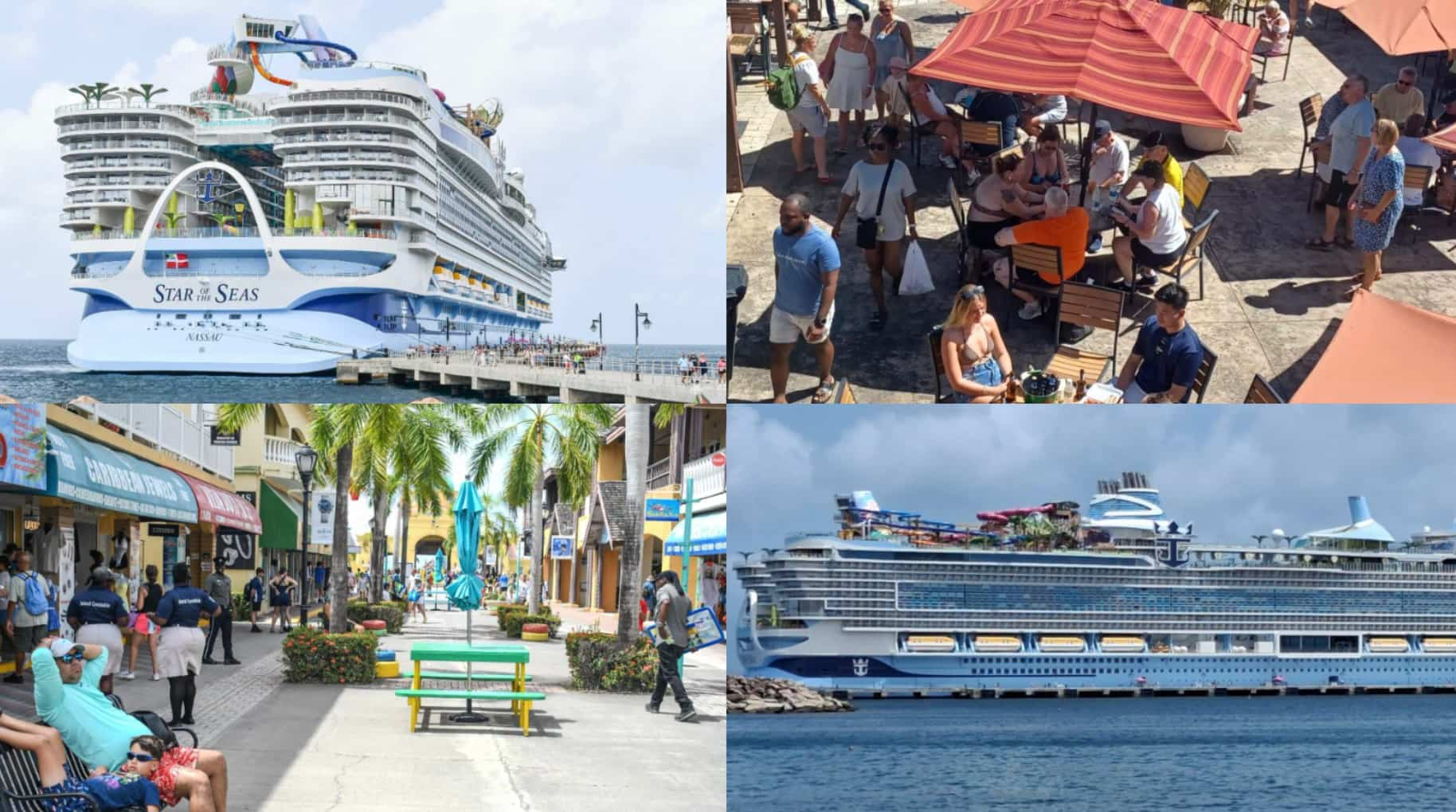
    On Thursday, July 31 2026, one of the world’s largest cruise vessels, Royal Caribbean’s Icon-class Star of the Seas, docked at Basseterre’s Port Zante, marking its third summer 2026 stop on the Caribbean island of St. Kitts. After departing St. Thomas in the United States Virgin Islands, the 250,000 gross-ton ship brought 7,421 passengers to the destination, nearly filling its total 7,600-passenger capacity.

    Within hours of docking, thousands of cruise travelers flooded the streets of St. Kitts’ capital Basseterre, spreading out across the island to experience all the nation has to offer. In the capital, visitors browsed independent local retail outlets, picking up handcrafted local goods, one-of-a-kind souvenirs, fine jewelry, and premium perfumes. Many also took time to explore Basseterre’s most iconic historic sites, including Independence Square, the Circus and its famous Berkeley Memorial, and the centuries-old St. George’s Anglican Church.

    The St. Kitts and Nevis Information Service shared an update on the ship’s visit via its official Facebook page, alongside a collection of on-the-ground photos. The post noted: “Many passengers explored the streets of Basseterre, browsing local shops and experiencing the city’s unique charm, while others embarked on guided island tours, discovering the rich history, culture, and natural beauty that make Saint Kitts a premier Caribbean destination.”

    Beyond the capital, passengers spread across the island to pursue a wide range of activities. Many joined guided full-island excursions that included stops at UNESCO World Heritage Site Brimstone Hill Fortress National Park, the historic botanical grounds of Romney Manor, and the volcanic coastal formation Black Rocks, with a scenic trip along the St. Kitts Scenic Railway rounding out the itinerary. Other visitors opted for more relaxed plans, spending the day sunning and swimming on the popular beaches of Frigate Bay and the South East Peninsula. Adventure seekers hiked the slopes of dormant volcano Mount Liamuiga, while other travelers enjoyed snorkeling excursions, day-sailing trips to neighboring Nevis, rounds of golf, casino gaming, and meals at local restaurants and bars.

    For St. Kitts’ tourism-dependent economy, the massive influx of visitors delivered an immediate, significant boost to local businesses across the sector. Taxi drivers, independent tour guides, street vendors, restaurant operators, and other tourism-focused stakeholders all reported increased sales and demand for their services throughout the day of the ship’s call.

    The Star of the Seas has already made two previous stops at Port Zante this summer, on June 18 and July 9, with one more planned visit to the island scheduled for August 20 before the end of the 2026 cruise season. For a small island nation like St. Kitts and Nevis, where tourism accounts for a large share of national GDP and employment, repeated calls from large capacity cruise ships represent a major opportunity to drive seasonal economic growth and showcase the destination’s appeal to international travelers.

  • Global music icon Janet Jackson explores St. Kitts’ UNESCO World Heritage Fortress – WIC News

    Global music icon Janet Jackson explores St. Kitts’ UNESCO World Heritage Fortress – WIC News

    Global music superstar and cultural icon Janet Jackson has made a high-profile stop on the Caribbean island of St. Kitts, where she explored one of the region’s most cherished historical landmarks and sampled local culinary offerings, according to multiple local Caribbean media outlets and official tourism social media posts from late July 2026.

    Jackson, a five-time Grammy Award winner, Rock & Roll Hall of Fame inductee, and creator of 10 Billboard Hot 100 chart-topping hits, added another career milestone earlier this year when her groundbreaking 1989 album *Rhythm Nation 1814* was inducted into the Grammy Hall of Fame in 2026. During her trip to St. Kitts, she prioritized a visit to Brimstone Hill Fortress National Park, a centuries-old military site that earned designation as a UNESCO World Heritage Site for its unique architectural and historical significance to Caribbean colonial history. The hilltop fortress, built between the 17th and 18th centuries by African enslaved laborers for the British Empire, offers sweeping panoramic views of the surrounding ocean and neighboring Lesser Antilles islands, which Jackson took time to experience during her tour.

    Following her exploration of the landmark, Jackson enjoyed a meal at 1762 Gibraltar Gastrolounge, a popular local dining spot known for highlighting Caribbean culinary creativity.

    Local tourism authorities and media outlets have widely celebrated the star’s visit. In an official social media post, My St. Kitts, the island’s official tourism promotion account, shared: “Multi-award-winning, Rock & Roll Hall of Fame inductee and global music icon Janet Jackson is experiencing the beauty of our island St. Kitts. She also savoured the culinary artistry at 1762 Gibraltar Gastrolounge adding another memorable experience to her time in St. Kitts. We are honoured to welcome this truly remarkable icon to our shores.”

    Regional outlet Time Caribbean echoed that enthusiasm in its own social media coverage, noting, “Another major international star choosing St. Kitts. And what a beautiful spotlight for the destination.” Local outlet St. Kitts Nevis Riddim also extended a warm welcome, writing, “We are delighted to welcome one of the world’s most celebrated entertainers to our beautiful Federation.”

    Local radio station Freedom FM 106.5, which first broke details of Jackson’s visit to local audiences, highlighted the icon’s career milestones ahead of welcoming her to the island.

    User-generated content and photos of Jackson’s tour of Brimstone Hill Fortress have spread rapidly across social media platforms, shared by local fans and tourist accounts alike. Jackson’s stopover marks the latest in a growing string of high-profile celebrity visits to the Federation of St. Kitts and Nevis, a trend that aligns with the small island nation’s years-long strategy to position itself as a premium luxury Caribbean travel destination for high-net-worth travelers and A-list visitors.

    The increased visibility from celebrity visits like Jackson’s is expected to further boost the island’s international profile, drive tourist arrivals, and support the local tourism sector, which is a core pillar of St. Kitts and Nevis’ national economy.

  • Senator Dr. Clarke says Extradition Amendment Bill strengthens Federation’s ability to combat cross-border crime

    Senator Dr. Clarke says Extradition Amendment Bill strengthens Federation’s ability to combat cross-border crime

    BASSETERRE, Saint Kitts – July 30, 2026 – As lawmakers in Saint Kitts and Nevis consider updates to the country’s extradition rules, Senator Dr. Joyelle Clarke has emerged as a prominent backer of the Extradition (Amendment) Bill 2026, framing the proposed legislation as a critical, long-overdue update to the federation’s ability to tackle transnational crime without compromising fundamental citizen protections.

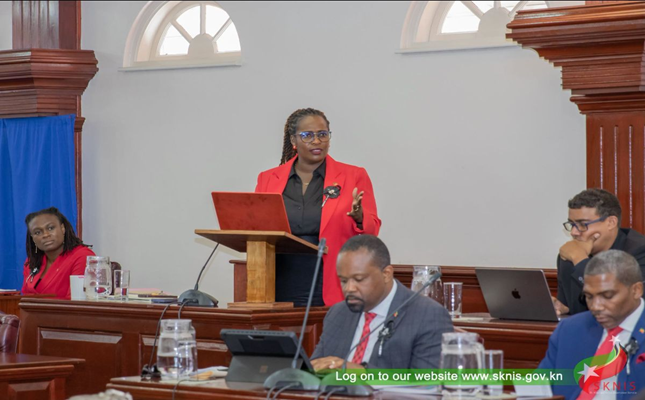
    Clarke threw her full support behind the bill while seconding it during a July 30 sitting of the country’s National Assembly, noting that the amendments are crafted to reinforce the federation’s legal infrastructure at a time of unprecedented global interconnectedness. Today, criminal suspects routinely cross international boundaries to escape prosecution, Clarke explained, and outdated national laws have not kept pace with this shifting landscape.

    “Crime no longer respects borders. Persons who commit serious offences move between countries with an ease that our laws must be able to match,” Clarke told the assembly. “When such a person comes to our shores, this Federation must be able to answer the request of a country with which we have entered into a treaty. And when a person commits a serious offence here, against our people, our communities, and then flees, we must be able to bring that person back to face our own courts.”

    At its core, the bill is a technical update that modernizes how evidence from countries requesting extradition can be submitted to Saint Kitts and Nevis’ domestic courts. Clarke emphasized that the change only adjusts procedural rules for evidence presentation, not the rigorous legal standard that courts must apply to approve any extradition request. Under the new framework, requesting countries will be permitted to submit evidence as certified official records authenticated by their relevant competent authorities – a format aligned with standard practice across most of the globe.

    “It changes the form in which evidence may be presented. It does not change the standard our courts must apply,” Clarke clarified.

    To address public concerns about potential overreach, Clarke explicitly reassured citizens that the amendments do not erode judicial oversight or weaken existing constitutional safeguards. All final extradition decisions will remain the exclusive purview of the country’s independent judiciary, she confirmed, with no executive branch minister or government official granted the power to order an extradition without formal judicial approval.

    Beyond improving crime-fighting capacity, Clarke argued that a modern, functional extradition framework is key to upholding Saint Kitts and Nevis’ standing as a responsible global actor. Honoring existing extradition treaty commitments, she noted, strengthens the federation’s international credibility, protects its vital financial sector, supports long-term economic stability, and reinforces public confidence in the country’s justice system.

    Clarke described the proposed changes as a modest but meaningful technical adjustment, one that preserves judicial control of extradition processes while allowing the federation to meet its binding international obligations in the global fight against transnational crime. She closed by commending Attorney General Hon. Garth Wilkin and his entire legal team for developing and advancing the legislation, and reaffirmed her full endorsement of the bill.

  • Attorney General: extradition reforms will close legal gaps and strengthen justice system

    Attorney General: extradition reforms will close legal gaps and strengthen justice system

    BASSETERRE, Saint Kitts – In a significant update to the country’s legal architecture, the National Assembly of Saint Kitts and Nevis has approved the Extradition (Amendment) Bill 2026, a legislative overhaul designed to modernize the federation’s cross-border crime-fighting capabilities, align domestic extradition rules with global standards, and reinforce the integrity of the national justice system.

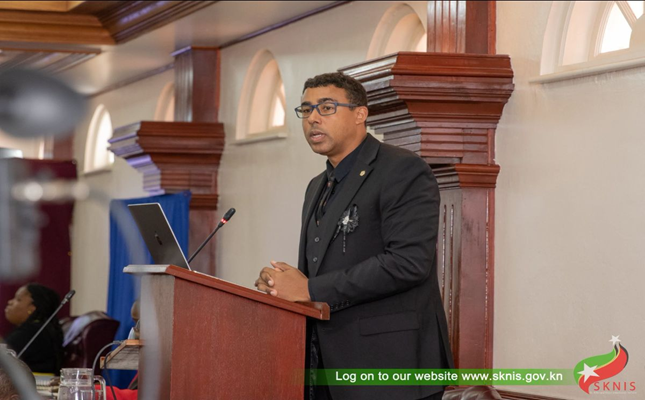
    Attorney General Garth Wilkin, who also serves as Minister of Justice and Legal Affairs, introduced the bill during the July 30 parliamentary sitting, laying out the core need for the reforms. The amendments respond directly to a critical evidential gap that emerged after the original Extradition Act came into force in 2025, he explained. Prior to this change, domestic rules did not formally recognize the certified “record of the case” – the standard, internationally accepted format that requesting nations use to submit evidence in modern extradition proceedings. By updating legislation to allow courts to accept this format, Wilkin noted, Saint Kitts and Nevis brings its extradition framework in line with widely adopted global best practices.

    Addressing concerns that the changes could erode individual legal protections, Wilkin emphasized that the amendments only adjust the form of evidence submitted to courts, not the strict judicial standards that evidence must meet. “What changes is the form in which the evidence may be placed before the court. What does not change is the standard that evidence must meet,” he said, stressing that all existing constitutional safeguards for individuals and the required burden of proof for extradition remain fully intact. The reforms do not weaken protections, but rather bring outdated procedural rules into alignment with modern international practice.

    Wilkin added that effective cross-border cooperation against transnational serious crime relies on reciprocal compliance among treaty partners. This legislative update will put Saint Kitts and Nevis in a stronger position to fulfill its obligations under existing international extradition treaties, improving the country’s ability to secure the return of fugitives accused of major offenses to face justice in requesting jurisdictions, while also honoring reciprocity commitments that allow the federation to request the return of fugitives from other nations.

    “Reciprocity is the currency of international criminal cooperation, and this bill puts us in good standing to spend it,” Wilkin told the assembly.

    The reforms were not developed in isolation: they draw on 12 months of practical experience with the 2025 Extradition Act, targeted consultations with the Office of the Director of Public Prosecutions, and a review of successful frameworks already implemented by regional neighbors including Jamaica and Guyana. Following debate, the bill was passed by the National Assembly, cementing a updated legal structure for international criminal cooperation that remains fully overseen by the judiciary and consistent with Saint Kitts and Nevis’ constitution.

  • Online platforms enhancing social services delivery in Saint Kitts and Nevis

    Online platforms enhancing social services delivery in Saint Kitts and Nevis

    The Federation of Saint Kitts and Nevis has marked a key milestone in its public sector modernization drive, with the Ministry of Social Development and Gender Affairs completing a full digitization of its social service delivery systems that is already expanding access to critical support for citizens and residents across the two-island nation.

    The latest step in this digital transformation came on July 28, 2026, when officials launched online registration for the country’s popular School-Based Assistance Programme. The initiative covers four high-impact forms of student support: Caribbean Examination Council (CXC) fee waivers, high school textbook loans, private early childhood education subventions, and school uniform assistance. Eligible applicants can now complete the entire initial application process online, eliminating the need for in-person visits to government offices.

    Minister of State for Social Development Senator Isalean Phillip outlined the progress of the digitization project during the July 30 sitting of Saint Kitts and Nevis’ National Assembly, noting that the shift to digital systems has fundamentally reshaped how the ministry serves the public.

    “I’m pleased to say that the ministry was able to introduce digital platforms like JAD Cash to improve access, convenience, and efficiency for clients who have been approved for benefits,” Phillip told the legislative body. “Applications for programmes can now be completed remotely. The Budget Boost Wallet was revolutionary in the way we were able to provide e-cash transfers to individuals to use to purchase food and pay for utilities.”

    Beyond making access easier for applicants, digitization has also improved internal government operations by centralizing all service records and program data in a unified digital ecosystem, Phillip added. The full integration of the ministry into the national digital framework aligns with the country’s broader Sustainable Island State Agenda, a whole-of-government strategy to modernize public services and drive sustainable development across all sectors.

    “Digitisation underpins our Sustainable Island State Agenda because digitisation is a thrust for all of government,” she said. “We are very pleased at the ministry to say that we have been able to complete our digitisation process, where the entire ministry is part and parcel of the online ecosystem and our service delivery has improved.”

    Officials are now urging eligible families and students to submit their “Request for Services” applications for the School-Based Assistance Programme through the ministry’s official portal at www.socialdevelopment.gov.kn/school-based-assistance-programme as soon as possible. After an initial application is received, a ministry officer will contact the applicant to guide them through the final steps of the registration process. This report is based on a press release from the Saint Kitts and Nevis Information Service, originally published by SKNVibes.com.

  • Amadi Hendrickson makes history as St. Kitts and Nevis’ 1st sailor at CAC Games – WIC News

    Amadi Hendrickson makes history as St. Kitts and Nevis’ 1st sailor at CAC Games – WIC News

    The 2026 Central American and Caribbean (CAC) Games in Santo Domingo, Dominican Republic, will welcome a groundbreaking new competitor: Amadi Byron Hendrickson, the first sailor from St. Kitts and Nevis ever to compete at the regional multi-sport event. This milestone marks not only a personal achievement for Hendrickson but also a historic leap forward for sailing development across the small Caribbean federation.

    Hendrickson’s sailing career began just six years ago, in 2020, when he first stepped into a boat with the Nevis Aquatic and Sailing Centre, starting out in the RS Feva class before working his way up to the competitive ILCA 7 division, where he will compete at the Games. Through consistent hard work and relentless perseverance, he rapidly developed his skills to become one of St. Kitts and Nevis’ top competitive sailors. His rise from new enthusiast to national representative stands as a testament to the steady growth of sailing as a competitive sport within the federation’s borders.

    Beyond his competitive achievements, Hendrickson has emerged as a leading ambassador for sailing in St. Kitts and Nevis. His upbeat outlook, contagious passion for the sport, and commitment to lifting up new participants have made him a beloved role model for the country’s emerging young sailors. He currently serves as an instructor for the Nevis Aquatic and Sailing Centre’s Learn to Sail and Adult Sailing Programs, paying forward the support he received by introducing a new generation of enthusiasts to the sport that transformed his own journey.

    Throughout the 2026 CAC Games, Hendrickson will be accompanied and coached by Nicholas Dupré, president of the St. Kitts and Nevis Sailing Association (SKNSA). In an official statement, the SKNSA expressed its deep gratitude to the St. Kitts and Nevis Olympic Committee for enabling Hendrickson to compete on one of the region’s most high-profile international sporting stages.

    This year’s CAC Games carry extra historic weight of their own: 2026 marks the 100th anniversary of the region’s longest-running multi-sport event. More than 6,000 athletes from 37 nations across Central America and the Caribbean will compete across 40 different sports through the duration of the Games, which run from July 29 to August 8. Sailing events will be hosted at Punta Salinas on the Dominican Republic’s southern coast. As the nation’s first sailing competitor at a major elite multi-sport Games, Hendrickson carries the pride of St. Kitts and Nevis’ entire sailing community as he heads to the starting line.

  • Community Consultation on Proposed Conaree Health Centre

    Community Consultation on Proposed Conaree Health Centre

    Residents of six local communities in St. Kitts have received a formal invitation to participate in an upcoming public consultation focused on the planned development of the Conaree Health Centre and the long-term trajectory of local public healthcare services. The consultation, which is open to all members of the general public, specifically targets residents from the nearby villages of Conaree, Half Moon Bay, Canada, Keys, Needsmust and Kitstoddart’s, who will be directly affected by the new healthcare facility.

    Scheduled to kick off at 6:30 p.m. local time on Thursday, 6th August, the community gathering will be hosted at the Conaree Community Centre, a central and accessible venue for local residents. Top government and health officials are set to attend the event to answer questions, collect public feedback, and share detailed updates on the proposal. Among the key attendees are the Honourable Prime Minister of St. Kitts and Nevis, the national Minister of Health, and Dr. Terrance Drew, who serves as both the Parliamentary Representative for Constituency 8 and a lead stakeholder for the project.

    This consultation marks a key step in the planning process for the new health centre, designed to expand access to primary care services for thousands of local residents. Local officials have emphasized that public input will play a critical role in shaping the facility’s design, service offerings, and timeline for development, encouraging all affected residents to attend and share their perspectives on local healthcare needs.