标签: Jamaica

牙买加

  • Foreign companies take flight from US-sanctioned Cuba

    Foreign companies take flight from US-sanctioned Cuba

    As a critical May 24 deadline from the United States forcing foreign firms to cut all business ties with Cuba’s powerful military-owned conglomerate GAESA approaches, international companies have dramatically drawn down their operations on the island by Tuesday, delivering another crippling blow to Cuba’s already collapsing economy. This latest round of sanctions is part of the Trump administration’s sweeping escalation of pressure on Havana, which has included a full energy blockade imposed earlier this year and growing rhetoric about potential US control over the island.

    Back in early May, President Donald Trump issued an executive order freezing all of GAESA’s assets held within US jurisdiction and imposing harsh secondary sanctions on any foreign entity that continues doing business with the group. The US Office of Foreign Assets Control (OFAC) has given all affected international companies until this Friday to restructure their operations to comply with the new rules, or face harsh penalties including asset freezes and exclusion from the global financial system. By all indicators, the US pressure campaign has had its intended effect, with a wave of withdrawals and suspended operations unfolding across multiple key sectors of Cuba’s economy in recent weeks.

    Cuban economist and independent consultant Daniel Torralbas told AFP that the immediate economic fallout from this exodus is catastrophic, noting that 2026 has already shaped up to be the worst year for Cuba’s economy in seven decades. The damage is being felt acutely across the island’s critical tourism sector, which has long been one of its largest sources of foreign currency. Canada’s Blue Diamond Resorts, one of the biggest international hospitality operators working in Cuba, announced Monday that it was ceasing all operations on the island. While the firm framed the decision as a response to broader challenging tourism conditions, it comes directly in line with the new US sanctions mandate.

    Multiple industry sources confirmed to AFP on Tuesday that Spain’s Iberostar Group, another major hotel operator in Cuba, is withdrawing from 12 properties it managed in partnership with entities linked to GAESA. Specifically, the firm is exiting all co-management agreements with Gaviota Tourism Group, which is a core subsidiary of GAESA. The withdrawal went into effect on June 1, according to two separate sources familiar with the decision. The Mallorca-based company declined to publicly comment on the changes when contacted by AFP, but sources added that Iberostar will maintain its co-management agreements for hotels owned directly by Cuba’s Ministry of Tourism, which are not covered by the new sanctions. Two other major international hotel groups — Spain’s Melia and Indonesia’s Archipelago International — are currently evaluating full or partial withdrawals from their Cuban operations, according to industry insiders.

    The impact extends far beyond tourism, hitting the island’s logistics and natural resource sectors as well. Two of Europe’s largest shipping companies, France’s CMA CGM and Germany’s Hapag-Lloyd, have already temporarily suspended all new freight bookings to Cuba, explicitly citing Trump’s executive order as the reason for the move. In early May, Canadian mining giant Sherritt International announced it was ending its decades-long presence in Cuba, where it had operated a joint nickel and cobalt mining venture with state-owned General Nickel Company S.A. since the 1990s.

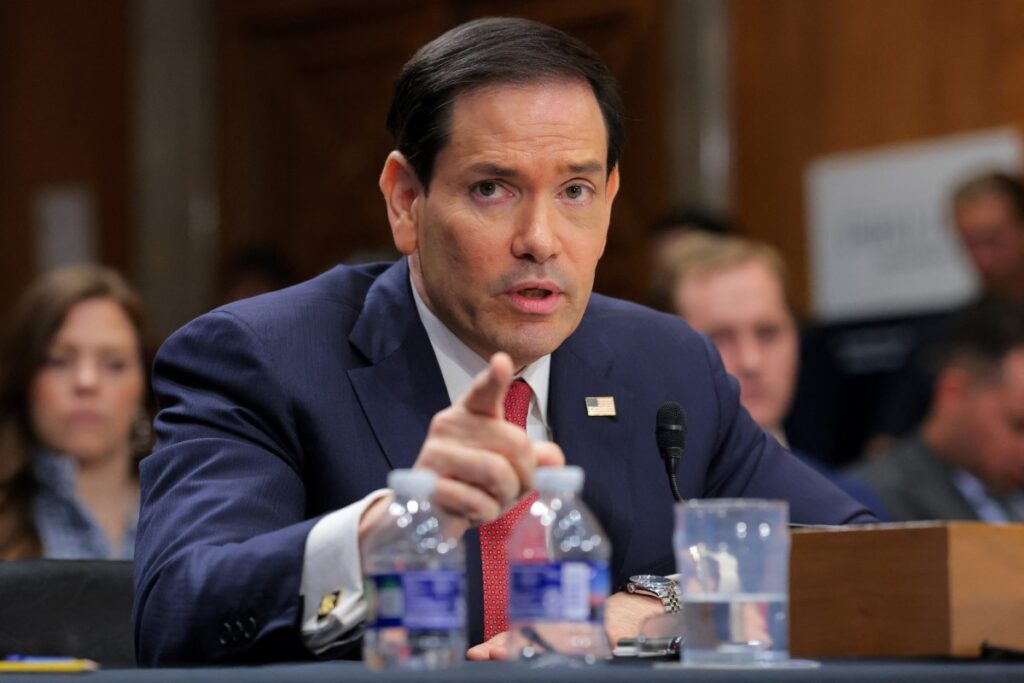
    The Trump administration has framed its crackdown on GAESA as a push against Cuban government corruption. US Secretary of State Marco Rubio, a Cuban-American politician and one of the most vocal critics of the Havana government, has repeatedly accused GAESA of operating as a shadow state that accumulates wealth for a small circle of ruling elites at the expense of ordinary Cuban citizens. “It is a ‘state within a state’ that is accountable to no one, hoarding the profits from its businesses for the benefit of a tiny elite,” Rubio said of the conglomerate.

    Havana issued a sharp rebuke of these allegations on Tuesday, pushing back against the US claims and defending GAESA’s role in the Cuban economy. Cuban officials explained that the conglomerate was established specifically to counteract the impact of the decades-long US trade embargo that has been in place since 1962. The government called the new US sanctions “the most intense, disproportionate, and dangerous escalation in the recent history of relations between Cuba and the United States.” It also highlighted the public benefits GAESA has delivered to the Cuban people, noting that the group played a central role in keeping the Cuban economy stable during the Covid-19 pandemic and has led construction of more than 10,000 new affordable homes for Cuban citizens. “Its work speaks for itself, and it does so above the state slander concocted in Washington,” the Cuban government’s statement concluded.

  • UN warns world to prepare for El Nino extreme weather

    UN warns world to prepare for El Nino extreme weather

    GENEVA, Switzerland – The United Nations’ World Meteorological Organization (WMO) has issued an updated forecast confirming a steeply elevated probability that the climate-altering El Niño phenomenon will emerge by the third quarter of 2024, bringing with it a sharply increased threat of catastrophic extreme weather events across the globe. In its quarterly update on El Niño-Southern Oscillation (ENSO) conditions released Tuesday, the agency confirmed that model data from its global collaborative forecasting network shows an 80% likelihood that El Niño will fully develop between June and August, with the probability climbing to 90% or higher by the end of November 2024.

    El Niño is a naturally occurring climate pattern defined by above-average sea surface temperatures across the central and eastern equatorial Pacific Ocean, which triggers cascading shifts in global atmospheric pressure, wind patterns, and rainfall distribution. The phenomenon follows a cyclical pattern, recurring every two to seven years and typically persisting for 9 to 12 months, oscillating between its cool counterpart La Niña and neutral ENSO conditions in between cycles. Most current forecasting models indicate that the upcoming 2024 El Niño will be at least moderate in strength, with a significant possibility that it will develop into a strong event.

    As of late April through mid-May 2024, WMO monitoring shows that sea surface temperatures in the central-eastern equatorial Pacific – the key reference region for tracking ENSO conditions – are already approaching the established threshold for El Niño. Below-surface ocean temperatures in the region are even more anomalous, measuring more than 6 degrees Celsius above long-term averages. The atmospheric indicator for ENSO, the Southern Oscillation Index, also aligns with the ongoing development of El Niño conditions.

    WMO Secretary-General Celeste Saulo emphasized that global communities must prioritize immediate preparedness to mitigate the harmful impacts of the approaching event. Saulo noted that El Niño is likely to exacerbate existing climate stressors, amplifying the severity of droughts, intense rainfall events, and heatwaves across both terrestrial and marine ecosystems. Even a moderate El Niño, she added, is enough to substantially raise the probability of record-breaking weather and climate extremes.

    The most recent El Niño event played a key role in pushing global temperatures to new historic highs: 2023 became the second-warmest year ever recorded, while 2024 surpassed all previous records to reach an average global temperature 1.55 degrees Celsius above the pre-industrial baseline of 1850-1900.

    While the WMO confirms there is currently no conclusive evidence that human-caused climate change increases the frequency or intrinsic intensity of El Niño events, researchers have established that anthropogenic warming amplifies the damaging impacts of El Niño. A pre-warmed global ocean and atmosphere hold greater amounts of energy and moisture, creating conditions that supercharge extreme weather events such as heatwaves and intense downpours.

    United Nations Secretary-General António Guterres framed the impending El Niño as an urgent call to action for global climate action. “El Niño is arriving on our doorstep,” Guterres said in a prepared video message. “The world must treat it as the urgent climate warning it is. El Niño conditions will pour fuel on the fire of a warming world. The only effective response is climate action equal to the crisis — ending the addiction to fossil fuels, accelerating the shift to renewables, protecting the most vulnerable, and delivering early warning systems for all.”

    To date, 128 countries have established fully functional multi-hazard early warning systems, part of a UN-led initiative to achieve universal coverage for all nations by the end of 2027. Early advance warning of El Niño’s onset and intensity is designed to enable targeted preparedness across climate-sensitive sectors including agriculture, water resource management, energy, and public health, reducing harm to communities and economic disruption.

    Saulo added that El Niño’s impacts extend far beyond immediate weather disruptions, creating cascading risks that touch global trade, economic stability, and human security. “These go from variability of the climate, into the economy and security of the people. That’s why this information is so relevant and so important,” she told reporters in Geneva.

    Forecasts for the June to August 2024 period project nearly global above-average surface temperatures, increasing the risk of overlapping climate hazards and accelerating drought development in regions that see reduced rainfall during El Niño. While El Niño typically reaches its peak intensity between November and February, the full temperature spike associated with the event often emerges later in the cycle, and more refined forecasts for onset and strength are expected next month.

    Regional climate projections paint a clear picture of targeted risk across vulnerable regions: the northern Greater Horn of Africa is expected to see below-normal rainfall during its critical June-September rainy season; South Asia is projected to experience below-average monsoon rainfall; and Central America is likely to face warmer, drier than average summer conditions. For the Atlantic and Pacific hurricane seasons, El Niño’s warm ocean waters tend to fuel more intense hurricane activity in the central and eastern Pacific, while suppressing storm development in the Atlantic during the Northern Hemisphere summer.

  • France lawmakers say state shares blame for West Indies pesticide scandal

    France lawmakers say state shares blame for West Indies pesticide scandal

    On a historic Tuesday sitting, France’s National Assembly voted unanimously to pass a landmark bill that formally acknowledges the French state’s partial responsibility for decades of harm caused by the unregulated use of a toxic pesticide across its Caribbean overseas territories of Guadeloupe and Martinique. The long-overdue recognition paves the way for full decontamination of affected ecosystems and reparations for thousands of harmed residents, closing a painful chapter of environmental injustice rooted in decades of state inaction.

    The toxic compound at the center of the scandal, chlordecone (marketed under the brand name Kepone), was deployed extensively across banana plantations in the two island territories to eradicate crop-damaging weevils for 21 years, from 1972 to 1993. Notably, France had already outlawed the pesticide for use on its European mainland in 1990, but granted a three-year extension that allowed its continued application in the Caribbean islands, a decision that has been widely criticized as a double standard prioritizing agricultural industry interests over public health.

    The unanimous vote in the lower house of parliament followed earlier approval from the French Senate, meaning the bill will now enter into force. Its text explicitly states the state recognizes its role in the widespread health, ethical, environmental, and economic damage that the territories and their populations have endured as a result of the prolonged chlordecone use.

    Public health data underscores the staggering scale of the contamination. Research cited by France’s national health and safety agency ANSES shows that nearly 90 percent of the populations of both Guadeloupe and Martinique carry traces of chlordecone in their bodies. The toxic chemical has been definitively linked to multiple life-threatening cancers: prostate cancer rates in the two territories rank among the highest in the world, and the compound is also associated with elevated risks of stomach and pancreatic cancer. Beyond cancer, ANSES confirms chlordecone exposure causes lasting harm to the nervous system, reproductive function, hormonal regulation, and critical organ function including cardiac health.

    Warnings about the pesticide’s dangers date back decades: as early as 1979, the World Health Organization released a report identifying chlordecone as a confirmed carcinogen in lab rodents, and noted it should be treated as a carcinogenic risk for humans. The compound was ultimately added to the global list of banned persistent organic pollutants under the Stockholm Convention in 2009.

    Beyond formal recognition of responsibility, the new law establishes two core binding goals for the French state: completing comprehensive decontamination of all polluted soil and water reserves across Guadeloupe and Martinique, and delivering full financial compensation to every person harmed by the chlordecone contamination. While lawmakers from the affected territories welcomed the bill as a critical step toward accountability, many also acknowledged that the vote is only the beginning of a long process of repair.

    Elie Califer, a Socialist deputy from Guadeloupe who sponsored the legislation, called the compromise bill an important step toward rebuilding public trust that has been deeply eroded by decades of state denial. But he added that substantial additional work remains to ensure the promises of decontamination and compensation are fully realized. Olivier Serva, another Guadeloupe-based deputy, noted that while he was not entirely satisfied with the final scope of the bill, the vote marked a major shift from the state’s earlier outright refusal to accept any responsibility.

    The Tuesday vote came just one week after the same lower house passed another landmark measure repealing archaic, still-active French slavery laws that had remained on the books more than 170 after the formal abolition of slavery in 1848. Historians estimate that between the 17th and 19th centuries, more than one million enslaved African people were forcibly transported by French ships to Caribbean colonies, where they were forced to work on sugar and banana plantations. Activists have long drawn a connection between the legacy of chlordecone contamination and the enduring structural inequalities between mainland France and its former colonial territories that are now overseas departments, arguing that environmental harm is just one extension of a long history of prioritizing mainland and commercial interests over the well-being of island populations.

    Serge Letchimy, an official from Martinique, praised the vote as a watershed moment that breaks down a long-standing system that suppressed the truth, shielded responsible parties from accountability, and ignored the suffering of victims. Looking ahead, the French Court of Appeal in Paris is set to rule later this month on whether to reopen a criminal investigation into the chlordecone scandal. Three years ago, lower court magistrates dismissed the case, arguing that too much time had passed to secure convictions, a decision that sparked widespread outcry from victim advocacy groups.

  • Murder charge laid against partner of US citizen found dead in Hanover Airbnb

    Murder charge laid against partner of US citizen found dead in Hanover Airbnb

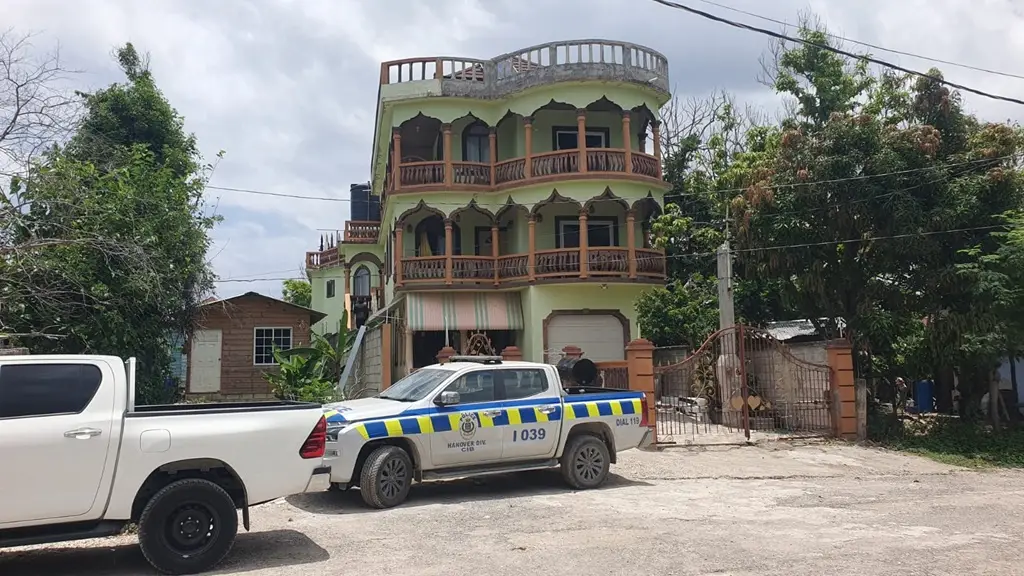
    In Hanover Parish, Jamaica, local law enforcement has filed criminal charges against a US citizen in connection with the violent death of another American national found on the island early this week. The accused, 36-year-old Aldean Jermaine Blake, a native of Jamaica’s Clarendon Parish who holds United States citizenship, faces two separate counts: murder and violations of Jamaica’s Immigration Act.

    Court documents and police records show Blake entered Jamaica on October 5 of last year, with his authorized stay set to expire on April 3 of this year. The victim, 33-year-old Kadian Bradshaw, who was commonly known by her nickname “Kadi”, maintained residences in both Tampa, Florida, and Bulls Bay, a coastal community within Hanover Parish.

    At the time of the fatal incident, Bradshaw, Blake, and an infant reported to be their shared child were residing at a short-term rental property in the Bulls Bay area. Law enforcement accounts outline that a violent confrontation erupted between the pair at approximately 2:00 a.m. Monday, an altercation that left Bradshaw with fatal injuries.

    Authorities were first alerted to suspicious activity by local residents, who grew concerned when they spotted Blake walking along the main highway leading to Lucea, the capital of Hanover Parish, in the pre-dawn hours while carrying the young infant. Police units were dispatched quickly and intercepted Blake and the child shortly after the report was made.

    During initial questioning, investigators say Blake claimed he had no information about Bradshaw’s whereabouts, stating that she had left the rental to travel to Clarendon Parish. When repeated attempts to reach Bradshaw via phone and other contacts failed, police ordered Blake to guide them back to the rental property where the couple had been staying.

    Blake reportedly resisted this request, but a search of his belongings turned up a key labeled for the Bulls Bay rental unit. Officers proceeded to the address, where they located Bradshaw’s body, which showed clear evidence of multiple stab wounds. Following additional questioning and evidence processing, Blake was officially charged with the criminal offenses.

    Beyond the details of this specific incident, the case highlights a growing homicide trend in Hanover Parish this year. Data from local police shows the parish has recorded nine murders since January 1, compared to just six homicides during the same time frame in 2023.

  • Jamaicans set for Paavo Nurmi meet in Finland on Wednesday

    Jamaicans set for Paavo Nurmi meet in Finland on Wednesday

    KINGSTON, Jamaica — One of the Caribbean’s biggest track and powerhouses is set to send a six-member contingent of elite athletes to the 2026 Paavo Nurmi Games, a top-tier World Athletics Continental Tour Gold event hosted in Turku, Finland, with competition kicking off Wednesday.

    The Jamaican lineup boasts some of the nation’s biggest names in throws and jumps, headlined by Roje Stona, the current Olympic men’s discus record holder, and Danniel Thomas-Dodd, the former Commonwealth Games women’s shot put gold medalist. Rounding out the team are in-form 400m hurdler Assine Wilson, long jump competitors Ackelia Smith and Nia Robinson, and two-time Diamond League competitor high jumper Lamara Distin.

    Stona, who currently sits 7th in the global men’s discus rankings with a 2026 season best throw of 70.66 meters, will face the toughest test of his season so far, squaring off against the world’s top three ranked discus athletes: Australia’s Matt Denny, Germany’s Steven Richter, and Slovenia’s Kristjan Ceh. He will also compete against Olympic medalist Daniel Stahl of Sweden, adding another layer of intensity to the event.

    For Thomas-Dodd, who has posted a season best of 19.34 meters in women’s shot put this year, the competition will also feature a stacked field of elite global throwers. The leading competitor waiting for her is current world top-ranked thrower Jessica Schilder of the Netherlands, alongside two other top contenders: Chase Jackson of the United States and Sarah Mitton of Canada.

    Assine Wilson, who recently ran a personal best of 48.29 seconds in the 400m hurdles back in March, enters the race as a clear favorite to take gold. That time ties him for 10th place on the all-time list of Jamaican 400m hurdlers, and he comes fresh off a first-place finish at the Josef Odlozil Memorial held in Czechia this week. His main challengers in Turku will be Slovenia’s Matic Gucek, Botswana’s Kamorena Tisang, and Great Britain’s Alastair Chalmers.

    Long jumper Ackelia Smith has already had a busy start to her 2026 outdoor season, competing in four different events over the past month. Her standout performance came at the Goldenes Oval meet in Dresden, Germany, where she took second place with a 6.54-meter jump. She will share the starting line with compatriot Nia Robinson, who advanced to the final of the 2025 World Athletics Indoor Championship back in March. The two Jamaicans will compete against a field that includes Americans Monae Nichols and Claire Bryant, as well as Burkina Faso’s Marthe Koala.

    Closing out the Jamaican contingent, high jumper Lamara Distin, who has already competed in the last two Diamond League events this season, will line up in the women’s high jump competition. She will face off against Ukraine’s Yulia Levchenko and Sweden’s Louise Ekman, who enters the Paavo Nurmi Games with the leading jump performance across all competitions this season.

  • Broadcasting Commission raps Flow and Digicel for ‘substandard customer service’ arising from channel changes

    Broadcasting Commission raps Flow and Digicel for ‘substandard customer service’ arising from channel changes

    KINGSTON, Jamaica — Jamaica’s top broadcast regulator has formally ruled that two of the island’s leading subscription television providers, Flow and Digicel, violated the terms of their operating licences through the unprofessional and inadequate way they handled customer notifications for channel and programming adjustments rolled out in late 2025.

    In an official statement published Tuesday, the Broadcasting Commission announced it had wrapped up its full investigation into the controversial programming changes, confirming that both telecommunication giants failed to meet mandatory customer service standards when rolling out updates that directly impacted paying subscribers.

    The regulator’s investigation uncovered critical gaps in Flow’s notification strategy: the company relied almost entirely on email alerts to inform customers of upcoming changes, despite internal engagement data that proved most subscribers never opened these communications. Data presented during the review shows 68.5% of distribution emails went unopened in November 2025, followed by 64.1% unopened in December. A portion of emails also failed to reach inboxes entirely, sent to outdated, incorrect, or inactive email addresses on file. Further, Flow posted supplementary change notices on its website, but the commission noted this passive method proved particularly unreliable in the aftermath of a hurricane that disrupted digital access for many Jamaican households. Flow also failed to provide any analytics to confirm that subscribers actually accessed and viewed the online postings.

    For its part, Digicel went a step further, offering no advance warning at all to subscribers before removing certain channels from its line-up. The company later admitted to this oversight and issued a public apology to customers after the regulator launched its formal probe.

    While both providers added new and reconfigured existing channels to replace the removed content, the commission found that the explanatory materials shared with subscribers lacked enough detail and clear, objective metrics for customers to verify whether replacement channels offered comparable value and maintained the service quality customers paid for.

    As a corrective measure, the two operators have been ordered to implement comprehensive, multi-channel communication protocols to guarantee customers receive clear, accessible notice of all future service changes. The commission stressed that all customer notifications must be purposefully designed to actually reach most subscribers, rather than serving as a meaningless box-ticking exercise. This requirement explicitly extends to reaching older customers and Jamaicans with limited or inconsistent digital connectivity, who are often overlooked in all-digital communication strategies.

    The regulator also highlighted the long-term implications of this ruling: findings of customer service non-compliance are added to each operator’s permanent compliance record, and will be a core factor considered when the companies apply for licence renewal in the future, including when negotiating the terms and conditions of new operating agreements.

    In closing, the commission clarified that it does not challenge the right of television operators to make commercial decisions about their channel line-ups and service packages. “The issue is not the changes themselves, but the manner in which subscribers are treated,” the statement read. “Customers are entitled to clear, timely and effective communication whenever their services are altered. Subscription television operators are accountable for meeting this standard.”

  • Taxi operators beat Government to fare increase

    Taxi operators beat Government to fare increase

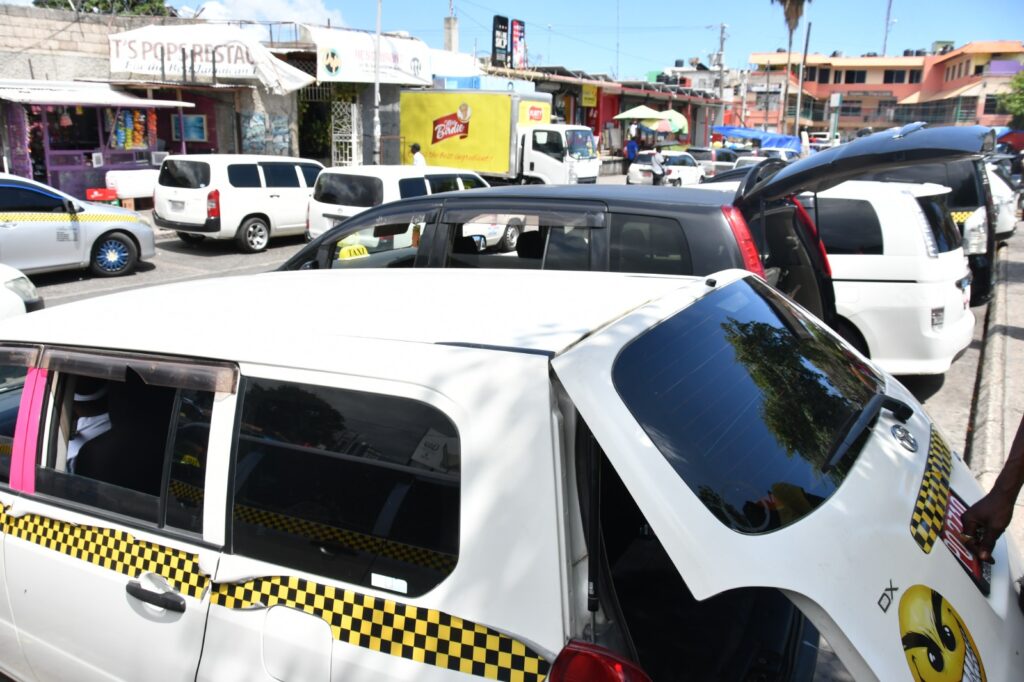
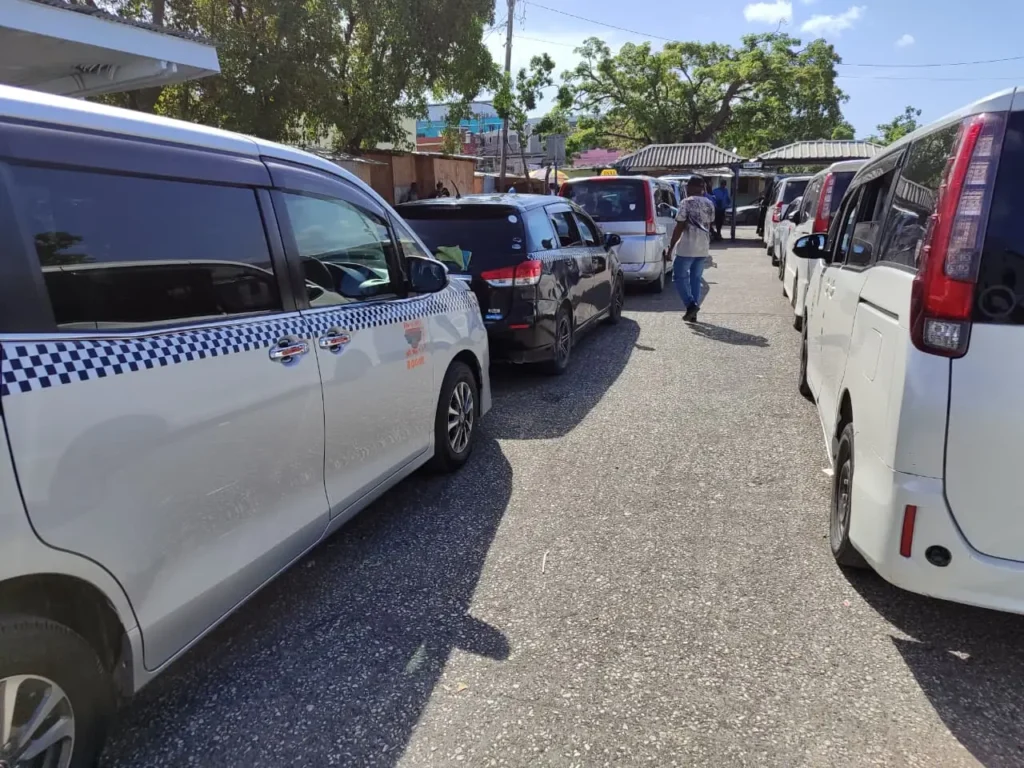
    Long-running pressure from Jamaica’s public passenger vehicle operators has finally resulted in an official staggered taxi fare increase, but a growing number of drivers in the Corporate Area had already begun charging elevated rates months ahead of government’s formal announcement, driven by skyrocketing operational expenses.

    Last week Tuesday, Transport Minister Daryl Vaz unveiled a phased plan to implement the long-overdue 16% fare increase that was promised to PPV operators back in 2023. The full adjustment will roll out in two separate 8% increments, one in June 2026 and the second in July 2026, marking the government’s delayed resolution to a years-long back-and-forth over fare adjustments.

    To understand the current divide among drivers, it is necessary to trace the history of fare negotiations in Jamaica. In 2023, the government initially signed off on a 35% total increase for taxi operators, but only the first 19% phase of that rise was ever put into effect before the plan stalled. The remaining 16% was originally scheduled to launch in April 2024, but the government requested additional time to review the proposal, leading to last week’s staggered 2026 rollout announcement.

    Long before the official greenlight, however, many drivers across popular routes including Half Way Tree to Spanish Town and Papine to Half Way Tree had already taken matters into their own hands, implementing unapproved fare hikes that vary by route. Operators defend these unregulated adjustments, arguing that the old capped fares had become completely unsustainable amid a broader economic climate defined by soaring fuel, auto part and maintenance costs.

    “We have already raised fares twice without any official approval,” explained Shortman, a hackney carriage driver on the busy Half Way Tree-Spanish Town route, echoing a sentiment shared by dozens of other operators interviewed by the Jamaica Observer. Fellow route driver Junior expanded on this frustration, noting: “When we were supposed to get the 16% increase, officials put it on pause, but drivers already moved ahead and added it to our fares.”

    The gap between official policy and on-the-ground practice has created deep division within Jamaica’s taxi industry, with operators split on whether they support the upcoming formal 16% increase.

    Many long-tenured drivers back the adjustment, pointing to years of frozen fares that have failed to keep pace with climbing input costs. “I would be happy for even this small increase, because bus and taxi fares have not been raised for so long in Jamaica, and when they are, many people push back against it,” said Dennis, a Papine-Half Way Tree driver with more than 27 years of experience. “But those people don’t understand how much it costs to maintain a vehicle these days. Even private vehicle owners who aren’t rich can’t afford to replace two tires at once anymore.”

    Lloyd, another driver on the same Papine-Half Way Tree corridor, tied the growing cost burden directly to recent global geopolitical unrest. “Obviously we need this 16% increase, because gas prices have been climbing nonstop since the conflict in Iran began,” he said. “Everything we need to operate has gotten more expensive: tires, motor oil, all car-related costs are up.”

    Even Richie, who shares this support for the formal increase, expressed solidarity with working-class commuters who are also grappling with widespread inflation. That empathy is echoed across the industry, even by drivers who oppose the upcoming formal hike.

    Shortman, who has already implemented an informal fare increase on his route, questions the need for an additional official adjustment at this stage. “Some drivers want the increase, but I don’t see what it’s for right now, because most of us are already collecting more than the old recommended fare,” he argued. “Everyone is already charging more, so what are they asking for an increase for?”

    Multiple drivers reported that on many routes served by route taxis and hackney carriages, commuters are already being charged fares well above the official rates published by the Transport Authority. Many of these drivers have already informally set fares at $200 Jamaican dollars, and note that passengers have been willing to pay that amount, leaving them uninterested in pursuing further increases right now.

    Junior, who also opposes the government’s planned increase at this time, warned that the formal 16% adjustment could lead to double-dipping by drivers who have already raised their own rates unofficially. “Based on what’s happening right now, that’s what’s going to happen: drivers who have already taken their own increase will just add the official 16% on top of that, which shouldn’t be allowed,” he explained.

    Across the board, whether drivers support or oppose the upcoming formal fare increase, the universal top concern remains the relentless rise of global fuel prices. Local fuel prices have jumped more than 25% since the start of 2024, driven by ongoing global geopolitical tensions, and the National Council of Taxi Associations estimates that operational costs now eat up 60% of the average driver’s gross income.

    “The small increase can go ahead if it has to, but what we really need is for gas prices to come back down. Gas goes up every single week,” Dennis said. “Everyone says taxi and bus drivers make so much money, but all of that money goes right back out — right into gas, right to auto parts sellers. That’s where all the money ends up.”

    Despite their own financial struggles, all drivers interviewed emphasized their empathy for commuters who are also facing widespread cost-of-living increases. Many noted that minimum wages have not kept pace with inflation, and said they often accommodate passengers who cannot afford the full increased fare.

    “I still have to remember that regular people haven’t gotten a minimum wage increase, they haven’t gotten any extra income to cover these higher costs,” Richie said. “Sometimes people get in the car and don’t have the full $200, so we don’t turn them away or disrespect them over it.”

    Howard Livingston, another driver on the Papine-Half Way Tree route, summed up the balancing act that operators face every day. “Things are very expensive right now: oil, parts, tires, everything is up,” he said. “But at the end of the day, we have to remember that the world is going through an oil crisis, and the government isn’t responsible for that. As taxi operators, we have to consider both the needs of the government and the struggles of the passengers we serve.”

  • PPV operators granted 16% increase in two phases

    PPV operators granted 16% increase in two phases

    KINGSTON, Jamaica — Jamaica’s national administration has greenlit a 16% overall fare increase for public passenger vehicle (PPV) operators, rolling out the pricing adjustment in two incremental stages starting this month.

    The proposal for higher fares, which has been under official review since April 2024, will be implemented in two equal 8% increments. The first 8% adjustment will go into force across all regulated public passenger routes in June, with the second matching 8% hike scheduled to take effect in July.

    Transport Minister Daryl Vaz made the official announcement of the approved increase on Tuesday morning, explaining that the decision to spread out the adjustment instead of imposing it all at once was made to reduce the inflationary shock that an immediate 16% jump would have imposed on regular commuters.

    Vaz emphasized that the phased rollout was crafted as a compromise solution, designed to address the ongoing financial pressures that have pushed PPV operators to request higher fares while also shielding Jamaican households from the full immediate impact of higher transportation costs on already stretched household budgets.

  • PAHO urges countries to be vigilant of measles ahead of World Cup

    PAHO urges countries to be vigilant of measles ahead of World Cup

    As North America prepares to welcome millions of international football fans for the 2026 FIFA World Cup, public health officials are sounding a urgent alarm over a sharp, sustained rise in measles cases across the Americas and around the globe. On Tuesday, the Pan American Health Organization (PAHO) released new epidemiological data highlighting the growing risk of large-scale transmission during the upcoming three-nation tournament, which kicks off June 11 across the United States, Mexico, and Canada.

    Global figures collected by the World Health Organization underscore the scale of the current outbreak: between January 1 and May 13, 2026, 184,489 suspected measles cases were reported across 155 WHO member states, with more than half — 100,239 cases — confirmed via laboratory testing.

    The situation in the Americas is particularly concerning, PAHO reported. Between the first and 20th epidemiological weeks of 2026, 16 countries and one regional territory have confirmed 20,521 measles cases, alongside 25 recorded deaths from the highly contagious viral disease. This figure marks a fourfold jump compared to the same period in 2025, when just 5,123 cases were reported — and already outpaces the total number of cases recorded across the entire year of 2025.

    Hard-hit nations lead the regional case count. Mexico has logged 10,920 confirmed cases and 13 deaths so far this year, while neighboring Guatemala has recorded 6,209 cases and 12 deaths. The United States, one of the three World Cup host nations, has confirmed 1,952 cases, while co-host Canada has reported 1,018 cases. Peru has documented 301 confirmed cases, and smaller numbers of cases linked to local outbreaks or international importation have also been recorded in Bolivia, Belize, Costa Rica, El Salvador, Honduras, Panama, and Uruguay.

    PAHO’s analysis confirms a clear public health trend: the overwhelming majority of confirmed cases are among people who are unvaccinated against measles, or whose vaccination history could not be verified. The organization emphasized that growing international travel ahead of the World Cup — paired with ongoing active transmission across multiple countries — creates a perfect scenario for the virus to spread quickly among crowds of visitors. This context makes robust disease surveillance and pre-travel vaccination protection critical priorities for all nations hosting or receiving travelers heading to large international events.

    In its guidance, PAHO clarified that under existing International Health Regulations, measles vaccination certificates are not a mandatory entry requirement for any participating country. Even so, officials stressed that measles vaccination remains the single most effective intervention to stop transmission, prevent severe illness and death, and protect broad public health.

    PAHO is calling on regional health authorities across the Americas to immediately scale up three core priorities: enhanced measles surveillance, expanded vaccination outreach to at-risk and unvaccinated populations, and rapid response protocols to contain small outbreaks before they grow. The organization also recommends that all countries conduct a full review of their current measles and rubella surveillance performance and vaccination coverage rates to identify high-risk areas, then target preventive interventions to those communities before the tournament begins.

    “Heightened measles transmission around the world, combined with the massive increase in cross-border travel for the World Cup, creates ideal conditions for the virus to spread during this mass gathering,” PAHO noted in its official public alert. “In the context of the 2026 FIFA World Cup and other upcoming large public events, nations must increase the sensitivity of their surveillance systems through active case-finding efforts, document any absence of local measles and rubella transmission, and ensure all travelers have access to both accurate information and timely vaccination services.”

  • Chris Williams appointed honorary chair of Young Entrepreneurs Association of Jamaica

    Chris Williams appointed honorary chair of Young Entrepreneurs Association of Jamaica

    KINGSTON, Jamaica — In a strategic move to set the stage for the next chapter of expansion and community impact, the Young Entrepreneurs Association of Jamaica (YEA) has named prominent Caribbean business leader Chris Williams as its new honorary chair, the organization confirmed in an official statement released Tuesday.

    The appointment aligns with YEA’s long-term leadership transition plan, as current president Cordell Williams is scheduled to step down from his role in 2026. During Cordell Williams’ tenure, the association has delivered substantial growth, expanding its reach across Jamaica and deepening its national engagement with emerging entrepreneurs and industry stakeholders.

    Cordell Williams explained that the selection process for the new honorary chair was deliberate and targeted, focused on finding a leader who combines top-tier expertise in global entrepreneurship with a core commitment to nurturing talent, building robust organizational systems, and strengthening institutional capacity. “We reviewed multiple highly qualified candidates, and this decision was made after careful consideration,” he noted. “Chris Williams brings an unparalleled mix of forward-thinking vision, industry credibility, decades of hands-on experience, and a deeply rooted dedication to lifting up the next generation of Jamaican entrepreneurs. He is exactly the leader we need to guide our association to new heights of growth.”

    The appointment carries particular symbolic weight: Williams also served as the featured keynote speaker at YEA’s official launch event, marking his return to the organization in a leadership role as a full-circle milestone for both the group and the business leader.

    Widely recognized as one of the most successful business figures across the Caribbean, Williams has over 30 years of experience building and scaling high-impact organizations across multiple sectors. He previously held the role of chief executive officer at NCB Capital Markets before going on to co-found PROVEN Group, where he led the firm from its early startup days to a regional financial conglomerate holding roughly US$3 billion in total assets.

    Beyond his corporate work, Sir Richard Branson selected Williams to chair the Branson Centre of the Caribbean, where he has supported hundreds of emerging entrepreneurs across the Caribbean region to grow their businesses. He also contributed to the founding of the Jamaica Stock Exchange Junior Market as a founding charter committee member, and later served as the market’s deputy chairman. Today, Williams holds positions as co-founder and chairman of Different Group, a real estate investment firm focused exclusively on Caribbean market opportunities.

    In his remarks accepting the appointment, Williams stressed that sustainable entrepreneurial growth requires a more intentional, disciplined and structured approach to business building for emerging founders across Jamaica. As honorary chair, he will take on two core responsibilities: serving as a strategic advisor and mentor to YEA’s current leadership team, and working to expand and strengthen the association’s partnerships across the private sector, investment community, national policymakers, and the broader regional entrepreneurial ecosystem.

    YEA was founded as a national non-profit organization focused on empowering emerging Jamaican entrepreneurs. It provides members with access to critical business tools, professional networking opportunities, industry knowledge, and growth opportunities designed to help them build sustainable companies, generate new jobs for Jamaican workers, and contribute to long-term economic and social transformation across the country.