标签: Jamaica

牙买加

  • Moyann releases Miss Toxic EP

    Moyann releases Miss Toxic EP

    Jamaican dancehall and singjay talent Moyann has delivered a long-awaited treat for her global fanbase, dropping her five-track extended play (EP) *Miss Toxic* across all major digital streaming platforms starting Friday, May 29, 2026.

    The Montego Bay-born artist, who first broke into the mainstream dancehall scene in 2019 with her viral breakout hit *Netflixxx N Chill*, describes the new project as the most polished, meaningful work of her professional career so far. In a statement shared ahead of the EP’s launch, she opened up about the creative energy poured into the release, noting that the collection blends a diverse range of sonic influences that showcase her artistic evolution.

    “I poured every part of my creative energy into every track on this project, and it brings together so many different sounds that inspire me,” Moyann explained. “I’m incredibly proud of what we’ve built here, and I truly believe it’s a project that stands the test of time – it’s a collector’s item for every music lover who supports authentic dancehall. I’m asking my fans to give this project their full attention, and I promise no one will walk away disappointed.”

    *Miss Toxic* features production work from two of the industry’s most acclaimed dancehall producers, Anju Blaxx and Shakespeare, who have helped shape the project’s distinct, contemporary sound. Even before the EP’s full release, the title track *Miss Toxic* has already started climbing regional and international airplay charts, earning growing engagement and shares across social media platforms from dancehall fans worldwide.

    Since her breakout seven years ago, Moyann has built an extensive, well-received discography that includes fan-favorite solo releases such as *A Nuh My Style* and *Meech Out*. She has also cemented her status as one of dancehall’s most in-demand collaborators, sharing studio time and releasing tracks with some of the genre’s biggest names, including Shenseea, Popcaan, Jahvillani, Jahshii, and Tommy Lee Sparta.

    Right now, the artist is fully focused on promoting the new EP across domestic and international markets, while continuing to develop new original music alongside frequent collaborators Anju Blaxx and Shakespeare. In a additional milestone that underscores her growing global momentum, Moyann recently closed a new management deal with Protocol Entertainment, a Los Angeles-based international record label and entertainment firm that will support her upcoming career moves.

  • ON A MISSION!

    ON A MISSION!

    Cricket fans across the Caribbean and beyond are gearing up for the opening clash of a three-match One-Day International series between host West Indies and visiting Sri Lanka, with the first delivery scheduled for 9:30 a.m. at Kingston’s iconic Sabina Park. For home side skipper Shai Hope, the stakes of this series could not be clearer, with automatic 2027 Cricket World Cup qualification hanging over every 50-over contest his team plays.

    Recent history between the two international sides has been tightly contested, with Sri Lanka claiming three wins and the West Indies walking away victorious in two of their last five encounters. A curious trend has marked these recent matchups: the team batting second has won every single one of the five games. Despite this even historical record, the West Indies hold a clear edge going into the series on the back of home advantage and past success against Sri Lanka. In their 2021 ODI series meeting held in Antigua, the Caribbean side swept Sri Lanka in a 3-0 whitewash.

    Speaking to reporters on the eve of the opening match, Hope emphasized his side’s focus on securing wins to boost their World Cup qualification bid. “Whenever you want to play a series against a strong side you want to be victorious,” Hope said. “We just want to play the best cricket as we can, try and get as many wins as we possibly can. We understand the importance of that March deadline in 2027, so we just focus on playing good cricket, and hope results will follow in due course.”

    With the 2027 qualification cut-off now looming over all of the West Indies’ upcoming ODI fixtures, every result carries added weight, and a strong start on home soil is a non-negotiable priority for the side. Hope noted that the team’s pre-series preparation has already wrapped up successfully, with the squad spending the past several days training in Antigua ahead of arriving in Kingston. “Training has been going on pretty well. The preparation has been very fruitful, the guys are quite clear of the goal and what they need to do. It is about going to execute now,” he added.

    Sabina Park has delivered strong results for the West Indies in Test cricket in recent months, and Hope is hoping that home-field momentum will carry over to the 50-over format. “The key is to win. We are here on home soil. Preparation has been going pretty nicely, so execution is the main thing for the day, and hopefully we can get a good start and get the ball rolling for the rest of the series,” he said.

    When asked to identify where his side’s biggest strength lies, Hope pointed to the team’s batting unit, which has steadily emerged as the backbone of the ODI side over the past several years. “I don’t want to point fingers, but I just believe the way how we have been batting for the last year or two, or probably even longer, the top six, barring occasional inconsistencies from the opening pair, have been pretty solid and consistent,” he explained. He highlighted standout contributions from middle-order batters Roston Chase, who has thrived in the number five position, and Sherfane Rutherford, adding that the side has made clear improvements navigating middle-over spin, a long-time pain point for the Caribbean outfit.

    While he named batting as the side’s biggest strength, Hope was quick to praise the team’s bowling unit as well, citing standout performances from young fast bowler Jayden Seales, who ran through Pakistan’s top order during the side’s recent home series against the Asian giants. For Hope, the team’s main priority heading into the series is building consistent performance across both batting and bowling. “We are just trying to get the balance right, in terms of consistency in both bat and ball, and just to ensure we are playing the best cricket that we can,” he said.

    As captain, Hope says he is ready to lead by example to set the right tone for his side, both on and off the pitch. “Again, I will try to lead from the front in any department that I am called upon, and I am going to do so and try to help the guys on the field,” he concluded. The series marks a critical early step in the West Indies’ 2027 World Cup qualification push, with all eyes on Sabina Park for the opening encounter.

  • Samuda calls for greater support for SIDS at Island States Ocean Summit

    Samuda calls for greater support for SIDS at Island States Ocean Summit

    KINGSTON, Jamaica — At the two-day Island States Ocean Summit, held June 3–4, Jamaica’s Minister of Water, Environment and Climate Change Matthew Samuda has issued a urgent global appeal for scaled-up financing, cross-border technology transfer, targeted capacity building, and specialized technical support to empower small island developing states (SIDS) to upgrade ocean governance frameworks and advance inclusive sustainable development of the blue economy.

    For Caribbean island nations like Jamaica, Samuda emphasized, national prosperity is inextricably linked to the long-term health and sustainable stewardship of marine and coastal ecosystems. Blue economy industries already form a foundational pillar of the country’s economic output: the tourism sector alone generates roughly 20% of Jamaica’s gross domestic product and sustains more than 500,000 jobs, accounting for nearly 37% of the nation’s total labor force.

    To lay the groundwork for responsible ocean development, Samuda outlined a series of concrete policy and governance actions Jamaica has already rolled out. A key milestone is the country’s 2025 ratification of the BBNJ Agreement — the UNCLOS-brokered pact focused on conserving and sustainably managing marine biodiversity in areas beyond national jurisdiction.

    The government is also moving forward with institutional reforms: it plans to reconvene the National Council on Ocean and Coastal Zone Management (NCOCZM), a cross-sector, multi-stakeholder cabinet-level committee, which will be backed by a dedicated Blue Economy Working Group to improve inter-agency coordination and integrated decision-making across all ocean-reliant sectors.

    Additionally, Jamaica has completed its Overarching Policy for the Protected Areas System and made substantial progress on a national Cays Management Policy. These policy frameworks are designed to advance implementation of the Kunming-Montreal Global Biodiversity Framework and align with Jamaica’s own domestic biodiversity conservation targets.

    “Over the past several years, Jamaica has expanded marine conservation action by legally designating new fish sanctuaries and protected marine areas,” Samuda noted. These expansions are intended to boost biodiversity protection, underpin sustainable fishing practices, drive ecosystem restoration, and strengthen the nation’s overall climate resilience. To date, 15.4% of Jamaica’s archipelagic waters hold official protected area status.

    “Sustainable ocean planning and management is a non-negotiable tool for Jamaica to balance environmental protection with long-term economic growth and equitable social development,” Samuda said. “It creates a governance framework that ensures marine resources deliver shared benefits to both current and future generations.” Moving forward, the country has set clear timelines: it will finalize its national Sustainable Ocean Plan in 2027, followed by a comprehensive Blue Economy Strategy in 2028.

    Even with this progress, Samuda warned that climate change remains an existential threat to the island nation. More than 80% of Jamaica’s population lives along the coastline or within five kilometers of the shore, leaving communities, critical infrastructure, livelihoods, and ecosystems acutely exposed to sea-level rise and intensifying extreme weather events. The 2025 Hurricane Melissa served as a devastating reminder of these vulnerabilities: the Category 5 storm caused an estimated US$12.2 billion in damage, equal to 56.7% of Jamaica’s 2024 total GDP. In response, the Jamaican government established the National Reconstruction and Resilience Authority to boost the country’s disaster preparedness and post-event recovery capacity.

    In his address, Samuda also highlighted the under-tapped potential of blue carbon markets for SIDS. Participation in global carbon trading systems, he argued, can unlock new streams of economic revenue for small island nations while directly contributing to global greenhouse gas emissions reduction goals.

    Reiterating his call to the global community, Samuda pressed for expanded international support to help SIDS strengthen ocean governance and advance sustainable blue economy projects. “Through stronger global partnerships and coordinated collective action, we can protect our vital ocean resources while building resilient, inclusive, and sustainable economies for all SIDS,” he said.

  • ‘I don’t know’

    ‘I don’t know’

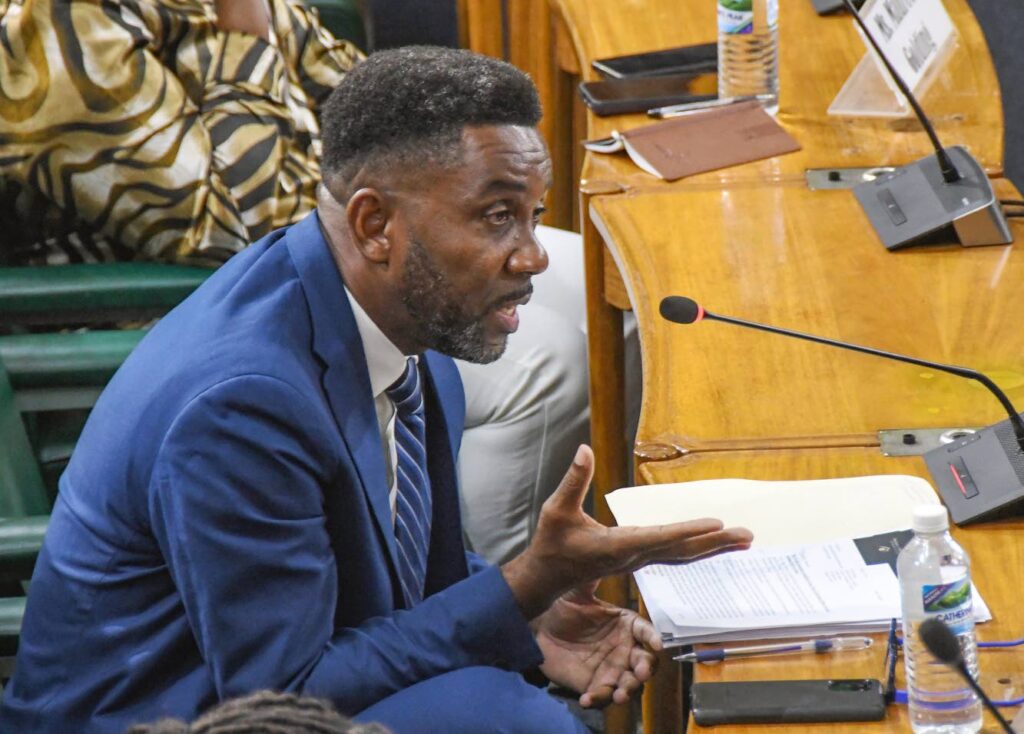
    On Tuesday, a tense sitting of Jamaica’s Parliamentary Public Accounts Committee (PAC) delivered a startling new development in an ongoing audit probe of the University Hospital of the West Indies (UHWI), as former chief executive officer Kevin Hall told lawmakers he has no explanation for his signature appearing on an official customs document dated more than a year after he stepped down from his post.

    Hall was summoned to appear before the committee as part of its review of a damning auditor general’s report that has already uncovered a host of questionable operational and financial practices at the prominent public hospital. A core point of contention from the audit centered on the irregularly dated C-84 customs form, which bore Hall’s signature and was filed in November 2023 – 13 months after Hall left his CEO role on October 31, 2022, wrapping up a six-year tenure and decades of service at the institution.

    The questioning began with committee chair Julian Robinson raising longstanding audit concerns that pre-signed forms may have been misused after Hall’s departure. In his initial response, Hall acknowledged that a small number of blank internal administrative forms had occasionally been pre-signed during his tenure to speed up emergency customs clearances for urgent medical imports. He told the committee that shortly after submitting his resignation, he sent a formal second letter to UHWI management explicitly ordering that his name be removed from all active official documents that required his sign-off. He stressed that any remaining pre-signed forms should never have been used after he left office.

    Hall explained that all customs-related forms were typically managed by the hospital’s Department of Materials and Contracts, which liaises directly with third-party customs brokers handling the hospital’s incoming shipments. Opposition MP Peter Bunting, representing Manchester Southern, pushed back on the practice of pre-signing any official documents, asking whether the policy created unnecessary vulnerability to fraud or abuse. Hall conceded in hindsight the practice carried risk, but noted that institutional trust between senior leadership teams justified the process for emergency cases, adding that current UHWI management should update internal controls to prevent future misuse.

    The entire inquiry shifted dramatically when Auditor General Pamela Monroe Ellis clarified that the document in question was not one of the internal administrative forms Hall described – it was an official C-84 customs form pulled directly from Jamaica Customs’ ASYCUDA database, filed for an actual import transaction more than a year after Hall’s departure.

    Robinson further distinguished the two documents, noting that the C-84 form is an official authorization for Jamaica Customs to process a shipment, relying on the signature of the hospital’s chief accountable officer to confirm legitimacy, rather than an internal administrative note. Stunned by this new information, Hall told the committee he had no connection to the transaction, never signed the document, and could not account for how his signature appeared on the form.

    Government MP Juliet Cuthbert Flynn, representing St Andrew West Rural, repeatedly pressed Hall on the discrepancy, noting he had freely acknowledged pre-signing internal forms but refused to claim any connection to the customs document under investigation. Hall remained firm that he had no explanation, repeating that he had not been involved in UHWI management for more than a year and had no knowledge of the transaction. Flynn responded simply: “I’m baffled.”

    The irregular signature case is just one part of a broader audit investigation into UHWI’s procurement and customs practices. The audit has already flagged multiple alleged abuses of the hospital’s tax-exempt import status, which investigators say was used to bring goods in for private entities, costing the Jamaican government an estimated $23 million in lost customs duties and fees. By the close of Tuesday’s hearing, PAC chair Robinson noted that Hall’s testimony had failed to resolve existing questions – instead, it had opened an entirely new line of inquiry into how a former CEO’s signature ended up on an official post-departure customs document.

    “It raises other questions about how your signature, if it was your signature, or how a signature appearing to be one like yours, came to be on those documents,” Robinson told the committee, wrapping up the day’s testimony.

  • US sanctions interrupt Visa, Mastercard payments in Cuba — central bank

    US sanctions interrupt Visa, Mastercard payments in Cuba — central bank

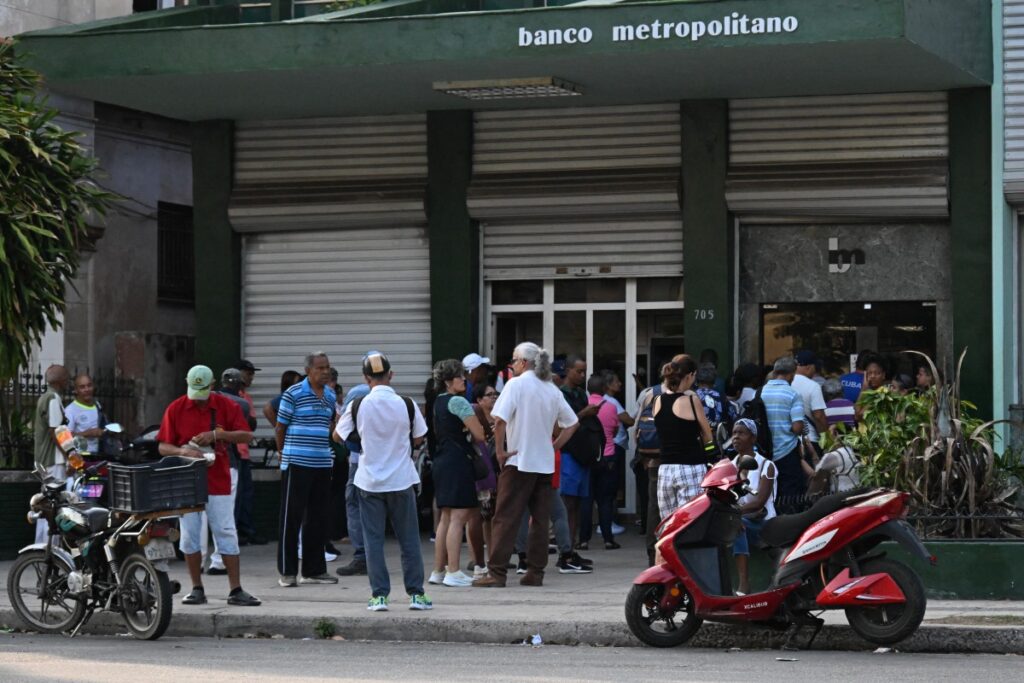
    HAVANA, Cuba — Cuba’s central bank announced Wednesday that all Visa and Mastercard payment operations across the island will be halted this weekend, after sweeping United States economic sanctions pushed a key international processing bank to cut off its business relationship with a Cuban state-affiliated financial entity. In an official public statement, the central bank confirmed that it received formal notification of the exit on June 2. The processing bank, which has overseen all Visa and Mastercard card-based transactions within Cuba’s borders, said it would end its contractual agreement with Fincimex SA, the entity designated to manage these international card payments for the Cuban government. Fincimex operates as the financial subsidiary of GAESA, a large military-led conglomerate that has long been targeted by US economic sanctions imposed on Cuba. This development marks another significant disruption to Cuba’s access to global financial networks, exacerbating existing economic pressures that have limited the country’s ability to facilitate international commerce and serve foreign visitors who rely on global card payments during their stay. The suspension comes as US sanctions on Cuban entities remain in place, with little indication of near-term adjustments to the long-standing restrictive trade and financial policy. Cuban financial officials have not yet announced an alternative workaround for processing international card payments, leaving many in the tourism and commercial sectors bracing for new disruptions.

  • 49 million cyber attacks trigger push for new law

    49 million cyber attacks trigger push for new law

    Against a alarming four-fold surge in cyber attack attempts targeting Jamaica over the past two years, the Jamaican government has launched a comprehensive national initiative to strengthen the country’s cyber defenses, including a binding new cybersecurity law and a dedicated coordination council.

    The alarming escalation of threats saw more than 49 million attempted cyber intrusions recorded across Jamaica last year, a sharp jump from just 12 million documented attacks in 2022. Critical government systems have been the primary target of bad actors, with one high-profile breach of a major government digital platform already exposing the sensitive personal data of hundreds of thousands of Jamaican citizens.

    Dr. Andrew Wheatley, Jamaica’s Minister with oversight for science, technology and special projects, outlined the full scope of the government’s response during an address to the House of Representatives on Tuesday, as part of the body’s annual sectoral debate. Central to the new plan is the creation of the National Cybersecurity Coordination and Assurance Council (NCCAC), a time-bound central authority embedded within the Office of the Prime Minister that will operate with a 24-month mandate, reporting to the Prime Minister through Wheatley.

    Wheatley emphasized that the new body is not intended to expand government bureaucracy, but to act as a unifying engine to align existing national cybersecurity resources. “Its specific mandate is to take every cybersecurity asset Jamaica already possesses — every standard, every plan, every unit, every dollar of investment — and convert them into a coordinated, accountable, measurable national capability,” he explained to lawmakers.

    Foundational work on the new national Cybersecurity Act is already complete, with a full legislative drafting matrix finalized in July 2024 as part of preparations for a multi-million dollar investment programme backed by the Inter-American Development Bank (IDB) and the United States Agency for International Development (USAID). Under the government’s rolling implementation timeline, a full policy and legislative gap assessment will be wrapped up within the first four months of the new governance framework, with final drafting instructions completed by month six. Cabinet is scheduled to receive the full legislative package for review between months nine and 12.

    Once enacted, the new law will formally codify the existence of the National Cybersecurity Directorate, enshrining Jamaica’s permanent cybersecurity authority in statute. This legal foundation ensures that “no future change in Administration can quietly dismantle” the country’s core cyber defense infrastructure, Wheatley noted. The legislation will also introduce a formal regulatory framework for identifying and protecting critical information infrastructure — the digital systems whose disruption would cause catastrophic harm to core national functions including energy distribution, banking, telecommunications, public health services and government operations.

    Key provisions of the new law will require all regulated sectors to meet mandatory minimum cybersecurity standards, grant the directorate enforcement authority to ensure compliance, mandate timely reporting of cyber incidents, establish rules for responsible disclosure of system vulnerabilities, and formalize regulation for private cybersecurity service providers operating within Jamaica’s borders.

    The urgency of the reforms is underscored by long-standing gaps in Jamaica’s cyber maturity. A 2012 national assessment rated the country’s cyber defense capacity at just 40% of the maximum benchmark score, a stark contrast to the 70% score achieved by the region’s leading cyber-secure nation. “The gap is real, it is structural and it must be closed,” Wheatley told the House.

    In recent years, the government has already laid critical groundwork for the overhaul: the Jamaica Cyber Security Standards Framework is complete, the National Cyber Instant Response Plan has undergone successful testing and is ready for deployment, and US$10 million in funding has been secured through the IDB- and USAID-backed Strengthening Cyber Security in Jamaica Project. The initiative is formally approved and will roll out through 2029.

    With the expiration of the 2021-2025 National Cyber Security Strategy, the government is preparing to launch its third iteration of the national strategy, replacing the outgoing plan that succeeded the 2015 framework and “has served Jamaica well,” according to Wheatley. The original five-pillar structure focused on protection, deterrence, capacity building, cross-sector partnership and governance, but the evolving threat landscape demands a revised approach.

    “Artificial intelligence is now being weaponised by attackers; supply chain compromise has become the primary concern of large organisations globally; critical information infrastructure protection has moved from aspiration to operational necessity,” Wheatley said. He also highlighted that extreme weather events like Hurricane Melissa have made clear that cybersecurity and national disaster resilience are inextricably linked, not separate policy areas.

    Closing his address, Wheatley assured lawmakers that Jamaica is on track to launch its third national cybersecurity strategy built on stronger institutional foundations, clearer governance structures, and anchored by a permanent, statutory national cybersecurity directorate leading the country’s defense against growing digital threats.

  • Current, ex-JP granted bail in Manchester forgery case

    Current, ex-JP granted bail in Manchester forgery case

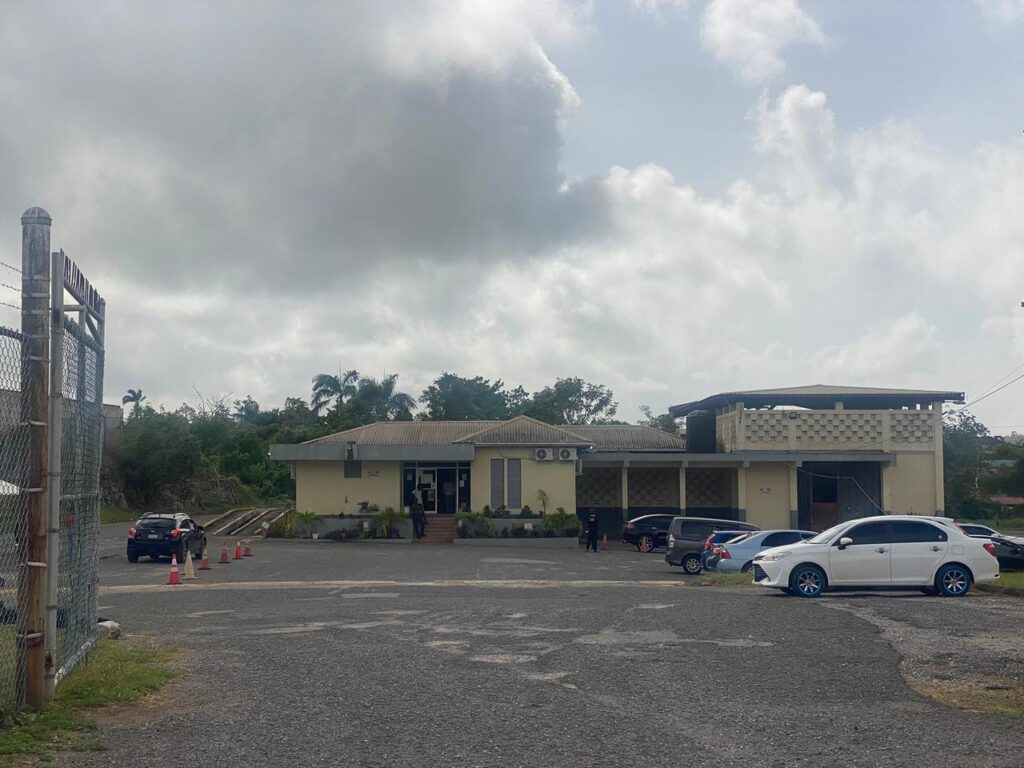
    MANCHESTER, Jamaica — Two men facing a raft of criminal charges tied to an alleged driver’s license fraud scheme have been released on bail following a Wednesday hearing at the Manchester Parish Court.

    The accused are 46-year-old Marvin Dean, a retired justice of the peace (JP) who resides in Manchester’s Cross Keys and Newport communities, and 64-year-old Dudley Powell, a sitting JP and active businessman based in Glenco, Spalding, along the shared border of Clarendon and Manchester parishes. Both men were charged last week following a coordinated police operation that took place at the Island Traffic Authority’s Mandeville Service Hub on May 18, where authorities took them into custody.

    Presiding judge Monique Harrison set bail at $600,000 for Dean and $400,000 for Powell, with strict pretrial conditions attached to their release. As part of the bail agreement, Dean is required to check in with officers at the Newport Police Station every Monday, Wednesday, and Friday, while Powell must complete the same check-in protocol at the Spalding Police Station on the same scheduled days. Both men have been ordered to surrender all valid travel documents, and Jamaican authorities have issued a formal stop order across all national ports of entry and exit to block any attempt to leave the country ahead of trial.

    Legal representation for the hearing was split between local attorneys: Odane Marston appeared on behalf of Powell, while Rodain Richardson and Amy Dunkley represented Dean.

    The charges against the pair stem from allegations that they posed as licensed medical doctors to illegally sign off on mandatory health checks required for new driver’s license applications. Investigators filed 12 separate criminal charges against Dean last Thursday, including impersonating a medical professional, forgery of government and notary public seals, uttering forged documents, possession of falsified official paperwork, cheating public revenue, obtaining funds through false pretenses, conspiracy, attempted bribery, and possession of forged official stamps.

    Powell was arraigned on four distinct charges the following day: cheating public revenue, conspiracy to commit fraud, misuse of an official seal for unlawful activity, and misconduct in public office, a charge tied to his ongoing role as a sitting justice of the peace.

    The case is scheduled to return to Manchester Parish Court for a next hearing on July 1, as the investigation into the alleged fraud ring continues.

  • Manchester 80% ready for hurricane season, says mayor

    Manchester 80% ready for hurricane season, says mayor

    MANDEVILLE, Manchester — Seven months after Category 5 Hurricane Melissa left significant damage across the northern portion of the Jamaican parish of Manchester, local municipal leaders have confirmed that pre-season mitigation work is well underway to ready the region for the 2026 Atlantic hurricane season, which officially kicked off this Monday.

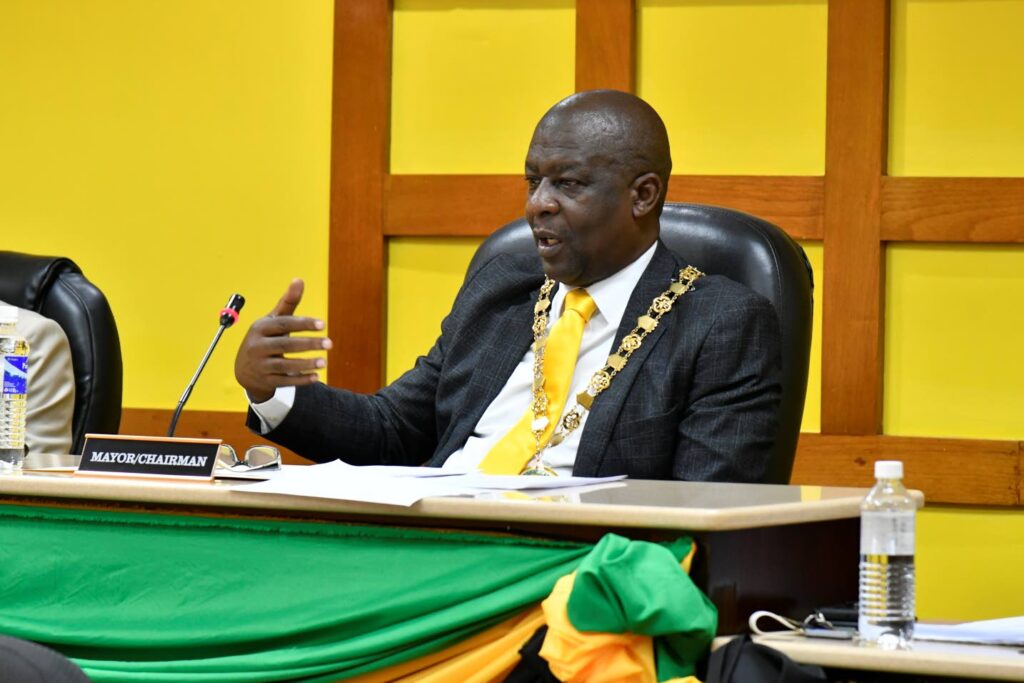
    Donovan Mitchell, chairman of the Manchester Municipal Corporation and mayor of Mandeville, shared updates on preparedness efforts in an interview with the Jamaica Observer, emphasizing that the local government has taken a proactive approach to risk reduction ahead of the season’s historically most active late period.

    “We know the first two to three months of hurricane season are typically not very active, but activity picks up sharply as we move into the later months. Our goal is to have every measure in place long before a storm threat arrives, so we are fully ready for any outcome,” Mitchell explained. “Right now, Manchester is roughly 80 percent prepared. We are confident we can respond effectively if any storm impacts our parish this year.”

    Mitchell recalled that while the municipality had preparation measures in place ahead of last year’s storm, Melissa, which made landfall on October 28, brought unprecedented, unexpected damage that tested local response capacity.

    In this year’s preparedness push, the municipal government has prioritized inspecting and repairing emergency public shelters across the parish. Of the original 86 shelters the parish once maintained, 55 are now certified ready for use, while the remaining 31 sustained irreversible or complex damage during Melissa and have not yet been restored. All active shelters now feature accessible ramps to accommodate people with physical disabilities, and a specialized shelter for vulnerable people with mental health conditions will be hosted at Mandeville Primary School, which has been fully retrofitted for this purpose. Administrators are also updating the roster of shelter managers, noting that while some long-serving managers have retired, replacement staff have already been lined up to fill any gaps ahead of a storm event.

    The parish’s central warehouse for pre-positioned hurricane relief supplies has also been fully repaired following damage from last year’s storm. Mitchell noted that this storage facility is critical to the local response, as municipal teams act as first responders in the immediate aftermath of a storm. Having emergency supplies on site ensures the parish can support residents even if national government agencies are delayed in reaching Manchester due to widespread damage across other regions of the country.

    Later this week, on Thursday, the municipality will host a meeting of its Disaster Preparedness and Mitigation Committee, with all key local disaster response stakeholders invited to attend to align coordination plans ahead of the season. Specialized response equipment is already on standby for rapid deployment if needed.

    Funding from the Ministry of Local Government has allowed the parish to ramp up drain cleaning work across Manchester, with a major push scheduled to begin across the parish in June. The municipality has also prioritized repairs to parochial roads, which fall under its jurisdiction (main national roads are managed by the National Works Agency and national government lawmakers).

    Currently, repair work is ongoing on Mollison Road near Christiana, which collapsed during last year’s hurricane. Restoring this road is a top priority, as it would cut off access to roughly 1,000 local residents if left unrepaired ahead of the new season. Mitchell added that most other parochial roads are already in good condition, following recently completed repairs on high-traffic routes including McKinley Road, Brumalia Road, Wint Road, and Ward Avenue, all of which are heavily used by motorists traveling to and from Mandeville. Local city councilors are conducting individual assessments of roads in their districts to address any remaining hazards.

    The municipality is currently in discussions with Desmond McKenzie, Minister of Local Government and Community Development, to secure additional funding for remaining repair and preparedness projects, and is awaiting a response on further support.

    Beyond municipal-led work, Mitchell is calling on local residents to take personal responsibility for maintaining clear drains near their homes after municipal crews complete cleaning. The municipal government enforces a zero-tolerance policy for blocked drains, which are a major cause of preventable flooding during hurricane events. Crews are already conducting inspections of drains that cross private property to address illegal encroachment or blockages, and Mitchell urged residents to avoid dumping plastic, garbage, or other debris in drainage infrastructure.

    Mitchell also highlighted specific ongoing risks from roadside garages and active construction sites, where operators frequently dump building materials including sand and marl along road shoulders. Heavy rain can wash these materials into drains, causing widespread blockages. Under the Parochial Roads Act, the municipal council has the authority to set time limits for temporary placement of construction materials on public roads. If operators fail to remove materials after receiving official notice, the council will remove the materials at the operator’s expense. The mayor also issued a warning for residents to remove derelict vehicles that block drainage pathways, particularly along roads used for informal garages, noting that unclaimed vehicles will be removed by the council ahead of the storm season.

  • Trinidad and Tobago welcomes election to UN Security Council

    Trinidad and Tobago welcomes election to UN Security Council

    PORT OF SPAIN, Trinidad – In a landmark victory for the small Caribbean nation, Trinidad and Tobago’s government has celebrated its successful election as a non-permanent member of the United Nations Security Council, a win officials frame as a transformative step to amplify the country’s influence in global diplomatic circles.

    Elected during a vote of the United Nations General Assembly, the Caribbean Community (Caricom) member will hold the two-year post from 2027 through 2028. Out of votes cast, Trinidad and Tobago earned 181 endorsements, a total that easily cleared the mandatory two-thirds majority threshold required to claim the seat. As the sole candidate put forward by the Latin American and Caribbean Group (GRULAC), the nation faced no competing challengers for the opening, and will officially take up its responsibilities on January 1, 2027.

    In an official statement released Wednesday, the Ministry of Foreign and Caricom Affairs emphasized that the Security Council seat will create expanded opportunities for Trinidad and Tobago to contribute meaningfully to high-stakes global conversations spanning peacebuilding, international security, sustainable development, and cross-border cooperation. Beyond bolstering the country’s participation in global governance, the ministry noted the appointment will strengthen Trinidad and Tobago’s diplomatic standing, boost its clout among the international community, and unlock new pathways to build strategic partnerships and deepen engagement with nations across the globe.

    This is not Trinidad and Tobago’s first turn at the Security Council table: the country previously held a non-permanent seat for the 1985–1986 term. Notably, the government confirmed that the nation earned the full support of all five permanent members of the Security Council – the United States, United Kingdom, France, China, and Russia – in its campaign.

    Trinidad and Tobago is the latest Caricom nation to claim a spot on the powerful UN body. The most recent previous holder from the regional bloc was St. Vincent and the Grenadines, which served the 2020–2021 term from January 1, 2020 to December 31, 2021.

  • Campbell urges disaster recovery fund for agri/fisheries sectors

    Campbell urges disaster recovery fund for agri/fisheries sectors

    Jamaica’s Opposition spokesperson for agriculture and fisheries, Dr Dayton Campbell, is pushing the government to establish a permanent dedicated fund to deliver rapid relief to farmers and fishers whose livelihoods are damaged by natural disasters and extreme weather events. Dr Campbell, who also serves as the Member of Parliament for Westmoreland Eastern, laid out this proposal during a sectoral debate session in Jamaica’s House of Representatives on Tuesday.

    Campbell emphasized that Jamaica can no longer rely on ad-hoc relief mechanisms created after disaster strikes. Too often in the past, disaster support for agricultural producers has only been assembled following major events like hurricanes, floods or droughts, requiring rushed cabinet approvals and dependent on last-minute budget reallocations from the Ministry of Finance. By the time emergency funding is approved, many small producers have already lost their entire livelihoods, he argued.

    Instead of this reactive model, Campbell proposed a standing national disaster recovery fund that receives annual allocations through the regular national budget, keeping it ready for immediate activation whenever the agriculture or fisheries sectors are hit by a climate event or disaster. Jamaica has long known it faces consistent climate risks including hurricanes, prolonged droughts, severe flooding, landslides, storm surges and outbreak of livestock and crop diseases, he noted. It is irresponsible to continue responding to these predictable, recurring risks with improvised, last-minute systems, the opposition lawmaker added.

    Given the critical role that agriculture and fisheries play in upholding Jamaica’s national food security, Campbell stressed that the government cannot afford to delay planning until after damage is already done. A proactive, rather than reactive, approach is needed, and a permanent fund will shift the country’s disaster response from chaotic reaction to structured readiness, he explained. With a pre-funded permanent mechanism in place, the government will be able to deliver timely support to affected producers without forcing them to wait months for special budget allocations, supplementary funding approvals or public emergency appeals.

    To guarantee operational accountability and readiness, Campbell proposed that the fund’s activation be guided by clear, pre-defined eligibility and trigger criteria. For example, the fund would automatically be unlocked when a verified extreme event causes sector damage that exceeds a pre-set threshold, with damage confirmation provided by official bodies such as the Office of Disaster Preparedness and Emergency Management or the relevant government ministry. Having clear protocols and damage thresholds in place will give agricultural and fisheries producers greater confidence that support will arrive quickly and predictably through a transparent, established system when disaster hits, Campbell said.

    Outlining five core objectives for the fund, Campbell first called for it to provide targeted emergency grants to small-scale farmers and fishers that have verified losses. One-size-fits-all support is inadequate, he noted: a farmer losing grain crops faces a different set of losses than one losing livestock, irrigation infrastructure, greenhouses or farm buildings, just as a fisher losing traps has different needs than one losing an entire boat, engine or full set of fishing gear.

    Second, the fund should cover the replacement of critical productive assets required for producers to restart their work. For farmers, this would include tools, irrigation systems, water storage tanks, fencing, greenhouse building materials, livestock housing, farm machinery, seeds, seedlings, fertilizer, animal feed and livestock medication. For fishers, covered assets would include boats, engines, nets, traps, required safety equipment, coolers, storage containers and all other gear needed to return to fishing safely and in compliance with national regulations.

    Third, Campbell recommended the fund provide temporary livelihood support to producers whose incomes are fully disrupted by disaster, while the fourth core objective would be to support rapid replanting of crops and restocking of livestock to speed up the sector’s recovery. The fifth and final objective would be to subsidize affordable insurance products for small farmers and fishers, including parametric insurance coverage tailored to common climate risks like hurricanes, drought and excessive rainfall.

    Campbell stressed that for the fund to deliver on its promises, it must be well-structured, fully transparent and earn the trust of the producers it is designed to serve. It must not become another vague, discretionary programme plagued by delays or political favoritism, he said. Instead, it must operate according to clear rules, public timelines and formal accountability frameworks. Eligibility criteria must be published publicly, so that all farmers and fishers can understand who qualifies for support, what types of losses are covered, what documentation is required to file a claim, and what forms of support are available to them. The public must also have clear information on whether assistance will come in the form of grants, subsidies, low-interest loans, or a mix of these options, with an application process that is simple, accessible and responsive to the needs of struggling producers, Campbell added.