标签: Jamaica

牙买加

  • Two-year delay on $40m security wall raises safety concerns at Naggo Head Primary — MP Terrelonge

    Two-year delay on $40m security wall raises safety concerns at Naggo Head Primary — MP Terrelonge

    ST CATHERINE, Jamaica — A critical security project at Naggo Head Primary School remains in bureaucratic limbo despite allocated funding, prompting urgent calls for action from local officials. Member of Parliament for St Catherine East Central, Alando Terrelonge, has intensified pressure on municipal authorities to immediately approve long-delayed plans for constructing a perimeter security wall.

    The project, which has languished for over two years despite more than $40 million in allocated funds from the Ministry of Education, faces ongoing delays at the municipal corporation level. Terrelonge expressed grave concerns about the council’s inaction, emphasizing that student and staff safety should transcend political considerations.

    “The municipal council’s delay is profoundly concerning,” Terrelonge stated in an official release. “I reiterate my call for the mayor to act decisively in approving these plans. We cannot await a tragedy affecting students or teachers before taking action. This security infrastructure must be constructed without further delay.”

    The urgency is underscored by multiple security breaches documented in recent years. Naggo Head Primary School, serving hundreds of students in Portmore, currently lacks proper perimeter protection, enabling unauthorized access to school grounds.

    Principal Andria Givans provided disturbing details of the security challenges: “The absence of proper perimeter security continues to expose our vulnerability. We’ve experienced numerous incidents involving unauthorized individuals disrupting classes and school events. During our February sports day, I faced verbal attacks and threats. We’ve dealt with mentally unstable individuals throwing stones at teachers and students, and in 2022, gangs entered campus armed with knives, causing widespread panic and trauma.”

    The school has also suffered repeated break-ins and thefts during the 2024-2025 academic year, including stolen security cameras, wall fans, chairs, and classroom furniture.

    Councillor Damara Lawson of the Southboro Division emphasized the project’s critical importance: “Naggo Head Primary serves as a central institution for our communities. Hundreds of students, parents, and teachers depend on having safe, secure school grounds. This perimeter wall will dramatically enhance safety and protect school facilities.”

    All stakeholders continue to advocate for immediate approval to utilize the allocated funds and address the pressing security concerns threatening the school community.

  • Poultry producers warn against extending chicken import waivers

    Poultry producers warn against extending chicken import waivers

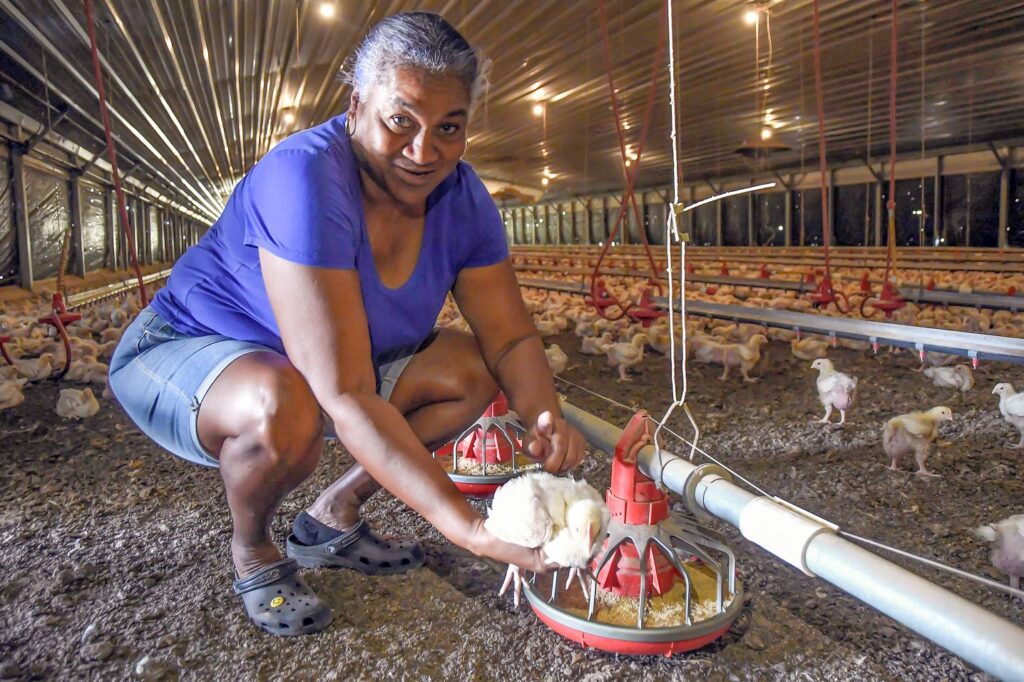
    Jamaica’s poultry producers are mounting pressure on the government to terminate emergency import concessions on chicken and eggs, asserting that these measures have surpassed their original purpose and now threaten to undermine local agricultural recovery efforts following Hurricane Melissa.

    The temporary waivers, which suspended duties and General Consumption Tax on specific food imports to address post-hurricane shortages, were initially scheduled to conclude in February. Agriculture officials have recently suggested a potential extension through May as a precautionary measure.

    Industry data reveals a remarkable production rebound, with weekly chicken output projected to reach 3-3.1 million kilograms by late March—significantly exceeding last year’s 2.7 million kilograms during the same period and surpassing typical supply levels.

    Dave Fairman, Vice-President of Jamaica Broilers Group’s Best Dressed Chicken Division, confirmed to media outlets: “We feel fairly confident that current supplies exceed normal annual availability levels.”

    While producers acknowledge the initial necessity of emergency measures to stabilize food supplies after widespread damage to farms and livestock operations across multiple parishes, they contend that extending import concessions would disadvantage local farmers who have invested substantially in rebuilding operations. These recovery efforts have been supported by government agencies, private sector initiatives, and aid organizations.

    Jaimie Ogilvie, Vice-President of Jamaica Broilers Group’s Hi-Pro Division, emphasized the broader implications: “This extends beyond poultry products to encompass the entire agricultural sector. Farmers are expressing concerns about onions, tomatoes, and vegetables. Our import policy must strike a balance—we cannot allow imported products to compete with local production while attempting to resuscitate domestic agriculture.”

    The hurricane disproportionately affected small-scale farmers, who contribute approximately 30-35% of Jamaica’s chicken supply. Many operations in western parishes—including St Elizabeth, Westmoreland, Hanover, St James, and Trelawny—suffered catastrophic losses of infrastructure and livestock.

    Industry recovery has been accelerated through coordinated support programs that provided construction materials, increased chick distributions, and technical assistance. Jamaica Broilers alone supplied 17% more baby chicks to small farmers in January and 15% more in February compared to typical levels, while government agencies distributed approximately 80,000 chicks.

    Current market challenges primarily reflect distribution imbalances rather than actual shortages, according to industry representatives. While some western regions continue experiencing reduced demand due to ongoing hotel and business recovery, other areas have developed surplus supplies. The Rural Agricultural Development Authority has been facilitating regional distribution networks to address these disparities.

    The egg market faces similar complications, with temporary import approvals leading to market oversupply. Hurricane Melissa resulted in the loss of approximately 400,000 laying hens, prompting limited import permissions to prevent shortages. However, imported eggs—particularly medium-sized products from the United States—are now entering the market below local production costs, creating temporary gluts that disadvantage Jamaican egg farmers.

  • Jamaican teen Tajay Dias wins NGVB title in Suriname

    Jamaican teen Tajay Dias wins NGVB title in Suriname

    Jamaican football prospect Tajay Dias, aged 16, has secured his first international youth championship while competing with SV Transvaal’s junior squad in Suriname. The emerging talent contributed significantly to Jong Transvaal U23’s victorious campaign in the NGVB professional youth league, demonstrating notable adaptability and skill during his initial matches with the Surinamese club.

    This athletic achievement has simultaneously spotlighted the developmental frameworks established by Jamaican institutions Dunbeholden FC and Kickers Football Academy. Both organizations provided crucial foundational training that prepared Dias for international competition.

    Kickers Academy Managing Director Jevaun Hutchinson emphasized the broader implications of this success, stating it demonstrates the high potential of Jamaican youth players when they receive proper training infrastructure and international competitive opportunities.

    Echoing this sentiment, Dunbeholden FC Chief Commercial Officer Aubyn Henry characterized the championship as a positive developmental milestone. Henry highlighted the critical importance of patience in athlete development, noting that current priorities should focus on experience accumulation, technical refinement, and learning from high-level competition.

    “Young athletes who demonstrate commitment to their developmental journey often evolve into professionals capable of sustaining long-term careers,” Henry observed. “Dias is displaying promising capabilities in adapting to new challenges and diverse football environments, which bodes well for his future in the sport.”

    Having already captured an international youth title, Dias is rapidly establishing himself as one of Jamaica’s most promising football prospects. His early success further underscores how structured development systems are essential for cultivating the next generation of Caribbean football talent.

  • CDB preparing to finance health sector as Cuba medical exit raises concerns

    CDB preparing to finance health sector as Cuba medical exit raises concerns

    In a historic policy shift, the Caribbean Development Bank (CDB) has announced it will begin financing health sector initiatives across the region for the first time in decades. This strategic pivot comes as Caribbean nations confront growing uncertainty about the future of Cuban medical missions that have long supplemented their healthcare systems.

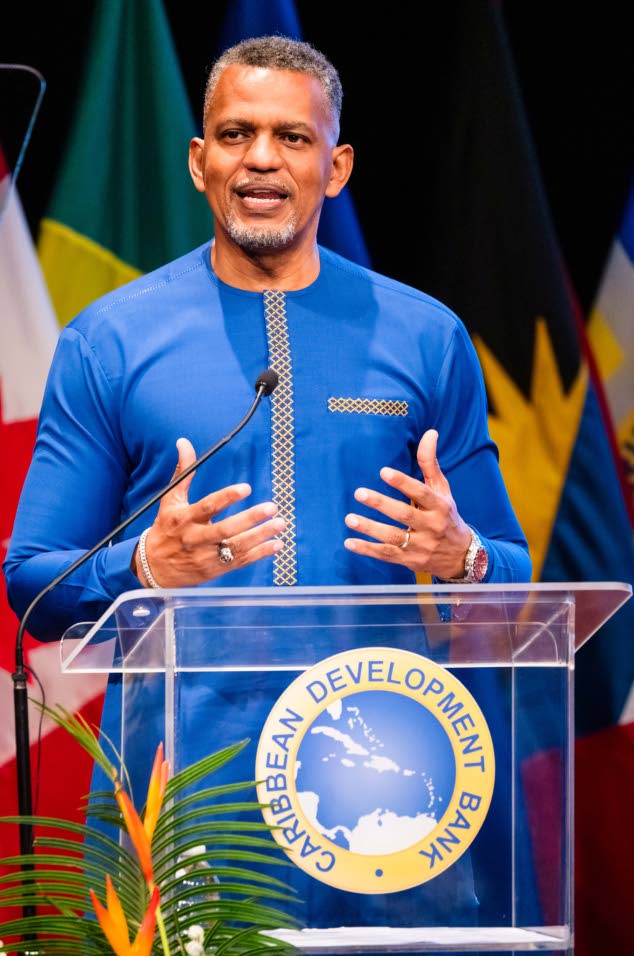
    CDB President Daniel Best revealed during the bank’s annual news conference in Barbados that the institution’s newly approved 2026-2035 strategic plan formally recognizes health as a priority intervention area. This marks a significant departure for an organization traditionally focused on infrastructure, climate resilience, and economic development.

    The policy change gained urgency following Jamaica’s recent announcement that it would discontinue its decades-old medical cooperation program with Cuba after the two nations failed to reach agreement on new terms. This program had been instrumental in filling critical staffing gaps in Jamaica’s public health system, providing doctors, nurses, and specialists across the island.

    The decision has already created visible impacts. At the Jamaica-Cuba eye care clinic at St Joseph’s Hospital in St Andrew, large numbers of patients recently sought treatment ahead of the anticipated departure of Cuban specialists who have long supported the program.

    Similar concerns have emerged throughout the Caribbean, where several health systems rely heavily on Cuban medical personnel to address shortages in specialized care. The situation has drawn wider geopolitical attention, with the United States increasing criticism of Cuba’s overseas medical missions by alleging the program constitutes forced labor—accusations that Cuba and many Caribbean governments have rejected.

    Best acknowledged that these developments could create significant challenges for small island states already grappling with workforce shortages and rising healthcare costs. “With Cuban medical practitioners perhaps exiting the region, this could certainly become a developmental issue,” he stated. “And as the region’s development bank, we are here to support our countries.”

    The CDB’s approach will not involve directly building hospitals or managing medical programs. Instead, the bank intends to support governments through partnerships, technical assistance, and financing aligned with national development strategies. Potential interventions would likely emerge through the bank’s country engagement strategies—the frameworks used to guide development financing in borrowing member states.

    This policy shift reflects a growing recognition that health outcomes are increasingly shaping economic resilience across the Caribbean. Several countries in the region face some of the world’s highest rates of non-communicable diseases, including diabetes, hypertension, and heart disease—conditions that place significant strain on national health systems and public finances.

    Under the bank’s new strategic plan, health falls within its broader initiative to strengthen social resilience, one of three pillars guiding the institution’s work over the next decade alongside economic and environmental resilience. This approach signals an evolution in development thinking, with financial institutions increasingly recognizing that economic growth depends heavily on human capital strength, including access to reliable healthcare.

    For Caribbean governments operating under tight fiscal constraints, the possibility of development financing for health sector improvements could become increasingly vital as medical systems face intensifying pressures from ageing populations, chronic disease burdens, and uncertainty surrounding long-standing medical cooperation arrangements.

  • UN Security Council demands Iran halt attacks on Gulf states

    UN Security Council demands Iran halt attacks on Gulf states

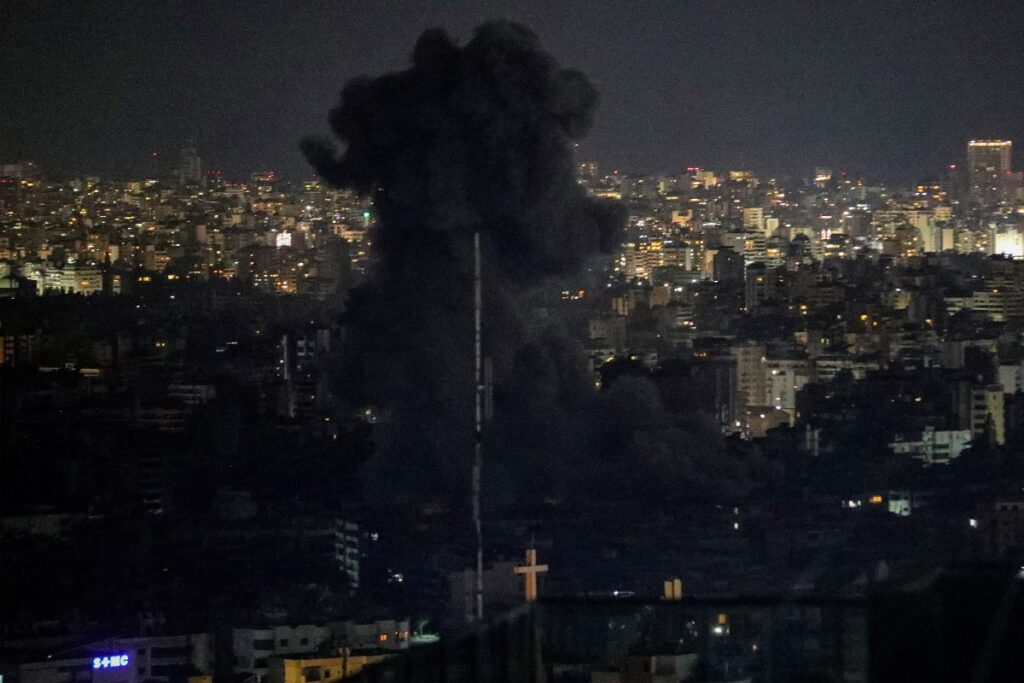
    The United Nations Security Council has issued a formal resolution demanding Iran cease all military operations against Gulf Cooperation Council states, citing violations of international law and threats to global stability. During Wednesday’s session at UN headquarters in New York, the measure received overwhelming support with 13 member nations voting in favor and two abstaining.

    The resolution explicitly calls for the immediate termination of Iranian attacks targeting Bahrain, Kuwait, Oman, Qatar, Saudi Arabia, the United Arab Emirates, and Jordan. Additionally, the Council condemned Tehran’s actions and threats toward international maritime navigation, particularly through the strategic Strait of Hormuz—a vital corridor for global energy transportation.

    According to diplomatic sources, Iran’s aggressive maneuvers represent retaliatory measures for recent joint American-Israeli operations that resulted in the death of Ayatollah Ali Khamenei, Iran’s supreme leader. In response to these developments, Iranian forces have targeted commercial vessels transiting the Hormuz Strait, attempting to disrupt international energy markets and inflict economic pressure on Western nations.

    The resolution emphasizes that such activities constitute a severe threat to international peace and security, urging all parties to exercise restraint and pursue diplomatic solutions. Security Council members expressed particular concern about potential escalation patterns that could destabilize regional security architectures and impact global economic stability through disrupted energy supplies.

  • Mojo Morgan’s Spirit official song of Kingston City Run

    Mojo Morgan’s Spirit official song of Kingston City Run

    In a landmark cultural partnership, the Jamaica Hotel and Tourist Association (JHTA) has appointed Grammy Award-winning artist Mojo Morgan of Morgan Heritage as the inaugural musical ambassador for the Kingston City Run (KCR) 2026. The official announcement and signing ceremony took place at Courtleigh Hotel & Suites in New Kingston, featuring the exclusive premiere of Morgan’s newly produced single ‘Spirit’—officially designated as the event’s anthem.

    The 2026 edition, themed ‘Pirates Run Di City’ and scheduled for March 15, integrates music, health advocacy, tourism, and philanthropy into its core mission. JHTA President Christopher Jarrett emphasized that the run transcends athletic achievement, serving as a vehicle for community transformation and social impact.

    Morgan’s ambassadorship and the anthem ‘Spirit’ align thematically with Kingston’s ongoing initiatives to support vulnerable populations, including those affected by Hurricane Melissa. The track, which samples Hillsong United’s ‘Oceans’, embodies themes of resilience and spiritual strength.

    This collaboration coincides with Morgan’s upcoming ‘King in the Royals’ world tour—a pioneering dual-headliner production featuring Morgan Heritage and Beenie Man. The tour aims to elevate reggae and dancehall to global stadium-level platforms, revitalizing the international touring circuit for Jamaican music.

    Since its inception in 2013, Kingston City Run has raised over $21 million for charitable causes. For the 2026 event, organizers aim to generate an additional $5 million for beneficiaries including Marie Atkins Night Shelter, Open Arms Development Centre, Alpha Institute, Missionaries of the Poor, and Food For The Poor, with special attention to western parishes impacted by Hurricane Melissa.

  • Targeting mistake led to US missile strike on Iranian school — report

    Targeting mistake led to US missile strike on Iranian school — report

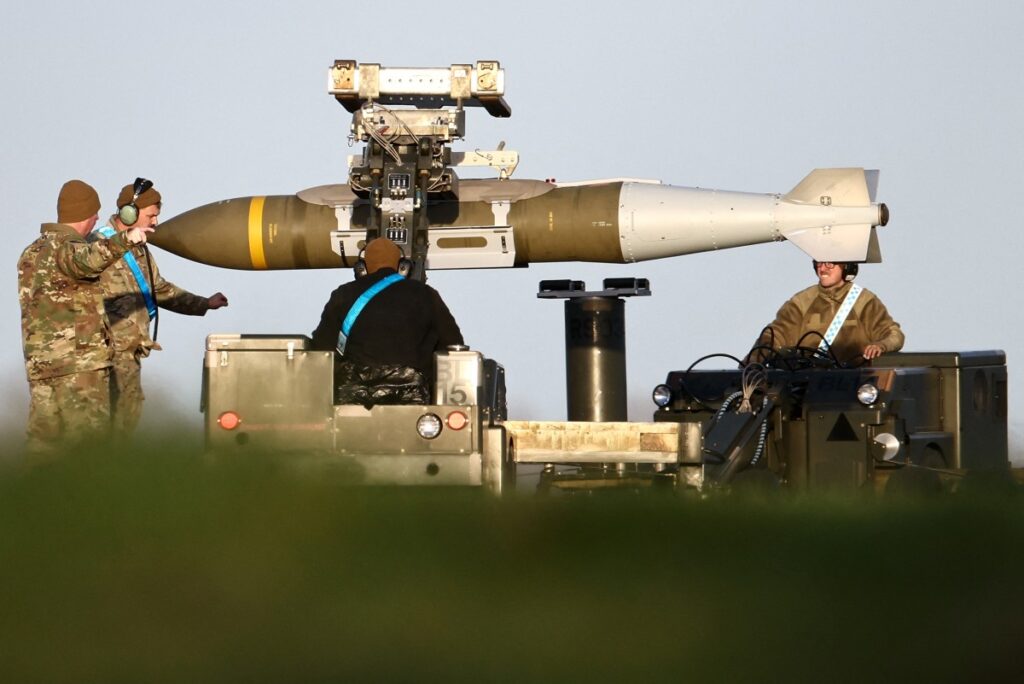
    A comprehensive United States military investigation has concluded that an American Tomahawk missile mistakenly struck an elementary school in southern Iran, according to revelations by The New York Times. The February 28th incident, which resulted in significant casualties, occurred due to targeting coordinates established using obsolete intelligence information.

    Multiple US officials familiar with the ongoing probe indicate preliminary findings confirm American responsibility for the tragic incident in Minab. The military had intended to strike an adjacent Iranian Revolutionary Guard naval base, but target designation relied on outdated Defense Intelligence Agency data that failed to reflect the school’s separation from the military compound.

    President Donald Trump initially speculated that Iran might have been responsible for the strike—despite Iran not possessing Tomahawk missile capability. When questioned about the investigation’s findings, the president responded, “I don’t know about it,” despite previously stating he could “live with” whatever conclusions emerged.

    Iranian media reports indicate funeral services were held for at least 165 victims, including numerous children, though these figures remain unverified independently. Iranian President Masoud Pezeshkian has publicly blamed both the United States and Israel for the attack, while Israeli officials consistently deny any involvement or knowledge of the operation.

    US Secretary of State Marco Rubio previously asserted that the United States would never intentionally target an educational facility. Military investigators are now examining the procedural breakdowns that allowed outdated information to be utilized in strike planning and why proper verification protocols were not followed.

    The targeted school building had been physically separated from the military base between 2013 and 2016, but intelligence databases failed to reflect this significant structural change. The incident highlights critical challenges in modern warfare targeting procedures and the catastrophic consequences of intelligence failures.

  • Sandals pumps $6 million into 2026 staging of Jill Stewart MoBay City Run

    Sandals pumps $6 million into 2026 staging of Jill Stewart MoBay City Run

    MONTEGO BAY, Jamaica — The upcoming 10th anniversary of the Jill Stewart MoBay City Run received a monumental boost with Sandals Resorts International (SRI) Executive Chairman Adam Stewart announcing a landmark $6 million sponsorship for the event. This contribution, revealed during Tuesday’s media launch at S Club, represents a 100% increase over last year’s donation and sets a new benchmark for corporate support.

    The substantial funding injection serves as both a celebration of the event’s decade-long impact and a critical response to educational infrastructure needs exacerbated by Hurricane Melissa’s devastation last October. Event conceptualizer Janet Silvera expressed profound gratitude, noting Sandals’ consistent support since the run’s inception 14 years ago as an initiative for education.

    In a significant evolution, the event now carries the name of Adam Stewart’s late wife, Jill Stewart, whose legacy as a dedicated supporter has attracted increased community and business backing. Silvera emphasized that the rebranding has generated unprecedented generosity, enabling expanded outreach.

    The 2026 edition adopts the theme ‘Run for Recovery… Run for Education’ with ambitious goals: directly investing $10 million into educational institutions, including five hurricane-damaged high schools and five longstanding tertiary beneficiaries. Organizers issued a compelling call to action for private sector entities, foundations, and the Jamaican diaspora to participate in school adoption programs, emphasizing that collective effort is essential for comprehensive recovery.

    Montego Bay Mayor Richard Vernon endorsed the initiative, framing educational restoration as a civic imperative crucial for preventing learning loss and social disintegration. He highlighted the symbolic significance of routing the race through the city center as a public declaration that education occupies central importance in community life.

    Since its establishment, the event has contributed $45 million to educational causes, with last year’s allocation reaching $12 million. The 2026 target of $15 million in donations reflects both the urgency of post-hurricane reconstruction and the event’s growing fundraising capabilities.

  • Trinidad says US providing names linked to illegal drug trade

    Trinidad says US providing names linked to illegal drug trade

    TRINIDAD AND TOBAGO – In a significant development for regional security cooperation, Trinidad’s Homeland Security Minister Roger Alexander has confirmed that the United States has furnished the Caribbean nation with a comprehensive list of individuals linked to narcotics trafficking, illegal firearms, and organized violence. The intelligence sharing occurs under the framework of the Americas Counter Cartel Coalition, a multilateral initiative spearheaded by former US President Donald Trump.

    Minister Alexander, while maintaining discretion regarding specific operational details for national security reasons, emphasized the profound strategic importance of this collaboration in an interview with the Express newspaper. He articulated that public commentary often overlooks the critical significance of Trinidad and Tobago’s status as a signatory to this coalition, which facilitates coordinated intelligence exchange, joint law enforcement actions, and combined military operations among member states.

    This coalition currently comprises 19 nations, with Trinidad and Tobago and Guyana standing as the sole Caribbean representatives amidst 17 Latin American members. Alexander expressed profound personal conviction regarding this partnership, stating the initiative’s unique character and its alignment with the current government’s strategic direction under Prime Minister Kamla Persad-Bissessar.

    The Minister highlighted the United States’ extensive global intelligence capabilities, noting that American authorities meticulously assess potential international partners based on reliability and trustworthiness in joint security endeavors. This foundation has led to a clear expression of US confidence in collaborating with the Trinidad and Tobago government.

    This enhanced cooperation unfolds against a backdrop of intensified US counter-narcotics operations in the region, including kinetic military strikes against suspected drug trafficking vessels since September 2025. These operations have reportedly resulted in over 100 casualties, including citizens from Trinidad and Tobago and St. Lucia.

    Minister Alexander defended the principled use of force within legal boundaries as essential for confronting severe criminality. He voiced strong support for aggressive measures against traffickers whose activities perpetuate violence and societal decay, particularly impacting youth development. With Trinidad and Tobago currently operating under a state of emergency, Alexander positioned the US alliance as a pivotal mechanism for confronting national security threats, predicting this partnership will forge a new chapter in the nation’s history.

  • Germany to release part of oil reserve amid Mideast war

    Germany to release part of oil reserve amid Mideast war

    BERLIN — In response to escalating global energy prices triggered by ongoing Middle East hostilities, Germany has announced it will release a portion of its strategic petroleum reserves. The decision came Wednesday from Economy and Energy Minister Katherina Reiche, who confirmed the country’s participation in an International Energy Agency (IEA) coordinated effort to mitigate market volatility.

    The IEA has called upon member nations to collectively release 400 million barrels from strategic reserves, with Germany committing 2.4 million tons from its national stockpile. This represents a significant portion of the country’s total reserves, which currently stand at approximately 19.5 million tons according to ministry spokeswoman Susanne Ungrad.

    Minister Reiche emphasized the global nature of the energy crisis, noting that ‘the situation regarding oil supplies is tense worldwide,’ particularly affecting major Asian economies. The market sensitivity stems from uncertainties surrounding the duration of Middle East conflicts and potential disruptions to critical shipping lanes like the Strait of Hormuz, which typically facilitates 20% of global oil and gas shipments.

    Concurrently, Germany has implemented new fuel price stabilization measures. Effective immediately, petrol stations nationwide are restricted to a single daily price increase for gasoline and diesel, though they may implement price reductions at any time. This measure addresses the historical pattern where pump prices rise rapidly with oil prices but decline more gradually.

    This marks only the fourth time Germany has tapped its strategic reserves since their establishment, with previous deployments occurring during the 1990-1 Gulf War, after Hurricane Katrina (2005), and during the 2011 Libyan conflict. While Germany’s natural gas supply remains secure through Norwegian and American sources, the oil market instability continues to pose significant economic challenges globally.