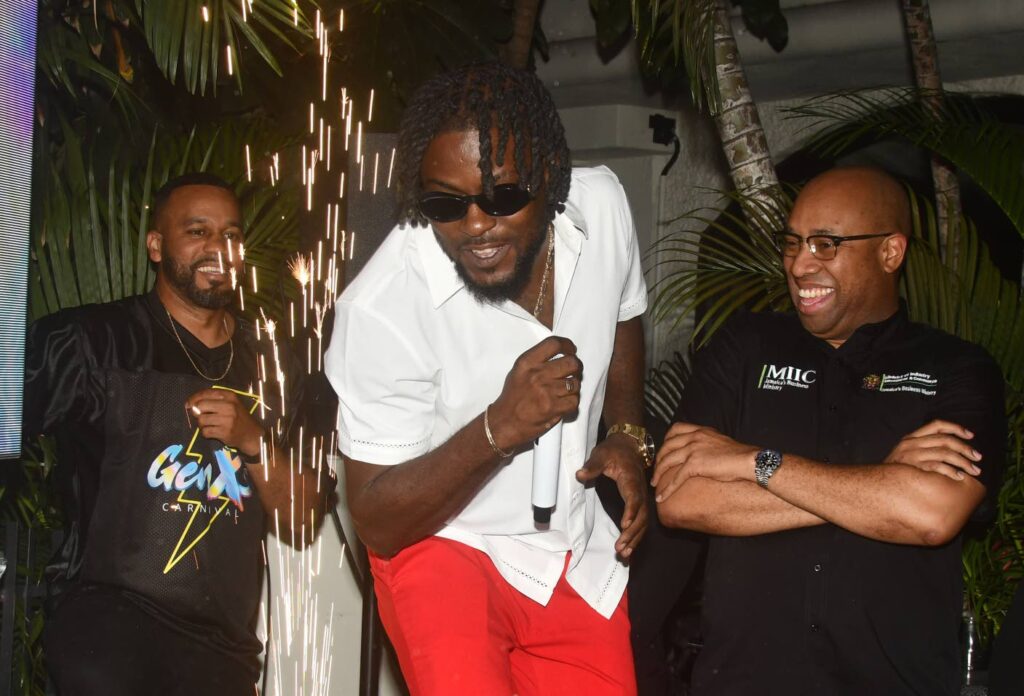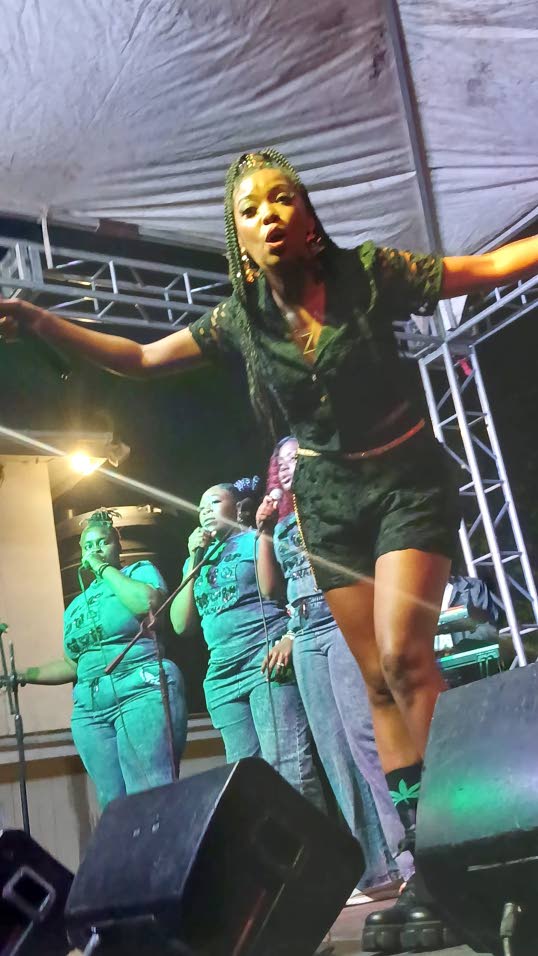
Organizers have confirmed the return of the Reggae Garden Cultural Festival as an annual event following its acclaimed inaugural showcase on February 27th in St. Andrew. The festival, hosted at the Reggae Garden Cultural Centre in Golden Spring, successfully blended emerging talents with reggae heritage, featuring performances by artistes Akupu, Zaudim, and Zale.
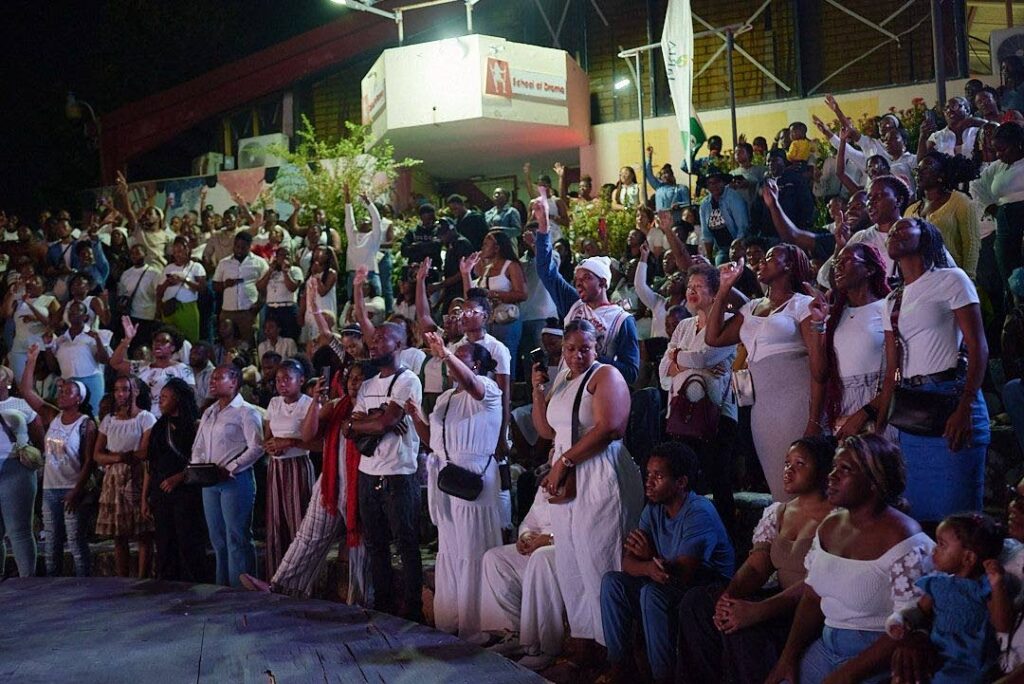
The event’s programming included a special retrospective on dub music presented by veteran audio engineer Clive ‘Dubking’ Jeffrey, offering attendees a deep dive into the genre’s historical roots. Maresha Baxter, a key organizer, reported overwhelmingly positive feedback from the audience, who praised the event’s exceptional atmosphere, musical quality, culinary offerings, and overall venue ambiance.
Despite its success, the festival encountered logistical challenges, with significant traffic congestion causing delays and resulting in a start time past the scheduled 9:00 pm commencement. The promotional efforts were spearheaded by Baxter in collaboration with Jah Over Evil, a roots collective from Vineyard Town recognized for their instrumental role in Jamaica’s roots-reggae revival movement over the past decade.
The organizing team also included international expertise with Maarten Hostyn, a respected reggae connoisseur from Belgium. Based on the strong public response and audience demand for an annual event, Baxter has committed to making the festival a permanent fixture on Jamaica’s cultural calendar, with the next iteration already scheduled for February 2027.