标签: Jamaica

牙买加

  • Guyana remains confident of victory in its border dispute with Venezuela

    Guyana remains confident of victory in its border dispute with Venezuela

    GEORGETOWN, Guyana — As the International Court of Justice (ICJ) prepares to open public oral hearings on a decades-long territorial dispute between Guyana and Venezuela, the Guyanese government has issued a clear statement of unwavering confidence in the strength of its legal case, days ahead of the proceedings scheduled to begin in The Hague on Monday.

    The long-simmering border conflict traces its origins back to the 1899 Arbitral Award, which established the formal boundary between the two neighboring South American nations. That ruling stood unchallenged for more than six decades, until Caracas formally declared the award null and void in 1962 and reactivated its territorial claim to the 159,000-square-kilometer Essequibo region, a resource-rich territory that makes up roughly two-thirds of Guyana’s total land area.

    In accordance with the terms of the 1966 Geneva Agreement, which lays out a framework for peaceful negotiation of the dispute, the two nations held years of bilateral talks aimed at reaching a mutually acceptable resolution. When those diplomatic efforts failed to produce a breakthrough, the United Nations Secretary-General referred the matter to the ICJ for binding adjudication. Guyana formally brought the case before the court in 2018, requesting a formal ruling confirming the full legal validity of the 1899 border award.

    The ICJ has already cleared two key procedural hurdles for the case, twice upholding its jurisdiction to hear the merits of the dispute in rulings issued in December 2020 and April 2023. The court also granted two provisional measures orders at Guyana’s request, requiring Venezuela to refrain from interfering in Guyana’s lawful governance and administration of the disputed territory while proceedings remain ongoing.

    Oral hearings on the core legal merits of the case are scheduled to run from May 4 to May 8, with a possible extension into the following week, according to Guyana’s Attorney General and Minister of Legal Affairs Mohabir Anil Nandlall. Both sides will present their full legal arguments before the court during these proceedings.

    In its official statement released Friday, the Guyanese government reaffirmed its optimistic stance ahead of the hearings. “Guyana approaches these hearings with full confidence in the strength of its case, which is supported by the historical record and the applicable legal principles relating to the binding nature of arbitral awards, the sanctity of treaties, the respect for the rule of law and the stability of boundaries,” the Ministry of Foreign Affairs and International Cooperation said.

    The long-running dispute has spilled into public diplomacy in recent weeks, sparked by a small but symbolic controversy surrounding a brooch worn by Venezuela’s Acting President Delcy Rodriguez during talks with the heads of government of Barbados and Grenada earlier this month. The brooch featured a map of Venezuela that explicitly included the Essequibo region as part of Venezuelan territory.

    Guyanese President Dr. Irfaan Ali publicly expressed “grave concern” over the display, and the 15-member Caribbean Community (Caricom), a regional bloc that has repeatedly backed Guyana’s position, also noted its objection to the public presentation of material asserting Venezuela’s territorial claim during an official regional engagement.

    Rodriguez dismissed the concerns during an anti-sanctions rally held at the Municipal Theatre of Valencia in Venezuela’s Carabobo state, insisting that Caracas would not back down from its long-held claim. She framed the criticism as an overreaction, saying, “You know that the president of Guyana is now causing a scandal because I always wear the pin with the map of Venezuela. The only map I have ever known. Now they are even bothered by how I dress.”

    Moving forward, Rodriguez said Venezuela would use its time before the ICJ to reaffirm its longstanding position, which she framed as aligned with international law and the terms of the 1966 Geneva Agreement. “We will soon be at the International Court of Justice (ICJ) in the coming days to reaffirm our historic position, which is international law and respect for the Geneva Agreement. It is outrageous when Venezuela is attacked, and that is why we are undertaking this entire process of spiritual revitalisation for the good of our nation,” she added.

  • Morgan: SPARK 2 will keep the fire burning

    Morgan: SPARK 2 will keep the fire burning

    Jamaica’s Minister of Works Robert Morgan has reaffirmed the Andrew Holness-led administration’s commitment to delivering on a key electoral promise: the rehabilitation of 10 roads in every parliamentary constituency across the country, through a second phase of the flagship Shared Prosperity through Accelerated Improvement to our Road Network (SPARK) infrastructure initiative.

    In an interview with the Jamaica Observer this Thursday, Morgan clarified that the first phase of the programme, SPARK 1, is scheduled to wrap up during the first quarter of the next fiscal year, making way for the launch of SPARK 2 to fulfill the original 10-roads-per-constituency commitment. “This was a core pledge in our election manifesto, and the prime minister has been unwavering in seeing this promise through. SPARK 2 was always planned to address gaps left by the first phase of works,” Morgan added.

    The minister’s comments came in response to reports emerging from Wednesday’s sitting of Parliament’s Public Administration and Appropriations Committee (PAAC), where National Works Agency (NWA) CEO EG Hunter revealed that initial budget allocations for SPARK 1 would not be sufficient to complete all 10 identified roads per constituency. Hunter explained that when communities first participated in consultations to select priority road projects, no accurate cost estimates had been prepared. The number of roads that can be completed under the current budget, he noted, depends entirely on the actual cost of each selected project: if the first one or two roads in a constituency consume a large share of the allocation, fewer remaining roads can be addressed. As it stands, more than 250 of the 630 initially identified roads will not see any work under SPARK 1.

    Morgan pushed back on suggestions the government was backing away from its promise, explaining that the $45-billion SPARK programme – the most ambitious infrastructure initiative Jamaica has ever undertaken – has required budget adjustments that were always anticipated. He noted that the government never claimed one single phase of works could repair every deficient road across the island in one go.

    “Unforeseen circumstances have pushed up the required investment far beyond our initial estimates,” Morgan explained. “We have found far more roads that need accompanying water pipe replacement than we originally projected, and many existing road designs required far more extensive upgrades than initial costings accounted for.” He pointed to the programme’s launch site, Everest Drive in Eastern Kingston, as a case in point: the project was originally budgeted at $70 million, but ended up costing $100 million after engineers determined additional retaining walls and expanded drainage infrastructure were required to deliver a durable, long-lasting road.

    Morgan emphasized that the government has made a deliberate policy choice to prioritize quality of construction over speed and volume, a shift designed to end Jamaica’s long history of short-lived road repairs. “We are not cutting corners. Our goal is to build roads that last 10 to 15 years. If we cut corners, they won’t even last five years. The old routine – just lay asphalt, and two years later you have potholes, swollen road surfaces, burst water pipes, and the National Water Commission (NWC) has to dig up the whole road again – that is going to end,” he said.

    The minister added that the Holness administration has already learned critical lessons from early challenges in the SPARK programme. For example, at both Richings Avenue and Liguanea Avenue, repaired sections of road were dug up by the NWC for pipe work just four months after construction was completed – a miscoordination that has led to better inter-agency planning moving forward. “This is an unprecedented project: Jamaica has never delivered 400 road upgrades under a single programme before. This is new territory for the NWA, for lead contractor China Harbour Engineering Company, for all our subcontractors, and for the NWC. We have adjusted our processes as we go to fix these early issues,” Morgan said.

    While Morgan confirmed that SPARK 2 was a core manifesto commitment and planning is already underway – with instructions issued to the NWA to begin preparation work – he noted that the programme will not necessarily launch immediately after SPARK 1 concludes in the first quarter of next year. For the current SPARK 1 phase, most constituencies will see between five and eight roads completed. Morgan used his own constituency, Clarendon North Central, as an example: only five roads will be finished in the first phase. By contrast, St James North Western, a smaller constituency represented by MP Dr Horace Chang, will see all 10 promised roads completed under SPARK 1, and most constituencies in Portmore will also see the majority of their identified roads finished in the first phase.

  • Man Utd boss Carrick relishes ‘special’ Liverpool rivalry

    Man Utd boss Carrick relishes ‘special’ Liverpool rivalry

    MANCHESTER, England – Ahead of Sunday’s highly anticipated Premier League showdown at Old Trafford, Manchester United interim manager Michael Carrick has framed the rivalry clash with Liverpool as one of the most special fixtures in global club football, even as neither side enters the match in the 2024-25 title race.

  • TAJ says intermittent issues affecting eMVRC transactions

    TAJ says intermittent issues affecting eMVRC transactions

    KINGSTON, Jamaica — Tax Administration Jamaica (TAJ) has announced that its dedicated platform for electronic motor vehicle registration certificate (eMVRC) transactions is currently facing an unexpected partial service disruption. In an official press statement issued this Friday, the agency confirmed that some motorists and vehicle owners attempting to access or finalize eMVRC-related services are running into technical difficulties. The tax authority clarified that the outage is not widespread across the entire system, meaning only a limited group of users are currently encountering access interruptions. According to the release, the organization’s technical service partners have already been alerted to the glitch, and engineering teams are working around the clock to fully restore normal system operations as quickly as possible. For users who cannot load the payment portal or get stuck during the payment step of the application process, TAJ is advising them to visit their closest local tax office to get in-person support to complete their transactions. For another group of users who have already successfully submitted their applications and completed online payment but still cannot generate their digital eMVRC, TAJ has noted that agency staff will manually complete the certificate generation process on behalf of applicants, eliminating the need for any extra steps from the user. Once the certificate is ready to access through the Certificate Generation Distribution System (CGDS) online portal, applicants will receive an automatic email notification alerting them to the completed process.

  • Jamaica ranks 68 of 180 countries on Environmental Performance Index

    Jamaica ranks 68 of 180 countries on Environmental Performance Index

    When the 2024 Environmental Performance Index (EPI) released by Yale University placed Jamaica 68th out of 180 nations with an overall score of 48.5, the country’s top environmental official did not downplay the gaps holding the island back from better global standing. While acknowledging solid progress in high-priority environmental sectors, Water, Environment and Climate Change Minister Matthew Samuda emphasized that transformative, systemic change is needed to lift Jamaica’s ranking, during his address to the House of Representatives’ 2026/27 Sectoral Debate on Tuesday.

    The EPI, a leading global benchmark for national environmental performance, scores countries on a 0 to 100 scale, where higher marks reflect stronger environmental governance, policy effectiveness, and natural resource protection. Scores between 80 and 100 signal long-standing, robust policies that deliver strong outcomes for environmental health, ecosystem resilience, and climate action. Scores from 60 to 79 mark moderate performance—meaning basic environmental management systems are in place, but clear opportunities for improvement remain. Scores below 30 indicate critical, unaddressed environmental challenges that demand urgent policy intervention. Jamaica’s 48.5 score falls in the moderate-to-low range, leaving significant room for advancement.

    To the government’s credit, Jamaica ranks among the top global performers in several key environmental metrics measured by the 2024 EPI. The country secured 30th place for climate change action, 27th for protection of marine key biodiversity areas, 28th for forestry conservation, and 30th for sustainable fisheries management. These strong results reflect targeted investments and policy commitments that have delivered tangible progress for the island’s natural ecosystems.

    Despite these wins, Samuda openly acknowledged persistent performance gaps across multiple critical domains. Jamaica ranks far lower in a series of high-priority areas: 126th for biodiversity and habitat protection, 106th for overall environmental health, 127th for species conservation, 147th for protected terrestrial lands, 69th for air pollution control, and 133rd for solid and hazardous waste management. These underperforming areas, Samuda noted, are dragging down the country’s overall EPI ranking and require urgent attention.

    Samuda stressed that incremental, small-scale policy changes will not be enough to address these gaps. Meaningful improvement, he argued, requires systemic overhauls, stricter regulatory enforcement, expanded and improved environmental data collection systems, and targeted capital investment to upgrade infrastructure and capacity. Citing that policy crafted without reliable data is little more than guesswork, and enforcement without data remains inconsistent and ineffective, Samuda announced that his ministry had tabled two landmark policy documents in parliament: the Overarching Protected Areas Policy (White Paper) and the draft Cays Management Policy (Green Paper).

    The new Overarching Protected Areas Policy will replace Jamaica’s outdated 1997 framework, providing clear, updated policy direction for the sustainable management of the country’s entire Protected Areas System. Currently, Jamaica manages more than 350 protected areas spanning national parks, marine reserves, fish sanctuaries, forest reserves, and managed forest areas, all designated under overlapping pieces of legislation including the Forest Act and the Natural Resources Conservation Authority Act. The updated policy will unify governance and streamline management for these critical conservation lands.

    In addition to updating protected area policy, Samuda confirmed that the ministry is working alongside the Forestry Department to repeal and replace the decades-old Forest Act, strengthening the country’s environmental legislative framework. The new bill will include key new provisions outlining processes for land transfer, comprehensive forest and forest land inventory and classification, and the formal establishment of a statutory no-burn season to reduce wildfire risk and air pollution. The draft Forest Bill has already been completed and submitted to the Cabinet’s Legislative Committee for review, and is on track to be tabled in parliament before the end of May.

    The policy package represents a major step forward for Jamaica’s environmental governance, as the country works to turn the EPI’s benchmarking into actionable improvement that lifts both its global ranking and on-the-ground environmental outcomes.

  • Don G brings weekend vibes with ‘Raise All Glasses’ on WYFL riddim

    Don G brings weekend vibes with ‘Raise All Glasses’ on WYFL riddim

    Months ago, a wave of excitement began building across the global dancehall community: rumors spread that a highly anticipated new collaborative riddim project, dubbed WYFL, would drop in early 2025, boasting the official endorsement of reggae-dancehall icon Shaggy. For one Jamaica-born artist based in Europe, that buzz turned into a career milestone.

    Don G, who has made the landlocked European nation of Luxembourg his home since 2017, caught wind of the project early on and knew he wanted a spot on the release. Co-created by veteran producers DJ Mac and Crashdummy, the WYFL riddim quickly became one of the most talked-about projects in the dancehall space, so Don G wasted no time making his case. After weeks of persistent outreach to the production team, he secured the opportunity to lay down his own original track for the compilation.

    The result is *Raise All Glasses*, an upbeat party anthem tailored for weekend club nights that sticks to Don G’s longstanding commitment to family-friendly, clean lyrics. “I headed into the studio, cut my vocals over the beat, and built the track from there,” Don G explained in an interview. “After I finished the initial recording, I sent it off to my go-to mixing engineer DJ Cash Flow Neil based in Jamaica, then passed it along to DJ Mac for final tweaks. He ended up loving how it turned out.” To build hype ahead of the full March release, Don G shared a 60-second behind-the-scenes snippet of the recording process across all his social media channels, and the clip quickly went viral, drawing thousands of views and engagement from dancehall fans around the world.

    What makes the WYFL project such a standout opportunity for Don G is the caliber of talent joining him on the compilation. The lineup includes some of the biggest names in modern dancehall: Vybz Kartel, Mavado, and Spice, all of whom contributed original tracks to the project. So far, the project has more than lived up to the months of pre-release hype, cementing its status as one of 2025’s most anticipated dancehall drops.

    For Don G, featuring on WYFL marks a notable creative shift: most of his past work leans into traditional, roots-driven reggae, and even though he has dabbled in dancehall in the past, this project gives him a chance to show fans a new side of his artistry. “This means a lot to me because it lets me prove my versatility as an artist,” he said.

    Hailing from St. Catherine, Jamaica, Don G has built a steady following across Europe since relocating nine years ago, performing at venues across the continent and honing his craft on multiple well-received roots reggae tracks including *Free*, *Real Warrior*, and *Internal Fire*. With the release of *Raise All Glasses* on WYFL, he’s poised to expand his audience and break into the mainstream of the global dancehall scene.

  • Jamaica welcomes Porter Airlines new direct service to MoBay

    Jamaica welcomes Porter Airlines new direct service to MoBay

    KINGSTON, Jamaica — Jamaica’s tourism sector has secured a major boost with Canadian low-cost carrier Porter Airlines announcing three new non-stop routes linking major Canadian population centers to Montego Bay, set to launch ahead of the 2026–27 winter travel season. The new service will connect Montego Bay’s Sangster International Airport directly to Toronto Pearson International Airport, Ottawa International Airport, and John C. Munro Hamilton International Airport, marking the first time any airline has offered non-stop service between Hamilton and the popular Jamaican resort destination.

    Edmund Bartlett, Jamaica’s Minister of Tourism, has praised the expansion as a landmark win for the country’s tourism industry, highlighting the years of targeted work to grow airlift connectivity with Canada, one of Jamaica’s largest and most consistent source markets for winter travel. “This new airlift from Porter Airlines is a powerful affirmation of Jamaica’s standing as Canada’s premier winter sun destination,” Bartlett said in an official statement following the announcement at JAPEX 2025, Jamaica’s major annual tourism trade exhibition. “Connecting Montego Bay directly to Toronto, Ottawa and — for the first time for Porter— Hamilton opens our island to an even wider circle of Canadian visitors. Jamaica is open, vibrant and ready to welcome every traveller who steps off these new flights.”

    Porter, one of Canada’s fastest-expanding commercial airlines, has laid out a clear operating schedule for the new routes, pending final regulatory approval. Starting November 23, 2026, the carrier will run up to five weekly flights from Toronto Pearson. The Ottawa route will launch two days later on November 25, with two weekly flights, while the pioneering Hamilton service will commence on December 20, 2026, also with two weekly flights.

    The addition of these Jamaican routes forms a core part of Porter’s broader strategic expansion into warm-weather winter getaways, which will grow the airline’s sun destination network by more than 150% year-over-year, adding four new countries and over 15 new routes across its Canadian domestic network. This aggressive growth reflects the unmet demand for non-stop access to Caribbean destinations from mid-sized Canadian markets that have previously relied on connecting flights through major hubs like Toronto.

    For Jamaica, the Hamilton route is particularly transformative: the airport serves the Greater Golden Horseshoe, a densely populated region of southern Ontario that has never before had direct access to the island. Donavan White, Director of Tourism at the Jamaica Tourist Board, noted that the new routes will open Jamaica’s world-famous beaches, vibrant culture, and signature hospitality to a far broader base of Canadian travelers. “Canada consistently ranks among Jamaica’s most important source markets, and this announcement from Porter Airlines reinforces why,” White said during a media breakfast at JAPEX 2025 held in Montego Bay. “Three new non-stop gateways to Montego Bay give Canadian travellers unprecedented ease of access to our island.”

    Angella Bennett, Regional Director for Canada at the Jamaica Tourist Board, echoed that sentiment, noting that sustained strong demand from Canadian travelers for Jamaican vacations has driven this industry growth. “Canadian travellers have a deep and enduring love for Jamaica, and demand from markets like Toronto, Ottawa and southern Ontario has never been stronger,” Bennett said. “Porter’s decision to add Montego Bay to its winter network — including that pioneering Hamilton route — reflects the confidence the airline community has in Jamaica as a destination that delivers. We will be working with Porter and our trade partners across Canada to ensure these seats fill quickly and that every passenger arrives in Jamaica ready to experience everything the island has to offer.”

    Industry analysts note the expansion is a win-win for both sides: it meets growing Canadian demand for accessible winter sun travel while providing Jamaica with a steady stream of new visitors that will support the island’s $6 billion tourism industry, which accounts for roughly a third of the country’s total GDP.

  • Education ministry touts success of PEP 2026 Grade six exam administered after strategic adjustments in response to Hurricane Melissa

    Education ministry touts success of PEP 2026 Grade six exam administered after strategic adjustments in response to Hurricane Melissa

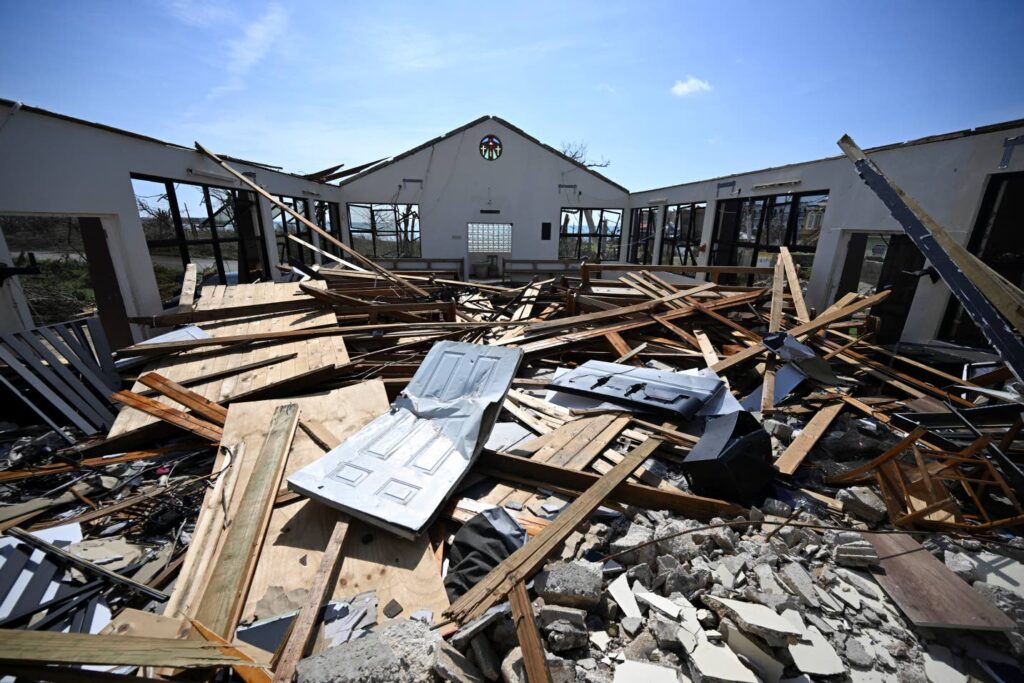
    Six months after Category 5 Hurricane Melissa swept across Jamaica, leaving widespread destruction and disruption to education systems especially in western parishes, the island’s Ministry of Education has announced the successful completion of the 2026 Grade 6 Primary Exit Profile (PEP) examinations. The two-day assessment, held between April 29 and 30, wrapped up without major incident, marking a major milestone for education recovery after the storm.

    In an official media statement released Thursday, Education Minister Senator Dr Dana Morris Dixon emphasized that the smooth delivery of this year’s exams demonstrates the ministry’s unwavering commitment to upholding resilience, educational equity, and positive outcomes for every student, even in the wake of national crisis. “We are extremely pleased that the 2026 PEP examinations were conducted successfully across the entire island,” Dixon noted. “This achievement does not happen in isolation — it reflects the extraordinary dedication and seamless coordination of our ministry staff, school leaders, teachers, parents, and students, all of whom stayed focused on this goal despite the ongoing challenges left by Hurricane Melissa last October.”

    Dixon added that the core priority for the 2026 exam cycle was to guarantee every eligible learner a fair, supportive space to perform to the best of their ability, and the successful execution of the exams stands as proof of what collective effort can deliver. Now entering its eighth year of operation, the PEP assessment was open to Grade 6 students born between 2013 and 2015, with a total of 31,806 registered candidates for this year’s sitting. Of that total, 15,964 are male and 15,842 are female; 27,375 attend public schools across the country, while 4,431 are enrolled in private educational institutions.

    To address the widespread curriculum disruption caused by Hurricane Melissa, the ministry implemented targeted adjustments to this year’s exam structure and curriculum coverage after carrying out extensive consultations with teachers, principals, and parent representatives from both public and private schools. The most significant change was the full cancellation of the 2026 Performance Task assessment component, a decision designed to balance fairness for affected students with preservation of the overall integrity of the PEP secondary school placement model.

    For 2026, sitting students completed four core components: curriculum-based tests in mathematics and language arts, an ability test, and assessments for verbal and quantitative reasoning. Both mathematics and language arts feature 60 multiple-choice items, with a 110-minute time limit for each subject. This year also introduced a key update to the assessment framework: for the first time, PEP includes formal, embedded dedicated components to assess Grade 6 students’ literacy and numeracy proficiency.

    Ministry officials explain that this strengthened focus on foundational skills will generate critical data on students’ current literacy levels and readiness for the transition to secondary education. It will also allow education stakeholders to track student learning progress from Grade 4 onward, and measure how effective school-level intervention strategies are at closing learning gaps.

    To support vulnerable candidates this year, 615 registered students received approval for special accommodations, ranging from extra testing time, on-site readers and writers, and preferential seating to accessible testing formats including Braille and large-print test booklets. An additional 17 candidates were approved for linguistic aides supporting French, Spanish, and Mandarin speakers.

    Beyond structural exam changes, the ministry rolled out a comprehensive set of emergency measures to address the ongoing impact of Hurricane Melissa, ensuring all students could access the exam in safe, supportive testing environments. These interventions included relocating damaged examination centres to alternate accessible sites, erecting temporary weather-resistant testing structures at locations where full relocation was not possible, arranging dedicated transportation for students in affected areas to access testing sites, and deploying on-site rapid response teams to resolve any unexpected emergencies that arose during the two-day exam period.

  • One dead, another injured in Mandela Highway shooting

    One dead, another injured in Mandela Highway shooting

    On a Friday morning on Jamaica’s busy Mandela Highway, a brazen shooting has upended routine travel and left one person dead and another hospitalized, triggering a full-scale police investigation that has closed a major westbound lane for hours. The violent incident unfolded just after 7:15 a.m. local time, near the Caymanas intersection, as a Ford Transit commercial truck moved west toward the popular population centers of Spanish Town and Portmore.

    According to initial law enforcement accounts, the truck’s driver had pulled to a stop shortly after reaching the intersection when two unidentified assailants on a motorcycle pulled alongside the vehicle’s right side. The attackers immediately opened fire, shooting through the truck’s right front window and front windshield before fleeing the scene.

    Two people inside the truck were hit by gunfire. First responders rushed both casualties to local medical facilities, where one victim was pronounced dead shortly after arrival. The second wounded person remains in hospital receiving care for their injuries as of Friday’s initial reports.

    In the wake of the attack, Jamaican police have fully cordoned off the westbound stretch of the highway affected by the incident to process evidence and conduct their investigation. With the lane blocked, local traffic authorities have diverted all westbound vehicles away from the area, and official advisories have been issued urging motorists heading toward Spanish Town and Portmore to use the toll road or other alternate routes to avoid major delays.

    Citing sources familiar with the early investigation, Jamaica’s Observer Online has confirmed that law enforcement suspects the attack was targeted. Investigators believe the intended target was the truck’s driver, a well-known prominent businessman based in Spanish Town. As of the latest update, the identity of the deceased victim has not been released to the public, pending next-of-kin notification. Police have not yet announced any arrests in connection with the shooting, and additional details are expected to be released as the investigation progresses.

  • Lebanon says 13 killed in Israeli strikes in south

    Lebanon says 13 killed in Israeli strikes in south

    BEIRUT, LEBANON – Fresh Israeli airstrikes across southern Lebanon have killed 13 civilians and wounded dozens more on Friday, in attacks carried out even after a regional ceasefire was meant to de-escalate months of cross-border violence between Israeli forces and the Iran-backed militant group Hezbollah. Lebanon’s Ministry of Public Health updated casualty figures, confirming that eight people – including one child and two women – died in strikes on the town of Habboush, where the Israeli military had issued an urgent evacuation order to residents just hours before the bombing. The updated death toll marked an increase from initial lower estimates, with 21 additional people left injured in the Habboush attacks. Separate strikes in the southern Lebanese town of Zrariyeh killed four more people, two of whom were women, and left four others wounded, according to the health ministry. A third strike in Ain Baal, a town located near the coastal Lebanese city of Tyre, killed one person and wounded seven others. An Agence France-Presse photographer on the ground in Habboush observed thick plumes of smoke billowing into the sky shortly after the raids concluded. Lebanon’s state-run National News Agency (NNA) confirmed that Israeli warplanes launched a sustained wave of heavy strikes on the town less than 60 minutes after the evacuation order was issued. The Israeli military had announced prior to the attacks that it would respond with force to what it described as repeated ceasefire violations by Hezbollah, ordering all Habboush residents to evacuate to areas at least one kilometer away from the town’s built-up zones. NNA also reported additional Israeli airstrikes and artillery shelling across other locations in southern Lebanon, including the outskirts of Tyre. Even after the April 17 ceasefire deal that was negotiated to end more than six weeks of open conflict between Israel and Hezbollah, Israeli forces have continued to carry out lethal strikes across southern Lebanon. The text of the ceasefire agreement explicitly allows Israel to take military action in response to planned, imminent, or ongoing attacks against its territory. Currently, Israeli military personnel are operating inside the so-called “Yellow Line,” a buffer zone extending roughly 10 kilometers into Lebanese territory along the shared border, where they have carried out large-scale controlled detonations and demolition of residential and public structures. NNA reported that Israeli troops carried out controlled blasts in the southern town of Shamaa, and demolished a monastery and a school operated by a local religious order in the town of Yaroun, after earlier detonating residential homes, commercial shops, and public roads in the same area. In a response to Friday’s strikes, Hezbollah announced it had carried out a series of coordinated attacks on Israeli military positions and troops across southern Lebanon, framing the operations as retaliation for Israeli violations of the ceasefire. The militant group first pulled Lebanon into the broader ongoing Middle East conflict in March, when it launched rocket attacks against Israeli territory to avenge the US-Israeli killing of a top Iranian official aligned with Supreme Leader Ali Khamenei. As of Friday, Lebanon’s health ministry has raised the total death toll from Israeli strikes across the country since March 2 to more than 2,600 people. That toll includes 103 emergency responders and paramedics who have been killed while carrying out rescue operations. Xavier Castellanos, under-secretary general for national society development and coordination at the International Federation of Red Cross and Red Crescent Societies (IFRC), spoke to reporters near Beirut this week, noting that Lebanese Red Cross volunteers face constant mortal danger every time they deploy on a rescue mission. Two Lebanese Red Cross paramedics are among the more than 2,600 people killed in Israeli strikes to date. “That a person that is trying to save lives, is trying to alleviate human suffering, might be targeted, might be killed… this is something that I found absolutely unacceptable,” Castellanos told reporters. The ongoing violence has deepened humanitarian crisis across southern Lebanon, with tens of thousands of residents displaced from their homes and medical services stretched beyond capacity.