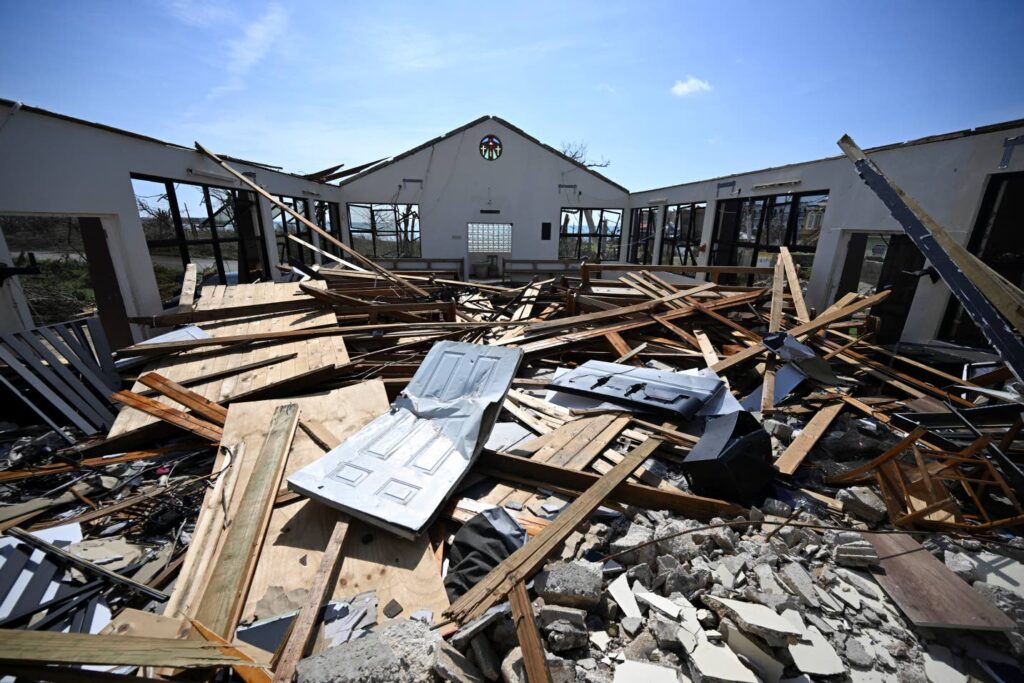
In southwestern Jamaica, local authorities in the parish of St Elizabeth have launched an urgent push to map out alternative emergency shelters and a new disaster response hub ahead of the 2026 Atlantic Hurricane Season, which officially opens on June 1. The urgent review comes after widespread damage from Hurricane Melissa left most of the parish’s traditional safe haven facilities unusable, leaving officials racing to fill critical gaps in disaster preparedness.
During the monthly general meeting of the St Elizabeth Municipal Corporation held this Thursday, Richard Solomon, the body’s chairman and mayor of Black River, St Elizabeth’s capital, outlined the new direction for preparedness efforts. A high-level gathering convened last week in the national capital Kingston with Desmond McKenzie, Jamaica’s Minister of Local Government and Community Development, pushed local leaders to expand their search beyond the facilities that have historically served as emergency shelters to protect the parish’s residents.
To date, Solomon reported, municipal teams have completed more than 80 percent of assessments for existing potential shelter sites. The results paint a stark picture of the challenges ahead: more than half of all school buildings—long the backbone of the parish’s hurricane shelter network—are no longer structurally sound enough to accommodate displaced residents, after sustaining severe damage from Hurricane Melissa. The situation is even grimmer for community centres, with more than 60 percent of assessed facilities failing to meet basic safety standards for hosting people fleeing storms.
Facing this critical shortfall, the St Elizabeth Municipal Corporation has turned to cross-sector partnerships to address the gap, Solomon explained. The central Jamaican government recently allocated targeted funding to churches across St Elizabeth to support cleanup and structural restoration work on their properties. Officials now plan to leverage these renovated church spaces as alternative emergency shelters for the coming storm season.
“The Ministry of Local Government is fully aware of our critical shelter shortage, which is why we have maintained ongoing dialogue to align on next steps,” Solomon noted. “The Social Development Commission (SDC) has also been fully engaged from the start, as they have supported our assessment work across the parish. We are grateful for the partnership with local churches, the SDC, and community leaders, because transparency around the challenges we face right now is key to building an effective response.”
Beyond securing new shelters, the parish is also actively searching for a new location for its emergency response command centre. The existing Emergency Operation Centre is based in Black River, but widespread damage to the town from Hurricane Melissa has left it unable to function as a coordinated disaster hub, and the town has not yet fully recovered from the 2022 storm.
“I encourage all stakeholders to collaborate with us as we vet potential locations for this critical hub,” Solomon emphasized. “The last scenario we want to face this season is being unable to mount a coordinated response because our command centre is compromised. We need a central base from which we can issue clear directives, coordinate rescue and relief efforts, and respond rapidly if a storm impacts the parish.”