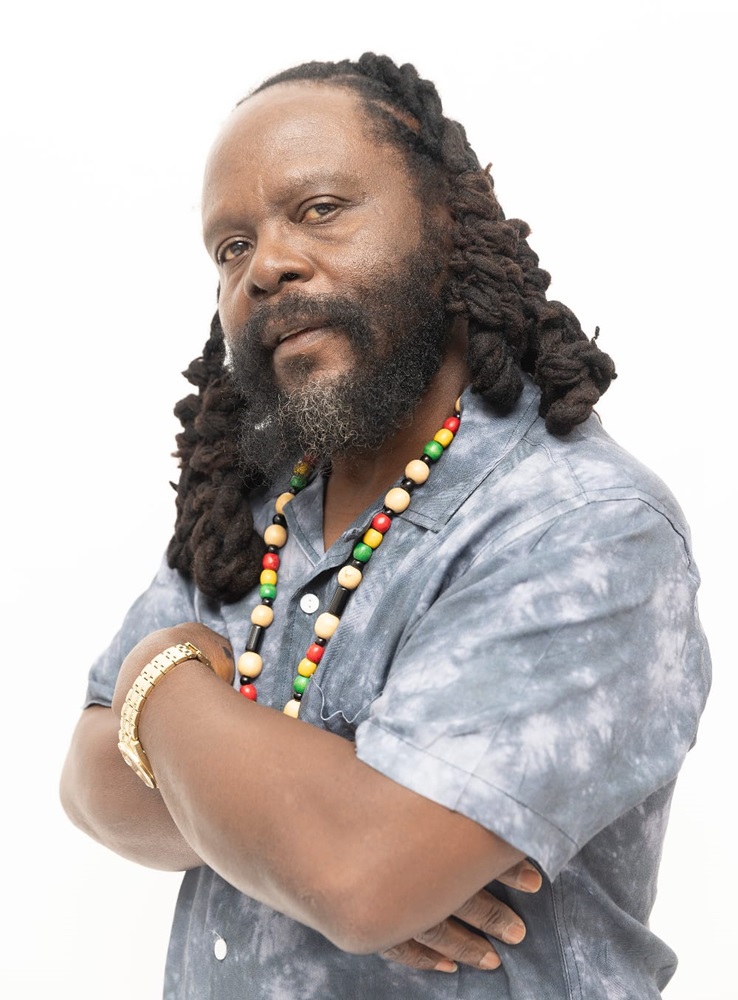
The Canadian music community gathered this week to honor the life and legacy of reggae artist Hal ‘Lazah Current’ Duggan, former keyboardist of the JUNO Award-winning band Messenjah, who passed away unexpectedly several weeks ago. A private funeral service was conducted Monday at the Ethiopian Orthodox Church in Ajax, Ontario, marking the final farewell to the influential musician.
Duggan, who migrated from Manchester, Jamaica to Canada during the 1970s, became a foundational figure in shaping the Canadian reggae landscape while maintaining deep artistic connections to his Jamaican roots. As Lazah Current, he developed a reputation for delivering socially conscious lyrics and uplifting messages through his musical compositions.
His artistic journey reached significant heights during his tenure with Messenjah, the pioneering reggae collective that achieved critical acclaim throughout the 1980s and 1990s. The band’s 1998 JUNO Award victory for ‘Catch De Vibe’ in the Reggae Recording category represented a landmark achievement for Canadian reggae music. Their commercial success extended to major motion picture soundtracks, including ‘Cocktail’ and ‘Milk and Honey,’ while their groundbreaking contract with Warner Music Canada established them as industry trailblazers.
Personal reflections from those closest to Duggan reveal the profound impact he made beyond the stage. His sister described him as ‘a good person and artiste’ whose music maintained positive messaging, while also emphasizing his dedication as a family man and father.
Rupert ‘Ojiji’ Harvey, Messenjah’s founding member, recalled recruiting the talented teenager from Humber College: ‘He joined us at about 19 years old. He was a ball of pure energy and pure fyah. A fantastic entertainer who connected with audiences.’
Following his departure from Messenjah, Lazah Current developed an impressive solo discography that included collaborations with reggae luminaries such as Luciano on the track ‘Power To The People.’ His album ‘Betta Tomorrow,’ produced through Jamaican production house Gorilla Production with executive production by Vassell Ogilvie, demonstrated his ongoing commitment to musical innovation.
The cultural significance of his work has been highlighted by contemporaries including Canadian reggae performer Tony Anthony, who noted: ‘He was a bridge between worlds… carrying the soul of Jamaica into Canada. His spirit will continue to resonate.’
Fellow artist Tasha T, who maintained a decades-long friendship with Duggan, memorialized him as ‘a warrior for music and a friend to all… his musical energy is eternal.’
Lazah Current is survived by his children and an extensive network of collaborators, friends, and admirers across the international reggae community.