标签: Jamaica

牙买加

  • ‘Stronger’ carries Sone G’s message of faith and hope

    ‘Stronger’ carries Sone G’s message of faith and hope

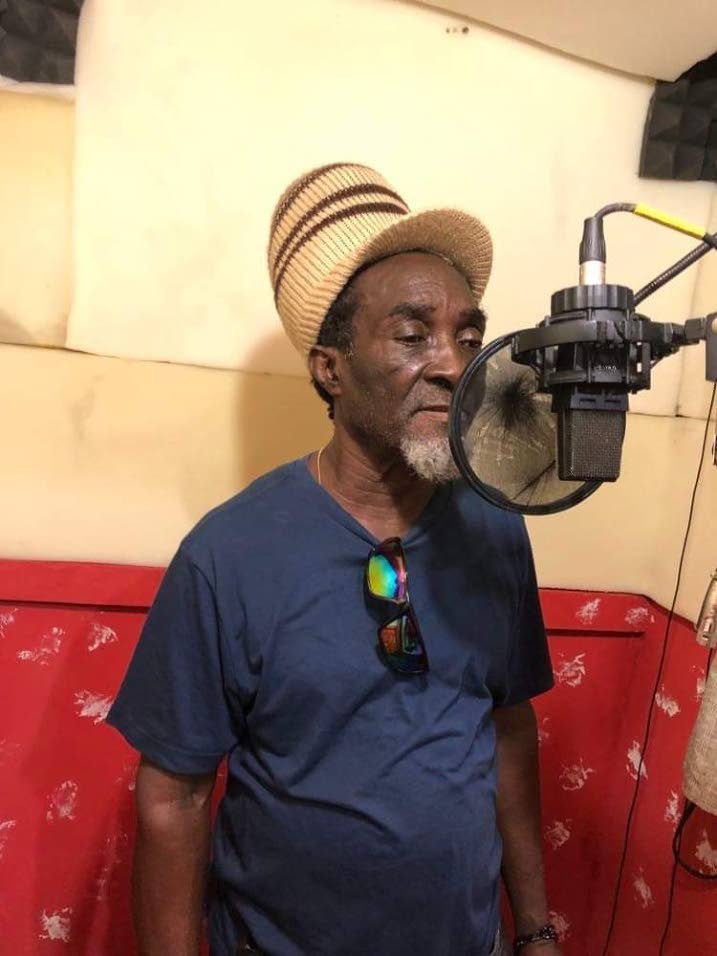
    For more than two decades, Sone G has built his life around Christian faith, and he has refused to be boxed in by conventional boundaries when sharing his beliefs with the world. Rather than sticking to traditional gospel arrangements, the Jamaican artist has reimagined spiritual messaging by pairing his lyrics with high-energy dancehall rhythms, bass-heavy trap beats, and soulful reggae instrumentations, creating a unique sound that bridges secular music culture and devotional art.

    His latest offering, titled *Stronger*, leans into the warm, organic textures of classic roots-reggae. Released under the label Vi Records in early May, the track centers on a quiet, universal truth that resonates far beyond religious circles. In discussing the inspiration behind the single, Sone G explained that the song arrives at a moment when many people around the world grapple with exhaustion, uncertainty, and the feeling that they have no more resilience left to give. Its core message is simple but profound: true strength does not come from one’s own power alone.

    Across every track he releases, regardless of the genre it inhabits, one foundational element remains unchanged. For Sone G, faith is always the central anchor of his work. “Without faith, we are simply lost. Faith is that rudder that helps to keep us on track,” he shared in explaining his artistic mission.

    *Stronger* marks the latest entry in a string of successful releases for the artist. It follows his 2021 hit *Rescue Me*, which claimed the top spot on music charts across Canada. Before that, his track *Find A Way* earned a nomination for Top Trap/Fusion Dancehall Song at the 2023 Reggae North Music Awards, held in Brampton, Ontario.

    Like a growing number of contemporary neo-gospel musicians, Sone G cut his teeth in the secular music industry before pivoting to faith-centered work. He was born and raised in Rocky Point, a small fishing village on Jamaica’s coast that has already produced one of dancehall’s most legendary figures: iconic star Cocoa Tea. Growing up, Sone G was surrounded by Rocky Point’s storied sound system culture, a cornerstone of Jamaican popular music, and he witnessed first-hand how the community’s vibrant musical heritage shaped local artistic identity.

    With his new single and future projects, Sone G has made it clear he has no intention of limiting his audience to fellow believers. He sees reaching a broad cross-section of listeners as a core part of his identity as a Christian artist, saying he welcomes all people to engage with his music — even those who do not share his religious beliefs. For Sone G, the goal is not to preach exclusively to the choir, but to share his message of hope and anchored faith with anyone who might need it, regardless of their background or worldview.

  • Neymar back in Brazil squad for fourth World Cup

    Neymar back in Brazil squad for fourth World Cup

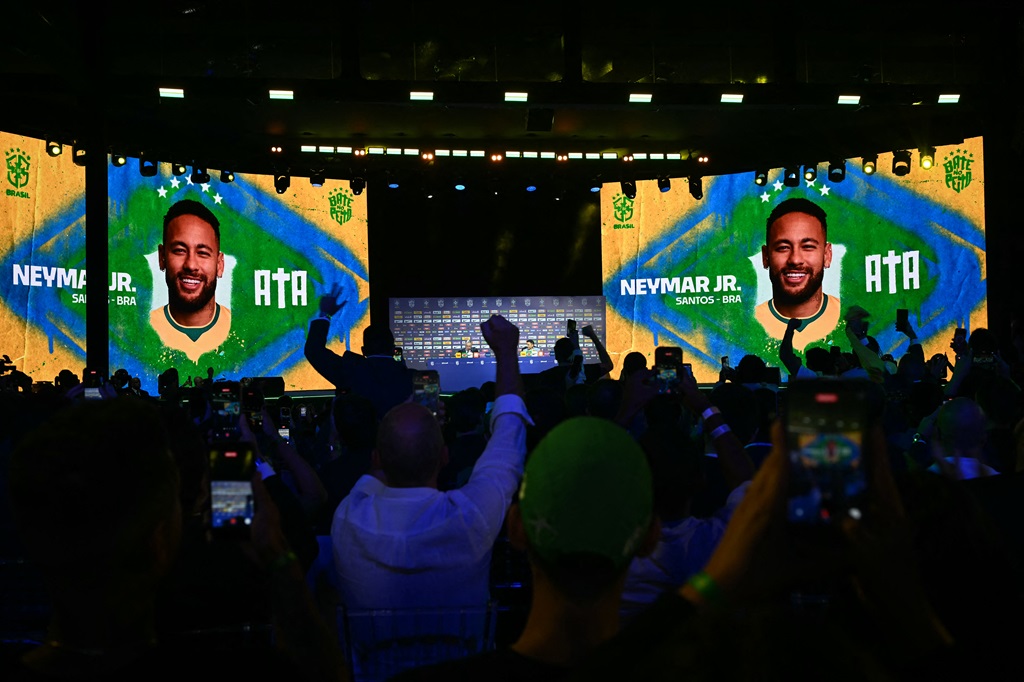
    RIO DE JANEIRO, Brazil — In a stunning announcement that drew roars of approval from a gathered crowd in Rio de Janeiro, Brazil head coach Carlo Ancelotti has recalled national team legend Neymar to the country’s 26-man roster for the upcoming 2026 FIFA World Cup, ending a nearly three-year spell away from the senior side.

    As Brazil’s all-time leading goalscorer, with 79 strikes across 128 international appearances, Neymar’s inclusion stands as the most high-profile and surprising selection in the squad unveiled at a public gala ceremony on Monday. The 34-year-old attacker, who has featured at every World Cup since 2014, has not represented the Seleção since he suffered a devastating knee injury during a 2023 World Cup qualifier against Uruguay.

    For months, widespread speculation has swirled around Neymar’s potential return to international football. A string of recurring injury problems and inconsistent on-pitch form had kept him on the outside of the national team setup, and Ancelotti previously left him out of Brazil’s March friendly roster against France and Croatia, citing ongoing questions about his match fitness. After a injury-plagued spell playing in Saudi Arabia’s top flight, Neymar secured a move back to his boyhood club Santos in January 2026, a homecoming that many analysts predicted would revitalize his career ahead of a potential World Cup push.

    Despite being limited to just 15 appearances across Santos’ 31 matches since his return, Neymar’s recent consistent performances and improved physical condition convinced Ancelotti that the veteran forward deserves a spot in the squad for the 2026 tournament co-hosted by the United States, Canada and Mexico. “We monitored Neymar throughout the year and observed that, in recent times, he has been playing consistently and his physical condition has improved,” Ancelotti told reporters following the announcement. “We believe he is an important player.”

    Neymar will slot into an already fearsome Brazilian attacking group that includes Barcelona winger Raphinha and 2024 Ballon d’Or runner-up Vinicius Junior of Real Madrid. The five-time World Cup-winning nation will enter the tournament chasing a historic sixth title, and will kick off its Group C campaign against Morocco on June 13, before facing subsequent group matches against Haiti and Scotland.

    Alongside confirming the full roster, Ancelotti shared his perspective on what it will take to lift the sport’s biggest trophy this summer. “The World Cup won’t be won by a perfect team — because a perfect team doesn’t exist,” he said. “It will be won by the most resilient team.”

    The full 26-man Brazil squad is as follows:
    Goalkeepers: Alisson (Liverpool, England), Ederson (Fenerbahce, Turkey), Weverton (Gremio, Brazil)
    Defenders: Alex Sandro (Flamengo, Brazil), Danilo (Flamengo, Brazil), Leo Pereira (Flamengo, Brazil), Bremer (Juventus, Italy), Douglas Santos (Zenit St Petersburg, Russia), Gabriel Magalhães (Arsenal, England), Ibanez (Al-Ahli, Saudi Arabia), Marquinhos (Paris Saint-Germain, France), Wesley (Roma, Italy)
    Midfielders: Bruno Guimaraes (Newcastle United, England), Casemiro (Manchester United, England), Danilo (Botafogo, Brazil), Fabinho (Al-Ittihad, Saudi Arabia), Lucas Paqueta (Flamengo, Brazil)
    Forwards: Endrick (Lyon, France), Gabriel Martinelli (Arsenal, England), Igor Thiago (Brentford, England), Luiz Henrique (Zenit, Russia), Matheus Cunha (Manchester United, England), Neymar (Santos, Brazil), Raphinha (Barcelona, Spain), Rayan (Bournemouth, England), Vinicius Junior (Real Madrid, Spain)

  • Sandals Foundation speeds hospital recovery with modular units

    Sandals Foundation speeds hospital recovery with modular units

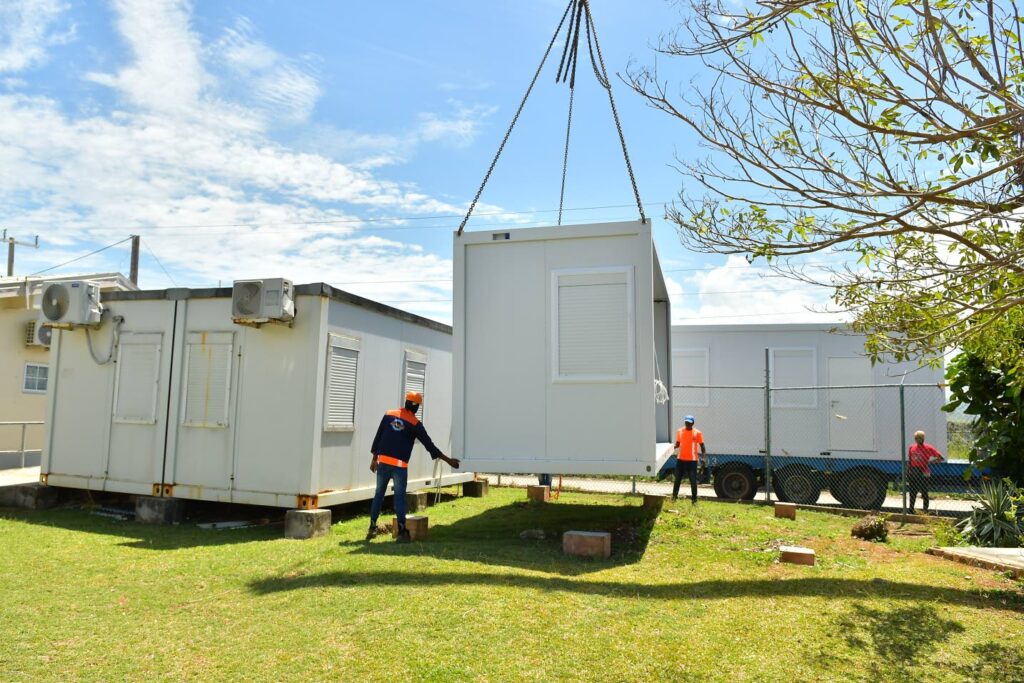
    Months after Category 5 Hurricane Melissa devastated large swathes of north-western and south-western Jamaica in October 2025, a transformative community-funded donation is putting full outpatient service resumption at two major regional hospitals within reach. The Sandals Foundation, in partnership with multiple cross-border organizations, has delivered four custom modular units to both Falmouth Public General Hospital in Trelawny and Noel Holmes Hospital in Hanover, jumpstarting critical health infrastructure recovery efforts across the storm-battered island.

    The entire $21 million restoration initiative is funded entirely by proceeds from the Harmonies of Hope Hurricane Melissa Aid Concert, held in Toronto, Canada in December 2025 — just one month after the storm swept across Jamaica. The sold-out event, organized by The It Factor Ltd with backing from the Jamaica Tourist Board, brought together the Jamaican diaspora and Canadian supporters to raise funds for post-storm recovery projects led by local Jamaican non-profits.

    When Hurricane Melissa made landfall, it left a trail of destruction that crippled core health infrastructure across western Jamaica. Multiple critical care facilities suffered severe structural damage, forcing hospitals to suspend outpatient services and grapple with crippling space shortages for patient care. Carlington McLennon, Chief Executive Officer of Falmouth Public General Hospital, explained that the new modular units will reshape care delivery at the facility. Three of the four units will be dedicated to outpatient care, while the fourth will serve as a secure storage space for medical records. This new dedicated space for outpatient services will free up existing hospital capacity to focus exclusively on life-threatening critical emergencies, McLennon noted.

    Outpatient care is a cornerstone of accessible primary and secondary health services, allowing patients to receive routine check-ups, diagnoses, treatment, and same-day care without requiring overnight admission. The separation of outpatient services into the new modular units is also projected to cut wait times and speed up care turnaround for thousands of local residents who rely on the two public hospitals.

    Heidi Clarke, Executive Director of the Sandals Foundation, framed the donation as a defining milestone in Jamaica’s long-term post-hurricane recovery journey. “Since the October 28 storm, Jamaican families and frontline medical workers have shown extraordinary resilience,” Clarke said in an official statement. “Restoring full, functional health services is non-negotiable to rebuilding lives and shattered communities. We are proud to partner with Jamaica’s Ministry of Health and Wellness as they lead recovery efforts, supporting medical professionals to deliver safe care and give families accessible, comfortable spaces to access the treatment they need to thrive.”

    The initiative represents a successful cross-organizational partnership between the Sandals Foundation and Food For the Poor Canada, a collaboration that Geraldine Isaac, Executive Director of Food For the Poor Canada, said aligns perfectly with both groups’ core missions. “After a devastating hurricane, families don’t just need help rebuilding their roofs — they need support to protect their health, care for their loved ones, and hold onto hope,” Isaac noted. “We have been deeply moved by the outpouring of support from the Jamaican diaspora and Canadians across the country, and we are honored to work with the Sandals Foundation to restore access to life-saving health services at the exact moment communities need it most.”

    Jamaica’s Minister of Health and Wellness, Dr. Christopher Tufton, welcomed the donation, emphasizing that the government’s national health care model prioritizes productive public-private partnerships to expand access to care. “We are deeply grateful for the ongoing partnership and support of the Sandals Foundation,” Dr. Tufton said. “As we continue rebuilding and upgrading health service delivery for parishes recovering from Hurricane Melissa, this generous donation strengthens our efforts and moves us closer to our goal of delivering the best possible health outcomes for all Jamaicans.”

    Natasha Borota, President of The It Factor Ltd, which organized the benefit concert, reflected on the event’s success: “Working with the Jamaica Tourist Board, we pulled together a thoughtfully curated concert that brought sponsors, partners, and donors together in hope, love, and solidarity for Jamaica.”

    This hospital infrastructure project is just one of multiple recovery initiatives the Sandals Foundation has rolled out using funds raised through the Harmonies of Hope concert. Earlier this year, the foundation partnered with the Tourism Enhancement Fund (TEF) to supply building materials for roofing repairs, structural fixes, and home reconstruction under TEF’s Tourism Housing Assistance & Recovery Programme. In the coming weeks, the foundation will also deliver critical infrastructure support to the University of the West Indies’ Western Jamaica campus in St. James, continuing its commitment to comprehensive recovery across the region.

  • American confirmed with Ebola in DR Congo — US agency

    American confirmed with Ebola in DR Congo — US agency

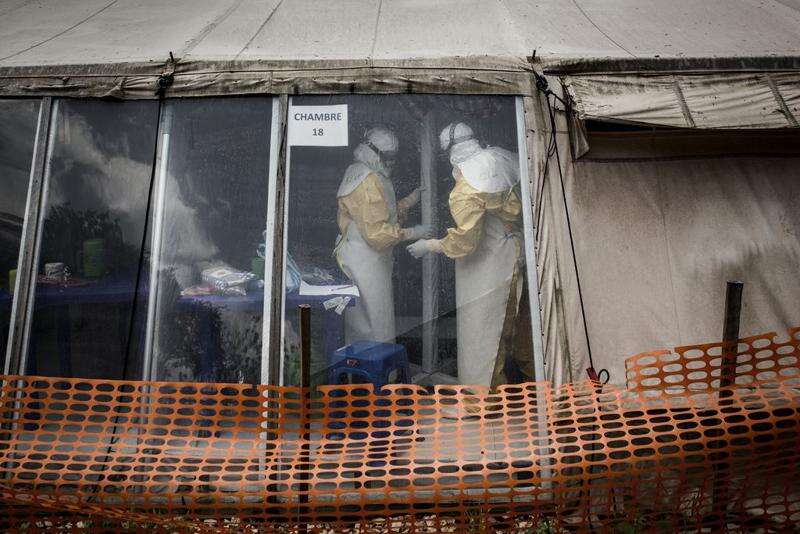
    On Monday, the U.S. Centers for Disease Control and Prevention (CDC) announced that an American citizen working in the Democratic Republic of the Congo (DRC) has tested positive for Ebola, marking the first confirmed infection among U.S. personnel during the region’s current viral surge.

    According to Satish Pillai, the CDC’s incident manager for the Ebola response, the infected individual developed symptomatic infection over the weekend and returned a positive diagnosis in late-stage testing Sunday. Evacuation plans are already in motion to transfer the patient to a specialized medical facility in Germany for advanced care. Alongside the evacuation of the confirmed case, U.S. authorities are also arranging to move six other people out of the DRC for mandatory close health monitoring, Pillai added.

    Currently, around 25 U.S. personnel are based at the CDC’s field office in the DRC, and the agency is moving to deploy an additional senior technical coordinator to reinforce outbreak response operations per an official request. In a formal public statement, the CDC noted that as of Monday, it assesses the immediate risk of Ebola spread to the general U.S. public remains low. However, agency representatives emphasized that public health guidelines and risk assessments will be updated continuously as new data on the outbreak emerges, with precautionary measures adjusted if needed.

    The current Ebola outbreak in the DRC is driven by a viral strain for which no licensed vaccine or targeted therapeutic treatment exists. The highly contagious hemorrhagic fever has already claimed dozens of lives in the region: per the latest data released Sunday by Congolese Health Minister Samuel-Roger Kamba, 91 deaths are already linked to the current surge in infections, and roughly 350 suspected cases have been documented across affected areas. Demographic breakdowns of the outbreak show most cases occur among adults aged 20 to 39, and more than 60% of confirmed and suspected cases are women.

    The outbreak response unfolds against a shifting backdrop of U.S. global health policy: earlier this year, the administration of former President Donald Trump completed the formal withdrawal of the U.S. from the World Health Organization (WHO), a key global coordinator for pandemic and outbreak response. In recent days, senior U.S. officials have declined to address questions about how deep cuts to the U.S. Agency for International Development (USAID) — an agency that played a central role in containing previous Ebola outbreaks in Central Africa — have weakened current monitoring and containment efforts for the 2024 surge.

    Despite these policy shifts, CDC officials have reiterated that the agency remains committed to collaborative response efforts, working closely with international public health partners and local health authorities in the DRC. The new public health measures outlined Monday include the continued deployment of additional CDC personnel to support outbreak containment work in high-risk regions, as well as targeted support for contact tracing operations and on-the-ground laboratory testing to confirm suspected cases quickly.

  • Los Angeles World Cup workers vow strike over ICE guarantees

    Los Angeles World Cup workers vow strike over ICE guarantees

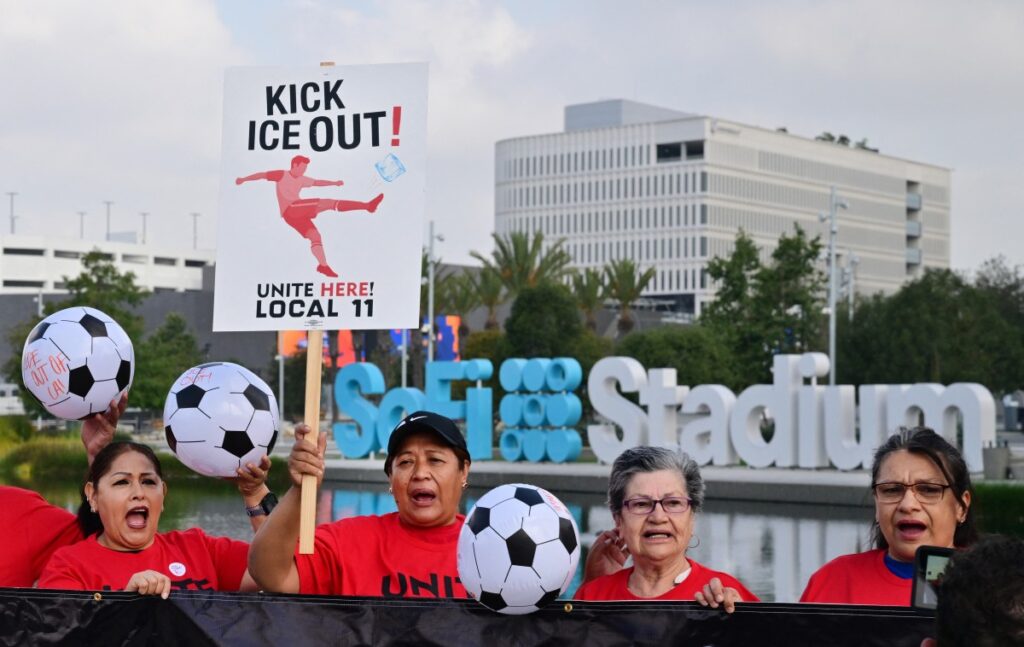
    Amid growing tension ahead of the 2026 FIFA World Cup, hospitality employees at Los Angeles’ iconic SoFi Stadium have issued a formal strike vow, demanding ironclad guarantees that U.S. Immigration and Customs Enforcement (ICE) agents will not be deployed to the venue during its eight scheduled tournament matches.

  • Ronko gang trial still in limbo despite judge’s stern warning

    Ronko gang trial still in limbo despite judge’s stern warning

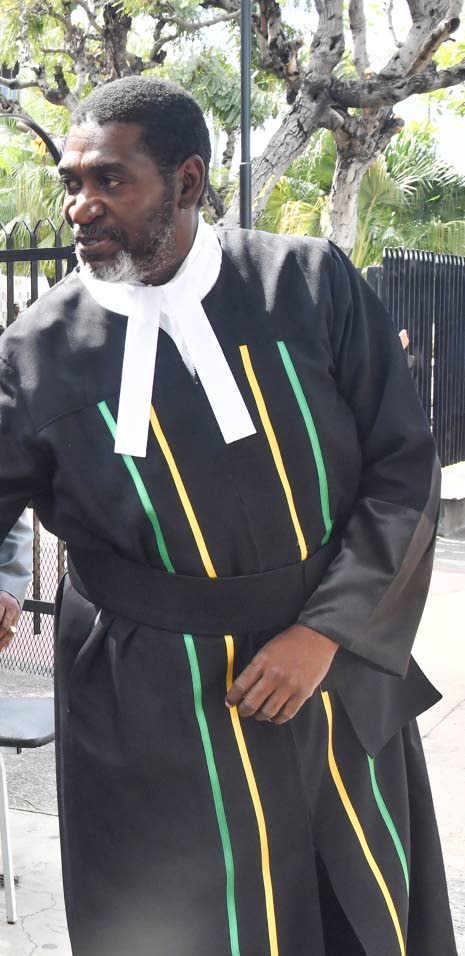
    Eight months after Supreme Court Justice Leighton Pusey issued a sharp public warning to both prosecution and defense legal teams demanding they secure every required document ahead of an April 13, 2026 trial for eight accused members of the so-called Ronko Gang, the high-profile criminal proceeding remains in procedural limbo.

    The eight defendants — seven men and one woman — have been tied up in the Jamaican court system since 2022, and already two scheduled trial start dates have been scrapped due to repeated delays from legal teams. The first scheduled trial, set for September 16, 2025, was vacated in July 2025, in large part because multiple defense attorneys were absent from pre-trial hearings and other counsel confirmed they would not be prepared to proceed on that timeline. It was at that July hearing that Justice Pusey adjusted the timeline, pushing the trial to April 2026 to give all parties sufficient time to get their materials in order.

    In his stern address to legal teams at the time, Pusey emphasized that the extended window was a one-time accommodation. “For all the counsel in this matter, I want you to listen very carefully. All the attorneys in this matter, I have done matters with them and I have had the joy of being in the middle of the matter and being told that there is something that they didn’t realise wasn’t there or they want some document or something like that… so please ensure that everything that you need, you have now so that when the trial starts — whether it is me or some other poor unfortunate judge — you have every single, striking piece of paper that you need. That especially goes for the Crown,” Pusey stated.

    The April 13 start date was expected to carry proceedings through to a planned conclusion on June 15, 2026. However, after a January 2026 trial readiness hearing was adjourned until February, the second scheduled trial date was also vacated. The case was reassigned to case management review in April 2026, still before Justice Pusey.

    When the matter came up for a routine mention on April 30, court officials confirmed that no prosecutor from the Office of the Director of Public Prosecutions had been formally assigned to the case. In response, Justice Pusey gave the prosecution until May 14 to submit both a structured trial timeline and a complete witness list.

    When the case was called again before Justice Pusey at the Supreme Court Home Circuit Division on the May 14 deadline, prosecution representatives informed the court that their case files were still incomplete. Taking advantage of the prosecution’s continued unpreparedness, defense attorneys filed a formal request with the judge to grant bail to four of the defendants currently being held in pre-trial detention. They argued that it is fundamentally unfair to keep the accused in custody solely because state prosecutors have failed to complete their required case preparations.

    All eight defendants face joint charges under Jamaica’s Criminal Justice (Suppression of Criminal Organisation) Act, widely known as the national anti-gang legislation. The Ronko Gang, which authorities allege includes multiple active law enforcement officers among its members, has been connected to 17 separate criminal incidents across Jamaica between 2019 and 2021. The alleged offenses range across multiple parishes including Clarendon, Manchester, St Elizabeth, St Catherine, St Mary, Trelawny, Kingston, St Andrew, and St James, and include charges of shootings, burglary, aggravated robbery, illegal firearm possession, shop-breaking, conspiracy to murder, and abduction.

    After reviewing written and oral submissions from all participating defense counsel, Justice Pusey announced that he would hold formal hearings on the bail applications for the four detained men: Tafari Silvera, Tehneil Francis, David Henry and Tevin Henriquez. The remaining four accused — Jasette Brown, Daneilio Barnes, Ovilgo McKenzie and Rajay Morrison — are already out on bail ahead of trial. The defense team includes lead counsel Ovilgo McKenzie, alongside Denise Hinson, Tamika Harris, Andrea Whyte-Walters, Donahue Martin and Richard Lynch.

  • Ebola and hantavirus outbreaks sign of our ‘dangerous’ times — WHO

    Ebola and hantavirus outbreaks sign of our ‘dangerous’ times — WHO

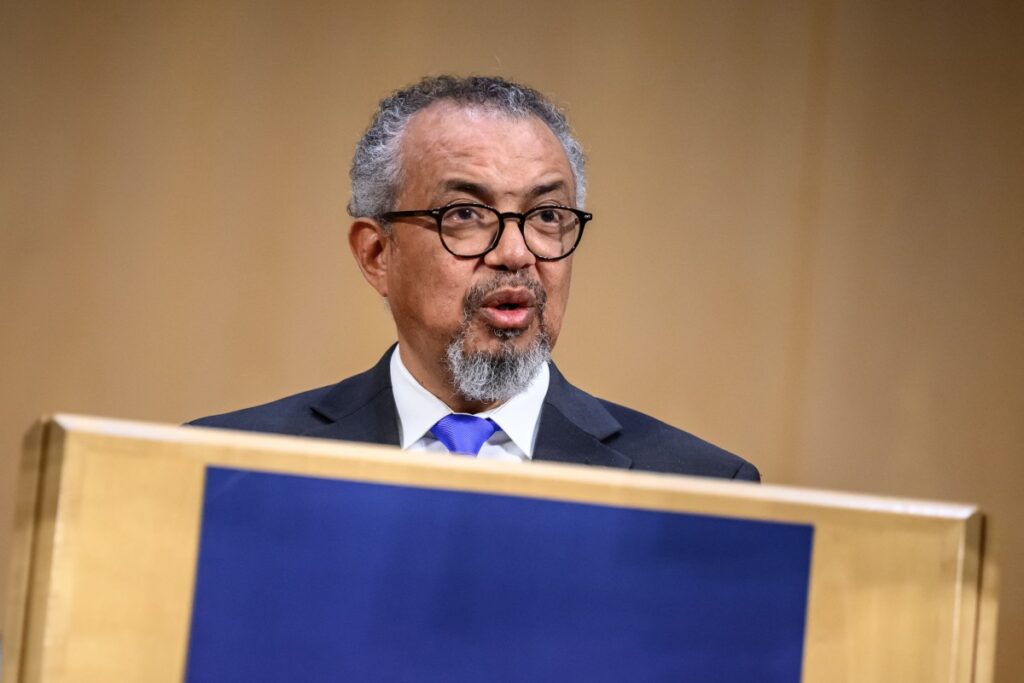
    GENEVA, Switzerland — Against a backdrop of escalating global instability and mounting institutional pressure, the World Health Organization kicked off its 2026 annual World Health Assembly on Monday, with WHO Director-General Tedros Adhanom Ghebreyesus opening the gathering by framing two recently emerged infectious disease outbreaks as just the latest warning signs of a fractured, high-risk world.

    Tedros pointed specifically to two pressing public health events: a new Ebola outbreak in the eastern Democratic Republic of Congo, which he formally declared a Public Health Emergency of International Concern just over the weekend, and an unusual outbreak of hantavirus on the Dutch cruise ship MV Hondius, which forced an emergency evacuation off the coast of the Canary Islands last week. These two outbreaks, he told assembled health ministers and senior diplomatic delegates from more than 190 member states, are far from isolated incidents. “From protracted conflicts to simmering economic crises, accelerating climate change to deep cuts in global development aid, we are living through an era that is difficult, dangerous and increasingly divisive,” he said, noting he would expand on these risks in his keynote address to the week-long assembly Tuesday morning.

    Spain, which stepped in to allow the virus-stricken MV Hondius to anchor off the Canary Islands for evacuation after multiple other countries turned the vessel away, has drawn widespread international praise for its response. Spanish Prime Minister Pedro Sánchez used an unexpected guest address to the assembly to underline the core logic of collective global health action, drawing a standing ovation from delegates. “Protecting others is the most effective way to protect ourselves,” Sánchez argued, adding that no nation can insulate itself from transboundary health threats on its own. He went on to decry what he called a growing “pandemic of egoism” in global politics, saying that “today, defending common sense has itself become an act of rebellion.”

    The 2026 assembly comes at one of the most challenging junctures in WHO’s 78-year history. The institution has been reeling from the announced withdrawal of the United States, its largest single contributor, alongside deep across-the-board funding cuts that have forced major restructuring. Swiss Health Minister Elisabeth Baume-Schneider, opening the assembly alongside Tedros, outlined the scale of the financial crunch: WHO’s core operating budget has been cut by roughly 21 percent, equal to nearly $1 billion, forcing hundreds of layoffs and scaling back critical public health programs around the world. Even so, she noted that the organization has managed to implement deep, structural institutional reforms while continuing to respond to simultaneous emergencies. Suerie Moon, co-director of the Global Health Centre at the Geneva Graduate Institute, agreed that WHO has so far weathered the immediate storm, adding that the MV Hondius hantavirus outbreak offers a stark reminder of the global need for a well-supported, impartial and trusted global health authority. “This crisis is a clear illustration of why the world needs an effective, trusted, impartial, reliably-funded WHO,” Moon said.

    From the opening hours of the assembly, geopolitical friction was already on display. Member states for the consecutive year rejected a proposal to add Taiwan’s request for observer status to the assembly’s agenda, a decision that follows long-standing diplomatic pressure from Beijing, which claims Taiwan as part of its sovereign territory. Taiwan held observer status at the assembly from 2009 to 2016, but has been excluded every year since. Other highly sensitive geopolitical issues on the assembly’s agenda this year include the ongoing health crisis in war-torn Ukraine, the collapsing health system in occupied Palestinian territories and growing tensions over public health cooperation with Iran, all of which are expected to spark heated debate over the course of the week.

    Beyond geopolitics, long-running divides between high-income and low- and middle-income countries have stalled progress on WHO’s landmark global pandemic preparedness and response treaty, which was first launched in 2023 in the wake of the COVID-19 pandemic. Member states had originally aimed to finalize a critical annex to the agreement during this year’s assembly, covering rules for sharing virus samples with pandemic potential and ensuring equitable access to life-saving tools like vaccines, tests and treatments developed from those samples. But multiple diplomatic sources confirmed this week that negotiators have failed to bridge core divides, and will likely agree to extend negotiations for another 12 months.

    The future status of the United States and Argentina, both of which submitted formal withdrawal notices in 2025, also remains shrouded in ambiguity. Former US President Donald Trump submitted a mandatory one-year withdrawal notice on his first day back in office in January 2025, and Argentina followed shortly after. Unique among international organizations, WHO’s founding constitution does not include formal provisions for member state withdrawal, and the organization has so far declined to officially confirm either departure.

    When the US joined WHO in 1948, it reserved the right to withdraw following a one-year notice period, on the condition that it fulfills all outstanding financial obligations for the fiscal year. While the one-year notice period expired this January, Washington still has not paid its 2024 and 2025 assessed membership dues, owing the organization roughly $260 million. When WHO’s executive board met in January, Israel submitted a formal procedural resolution to approve Argentina’s withdrawal, which will go before the full assembly this week, but no similar resolution was submitted for the US withdrawal. Multiple diplomatic and institutional sources familiar with the discussions say there is broad agreement among member states to keep the US’s status ambiguous, rather than formalizing its exit.

    A major focus of this year’s assembly will be a proposal to launch a formal, comprehensive reform process for the so-called global health architecture — the fragmented, overlapping network of global, regional and national health bodies that often fail to coordinate effectively during cross-border crises. Six years after the end of the COVID-19 pandemic, which exposed deep gaps in global preparedness and coordination, many leaders are calling for a systemic overhaul. “Six years after the last global pandemic, COVID-19, the world health architecture is changing rapidly,” Ghana President John Dramani Mahama told the opening plenary. “We are witnessing the end of an era. We must have the courage to build the next one.”

  • Starlink raises Jamaica’s monthly internet price by 6.4 per cent

    Starlink raises Jamaica’s monthly internet price by 6.4 per cent

    KINGSTON, Jamaica — Elon Musk’s SpaceX-operated satellite internet firm Starlink has implemented a 6.4% monthly price hike for its residential internet subscriptions in Jamaica, raising the standard rate from $7,000 Jamaican dollars to $7,450 Jamaican dollars. The new pricing structure is scheduled to go into effect starting June 18, with the adjustment applying to all customer billing cycles that fall on or after that date.

    The price change was formally announced to existing subscribers via a company email notification, which clarified when users would begin seeing the updated charge on their monthly bills. According to the statement shared with customers, the price increase is directly tied to Starlink’s ongoing efforts to scale up its network capacity, extend geographic coverage, and boost service reliability across the island. These upgrades are being rolled out to keep pace with rapidly growing consumer demand for high-speed internet access in Jamaica.

    “Robust consumer demand for Starlink services is a testament to the value we deliver through continuous investment in affordable, high-performance connectivity. At the same time, global operating costs have continued an upward trajectory across the industry,” the company explained in the customer notice.

    Starlink also emphasized that despite the price adjustment, subscribers will retain their unlimited data access, a key selling point that supports common high-bandwidth activities including 4K media streaming, online gaming, remote work video conferencing, and consistent high-speed connectivity for daily digital needs.

    This price adjustment arrives at a moment when demand for alternative internet solutions is surging across Jamaica and the broader Caribbean region. Many rural and underserved communities across the area still lack robust fiber-optic broadband infrastructure, leaving residents with limited options for reliable high-speed connectivity. Starlink’s low-Earth orbit satellite network has filled this critical gap, quickly gaining traction by delivering service to areas long ignored by traditional terrestrial internet providers.

    As a global operator, Starlink’s pricing change also mirrors broader industry trends. Inflationary pressures have hit telecommunications and digital infrastructure providers worldwide over the past several years, with most companies facing sharp increases in the cost of manufacturing equipment, launching satellites, and maintaining day-to-day operations. Starlink is far from alone in passing a portion of these increased costs onto consumers as it continues its aggressive global expansion push.

    Since its commercial launch, Starlink has grown into one of the world’s largest satellite internet providers, deploying thousands of low-Earth orbit satellites to deliver broadband connectivity to underserved markets across every inhabited continent. Its expansion in the Caribbean has been particularly rapid, as regional governments and consumers look for options to close the digital divide between urban centers and isolated rural communities.

  • Singer Roland Burrell dies

    Singer Roland Burrell dies

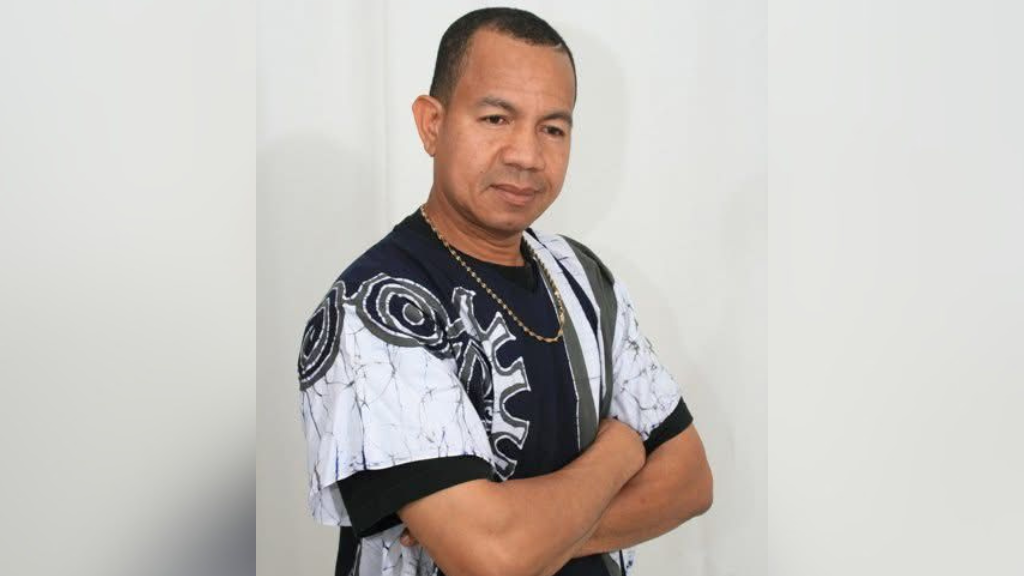
    The Jamaican music community is mourning the loss of iconic reggae vocalist Roland Burrell, who passed away suddenly on May 14 in Montego Bay. The news of his death was first confirmed by his cousin, veteran music producer Earl Messam, who shared the details with local outlet the Jamaica Observer, though no official cause of death has been released to the public.

    Born in the quiet Pennants district of Clarendon, Jamaica, Burrell spent much of his childhood and formative years growing up in Trench Town, the culturally rich Kingston neighborhood that spawned dozens of reggae’s most legendary names. He launched his professional recording career in the early 1970s, but waited more than a decade for his big breakthrough: in summer 1982, he cut the track Johnny Dollar at Kingston’s iconic Channel One studio for producer Alton “Tanka” Hill.

    Backed by the genre-defining rhythm section Sly and Robbie — already the most in-demand and celebrated musicians in global reggae at the time — Johnny Dollar became a worldwide sensation. The track climbed to the number one position on reggae charts across Jamaica, the United States, and the United Kingdom, cementing Burrell’s place in reggae history. The 1982 release was paired with a cover of American soul singer Garnet Mimms’ 1964 hit A Quiet Place.

    Following the runaway success of his debut hit, Burrell quickly followed up with Stormy Night, another production from Alton Hill. Originally recorded by the group Creation Steppers in 1975, Burrell’s version of the track also earned strong commercial traction in both Jamaica and the UK.

    Burrell never stepped away from the industry he loved: two years before his passing, he recorded an updated reimagining of Johnny Dollar for Philadelphia-based label Wildfire Records, which is owned by his cousin Earl Messam. Messam also produced many of Burrell’s later original works, including fan-favorite tracks My Conversation, You Have Caught Me, and a reggae reworking of the Temptations classic Ain’t Too Proud to Beg.

    Burrell is survived by four children and multiple grandchildren, leaving behind a decades-long legacy that shaped reggae music across the globe.

  • Captain Love remakes Bob Marley’s classic Concrete Jungle

    Captain Love remakes Bob Marley’s classic Concrete Jungle

    For emerging reggae performer Captain Love, covering one of the genre’s most iconic socially conscious tracks is far more than a creative experiment—it is a full-circle tribute to a song that pulled him through his darkest days. The artist has released a fresh take on Bob Marley and The Wailers’ legendary 1970s anthem *Concrete Jungle*, a track that has resonated with audiences facing systemic inequality and hardship for half a century, and the new version draws directly from Captain Love’s own lived experience growing up in Jamaica.

    Raised by his single mother in Spanish Town, one of Jamaica’s most socio-economically strained urban centers, Captain Love endured years of financial instability and limited opportunity in his youth. It was during those challenging years that he first encountered Marley’s original track, and it quickly became a source of much-needed hope. “I needed hope, and this song brought me inspiration and satisfaction,” he explained in a recent interview. That intimate connection to the track’s core message made adapting it for a modern audience feel intuitive, rather than forced. Having walked the same path of struggle that *Concrete Jungle* describes, Captain Love had no trouble honoring the original’s intent while infusing it with his own artistic voice. “I had already lived through similar challenges, so preserving the message wasn’t difficult. My appreciation for the original — combined with my passion — allowed me to bring my own identity to it,” he said.

    Rather than overhauling the beloved classic to chase trendy new sounds, Captain Love and his four-person production team—composed of Merrick Dyer, Highfield Joseph, Steve Major, and the artist himself—prioritized balance. The remake retains the raw, authentic soul and core emotional weight of Marley’s original, while layering in cleaner production, sharper instrumentation, and a subtle contemporary energy that makes it accessible to younger listeners. So far, the approach has paid off: early feedback from audiences and industry insiders has been overwhelmingly positive. Captain Love shared that one prominent radio DJ has already called the remake his favorite release from the artist’s entire discography to date.

    For Captain Love, the relevance of *Concrete Jungle*’s themes has not faded in the decades since it was first written. He argues that the track’s exploration of urban poverty, limited opportunity, and the fight for survival remains just as urgent today, particularly for young people across the globe navigating rising economic inequality and systemic hardship. This commitment to using reggae as a platform for social change extends far beyond the *Concrete Jungle* remake. Captain Love is also currently promoting his solo single *Save Mother Earth*, a track centered on climate action that confronts the growing crises of global pollution, rising temperatures, and the destruction of marine ecosystems. “Earth is hotter than before. Music is a powerful way to raise awareness,” he noted, urging fans to adopt more sustainable daily habits to protect the planet.

    Looking forward, the artist has ambitious plans to bring his music and message to a global audience. He is currently lining up live performance dates across his home country of Jamaica, with plans to expand to touring across Africa and Europe in the coming months, while continuing to write and record new material in the studio. For Captain Love, every track he releases ties back to a larger, overarching mission: “These songs are part of a bigger mission — promoting peace, equal rights, justice, love and harmony for humanity,” he said.