
On the sidelines of the 81st United Nations General Assembly in New York on September 22, 2026, a high-stakes bilateral meeting brought together Haitian Foreign Minister Raina Forbin and Canadian Foreign Minister Anita Anand to address the cascading crises gripping Haiti and coordinate international support for the Caribbean nation. The gathering offered a critical platform for the two top diplomats to review the most pressing challenges facing Haiti, from the urgent task of reestablishing nationwide security and laying the groundwork for upcoming democratic elections to alleviating the country’s worsening humanitarian emergency. A central focus of the talks was clarifying how Canada can sustain its backing for the Haitian government’s ongoing efforts to pull the country back from instability. In a key announcement during the meeting, Minister Anand unveiled that Canada will allocate $25.4 million in fresh development aid to bolster three core priority areas in Haiti: security infrastructure, democratic governance, and community-level resilience to ongoing conflict. This new funding package will be directed toward multiple targeted initiatives: it will support campaigns to crack down on systemic corruption and transnational organized crime, expand programs to stop criminal gangs from recruiting vulnerable youth, strengthen support systems and interventions for survivors of gender-based violence, and fund local grassroots peacebuilding projects led by communities across the country. Responding to the announcement, Minister Forbin extended a formal welcome to the new aid package and conveyed the Haitian government’s deep gratitude for Canada’s long-standing solidarity with the Haitian people amid their ongoing struggles. Beyond the new funding announcement, the conversation also centered on the urgent need to revitalize the Gang Suppression Force (GSF) and ensure the unit is fully deployed across high-risk areas of Haiti, as part of broader efforts to ramp up the country’s security response to gang violence. Minister Forbin stressed that sustained international partnership support remains indispensable to Haiti’s efforts to restore full security and establish the stable conditions needed for long-term national recovery and development. The meeting concluded with both Haiti and Canada reaffirming their shared commitment to maintaining open, regular dialogue and deepening bilateral cooperation, with a particular focus on advancing security sector reform, shoring up national institutional stability, and delivering tangible improvements to the daily living conditions of all Haitian people.
标签: Haiti
海地
-

Concacaf Nations League : D-1 Haiti vs Trinidad and Tobago (schedule)
One day out from their opening group stage fixture of the 2026–2027 CONCACAF Nations League, Haiti’s senior men’s national football team, nicknamed the Grenadiers, is preparing to take the pitch against Trinidad and Tobago at Kingston’s Sabina Park on September 24. All of Haiti’s opening group matches are being hosted away from home in Jamaica due to ongoing domestic instability, marking an unusual start to the team’s regional campaign. This edition of the CONCACAF Nations League doubles as the official qualification pathway for the 2007 CONCACAF Gold Cup, the premier regional men’s football tournament scheduled to take place in summer 2027, adding high stakes to every group stage fixture.
The Grenadiers enter this campaign with a newly restructured technical staff headed by Spanish head coach David Badia. Badia will be supported by two assistant coaches: Marc Chervaz, a Swiss football strategist, and fellow Spanish coach Alberto Vásquez. A notable addition to the staff that has drawn excitement from Haitian football supporters is Cameroonian former international goalkeeper Idriss Kameni, who takes on the role of goalkeeping coach for the side. Kameni’s decades of top-flight and international experience have been cited as a major asset for developing Haiti’s current generation of shot-stoppers.
Following the opening match against Trinidad and Tobago, Haiti will remain in Kingston for their second group fixture against Costa Rica on September 27. The team will then hit the road for two away matches: first against the Dominican Republic on October 1 (kickoff scheduled for 8:00 PM local time, with the host venue still to be confirmed), followed by a rematch against Costa Rica in Costa Rica on October 4, kicking off at 6:00 PM local time, where the venue also remains to be finalized.
If the Grenadiers advance out of the group stage, the quarter-final round of the competition will kick off in November 2026, with the tournament’s final round scheduled for March 2027. All advancing teams will secure their spot in the 2027 Gold Cup, making every group stage match critical for Haiti as they aim to return to the region’s top tournament. Fans can access the full official squad list for the Grenadiers’ Nations League campaign and additional background on Badia’s appointment through publicly available football news sources from Haiti.
-
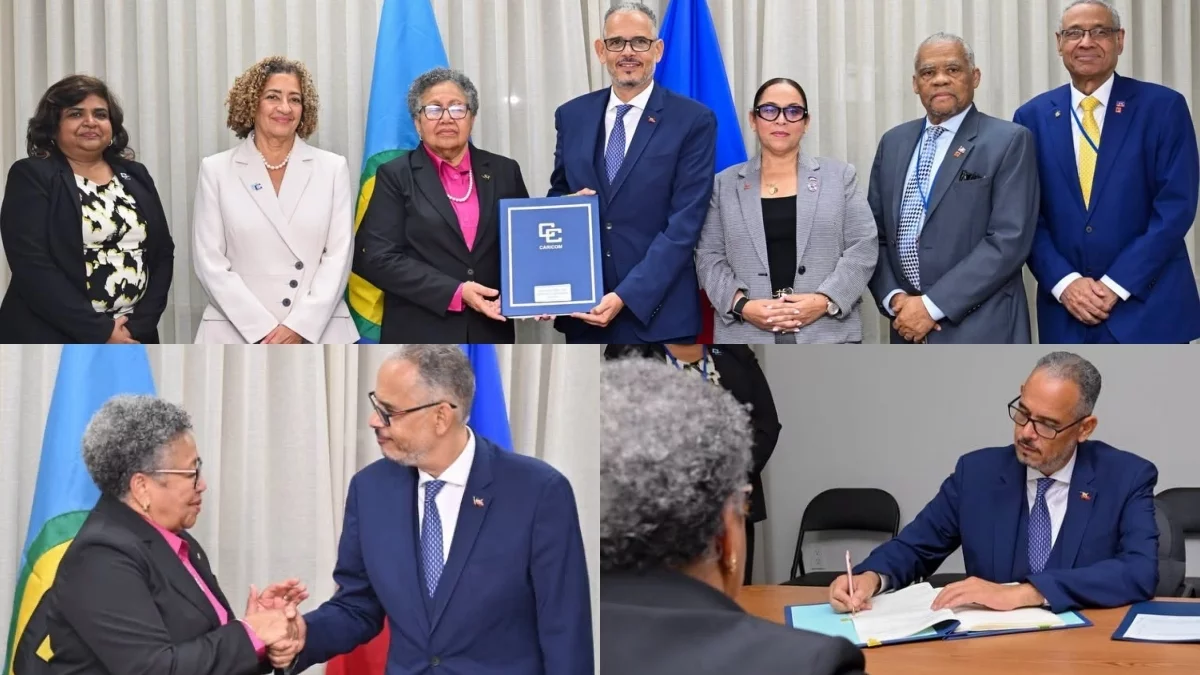
Haiti strengthens its regional integration with the signing of MASA.
In a landmark step toward breaking decades of relative geopolitical and economic isolation, Haiti formalized its commitment to deeper Caribbean regional integration on September 22, 2026, with the official signing of the Multilateral Air Services Agreement (MASA) alongside the Caribbean Community (CARICOM). The signing ceremony was co-led by Haitian Prime Minister Alix Didier Fils-Aimé and CARICOM Secretary-General Carla Barnett, bringing to fruition months of collaborative negotiations between Haitian authorities and the regional bloc.
For the Haitian government, the agreement is far more than a technical aviation accord—it is a core strategic priority designed to reconnect the country to its regional neighbors. Prime Minister Fils-Aimé emphasized that ending Haiti’s long-standing isolation is critical to unlocking dormant economic potential, creating new small and medium business opportunities, and strengthening people-to-people ties between Haitian communities and populations across the Caribbean. Beyond economic gains, the agreement also enshrines Haiti’s commitment to aligning its aviation regulatory frameworks with global safety and security standards, supported by regional expertise sharing and capacity building.
Through the terms of MASA, Haiti will create a more streamlined regulatory environment to encourage the launch of new direct air routes between the country and other CARICOM member states. This improved connectivity is expected to remove long-standing barriers to the movement of people and commercial goods across the region, delivering tangible boosts to two key sectors of Haiti’s economy: tourism and cross-border trade. Additionally, the agreement is set to increase the competitiveness of Haiti’s aviation sector by creating more operational flexibility and opening opportunities for partnership with regional carriers.
CARICOM officials note that the signing moves the bloc closer to its long-term goal of building a fully integrated, accessible, and economically dynamic Caribbean Single Market and Economy. For Haiti, which occupies a geographically central position in the Caribbean archipelago, enhanced air connectivity unlocks the chance to leverage that strategic location more effectively, enabling the country to contribute fully to regional development initiatives while advancing its own economic recovery and integration goals.
-
Elections : Status of the electoral process
As Haiti moves closer to its long-awaited general elections, the country’s Provisional Electoral Council (CEP) has released a comprehensive progress update confirming that multiple critical pre-election milestones have been successfully reached as of September 21, 2026, putting the electoral process firmly on track.
Voter registration, the foundational step of any democratic election, kicked off in a phased rollout earlier this year. The process launched July 20–21 across nine of Haiti’s ten administrative departments, expanding to the most populous West Department on July 30. Today, registration operations are active across every region of the country, with 1,285 official Registration and Polling Centers (CIVs) open and serving voters nationwide. Five departments — Grand’Anse, South-East, South, Nippes, and North-East — have already surpassed a 95% operational rate for their CIV networks, with 117, 132, 168, 105, and 104 functioning centers respectively. In the West Department, 148 centers remain open daily to process new voter registrations and update electoral roll records.
Two months since the launch of voter registration, more than 628,755 eligible Haitians have been officially added to the national electoral roll. This figure accounts for more than 10% of all potential voters, defined as citizens in possession of a valid national identification card. Regional participation varies, with South-East, Grand’Anse, and Nippes posting the highest registration rates to date: 16%, 15%, and 14.5% of their respective voting-age populations have completed the process.
Beyond voter enrollment, the CEP has wrapped up another pivotal phase of pre-election preparations: the accreditation of political parties and groupings, followed by a public random draw to assign official campaign numbers to all approved entities. To date, 30 authorized political entities — 18 established political parties and 12 ad-hoc political groupings — have successfully submitted their required documentation, including rosters of members, adherents, and supporters, through the CEP’s official candidate registration platform. As of the update cutoff date, the platform has already recorded 7 presidential candidacies, 162 senate candidacies, 419 candidacies for the Chamber of Deputies, 162 for municipal council seats, 180 for CASEC positions, and 89 for ASEC posts. The digital candidate registration and document submission window, which opened August 20, will remain open to applicants until October 9, 2026.
Human resourcing, a often overlooked but critical component of successful election administration, has also advanced substantially. The CEP has already completed recruitment and training for 2,853 Electoral Registry Agents (ADRE) and 4,643 Electoral Security Agents (ASE), who will manage on-the-ground operations on voting day. Separately, on September 17, the electoral body concluded a series of specialized training workshops focused on electoral dispute resolution. These sessions trained more than 1,000 electoral law commissioners and electoral judges across nine departments, ensuring that the legal framework for addressing voting irregularities and candidate challenges is in place ahead of the poll.
The CEP reaffirmed in its statement that it will continue full-scale work to finalize all components of the electoral machinery, keeping the process on schedule for the upcoming elections.
-
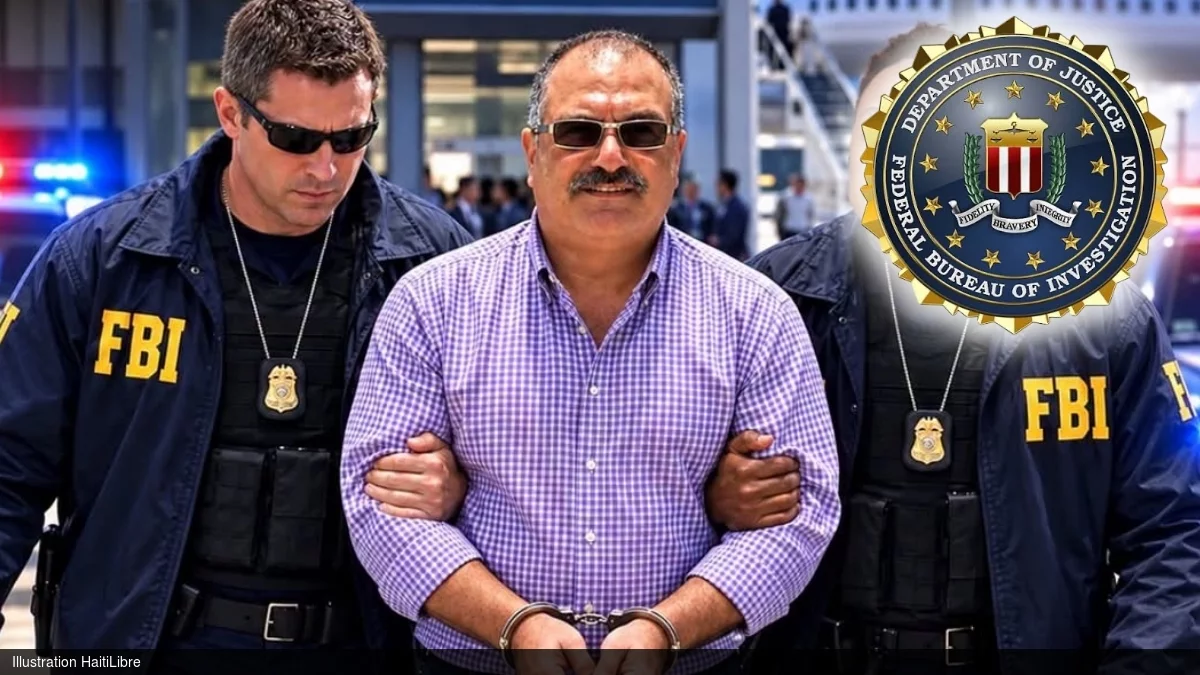
The FBI arrests Haitian businessman Samir Handal in Miami
On September 20, 2026, U.S. federal law enforcement agents from the FBI took 68-year-old Haitian-Palestinian businessman Samir Handal into custody at his Miami, Florida residence, marking a major new development in the multi-year investigation into the 2021 assassination of Haitian President Jovenel Moïse. Handal, a U.S. Green Card holder who has resided in Miami with his family for years, was arrested pursuant to a newly unsealed federal indictment, with the operation coordinated alongside a separate high-profile arrest in Canada on the same day. In Montreal, Canadian authorities detained Ashkard Pierre Joseph, a former contractor at the Haitian consulate in the city, who is also accused of deep involvement in the coup plot that culminated in Moïse’s killing.
According to the U.S. federal indictment, Ashkard Pierre Joseph, who holds dual residency in Haiti and Canada, directly collaborated with two Florida-based entities CTU and Worldwide Group, Colombian mercenary units, and other co-conspirators to plan the coup that included plots to kidnap or murder President Moïse. Prosecutors further allege that after the assassination was carried out, Pierre Joseph helped hide and arrange the escape of two key fugitives: Mario Antonio Palacios Palacios, a Colombian mercenary, and John Joël Joseph, a former Haitian senator.
Handal’s arrest was perfectly timed to coincide with a landmark extradition operation, in which 18 additional high-profile suspects were flown from Port-au-Prince, Haiti to the U.S. Southern District of Florida on a U.S. military aircraft. That group includes Joseph Felix Badio, widely identified as one of the masterminds of the assassination plot, alongside 17 former Colombian soldiers who made up the on-the-ground commando unit that stormed Moïse’s private residence in 2021.
Handal has long been named as a person of major interest in the assassination investigation. This is not the first time he has faced detention over the case: he was previously arrested by Turkish authorities in 2021, but was released after Turkey rejected an extradition request from the Haitian government, and he subsequently returned to live in the U.S.
Following his arrest, Handal made his initial court appearance at a Miami federal court, where he was ordered to remain in pre-trial custody as part of the expanded U.S.-led probe into Moïse’s killing. The veteran businessman faces three serious federal charges, most notably conspiracy to murder or kidnap a foreign national outside U.S. borders, and providing material support to a conspiracy that resulted in death. If convicted on these charges by U.S. courts, he could face a mandatory sentence of life imprisonment.
U.S. prosecutors specifically allege that Handal owned the private property that conspirators used as both a safe house and a coordination meeting spot in the lead-up to the 2021 assassination. Unlike many other co-defendants in the sprawling case, Handal has retained private legal counsel to represent him. His legal team has stated that their client has consistently maintained his innocence since the investigation began, and that he is prepared to vigorously contest all charges in open court. The attorneys have also criticized the excessive public attention and media hype surrounding the FBI’s arrest operation.
-
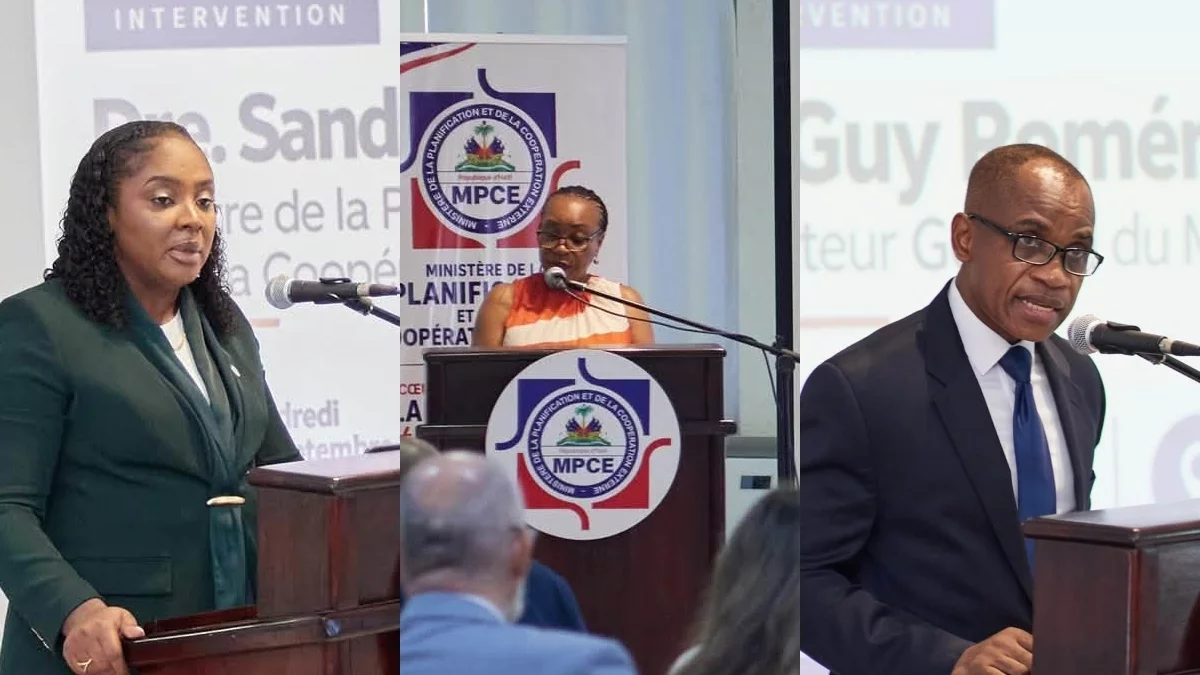
Politic : Launch of the portfolio review for externally funded programs and projects (2025–2026 / MPCE)
In a landmark step toward more effective development governance, Haiti’s Ministry of Planning and External Cooperation (MPCE) officially kicked off a national portfolio review of all active externally financed development programs and projects for the 2025–2026 fiscal year on September 18, 2026. The launch event brought together senior Haitian government officials, United Nations representatives, international donor bodies, and development partner stakeholders to lay out core priorities for the multi-week review process.
Opening the proceedings, Planning Minister Sandra Paulemon framed the review as far more than a routine administrative exercise: she positioned it as a critical space for cross-stakeholder dialogue, institutional accountability, and evidence-based policy decision-making. Paulemon anchored the review’s approach in three non-negotiable core priorities: national ownership of development agendas, efficient resource utilization focused on tangible outcomes, and mutual accountability between Haitian institutions and international partners.
In a pointed rebuke to historical models of external-led development in Haiti, Paulemon emphasized that the country must take the driver’s seat in shaping its own growth trajectory. “Haiti cannot simply be a site for the execution of a multitude of projects,” she told attendees. “Haiti must be the lead actor in defining, directing, and monitoring and evaluating the interventions that contribute to its development.” The minister also called for far stronger coordination of donor activities across sectors and regions, urging partners to eliminate duplicate programming, leverage complementary strengths, and channel all available resources toward Haiti’s most pressing development priorities. She additionally welcomed the relaunch of the country’s External Aid Management Module, a digital tool designed to streamline aid tracking and coordination.
Fritz Gérald Louis, representing Haiti’s Minister of Economy and Finance, echoed these remarks, stressing that strategic resource management is foundational to unlocking meaningful, sustainable development across the country. He added that closer alignment between national development planning, external resource mobilization, national budget programming, and on-the-ground project execution is essential to improve outcomes for Haitian communities.
MPCE Director General Guy Roméro Latry expanded on the practical purpose of the review, noting that the process serves as a core monitoring and coordination mechanism for all externally backed initiatives. Latry emphasized that national institutions and international partners must align on a shared understanding of project progress, delivered results, and on-the-ground implementation barriers to move forward effectively.
Yvrose Guerrier, Director of the MPCE’s External Cooperation Directorate, delivered a detailed breakdown of the current donor portfolio during her presentation on the review process. As of the review launch, the total value of all active externally funded projects amounts to 364.75 billion Haitian Gourdes, with just 38.74% (141.29 billion Gourdes) disbursed to date. This leaves an outstanding 223.46 billion Gourdes yet to be allocated to implementing activities. The portfolio includes 118 separate financing lines that support 112 distinct development projects across the country. Guerrier explained that the review will systematically assess the technical and financial performance of each project, identify persistent implementation bottlenecks, and evaluate how well each initiative aligns with Haiti’s official national development priorities.
United Nations Resident Coordinator Nicole Boni Kouassi reaffirmed the UN’s support for the review process, underlining the urgent need for coordinated development intervention across Haiti. She noted that the review creates a critical shared platform for Haitian government authorities, technical and financial partners, and implementing agencies to collectively assess progress and address shared challenges.
Annalisa Lombardo, President of the Inter-Organization Liaison Framework (CLIO), also reaffirmed her organization’s long-term commitment to strengthening constructive dialogue between Haitian national institutions and international development partners.
Luca Trinchieri, Head of Cooperation with Haiti for the European Union, delivered remarks via pre-recorded videoconference, reiterating the EU’s ongoing commitment to deepening and improving its development partnership with Haiti.
When the review process concludes, the MPCE aims to produce a clear, data-driven snapshot of implementation status across all externally funded projects, and collaborate with all relevant national institutions and partners to develop concrete, actionable solutions to address the implementation constraints uncovered during the assessment.
-
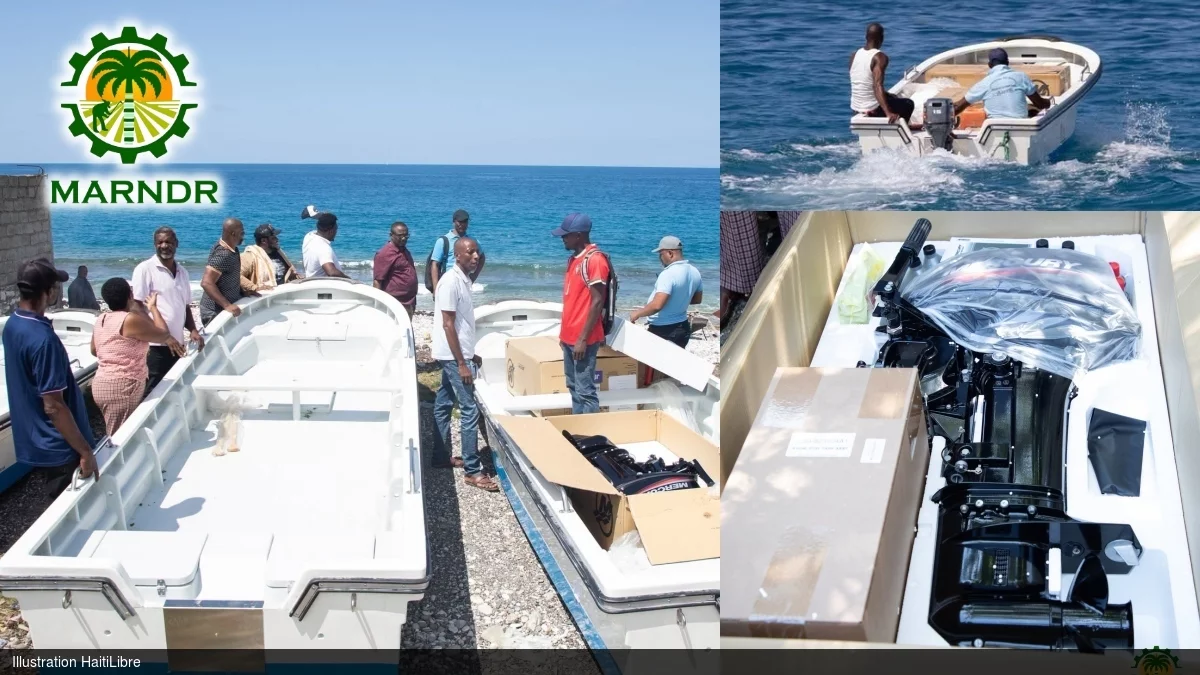
Significant distribution of equipment to fishermen in Grand’Anse, Haiti
In a targeted move to strengthen Haiti’s coastal fishing communities and boost regional food security, Haiti’s Ministry of Agriculture, Natural Resources and Rural Development (MARNDR) has distributed thousands of dollars worth of new fishing equipment and critical supplies to 45 local fishing associations across the Grand’Anse department. The distribution, carried out through MARNDR’s Program to Support Agricultural and Fisheries Productivity and Improve Rural Infrastructure for Market Access (PAPAIR), forms part of a broader co-financed development project covering Haiti’s southern and Grand’Anse regions, with core funding provided by the Inter-American Development Bank (IDB).
Agronomist Marcelin Aubourg, Haiti’s Minister of Agriculture, attended the distribution event in person, taking time to hold one-on-one conversations with beneficiary fishermen to collect on-the-ground feedback about their needs, challenges, and experiences with the program. Association representatives wasted no time in expressing their deep gratitude for the targeted technical and organizational support provided by MARNDR, noting that the intervention fills a long-unmet need for the Grand’Anse fishing sector, which has long grappled with outdated, insufficient equipment that limited productivity.
Early reports from participating fishermen already show tangible positive impacts from the donation. Beneficiaries explained that the upgraded equipment has already boosted their daily catch volumes, allowing their associations to generate consistent new income streams. This revenue is not only covering basic household needs and children’s school fees for member families but is also enabling contributions to community-focused social projects that benefit the broader region.
Minister Aubourg commended the beneficiary associations for their active engagement and commitment throughout the project rollout, emphasizing that the long-term success of the initiative depends just as much on local participation as it does on external funding and equipment. He urged participating fishermen to maintain their current momentum, and highlighted the importance of proper maintenance and care for the new equipment to ensure its long-term functionality. This responsible stewardship, he noted, will allow the assets to benefit future generations of fishermen through the association’s shared community model.
The full list of distributed equipment reflects a holistic approach to supporting the sector, addressing productivity, storage, safety, and maintenance needs all at once. The donation included 16 fiberglass fishing boats, 50 15-horsepower outboard motors, eight 13-foot solar-powered freezers for catch storage, 50 complete engine maintenance kits, 100 assembled fishing tackle kits, five Fish Aggregating Devices (FADs) to boost catch volumes, and 165 75-liter insulated coolers for transporting catch to market. To address longstanding safety concerns for fishermen working off Haiti’s coast, the donation also included a full set of personal safety equipment, including life jackets, designed to improve working conditions and reduce risk at sea.
-
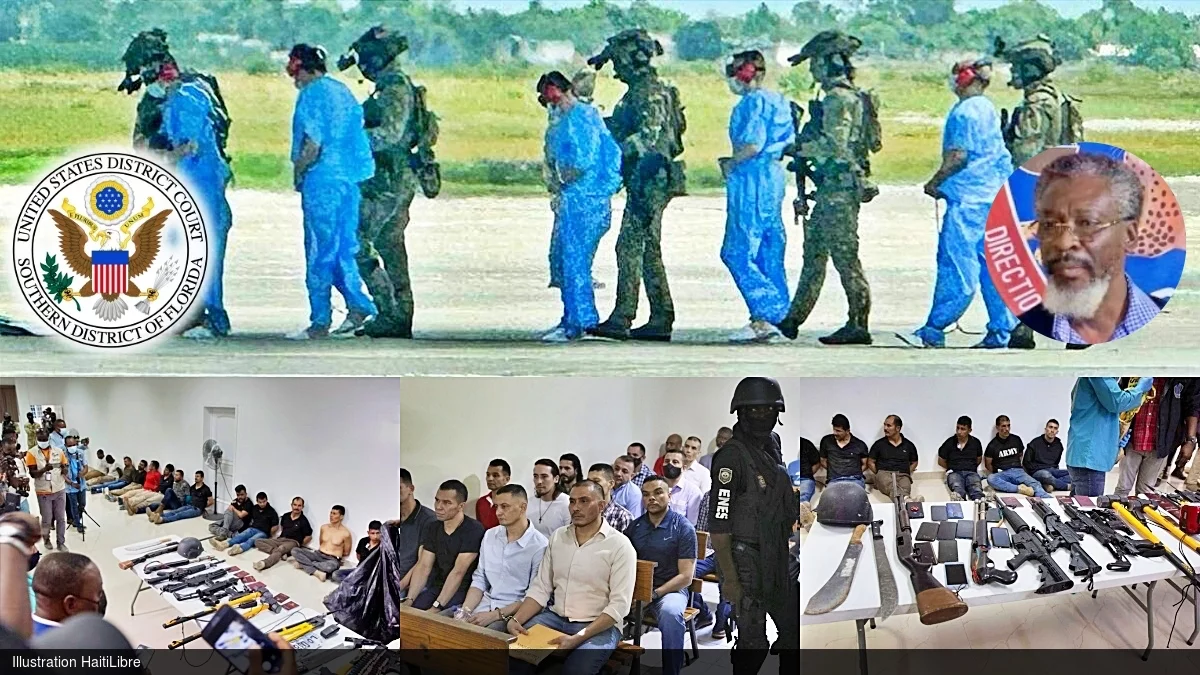
FLASH : Joseph Félix Badio and 17 Colombians imprisoned in Haiti extradited to the USA
Five years after the 2021 assassination of former Haitian President Jovenel Moïse, a landmark development in the long-stalled legal process has unfolded: 18 key suspects, including one of the alleged plot’s top masterminds and 17 former Colombian mercenaries, have been extradited from Haiti to the United States to face prosecution.
Moïse was killed in a commando-style raid on his private Port-au-Prince residence in the early hours of July 7, 2021, an attack that sent shockwaves through Haiti and left the country facing a years-long political and security crisis. While U.S. law enforcement has made consistent progress in investigating the plot, securing arrests, and securing convictions against co-conspirators, Haitian judicial proceedings have faced crippling delays and institutional hurdles. Half a decade after the assassination, not a single suspect had gone to trial in Haitian courts, leaving demands for accountability unmet.
To break this impasse and advance the pursuit of justice, the Haitian government authorized the extradition of the 18 suspects at the formal request of U.S. judicial authorities, acting under bilateral judicial cooperation agreements between the two nations. Among those transferred is Joseph Félix Badio, a former high-ranking official with Haiti’s Anti-Corruption Unit, who investigators have long identified as one of the central operational architects of the assassination plot on Haitian soil. The other 17 individuals are former Colombian soldiers who allegedly made up the on-the-ground commando team that carried out the assault on Moïse’s residence.
All 18 suspects had been held in Haitian custody since shortly after the 2021 attack. On the morning of Sunday, September 20, 2026, they were loaded onto a U.S. military plane at Port-au-Prince International Airport – all clad in blue jumpsuits, per U.S. official accounts – and flown to the United States. The plane landed shortly before 11 a.m. local time, marking the completion of the long-planned transfer.
Jason A. Reding Quiñones, U.S. Attorney for the Southern District of Florida, confirmed the extradition in an official post on his social media account. The 18 suspects will be tried at the U.S. District Court for the Southern District of Florida, where investigators have already established that much of the plot was planned and funded. To date, 30 people have been formally charged in connection with the assassination in U.S. courts, and several co-conspirators have already been convicted.
“Today marks the beginning of a crucial new phase in our pursuit of justice for the assassination of President Jovenel Moïse,” Reding Quiñones said in a statement. “Our work does not end with the men who planned and executed this assassination. We will follow the evidence wherever it leads us, to those who financed, facilitated, supported, or committed crimes to make it possible. Five years later, we continue to bring defendants to trial in U.S. courts, and we are not finished.”
The extradition comes just one week before the scheduled September 28, 2026, trial of Christian Emmanuel Sanon, a Florida-based suspect accused of being one of the assassination’s chief financial backers and a figure who sought to replace Moïse as president following the attack. In line with the legal principle of double jeopardy, which bars retrial for the same offense, Haitian judicial authorities have officially terminated all local legal proceedings against the 18 extradited suspects, who are now fully under U.S. judicial jurisdiction.
The full list of extradited suspects is as follows: Joseph Félix Badio; Carlos Giovanni Guerrero Torres; Victor Alberio Pineda Cardona; Juan Carlos Yepes Clavijo; Naiser Franco Castaneda; Angel Mario Yarce Sierra; Jheyner Alberto Carmona Flores; Edwin Enrique Blanquicet Rodriguez; Manuel Antonio Grosso Guarin; Jhon Jairo Ramirez Gomez; Francisco Eladio Uribe Ochoa; Alejandro Giraldo Zapata; Neil Caceres Duran; Jhon Jader Andela; Enalber Vargas Gomez; Jhon Jairo Suarez Alegria; Gersain Mendivelso Jaimes; and Alex Miyer Pena.
Haitian officials emphasized that the extradition agreement preserves the country’s legal prerogatives and interests. Under the terms of the bilateral mutual legal assistance pact, any new evidence uncovered during the U.S. proceedings will be shared with Haitian investigators to support ongoing local investigations into other unindicted co-conspirators. In a statement, the Haitian government said the decision reflects its enduring commitment to leveraging every available avenue of international cooperation to ensure accountability, delivering justice for Moïse, his family, and the Haitian people who have waited five years for closure.
-
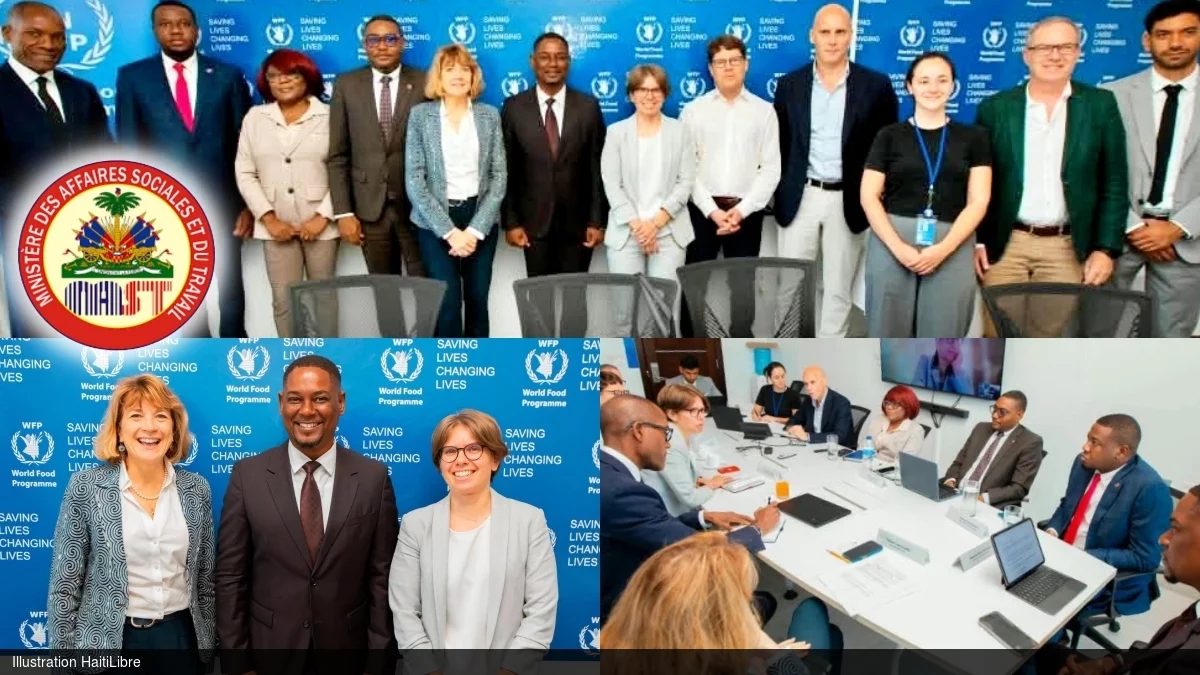
Social : The Ministry of Social Affairs and Labor intends to strengthen social protection
Haiti’s Ministry of Social Affairs and Labor (MAST) is moving forward with an ambitious plan to consolidate and expand national social protection systems, as senior officials met this week with key international partners to map out the transition of the Adaptive Social Protection for Increased Resilience program, widely known as Klere Chimen, to full government leadership. MAST Minister Marc-Elie Nelson led the discussions, with representatives from the World Food Programme (WFP), World Bank, and Swiss Cooperation in attendance, alongside MAST’s own technical team from the Program Studies Unit. The gathering comes at a critical juncture for the partnership, as stakeholders work to shift direct implementation responsibility from international bodies to the Haitian government.
Core topics on the meeting agenda included consolidating existing program gains, outlining a phased handover of responsibilities to MAST, strengthening national institutional capacities, and laying the groundwork to expand Klere Chimen coverage to all 10 of Haiti’s administrative departments. Minister Nelson opened the discussion by praising the sustained commitment of the three international partners, highlighting the complementary nature of their financial and technical support. Specifically, he noted that Swiss Cooperation’s contribution augments World Bank financing for the PSARA initiative, creating a collaborative model that demonstrates the value of national leadership in international development partnerships.
Nelson emphasized that the impact of Klere Chimen extends far beyond the success of a single targeted project. Instead, he framed the program as a foundational lever to strengthen Haiti’s entire national social protection system, with priority areas including institutional capacity building, upgrading MAST’s internal information system (SIMAST), improving beneficiary payment mechanisms, streamlining beneficiary management, and better coordinating cross-sector social protection interventions. While the minister expressed enthusiasm for the transition to national implementation, he stressed that the handover process must be gradual, well-structured, and risk-mitigated. “Transferring responsibilities without transferring capacities undermines the sustainability of public action,” Nelson noted, arguing that capacity building must go hand-in-hand with the devolution of program ownership.
To date, the Klere Chimen program has already yielded actionable operational infrastructure in key areas including cash transfer distribution, beneficiary targeting, payment processing, case management, grievance resolution, and program monitoring and evaluation. These existing systems create a solid foundation for program expansion, but the minister stressed that the transition must not disrupt support for vulnerable households. To guarantee continuous service delivery and benefit access, MAST has called for the development of a joint coordinated roadmap that clearly outlines transferred responsibilities, capacity building priorities, technical assistance requirements, implementation timelines, and accountability and monitoring frameworks.
Beyond the Klere Chimen transition, meeting participants also agreed on the need to move away from a model of disconnected, standalone projects toward a unified, coherent, and sustainable national social protection ecosystem. Minister Nelson noted that Haiti’s existing National Policy for Social Protection and Promotion (PNPPS) is the appropriate strategic framework to align and harmonize disparate interventions across the sector. He proposed that the ongoing drafting of national policy implementation plans draw directly from the Klere Chimen experience and its successful model of complementary partnership between the Haitian government, World Bank, Swiss Cooperation, and WFP. “Partner funding must gradually contribute to a unified national architecture,” Nelson stated, explaining that this approach will prevent the growth of uncoordinated parallel systems and ensure that international investment directly strengthens Haitian public institutions for long-term sustainability.
A central role in this unified architecture is earmarked for SIMAST, the MAST information system. The Haitian government is advancing legislation to designate SIMAST as the single official social registry for the entire Haitian state, with a draft decree currently in development. A separate proposed order to establish the DTSI-MAST (Directorate of Information Systems and Statistics at MAST) will also strengthen the technical and institutional foundation of the ministry’s information systems. Additionally, plans to adopt innovative alternative data collection methods are expected to rapidly expand SIMAST coverage, even in hard-to-reach rural areas and during emergency response scenarios.
Following the conclusion of the meeting, Minister Nelson reaffirmed his commitment to maintaining open dialogue with the three international partners around a shared five-pillar agenda: expanding Klere Chimen national coverage, formalizing the institutional role of SIMAST, harmonizing beneficiary targeting practices, scaling up adaptive social protection programs, and strengthening national coordination mechanisms. “Every investment made today must contribute to making the national social protection system stronger tomorrow,” Nelson concluded.
-

Gonaïves : La Providence Hospital becomes a university hospital
In a major step to address Haiti’s growing shortage of postgraduate medical training positions, Haiti’s Ministry of Public Health and Population (MSPP) has formally granted university hospital status to La Providence Hospital in Gonaïves, the largest healthcare facility in the country’s Artibonite department. The official designation, outlined in a circular issued September 17, 2026 by MSPP Minister Dr. Bertrand Sinal, clears the way for the newly renamed La Providence University Hospital of Gonaïves to host physicians in hospital residency training programs.
The decision to expand university hospital designation to La Providence comes as Haiti faces a critical mismatch between the number of medical graduates seeking postgraduate residency spots and the limited capacity of existing university hospitals. In justifying the change, Minister Sinal highlighted that annual applications for residency positions far outstrip available slots, creating a barrier to equitable access for medical specialization regardless of a candidate’s academic background. The MSPP also noted that the closure and underperformance of several Haitian university hospitals in recent years has reduced residency capacity, threatening the continuity of essential medical specialties across the country’s national health system.
In the official circular, Dr. Sinal grounded the decision in Haiti’s constitutional guarantees of the right to health, existing legal frameworks for medical education established as early as 1981, and the MSPP’s statutory mandate to regulate the national health system and set standards for medical training. After a comprehensive evaluation, the MSPP confirmed that La Providence Hospital meets all the clinical, academic, and technical standards required to deliver university-level medical training, thanks to its high-quality infrastructure, experienced medical staff, and proven capacity to serve a large patient population.
Under the terms of the circular, the Faculty of Medicine and Pharmacy (FMP) of the State University of Haiti (UEH) will retain responsibility for academic governance of the residency programs hosted at the new university hospital, including the organization of curricula, pedagogical oversight, and evaluation of resident physicians. The number of residency slots and the range of medical specialties offered at La Providence will be determined jointly by the MSPP, hospital administration, and the FMP.
Notably, this designation is the first step in a broader government plan to expand medical training capacity across Haiti. Article 3 of the circular confirms that the MSPP and FMP will continue progressively converting capable departmental and other hospitals into training or university hospitals, governed jointly by the two institutions. This long-term initiative aims to diversify the national supply of postgraduate medical training opportunities and ensure equitable access for all Haitian medical graduates, whether they earned their degrees from public, private, or foreign universities.