标签: Guyana

圭亚那

  • Guyanese-born dancehall artist Parodax achieves multi-chart success across Apple Music and iTunes reggae rankings

    Guyanese-born dancehall artist Parodax achieves multi-chart success across Apple Music and iTunes reggae rankings

    Guyanese-origin dancehall performer Joseph “Parodax” Downer is achieving remarkable chart success across major digital platforms, with several of his recent projects simultaneously climbing Apple Music and iTunes Reggae rankings. The independent artist’s current momentum demonstrates the growing international appeal of Caribbean music in the streaming era.

    Parodax’s album “Gothic Boss” and related releases have generated significant listener engagement, resulting in an unprecedented chart presence. During peak performance periods, his works occupied four of the Top 5 positions on reggae charts: “The Return of the Gothic Child” secured the No. 2 spot, followed by “Gothic Boss” at No. 3, “Mi Nah Good Mi Nah Bad (Gothic Love Story)” at No. 4, and “Devil Inna God” at No. 5.

    The artist, who began his musical journey in 2007 and intensified his professional career in 2016, expressed gratitude for the widespread support. “Seeing multiple projects chart simultaneously represents both a blessing and validation that the dedicated effort is yielding results,” Parodax stated. “I remain committed to elevating my sound while appreciating the global fanbase that makes this possible.”

    This chart dominance reflects Parodax’s expanding international footprint, with particular traction noted in the United States and Nigeria alongside global reggae listings. His success story exemplifies how digital platforms are amplifying independent Caribbean artists worldwide, providing unprecedented access to international audiences.

    Operating through his independent label Kickback Music in collaboration with JayCrazie Records, Parodax has developed his own production capabilities including mixing and mastering for album projects. His career includes collaborations with established dancehall figures such as Elephant Man, Jah Vinci, Macka Diamond, and Navino.

    Industry observers note that Parodax’s recent achievements build upon earlier recognition in regional entertainment media, including coverage of his collaborative single “Real Friends” with Jamaican producer Fada Shaqdem. The artist’s strategic re-release of compiled earlier projects into full-length albums has contributed to his current chart performance.

    Parodax continues to expand his presence across major streaming services including Apple Music, Spotify, and YouTube, with updates available through his social media channels and official Linktree directory.

  • “Minutes” gets years for cocaine possession

    “Minutes” gets years for cocaine possession

    In a significant ruling by Guyana’s judicial system, the High Court has delivered a substantial penalty against Shemroy Robertson, also known as “Minutes,” for cocaine trafficking offenses dating back a decade. Justice Priscilla Chandra-Hanif imposed a six-year prison sentence accompanied by a GY$1.7 million fine on March 19, 2026, following Robertson’s conviction for possessing 1.156 kilograms of cocaine with intent to distribute.

    The case originated in January 2016 when Customs Anti-Narcotics Unit (CANU) officers pursued Robertson, who attempted to evade capture by discarding a bag containing 139 meticulously packaged cocaine pellets during the chase. The anti-narcotics agency successfully apprehended Robertson while he was concealed at a Mandela Avenue residence, marking a crucial interception in Guyana’s ongoing battle against drug trafficking networks.

    This conviction represents another chapter in Robertson’s extensive history with narcotics offenses. Currently, the defendant is serving a separate two-year imprisonment term for facilitating the trafficking of 1.174 kilograms of cannabis, following a June 2021 CANU operation along Anns Grove Public Road on the East Coast Demerara.

    Robertson’s legal troubles extend further, with previous charges filed against him and three accomplices in March 2017, though those specific allegations were ultimately dismissed by the court. The latest sentencing demonstrates the judicial system’s continued commitment to addressing drug-related crimes, even those occurring years prior, emphasizing the long-term consequences of narcotics trafficking in Guyana.

    The Customs Anti-Narcotics Unit publicly announced the sentencing on March 20, 2026, highlighting their persistent efforts in combating drug trafficking operations throughout the country over the past decade.

  • Guyana hopes to stop importing bottled water

    Guyana hopes to stop importing bottled water

    In a significant move toward economic self-reliance, Guyana has launched an ambitious initiative to achieve complete domestic production of bottled water, potentially saving the nation approximately GY$150 million in annual import costs. The strategic plan emerged from high-level discussions between the Guyana Manufacturing and Services Association (GMSA), Public Utilities Minister Deodat Indar, and representatives from Guyana Water Inc.

    The initiative received presidential endorsement from President Irfaan Ali, who has championed the goal of 100 percent locally produced bottled water. This national strategy represents a transformative approach to reducing dependency on foreign bottled water products while stimulating domestic manufacturing capabilities.

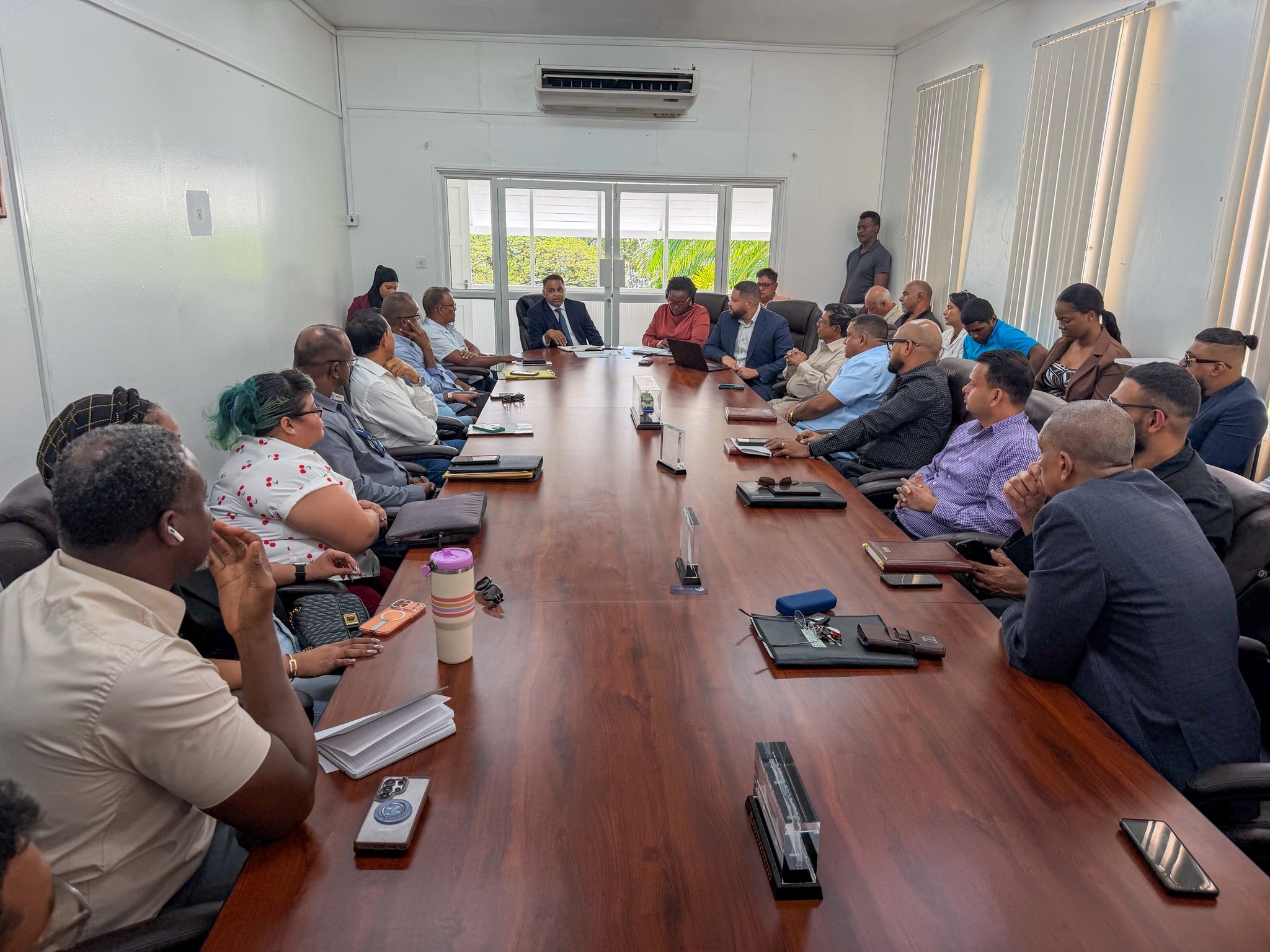
    According to the GMSA, the comprehensive meeting held on March 18 addressed critical aspects of water manufacturing, including production challenges, distribution logistics, policy frameworks, investment incentives, and quality assurance protocols. Minister Indar engaged extensively with private water producers and distributors to establish collaborative pathways toward achieving this national objective.

    The manufacturing association emphasized that success hinges on a unified approach among all stakeholders and regulatory bodies to maintain consistent quality standards while expanding production capacity. The GMSA has committed to ongoing collaboration with government agencies and industry partners to enhance the local bottled water sector’s quality standards and global competitiveness.

    This import substitution strategy aligns with broader economic diversification efforts in Guyana, potentially creating new employment opportunities while retaining significant capital within the national economy. The estimated GY$150 million in import savings represents a substantial economic benefit for the developing nation.

  • Attorney General accepts Azruddin Mohamed’s payment of court costs in cash, some coins

    Attorney General accepts Azruddin Mohamed’s payment of court costs in cash, some coins

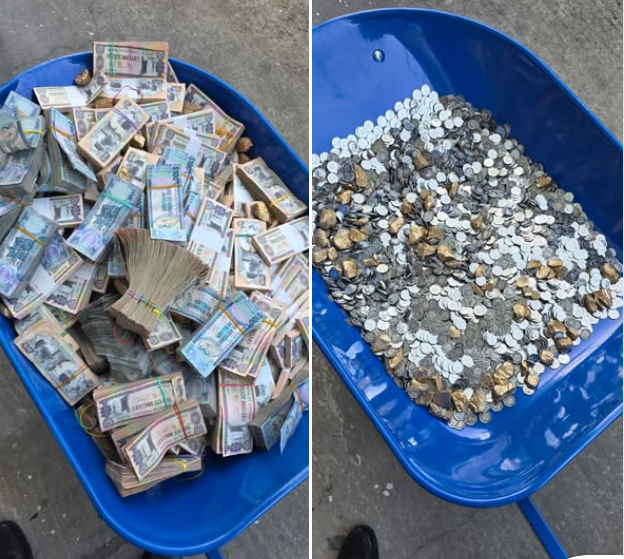
    In an extraordinary display of financial theatrics, prominent Guyanese businessmen Azruddin and Nazar Mohamed fulfilled a High Court monetary order by transporting approximately GY$900,500 in small denomination bills and coins using two wheelbarrows to the Attorney General’s Chambers on Thursday. The payment followed a formal warning from Attorney General Anil Nandlall that he would seek court enforcement if the costs related to lost extradition committal proceedings were not immediately settled.

    The delivery, which consisted primarily of low-value currency notes alongside coins up to the legal limit of GY$500, required government employees to remain until approximately 5:30 PM to complete the counting process. Nandlall confirmed via Facebook that public servants were significantly inconvenienced by the unusual payment method, noting that the Mohameds still owed a balance of GY$99,500 despite the elaborate display.

    Azruddin Mohamed, who leads the opposition WIN party and serves as Guyana’s Opposition Leader, explained to Demerara Waves Online News that the payment method was necessitated by banking restrictions imposed after the United States Treasury Department’s OFAC sanctions in June 2024. The sanctions, which alleged gold smuggling and tax evasion exceeding US$50 million, resulted in the revocation of the brothers’ foreign exchange license and the closure of their commercial bank accounts.

    Mohamed asserted the money originated from his child’s piggy bank, emphasizing his commitment to ‘honor the rules of the country’ despite the political tensions. He further revealed plans to appeal both the High Court and Court of Appeal decisions regarding alleged political bias in the extradition proceedings initiated by Home Affairs Minister Oneidge Walrond.

    The transaction occurred under the provisions of the Bank of Guyana Act, which establishes legal tender limitations for coin payments while imposing no restrictions on currency notes. Mohamed indicated he would return with additional currency notes to settle the outstanding balance, maintaining his stance that the payment spectacle highlighted the government’s contradictory acceptance of funds from sanctioned individuals despite previous warnings about associated risks.

  • New US$2 billion gas pipeline in Berbice will depend on demand

    New US$2 billion gas pipeline in Berbice will depend on demand

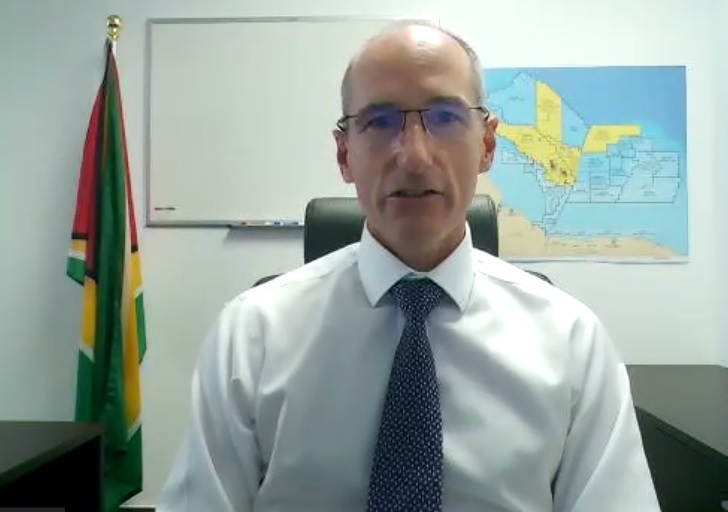
    ExxonMobil Guyana President Alistair Routledge announced on Thursday that the development of a second offshore natural gas pipeline to Berbice remains contingent upon the commercial feasibility of several major industrial projects. The decision hinges on establishing a sustainable market for the gas that would justify the substantial infrastructure investment.

    Speaking at a press conference, Routledge revealed that both ExxonMobil and the Guyanese government have received preliminary expressions of interest for multiple ‘anchor projects’ that would utilize the gas resources. These potential developments include an additional power generation facility, advanced data centers, and a bauxite-to-alumina processing plant, all intended to consume natural gas from the southeastern region of the Stabroek Block.

    In a significant regional development, Routledge confirmed preliminary discussions with Suriname regarding potential pipeline sharing arrangements to achieve economies of scale. The Haimara development is projected to serve as the primary anchor for this initiative, with Pluma integrated into this development framework. The executive noted that remaining gas discoveries not incorporated in the Longtail development would be associated with the Haimara anchor project.

    Routledge provided technical insights, explaining that Pluma contains gas condensate but is considered drier than Longtail. Consequently, ExxonMobil prefers developing other reservoirs before implementing a tie-back to Pluma to optimize condensate recovery.

    Regarding the Hammerhead deposit, Routledge disclosed it contains heavier oil, with associated gas production estimated at 80-90 million standard cubic feet at peak operation. Rather than reinjecting this gas, it will be channeled into the existing pipeline supplying the Wales facility on West Bank Demerara.

    The Guyana government had previously announced partial completion of the Wales power plant by year-end 2026. The comprehensive Wales development project, valued at $759 million, includes a natural gas liquids plant for cooking gas production. When accounting for all development works, including necessary soil stabilization measures, total project costs are approaching $3 billion.

  • Increased oil price, production accelerating ExxonMobil’s cost recovery

    Increased oil price, production accelerating ExxonMobil’s cost recovery

    ExxonMobil Guyana has announced a significant acceleration in recovering its historic exploration and production costs from the Stabroek Block, moving the timeline forward from 2027 to this year. This expedited recovery is attributed to the current favorable market conditions, with oil prices hovering around $100 per barrel and production exceeding 900,000 barrels per day.

    Company President Alistair Routledge confirmed the development during a recent press conference, stating that the combination of robust production levels and strong global oil prices has created an optimal financial environment. “What we’re now seeing in this price environment is that [recovery] will accelerate. If you stay at the current oil price, then it will happen this year,” Routledge explained.

    The historic costs, dating back to the original 1999 contract with Guyana, currently stand at approximately $5 billion out of a total cost bank estimated at $40 billion. Under the Production Sharing Agreement, up to 75% of gross revenues can be allocated to cost recovery.

    Routledge emphasized that this accelerated cost recovery marks a pivotal moment for Guyana’s revenue prospects. Once these historic costs are fully recovered, Guyana’s share of profit oil will increase substantially beyond the current 14.5% (including 2% royalty). The exact percentage increase will depend on ongoing market conditions, production volumes, and operational expenditures.

    The ExxonMobil executive described this transition as moving into “a much more dynamic world” regarding national revenue, noting that the country’s financial trajectory remains “positive.” This development also reinforces the Production Sharing Contract’s effectiveness in encouraging continued investment in the Stabroek Block’s development.

    ExxonMobil has committed to spending up to $60 billion in capital expenditure throughout its operations in Guyana, in addition to annual operating expenses amounting to billions of dollars.

  • Guyana on literacy, numeracy drives- Education Minister tells CXC conference

    Guyana on literacy, numeracy drives- Education Minister tells CXC conference

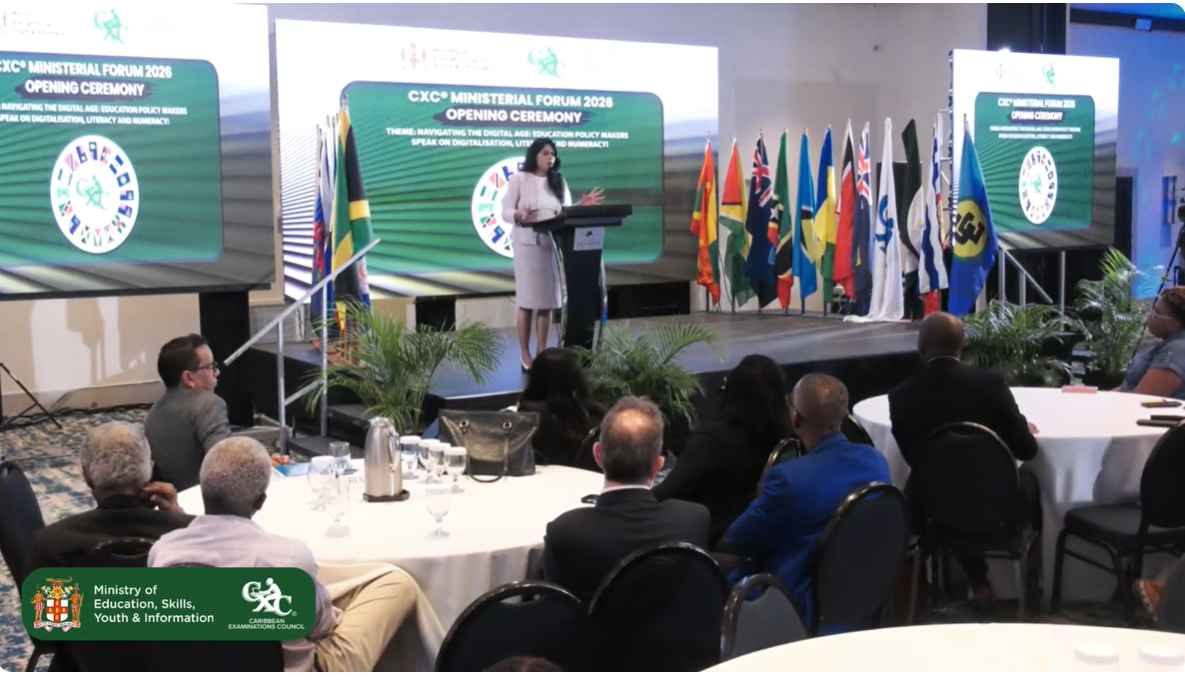
    Guyana is implementing sweeping educational reforms with the introduction of Grade Two and Four literacy assessments, Education Minister Sonia Parag announced at the Caribbean Examinations Council (CXC) Ministerial Forum in Jamaica. The initiative aims to ensure students achieve literacy before completing primary education, addressing what Minister Parag acknowledged as the region’s problem with “producing functionally illiterates.”

    The comprehensive strategy includes establishing community literacy tents where parents can assist children with homework, creating a collaborative learning environment that extends beyond classroom walls. Minister Parag, who also chairs CARICOM’s Council for Human and Social Development, revealed that numeracy assessments will follow in 2027.

    The conference, themed “Navigating the Digital Age: Rethinking Teaching, Learning and Assessment,” became a platform for Caribbean education leaders to address both the opportunities and challenges presented by artificial intelligence. While recognizing AI’s potential for personalized learning and immediate feedback, Minister Parag warned of risks including false imagery, plagiarism, data privacy concerns, and increased bullying. She advocated for responsible integration with “clear frameworks” focusing on ethics, data protection, and academic integrity.

    CARICOM Assistant Secretary General Alison Drayton emphasized the urgency of educational transformation, stating incremental changes are insufficient in the face of rapid technological advancement. She cautioned that delays risk widening existing inequities, particularly when combined with the lingering impacts of COVID-19 and annual hurricane disasters.

    The conference concluded with several key resolutions: assessment systems prioritizing fairness and authenticity, sustained investment in teacher development and digital infrastructure, and strengthened regional collaboration. CXC Chairman Sir Hilary Beckles highlighted the concerning decline of history as a compulsory subject over the past fifty years, noting the visible consequences of historical ignorance in contemporary society.

    All speakers emphasized that educational reform must be implemented through phased, consultative approaches rather than sudden, heavy-handed measures that could leave teachers and students feeling unprepared or excluded. The consensus emerged that Caribbean nations must collectively navigate digital transformation while preserving regional identity and cultural values.

  • Brickdam Secondary School teacher sent off job amid sexual allegations

    Brickdam Secondary School teacher sent off job amid sexual allegations

    Education authorities in Guyana have initiated a formal investigation into serious allegations of a sexual nature involving a teacher at Brickdam Secondary School. Chief Education Officer Saddam Hussain confirmed on Wednesday that the educator was immediately placed on administrative leave following established protocols.

    The teacher was removed from duty on March 13, 2026, the same day the allegations were formally brought to the attention of the Ministry of Education. The case has triggered a multi-agency response involving both governmental and non-governmental organizations specializing in child protection.

    Blossom Inc., a respected non-governmental organization focused on child rights, has been engaged to conduct forensic interviews with affected students. Hussain reported that one such interview has already been completed as part of the ongoing investigation.

    Concurrently, the Welfare Department of the Georgetown Department of Education has been actively engaging with parents of potentially affected students. Meetings were held with three separate parents between March 13 and March 17, with each receiving official referral letters to the Child Protection Agency in accordance with standard operating procedures.

    The Chief Education Officer explicitly addressed circulating social media claims, stating: “The Ministry of Education wishes to state unequivocally that, contrary to certain misleading claims circulating on social media, there has been no delay in the investigative process.” The statement emphasized the ministry’s commitment to thorough and timely resolution of the matter while ensuring proper procedural safeguards are maintained throughout the investigation.

  • CCJ President proposes international climate injuries compensation fund

    CCJ President proposes international climate injuries compensation fund

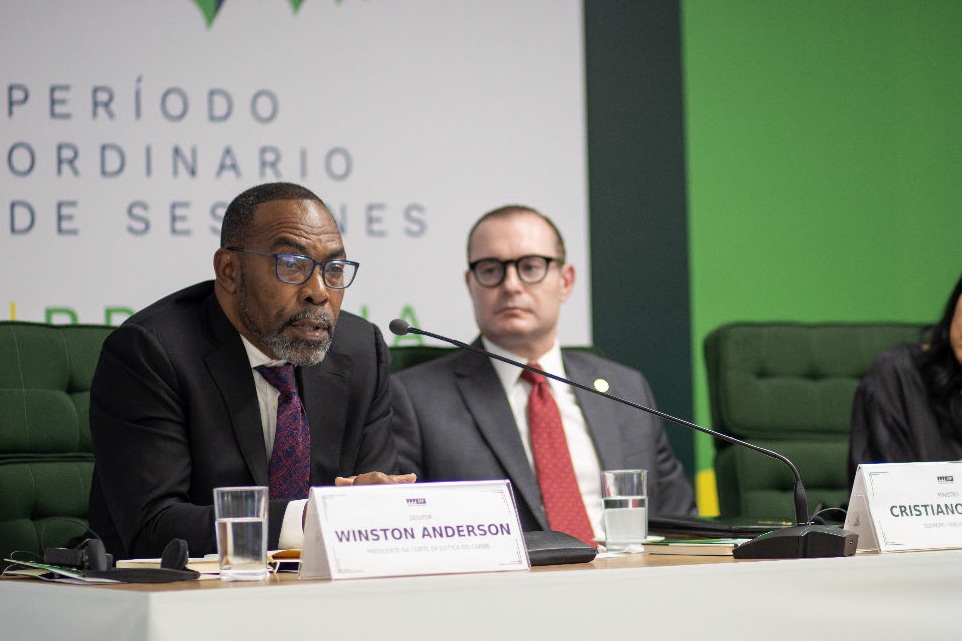
    In a significant development in climate justice advocacy, Caribbean Court of Justice (CCJ) President Winston Anderson has formally proposed the creation of an International Climate Injuries Compensation (ICIC) Fund during the Inter-American Seminar on Climate Emergency and Human Rights in Brasilia, Brazil. The landmark proposal, presented on March 16, 2026, calls for mandatory corporate contributions to address climate-related damages in vulnerable nations.

    President Anderson articulated his vision before the gathering hosted by the Inter-American Court of Human Rights and Brazil’s Supreme Court, emphasizing that existing regulatory frameworks fall short of addressing urgent climate realities. While acknowledging the importance of the Inter-American Court’s Advisory Opinion No.32 of 2025, which establishes government obligations to regulate climate-harming corporations, Anderson stressed the necessity of practical implementation mechanisms.

    The proposed ICIC Fund would operate under the ‘Polluter Pays’ principle, requiring multinational corporations exceeding specific greenhouse emission thresholds to contribute financially through their operating states. Drawing inspiration from the International Maritime Organisation’s successful oil pollution compensation model, the fund would possess legal personality enabling affected nations to seek compensation for damages caused by extreme weather events.

    Anderson expressed particular concern about the inadequate capitalization of the existing Fund for Responding to Loss and Damage (FRLD) established under the Paris Agreement. He highlighted the stark disparity between actual damages and available compensation, noting Jamaica’s situation where USD 6-7 billion in hurricane damages contrasts with maximum potential FRLD compensation of merely USD 20 million.

    The initiative, first introduced during Anderson’s keynote address at the CANARI Partners Forum in Barbados this January, represents a growing consensus among vulnerable nations that corporate accountability must translate into tangible financial responsibility for climate impacts.

  • Georgetown Public Hospital asks Court to order removal of street vendors

    Georgetown Public Hospital asks Court to order removal of street vendors

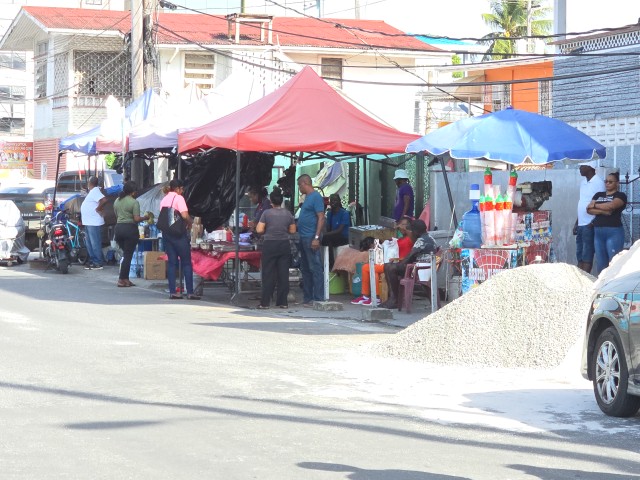
    Georgetown Public Hospital Corporation (GPHC), Guyana’s premier healthcare institution, has escalated its ongoing battle against unauthorized street vending by filing a formal legal petition with the High Court on Tuesday, March 17, 2026. The hospital seeks judicial intervention to compel Georgetown’s Town Clerk to immediately clear vendors obstructing critical access routes to the medical facility.

    Through legal representation by Attorney Sase Gunraj, GPHC demands the municipal authority enforce its statutory obligations under Guyana’s Municipal and District Councils Act. The application specifically targets food, beverage, and miscellaneous vendors operating mobile trucks, carts, and temporary stalls along New Market, Middle, East, Lamaha, and Thomas Streets—all crucial perimeter roads surrounding the hospital complex.

    CEO Robbie Rambarran’s supporting affidavit outlines severe operational impacts caused by the vendor congestion. Emergency vehicles, medical staff, and patients face significant access challenges due to obstructed ingress and egress points. Additionally, the hospital administration cites serious sanitation concerns, with vendors allegedly leaving substantial waste and debris across the hospital vicinity.

    The court documents reveal a protracted history of failed resolutions, dating back to April 2024. Despite multiple formal communications—including letters sent on April 30, 2024, May 7, 2024, and January 5, 2026—the Mayor and City Council have not implemented permanent solutions. While municipal officials acknowledged the problem in a May 2024 response and expressed intentions for amicable resolution, no substantive action followed.

    Rambarran emphasized that GPHC lacks necessary vendor particulars to initiate individual legal proceedings, making municipal intervention the only viable pathway to restore order. The hospital contends that successful court action would not only benefit medical operations but also uphold public order around one of Guyana’s most critical healthcare infrastructures.