
Guyana’s state-owned sugar corporation, GUYSUCO, is operating under severe financial strain with production costs dramatically exceeding market sale prices, according to revelations in the National Assembly. APNU’s agriculture spokesman, Vinceroy Jordan, disclosed that the corporation is producing sugar at an average cost of US$1.31 per pound while selling it for just US$0.17 per pound—representing a staggering 154% cost-to-price disparity. This translates to a loss of US$1.14 on every pound of sugar sold internationally. In local currency terms, the figures are equally alarming: GUYSUCO spends GY$275 to produce one pound of sugar but sells it for only GY$35. The 2026 National Budget indicates sugar prices fell by 17.1% to US$0.37 per kilogram in 2025, with a further 0.5% decline expected this year. Despite these financial challenges, the government plans to inject an additional GY$13.4 billion into the sugar sector following last year’s GY$13.3 billion expenditure on mechanization and operational improvements. Finance Minister Dr. Ashni Singh reported that sugar production reached 59,600 tonnes in 2025—a 26.5% expansion despite being hampered by heavy rainfall, labor shortages, low employee turnout, and factory machinery issues. The sector is projected to grow by 67.9% in 2026 with a target of 100,041 tonnes. GUYSUCO remains a significant employer with over 8,000 workers.
标签: Guyana
圭亚那
-
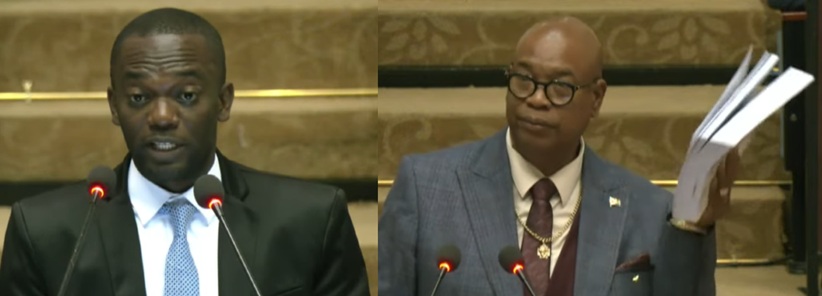
WIN, APNU, PPPC govt clash on amount of oil money in budget, cost of living
Guyana’s National Assembly witnessed a fierce political confrontation on Monday as the opposition We Invest in Nationhood (WIN) and A Partnership for National Unity (APNU) clashed with the ruling People’s Progressive Party Civic (PPPC) government over the allocation of oil revenues in the record GYD$1.558 trillion 2026 national budget and its perceived failure to address escalating living costs.
In his inaugural parliamentary address, WIN frontbencher Dr. Andre Lewis launched a comprehensive critique of the budget framework, arguing that it disproportionately relies on volatile oil earnings without establishing contingency plans for potential revenue shortfalls. “The budget depends heavily on oil revenues at a time when global oil prices are uncertain and projected to decline,” Lewis stated, emphasizing the absence of clear fiscal safeguards should petroleum income diminish unexpectedly.
The opposition leader further challenged the government’s characterization of the spending plan as “People-Centred,” noting persistent challenges including inflated food prices, unregulated transportation costs, and inadequate housing availability. Lewis contended that coastal, riverain, rural, and mining communities continue experiencing stark disparities in service delivery, infrastructure quality, and economic opportunity despite the budget’s comprehensive scope.
Public Works Minister Juan Edghill offered a robust defense of the government’s fiscal strategy, clarifying that only GY$495 billion—approximately 31.8% of the total budget—derives from petroleum revenues. “That’s the total amount of oil money that is financing this budget,” Edghill asserted, directly countering opposition claims of excessive hydrocarbon dependency.
The minister characterized the budget as a “social contract of inclusion” deliberately designed to channel resources toward working families, small enterprises, agricultural producers, public servants, and marginalized communities. Edghill highlighted substantial allocations including GY$183 billion for education, GY$161 billion for healthcare, GY$113.2 billion for agricultural and food security initiatives, and GY$196.1 billion for transformational transport infrastructure.
APNU representative Vinceroy Jordan joined the critique, dismissing the government’s proposed GY$5,000 pension increase and GY$3,000 public assistance boost as insufficient measures that fail to genuinely prioritize citizen welfare. Jordan advocated for a 35% salary increase for public servants—suggesting 25% as a minimum acceptable compromise—and emphasized that substantial agricultural investment represents the most viable pathway to reduce food prices and enhance national food security.
Minister Edghill concluded by underscoring the government’s comprehensive infrastructure investments in drainage systems, road networks, bridges, ferry services, and airstrips, arguing that these developments indirectly reduce living costs by improving transportation efficiency and market accessibility, particularly in remote regions.
-

Ali downplays impact of CARICOM’s differences
In a significant address to Belize’s National Assembly on Monday, Guyana’s President Irfaan Ali reframed internal disagreements within the Caribbean Community (CARICOM) not as a weakness, but as a fundamental strength of the 15-member regional bloc. Speaking during a three-day state visit, President Ali articulated a vision where divergent perspectives are essential for robust decision-making, directly addressing recent tensions among member states.
The President’s remarks arrive amidst a backdrop of visible policy splits, particularly concerning regional security. He implicitly referenced the recent positions of Guyana and Trinidad & Tobago, which endorsed United States-led actions against narco-terrorism in the Caribbean Sea. This stance contrasted with the traditional regional aspiration of maintaining a ‘zone of peace,’ a concept recently questioned by Trinidadian Prime Minister Kamla Persad-Bissessar, who had previously labeled CARICOM as ‘not a reliable partner.’
Emphasizing CARICOM’s five-decade resilience, Dr. Ali called for a renewed commitment to strengthen the community. ‘It is now incumbent upon us to make the community stronger, more responsive, and better equipped to serve both the collective and national interests of our peoples,’ he stated, underscoring the necessity for the bloc to adapt to a complex global landscape.
To illustrate the benefits of regional cooperation, President Ali pointed to the recently concluded partnership between the European Union and MERCOSUR (the Southern Common Market). He presented this inter-regional agreement as a model, demonstrating how such collaborations can expand market access, bolster economic resilience, and amplify the influence of participating states in response to global uncertainties. His visit to Belize culminated in the signing of several bilateral agreements focused on tourism, technology, education, and agricultural cooperation.
-

Belize PM calls for talks to prevent Cuban humanitarian crisis
Belizean Prime Minister John Briceño has issued a compelling appeal for immediate diplomatic dialogue to prevent an impending humanitarian crisis in Cuba, where critical petroleum supplies are rapidly diminishing. The Prime Minister’s declaration came during a joint session of Belize’s National Assembly, convened in honor of Guyanese President Irfaan Ali’s state visit.
Briceño emphasized the urgent need for good faith negotiations to forestall a manufactured humanitarian disaster, stating such an outcome would be neither moral nor lawful. He reaffirmed Belize’s unwavering solidarity with the Cuban people during this period of escalating energy insecurity.
The current fuel shortage traces its origins to recent geopolitical developments involving Venezuela. The capture and extradition of Venezuelan President Nicolás Maduro and his wife by United States military forces has disrupted oil shipments to Cuba, creating a precarious supply situation. Maduro faces trial in New York on charges related to drug trafficking and weapons possession.
In contrast to the growing pressure from Washington to isolate Cuba, Mexican President Claudia Sheinbaum has announced her government’s intention to dispatch humanitarian assistance to the island nation this week.
Meanwhile, Guyana’s position appears increasingly complex. Despite historical benefits from thousands of Cuban scholarships and healthcare personnel, the South American nation has recently strengthened ties with the United States. This strategic realignment includes moves to terminate the Cuban medical brigade program, responding to US concerns that such agreements potentially facilitate human trafficking. Guyana’s foreign policy shift occurs amid ongoing territorial disputes with Venezuela over the Essequibo Region and adjacent Atlantic waters.
-
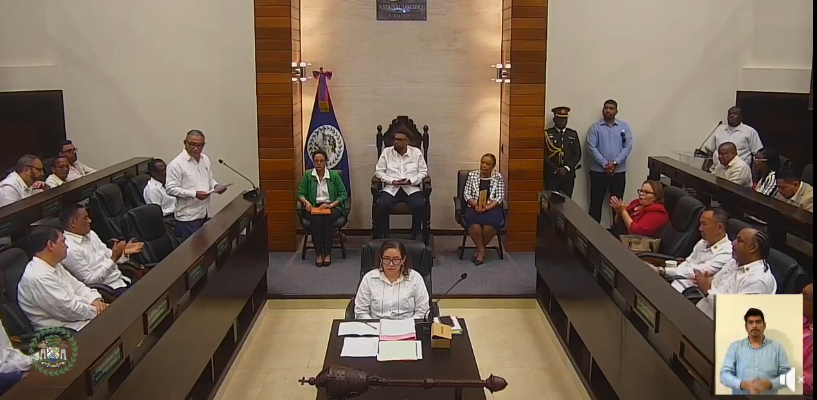
Guyana, Belize to sign agreements on tourism, agriculture, technology
In a significant move to strengthen regional cooperation, the Caribbean Community (CARICOM) nations of Guyana and Belize have announced a comprehensive partnership agreement spanning tourism development, agricultural collaboration, and technological advancement. The landmark announcement was made by Belizean Prime John Briceño during a joint session of the National Assembly attended by Guyanese President Irfaan Ali as part of his official state visit.
Prime Minister Briceño revealed that Belize will extend its expertise in tourism development to assist Guyana in building its tourism infrastructure, capitalizing on their shared geographical similarities as countries with abundant water resources. In reciprocity, Guyana will provide technological assistance to support Belize’s digital transformation initiatives, leveraging Guyanese experience in digitization processes.
The agricultural sector forms a critical component of the new partnership, with both nations committing to combined efforts in achieving CARICOM’s food security objectives. The leaders emphasized the importance of utilizing the Revised Treaty of Chaguaramas as the legal framework for facilitating free movement of agricultural goods within the regional bloc. Both countries, which share historical economic foundations in sugar production dating back to colonial eras, pledged to guarantee regional sugar supplies through refined sugar production facilities being established in both nations with American investment partnerships.
Multiple Memoranda of Understanding are scheduled for signing, covering diverse sectors including education, tourism, digitization, and agricultural cooperation. President Ali emphasized the necessity of removing artificial trade barriers and establishing fair trading systems while advocating for substantial investments in human, financial, and technological resources to achieve regional food security leadership.
The agreements represent a strategic alignment between two CARICOM members with complementary strengths, creating frameworks for knowledge sharing, private sector investment facilitation, and mutual economic benefit through structured collaboration across key socioeconomic sectors.
-
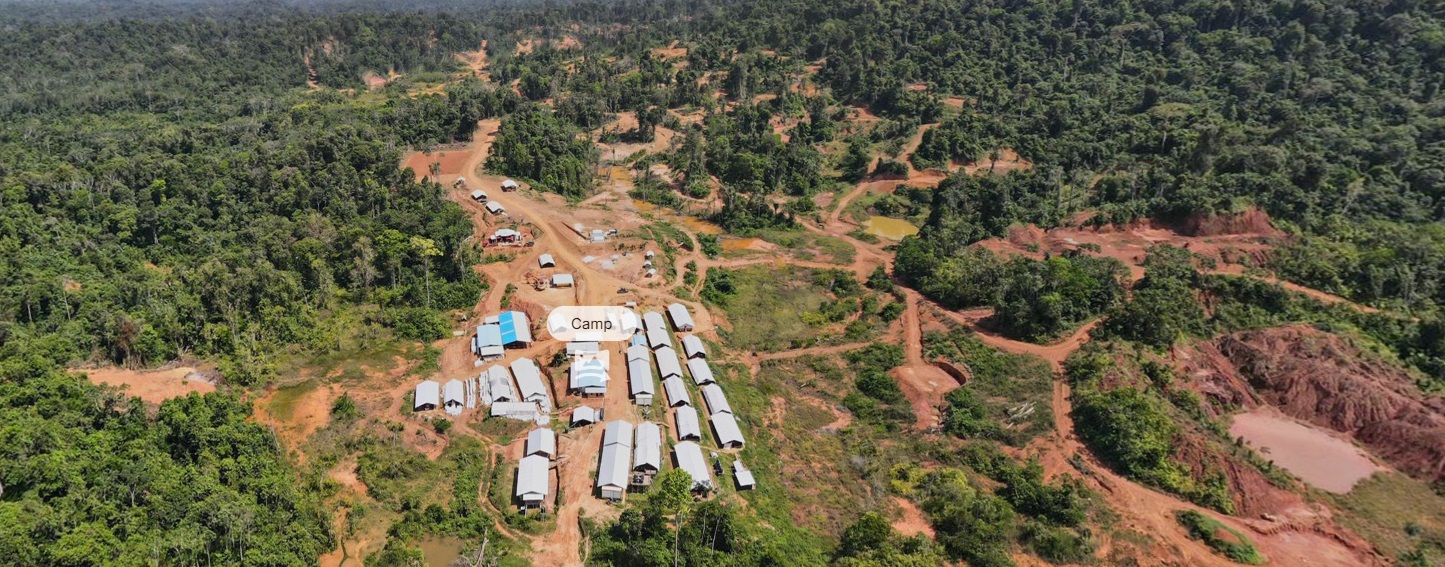
GMIN Mining refuses to comment on criminal incident at Guyanese concession
Canadian mining giant GMIN Mining has maintained a strict no-comment stance regarding a reported criminal incident at its Oko West concession in Guyana, where a massive US$1.5 billion gold mining operation is under development. The company’s spokesperson explicitly stated “no comments at this time from us” when pressed for details about the January 29, 2026 event.
While Guyana Police Force officials have not issued an official response to media inquiries, law enforcement sources disclosed that a shooting incident occurred at the remote mining site without resulting in any robberies. These anonymous sources confirmed that no arrests have been made in connection with the event.
Unofficial accounts circulating within the region suggest a more severe scenario, alleging that armed individuals deliberately shot at power generators, plunging the entire operation into darkness before proceeding to rob multiple workers of their personal valuables. The mining sector’s key stakeholders have reportedly remained unaware of these developments, highlighting potential communication gaps in the industry’s security protocols.
The Oko West project represents one of Guyana’s most significant mining investments, designed to yield approximately 400,000 ounces of gold annually upon completion. This incident raises serious questions about security preparedness at remote mining operations and corporate transparency regarding safety incidents.
-

Deputy Mayor of Mahdia resigns, former Mayor denies ministerial interference
The municipal governance of Mahdia, the capital of Guyana’s Region Eight (Potaro-Siparuni), has been plunged into a leadership crisis following the resignation of its Deputy Mayor, Akita John. Her decision comes merely days after Mayor Eslyn Romascindo-Hussain tendered her own resignation, creating a significant vacuum in the city’s administration.
In an official resignation letter addressed to Local Government Minister Priya Manickchand, Ms. John cited overwhelming personal reasons for her departure, effective February 7, 2026. She articulated that the immense demands of the office had severely encroached upon her personal life, making it unsustainable to continue. “After careful reflection, I have determined that the demands of the position have become increasingly challenging and are taking away significantly from my personal life,” she stated, emphasizing her desire to prioritize her well-being and personal responsibilities.
This move mirrors that of her predecessor, Mayor Romascindo-Hussain, who stepped down on February 1, 2026. The former Mayor also attributed her resignation to the detrimental impact the role had on her health, describing her three-year tenure as “very challenging” and detrimental to her physical and mental stability in a letter to Ministers Manickchand and Junior Minister Pauline Sukhai.
The consecutive resignations had fueled widespread speculation of potential political interference, particularly targeting Junior Minister Sukhai. However, in a decisive public statement, former Mayor Romascindo-Hussain vehemently denied any such influence. She dispelled the rumors as “false information” and reaffirmed her unwavering commitment to the ruling People’s Progressive Party Civic (PPPC). She explicitly commended Minister Sukhai’s support, stating, “I have always been supported by the Hon. Minister… and have never had any interference when it came to the work of the council.”
Both former officials expressed their continued support for the development and progress of Mahdia amidst this period of governmental transition.
-
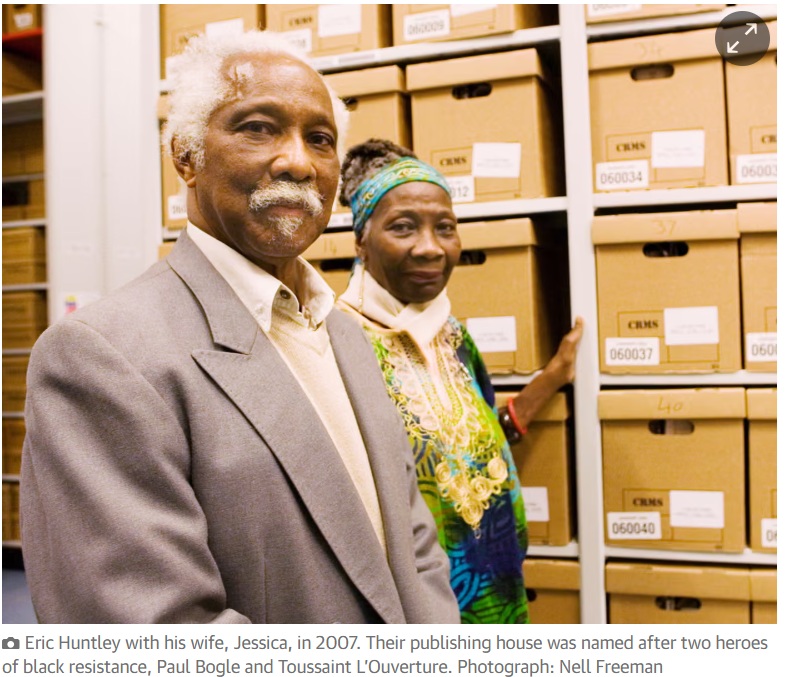
Guyanese activist and co-founder of leading Black publishing houses in Britain dies
Eric Huntley, the Guyanese-born co-founder of Britain’s seminal black publishing house Bogle L’Ouverture and a lifelong campaigner for racial equality, has passed away at age 96. Alongside his wife Jessica, Huntley established the radical publishing venture in 1968 from their West London living room, creating a crucial platform for underrepresented black authors and intellectuals.
The publishing house, named after Jamaican national hero Paul Bogle and Haitian revolutionary Toussaint L’Ouverture, rapidly evolved from a makeshift printing operation into both a respected publishing imprint and community hub. The Huntleys’ Ealing-based bookshop became an informal advice center and gathering place for London’s black community, championing writers including Linton Kwesi Johnson, Valerie Bloom, and Beryl Gilroy.
Beyond publishing, Huntley dedicated decades to racial justice activism. He played instrumental roles in the Caribbean Education and Community Workers Association and the Black Parents Movement, organizations formed to combat systemic racism in education and policing. His activism extended to organizing the 1981 Black People’s Day of Action following the New Cross fire tragedy that claimed 14 young black lives.
Born in 1929 Georgetown, British Guiana, Huntley’s political consciousness developed early through his involvement with the People’s Progressive Party and Marxist leaders Cheddi and Janet Jagan. His activism led to imprisonment in 1954 for curfew violation during British colonial rule’s state of emergency.
Seeking stability, Huntley migrated to Britain in 1957, working as a postal sorter while saving to bring his family from Guyana. The couple’s publishing venture began distributing speeches by influential Guyanese scholar Walter Rodney, growing into a respected imprint that published groundbreaking works despite repeated racist attacks during the National Front’s peak influence.
The Huntleys’ archives now reside at London Metropolitan Archives, preserving their legacy of cultural activism. Eric Huntley continued community advocacy into his tenth decade, maintaining that ‘the struggle never ends.’ He is survived by two children, nine grandchildren, and numerous great-grandchildren.
-
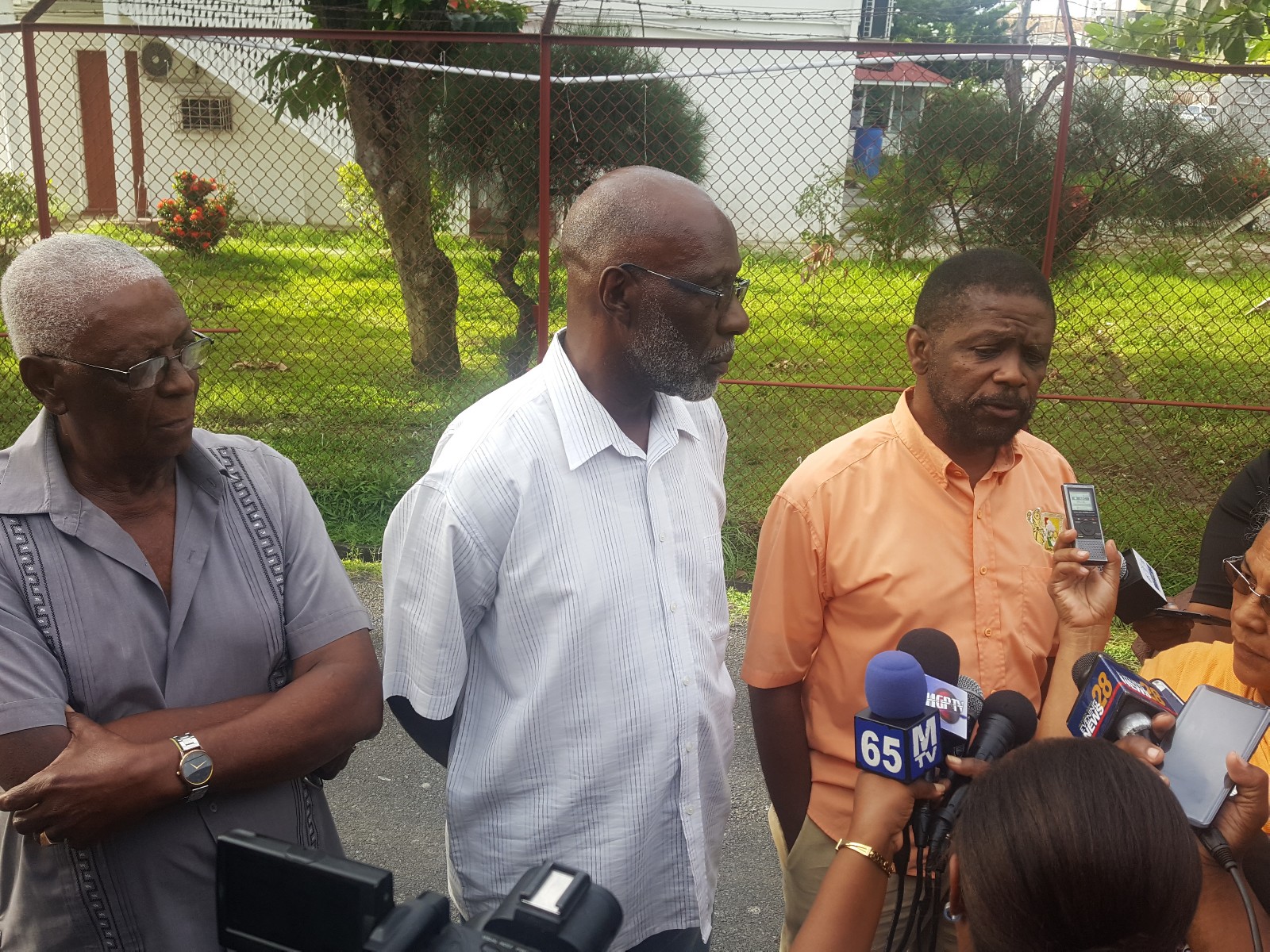
GECOM Commissioners refuse to discuss their future with Opposition Leader
In a significant political development, three election commissioners aligned with the A Partnership for National Unity/People’s National Congress Reform (APNU/PNCR) have formally declined Opposition Leader Azruddin Mohamed’s request to discuss their potential resignation from the Guyana Elections Commission (GECOM). Commissioners Vincent Alexander, Charles Corbin, and Desmond Trotman conveyed their position through a joint letter dated January 31, 2026, indicating their willingness to engage on other electoral matters while explicitly excluding discussions about their status from the agenda.
The commissioners acknowledged Mohamed’s role as Opposition Leader but firmly stated that their positions remain “a sine qua non subject to legislative or judicial intervention,” effectively rejecting calls for their voluntary departure. This response comes amid public statements from Mohamed’s We Invest in Nationhood (WIN) party, which has argued that GECOM’s composition should reflect the current configuration of the National Assembly, where WIN holds 16 seats compared to APNU’s 12.
The political standoff highlights deeper tensions within Guyana’s electoral governance framework. PNCR-APNU Leader Aubrey Norton criticized Mohamed’s approach, suggesting that proper protocol would involve consulting with his party first regarding any potential commissioner changes. Norton further asserted that GECOM appointments are permanent unless modified through legislative processes.
Adding complexity to the situation, Norton and APNU parliamentary leader Dr. Terrence Campbell have accused Mohamed of overlooking what they perceive as biased voting patterns by GECOM Chairman Retired Justice Claudette Singh, who they claim consistently sides with ruling party-nominated commissioners. The controversy unfolds against the backdrop of ongoing debates about electoral reforms, particularly regarding the implementation of digitalized biometric systems for voter registration and verification—a measure that Chairman Singh has cautioned must balance technological advancement with constitutional compliance.
-
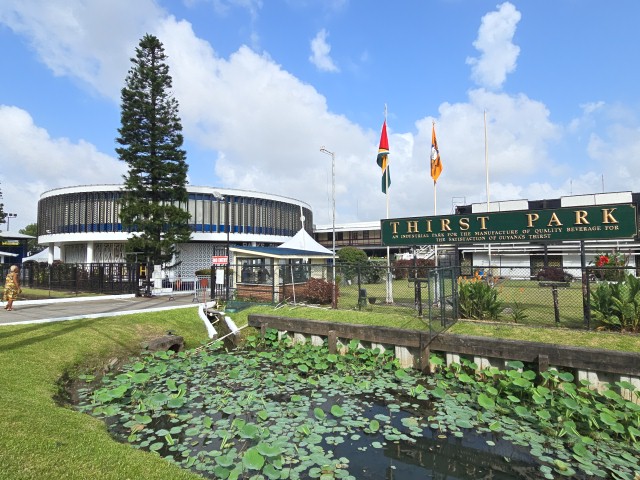
Banks DIH Holdings Inc to appeal High Court injunction on capping share capital, voting rights
In a significant corporate governance development, Banks DIH Holdings Inc. has announced its intention to appeal a High Court injunction that prevented the implementation of a controversial cap on shareholder voting rights. The ruling, issued on Friday, January 30, 2026, temporarily blocked the company from proceeding with amendments that would limit any single entity’s voting power to 15% of total shares, regardless of their actual shareholding percentage.
Company Chairman and Managing Director Clifford Reis addressed shareholders during Saturday’s Annual General Meeting at Thirst Park, East Bank Demerara, confirming the company’s compliance with the court order while simultaneously preparing an appeal. ‘As a law-abiding and responsible corporate citizen, we will comply with the judge’s order. However, the company proposes to appeal this matter to the Full Court for the discharge of this injunction,’ Reis declared, flanked by legal counsel.
The legal challenge was initiated by stock brokerages Guyana Americas Merchant Bank Inc and Beharry Stockbrokers Limited. Reis emphasized that Guyana Americas Merchant Bank does not currently hold shareholder status in Banks DIH Holdings, having missed the registration cutoff for the AGM.
The proposed Amendment to By-Law Article 8 represents a substantial shift in corporate governance policy. It would establish a strict 15% ceiling on voting rights, even for shareholders possessing larger stakes. The amendment broadly defines ‘person’ to include corporate entities, partnerships, trusts, and any coordinated groups acting in concert. Should any entity exceed this threshold, their excess votes would be rendered invalid during shareholder meetings.
Banks DIH Holdings has raised procedural objections to the injunction process, claiming Corporate Secretary Kavorn Kyte-Williams was denied the opportunity to file an opposing affidavit. The company further contends that Justice Sandil Kissoon’s judgment referenced non-existent ‘Articles of Association’ rather than the actual governing documents—Articles of Incorporation and By-Laws—fundamentally undermining the legal basis of the ruling.
Concurrently, Reis unveiled an ambitious initiative to expand shareholder participation, setting a target of 20,000 individual shareholders—a nearly 200% increase from current levels. ‘We want to see 20,000 small shareholders in this company—drivers, service workers, farmers, teachers, plant operators,’ he stated, distributing enrollment forms to attendees.
The proposed amendment includes provisions for appointing a Special Registrar to monitor compliance and enforce disclosure requirements aligned with Section 115 of Guyana’s Securities Industry Act. The outcome of the appeal will significantly influence corporate governance structures and shareholder democracy within one of Guyana’s prominent publicly traded companies.