标签: Guyana

圭亚那

  • Policeman unleashes blows on vagrant

    Policeman unleashes blows on vagrant

    A disturbing incident of police brutality unfolded on the streets of Georgetown, Guyana, on Tuesday, December 23, 2025, when a uniformed officer was captured violently assaulting an unarmed homeless man. The altercation occurred at the intersection of Main and Church Streets in broad daylight, witnessed by numerous pedestrians and documented by Demerara Waves journalists.

    The confrontation began when the law enforcement officer, utilizing a thick electrical wire as an improvised weapon, repeatedly struck the street dweller who was lying defenseless on his back. The violent episode continued until the officer became aware that his actions were being recorded, at which point he permitted the victim to leave the scene.

    Shockingly, when journalists confronted accompanying officers about the clear human rights violation, one officer responded with dismissive sarcasm, repeatedly muttering “human rights? human rights?” in apparent contempt. Another individual in civilian clothing attempted to interfere with the documentation process, demanding that journalists cease video recording the incident.

    Following the realization that the assault was being documented, multiple officers quickly dispersed from the area, some retreating through nearby market stalls in what appeared to be an effort to avoid further scrutiny. The incident has raised serious concerns about police conduct and accountability mechanisms within Guyana’s law enforcement system.

  • Police arrest GRA staff for probe into vehicle under-declarations

    Police arrest GRA staff for probe into vehicle under-declarations

    In a significant crackdown on corruption, Guyanese authorities have taken at least eight employees of the Guyana Revenue Authority (GRA) into custody as part of an expanding investigation into systematic tax evasion on imported vehicles. The arrests, confirmed by a senior GRA official on Tuesday, December 23, 2025, reveal alleged collusion between customs and licensing personnel that enabled substantial revenue losses.

    The investigation centers on imported vehicles handled by BM Soat, a prominent auto import agency already known to authorities for previous compliance issues. According to anonymous sources within the GRA, evidence suggests coordinated misconduct between different departments within the revenue agency that facilitated under-declaration of import taxes and duties.

    This development follows BM Soat’s previous settlement of over GY$220 million earlier this year for similar false declaration charges. Despite these prior penalties and ongoing court proceedings, the importing firm remains under active investigation as a central figure in the alleged scheme.

    Law enforcement officials have not yet quantified the total financial impact of the suspected tax evasion, but the scale of the operation suggests potentially massive revenue losses for the Guyanese government. The arrests represent one of the most significant anti-corruption actions taken against GRA staff in recent years, highlighting serious vulnerabilities in the nation’s import tax collection system.

    The detained employees face potential charges related to corruption, fraud, and conspiracy to evade taxes, with investigations continuing to determine the full extent of the financial damages and identify additional participants in the alleged scheme.

  • GY$18 million worth of mercury smuggled from Suriname- CANU

    GY$18 million worth of mercury smuggled from Suriname- CANU

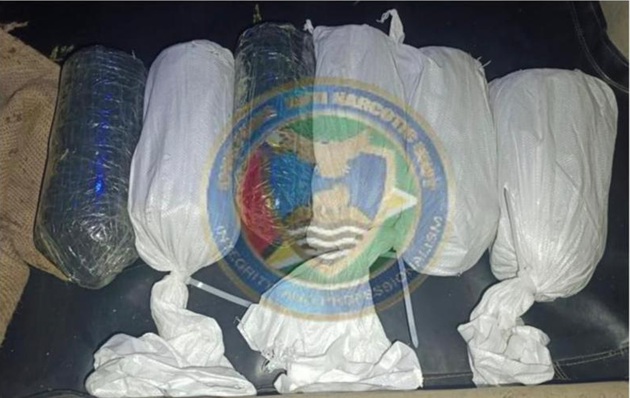
    In a significant enforcement operation, Guyanese authorities have intercepted a substantial mercury shipment valued at approximately GY$18 million (US$86,000) near the Surinamese border. The Customs Anti-Narcotics Unit (CANU) announced the seizure on Monday, December 22, 2025, following the previous day’s interception at Crabwood Creek in the Corentyne region of Berbice.

    According to CANU officials, the highly toxic substance was discovered concealed within a vehicle that had been stopped for inspection. “A comprehensive search of the intercepted vehicle revealed multiple parcels containing a strictly controlled and dangerous substance, subsequently identified as mercury,” the agency stated in its official release.

    The apprehension led to the immediate arrest of the suspected smuggler, who was transported to CANU Headquarters for interrogation. Law enforcement authorities have indicated the individual remains in custody while actively cooperating with ongoing investigative procedures.

    This interception occurs against the backdrop of Guyana’s intensified national campaign to virtually eliminate mercury usage in gold processing operations. The government initiative addresses grave environmental and public health concerns, as mercury contamination permeates ecosystems through atmospheric dispersion, water systems, marine life, and soil absorption, eventually entering the human food chain.

    Following forensic examination and valuation, the confiscated mercury was transferred to the Ministry of Natural Resources for specialized handling and environmentally secure disposal procedures. The cross-border smuggling attempt highlights persistent challenges in regulating hazardous materials within the region’s mining industry.

  • Tip led to phone store owner arrest for illegal guns, ammo – CANU

    Tip led to phone store owner arrest for illegal guns, ammo – CANU

    In a significant law enforcement operation, authorities in Guyana have apprehended the proprietor of a mobile phone retail establishment on serious weapons charges. The arrest occurred Sunday evening on Sheriff Street in Georgetown following an intelligence-driven operation conducted by the Customs Anti-Narcotics Unit (CANU).

    The suspect, identified as a resident of Bladen Hall on East Coast Demerara, was intercepted during a targeted operation initiated based on credible information received by anti-narcotics officials. The operation resulted in the discovery of multiple unlicensed firearms and ammunition in the individual’s possession.

    According to official CANU reports, the seized arsenal included one AK-47 assault rifle (serial number A1-72720-20 ROA) accompanied by a magazine containing nineteen 7.62×39mm live rounds. Additionally, agents confiscated one Glock 17 pistol (serial number LVH237) with a magazine containing seven 9mm live rounds, and one Taurus pistol (serial number AHD901601) with an empty magazine.

    Notably, authorities confirmed that the suspect maintained proper licensing for the Glock 17 pistol, raising questions about the circumstances surrounding the other unregistered weapons. The case continues to develop as investigators examine potential connections between the mobile business operation and the illegal weapons cache.

  • Encourage civil society participation, resume presidential debates to sustain issue-based campaigning

    Encourage civil society participation, resume presidential debates to sustain issue-based campaigning

    A comprehensive report from the Commonwealth Observer Group has issued significant recommendations for strengthening Guyana’s electoral processes following the 2025 general and regional elections. Dated September 1 and published December 22, the document calls for substantial reforms to enhance democratic integrity and issue-based political engagement.

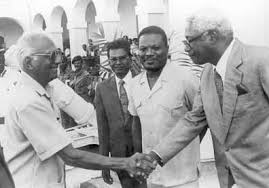
    The observer mission specifically advocates for the reinstatement of nationally televised presidential debates, noting that the last such event occurred in 1992 between then-incumbent President Desmond Hoyte of the People’s National Congress and his successful challenger Dr. Cheddi Jagan of the People’s Progressive Party Civic. Subsequent attempts to organize similar debates between major political parties have consistently failed despite their potential to elevate policy discussions above partisan divides.

    The report identifies a notable shift in campaign dynamics, recognizing that while traditional mobilization techniques persisted, the 2025 elections featured increased policy-driven messaging addressing Guyana’s economic and social challenges. Key campaign issues centered on transparent management of oil and gas revenues, anti-corruption measures, equitable development, and social service improvements. Constitutional reform and responsible economic growth emerged as dominant themes across party platforms.

    Regarding media landscape assessment, the Commonwealth Group expressed concerns about uneven pluralism, with state-owned entities like the Chronicle and National Communications Network perceived as favoring the governing party. Meanwhile, private media outlets face financial constraints and occasional self-censorship due to political pressures and advertising dependencies. The report recommends developing a media code of conduct for election coverage through collaboration with the Guyana Press Association and the Guyana Elections Commission (GECOM).

    The digital transformation of campaigning received particular attention, with approximately 96% of Guyanese now online. While social media provided new participatory avenues, especially for smaller parties, it also facilitated the spread of misinformation and disinformation throughout the election cycle.

    The observer mission further highlighted concerns about diminishing civic space, noting that civil society organizations reported operating in a punitive environment that sometimes labels them as “anti-government.” The report criticizes GECOM for lacking structured engagement with stakeholders—including media, political parties, and civil society—within its electoral operational plan. No deliberate outreach efforts were made to ensure meaningful civil society participation in election preparations, and information about citizen observers remained inaccessible to the Commonwealth Group.

    Overall, the recommendations emphasize institutionalizing issue-based campaigning, ensuring media independence, building digital resilience through monitoring and civic education, and revitalizing civil society’s role in maintaining transparency and accountability within Guyana’s democratic processes.

  • Time for biometric system, no evidence of using list for electoral fraud- Commonwealth Observers

    Time for biometric system, no evidence of using list for electoral fraud- Commonwealth Observers

    Commonwealth election observers have concluded their assessment of Guyana’s September 2025 general and regional elections, recommending the implementation of biometric technology to address longstanding concerns about the integrity of the voter registry while simultaneously clearing the elections of systematic fraud allegations.

    The recently published report from the Commonwealth Observer Mission acknowledged persistent worries about Guyana’s voter roll containing deceased individuals and emigrants but found no substantiated evidence that the inflated list was exploited for electoral manipulation. The mission documented that all 438,468 valid votes were cast through transparent and properly managed procedures.

    Despite the clean bill of health regarding electoral integrity, the observers strongly advocated for biometric voter registration and verification systems to be implemented early in the next election cycle. This recommendation comes despite previous constitutional concerns raised by Guyana Elections Commission (GECOM) Chairperson Retired Justice Claudette Singh, who had expressed reservations about using biometric technology exclusively for voter verification.

    The comprehensive report highlighted significant improvements in electoral administration since the contentious 2020 elections. Observers praised GECOM for major procedural enhancements including updated electoral manuals, decentralized counting processes, and the introduction of simultaneous electronic posting of polling station results—all contributing to greater transparency and accuracy.

    Election day operations received particular commendation for generally professional conduct, with polling staff demonstrating preparedness and courtesy. Security coordination was effectively managed, and voter guidance materials were predominantly well-organized despite some inconsistencies in signage.

    The observers noted several structural challenges contributing to voter list inaccuracies, including legal restrictions on modifying the registry and difficulties operationalizing legislation that would allow using death reports from the Police Commissioner and Chief Medical Officer to remove deceased individuals from the rolls.

    The report also documented that most political parties participated under protest, with newer parties expressing specific dissatisfaction about GECOM’s decision against biometric technology. Both the Alliance For Change (AFC) and Assembly for Liberty and Prosperity (ALP) had publicly questioned GECOM’s readiness and formally called for election postponement.

    Despite these concerns, the Commonwealth Group affirmed that the 2025 voting, counting, and tabulation processes were conducted peacefully and with generally high standards of transparency and management.

  • Antigua PM disputes statements made by his Trinidad and Tobago counterpart

    Antigua PM disputes statements made by his Trinidad and Tobago counterpart

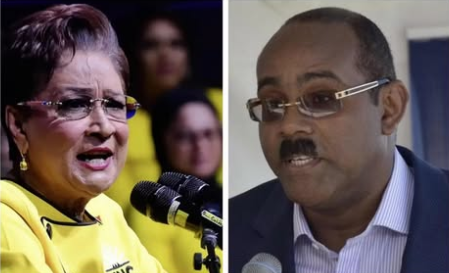
    A significant diplomatic dispute has emerged between Caribbean leaders following critical remarks by Trinidad and Tobago’s Prime Minister about regional cooperation. Prime Minister Kamla Persad-Bissessar of Trinidad and Tobago declared the Caribbean Community (CARICOM) “not a reliable partner at this time,” characterizing the organization as dysfunctional and self-destructive in its current operations.

    In a robust response, Antigua and Barbuda’s Prime Minister Gaston Browne issued a comprehensive rebuttal, challenging these assertions with substantial economic data and emphasizing CARICOM’s historical significance. Browne presented compelling trade statistics demonstrating Trinidad and Tobago’s substantial economic benefits from regional integration, revealing that the nation earned over US$1.1 billion in foreign exchange from CARICOM trade during 2024 alone.

    The economic relationship shows remarkable imbalance in Trinidad and Tobago’s favor, with the country maintaining the largest merchandise trade surplus within CARICOM and consistently recording positive trade balances since the organization’s establishment in 1973. Browne highlighted how this advantageous position has been facilitated through protective measures including the Common External Tariff (CET), through which member states collectively forwent approximately US$142.7 million in customs revenue during 2024 to support Trinidad’s manufacturing sector.

    Beyond economic cooperation, Browne emphasized CARICOM’s crucial role in regional security, particularly in addressing Trinidad and Tobago’s challenges with organized crime through intelligence sharing and coordinated law-enforcement initiatives.

    The controversy originated from Persad-Bissessar’s criticism of CARICOM’s position regarding U.S. travel restrictions imposed on Antigua and Barbuda and Dominica, which Washington subsequently suspended. The Trinidad leader distanced her government from CARICOM’s collective stance, asserting every sovereign state must accept consequences for its policy choices.

    Browne firmly rejected Persad-Bissessar’s suggestion that Antigua and Barbuda had “bad-mouthed” the United States, stating “no evidence has been offered because none exists.” He emphasized his nation’s record of close collaboration with Washington on security, immigration, and multilateral cooperation while maintaining commitment to Caribbean integration.

    The exchange reveals deepening divisions within CARICOM regarding foreign policy alignment and organizational effectiveness, with Persad-Bissessar warning of “widening fissures” beneath the “thin mask of unity” that could lead to institutional implosion if left unaddressed.

  • Court halts cybercrime prosecution to address novel challenges to speech-based offences in Guyana

    Court halts cybercrime prosecution to address novel challenges to speech-based offences in Guyana

    A landmark legal challenge in Guyana has temporarily suspended a cybercrime prosecution, placing the nation’s 2018 Cybercrime Act under unprecedented judicial scrutiny over free speech concerns. The Diamond Magistrate’s Court witnessed a pivotal development on Friday, December 19, 2025, when presiding Magistrate Mr. Dylon Andray Bess halted proceedings against businesswoman Ann Narine to address fundamental constitutional and jurisdictional objections raised by her defense team.

    Defense counsel Dr. Vivian Williams, a New York-based attorney appearing alongside Nigel Hughes, presented a comprehensive motion to dismiss the charge of ‘using a computer system to publish electronic data with intent to humiliate.’ Dr. Williams argued the charge was legally defective, excessively vague, and insufficiently particularized to meet constitutional standards.

    The defense mounted a novel jurisdictional challenge questioning what constitutes adequate pleading of jurisdiction in computer-related offenses, particularly when such prosecutions may infringe upon fundamental rights to freedom of expression. Counsel emphasized that strict pleading requirements are essential in cases criminalizing speech due to the potentially broad chilling effect on public discourse and risks of jurisdictional overreach.

    Magistrate Bess acknowledged the exceptional significance of these constitutional questions, granting a lengthy recess for prosecution consideration. When proceedings resumed, the prosecution requested an adjournment until January 6, 2026, citing unpreparedness to respond to the defense’s substantive objections. The court granted the adjournment while directing the defense to submit written submissions detailing their arguments.

    The court imposed only nominal bail of GY$30,000 without restrictive conditions, accepting defense arguments that no flight risk existed. Additionally, a separate charge against Ms. Narine for refusing fingerprinting and photography was dismissed entirely.

    This developing case represents a potential watershed moment for cybercrime jurisprudence in Guyana, with the forthcoming ruling expected to establish important precedents regarding jurisdictional standards and constitutional limitations on prosecuting speech-based conduct under the Cybercrime Act. The outcome may significantly influence ongoing public debates about potential reforms to the legislation.

  • Oil wealth not spreading countrywide- Jagdeo, Campbell

    Oil wealth not spreading countrywide- Jagdeo, Campbell

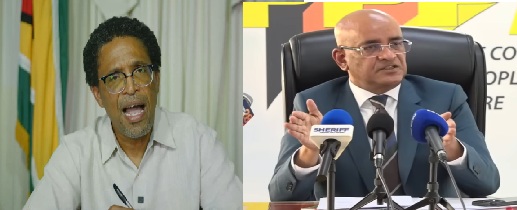
    Six years into its oil production era, Guyana continues to struggle with distributing hydrocarbon revenues across its national territory, according to simultaneous acknowledgments from both government and opposition figures. Vice President Bharrat Jagdeo and A Partnership for National Unity (APNU) parliamentary leader Dr. Terrence Campbell concur that economic benefits remain disproportionately concentrated in Region Four (Demerara-Mahaica), where hospitality and service sectors have experienced explosive growth.

    The administration is implementing a strategic response through tax-free investment zones designed to stimulate non-oil sectors. President Irfaan Ali’s recently unveiled five-year development agenda emphasizes agro-food processing and industrial diversification as pathways to generate high-value employment opportunities. Jagdeo confirmed that while urban centers have witnessed remarkable service sector expansion, rural, riverain, and Amerindian communities have not experienced comparable economic integration.

    A cornerstone of the government’s approach involves substantial fiscal incentives, including zero corporation tax for export-oriented agricultural producers and import substitution enterprises. This policy framework accompanies ambitious development initiatives such as the planned 180,000-acre agro-industrial complex in Berbice, projected to yield billions in export revenues.

    Opposition representatives argue for more equitable resource allocation regardless of political affiliations. APNU parliamentarian Nima Flue-Bess highlighted developmental disparities across Regions Five, Seven, Eight, and Ten, demanding balanced economic advancement nationwide. Dr. Campbell specifically referenced ongoing projects in PPPC-stronghold Region Six, including specialized training institutes and infrastructure developments, while urging immediate attention to agricultural sector modernization.

    The parliamentary leader further cautioned about petroleum market volatility, advocating for prudent fiscal management of oil revenues. He emphasized the necessity of strategic savings and wise investment to ensure long-term economic stability amid fluctuating global energy prices.

  • Teething problems snag MV Konawaruk 1899

    Teething problems snag MV Konawaruk 1899

    In a strategic move reinforcing its territorial claims, Guyana officially commissioned the MV Konawaruk 1899 ferry on the Essequibo River this Friday, despite encountering operational challenges during its maiden voyage. The vessel, acquired from Greece for approximately US$5 million, was ceremoniously named to reference both a significant geographical area in Region Eight (Potaro-Siparuni) and the pivotal 1899 Arbitral Tribunal Award that established the land boundary with Venezuela.

    The commissioning ceremony, led by Prime Minister Mark Phillips, underscored the vessel’s symbolic importance in the ongoing territorial dispute with Venezuela, currently under deliberation at the International Court of Justice (ICJ). The ferry is designated to serve the Parika-Supenaam route, a critical transportation corridor for agricultural cargo including rice, paddy, and machinery from Region Two.

    However, the inaugural journey revealed significant technical shortcomings. At both the Parika and Supenaam terminals, vehicle access proved problematic due to misalignments between the ferry’s bow door and the docking facilities. Security vehicles risked damage during boarding, necessitating temporary wooden planks for safe passage. The most pronounced issue occurred at Supenaam Stelling, where the bow door failed to land flush with the bridge, causing a 15-minute delay and requiring direct intervention from Maritime Administration Director-General Stephen Thomas and engineering staff.

    Public Works Minister Juan Edghill confirmed that while adjustments had been made to mooring facilities to accommodate the newly acquired vessel, additional modifications would be necessary. The government’s naming convention for marine craft—after rivers and significant locations—continues with this acquisition. The existing Chinese-made Sabanto and Kanawan ferries will remain operational on the Parika-Supenaam route, with another Greek vessel expected next month for deployment on the Georgetown-North West District route.