In a strategic move to bolster Guyana’s burgeoning private sector, IDB Invest has entered a landmark $5 million financing partnership with the Institute of Private Enterprise Development (IPED). Announced on January 16, 2026, this collaboration aims to dramatically expand financial access for micro and small enterprises (MSEs) across the South American nation, with particular emphasis on supporting women, youth, and rural entrepreneurs.
The financing structure comprises two equal tranches: $2.5 million from IDB Invest’s own resources matched by an identical amount from the Japan International Cooperation Agency (JICA) Trust Fund Achieving Development of Latin America and the Caribbean (TADAC Fund), which IDB administers. This blended financing approach represents a innovative model for development funding in the region.
Beyond capital injection, the partnership includes comprehensive technical assistance. IDB Invest will support IPED in conducting detailed market studies, refining its strategic approach to micro and small business financing, and enhancing its capabilities in sustainability-focused lending practices. This multifaceted support is designed to create lasting institutional capacity rather than merely providing temporary funding.
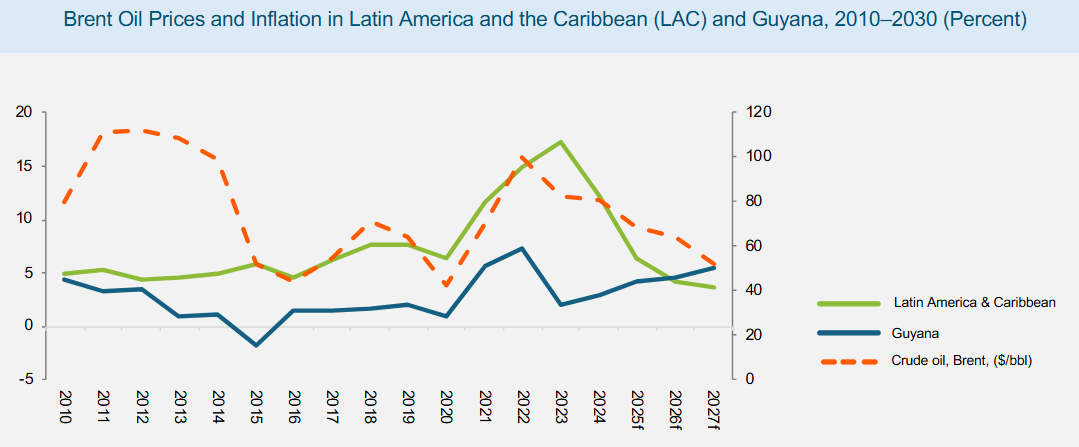
The timing of this intervention is particularly significant given Guyana’s extraordinary economic trajectory. With projections indicating 14% annual growth over the next five years—among the highest globally—microfinance institutions like IPED play a crucial role in ensuring broad-based participation in the nation’s economic transformation. By enabling MSEs to integrate into emerging supply chains and access growing markets, this initiative addresses critical gaps in the financial ecosystem.
IPED brings substantial credibility to this partnership as Guyana’s leading non-bank financial institution. Established in 1986, the organization maintains an extensive nationwide presence with particular strength in rural and hinterland communities often excluded from traditional banking services. Through its four decades of operation, IPED has disbursed over 140,000 loans to entrepreneurs while sustaining approximately 10,000 jobs annually, demonstrating tangible impact on inclusive economic growth.
This transaction underscores IDB Invest’s deepening commitment to sustainable private sector development throughout Guyana and the broader Caribbean region. As a member of the IDB Group, IDB Invest manages a substantial $22 billion portfolio across 25 countries, specializing in innovative financial solutions that generate both commercial returns and developmental impact.
The involvement of JICA’s TADAC Fund—a $1 billion initiative representing Japan’s largest private sector-focused fund in the region—adds significant international dimension to this partnership. This collaboration marks a sophisticated approach to development finance, blending multilateral resources with bilateral cooperation to maximize impact in one of the world’s most dynamic emerging economies.