标签: Grenada

格林纳达

  • Carriacou launches Maroon and String Band Music Festival

    Carriacou launches Maroon and String Band Music Festival

    The Caribbean island of Carriacou announces the triumphant return of its premier cultural event, the Maroon and String Band Music Festival, scheduled for April 24-26, 2026. Under the resonant theme “Honouring the Ancestors, Empowering the Youth,” this celebration represents a profound commitment to cultural preservation and intergenerational continuity.

    Festival Chairperson Allison Caton emphasized the event’s significance during the official launch on March 14, highlighting the intensive preparations underway. “This festival belongs to the people of Carriacou, not any political party,” Caton stated, underscoring its community-driven nature. She revealed concerns about traditional practices fading as elders pass away, leaving younger generations performing rituals without understanding their origins.

    In response, organizers have implemented groundbreaking documentation initiatives. Grenadian historian Dr. Angus Martin will participate to interpret and translate historical meanings behind various traditions, creating a permanent archival record for future generations.

    The three-day festival will unfold across four distinctive venues:
    – Friday: Village Maroon opening in Belair community
    – Saturday morning: “Strings in the City” along Hillsborough’s Main Street
    – Saturday night: Cultural showcase at Carriacou Botanical Gardens
    – Sunday: Closing festivities at Paradise Beach

    Grenada Tourism Authority CEO Stacey Liburd praised the festival as “the very essence of what makes our destination unique,” noting how it showcases authentic African heritage through Big Drum dancing, traditional string band music, and maroon traditions. “These are not staged experiences—they are lived,” Liburd emphasized, connecting the event to growing tourist demand for genuine cultural immersion.

    The economic impact extends throughout Carriacou’s community, benefiting accommodation providers, transportation services, food vendors, artisans, and small businesses. The lineup features both local cultural groups—including big drum ensembles, Maypole dancers, and steel pan performers—and regional acts like Trinidad’s Freetown Collective, Union Island performers, and the trio Ancestral Voices.

    Supported by the Grenada Tourism Authority, Ministry of Carriacou and Petite Martinique Affairs, corporate sponsors, and volunteers, the festival stands as a powerful symbol of cultural resilience, blending music, storytelling, dance, and community spirit while safeguarding traditions for future generations.
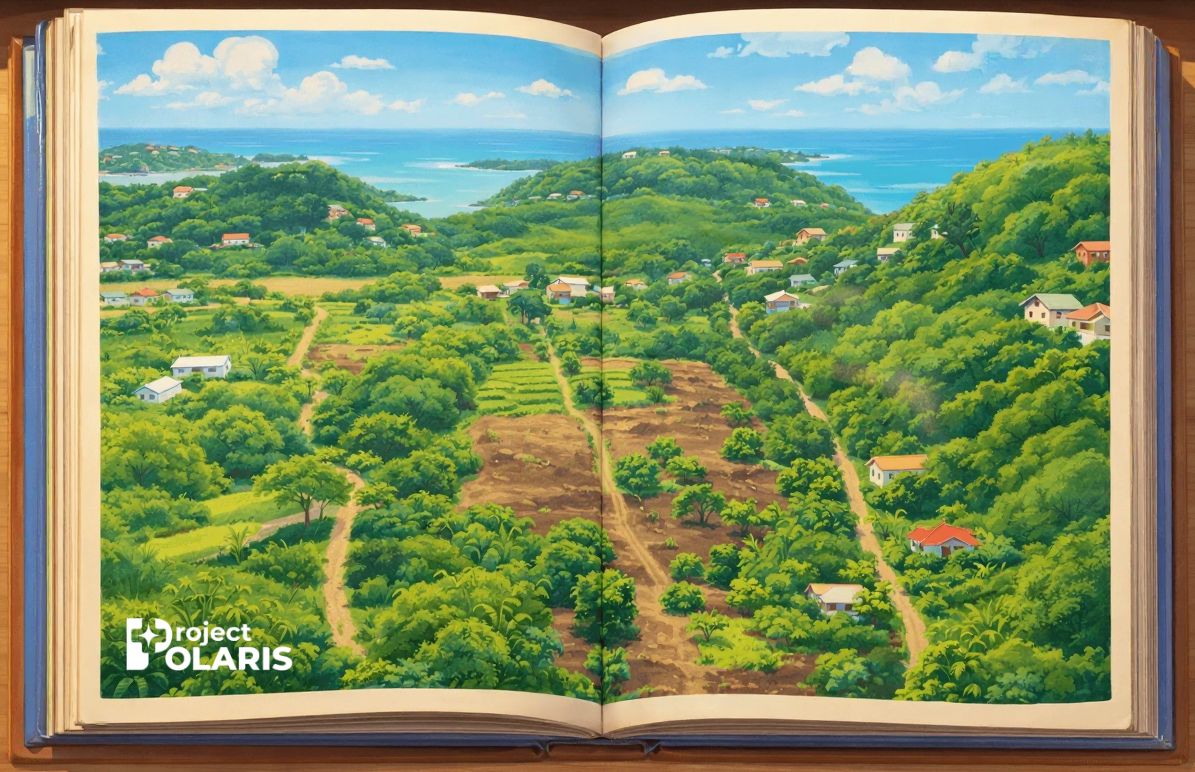
  • The Polaris Journal: Receipts, risk, and the road to Hope Vale

    The Polaris Journal: Receipts, risk, and the road to Hope Vale

    As Grenada prepares for the ceremonial groundbreaking of its ambitious $250 million medical complex on March 27, 2026, a detailed examination of the project’s financial and operational framework reveals both substantial international backing and lingering questions about long-term sustainability.

    The project’s legal foundation traces back to October 2024, with its financial authorization formalized through the 2025 Loan Authorisation Act—representing the largest single-project debt authorization in the nation’s post-independence history. The government secured EC$405 million (approximately US$150 million) specifically for capital projects, including the hospital development.

    To ensure fiscal discipline, the legislation established a dedicated Project Management Unit (PMU) tasked with preventing financial leakage and maintaining strict procurement controls. Subsequently, the government created Polaris Development Company as a wholly-owned entity to operate the facility outside traditional health ministry bureaucracy.

    The financing structure combines multiple sources: a US$30 million concessional loan from the OPEC Fund for International Development (with another US$30 million pending), a US$25 million equity deposit at the Eastern Caribbean Central Bank, and an ambitious US$100 million philanthropic campaign targeting international donors rather than additional national debt.

    Opposition Leader Emmalin Pierre has raised legitimate concerns about debt servicing over the coming decades, questioning the project’s economic viability. However, the government’s business model draws validation from successful medical tourism operations elsewhere in the Caribbean. Health City Cayman Islands reported a 78% revenue increase in 2025, while the Dominican Republic generated US$1.3 billion from medical procedures in 2022. Barbados’ Welcome Stamp program has consistently produced over US$100 million annually from long-term residents—the same demographic targeted by Polaris’s retirement village component.

    The project has secured significant institutional partnerships, including a 15-year master agreement with New York’s Mount Sinai Health System signed in May 2025. With site preparation already underway since March 11, 2026, the development has progressed beyond theoretical planning into active execution.

    While the opposition plans to boycott the groundbreaking ceremony, the concrete financial commitments from international institutions and reputable medical partners suggest more substance than mere political spectacle. The ultimate measure of success will depend on whether the completed facility can retain local medical talent while attracting international patients—a challenge that will determine the project’s true legacy.

  • CYEN Grenada elects new executive

    CYEN Grenada elects new executive

    The Grenada Chapter of the Caribbean Youth Environment Network (CYEN) convened its Annual General Meeting on March 2, 2026, marking a significant milestone in youth-led environmental advocacy. Held at the True Blue Conference Room, the gathering served as both a reflective session on past achievements and a strategic planning forum for future initiatives.

    During the election proceedings, members democratically selected a fresh Executive Committee to steer the organization’s course. Krima McDonald ascends to the presidency, with Nnandi Robinson assuming the role of Vice President. Jevaire Baptiste was appointed Secretary, while Reeane Springle will oversee financial stewardship as Treasurer.

    This leadership cohort will receive operational support from National Coordinator Abigail Ellis and strategic guidance from National Advisor Trevor Thompson. The meeting facilitated comprehensive reviews of CYEN Grenada’s ongoing programs in youth development, environmental consciousness-raising, and sustainable community projects.

    The newly inaugurated executives have pledged to intensify youth participation in critical areas including environmental stewardship, climate adaptation strategies, and sustainable development practices throughout Grenada. The organization has concurrently issued an open invitation for collaborative partnerships with government entities, private sector organizations, community groups, and international development agencies.

    CYEN Grenada specifically seeks alliances focused on environmental education, climate action initiatives, conservation programs, and youth leadership cultivation. Additionally, the chapter welcomes new members aged 15-35 who demonstrate passion for environmental protection and sustainable development principles.

    As a regional powerhouse, the Caribbean Youth Environment Network maintains its commitment to empowering young voices in environmental advocacy and resilience-building, fostering active participation in creating sustainable futures across the Caribbean region.

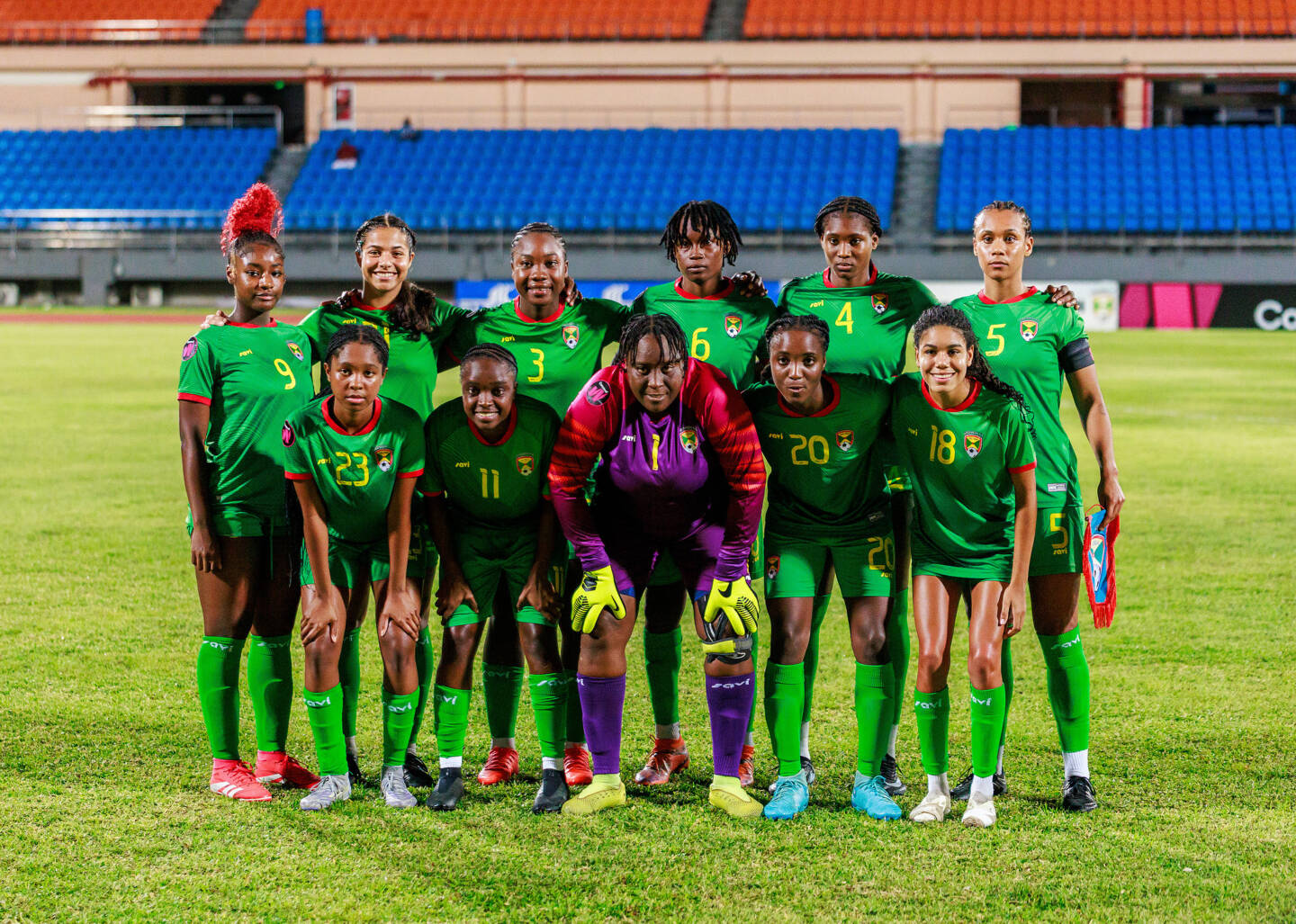
  • Senior Women’s National Team set for crucial Concacaf W Qualifier against Cayman Islands

    Senior Women’s National Team set for crucial Concacaf W Qualifier against Cayman Islands

    The Grenada Senior Women’s National Team is set to host the Cayman Islands in a pivotal CONCACAF W Qualifier match at the Kirani James Athletics Stadium on Tuesday, April 14th, with kickoff scheduled for 5:00 PM local time.

    This crucial encounter forms part of the 2025-2026 CONCACAF Women’s Qualifiers, a regional competition determining which six national teams will advance to the 2026 CONCACAF W Championship final tournament, joining automatic qualifiers Canada and the United States. The qualifying structure features teams competing in a single-leg round-robin format across international windows, with only group winners progressing to the final championship.

    For Team Grenada, this match represents a significant opportunity to strengthen their position in an increasingly competitive regional landscape. Recent results throughout the Caribbean have demonstrated the rapid development of women’s football, with emerging teams consistently challenging traditional powerhouses.

    Grenada Football Association President Marlon Glean emphasized the broader significance of the fixture: ‘This upcoming match transcends mere qualification implications. It symbolizes the substantial progress we’re achieving in developing women’s football throughout Grenada. We’ve witnessed consistent growth in participation, visibility, and international exposure for our women’s program over recent years. Such high-stakes matches provide invaluable opportunities for our team to demonstrate this advancement before home supporters while building confidence and experience at the regional level.’

    The qualifier also marks a milestone in Grenada’s player development pathway, with four members of the national Under-17 program receiving call-ups to the senior squad. This strategic integration reflects the GFA’s commitment to creating meaningful opportunities for young talent transitioning into the national setup and signals growing confidence in the potential of Grenada’s emerging players.

    The home advantage at Kirani James Athletics Stadium provides Grenada with significant support, a factor that has proven decisive in numerous international fixtures. The Grenada Football Association has called upon the nation to rally behind the Senior Women’s National Team as they continue their journey in the CONCACAF W Qualifiers and strive to establish their presence on the regional stage.

  • Grenadian businesses at Commonwealth Investment Network Summit

    Grenadian businesses at Commonwealth Investment Network Summit

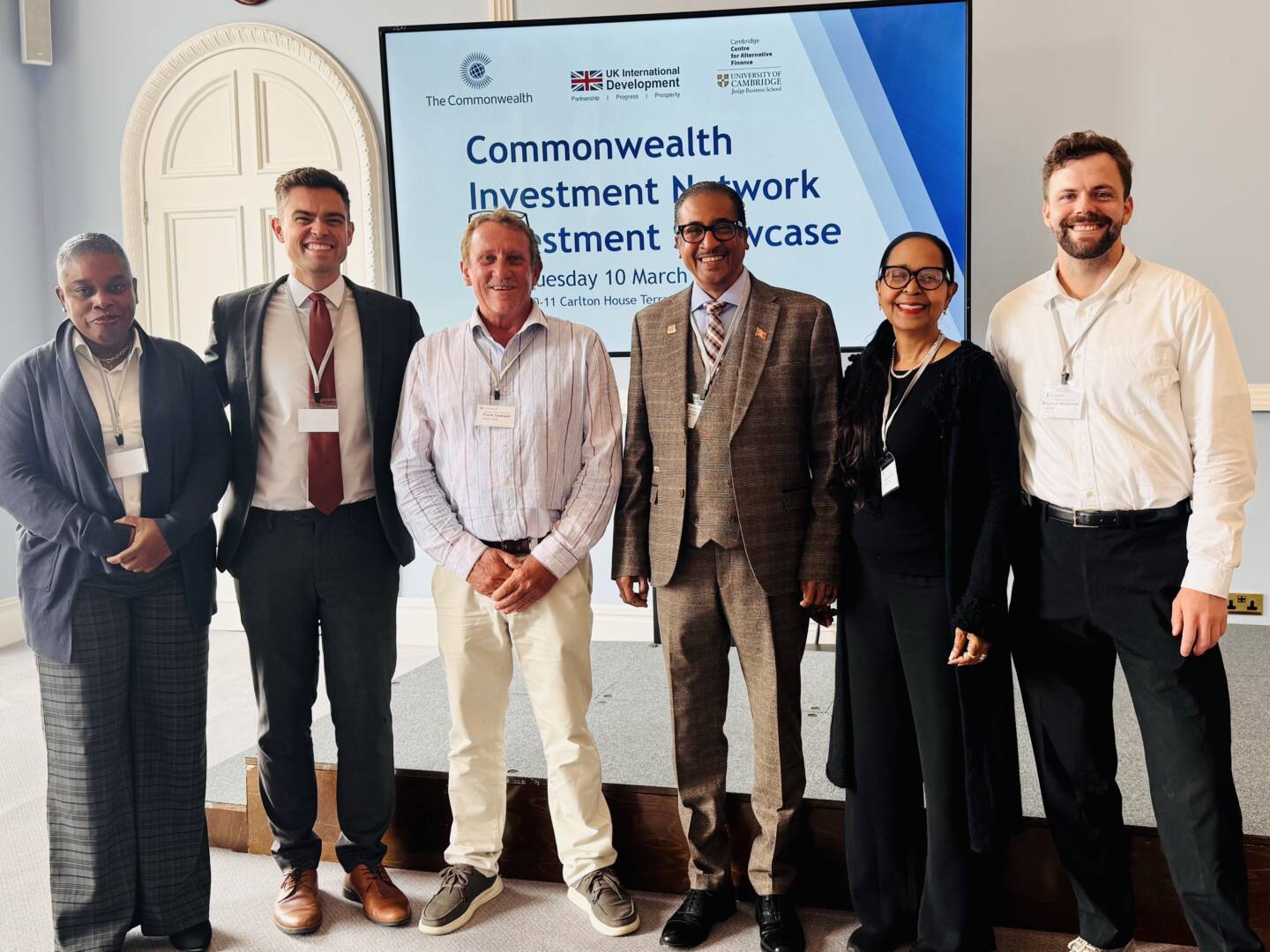
    Three pioneering enterprises from Grenada have emerged as standout participants in the inaugural Commonwealth Investment Network (CIN) Accelerator Programme, marking a significant milestone for Caribbean innovation on the global stage. Green Feeds, SarGas, and Belmont Estate represented the island nation during the intensive London summit from March 9-13, where they joined just four other selected businesses from Pacific Small Island Developing States (SIDS) in presenting sustainable solutions to international investors.

    The competitive selection process saw 135 applications from across Commonwealth SIDS, with only seven companies chosen for the groundbreaking initiative. The Grenadian contingent demonstrated exceptional innovation in circular economy practices: Green Feeds transforms waste streams into energy and agricultural products; SarGas converts sargassum seaweed into renewable energy; while Belmont Estate operates as both an organic cocoa producer and agritourism destination preserving Grenada’s farming heritage.

    Implemented through a collaboration between the Commonwealth Secretariat, UK Government, and Cambridge Centre for Alternative Finance, the CIN programme provided three months of rigorous preparation including workshops, advisory sessions, and business model refinement. The London showcase culminated in presentations to international investors, policymakers, and development partners, with participants notably engaging with His Majesty King Charles III during Sustainable Markets Initiative discussions.

    Grenada’s participation was facilitated through the Grenada Investment Development Corporation (GIDC) and Commonwealth Resident Representative Victor Clarke, who helped connect local entrepreneurs with global opportunities. Earlier reconnaissance visits by CIN representatives to Grenada ensured the programme was tailored to the specific needs of island-based businesses facing unique environmental and economic challenges.

    Company representatives emphasized the programme’s transformative impact. Frank Cawkwell of Green Feeds noted how it ‘places small island solutions on an international platform,’ while Benjamin Nestorovic of SarGas highlighted the value of cross-island collaboration. Shadel Nyack Compton of Belmont Estate observed that the experience demonstrated how ‘sustainable agriculture and rural enterprises can be both impactful and commercially viable.’

    The cohort has committed to maintaining connections beyond the programme, recognizing that collective progress will enhance individual success. Ongoing support through the CIN network will continue to advance these sustainable ventures, showcasing Grenada’s growing leadership in climate-focused business innovation within the Commonwealth community.

  • Grenada participates in 12th UK–Caribbean Forum

    Grenada participates in 12th UK–Caribbean Forum

    Grenada played a pivotal role in the 12th UK-Caribbean Forum, convened on March 10th at London’s historic Lancaster House. The high-level gathering assembled Foreign Ministers, High Commissioners, and senior officials, including representatives from the CARICOM Secretariat and UK Foreign Secretary Yvette Cooper, for strategic dialogue on mutual priorities.

    Grenada’s delegation was led by Permanent Secretary for Foreign Affairs and Export Development, Roxie McLeish-Hutchinson, alongside High Commissioner to the UK H.E. Rachér Croney and First Secretary Lornie Bartholomew. The proceedings commenced with a royal reception hosted by King Charles III, fostering preliminary diplomatic engagement, followed by formal opening remarks from Foreign Secretary Cooper and St. Kitts and Nevis’ Foreign Minister, the Right Honourable Dr. Denzil Douglas.

    Central to the forum were intensive discussions across four critical themes: geopolitics and partnerships, trade and investment, climate change and disaster risk management, and security and justice. Grenada provided decisive interventions on climate change, drawing from its direct experience as a small island developing state (SIDS). Permanent Secretary Hutchinson articulated the transformative impact of climate change on disaster profiles, emphasizing its extensive repercussions across multiple sectors, including public health. She issued a compelling appeal for fortified UK-Caribbean collaboration to establish essential institutions and mechanisms aimed at bolstering climate resilience, adaptation, financial accessibility, and long-term sustainability.

    Hutchinson further urged the UK to amplify its advocacy in international forums where Grenada lacks representation, citing the successful precedent of the 2011 Durban Agreement as evidence that strengthened cooperation yields tangible outcomes. Dialogue also advanced on renewable energy initiatives and practical measures necessary to propel regional energy integration throughout the Caribbean.

    Parallel trade and investment deliberations addressed the implementation of the Economic Partnership Agreement, market accessibility, and the reduction of trading barriers. Security concerns, particularly organized crime, arms and narcotics trafficking, and gender-based violence, were examined with contributions from Trinidad and Tobago, Bahamas, Haiti, and Jamaica. UK Foreign Secretary Cooper addressed the enduring colonial legacy of the transatlantic slave trade, pledging to continue these crucial conversations beyond the forum.

    Grenada anticipates the formal commitments and detailed action plan emerging from this forum, advocating for their swift and practical execution ahead of the next UK-Caribbean Forum scheduled for 2028. As a committed Commonwealth partner, the Grenadian government aims to deepen its diplomatic and developmental engagement with the UK, enhancing collaboration in areas of shared interest for the socio-economic advancement of both nations.

  • OECS aligns with global movement to promote safe products, confident consumers

    OECS aligns with global movement to promote safe products, confident consumers

    March 15, 2026, marks a significant observance as the Organisation of Eastern Caribbean States (OECS) aligns with global partners in commemorating World Consumer Rights Day. This year’s thematic focus, ‘Safe Products, Confident Consumers,’ underscores the region’s dedicated efforts to enhance marketplace safety and consumer welfare.

    Dr. Didacus Jules, Director General of the OECS, emphasized the symbiotic relationship between supplier responsibility and economic vitality. ‘Ensuring product safety and reasonable pricing not only benefits consumers but also strengthens the broader economic framework,’ Dr. Jules stated. The OECS Commission is actively executing strategic initiatives to foster consumer confidence throughout the regional market.

    Central to these efforts is the reinforcement of national consumer protection systems. Robust institutional and legislative structures form the cornerstone of a competitive, consumer-centric business environment. The Commission continues its commitment to providing technical and financial assistance to National Consumer Affairs Departments, addressing operational challenges within the evolving digital economy.

    Recent milestones demonstrate tangible progress:

    • Professional Capacity Building: In partnership with the University of the West Indies, the OECS has delivered advanced training to over 35 consumer affairs specialists. The curriculum focused on investigating market violations and enhancing e-commerce protection mechanisms.

    • Digital Transformation: Through the 11th European Development Fund’s RIGHT Programme, the Commission supplied tablets to member states. These devices enable field officers to collect and transmit market price data with greater efficiency, significantly improving the accuracy and timeliness of regional price surveillance.

    • Digital Portal Enhancements: Current initiatives include upgrading National Consumer Protection Websites in Antigua and Barbuda, Grenada, St. Lucia, and St. Vincent and the Grenadines. These enhancements will feature electronic complaint systems, price inquiry functions, and educational portals to inform consumers and businesses about their rights and responsibilities.

    • Regulatory Harmonization: The Commission has supported member states in drafting comprehensive regulations covering landlord-tenant agreements, used vehicle sales, and broader consumer protection measures. These regulations aim to clarify compliance requirements and strengthen consumer rights enforcement.

    Beyond national frameworks, the OECS is advancing regional integration through the Free Circulation of Goods regime. This initiative harmonizes model legislation across member states, ensuring products meet consistent safety standards and facilitating seamless intra-regional trade. Key components include:

    • The OECS Food Safety Model Bill: Establishing unified food safety regulations and creating a comprehensive oversight system for all food produced, imported, processed, or sold within the region.

    • The OECS Standards Model Bill: Implementing a harmonized system for technical standards, testing, and certification to guarantee regional goods meet recognized quality and safety benchmarks.

    Aligned with the United Nations Guidelines for Consumer Protection, these efforts position the Eastern Caribbean as an emerging mark of quality and reliability. The ongoing work addresses product safety gaps, protects citizens from unfair practices, and strengthens consumer confidence across the OECS economic union.

  • United we stand; Divided we fall

    United we stand; Divided we fall

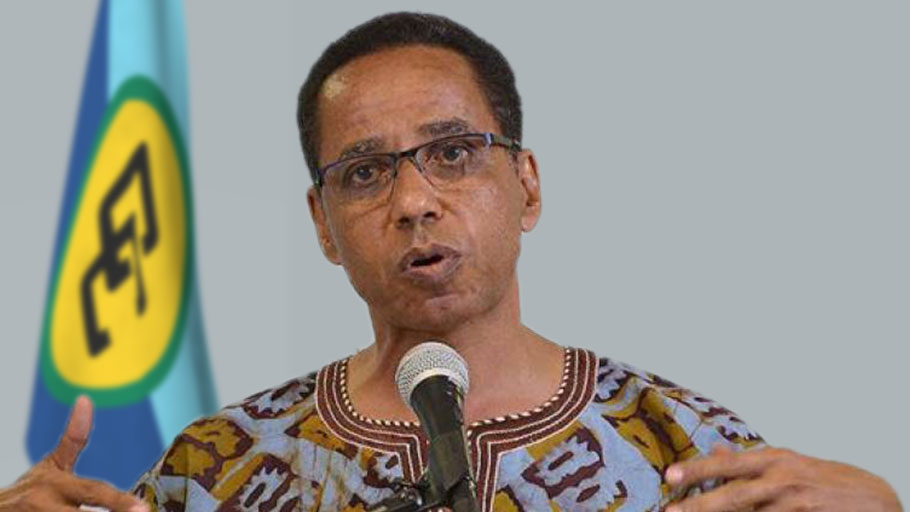
    A significant debate is unfolding within the Caribbean Community (CARICOM) regarding the fundamental principle of foreign policy coordination among member states. David Comissiong, a prominent Caribbean citizen, has issued a powerful rebuttal to emerging arguments that suggest divergent foreign policies are a strategic strength for the bloc. Grounding his analysis in the Revised Treaty of Chaguaramas, Comissiong asserts that collective action is not merely beneficial but a treaty-mandated obligation for confronting external pressures.

    The treatise meticulously cites the treaty’s foundational articles. Article 6 explicitly lists objectives including achieving ‘a greater measure of economic leverage’ with third-party states and ‘enhanced coordination of Member States’ foreign and foreign economic policies.’ Furthermore, Article 16 mandates the Council for Foreign and Community Relations (COFCOR) to ‘establish measures to coordinate the foreign policies of the Member States’ and ‘seek to ensure… the adoption of Community positions on major hemispheric and international issues.’

    This legal framework, Comissiong argues, is rooted in a historic precedent. He recalls the bold, unified action of CARICOM’s four founding members—Jamaica, Trinidad & Tobago, Guyana, and Barbados—who in October 1972 collectively resolved to establish diplomatic relations with Cuba. This coordinated move successfully defied the U.S. and OAS policy of isolating the island nation, creating a progressive precedent followed by many others. Their strength, the author emphasizes, was derived from acting as a ‘seamless, unified quartet.’

    The analysis then pivots to a contemporary crisis: the demand from the U.S. Trump administration in March 2025 for CARICOM nations to terminate their medical cooperation programs with Cuba. Comissiong highlights the initial, principled resistance voiced by several leaders. Grenada’s Prime Minister Dickon Mitchell rejected capitulation, while Prime Ministers Gonsalves, Rowley, and Mottley separately vowed to defend their sovereign right to engage Cuban health professionals, even at the risk of losing U.S. travel visas.

    Prime Minister Mia Mottley of Barbados, whose country does not currently employ Cuban medical staff, delivered a particularly instructive statement from the House of Assembly. She repudiated U.S. accusations of human trafficking, crediting Cuban medical professionals with saving ‘lives and limbs and sight for many a Caribbean person’ during the pandemic. Crucially, she declared her willingness to stand in unity with affected CARICOM peers, framing the issue as one of principle that required a collective, resolute response—a stance Comissiong interprets as a direct call for a unified CARICOM approach in keeping with the treaty.

    However, the author laments that this wise counsel did not prevail. Instead, the current landscape is marked by individual member states attempting solitary negotiations with the powerful U.S. administration. The predictable outcome, Comissiong notes, has been the termination or substantial rolling back of several vital medical cooperation programs—a result he deems ‘very regrettable’ given the clear guidance from the treaty and history.

    In conclusion, Comissiong invokes the timeless adage, ‘United we stand, divided we fall,’ tracing its wisdom from Aesop’s fables to biblical scripture. He urges his CARICOM brethren to reclaim this principle, clarifying that ‘unity is not necessarily unanimity.’ Drawing a parallel to the newly inaugurated CARICOM Full Free Movement Regime, he argues that effective collective action is possible even without every single member state on board. The author’s final plea is for a determined pursuit of the greatest possible unity to navigate the thorny geopolitical issues of the day, ensuring that ‘1 from 10 no longer leaves 0.’

  • Today in History: The Grenada Revolution 13 March 1979

    Today in History: The Grenada Revolution 13 March 1979

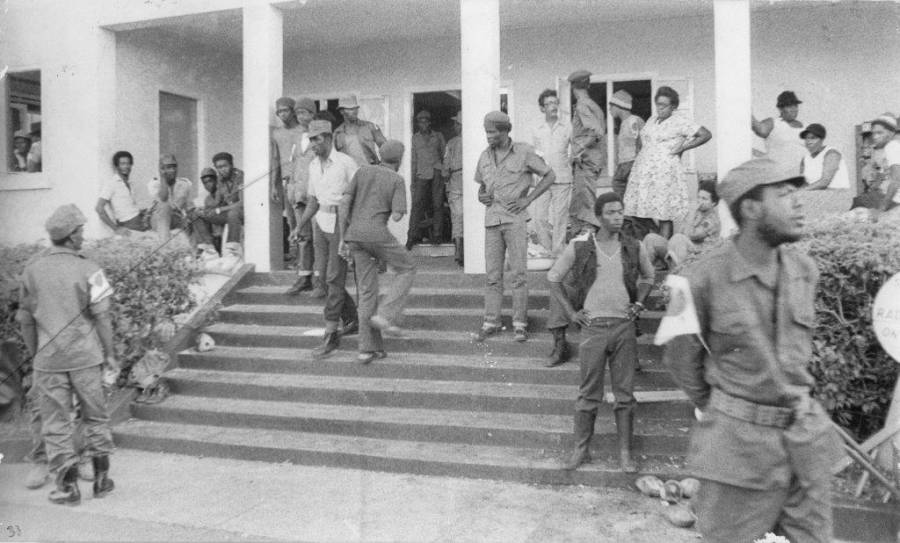
    On March 13, 1979, the Caribbean witnessed its first successful coup d’état within an English-speaking nation when the New Jewel Movement (NJM) orchestrated a dramatic overthrow of Grenada’s government. The revolutionary forces, comprising approximately 45 members of the National Liberation Army, launched a pre-dawn assault on the Grenada Defence Force barracks at True Blue at approximately 4:15 AM, setting the military headquarters ablaze and compelling most soldiers to flee.

    The NJM leadership subsequently revealed that their hastily executed takeover was precipitated by intelligence indicating Prime Minister Eric Gairy’s alleged plan to detain and eliminate opposition members. Evidence reportedly included eight secret underground cells at the prison intended for NJM’s Political Bureau. This development followed the arrest of two NJM members in the United States in February 1979 on charges of illegal arms shipments, which had forced remaining leaders underground.

    By 6:15 AM, Radio Grenada was captured without resistance, becoming the platform for the revolutionary announcement. Maurice Bishop, the movement’s leader, addressed the nation at 10:48 AM, outlining the revolution’s objectives centered on food security, adequate housing, improved health services, and a prosperous future for Grenadian children. Bishop pledged the restoration of democratic freedoms, including electoral rights and religious and political expression.

    Throughout the day, police stations across the islands surrendered peacefully by hoisting white flags, with minimal exchange of gunfire. Although Gairy loyalists attempted to organize resistance at Fort George police headquarters, they recognized the futility of their efforts as NJM forces established control nationwide. By 5:00 PM, all police stations had surrendered, and most government officials, military leaders, and police officers were detained. The takeover resulted in two direct fatalities and one indirect death.

    The revolution received widespread public support despite its unexpected nature, with many Grenadians viewing it as a promising alternative to the economic and political instability that had characterized the 1970s under Gairy’s leadership. Fidel Castro later characterized the event as “a successful Moncada,” drawing parallels to his own 1953 attempted coup in Cuba.

    The Grenada National Museum currently hosts an extensive exhibition documenting the events leading to the revolution, its four-and-a-half-year duration, and its eventual conclusion following the execution of Prime Minister Maurice Bishop and subsequent US-led invasion in October 1983.

  • Vacancy: Marketing and Client Services Manager

    Vacancy: Marketing and Client Services Manager

    EME Marketing Agency, a comprehensive marketing solutions provider specializing in strategic marketing, brand development, campaign execution, and public relations representation, has announced a senior-level recruitment opportunity for a Marketing and Client Services Manager. This position represents a significant career advancement for marketing professionals seeking elevated responsibilities in client management and team leadership.

    The successful candidate will assume a pivotal role directing client-facing marketing operations for EME Marketing and Communications. This senior position entails supervisory authority over client accounts, marketing implementation, and delivery systems, requiring close collaboration with client teams to maintain transparency, responsibility, and consistently exceptional client results. The role demands strategic oversight to ensure all client deliverables meet rigorous professional standards.

    Core responsibilities encompass multiple critical domains:

    Marketing and Client Leadership: Serving as primary senior contact for designated client accounts, leading engagement meetings and strategic consultations, providing comprehensive marketing guidance across campaigns and content initiatives, ensuring alignment with objectives and timelines, and identifying relationship enhancement opportunities.

    Account Oversight and Team Management: Supervising Marketing Executives across client portfolios, ensuring precise brief definition and execution, monitoring workload distribution and prioritization, addressing performance deficiencies, and supporting staff development.

    Operational and Delivery Systems: Maintaining comprehensive visibility over active accounts and deadlines, ensuring consistent utilization of delivery protocols, coordinating resource allocation, and identifying operational improvements.

    Commercial and Strategic Support: Facilitating new client onboarding, contributing to client retention and account expansion, and supporting operational scalability.

    Minimum qualifications require a bachelor’s degree or professional certifications in marketing, communications, project management, or related disciplines. Essential competencies include demonstrated leadership capabilities, customer relationship management expertise, analytical proficiency, organizational excellence, sound judgment, and exceptional communication skills. The position demands ability to mentor team members and perform effectively under pressure.

    Experience requirements include five+ years in marketing, communications, project management, or agency client services, with minimum two years in management roles encompassing project delivery, business objective translation, and personnel/workflow supervision. Candidates must possess experience managing marketing projects in dynamic, deadline-oriented environments and demonstrated capacity to enforce standards while leading client discussions with authority.

    An additional prerequisite includes valid driver’s license and reliable transportation. Qualified applicants should submit cover letters and CVs in Word or PDF format, accompanied by three business references, to [email protected] with specified subject line. The application deadline is set for March 31, 2026, though this may be subject to modification. J’S HR Consultancy is managing recruitment procedures.

    NOW Grenada has stated it bears no responsibility for contributor content and provides an abuse reporting mechanism.