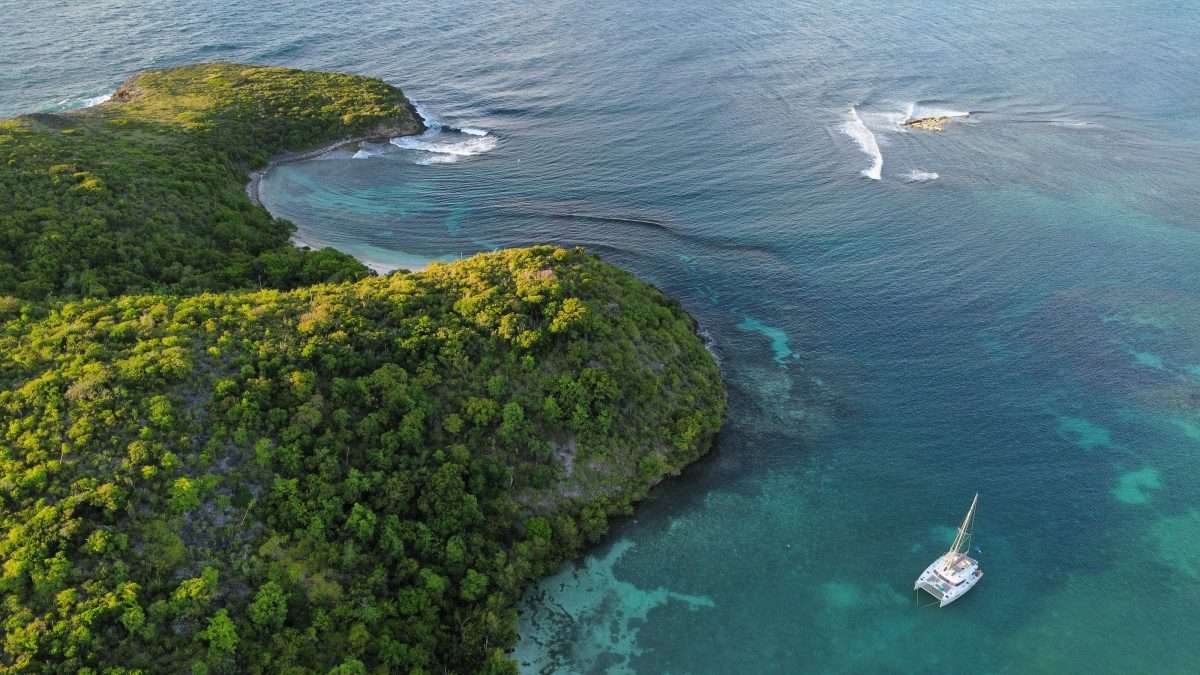
Photography enthusiasts around the world, from amateur hobbyists to seasoned professionals, are being called on to capture the singular magic of the Caribbean as the 2026 edition of the Seas & Scenes: Love the Caribbean Photo Contest officially opens for submissions. Now in its second year, the mission-driven competition blends creative celebration with conservation advocacy, inviting participants to turn their lenses toward the region’s stunning natural landscapes, vibrant wildlife, rich local communities, and centuries-old sailing traditions. Running exclusively from August 1 to August 31, 2026, entry to the contest is completely free for all participants, with a total prize pool exceeding $3,000 and 12 distinct winning opportunities up for grabs. Participants are permitted to submit up to five original, unpublished photographs across four themed competition categories. The categories are structured to highlight the full spectrum of Caribbean identity: Caribbean Life & Nature, which centers everyday culture and native ecosystems; Sailing, Yachting & Life on the Water, which celebrates the region’s deep maritime heritage; Environmental Impact & Stewardship, which shines a spotlight on conservation efforts and environmental challenges facing the Caribbean; and the popular Audience Choice category, where members of the public can cast up to five votes daily to select their favorite entries. This year’s competition features an expanded panel of expert judges, bringing together specialists from the fields of professional photography, marine conservation, competitive sailing, investigative journalism, and Caribbean cultural studies. The growth of the judging panel mirrors the contest’s expanding regional footprint and its commitment to centering diverse, informed perspectives on the Caribbean’s many layers. Organized by Environmental Protection in the Caribbean (EPIC), a non-profit organization dedicated to regional conservation, in strategic partnership with regional publication Caribbean Compass magazine, the contest carries a core dual mission: to foster widespread public appreciation for the Caribbean’s one-of-a-kind natural and cultural heritage, and to underscore the urgent importance of protecting the fragile ecosystems that make the region so globally distinctive. “From the very beginning, we set out to build a contest rooted in purpose, one that honors the extraordinary beauty, cultural diversity, and distinct communities that make up the Caribbean,” shared Tabitha Stadler, Executive Director of EPIC, in a statement announcing the 2026 competition. “Bringing it back for a second year is incredibly exciting. It feels like we are weaving together a global community of people who share our commitment to preserving these exceptional lands and waters for future generations.” The 2026 iteration builds on the runaway success of the contest’s debut launch, which drew more than 300 individual submissions from photographers across 31 Caribbean nations and territories. Those first-year entries, which captured everything from dramatic dynamic coastal landscapes to rare glimpses of endemic marine life to intimate portraits of local cultural traditions, captivated a global public audience, generating more than 2,800 votes in the Audience Choice category and proving how deeply visual storytelling about the Caribbean resonates with audiences worldwide. This year’s expanded competition would not be possible without the generous backing of lead sponsors DSL Yachting and IGY Marinas St Maarten. Additional prizes have been donated by a growing network of local and regional businesses and partner organizations, all of which share the contest’s core commitment to celebrating and protecting the Caribbean’s natural and cultural assets. The contest will accept submissions only through the month of August 2026, with entries closing at the end of day on August 31. Photographers interested in entering, members of the public wanting to vote in the Audience Choice category, or anyone seeking additional information about the competition can visit the official contest website at epicislands.org/photo-contest-2026/.
标签: Grenada
格林纳达
-
Caricom Reparations Commission Emancipation Day message
On August 1, 2026, as communities around the world mark Emancipation Day, the Caricom Reparations Commission (CRC) stands in solidarity with the people of the Caribbean, continental Africa, and the global African diaspora to honor the extraordinary legacy of enslaved ancestors. These trailblazers of freedom waged relentless resistance against one of the most dehumanizing, long-running systems of oppression in modern history, and their courage and unwavering determination remain a touchstone for justice movements today. As the global community gathers to celebrate their hard-won victory over racialized chattel slavery, the CRC emphasizes a critical truth: the centuries-long fight for full justice, inherent dignity, and substantive equality is far from over.
This year’s Emancipation Day observance carries unprecedented historical weight, coming just months after the United Nations General Assembly adopted a landmark declaration on March 25, 2026. The resolution formally classifies the transatlantic trafficking of enslaved Africans and the system of racialized chattel enslavement as the gravest crime against humanity in recorded history. This long-awaited international recognition validates what enslavement descendants, leading scholars, and racial justice advocates have argued for generations: the transatlantic slave trade and chattel slavery system were not merely exploitative labor practices, but brutal, dehumanizing crimes whose intergenerational harms continue to structure the social, economic, political, and developmental outcomes of nations and communities across the Caribbean and the global African diaspora. The UN declaration strengthens the moral and political foundation of the global reparatory justice movement, marking a defining milestone in the international community’s reckoning with historical truth.
This 2026 Emancipation Day also coincides with the 25th anniversary of the Durban Declaration and Programme of Action, the landmark framework adopted at the 2001 World Conference Against Racism, Racial Discrimination, Xenophobia and Related Intolerance. To this day, the Durban Declaration remains the most comprehensive international framework for addressing the persistent legacies of enslavement, colonialism, and systemic racism. As the global community prepares to commemorate this anniversary, the CRC is calling on all sovereign states to reaffirm their commitment to full implementation of the Durban framework, and push back against growing efforts to undermine its ongoing relevance to contemporary racial justice struggles.
For the Caribbean Community, Emancipation Day is fundamentally intertwined with the global movement for reparatory justice. While formal political independence was secured through decades of organizing, it could not erase the deep structural inequalities carved out by centuries of violent exploitation. The massive wealth extracted from the unpaid, forced labor of enslaved African people fueled the industrial and economic rise of European colonial empires, leaving Caribbean societies grappling with persistent underdevelopment, structural economic dependency, and entrenched racial disparities. These historical injustices continue to act as a barrier to equitable sustainable development across the region, making meaningful reparative redress an urgent moral and political demand.
In response to this ongoing need, the CRC has relaunched its expanded Caricom Ten Point Plan for Reparatory Justice: A manifesto for the coming enlightenment. The framework is designed to create a shared path for dialogue and action for former colonial powers, multinational private corporations, academic institutions, faith groups including the church, civil society organizations, and all people of goodwill. Through the plan, the CRC calls on all stakeholders to engage in honest reckoning with historical harm, acknowledge legal and moral responsibility for past atrocities, and embrace reparatory justice as a non-negotiable pillar of meaningful reconciliation, shared global progress, and a more just collective future.
As the community honors the sacrifices of the freedom fighters who resisted enslavement and demanded emancipation against impossible odds, the CRC draws inspiration from their vision of freedom rooted in justice, inherent human dignity, and full equality. Their unfinished struggle compels current generations to continue building inclusive societies free from racism, discrimination, and exclusion. In closing, the CRC calls on global justice movements to transform remembrance of historical harm into collective resolve, and turn the demand for justice into tangible reality for current and future generations.
This statement is issued by the Caricom Reparations Commission. NOW Grenada notes that it does not take responsibility for the opinions and content shared by contributing organizations, and invites users to report any abusive content via the platform’s designated reporting channel.
-
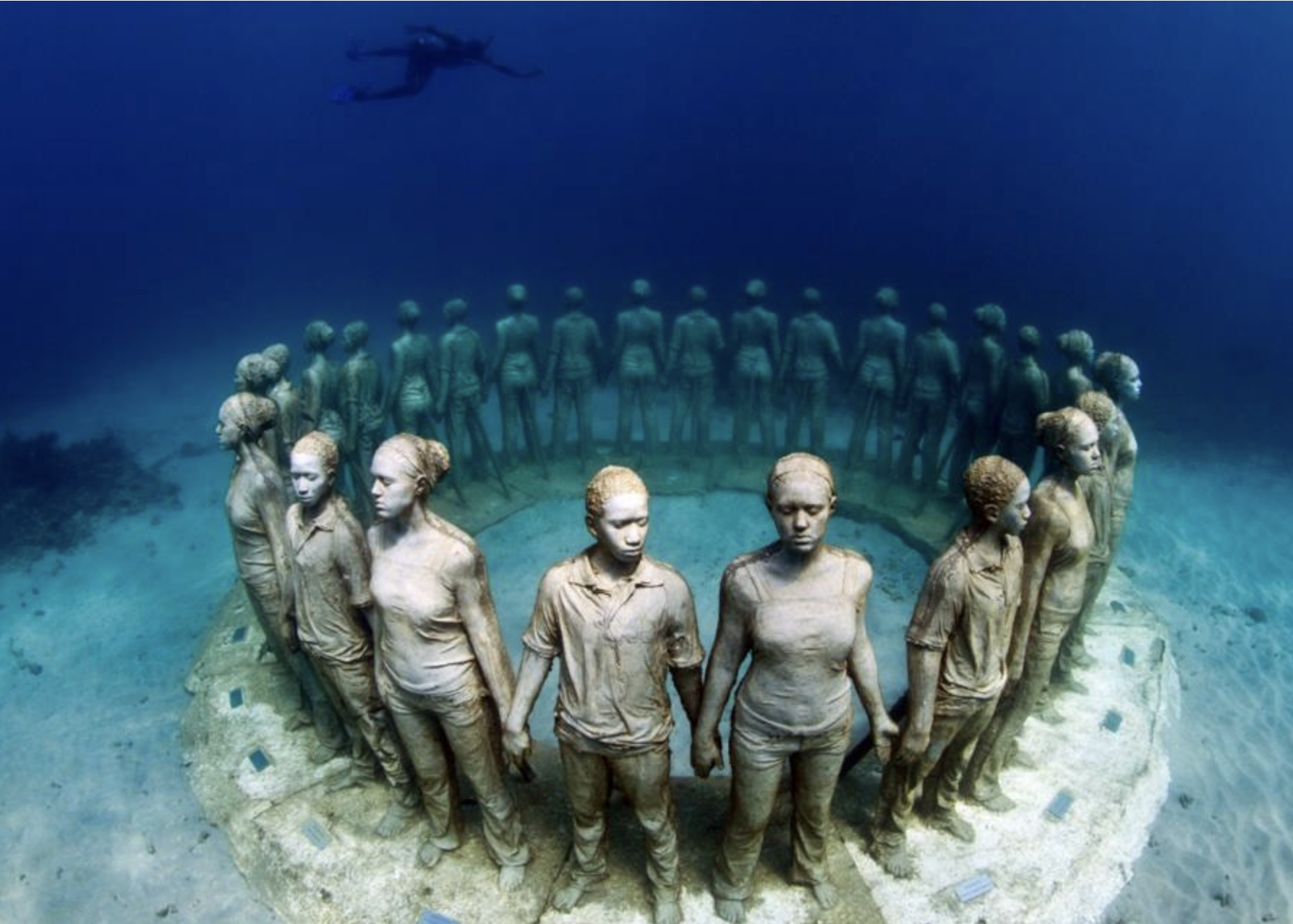
Emancipation beyond the chains
On 1 August 1834, the British Empire’s Slavery Abolition Act formally came into force across most of its Caribbean territories, bringing a legal end to a centuries-old system of chattel slavery that exploited millions of African people. But contrary to long-standing myths that frame emancipation as a generous reform granted by European lawmakers, the end of institutionalized slavery was anything but a top-down benevolent gift. It was the hard-won outcome of decades of relentless resistance, open rebellion, and unbreakable determination from the enslaved people who refused to accept a system built on their dehumanization.
For generations, the colonial-era historical narrative centered British parliamentarians as the heroes of abolition. But a fuller, more accurate record highlights that widespread and persistent resistance from enslaved communities made the institution of slavery increasingly ungovernable and economically unsustainable. From Julien Fédon’s 1795 uprising in Grenada and Cuffy’s 1763 Berbice revolt in Guyana, to Bussa’s 1816 rebellion in Barbados and Samuel Sharpe’s 1831 Baptist War in Jamaica, organized acts of defiance destabilized slave power across every corner of the British Caribbean, forcing ruling elites to confront the fact that the system could not persist.
Even after the 1834 Act took effect, full freedom remained out of reach for most formerly enslaved people. The British government installed the Apprenticeship System, a transitional arrangement that forced the newly freed to continue working without pay for their former enslavers for an additional four to six years. Full legal emancipation was only achieved four years later, on 1 August 1838.
Today, Emancipation Day stands as a foundational marker of collective Caribbean identity, marked by national and local ceremonies, ancestral tributes, and vibrant cultural events across the region. Trinidad and Tobago made history in 1985 as the first Caribbean nation to declare 1 August a formal national public holiday. Jamaica combines Emancipation Day with its Independence Day celebrations in a combined observance called Emancipendence, while Barbados hosts commemorations at the Bussa Emancipation Statue alongside its annual Crop Over festival. Grenada and other Caribbean nations mark the occasion with emancipation walks, traditional libation ceremonies, and community-led acts of remembrance for the lives lost to slavery.
But framing Emancipation Day as nothing more than a cultural celebration overlooks its critical, underdiscussed economic realities that continue to shape the region today. The 1833 Slavery Abolition Act, which paved the way for the 1834 ban, set aside £20 million – a sum equal to 40% of the entire British national budget at the time, worth more than £20 billion in 2024 – to compensate 46,000 enslavers for the loss of their so-called “property” (the enslaved people they owned). By contrast, the 800,000 formerly enslaved Africans who had been exploited for centuries received nothing: no financial compensation, no grants of land, no access to capital to build new lives. The massive public debt the British government took on to pay enslavers was only fully paid off by British taxpayers in 2015, a group that included generations of West Indian immigrants who moved to the UK after World War II.
Against all odds, the newly freed Caribbean people built the foundations of independent, self-reliant communities from almost nothing. They pooled small, individual savings through traditional informal collective credit systems like the susu or box hand to buy abandoned or underused plantation land, establishing self-governing Free Villages across Jamaica, Guyana, and Barbados. They built independent schools, churches, and local agricultural markets, laying the groundwork for the modern Caribbean civil society that exists today. This history of resilience remains a core reference point for contemporary debates over reparatory justice and inclusive regional economic development.
In the decades since emancipation, the struggle for full freedom has evolved from securing basic legal rights to a coordinated global push for transformative economic justice, led by the CARICOM Reparations Commission and its landmark 10-Point Plan for Reparatory Justice. Unlike framing reparations as solely direct cash payments to descendants of enslaved people, the plan prioritizes systemic investment in public goods: education, public health infrastructure, sovereign debt relief, and broad-based economic development to address the intergenerational harms of slavery and colonialism that persist today.
CARICOM’s advocacy has shifted the global conversation from vague historical acknowledgment to tangible, concrete action. In recent years, the Dutch government issued a formal public apology for its role in the transatlantic slave trade and established a €200 million fund to address the ongoing legacy of slavery. Individual descendants of prominent slave-owning families – including the Trevelyan family with estates in Grenada and the Gladstone family with holdings in Guyana – have issued public apologies and funded regional educational initiatives. Major institutions have also begun to act: the University of Glasgow launched a £20 million research and partnership initiative with the University of the West Indies, and the Church of England has established a £100 million impact investment fund to address historical harms from slavery.
Today, the fight for full economic emancipation requires confronting modern forms of structural dependency that continue to hold Caribbean small island developing states (SIDS) back. SIDS contribute less than 1% of global greenhouse gas emissions, yet they bear the worst impacts of climate change, from devastating hurricanes to rising sea levels that erode coastlines and threaten food security. This reality has placed climate finance and sovereign debt reform at the center of the modern reparations movement. For Grenada in particular, commemorating emancipation means more than holding an annual day of remembrance. It calls on current generations to honor the legacy of resistance by renewing efforts to expand economic opportunity, build regional climate resilience, and deliver on the promise of full freedom that the original abolition fighters began nearly 200 years ago.
-
Emancipation in Grenada: Did you know?
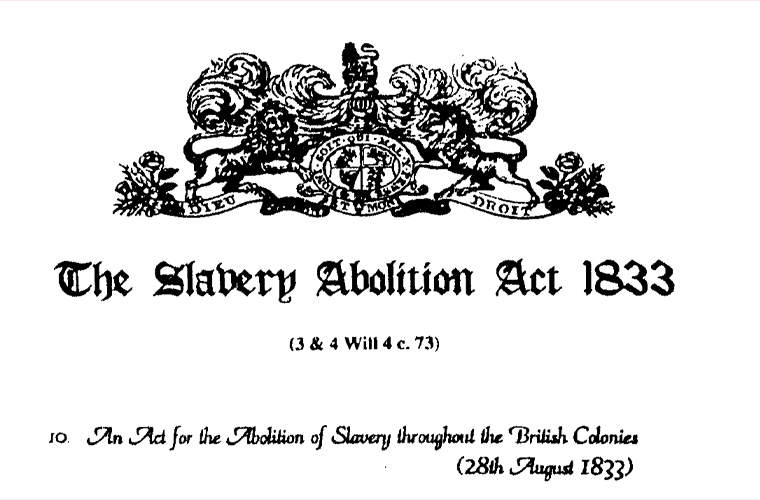
The journey toward ending chattel slavery across the British Empire began with a landmark piece of legislation 190 years ago: the Imperial Act of Emancipation, signed into law on August 28, 1833, which outlined a phased process to abolish the institution of slavery across all British colonial holdings. Grenada’s local legislative assembly followed suit, approving its own emancipation framework in March 1834, setting in motion a process that would reshape the Caribbean nation forever.
On the eve of formal emancipation in 1834, official records show that 23,600 enslaved people were held in captivity across Grenada, its smaller sister islands Carriacou and Petite Martinique, forced to labor on 430 separate slave plantations spread across the territory. Of these holdings, Dumfries estate on Carriacou held the largest number of enslaved people at 437, while Grenada’s largest plantation by land size—Grand Anse, spanning 1,237 acres—only held 134 enslaved workers.
To compensate enslavers for the loss of their forced labor force, the British government disbursed roughly £616,255 to Grenadian slave owners, a sum that equals more than £67 million in 2024 currency. A little-noticed 2018 fact released by HM Treasury revealed a little-known long-term consequence of this compensation: British taxpayers continued paying down the £20 million national loan the government took out to fund these slave owner payouts well into the 21st century.
Contrary to popular narratives of immediate full freedom, the 1833 act mandated a transitional apprenticeship period for most newly freed people. Field hands were required to continue working for their former enslavers for six additional years, while all other enslaved workers faced a four-year apprenticeship term. Only 3,747 children under the age of six were granted immediate, unconditional freedom on Emancipation Day with no required apprenticeship. The transitional system, framed by policymakers as a preparation for full self-determination, was cut short when all apprenticeships were formally ended on August 1, 1838, marking the date that all enslaved people in Grenada finally gained complete freedom from forced servitude.
This emancipation process came after more than a century of systematic forced migration of African people to Grenada as part of the transatlantic slave trade. Between 1709 and 1808, an estimated 129,000 captive African people were brought to Grenada’s Carenage harbor, with 19,000 dying from neglect, disease, and abuse during the brutal Middle Passage crossing from West Africa. The last group of African people to arrive in Grenada came much later, in 1863, when 120 recaptive and already liberated Africans were brought to the island as indentured laborers aboard the ship *Barbara Campbell*, departing from St. Helena.
Roughly 13 percent of all captive Africans brought to Grenada originated from the Windward Coast of West Africa, according to historical trade data. Many cultural traces of these African origins endure in Grenadian society to this day, shaped by centuries of ancestral preservation. One of the most distinct cultural continuities is visible in Grenadian surnames: unlike many former slaveholding societies where formerly enslaved people adopted the family names of their enslavers, most surnames in modern Grenada derive from the first names of male enslaved ancestors, a detail explored in the local historical work *Marking an ‘X’: Exploring the History of Grenada’s Surnames*.
The ancestral celebration of Saraka, practiced in rural villages including La Poterie in St. Andrew Parish and River Sallee in St. Patrick Parish, was introduced by the last group of Africans who arrived as indentured laborers after formal abolition. On Carriacou, the traditional Big Drum dance—also called the African Nation Dance—honors the ancestral roots of nine distinct West African ethnic groups, including the Akan (Kromanti), Kongo, Igbo, Mandinka, Moko, Temne, and Arada peoples. The iconic Caribbean stilt-walking masquerade tradition of Moko Jumbie, a staple of Grenadian cultural celebrations today, also traces its origins to captive West Africans who brought the performance practice with them to the Caribbean.
Memorialization of slavery and abolition has been a core part of Grenadian public life for nearly a century. In 1933, two stone pillars were erected at the lower end of St. George’s Cemetery to honor William Wilberforce, one of the most prominent British leaders of the 19th century abolitionist movement. Following the dedication, the cemetery was officially renamed Wilberforce Cemetery in his honor, and it remains a key historical site today. In 2017, a new commemorative plaque marking emancipation was installed in St. George’s Market Square, expanding the nation’s public memorialization of this pivotal history.
A key note from the article’s contributors frames modern language around this history: contemporary scholars and activists prefer the term “enslaved people” over “slaves” to center the humanity of those held in captivity, emphasizing that enslavement was a violent, forced condition imposed by European enslavers, not an inherent identity of the people subjected to it.
-

Emancipation: Freedom with responsibility
A leading Grenadian political scientist has sounded a urgent global alarm, warning that a quiet but dangerous breakdown of civil political discourse is putting democracy at grave risk around the world — a crisis that has already reached the shores of this small Caribbean island nation.
Dr. Wendy C. Grenade identifies the widespread erosion of respectful disagreement as a core driver of this crisis, exacerbated by the rampant misuse of mainstream social platforms. Where political debate was once intended to test competing ideas and strengthen public policy, it has devolved into a dehumanizing digital conflict, where the sole goal is to destroy opponents rather than challenge their perspectives.
Grenada, Dr. Grenade argues, has not escaped this global trend. Even as digital innovation has opened new pathways for connection between citizens, major platforms including Facebook, TikTok and WhatsApp have been repeatedly turned into weapons for coordinated political venom. Coordinated character assassination has replaced constructive civic dialogue, a shift that is far more damaging than casual observers acknowledge: it poses a direct threat to the fabric of Grenadian society itself.
In a close-knit small island nation, political divisions are already capable of turning neighbors into adversaries, fracturing the social foundation that communities rely on to navigate shared challenges long after election events end. When digital spaces are poisoned by toxic political rhetoric, the ripple effect extends far beyond campaign season. Qualified, community-focused Grenadians are increasingly opting out of political participation entirely, unwilling to put their families at risk of becoming collateral damage in orchestrated digital smear campaigns. That retreat starves democracy of the talent and perspective it needs to thrive, Dr. Grenade emphasizes. History also offers a grim warning: when a society normalizes the destruction of personal dignity online, physical violence in public spaces rarely lags far behind.
This year, as Grenada prepares to commemorate Emancipation, Dr. Grenade uses the occasion to frame the fight for respectful discourse as a continuation of the freedom struggle that the holiday honors. True freedom, she argues, is never just about ending physical enslavement or achieving economic independence — it is measured by how a community treats every one of its members. The ancestors who endured the Middle Passage and the brutality of plantation slavery did not break their physical chains only for their descendants to build new digital chains of slander, cyberbullying and intercommunal cruelty.
“A truly liberated people must protect the dignity of others as fiercely as they guard their own rights,” Dr. Grenade writes. There is room for passionate critique of policy, fierce challenges to institutional failure, and robust debate over the direction of the country — but that debate must never cross the line into crushing another person’s spirit. True liberty can not exist when it threatens the safety and well-being of a neighbor, she stresses. Freedom was won to lift the entire community up, not to be turned into a weapon to destroy fellow Grenadians.
With a general election approaching on the island, Dr. Grenade is urging all voters to stand firm in their support for their chosen political party — while equally fiercely defending their neighbor’s right to hold a different view. She calls on voters to prioritize debate over critical policy issues rather than expending energy on personal character attacks. When communities waste their collective collective energy trading insults online, they miss the chance to have the urgent conversations that shape Grenada’s future: how to transform the national economy, improve access to quality healthcare, expand educational opportunities for young people, protect the island’s fragile natural environment, and guarantee safety for all residents and visitors.
To help balance the right to free expression with the responsibility to protect fellow community members, Dr. Grenade offers two simple, actionable steps all social media users can take ahead of the election:
First, think twice before sharing any political content: verify the facts before hitting send, and refuse to spread sensational unsubstantiated rumors or voice notes. If a claim cannot be proven true, delete it instead of passing it along. Second, hold members of your own political camp accountable: if a supporter of your preferred party engages in malicious digital behavior, call them out and demand they stop. Wrong is wrong, no matter which side commits it.Dr. Grenade closes by tying this call for change back to the meaning of Emancipation. The true mark of emancipation is not just freedom from outside oppression — it is freedom to live with honor, to prioritize truth, and to extend grace to even those with whom we disagree most deeply. She expresses hope that this year’s Emancipation commemoration will be more than a remembrance of past progress: it will be a renewed national commitment to building a truly free people, where every person is able to retain their freedom and dignity, even in the heat of political competition. “Freedom must be exercised with responsibility,” she reminds readers.
This commentary was contributed by Dr. Wendy C Grenade, and NOW Grenada notes that it is not responsible for the opinions and content shared by contributors. Readers are invited to click through to report any abusive content shared on its platform.
-
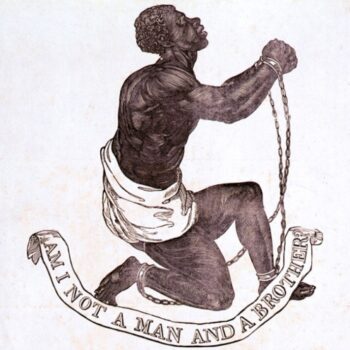
All enslaved in British colonies declared free: 1 August 1834
On 1 August 1834, a landmark moment in colonial history unfolded across British Caribbean territories, including Grenada, when the British government formally enacted the long-awaited emancipation of enslaved people. What was framed as a historic step toward freedom, however, came with a deeply compromised caveat: all formerly enslaved people were required to enter a forced apprenticeship system with their old enslavers before gaining full autonomy.
This 1834 declaration followed decades of incremental anti-slavery action in Britain. After the British Empire abolished the transatlantic slave trade in 1807, growing public pressure pushed Parliament to pass the Slavery Abolition Act in July 1833, which set the 1834 emancipation date. The legislation came in response to sustained outcry against the inhumanity of chattel slavery, but it was heavily shaped by fierce pushback from wealthy colonial plantation owners, who argued that losing their unpaid labor force would destroy the regional economy. To win their acceptance of abolition, Parliament offered massive financial compensation to enslavers for their lost ‘property’, and established the transitional apprenticeship system to smooth the transition for landowners. In Grenada alone, this settlement saw plantation owners collect a total of £616,255 in public funds, while more than 23,600 enslaved people were nominally freed on paper. Notably, the idea of compensating enslaved people for centuries of forced labor and systemic abuse was never even raised by British lawmakers, who claimed freedom itself was sufficient reparation. This historic injustice remains at the center of modern demands for reparative justice across former British Caribbean colonies.
Under the terms of the apprenticeship system, non-agricultural enslaved people were forced to serve their former owners for four years, while field laborers faced a six-year term. All formerly enslaved people over the age of six were required to work three-quarters of each week without pay, receiving only basic food rations in exchange. They were allowed to tend personal kitchen gardens or work for wages on their remaining free time, but children under six—though technically free immediately—were forced into similar exploitative conditions because their families depended on estate provisions for survival. Officials framed the system as a deliberate, benevolent transition: it would give plantation owners time to adapt to a free labor market, while teaching formerly enslaved people the norms of wage work to prepare them for full citizenship.
In practice, the apprenticeship system fell far short of its promises and became a new form of exploitative control. Plantation owners leveraged existing laws that favored colonial elites to extract maximum unpaid labor with minimal recourse for apprentices, and even when appointed stipendiary magistrates were tasked with protecting apprentices’ rights, enslavers and managers regularly abused those rights without consequence. Apprentices organized protest wherever they could, but discriminatory legislation left most of their efforts futile and dangerous.
By 1838, widespread public and political opposition to the failed system had built across the region, fueled by the approaching end of the four-year term for non-agricultural apprentices. In a historic move that signaled widespread recognition of the apprenticeship system’s failure, the Grenada Legislature voted in May 1838 to end forced apprenticeship for field workers two years ahead of schedule. On 1 August 1838, just four years after the formal 1834 emancipation declaration, all forced servitude across the British West Indies was abolished. More than 18,000 apprenticed people in Grenada gained full legal freedom, but their ongoing economic dependence on plantation wage labor left them trapped in systemic exploitation for another full century.
Today, Emancipation Day is commemorated every 1 August with cultural celebrations across Grenada’s islands, marking the end of chattel slavery. Unlike many other Caribbean former British colonies, however, Grenada has no permanent public monument to honor emancipation and the struggle for freedom.
-
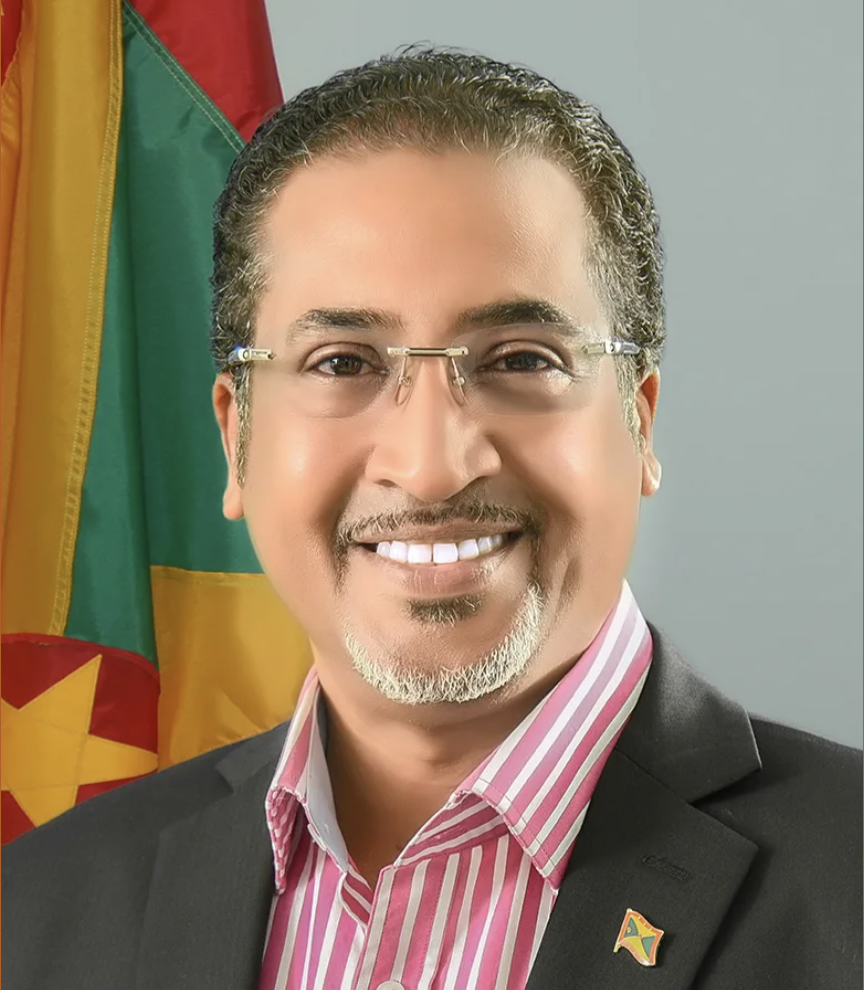
Ambassador Nixon to Explore Africa–Caribbean investment opportunities
Scheduled to run from August 6 to 8, 2026 in Johannesburg, the fourth annual DLO African Women in Leadership (AWIL) Summit has confirmed that His Excellency Dr Richard A Nixon, Senior Resident Ambassador of Grenada, will join its high-profile gathering of global industry leaders, investors, policy architects, development finance bodies and innovative entrepreneurs.
Organized around the central theme “Connecting Capital to Opportunity Across Africa,” the 2026 summit is built to serve as a collaborative dialogue hub for pressing economic topics spanning cross-border investment, large-scale infrastructure development, small and medium enterprise growth, skills capacity building, and private sector partnership. It will bring together decision-makers from across African nations and global international markets to uncover commercially viable, mutually beneficial opportunities that drive inclusive growth.
Ambassador Nixon brings a unique multi-role perspective to the summit: in addition to his diplomatic post as Grenada’s Senior Resident Ambassador, he chairs the Grenada Investment Development Corporation (GIDC) and holds the appointment of Ambassador-Designate to the African Union. Throughout his decades-long diplomatic career, he has been a vocal advocate for deeper collaboration between African and Caribbean stakeholders, centering his work on investment attraction, cross-regional business alliances, and shared economic advancement. As head of the GIDC, he has led strategic efforts to position Grenada as a competitive, welcoming destination for global capital, while facilitating ongoing dialogue between international institutions and Caribbean market opportunities.
Nixon’s participation in the 2026 AWIL Summit underscores a rapidly growing interest among global investors, business leaders and development institutions in unlocking untapped commercial links between Africa and the Caribbean. While cross-regional engagement between the two blocs has been expanding gradually in recent years, stakeholders across both regions are increasingly recognizing the massive collaborative potential across high-growth sectors including renewable energy, tourism, agriculture, education, digital innovation, and entrepreneurship.
In comments ahead of the summit, Linda Mabhena-Olagunju, Founder and Convenor of the DLO African Women in Leadership Summit, highlighted the event’s core mission: “One of the central objectives of the AWIL Summit is to create tangible, meaningful commercial opportunities for women-owned enterprises by connecting them with global investors, strategic industry partners, and untapped new markets. We are thrilled to welcome Ambassador Nixon to this year’s gathering, and we look forward to productive conversations that will strengthen business collaboration and unlock new investment pathways between African and Caribbean institutions.”
During the three-day event, Nixon will deliver targeted insights on three core themes: modern investment promotion strategy, economic diplomacy as a tool for cross-regional growth, and the critical role of industry platforms like AWIL in building long-term professional relationships, facilitating cross-border knowledge exchange, and laying the groundwork for future commercial partnerships between African and Caribbean organizations.
Hosted by DLO Energy Group in strategic partnership with the United Nations Office in South Africa, the 2026 AWIL Summit brings together senior leaders from government, development finance institutions, multinational corporations, global investment funds and the broader private sector. The event’s agenda is designed to enable open idea exchange, build durable strategic networks, and identify actionable opportunities that support expanded investment, inclusive entrepreneurship, and sustainable, broad-based economic growth across the African continent.
The summit’s three-day schedule is structured to cater to diverse participant needs: Day 1 will host the main Business and Leadership Summit at Webber Wentzel in Sandton; Day 2 will feature closed-door, invitation-only executive networking experiences across Johannesburg; and Day 3 will conclude with a Creative Economy Brunch held at Johannesburg’s iconic Shepstone Gardens.
-
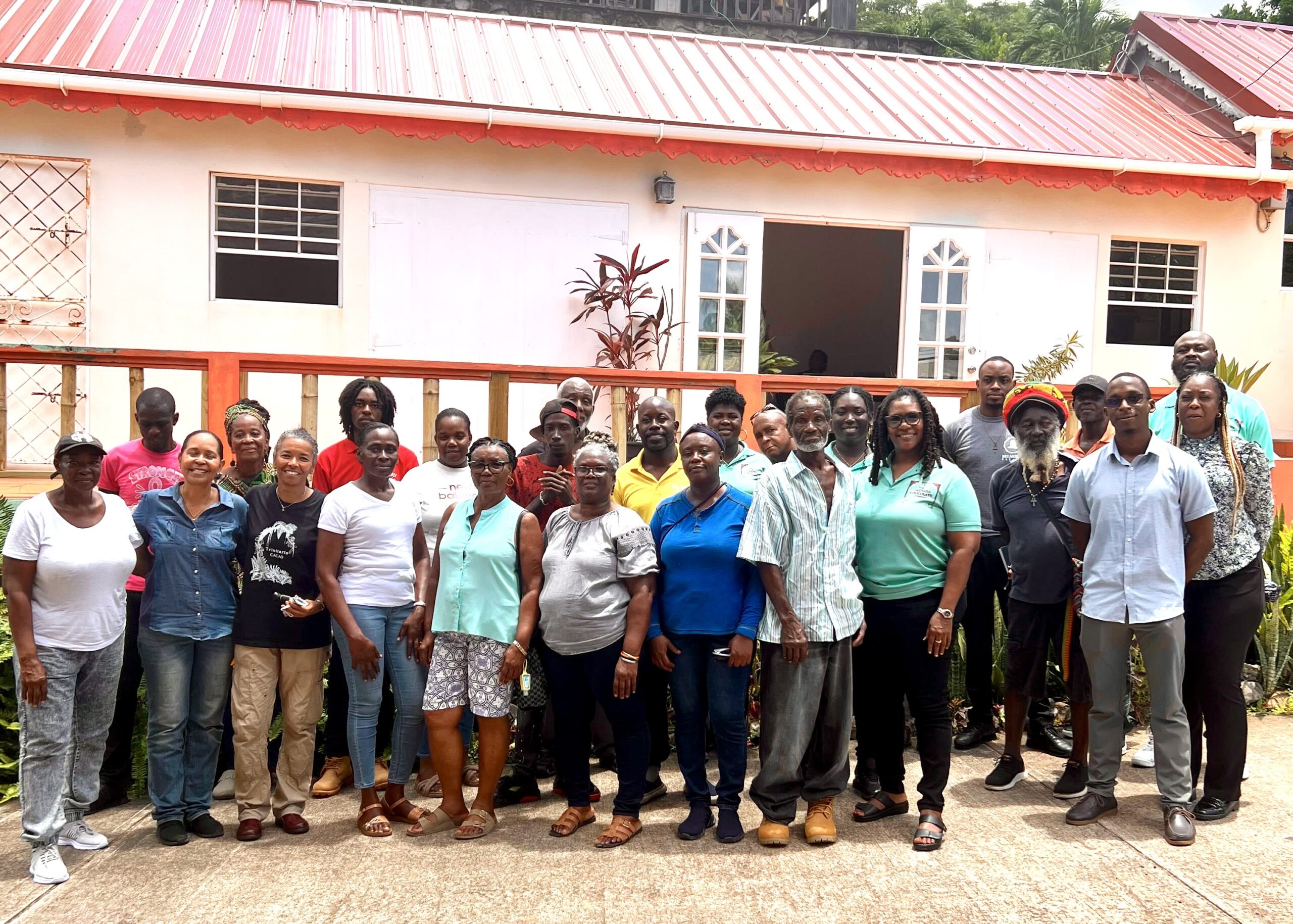
Fine-flavour cocoa industry strengthened through EU/ITC-led training
Nestled at Grenada’s iconic Belmont Estate in St Patrick, a three-day intensive Cocoa Post-Harvest Training Programme recently brought together more than 30 stakeholders spanning every link of the nation’s cocoa value chain, launching a targeted effort to reinforce one of Grenada’s most celebrated export sectors. Designed to upgrade technical expertise, raise product quality, and cement the long-term global competitiveness of Grenada’s world-renowned fine-flavour cocoa industry, the initiative forms a key component of the European Union-funded ACP Business Friendly Programme. Implemented by the International Trade Centre (ITC) in collaboration with the Organisation of African, Caribbean and Pacific States (OACPS) under the organization’s Alliances for Action framework, the training was co-hosted by the Belmont Foundation as part of a wider regional push to build more sustainable, inclusive cocoa value chains across the Caribbean. The broader initiative prioritizes enhanced product quality, value addition, expanded market access, greater sector resilience, and new investment opportunities for smallholder producers and local agribusinesses alike.
William Castro Rodriguez, ITC’s Programme Lead, emphasized that the training embodies the organization’s core approach to sustainable value chain development: centering people, cross-sector partnerships, and practical, actionable knowledge. “Through our Alliances for Action approach, we are investing in people, partnerships, and practical knowledge that strengthen every stage of the cocoa value chain,” Rodriguez explained. “Improving post-harvest quality not only enhances competitiveness and market opportunities, but also helps create more sustainable livelihoods for farming communities and a stronger future for the Caribbean cocoa sector.”
Unlike traditional lecture-only training events, the Grenada programme blended classroom-based theoretical instruction with on-site field demonstrations and hands-on practical exercises, covering every critical stage of cocoa production and post-harvest handling. Attendees gained actionable skills in agronomic best practices, field and crop management, sustainable harvesting methods, fermentation process control, proper drying techniques, moisture regulation, quality grading and assessment, supply chain traceability, farm and business record keeping, and global quality assurance standards. The integrated curriculum was crafted to ensure that technical mastery extends from on-farm cultivation through post-harvest processing, guaranteeing that Grenada’s signature fine-flavour cocoa continues to meet the strict quality standards demanded by international premium markets.
Participants represented a broad cross-section of Grenada’s cocoa ecosystem, including technical staff from the Ministry of Agriculture, leadership from the Grenada Cocoa Association, representatives from major local chocolate manufacturers including Jouvay Chocolate, Tri Island Chocolate, Grenada Chocolate Company, Grenada Limited Edition Chocolate and Taste D Spice, independent smallholder cocoa farmers, and local cocoa processors. Over the three-day event, attendees actively contributed to group discussions, collaborated on practical exercises, and shared decades of on-the-ground experience, fostering a collaborative environment of mutual learning. Their consistent engagement, thoughtful line of questioning, and openness to adopting updated industry practices reflected a shared national commitment to elevating the Grenadian cocoa sector through continuous improvement and technical excellence.
Leading the training facilitation was Sarah Bharath, a veteran cocoa specialist with over two decades of experience working across the Caribbean in cocoa research, post-harvest quality improvement, and farmer capacity building. Bharath delivered each session with remarkable energy, framing complex technical concepts in an accessible, dynamic, highly interactive format that encouraged open dialogue, hands-on skill development, and active participation from every attendee. Following the conclusion of the programme, Bharath praised the high level of engagement from participants. “The level of engagement throughout the programme was exceptional,” she noted. “Producing outstanding cocoa requires consistently applying best practices from the field through post-harvest handling, and it has been encouraging to see the enthusiasm of participants to learn, ask questions, and embrace practices that will continue to strengthen Grenada’s cocoa industry.”
Grenada’s Ministry of Agriculture also voiced strong support for the initiative, highlighting the long-term value of the training for the entire national sector. Marcia Lord, Extension Officer for the Northern District, explained that the upskilling gained through the programme will directly strengthen the capacity of local producers. “The knowledge gained will strengthen the capacity of our farmers, extension officers, cocoa producers, and processors, helping us consistently produce high-quality cocoa while further enhancing Grenada’s reputation for excellence,” Lord said.
The event also reinforced a core takeaway for the sector: sustained growth requires ongoing collaboration across all stakeholders, from smallholder farmers and private processors to government agencies, research institutions, financial service providers, and international development partners. As global consumer and buyer demand continues to shift toward higher quality, fully traceable, sustainably produced, value-added cocoa products, consistent investment in technical knowledge and industry innovation will be critical to protecting Grenada’s standing as a leading global producer of premium fine-flavour cocoa.
Shadel Nyack Compton, Managing Director of Belmont Estate, underscored what the training means for Grenada’s future as a premium cocoa producer. “Grenada has earned an international reputation for producing exceptional fine-flavour cocoa. Preserving that reputation requires excellence from the farm through every stage of post-harvest handling and processing,” Compton said. “By continuing to invest in our people, strengthening technical capacity, and embracing sustainable practices, we can build a resilient cocoa industry that creates opportunities for farmers, entrepreneurs, and future generations while reinforcing Grenada’s position as a global leader in premium fine-flavour cocoa. Deepest thanks to the European Union, the International Trade Centre and all strategic partners for making this opportunity available for Grenada.”
The programme concluded with a formal certificate presentation, where all participants received Certificates of Participation in recognition of their commitment to continuous learning and excellence across cocoa production and post-harvest management. As Grenada works to expand its global footprint as a producer of world-class fine-flavour cocoa, initiatives like this training highlight the transformative power of cross-sector collaboration, open knowledge sharing, and strategic investment in people. Together, these aligned efforts will help ensure that Grenada’s cocoa sector remains resilient, sustainable, and globally competitive for generations to come.
-
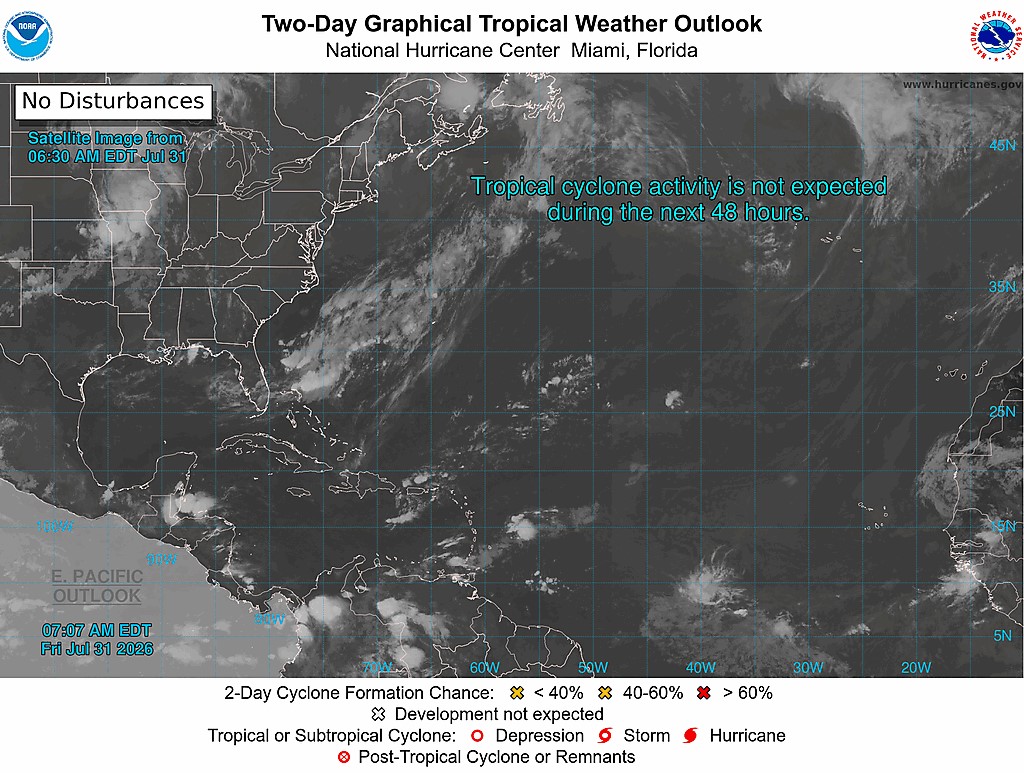
Tropical Weather Outlook: Friday, 31 July 2026 (8 am)
Meteorological officials from the Meteorological Services MBIA and Grenada Airports Authority (GAA) have issued an active weather advisory for the tropical North Atlantic Ocean, Caribbean Sea, and Gulf of Mexico, highlighting a developing tropical wave of interest to regional authorities. The system, which falls within a monitored special weather zone spanning 10–20° North latitude and 40–65° West longitude, has recently been repositioned to approximately 57° West, located just south of the 20° North parallel. It is currently tracking westward at a steady speed of around 20 knots. As of the latest observation, scattered moderate convective activity is concentrated between 12° North and 15° North, stretching from 55° West to 58° West, in line with the system’s projected forward movement. Forecasters confirm the tropical wave is on track to pass over the Caribbean nation of Grenada later today. The passage of the system is expected to bring noticeable changes to local weather conditions, including increased cloud cover across the island, widespread shower activity, and a risk of isolated thunderstorm events. The agencies noted that they will release their next official update on the system’s position and forecast at 2:00 PM local time. This advisory, published via NOW Grenada, includes a standard content disclaimer: the outlet does not take responsibility for opinions, statements, or third-party contributed media content shared on its platform, and provides a channel for users to report any content that violates community guidelines.
-
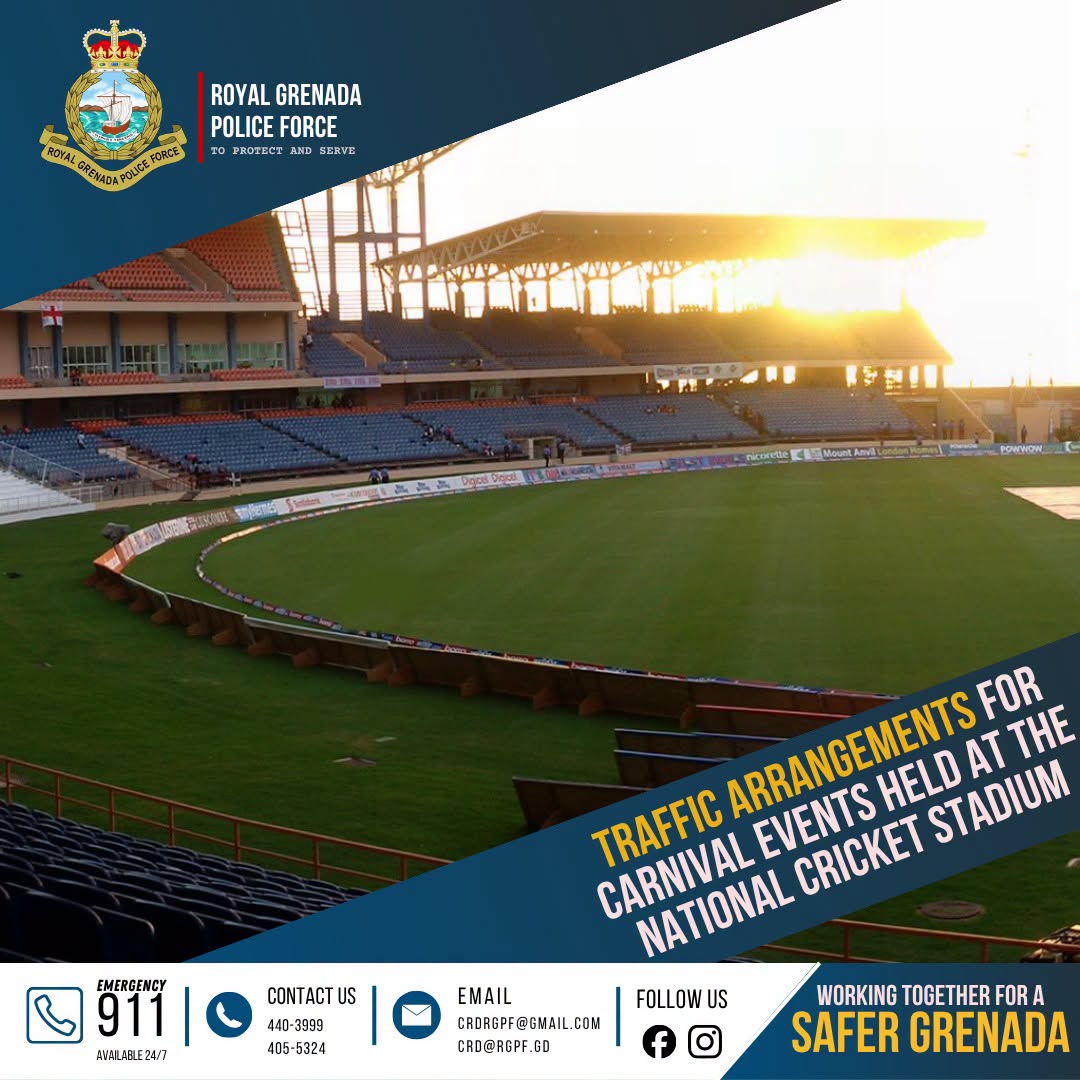
Traffic arrangements for carnival events at National Cricket Stadium
As Grenada prepares for its widely anticipated annual carnival celebrations, the Traffic Department of the Royal Grenada Police Force (RGPF) has released a comprehensive set of adjusted traffic regulations to manage movement around the National Cricket Stadium, the primary venue for all major carnival shows. The new rules, officially announced through the Office of Commissioner of Police, are designed to prevent gridlock, improve pedestrian safety, and ensure smooth access for attendees, staff, and emergency responders throughout the event period.
For vehicles approaching the National Cricket Stadium venue, only two primary access routes will be open during the events. Drivers may enter the stadium precinct either via Queen’s Park Road, accessed from its intersection with Cherry Hill, or through the Stadium Ring Road connected to Hump Back Bridge at the River Road public junction.
To streamline traffic flow, several stretches of road surrounding the venue will be closed to all vehicle entry for the duration of the carnival shows. These restricted entry zones include the entire stadium compound accessed from the Mt Gay/Mt. Rush direction, Old Fort Public Road from its junction with Lucas Street, Cemetery Hill starting at its intersection with Church Street, and the section of Stadium Ring Road running from the Mt Rush Public Road junction toward Humpback Bridge.
A broad no-parking regime has also been implemented across multiple surrounding roads to clear lanes for moving traffic. Prohibited parking areas include the full loop of the ring road encircling the National Cricket Stadium, River Road between the La Qua Brothers Crematorium junction and Purcell’s Lumber Yard, Cherry Hill Public Road from the Grenada Welders location to its intersection with Melville Street, Melville Street from the ‘Keep Left’ Roundabout to the Rubis Gas Station exit, all of Cemetery Hill, and the full length of Mt Rush Public Road. As a provision for extra vehicle capacity, permitted overflow parking is designated on one side of Stadium Ring Road opposite the PetroCaribe and Grenlec facilities.
Parking has been segmented into dedicated zones for different groups attending the events. Designated parking for VVIP and VIP guests will be established on a section of the Wesley College ground. Performers, event vendors, on-duty police personnel, and event support workers have been allocated parking spaces at Gate 6 of the stadium. For general attendees, multiple public parking zones have been set up within reasonable proximity of the venue, including the Kirani James Athletic Stadium car park, Wesley College Ground, the main Bus Terminus, Ariza Car Park, Old Trafford, and Tanteen Playing Field.
Once carnival events conclude each day, a one-way traffic system will be activated on key routes to prevent exit bottlenecks and speed up dispersal of crowds. The assigned one-way directions are: River Road public road toward De Caul roundabout, Mt Rush public road toward Mt Gay, Mortley Hill toward Sans Souci, and the intersection of Stadium Ring Road and Mt Rush Public Road toward Humpback Bridge.
To ensure rapid response in any emergency situation, a dedicated fixed emergency route has been mapped out for emergency service vehicles. The route runs along Cemetery Hill, Lucas Street, Church Street, and Grand Etang Road, connecting the stadium precinct directly to the General Hospital.
The updated traffic arrangements come as carnival draws thousands of local attendees and international visitors to the National Cricket Stadium each year, with organizers emphasizing that the new rules are intended to make the celebration as convenient and safe as possible for all participants.