标签: Dominican Republic

多米尼加共和国

  • Dominican Republic hits 10.2 million in tourist arrivals

    Dominican Republic hits 10.2 million in tourist arrivals

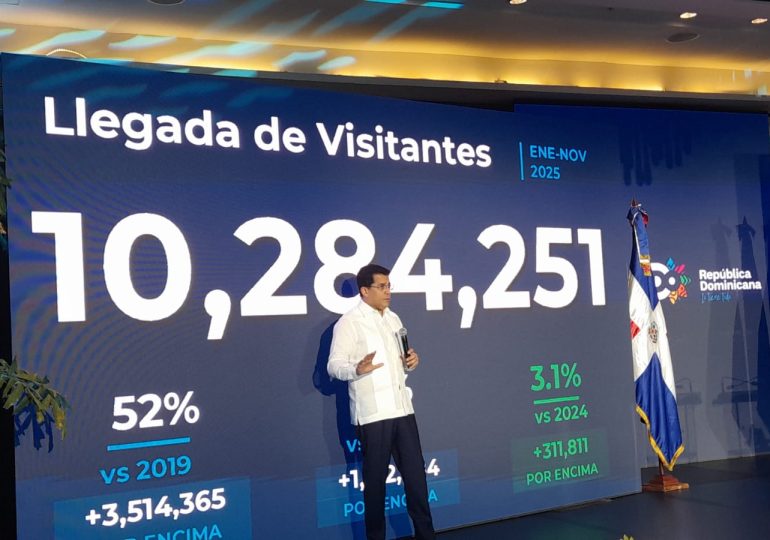
    The Dominican Republic’s tourism sector has achieved unprecedented growth, demonstrating remarkable resilience and economic vitality. According to Tourism Minister David Collado, the nation welcomed a staggering 10,284,251 visitors by November 30, 2025, representing a monumental 52% increase compared to the 6.7 million tourists received in 2019.

    This explosive growth becomes even more significant considering the loss of approximately 600,000 annual visitors from Russia and Ukraine due to ongoing geopolitical conflicts. The sector has shown consistent upward trajectory with a 13% improvement over 2023 figures and a 3.1% increase compared to 2024 performance. The eastern region and numerous destinations nationwide are experiencing exceptional demand, with hotels reporting complete occupancy from December through April.

    Air arrivals between January and November reached 7,884,421, marking a 3% increase over 2024 and a substantial 35% surge compared to 2019. Cruise tourism similarly flourished with 2,399,833 arrivals, also reflecting a 3% growth pattern. The visitor composition included 6,585,380 foreign tourists (+2%) and 1,299,041 Dominican nationals traveling with international passports (+8%).

    Projections indicate the sector will conclude 2025 with approximately 11.7 million visitors and generate over US$12 billion in foreign exchange earnings. The tourism boom has created employment opportunities for more than 800,000 individuals across tourism, agriculture, and commerce sectors. The industry contributed US$16.781 billion to GDP and provided RD$73.6 billion in government revenue, funding essential services including education, healthcare, and infrastructure development.

  • Dominican Republic wins silver and bronze at World Robot Olympiad 2025

    Dominican Republic wins silver and bronze at World Robot Olympiad 2025

    SINGAPORE – The Dominican Republic has dramatically elevated its status in the global technology arena by capturing two prestigious medals at the World Robot Olympiad (WRO) 2025 finals. Competing in a fiercely contested field representing over 96 nations, the Caribbean nation’s young talents demonstrated exceptional skill and innovation on the world stage.

    In a landmark achievement for the country’s STEAM (Science, Technology, Engineering, Arts, and Mathematics) education sector, the ‘Fire Busters’ team was awarded the silver medal in the highly competitive Future Innovators – Senior category. The judging panel specifically highlighted their project’s groundbreaking innovation, significant social impact potential, and outstanding technical execution. This accomplishment has propelled the Dominican Republic to an impressive 18th place in the global rankings for this division.

    Simultaneously, the ‘Cyberbot’ squad secured the bronze medal in the RoboMission – Junior category, where they excelled in robot design sophistication, strategic implementation, and advanced programming techniques against international counterparts.

    The path to Singapore was paved through an extensive national selection process orchestrated by WRO Dominican Republic. This rigorous competition, which unfolded across Santiago and Santo Domingo, attracted hundreds of participants from both public and private educational institutions, showcasing the growing depth of robotic talent throughout the country.

  • INTABACO begins distribution of seedlings for the 2025–2026 harvest

    INTABACO begins distribution of seedlings for the 2025–2026 harvest

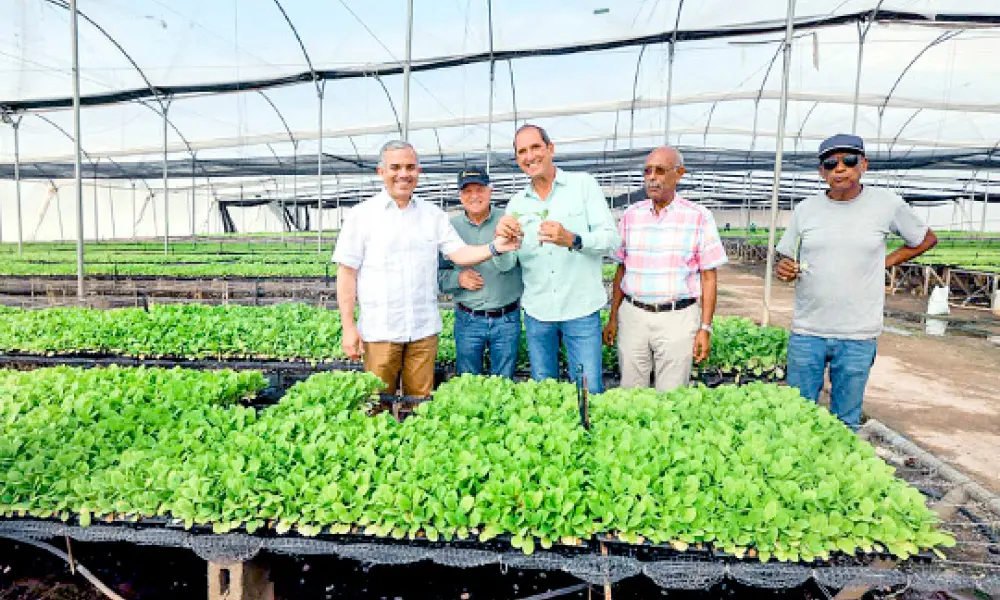
    SANTIAGO DE LOS CABALLEROS – In a significant agricultural development, the Tobacco Institute of the Dominican Republic (INTABACO) has launched a major production initiative, cultivating 15 million tobacco seedlings destined for the 2025–2026 harvest season. Under the leadership of its director, Iván Hernández Guzmán, the program is designed to substantially aid small-scale producers by providing access to high-quality, subsidized planting materials. This ambitious project will facilitate the cultivation of over 10,000 ‘tareas’—a local land measurement equivalent to approximately 1.2 hectares—bolstering the national tobacco sector’s foundation. The initiative formally commenced with the distribution of an initial batch of 160,000 seedlings of the premium IT-154 variety. These are being offered to farmers at a heavily subsidized rate of just 35 pesos per seedling, a price point that reflects a dramatic 61% reduction from standard market costs. Director Hernández Guzmán emphasized that this critical financial support is enabled through direct backing from the nation’s Presidency. He further detailed the superior qualities of the IT-154 strain, noting its exceptional leaf quality, refined texture, and superior aroma and flavor profile, attributes that are highly prized in both domestic and international markets. The production of these seedlings is being carried out through a strategic collaboration with the agricultural firm Transplanta, ensuring quality and scalability for the program.

  • Citizens report large holes in Dominican–Haitian border wall

    Citizens report large holes in Dominican–Haitian border wall

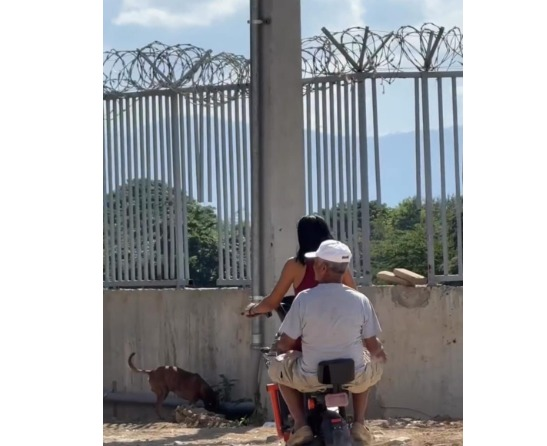
    A significant security breach has been identified along the heavily fortified border separating the Dominican Republic from Haiti. Travelers passing through the Dajabón border region have reported discovering at least six substantial openings in the barrier system, strategically located between the old and new customs checkpoints.

    Photographic evidence provided by concerned citizens reveals these breaches are sufficiently large to permit unimpeded passage of individuals. The compromised structural integrity not only facilitates unauthorized border crossings but also creates vulnerabilities for irregular movement of commercial goods, potentially undermining customs enforcement and revenue collection.

    The Dominican government’s ambitious border security initiative, launched in 2022, envisioned a technologically advanced ‘smart wall’ system combining concrete foundations, metal fencing, and surveillance technology across strategic sections. This 392-kilometer barrier project, reported 84% complete in late 2024 with anticipated delivery in early 2025, was specifically designed to combat irregular migration, drug trafficking, arms smuggling, and human trafficking operations.

    Official statements have highlighted additional benefits including protection of agricultural interests, with some local ranchers reporting approximately 80% reduction in cross-border livestock theft following partial implementation. Despite these security priorities, authorities have yet to issue any official response regarding the recently discovered damage to this critical infrastructure project.

    The timing of these breaches raises questions about maintenance protocols and monitoring capabilities of the border security system, particularly as the project approaches its scheduled completion date.

  • Indomet The 2025 hurricane season ends today: How many storms impacted the Dominican Republic?

    Indomet The 2025 hurricane season ends today: How many storms impacted the Dominican Republic?

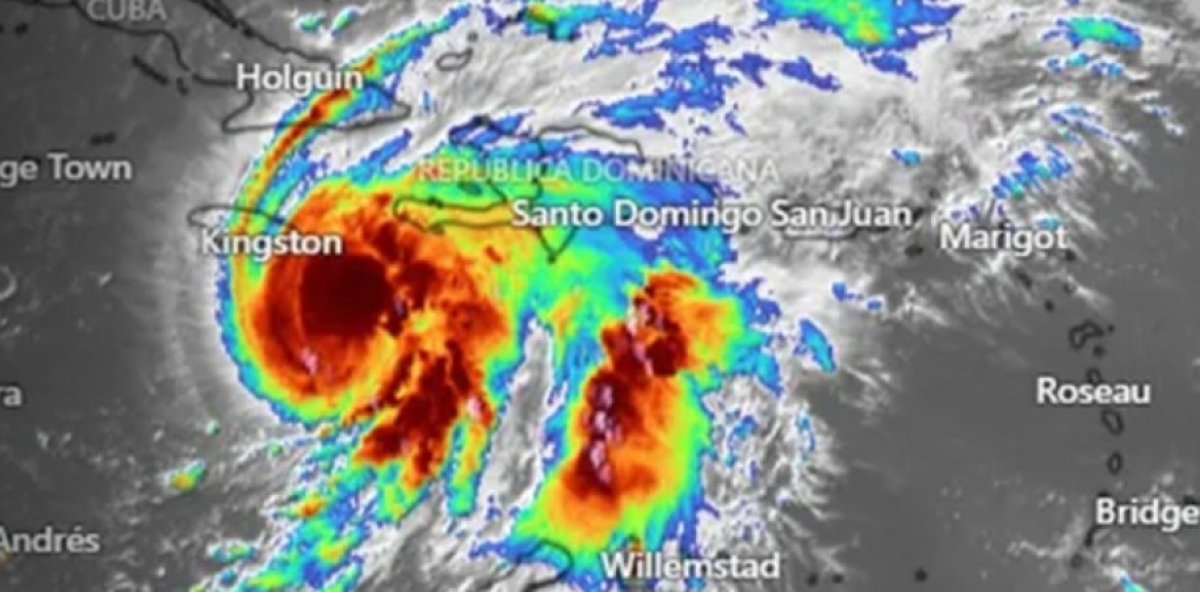
    SANTO DOMINGO, Dominican Republic – The Dominican Institute of Meteorology (Indomet) has officially declared the conclusion of the 2025 Atlantic hurricane season this Sunday, November 30th. This year’s climatic period proved notable for its intensity rather than frequency, producing a total of 13 named tropical cyclones. While this figure sits marginally below historical averages, the season distinguished itself through its potent storm development. Five systems achieved hurricane classification, with an exceptional four escalating into major hurricanes—registering Category 3 strength or higher on the Saffir-Simpson scale.

    The roster of named storms included Tropical Storms Andrea, Barry, Chantal, Dexter, Fernand, Jerry, Karen, and Lorenzo. The hurricane cadre was comprised of some of the most powerful systems observed, featuring Category 5 hurricanes Erin, Humberto, and Melissa, alongside Category 4 Hurricane Gabrielle and Category 2 Hurricane Imelda.

    Meteorological drivers for the season were initially shaped by neutral El Niño-Southern Oscillation (ENSO) conditions in the Central and Eastern Pacific, which later transitioned into a La Niña phase. October emerged as the most active period, witnessing the genesis of four cyclones. This surge was fueled by unusually warm North Atlantic sea surface temperatures, which persisted between 29°C and 30°C, creating ideal conditions for cyclogenesis.

    While the Dominican Republic avoided a direct landfall from any hurricane, the nation experienced significant indirect consequences. Hurricane Erin generated powerful and abnormal wave activity along the Atlantic coastline. Subsequently, Hurricane Melissa precipitated extreme rainfall events, triggering severe flooding and landslides, particularly in the southwestern and southeastern provinces. The town of Polo in Barahona province recorded a staggering 192.4 millimeters of rain within a 24-hour period, with Santo Domingo Este receiving 177.9 millimeters during the same event.

    Indomet has reaffirmed its dedication to the perpetual surveillance of tropical weather systems and its critical mission of disseminating timely forecasts and warnings to protect public safety and minimize property damage throughout the Caribbean region.

  • Return! Cases of chikungunya are being reported: practical tips for prevention

    Return! Cases of chikungunya are being reported: practical tips for prevention

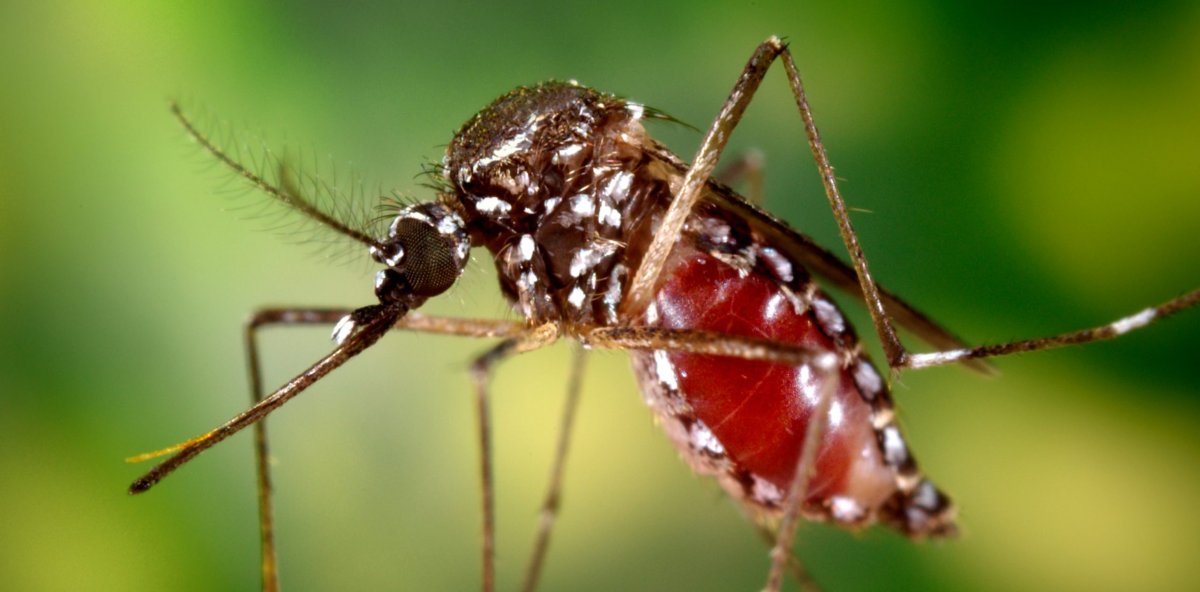
    Health authorities have confirmed three imported cases of chikungunya virus from Cuba, raising concerns about potential transmission risks in the Dominican Republic. The Ministry of Public Health issued the alert last Thursday, identifying the Aedes aegypti mosquito as the primary vector responsible for spreading this arboviral disease alongside dengue and Zika.

    The current epidemiological situation is particularly concerning due to seasonal rainfall patterns that create ideal breeding conditions for mosquitoes. Stagnant water accumulation in urban and residential areas has significantly increased the proliferation potential of disease-carrying insects, creating heightened vulnerability among the local population.

    According to World Health Organization guidelines, effective mosquito habitat management remains the cornerstone of prevention strategies. Health officials emphasize that eliminating breeding sites requires a multidisciplinary approach spanning public health, environmental management, and community education sectors.

    Recommended preventive measures include:
    – Removing or properly sealing outdoor water containers including flower pots, bottles, and storage vessels
    – Installing protective covers on domestic water tanks and storage reservoirs
    – Implementing proper waste management practices with sealed plastic bags and covered trash receptacles
    – Maintaining clear drainage systems to prevent water stagnation
    – Installing window and door screens to create physical barriers against mosquitoes

    Health authorities stress that community participation is essential for successful mosquito population control and reducing disease transmission risks.

  • Flights are operating normally in the Dominican Republic after Airbus’ warning about solar radiation

    Flights are operating normally in the Dominican Republic after Airbus’ warning about solar radiation

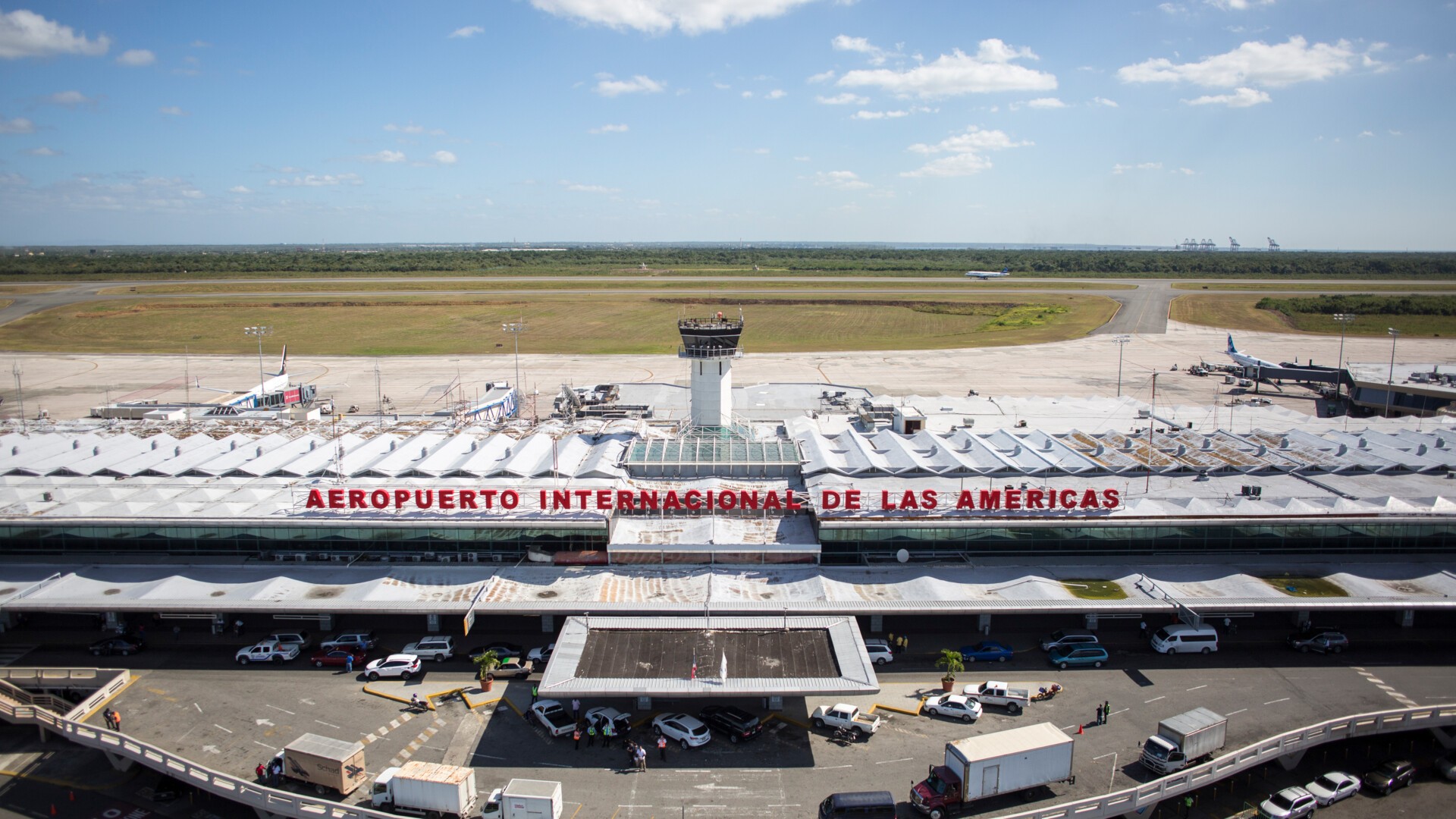
    Santo Domingo, Dominican Republic – Despite a worldwide safety advisory issued by Airbus concerning potential solar radiation interference with aircraft systems, Aeropuertos Dominicanos Siglo XXI (Aerodom) has confirmed uninterrupted operations across its entire airport network. Both domestic and international flights continue to function normally without significant disruptions.

    Luis José López, Director of Corporate Communications at Aerodom, stated that all scheduled flights for Saturday operated according to plan, with arrivals and departures at Las Américas International Airport proceeding smoothly. While acknowledging the possibility of minor delays in coming hours, López emphasized that Aerodom is maintaining close collaboration with aviation authorities and airline partners to minimize potential passenger impact.

    The airport operator has enhanced its real-time communication protocols with airline representatives and operational teams to ensure rapid coordination and transparent passenger notifications if conditions evolve.

    The global alert originated from Airbus’s identification of newly discovered risks that extreme solar radiation events could potentially disrupt flight control computers in specific aircraft models. The manufacturer issued urgent maintenance recommendations for approximately 6,000 A319, A320, and A321 aircraft worldwide following an October 30 incident involving a JetBlue A320 on the Cancun-Newark route. The aircraft made an emergency landing in Tampa after experiencing sudden altitude loss.

    Recent developments indicate that thousands of affected aircraft have already resumed normal service. The majority required only straightforward software updates, while approximately 900 older units need hardware replacements. French Transport Minister Philippe Tabarot reported that updates have been successfully completed on over 5,000 aircraft with minimal complications, with fewer than 100 aircraft remaining pending—many of which have received overnight software implementations.

  • Which provinces register the most deaths in traffic accidents?

    Which provinces register the most deaths in traffic accidents?

    The Dominican Republic faces a severe public health emergency as traffic accidents continue to claim thousands of lives annually, establishing themselves as one of the nation’s leading causes of premature death. According to comprehensive data from the National Statistics Office (ONE), the country’s traffic fatality rate reached 20.02 deaths per 100,000 inhabitants in 2024, with dramatic variations observed across different provinces.

    Statistical analysis reveals troubling geographical disparities, with Samaná province recording the most alarming fatality rate at 44.96 per 100,000 inhabitants, resulting in over 35 traffic-related deaths in 2024 alone. La Altagracia and San José de Ocoa followed with concerning rates of 41.49 and 40.31 respectively, each averaging approximately 32 annual fatalities. In contrast, the province of Santo Domingo (8.31) and the National District (9.92) demonstrated significantly lower incidence rates.

    The human toll extends beyond mortality statistics, with the Permanent Road Safety Observatory (Opsevi) documenting 104,466 traffic-related injuries as of August this year. San José de Ocoa recorded the highest injury rate at 451.08 per 100,000 inhabitants, followed closely by the National District (446.19) and Puerto Plata (344.58).

    Demographic analysis reveals disturbing patterns in victim profiles. Between 2020-2024, the country averaged 1,728 fatal traffic accidents annually, with males accounting for a disproportionate 87.91% of fatalities compared to 12.09% for females. Particularly concerning is the concentration of deaths among youth, with 53% of 2024’s fatalities occurring in the 15-34 age demographic, highlighting their extreme vulnerability on Dominican roads.

  • Larimar City & Resort promotes the country’s first “Smart City”

    Larimar City & Resort promotes the country’s first “Smart City”

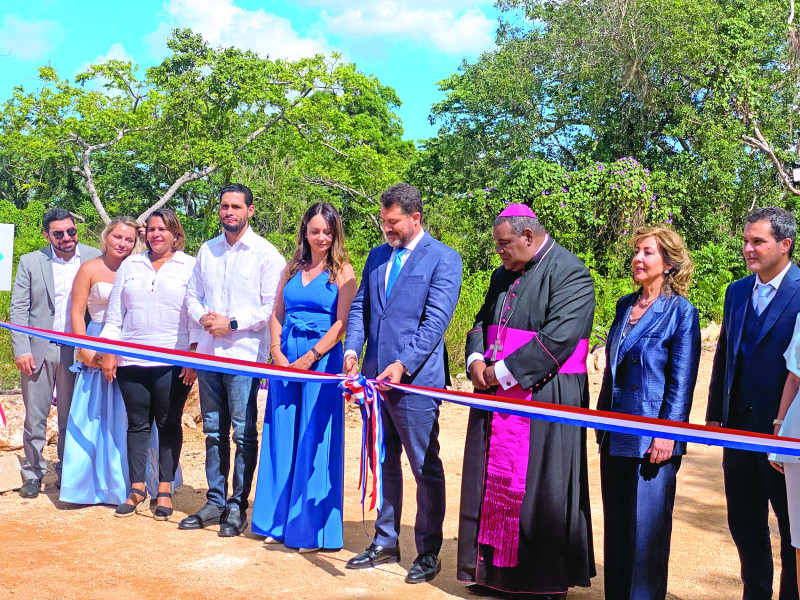
    Spanish infrastructure firm CLERHP has officially inaugurated the initial phase of Larimar City & Resort, marking the Dominican Republic’s inaugural Smart City development. The landmark ceremony, attended by over 300 distinguished guests including government officials, business leaders, and international investors, coincided with National Larimar Day celebrations honoring the country’s unique precious stone.

    Located in La Otra Banda sector of Punta Cana, this groundbreaking urban development spans 3.6 million square meters with an initial investment commitment of €600 million. The project enjoys formal endorsement from the Dominican government and holds placement within ProDominicana’s official investment portfolio.

    Juan Andrés Romero, CEO of Larimar City & Resort and President of CLERHP, emphasized the project’s transformative vision: “Larimar represents a paradigm shift in urban conception—merging innovation, sustainability, and strategic foresight. This initiative demonstrates our capacity to lead globally significant urban developments after more than a decade of dedicated research and planning.”

    The inauguration ceremony featured traditional ribbon-cutting protocols and included a philanthropic component where the Funeyca Foundation received corporate donations supporting youth cultural programs in the Punta Cana region. The event concluded with a sunset reception at Farallón de Punta Cana, attended by Spanish Embassy representative Pilar Serret Murga and local mayor Alexander Rodríguez, with ceremonial blessings provided by Bishop Jesús Castro Marte.

    Dubbed “The Jewel of the Caribbean,” Larimar City & Resort incorporates sustainable mobility systems, intelligent resource management, and extensive green spaces covering 700,000 square meters. The development will feature Mediterranean-inspired architecture, three kilometers of waterfront promenades, artificial beach areas with lakes and pools, and diverse residential options across six planned phases.

    Construction commenced in January 2025 with foundational work on Prime Towers, with Phase One completion anticipated for 2026-27. The project is projected to generate approximately 1,500 direct and indirect employment opportunities, signaling substantial economic and social impact for the La Altagracia province.

  • China and the Dominican Republic: an alliance that drives trade, investment and technology

    China and the Dominican Republic: an alliance that drives trade, investment and technology

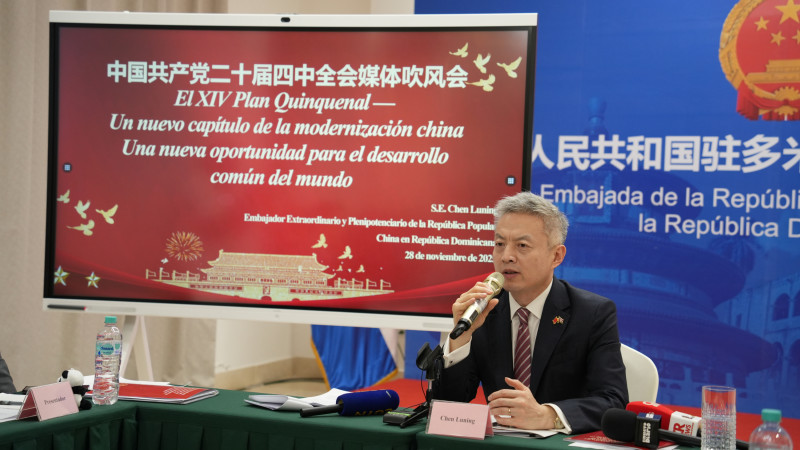
    SANTO DOMINGO – Chinese Ambassador Chen Luning articulated a vision of strengthened bilateral cooperation during a reception for Dominican journalists at the Chinese Embassy last Friday. Framing the relationship as a cornerstone of China’s regional strategy, the ambassador detailed significant advancements across trade, investment, and agriculture since diplomatic relations were formalized seven years ago.

    Ambassador Luning emphasized that the Dominican Republic is viewed in Beijing as both a trusted friend and a pivotal partner for expanding China’s presence in the Caribbean and Central America. He reported that mutual political trust has consistently deepened, creating a stable foundation for collaboration guided by the principles of “mutual respect, equal treatment, and mutually beneficial cooperation.”

    Economically, China firmly holds its position as the Dominican Republic’s second-largest trading partner, with bilateral trade surpassing $5 billion. Notably, trade volume saw a 2.3% increase in just the first three quarters of 2025. This growth is propelled by heightened interest from Chinese manufacturers, with several companies establishing operations in free trade zones in Santiago, San Pedro de Macorís, and Las Américas. The ambassador cited the nation’s political stability and investment-friendly policies as key drivers.

    Agricultural cooperation represents another strategic pillar. A flagship project with Bioarroz in Bonao, where Chinese technicians are introducing hybrid rice seeds and advanced cultivation techniques in collaboration with the Dominican Ministry of Agriculture, has yielded “good results” over its four-year duration. Opportunities for further collaboration in fruit, coffee, and cocoa production, alongside the introduction of Chinese agricultural machinery, were also highlighted.

    Beyond commerce, China’s contributions to Dominican public welfare were underscored, most visibly through the donation of 120 ambulances that have “effectively strengthened emergency response capabilities” across the country.

    Concluding his remarks, Ambassador Luning positioned this bilateral alliance within China’s broader global economic framework. He outlined China’s monumental growth, noting its $20 trillion GDP and its role as the top exporter of automobiles, lithium batteries, and renewable energy components. He also highlighted the Belt and Road Initiative’s impact in Latin America, having generated over one million jobs through 200 infrastructure projects, with regional trade ballooning to $500 billion.