标签: Dominican Republic

多米尼加共和国

  • Woman with alleged mental disorder kills her 10-year-old daughter in Manoguayabo

    Woman with alleged mental disorder kills her 10-year-old daughter in Manoguayabo

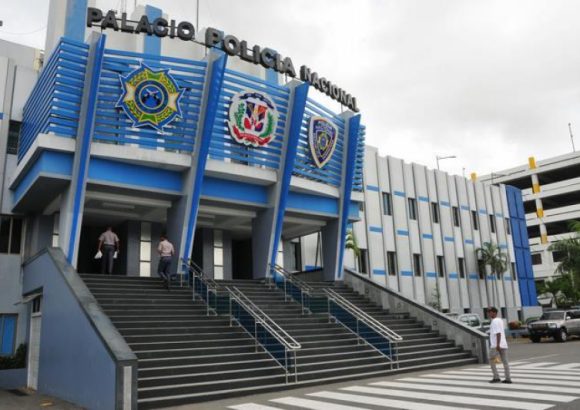
    A tragic violent incident in the Dominican Republic has left a 10-year-old girl dead and her mother, a disqualified member of the country’s National Police, in custody following the attack, law enforcement authorities confirmed this week. The incident unfolded in the Batey Bienvenido sector of Manoguayabo’s municipal district, where the woman is alleged to have violently injured her own minor daughter.

    Immediately after the attack, emergency medical teams responded to the scene to provide urgent care to the 10-year-old, who had suffered a deep laceration to her neck. Despite rapid intervention and ongoing medical treatment, the young girl ultimately succumbed to her injuries while under hospital care.

    Preliminary investigations into the case have uncovered key background details about the accused: the detained woman has a documented history of receiving ongoing treatment for a diagnosed mental health condition, and has been on official medical leave from her role with the National Police since 2023. The National Police statement also clarified that the accused’s status as a disqualified officer will be formally integrated into the investigative process, with all proceedings moving forward in full compliance with national law and formal due process requirements.

    At present, the National Police is leading the investigation in close coordination with the Dominican Public Prosecutor’s Office. The joint investigation team is working to piece together a full, accurate account of the circumstances leading up to the incident, in order to clarify exactly what occurred and assign legal responsibility in line with findings.

  • Indomet is monitoring a system with a 60% chance of cyclone formation: Will it affect the Dominican Republic?

    Indomet is monitoring a system with a 60% chance of cyclone formation: Will it affect the Dominican Republic?

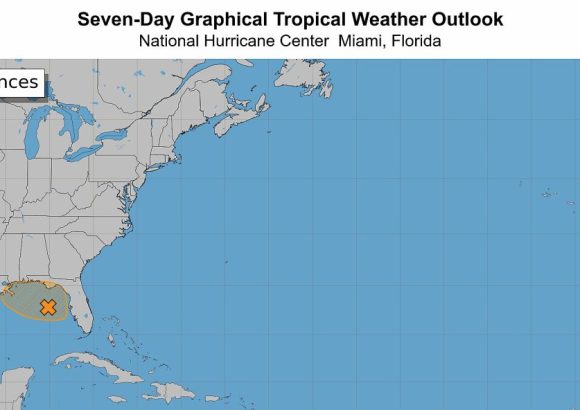
    The Dominican Institute of Meteorology (Indomet) announced on Sunday that it has launched continuous monitoring activities for an active weather system bringing heavy downpours and thunderstorms. The system is linked to a low-pressure trough positioned across the northern segment of the Gulf of Mexico, in close proximity to the U.S. state of Florida.

    Meteorological analysts from Indomet have assessed that this disturbance carries a 60% medium likelihood of organizing into a cyclonic system within the next two days. This same 60% probability projection also holds for cyclone development over the full seven-day forecast window, per the agency’s official statement.

    Crucially, Indomet has clarified that the system does not pose any immediate danger to the Dominican Republic. The current geographic position of the weather disturbance, its substantial distance from Dominican territory, and the projected path it is expected to follow all rule out imminent risk to the country, the institute confirmed.

    Indomet has emphasized that it will maintain round-the-clock surveillance of the system’s progression, and pledged to promptly issue public updates if any material shifts occur in the system’s strength, structure or projected trajectory.

    This report draws on the latest updates published via DominicanScope, a leading platform for news from the Dominican Republic.

  • Martí warns that changing the LPG mixture to 90% propane would cause many explosions due to the poor condition of the cylinders.

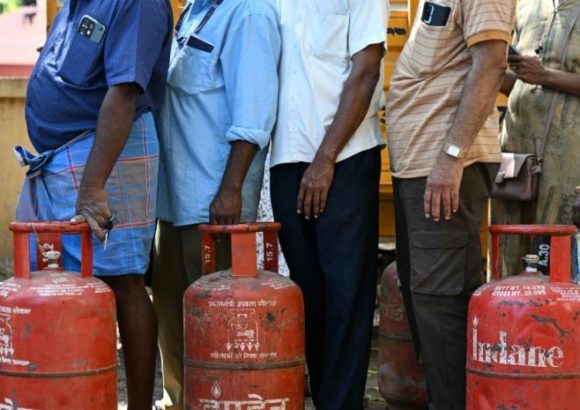
    Martí warns that changing the LPG mixture to 90% propane would cause many explosions due to the poor condition of the cylinders.

    A controversial proposal to adjust the composition of liquefied petroleum gas (LPG) sold in the Dominican Republic has sparked fierce debate, with top energy industry leaders warning of catastrophic safety risks if the change moves forward, while analysts back the plan as a much-needed solution to sky-high consumer fuel costs.

    The debate was ignited by a recent investigation from the Energy Institute of the Autonomous University of Santo Domingo (IEUASD), which found that the weekly Import Parity Price (PPI) calculation conducted by the Ministry of Industry, Commerce and MSMEs (MICM) has left LPG overpriced by roughly 30 Dominican pesos (RD$) per unit for local consumers. As one of its core reform recommendations, the institute has proposed shifting the standard LPG mixture from its current 70% propane and 30% butane blend to a 90% propane composition, a change that industry analysts confirm would cut end-consumer prices, since propane trades at a lower cost than butane on global markets.

    However, senior energy sector executives have pushed back hard against the suggestion, highlighting that the vast majority of residential LPG storage cylinders in the country are not equipped to handle the increased pressure that comes with a higher propane blend. To understand the risk, industry leaders note that pure propane sits at a storage pressure of 250 pounds per square inch (PSI), while pure butane holds at just 100 PSI. The existing 70/30 blend lowers overall pressure to a range that is manageable for most tanks, drastically reducing the risk of catastrophic failure.

    Carlos José Martí, CEO of the Martí Group, explained that the country’s existing fleet of 25 to 50-pound residential LPG cylinders is already in dangerously poor condition. Many of these aging tanks are repaired informally in unregulated neighborhood yards, with no formal safety inspections to confirm they can hold standard pressure. If pressure is increased by raising the propane share, Martí warned, the country could see a wave of deadly, preventable explosions.

    Francisco Camino, technical services director for major local LPG supplier Tropigas, echoed these urgent safety warnings. Camino added that a common unregulated practice among homeowners makes the risk even higher: many residents paint their old gas cylinders to hide visible signs of deterioration, leaving structural flaws and corrosion undetected by both users and distributors. “If tanks can fail at current pressure levels… imagine what could happen if that pressure rises,” Camino explained, emphasizing that higher pressure inherently translates to greater public safety risk. He also noted that Tropigas maintains stricter filling protocols that keep its incident risk near zero, but most other operators across the country do not have the same safeguards. Beyond tank condition, Camino added that ambient temperature also interacts with pressure to amplify risk, a factor that cannot be ignored in the Dominican climate.

    Supporters of the proposal, however, argue that the cost savings for consumers are too significant to dismiss outright. Analysts confirmed this Wednesday that the IEUASD recommendation is economically viable, and would immediately bring down monthly energy costs for millions of households that rely on LPG for cooking and other daily needs. Currently, LPG is only subject to a 16% advalorem tax under tax reform 495-06, plus an environmental levy and the Bonogas subsidy charge, but the IEUASD’s investigation confirms that current pricing leaves the fuel 30% more expensive than it should be under the official PPI formula.

    Industry experts also note that existing Dominican regulations already allow a propane share of up to 90%, so the change would not require immediate legislative overhauls. They do acknowledge that the higher propane blend has a lower caloric output, leading to slightly different performance: for residential use, the flame burns blue, so experts say a public awareness campaign would be needed to prevent consumers from thinking they are receiving lower-quality fuel. For vehicular use, the blend causes a minor loss of engine power, making it best suited for the small cars that dominate urban public transport in the country, where the power reduction would be unnoticeable.

    If the government approves the change, industry insiders say it would take roughly 45 days to implement, to allow importers to close existing supply contracts and build up sufficient propane storage. As of this week, the MICM set the official retail price of LPG at RD$135.20 per gallon, which includes RD$0.80 for the Bonogas subsidy, RD$13.54 for tax reform contributions, RD$11.71 for distribution margins, RD$17.90 for retailer margins, and RD$6.68 for transportation costs. In total, taxes and fees make up RD$50.63 of the final per-gallon price.

    The IEUASD investigation also highlighted broader systemic issues with Dominican fuel pricing, stating that current policy creates significant distortions that harm consumers and generate hidden tax revenue for the national government. Efforts to reform the country’s 2000 Hydrocarbons and Fossil Fuel Derivatives Law have stalled for years: a 2022 bill that would have revised the PPI calculation was never even sent to congressional committee for debate, leaving the status quo in place for consumers.
  • Opening Day The projects inaugurated by Luis Abinader this Saturday and how they will impact thousands of families

    Opening Day The projects inaugurated by Luis Abinader this Saturday and how they will impact thousands of families

    On a recent Saturday, Dominican Republic President Luis Abinader undertook a full day of project inaugurations spanning multiple municipalities in Santo Domingo province, unveiling six government-led public initiatives targeted at advancing education, environmental infrastructure, community sports, and accessible housing for thousands of local families.

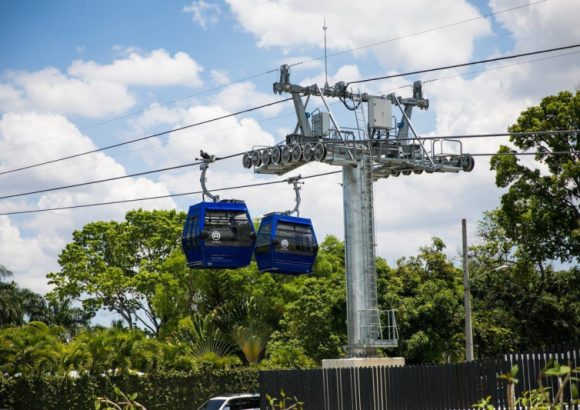
    The first stop on the president’s itinerary was Los Alcarrizos, where he opened the municipality’s new solid waste transfer station. Built with a total investment of 49 million Dominican pesos, the facility forms a key part of the national Zero Waste Program, designed to streamline the region’s waste collection and disposal processes. Los Alcarrizos Mayor Junior Santos noted that the new infrastructure will triple the operational output of local garbage collection fleets, cutting down on route times and lowering long-term service costs for the municipality. Santos also highlighted that the current Abinader administration has delivered a wave of transformative public projects to the area, including the new cable car system, an extension of Santo Domingo Metro Line 2C, new educational facilities, affordable housing developments, formal property titling programs, and the renovation of Vinicio Calventi Hospital.

    Still in Los Alcarrizos’ Hato Nuevo district, Abinader officially opened the first phase of construction for the Ercilia Pepín High School. The expansion adds 26 fully equipped new classrooms to the campus, boosting the school’s capacity to serve 960 additional students. The updated campus includes modern administrative offices, dedicated science and computer laboratories, an on-site nurse’s station, a commercial kitchen, and a public civic plaza, among other amenities. Speaking at the inauguration ceremony, Dominican Minister of Education Luis Miguel De Camps framed each new classroom as an investment in the country’s long-term future, reaffirming the national government’s ongoing commitment to expanding access to high-quality public education across the country.

    Abinader also marked the completion of two additional education-focused projects in Los Alcarrizos: a covered sports facility and new early education classrooms at Félix Lope de Vega Primary School. The upgrades expand both instructional and athletic space, supporting the holistic development of the school’s student body. The centerpiece of the project is a new multipurpose hall that will provide a weather-protected, safe space for sports, cultural events, and community recreational activities. The Ministry of Education confirmed that all ongoing school upgrade projects are on track to be completed ahead of the new academic year, which is scheduled to begin on August 24.

    Continuing his focus on community public infrastructure, the president inaugurated the fully renovated Dante Lemoniel Sports Club, also in Los Alcarrizos. The rehabilitation project included resurfacing the main playing field, repairing spectator stands, and upgrading the facility’s multipurpose community space. Minister of Sports Kelvin Cruz stated that infrastructure investments like this one will mark a turning point for national public sports infrastructure across the Dominican Republic. Local community leaders added that the updated space will not only expand access to recreational activities for residents but also support local crime prevention efforts by providing a positive gathering space that encourages peaceful community coexistence.

    Moving to Boca Chica municipality, Abinader presided over the official handover of the Nuevas Esperanzas (New Hopes) Residential Complex, an affordable housing development that delivers 112 new apartments to low-income local families. Minister of Housing and Construction Víctor “Ito” Bisonó reported that this delivery brings the total number of government-funded affordable apartments completed under the current administration to 890, which has already benefited more than 2,600 Dominican residents. Bisonó reiterated the government’s target to deliver 4,000 new affordable housing units before the end of the calendar year, noting that more than 58% of the completed units are registered to women homeowners.

    The day of inaugurations concluded in Sabana Perdida’s Los Cerros sector, with the opening of the new Minerva Mirabal Elementary School. The purpose-built facility will serve more than 900 K-12 students with modern instructional space. The campus features 27 classrooms, a full public library, a student cafeteria, commercial kitchen, on-site nurse’s office, outdoor sports field, dedicated recreational areas, and administrative offices. Minister of Education De Camps emphasized that the new school is part of the government’s broader push to ensure all educational facilities meet modern safety and accessibility standards ahead of the August 24 start of the academic year, giving all Dominican children and teenagers a suitable environment to pursue their education.

    Taken together, the six projects mark a significant expansion of public services and infrastructure across Santo Domingo province, with the government projecting that thousands of local families will see direct improvements to their daily quality of life as a result of the investments.

  • 80% of the Dominican prison population has mental health problems

    80% of the Dominican prison population has mental health problems

    At the 2026 Euro Summit held on Saturday, forensic psychiatrist Nubia Lluberes delivered a stark, data-backed call for systemic reform to the Dominican Republic’s justice system, shedding light on a deeply disproportionate mental health crisis among the country’s incarcerated population. Lluberes, who has years of hands-on experience working in psychiatric facilities within the Texas prison system, revealed that nearly 80 percent of people deprived of liberty in the Dominican Republic live with a diagnosable mental health condition — a figure four times higher than the 20 percent prevalence recorded in the country’s general population. Contrary to common misconceptions that higher rates of mental illness among inmates mean mentally ill people are more likely to commit crime, Lluberes reframed the trend as a failure of public health systems, not a failure of the patients themselves. She explained that the vast majority of affected incarcerated people never received timely diagnosis or appropriate mental healthcare before they encountered the justice system, pushing them into the penal system through gaps in early intervention and community support. “What happens when a person with a mental illness commits an offense because of their untreated condition? That is the question we must answer as a society,” Lluberes opened her presentation, delivered at the conference titled “Justice without mental health is not justice: the SIM model as a framework for transformation.” Lluberes detailed that even after people enter the prison system, the lack of consistent access to specialized psychiatric care only exacerbates existing mental health challenges, creating a vicious cycle that harms patients, undermines public safety, and erodes the core principles of fair justice. A justice system that relies solely on imprisonment to respond to mentally ill people who offend, she emphasized, fundamentally fails to meet the core needs of this population and requires urgent rethinking. To address this gap, Lluberes introduced the Sequential Interception Model (SIM), an evidence-based framework originally developed in the United States that maps six critical intervention points where mental health support can be delivered before, during, and after a person’s involvement with the justice system. The model centers on coordinated action across community service providers, law enforcement, medical facilities, courts, and penitentiary systems, with a core goal of diverting people experiencing mental health crises away from unnecessary imprisonment and toward appropriate treatment. Drawing from her work in Texas, Lluberes warned that fragmented institutional coordination carries severe, often fatal consequences: unaddressed mental health decline among inmates, preventable suicides, and avoidable uses of force that could be eliminated with early, targeted intervention. She added that the Dominican Republic can successfully adapt the SIM framework to its local context through three key changes: expanding access to community-based mental health services, providing specialized training for police and justice sector personnel, and strengthening cross-institutional communication between hospitals, courts, and correctional facilities. Lluberes’ presentation was one of dozens featured at the 2026 Euro Summit, a major global gathering that brought together more than 200 national and international medical and justice specialists to examine pressing global mental health challenges and advance evidence-based public policy and clinical practice. The summit’s focus on integrating mental health into justice systems reflects a growing global recognition that equitable access to mental healthcare is a core component of fair and effective governance.

  • Environment Ministry rejects vehicle traffic on Puerto Plata beach

    Environment Ministry rejects vehicle traffic on Puerto Plata beach

    A long-running dispute over unauthorized vehicle access to one of the Caribbean’s most famous surf beaches has drawn the formal backing of the Dominican Republic’s Ministry of Environment and Natural Resources, which is now calling for coordinated regulatory action to enforce long-standing coastal protection rules. The conflict centers on Playa Encuentro, a popular surf and tourism hub located just 4 kilometers outside the Cabarete municipal district in Puerto Plata province.

    At the core of the issue is a 2005 regulation issued by the Ministry of Tourism (Mitur), Resolution 68-2005, which explicitly bans all motor vehicle transit within 60 meters of the high-tide line along the country’s coasts. Local surf schools operating at Playa Encuentro have spent months pushing for enforcement of this rule, after repeated unregulated vehicle access put beachgoers, surf athletes, and the fragile coastal ecosystem at risk. Frustrated by a lack of progress, the operators escalated their appeal to national environmental authorities.

    According to reporting from local Dominican outlet El Nacional, José Ramón López, Deputy Minister of Coastal and Marine Resources at the Environment Ministry, has issued an official letter of solidarity to Jesús Perdomo, the representative for the Playa Encuentro surf schools. Perdomo and the school operators note that they have already filed complaints with multiple relevant agencies, including Mitur, the Mayor’s Office of Sosúa, the General Directorate of Traffic and Land Transportation Safety (Digesett), and the Tourist Police (Politur), but none have moved to resolve the violation of the 2005 resolution.

    López emphasized that Playa Encuentro holds global recognition as a top-tier Caribbean surfing destination, drawing thousands of adventure tourists and professional athletes to the region each year. Protecting this key economic and recreational asset, he argued, requires active enforcement of existing coastal rules to safeguard the safety of everyone who uses the beach—from local residents to visiting surfers—and to preserve the sensitive coastal ecosystem that supports the area’s tourism economy. The Environment Ministry has publicly reaffirmed its commitment to partnering with competent local and national agencies to intervene and resolve the ongoing violation of the vehicle access ban.

  • A pathology report says a man detained at a police station died from leptospirosis

    A pathology report says a man detained at a police station died from leptospirosis

    A 44-year-old Dominican man who died less than 24 hours after being released from police custody amid an ongoing investigation has been confirmed to have died from complications of leptospirosis, according to preliminary autopsy results released by the San Cristóbal Prosecutor’s Office.

    Miguel Antonio Valenzuela first entered police custody on the afternoon of July 8, when National Police officers apprehended him for running unregulated clandestine raffles using a Verifone payment terminal. Following his arrest, Valenzuela was transferred to the 17th Company Detachment holding facility in San Cristóbal, where he remained in custody for five days. His family was permitted to visit him at the detention center on July 10, and three days later, he was moved to the San Cristóbal Palace of Justice for processing ahead of his court-ordered release.

    Immediately after exiting the courthouse following his release, Valenzuela told family members he was experiencing severe weakness. Concerned for his health, his relatives rushed him to the Juan Pablo Pina Regional Teaching Hospital, the main public medical facility in San Cristóbal province. Once admitted, clinical staff documented that Valenzuela developed dyspnea (difficulty breathing), a widespread body rash, petechiae (small pinpoint hemorrhages under the skin), and conjunctival hemorrhage. These severe symptoms prompted an emergency transfer to the hospital’s Intensive Care Unit, but Valenzuela suffered an irreversible cardiorespiratory arrest at 11:20 p.m. that same day and was pronounced dead.

    The National Institute of Forensic Pathology, which was tasked with conducting an official autopsy as part of the Prosecutor’s Office mandatory investigation into the death, completed initial testing that revealed the root cause of Valenzuela’s fatal illness. Leptospirosis, a bacterial infection most commonly spread to humans through direct contact with urine from infected animals—including rodents, dogs, and livestock—or exposure to water or soil contaminated with the bacteria, was confirmed via polymerase chain reaction testing processed through the ELISA method. The test returned a positive result for the leptospirosis pathogen, which the autopsy report confirmed triggered widespread inflammation and subsequent thrombocytopenia, a dangerous drop in platelet count that contributed to his fatal organ dysfunction.

    “During the autopsy exam, pathologists noted organic alterations consistent with an inflammatory pathological process linked directly to the bacterial infection,” the forensic institute’s report stated. The Ministry of Public Health also concurred with the finding, formally listing the infectious bacterial process detected via laboratory testing as the basic cause of death. The San Cristóbal Prosecutor’s Office will continue formal proceedings to review all circumstances surrounding Valenzuela’s illness and death to confirm no additional contributing factors occurred during his time in custody.

  • The Los Alcarrizos cable car will resume services this Monday after a scheduled stoppage

    The Los Alcarrizos cable car will resume services this Monday after a scheduled stoppage

    After a 10-day planned system-wide closure for mandatory annual upkeep, Los Alcarrizos Cable Car Line 2 in Santo Domingo will welcome passengers again starting this Monday, July 20. The temporary shutdown, which ran from July 10 through 19, was implemented by the Metropolitan Transport Company (MT) to complete required maintenance work that aligns with global safety standards for urban cable transport systems.

    In an official press statement, MT representatives emphasized that this extensive maintenance procedure is a required annual practice to preserve infrastructure safety and operational reliability. Unlike minor repairs that can be completed outside of operating hours, this full system overhaul demands a complete suspension of service to allow technicians to inspect and service every component of the cable network without risking public safety.

    To minimize travel disruptions for regular commuters, the Metropolitan Office of Bus Services (OMSA) has been operating complimentary alternative bus services throughout the maintenance period. These shuttle services have followed the exact same operating schedule as the cable car, with designated stops at four key locations: Los Americanos, Puente Blanco, Bomba Total on Duarte Street, and the main Los Alcarrizos station. The service runs from 6:00 a.m. to 10:00 p.m. Monday through Saturday, and from 8:00 a.m. to 9:00 p.m. on Sundays, matching the cable car’s regular operating hours.

    For residents relying on other mass transit options in the city, officials confirmed that Santo Domingo Metro Line 2C has remained fully operational throughout the cable car closure, with no significant delays or disruptions recorded in its passenger service. Transit authorities have thanked the public for their patience during the maintenance work and confirmed that all safety checks have been completed successfully ahead of the scheduled reopening. This routine upkeep is designed to extend the service life of the cable car infrastructure and prevent unplanned outages in the coming year, supporting reliable urban mobility for thousands of daily commuters in the region.

  • How to prepare for a possible earthquake in the Dominican Republic?

    How to prepare for a possible earthquake in the Dominican Republic?

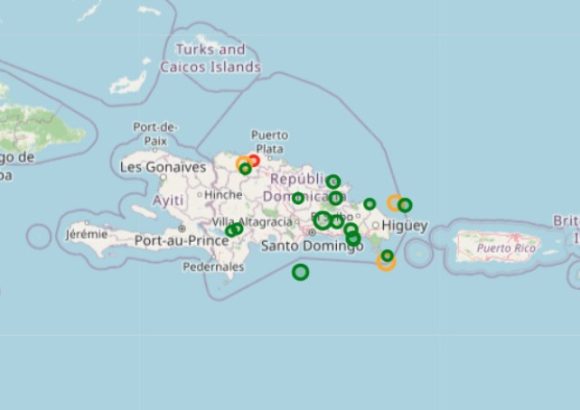
    Situated at the tectonic boundary between the Caribbean and North American plates, the Dominican Republic faces a permanently elevated threat of destructive seismic activity, prompting a leading local structural engineer to issue a urgent call for widespread public preparedness to reduce potential harm.

    Following a formal risk assessment delivered by seismic and structural engineering specialists last Wednesday that reaffirmed the country’s high-risk designation, Claudia Germoso, a practicing seismic engineer, stressed that proactive disaster mitigation starts with homeowners and families assessing their own living spaces long before a tremor strikes.

    Germoso outlined clear, actionable steps that households can complete in advance to boost their safety. First, every family should map out sturdy, low-risk safe spots within their home, anchor heavy freestanding furniture like bookshelves and wardrobes to wall frames to prevent tipping, and conduct a visual inspection for red flags that signal structural vulnerability. These warning signs include diagonal cracks running through load-bearing walls or columns, chipping or detaching concrete on support beams, exposed reinforcing steel, and any home additions or modifications built without oversight from a licensed engineering professional.

    When an earthquake is actually underway, Germoso emphasized that panic and impulsive action are the leading causes of preventable injury. She advised the public to remain calm, immediately execute the internationally recommended “drop, cover, and hold on” protocol, which also helps create the so-called “triangle of life” survival space, and avoid rushing for exits. Most earthquake-related injuries, she noted, are caused by falling unsecured objects, not structural collapse during shaking. Once the shaking subsides completely, residents should evacuate calmly and in an orderly manner using stairwells (never elevators) and move to pre-identified open outdoor spaces like public parks or empty parking lots far from damaged structures.

    Beyond household prep, Germoso pushed the public to get a formal professional assessment of their building’s structural integrity, pointing to several key factors that drastically increase risk: older buildings constructed before modern seismic building codes were adopted, homes built on uncompacted fill or geologically unstable terrain, unpermitted, unengineered structural modifications, and chronic lack of routine maintenance. “If you are unable to assess the vulnerability of your home and surrounding environment on your own, reach out to a qualified expert for guidance,” she stated.

    Contrary to a common public misconception, Germoso added that a home’s earthquake resistance does not rely solely on using strong building materials — appropriate, code-compliant structural design is the foundational requirement for seismic safety.

    In additional guidance published on the local seismic awareness Instagram account Sismicidadrd, officials reminded residents that every household should keep a pre-packed emergency safety backpack ready to grab at a moment’s notice. Recommended supplies for the pack include a fully stocked first aid kit, portable flashlights with extra batteries, bottled drinking water, non-perishable food items, and copies of all critical personal identification and property documents.

    This story was compiled and updated in partnership with DominicanScope, the Dominican Republic’s leading English-language local news outlet.

  • The top 10 cities in the Americas with the highest volume of flights to Punta Cana

    The top 10 cities in the Americas with the highest volume of flights to Punta Cana

    Punta Cana International Airport, the gateway to the Dominican Republic’s most popular tourist hotspot, is further entrenching its reputation as one of the busiest and most well-connected air hubs across the Caribbean, thanks to ongoing expansion of its global flight networks. Detailed flight schedule data, aggregated from leading industry tracking platforms Official Aviation Guide and FlightConnections and obtained by regional aviation outlet areoca.com, reveals a robust weekly route network linking the destination to the world’s top tourist origin markets across North America, Latin America and the broader Caribbean region.

    Analysis of the data ranks the top 10 origin cities for weekly flights to Punta Cana, highlighting the most critical source markets for the Dominican Republic’s tourism sector. Topping the list is San Juan, Puerto Rico, with 65 weekly operations, followed closely by Panama City at 56, Miami at 54, New York at 43, Toronto at 38, Atlanta at 29, Lima at 27, Montreal at 26, and a tie between Charlotte and Bogotá at 24 weekly flights each. All 10 cities have cemented their status as core connected markets for the country’s leading tourist destination.

    San Juan’s first-place position comes as no surprise, driven by high-frequency service from major carriers including JetBlue, Frontier Airlines and Dominican low-cost leader Arajet. The dense flight link between the two destinations caters to a diverse mix of leisure vacationers, business travelers and regional connecting passengers, strengthening the Caribbean regional travel ecosystem.

    In second place, Panama City’s connectivity is anchored by Copa Airlines, which leverages its strategic Hub of the Americas at Tocumen International Airport to connect Punta Cana with dozens of urban centers across Central and South America. This route has emerged as one of the most critical arteries for tourist traffic from the Latin American region, opening the destination up to a wide range of visitors connecting through Panama.

    Ranking third with 54 weekly flights, Miami stands out for its unparalleled variety of operating carriers: American Airlines, Arajet, Frontier Airlines, LATAM Airlines and Sky High Aviation Services all run regular service on the route. This diverse operator landscape solidifies South Florida’s longstanding role as a primary entry point to the Dominican Republic for both domestic U.S. travelers and international visitors connecting through the city.

    The inclusion of New York, Atlanta and Charlotte in the top 10 underscores the outsize importance of the U.S. travel market to Punta Cana. Major U.S. and regional carriers including JetBlue, Delta Air Lines, American Airlines, United Airlines and Arajet operate multiple weekly services from these major hubs, ensuring consistent, high-volume visitor flows from the world’s largest outbound tourism market.

    Canada also holds a prominent spot on the list, with Toronto and Montreal both ranking in the top 10. Carriers including Air Canada, Air Transat, WestJet and Sunwing Airlines operate regular seasonal and year-round services from these two Canadian hubs, with frequency spiking during the Dominican Republic’s peak winter tourist season as North American travelers seek warm weather getaways.

    For the South American market, Lima in Peru and Bogotá in Colombia emerge as the top connected origin cities. LATAM Airlines, Arajet, Copa Airlines (via its Panama hub) and Avianca all operate services between these capitals and Punta Cana, creating streamlined travel options that have driven steady growth in visitor numbers from the South American region in recent years.

    Industry analysts note that this high volume of weekly flight operations confirms Punta Cana’s standing as one of the Caribbean’s leading tourism connectivity hubs. The expanded network of direct and connecting flights enables the Dominican Republic to diversify its tourist source markets, boost the destination’s global competitiveness against other Caribbean leisure spots, and underpin the sustained long-term growth of the country’s $10 billion-plus tourism industry, which accounts for more than 10% of the Dominican Republic’s total GDP.

    For more breaking tourism industry news from the Dominican Republic, visit DominicanScope.