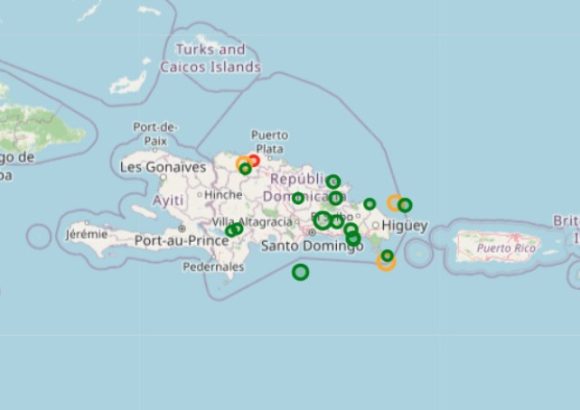
Situated at the tectonic boundary between the Caribbean and North American plates, the Dominican Republic faces a permanently elevated threat of destructive seismic activity, prompting a leading local structural engineer to issue a urgent call for widespread public preparedness to reduce potential harm.
Following a formal risk assessment delivered by seismic and structural engineering specialists last Wednesday that reaffirmed the country’s high-risk designation, Claudia Germoso, a practicing seismic engineer, stressed that proactive disaster mitigation starts with homeowners and families assessing their own living spaces long before a tremor strikes.
Germoso outlined clear, actionable steps that households can complete in advance to boost their safety. First, every family should map out sturdy, low-risk safe spots within their home, anchor heavy freestanding furniture like bookshelves and wardrobes to wall frames to prevent tipping, and conduct a visual inspection for red flags that signal structural vulnerability. These warning signs include diagonal cracks running through load-bearing walls or columns, chipping or detaching concrete on support beams, exposed reinforcing steel, and any home additions or modifications built without oversight from a licensed engineering professional.
When an earthquake is actually underway, Germoso emphasized that panic and impulsive action are the leading causes of preventable injury. She advised the public to remain calm, immediately execute the internationally recommended “drop, cover, and hold on” protocol, which also helps create the so-called “triangle of life” survival space, and avoid rushing for exits. Most earthquake-related injuries, she noted, are caused by falling unsecured objects, not structural collapse during shaking. Once the shaking subsides completely, residents should evacuate calmly and in an orderly manner using stairwells (never elevators) and move to pre-identified open outdoor spaces like public parks or empty parking lots far from damaged structures.
Beyond household prep, Germoso pushed the public to get a formal professional assessment of their building’s structural integrity, pointing to several key factors that drastically increase risk: older buildings constructed before modern seismic building codes were adopted, homes built on uncompacted fill or geologically unstable terrain, unpermitted, unengineered structural modifications, and chronic lack of routine maintenance. “If you are unable to assess the vulnerability of your home and surrounding environment on your own, reach out to a qualified expert for guidance,” she stated.
Contrary to a common public misconception, Germoso added that a home’s earthquake resistance does not rely solely on using strong building materials — appropriate, code-compliant structural design is the foundational requirement for seismic safety.
In additional guidance published on the local seismic awareness Instagram account Sismicidadrd, officials reminded residents that every household should keep a pre-packed emergency safety backpack ready to grab at a moment’s notice. Recommended supplies for the pack include a fully stocked first aid kit, portable flashlights with extra batteries, bottled drinking water, non-perishable food items, and copies of all critical personal identification and property documents.
This story was compiled and updated in partnership with DominicanScope, the Dominican Republic’s leading English-language local news outlet.