标签: Dominican Republic

多米尼加共和国

  • Environmental institutions renew warning over high-risk species import

    Environmental institutions renew warning over high-risk species import

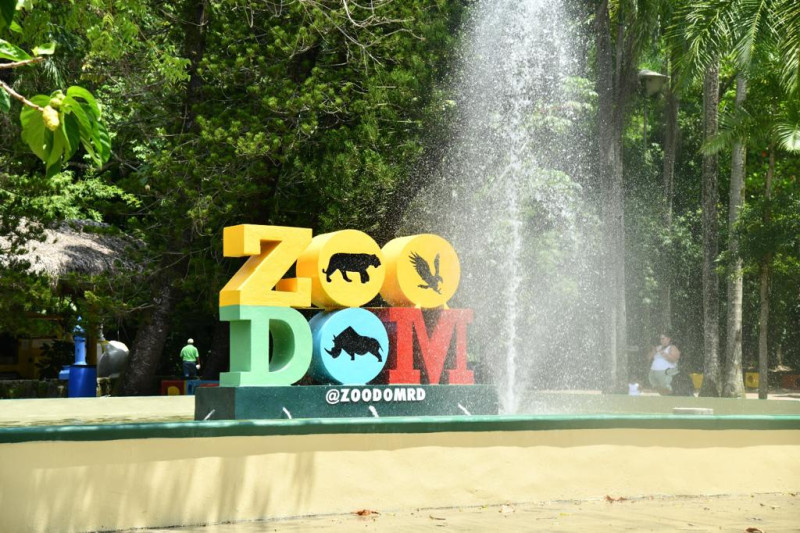
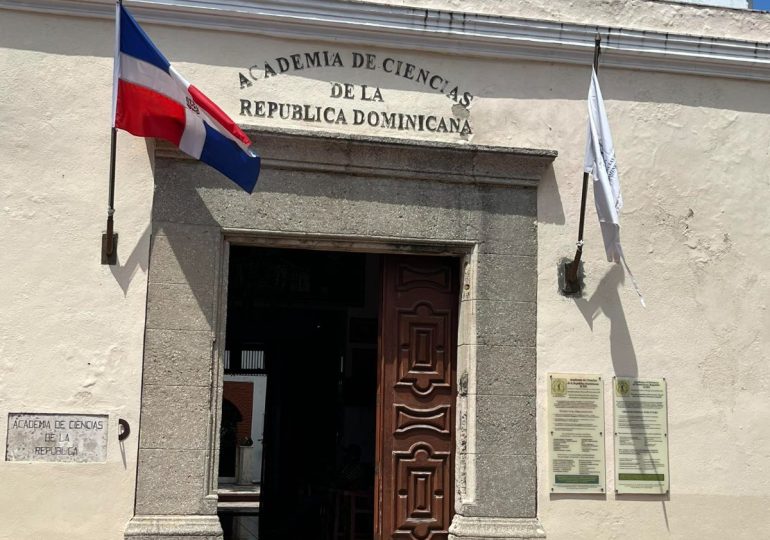
    Scientific authorities in the Dominican Republic have intensified their opposition to the National Zoo’s controversial plan to import non-native species from Puerto Rico, citing profound ecological risks. The Natural Sciences and Environment Commission of the Dominican Academy of Sciences, alongside the Environmental Commission of the Autonomous University of Santo Domingo (UASD), has reinforced its November alert regarding Zoodom’s proposed acquisition.

    The academic institutions maintain that the species targeted for importation represent recognized invasive pests in Puerto Rico, where they have already breached containment, proliferated exponentially, and inflicted substantial damage on indigenous ecosystems. They counter the zoo’s emphasis on the non-venomous nature of the snakes by highlighting that the primary threat stems from their invasive characteristics and potential ecological disruption, not their venom.

    Puerto Rican authorities currently allocate considerable resources to capturing and removing these animals, many of which are confiscated from private owners or surrendered due to uncontrolled breeding. The commissions warn that accidental release in the Dominican Republic could replicate the environmental devastation observed in Puerto Rico, jeopardizing native species, agricultural interests, and public health.

    The groups further challenge Zoodom’s characterization of the transaction as a donation, alleging instead that the zoo’s director actively solicited the animals. They have urgently appealed to the Ministry of Environment and Natural Resources and the Animal Health Department of the Ministry of Agriculture to employ the precautionary principle mandated by environmental statutes before authorizing any import permits.

    As a domestic cautionary tale, experts point to Isla Catalina, where raccoons introduced during the Trujillo dictatorship have triggered severe ecological imbalance. These invasive mammals have devastated hawksbill turtle nests, disrupted tourism activities, and compromised the island’s fragile biodiversity. The ongoing struggle to manage Catalina’s raccoon population serves as a stark reminder of the long-term consequences of introducing non-native species without adequate safeguards.
  • El Seibo to inaugurate new bullring honoring centuries-old tradition

    El Seibo to inaugurate new bullring honoring centuries-old tradition

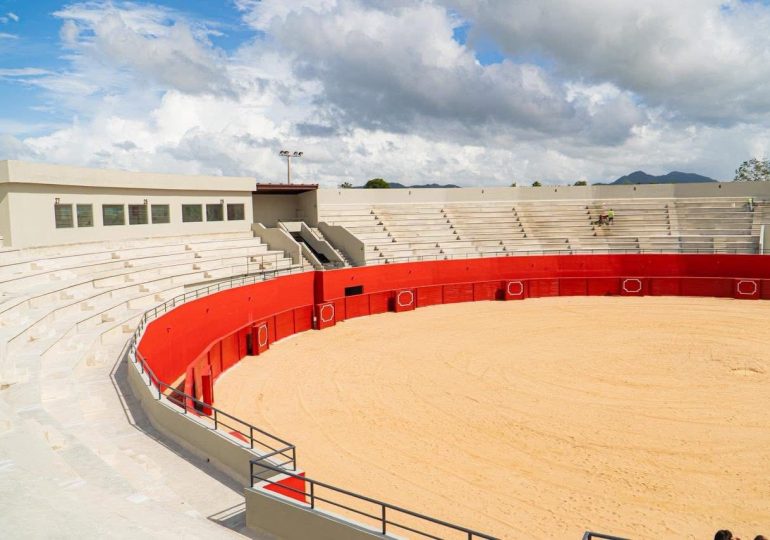
    EL SEIBO, Dominican Republic – The Dominican province of El Seibo is preparing to inaugurate a new bullring dedicated to preserving its unique, centuries-old bullfighting tradition. This cultural practice, fundamentally distinct from bullfighting in other nations, emphasizes athletic performance without harming the animals.

    Senator Santiago Zorrilla, a proponent of the project since 2017, clarified the distinctive nature of El Seibo’s tradition. “Our bullfighting is completely non-violent,” Zorrilla stated. “There are no banderillas, no physical injuries inflicted on the bull. Instead, our bullfighters engage in a test of agility and endurance, showcasing their bravery while respecting the animal’s integrity.”

    This approach has evolved into a defining cultural hallmark for the region, attracting spectators who appreciate both the human skill and the animal’s power displayed in the arena. The new facility represents a significant investment in cultural preservation and is expected to be inaugurated by Tourism Minister David Collado.

    Officials anticipate the bullring will serve as a catalyst for cultural tourism, providing a permanent venue for this generations-old tradition while offering economic benefits to the local community. The project aims to ensure that El Seibo’s distinctive bullfighting heritage continues to thrive for future generations.

  • Education Minister swears in 450 students as 100% agents at Model UN

    Education Minister swears in 450 students as 100% agents at Model UN

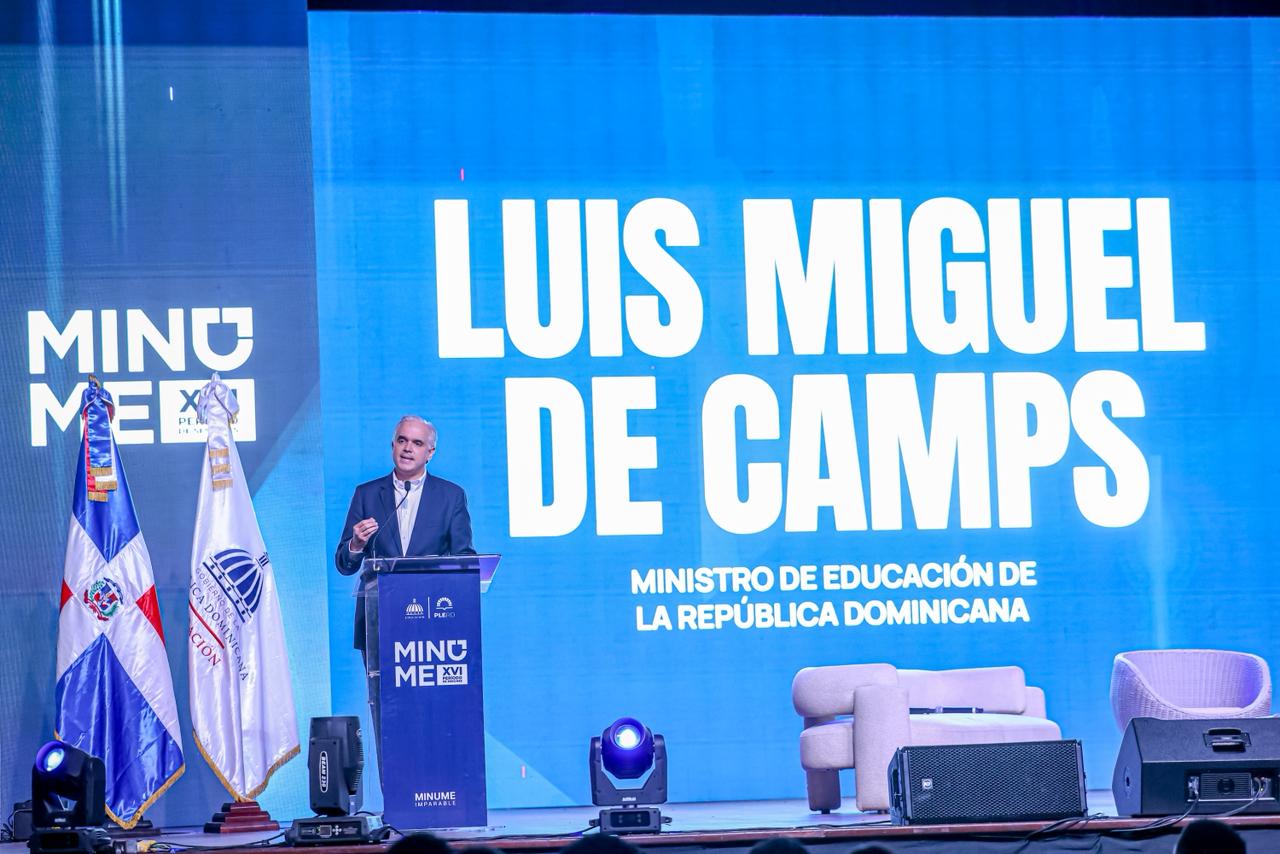
    Santo Domingo witnessed a powerful demonstration of youth leadership as Education Minister Luis Miguel De Camps engaged directly with students at the sixteenth International Model United Nations (MINUME) conference. The minister’s participation went beyond ceremonial duties, featuring active involvement in committee discussions where he challenged participants with probing questions and encouraged their diplomatic efforts.

    During the event, Minister De Camps administered the official oath to 450 students joining the “100% Agents” initiative, a program dedicated to fostering ethical and responsible leadership qualities among young Dominicans. He emphasized the transformative potential of MINUME, characterizing it as the nation’s premier platform for developing youth leadership capabilities throughout the Dominican Republic and the broader Caribbean region.

    The MINUME conference meticulously recreates the United Nations framework, enabling students to assume the roles of international delegates and engage in sophisticated debates on pressing global issues. This immersive experience cultivates essential skills in critical analysis, persuasive argumentation, and conflict resolution through diplomatic negotiation. The event’s operations are supported by a dedicated team of 26 young volunteer journalists who document the proceedings.

    Minister De Camps highlighted the program’s significant contribution to strengthening the national education system by preparing a generation committed to constructive dialogue and purposeful action. He challenged participants to perceive themselves as fundamental actors in building what he described as a “more just, humane, and sustainable society” through their developed diplomatic capabilities and leadership potential.

  • Public Health survey reveals major nursing shortage in Dominican Republic

    Public Health survey reveals major nursing shortage in Dominican Republic

    SANTO DOMINGO – A comprehensive health workforce survey conducted by the Ministry of Public Health has revealed a paradoxical situation in the Dominican Republic’s healthcare system. While the nation exceeds international benchmarks for overall medical personnel availability, it confronts an acute nursing deficit that threatens the quality of care delivery.

    The study demonstrates that the country achieves 56.3 doctors and nurses per 10,000 inhabitants, surpassing the WHO/PAHO target of 44.5. However, this achievement masks a critical imbalance: when examining nursing personnel separately, the density plummets to just 26 per 10,000 people—dramatically below the recommended standard of 70.6. This discrepancy indicates a shortage exceeding 48,000 nursing professionals to meet global norms.

    Demographic analysis reveals a predominantly female workforce (81.1%) with a youthful composition, as 58.3% of health professionals fall within the 25-44 age bracket. The sector demonstrates strong national representation with 99.7% Dominican staff members.

    Academic qualifications present a balanced educational landscape: 48.9% hold university degrees, 20.3% possess postgraduate qualifications, and 30.8% comprise technical staff. The workforce distribution shows physicians constituting 37.3% of personnel while nursing staff represents 32.1%, collectively accounting for nearly 70% of all healthcare workers.

    Geographically, the Ozama region concentrates 36.6% of the health sector’s workforce, with the National District alone hosting 23.9% of all positions. The census documented 107,174 active job positions, with an overwhelming 92.8% dedicated to direct patient care, highlighting the substantial operational demands on both public and private health services.

  • National Zoo denies claims of venomous snake importation

    National Zoo denies claims of venomous snake importation

    SANTO DOMINGO – The National Zoological Park of the Dominican Republic has officially dispelled misinformation regarding its upcoming animal acquisition from Puerto Rico. Contrary to circulating rumors, the institution confirmed Wednesday that the donation from a Caribbean exotic species rescue center excludes any venomous snakes, maintaining the country’s status as a territory free of such dangerous species.

    The carefully vetted selection comprises caimans, ring-necked parakeets, and rhesus monkeys – all previously confiscated from unauthorized tourist photo operations in Puerto Rican parks. Zoo authorities emphasized the thorough health assessment conducted, noting that no documented cases of herpes transmission from these particular monkeys to humans have been recorded in Puerto Rico.

    In accordance with national import regulations, the zoological park is currently securing mandatory documentation, including animal health permits from the General Directorate of Livestock and formal authorization from the Ministry of Environment. This procedural diligence underscores the institution’s commitment to both animal welfare and ecological security while enhancing its educational collection through legitimate conservation channels.

  • French tourist dies while climbing Pico Duarte

    French tourist dies while climbing Pico Duarte

    A tragic mountaineering incident claimed the life of a French national during an expedition to Pico Duarte, the Caribbean’s highest peak, on Wednesday. The emergency unfolded in the Manabao sector of Jarabacoa as the tourist was ascending with a hiking group toward the summit.

    According to official statements from Dominican authorities, the individual experienced a suspected sudden cardiac arrest. Fellow expedition members immediately alerted local emergency services. Specialized mountain guides and rescue teams were dispatched to the remote location despite challenging terrain conditions.

    Medical personnel confirmed the absence of vital signs upon arrival at the scene. The recovery operation involved transporting the deceased from the mountainous region to facilitate necessary forensic procedures. Authorities have initiated coordination with French consular representatives for repatriation arrangements.

    The investigation remains ongoing with officials withholding the victim’s identity pending family notifications. Additional details regarding the expedition’s organization, participant demographics, and precise medical circumstances have not been disclosed as the inquiry continues. This incident marks one of the rare fatal occurrences recorded on Pico Duarte, which attracts adventurous travelers seeking to conquer its 3,098-meter elevation.

  • Shock in Santiago: Union leader Mario Ureña dies during live tv interview

    Shock in Santiago: Union leader Mario Ureña dies during live tv interview

    SANTIAGO DE LOS CABALLEROS – The Dominican Republic’s transportation sector was plunged into mourning following the sudden death of prominent union leader Mario Ureña during a live television broadcast. The founder of the SO public transport route collapsed unexpectedly while participating in an interview on the popular program “El Café de Diario55” on Wednesday.

    The tragic incident unfolded as Ureña was actively discussing pressing transportation issues and recent clashes between competing routes in West Santiago. Without warning, the transport advocate suffered a medical emergency on air, prompting immediate intervention from the show’s host and production team. Camera operators and technical staff rushed to provide assistance before the program was abruptly taken off the air.

    Preliminary reports indicate cardiac arrest as the likely cause, though medical authorities have yet to issue an official confirmation regarding the exact circumstances surrounding his death. The entire episode was captured on camera and subsequently circulated widely across social media platforms, generating widespread shock and concern among viewers.

    Ureña represented a significant figure in Santiago’s urban transport landscape, having established the SO route that recently found itself embroiled in disputes with competing transportation services. Known as a vigorous defender of his drivers’ interests, the union leader had been actively engaged in mediation efforts to reduce tensions within the sector.

    His unexpected passing prompted immediate reactions from transportation officials and colleagues, who expressed profound shock while highlighting Ureña’s crucial role in fostering dialogue between competing interests. Members of the SO route gathered spontaneously outside the television station to mourn their leader, while the Diario 55 production team issued statements expressing deep sorrow at having witnessed such a traumatic event during their broadcast.

    Local authorities have indicated that formal details regarding the cause of death will be released following completion of medical examinations.

  • UNICEF: 23% of Dominican children with disabilities are out of school

    UNICEF: 23% of Dominican children with disabilities are out of school

    A startling educational crisis is unfolding for children with disabilities in the Dominican Republic, according to a recent UNICEF alert issued on the International Day of Persons with Disabilities. The agency’s analysis reveals a catastrophic 75% collapse in the number of disabled students served by the national education system, plummeting from 26,581 in 2016 to a mere 6,163 by 2019.

    Beyond the enrollment crisis, foundational data from the Enhogar-Mics 2019 survey indicates that 10.1% of Dominican children aged 2-17 experience functional difficulties in at least one domain, with the figure rising to 11.3% for those aged 5-17. UNICEF officials attribute systemic failures partly to the absence of a comprehensive national disability registry, which critically undermines the development of targeted and effective inclusive policies.

    Anyoli Sanabria, UNICEF’s interim representative, stressed that reliable statistical frameworks are indispensable for informed policymaking and for dismantling the persistent barriers to inclusion. The report further details compounded vulnerabilities facing these children, including severely restricted access to essential services, elevated risks during emergencies, and a heightened susceptibility to abuse and isolation. Caregiving burdens, which fall disproportionately on women and girls, were also cited as a significant concern.

    In a move toward remediation, UNICEF confirmed that the Enhogar-Mics 2025 survey is currently in progress. This updated data collection aims to refine key indicators, pinpoint enduring gaps, and ultimately galvanize efforts to fortify inclusion frameworks for the nation’s most vulnerable youth.

  • U.S. halts citizenship and residency applications for Cuba, Haiti, Venezuela, and 16 others

    U.S. halts citizenship and residency applications for Cuba, Haiti, Venezuela, and 16 others

    The Trump administration has implemented a significant suspension of residency permit and citizenship application processing for migrants from 19 countries, marking a substantial escalation in its hardline immigration agenda. This policy specifically targets Cuba, Haiti, and Venezuela while encompassing numerous other nations previously subject to travel restrictions.

    The suspension comes amid heightened tensions with Venezuela, following an unprecedented U.S. military deployment to the Caribbean that Washington claims targets drug trafficking operations. Venezuelan authorities contend the military movement represents an attempted overthrow of President Nicolás Maduro’s government.

    Cuba continues to operate under longstanding U.S. embargo restrictions, while Haiti faces severe humanitarian crises exacerbated by widespread gang violence, making the immigration suspension particularly consequential for citizens of these nations.

    According to an official memorandum obtained by AFP, U.S. Citizenship and Immigration Services (USCIS) has halted processing of green cards and naturalization applications for individuals from countries already subject to expanded travel restrictions implemented in June. The comprehensive list includes Afghanistan, Burma, Burundi, Chad, Eritrea, Equatorial Guinea, Iran, Laos, Libya, Republic of Congo, Sierra Leone, Somalia, Sudan, Togo, Turkmenistan, and Yemen alongside the three Latin American nations.

    The policy shift follows the fatal shooting of two National Guard members near the White House, with the suspect identified as an Afghan national who entered during the 2021 mass evacuations. Senior administration officials have cited this incident to justify enhanced vetting procedures, emphasizing USCIS’s critical role in preventing potential terrorists from entering the country.

    The memorandum explicitly states that national security considerations must take precedence in all screening and adjudication processes, warning that inadequate vetting could endanger American citizens. This position aligns with President Trump’s campaign promise to implement mass deportations and his November 26 declaration to ‘permanently pause immigration from all Third World countries’ to allow systemic recovery.

    Homeland Security Secretary Kristi Noem has concurrently advocated for expanding the list of restricted countries, utilizing inflammatory rhetoric on social media platforms to justify implementing stricter immigration bans.

  • Santo Domingo joins prestigious Assouline travel book series

    Santo Domingo joins prestigious Assouline travel book series

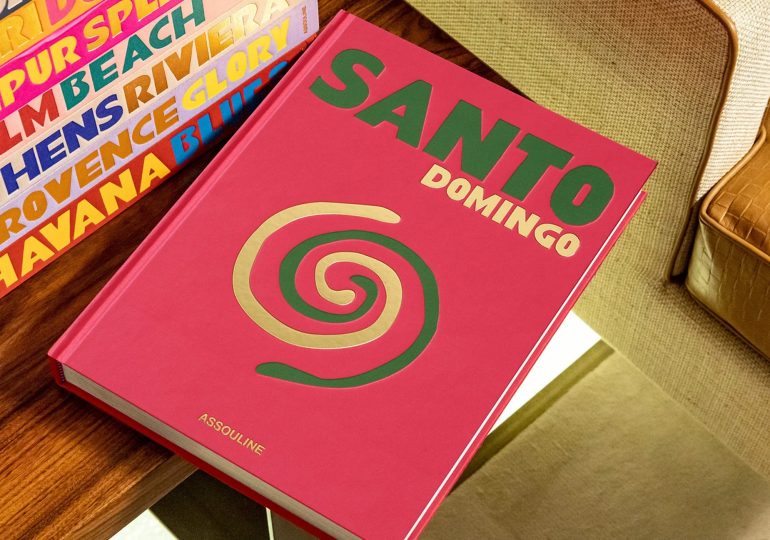
    NEW YORK – In a significant cultural achievement, the Dominican Republic has secured a position within the world of luxury travel publishing. Tourism Minister David Collado announced on Tuesday that the nation’s capital, Santo Domingo, is now featured in the exclusive Assouline book collection, marking a pivotal moment for the country’s international prestige.

    The official launch event, held in New York City, was presided over by Minister Collado and Alexandre Assouline, president of the eponymous publishing house. The gathering attracted prominent figures from the tourism sector, cultural commentators, and influential voices from the creative industries.

    Founded in Paris in 1994, Assouline has established itself as the definitive publisher of high-end, artisanal coffee-table books. Its collections are synonymous with luxury, chronicling iconic global destinations, legendary fashion brands, and artistic movements. These volumes are treated as collectible art objects, gracing the interiors of five-star hotels, exclusive boutiques, and private libraries worldwide. Inclusion in this curated series signifies a destination’s arrival on the global cultural stage, placing Santo Domingo in the company of the world’s most admired cities.

    Minister Collado articulated that the new volume is a tribute to ‘the essence, history, and elegance of the First City of the Americas,’ thereby highlighting its profound heritage and value as a premier tourist destination. Demonstrating immense anticipation, the book achieved a rare feat by selling out its inventory twice across all Assouline global stores ahead of its formal release—a testament, as Collado noted, to the surging international fascination with Dominican culture, history, and way of life.

    The project was brought to life through the editorial direction of Rossana Rivera, with critical contributions from Patricia Read, Manuel García Arévalo, Manuel García, and Juan Mubarack. Their collaborative efforts encompassed content development, meticulous visual curation, and narrative storytelling. This publication provides Santo Domingo with an unparalleled platform for global promotion, aligning seamlessly with the Ministry of Tourism’s strategic objective to enhance the nation’s profile within elite markets and the most exclusive luxury travel media.