标签: Dominican Republic

多米尼加共和国

  • Dominican Army seizes 44,800 smuggled cigarettes at Montecristi checkpoint

    Dominican Army seizes 44,800 smuggled cigarettes at Montecristi checkpoint

    MONTE CRISTI, Dominican Republic – In a significant border security operation, Dominican military forces successfully intercepted a major cigarette smuggling attempt on Wednesday. The incident occurred at the La Solitaria security checkpoint where authorities apprehended a white Daihatsu Hijet minibus attempting to evade inspection.

    The operation resulted in the detention of driver Modesto Ogando and passenger Johanny Portorreal Guzmán, who were transporting contraband identified as Capital brand cigarettes of foreign origin. Military inspections revealed the vehicle contained over 44,000 illegally smuggled cigarettes concealed within its structure.

    This interception forms part of an intensified campaign by Dominican defense and customs authorities to combat cross-border smuggling networks, particularly in border provinces like Monte Cristi. The region has witnessed multiple sophisticated smuggling attempts, including concealment within vehicle chassis and rural stockpiles, indicating established trafficking operations.

    The confiscated contraband has been transferred to Fortaleza San Fernando under Dominican Army custody while judicial proceedings advance against the suspects. This seizure represents both a tactical victory and strategic demonstration of the government’s commitment to strengthening border integrity.

    Defense officials emphasize that such operations are critical for protecting national revenue streams from tax evasion while disrupting organized crime financing. The consistent pattern of interceptions along the border region highlights ongoing challenges in securing the nation’s frontiers against illicit trade activities that undermine legitimate commerce and economic stability.


  • Dominican Congress approves 2026 budget report without salary adjustment

    Dominican Congress approves 2026 budget report without salary adjustment

    SANTO DOMINGO – After five days of intensive deliberations, a bicameral congressional commission has greenlit the 2026 budget framework, notably excluding the historically mandated salary indexing mechanism that adjusts wages for inflation. This controversial decision has ignited immediate backlash from opposition leaders who contend it erodes worker purchasing power and violates established fiscal regulations.

    The commission’s president, Francisco Javier Paulino, verified that the current budget proposal contains a specific clause suspending obligatory discussions on wage adjustments. Vice-Chair Senator Pedro Tineo elaborated that despite considerable public discourse, no political bloc formally presented a motion addressing salary indexing during committee sessions, leading to the report’s approval through majority consensus.

    Opposition legislators mounted swift resistance to the omission. PLD representative Charlie Mariotti declared intentions to contest the decision during upcoming full chamber debates and threatened constitutional litigation against the budget legislation. Mariotti asserted that eliminating salary indexing constitutes both a violation of worker rights and a breach of the nation’s tax code, which has mandated inflation-adjusted wages since 1992.

    Senator Edward Espiritusanto of Fuerza del Pueblo simultaneously criticized the budget’s disproportionate emphasis on operational expenditures, characterizing its investment allocations as fundamentally inadequate. His party has pledged to oppose final ratification.

    The proposed budget, amounting to RD$1.744 trillion (approximately 20.1% of GDP), now advances to both legislative chambers for decisive voting. This exclusion of inflation-based salary adjustments is poised to trigger extensive debates regarding economic equity and statutory compliance, potentially reshaping public confidence in the nation’s fiscal governance structures.

  • Edesur unveils RD$155 million grid expansion to power Dominican growth

    Edesur unveils RD$155 million grid expansion to power Dominican growth

    Santo Domingo’s primary electricity distributor, Edesur Dominicana, has initiated a comprehensive RD$155 million (approximately US$2.6 million) modernization project to significantly enhance its power infrastructure. This strategic investment targets critical upgrades across ten major substations—including Paraíso, UASD 138 kV, Herrera, and Bayona—while deploying new distribution lines to manage escalating electricity consumption during high-demand periods.

    The initiative specifically aims to reduce technical energy losses, which currently range between 10% and 17% in affected circuits. Key engineering enhancements involve installing additional transformers, establishing new medium-voltage transmission lines, and substantially increasing substation capacities. Notable technical improvements include a 10-14 MVA transformer at Herrera’s operational hub and a new 40 MVA Alfa substation designed to redistribute approximately 25.9 MVA of electrical load from overburdened network segments.

    Approximately 400,000 customers across 70 communities in Santo Domingo and the National District will benefit from these infrastructure improvements. The project focuses on enhancing distribution stability and reducing prolonged outage risks, particularly during the upcoming summer months when cooling demand peaks.

    This substantial investment marks a strategic shift from reactive maintenance to proactive infrastructure development. By modernizing its grid architecture, Edesur not only addresses immediate service reliability concerns but also establishes a scalable foundation for future energy demands aligned with the country’s urban expansion and economic growth trajectory.

  • Senasa scandal: Public Prosecutor brands health scheme betrayal most “cruel and sinister”

    Senasa scandal: Public Prosecutor brands health scheme betrayal most “cruel and sinister”

    SANTO DOMINGO – A massive corruption scandal involving the embezzlement of billions from the Dominican Republic’s national health insurance fund has triggered severe condemnation from top judicial officials, who describe it as an unprecedented assault on public welfare.

    Deputy Prosecutor Wilson Camacho, in a grave public statement, characterized the unfolding Senasa case as “the most sinister and cruel” ever prosecuted by the nation’s Public Prosecutor’s Office. He asserted that the systematic plunder of resources directly targeted a healthcare system vital to over eight million citizens, deliberately stripping medical aid from the most impoverished and vulnerable populations.

    Investigative authorities, under the banner of “Operation Cobra,” currently estimate that approximately RD$15 billion (Dominican pesos) has been misappropriated from the National Health Insurance (Senasa). Law enforcement officials anticipate both the financial scale and the number of suspects to increase significantly as the probe expands. Key figures implicated include former Senasa director Santiago Hazim and at least nine other individuals, now facing a comprehensive slate of charges encompassing corruption, large-scale embezzlement, document forgery, and organized money laundering.

    The high-priority investigation is being spearheaded by the Specialized Prosecutor’s Office for Administrative Corruption (PEPCA), highlighting the state’s focused intent on eradicating deeply embedded institutional fraud.

    Prosecutor Camacho underscored the profound human tragedy underlying the financial figures, stating that this elaborate corrupt network operationally denied life-saving medicines to ailing citizens, effectively sentencing the poor to suffer without care. He conveyed profound indignation that organizations established as guardians of public health were perverted into instruments for orchestrating widespread deceit.

    With preventive detention hearings now in process and additional arrests considered imminent, the judicial proceedings are poised to set a new benchmark for accountability within the nation’s health governance. Legal experts suggest that if convictions are secured, the Senasa scandal could emerge as a definitive watershed moment, catalyzing sweeping anti-corruption reforms and serving as a stark testament to the catastrophic societal impact of breaching public trust.

  • Paramount’s Dominican connection: how a film empire anchored in the Caribbean

    Paramount’s Dominican connection: how a film empire anchored in the Caribbean

    Long before the Dominican Republic became a hotspot for international film productions, a pivotal Hollywood acquisition set the stage for this cinematic transformation. In 1966, industrial magnate Charles Bluhdorn, through his conglomerate Gulf+Western, acquired Paramount Pictures. Bluhdorn, who maintained profound personal and business connections to the Dominican Republic, leveraged his dual passions to create an unexpected bridge between Hollywood and the Caribbean nation.

    Bluhdorn’s vision extended far beyond corporate boardrooms. Under his leadership, Paramount strategically utilized the Dominican Republic’s diverse landscapes as production locations. Most notably, the country served as a stand-in for 1950s Havana in Francis Ford Coppola’s masterpiece, ‘The Godfather Part II’ (1974). This decision proved transformative, demonstrating the island’s cinematic potential to the world while simultaneously injecting vital capital, creating employment opportunities, and transferring technical filmmaking expertise to the local economy.

    This foundational investment has yielded a remarkable long-term legacy. Today, the Dominican Republic stands as a premier destination for international co-productions and major studio shoots, boasting advanced infrastructure and a thriving community of local creative talent. The country’s film industry, catalyzed by Bluhdorn’s early initiatives, now attracts significant global partnerships and continues to expand its footprint on the world cinematic stage.

    The relationship between Paramount and the Dominican Republic transcends mere historical anecdote. It represents a powerful case study in cultural exchange and sustainable economic development driven by the film industry. From hosting iconic scenes of cinematic history to nurturing a homegrown production sector, this unique partnership illustrates how Hollywood’s influence can catalyze industry growth and shape cultural identity across international borders.

  • Santiago to host record-breaking job fair with over 5,750 offers

    Santiago to host record-breaking job fair with over 5,750 offers

    SANTIAGO, Dominican Republic – The northern Dominican city of Santiago is preparing to host an unprecedented employment fair on December 11, marking the largest initiative of its kind in the region’s history. Organized under the government’s flagship RD-Trabaja program, the event will transform the UTESA Convention Center into a major hiring hub featuring more than sixty participating corporations.

    Diverse sectors including advanced manufacturing, hospitality services, technology enterprises, and free trade zone operators will conduct immediate interviews with prospective employees. Beyond traditional recruitment, the fair will feature specialized career development workshops designed to enhance professional skills. Collectively, employers will offer over 5,750 permanent positions with full-time contracts.

    The high-profile event enjoys leadership from Vice President Raquel Peña and Labor Minister Eddy Olivares Ortega, who have championed the transition from informal to formal employment structures. Strategic collaboration with the National Employment Service has enabled sophisticated digital tracking systems for monitoring job vacancies in real-time throughout the recruitment process.

    This comprehensive approach underscores the administration’s dedication to creating sustainable employment opportunities that provide legal protections, social security benefits, and workplace stability. For the northern Dominican Republic, this initiative represents a crucial step toward stimulating regional economic development while strengthening confidence in formal labor markets.

  • Dominican dream lineup poised to electrify the 2026 World Baseball Classic

    Dominican dream lineup poised to electrify the 2026 World Baseball Classic

    SANTO DOMINGO – The Dominican Republic is orchestrating an unprecedented baseball campaign for the 2026 World Baseball Classic, assembling what officials are calling a historic super-team destined for dominance. The strategic vision, unveiled by Manager Albert Pujols and General Manager Nelson Cruz at MLB’s Winter Meetings, signals a formidable challenge to global competitors.

    The roster construction is nearing completion, boasting an awe-inspiring constellation of MLB talent. Confirmed stars include generational hitter Juan Soto, defensive maestro Manny Machado, electrifying shortstop Elly De La Cruz, and pitching ace Sandy Alcántara. They are joined by Fernando Tatis Jr., Geraldo Perdomo, Junior Caminero, and Edwin Uceta, creating a lineup that embodies both elite skill and profound national pride.

    A centerpiece of the preparation is the announcement of two landmark exhibition games against the Detroit Tigers on March 3-4, 2026, at Estadio Quisqueya Juan Marichal in Santo Domingo. Heralded as a cultural milestone, these contests will mark a rare occasion for Dominican fans to witness MLB-caliber competition featuring their national heroes on home soil.

    Pujols emphasized the profound emotional significance of the event, stating, ‘Hosting games of this magnitude locally is a dream realized. It provides an invaluable opportunity for families and communities to experience elite baseball firsthand, creating memories that transcend the sport.’ Cruz echoed this sentiment, highlighting the inclusive aspect for supporters who face financial or logistical barriers to international travel. ‘This fulfills a long-standing ambition to bring the team to our people,’ Cruz affirmed.

    Beyond the spectacle, the 2026 campaign reflects a meticulously crafted strategy merging raw passion with calculated execution. The combination of a talent-laden roster, culturally resonant preparatory matches, and immense national expectation positions the Dominican Republic not merely as participants, but as definitive contenders poised to reclaim supremacy in international baseball.

  • Senator Taveras launches bold bid to shield Dominican politics from criminal infiltration

    Senator Taveras launches bold bid to shield Dominican politics from criminal infiltration

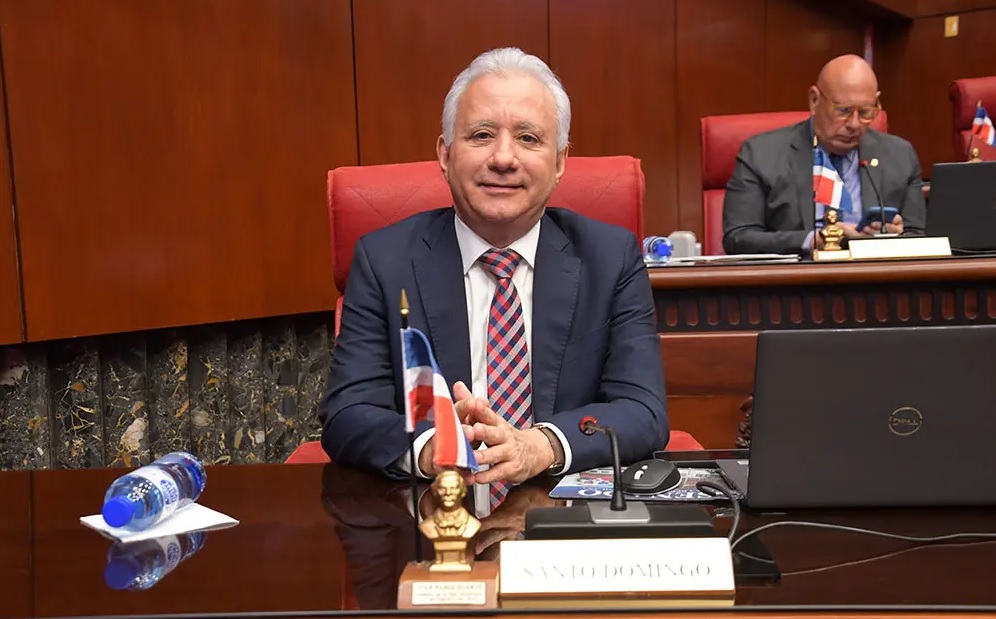
    SANTO DOMINGO – In a bold legislative initiative, Senator Antonio Taveras Guzmán has put forward two groundbreaking bills designed to fortify the Dominican Republic’s political system against infiltration by organized crime elements. The senator expressed grave concerns about individuals implicated in drug trafficking, money laundering, and criminal associations increasingly penetrating political circles, a phenomenon he characterizes as transforming politics into a ‘criminal marketplace.’

    The first legislative proposal would reclassify all political parties, movements, and groups officially recognized by the Central Electoral Board (JCE) as non-financial reporting entities. This reclassification would subject them to stringent anti-money laundering and counter-terrorism financing protocols as stipulated in Law 155-17. The complementary bill seeks to establish criminal liability for political organizations under the nation’s penal code (Law 74-25), making parties directly accountable for accepting illicit funding.

    This legislative approach fundamentally elevates legal accountability for political institutions. Organizations that fail to prevent or report illegal financial contributions would face comprehensive investigations, substantial financial penalties, and potential criminal prosecutions—effectively eliminating traditional immunity for political entities.

    Senator Taveras emphasizes that this initiative centers on preserving electoral integrity, stating, ‘The infiltration of illicit funds into politics constitutes nothing less than the prostitution of democracy.’ He contends that without these crucial legal protections, political parties risk becoming ‘conduits for criminal activity’ rather than vehicles for public service.

    Should these measures become law, they would revolutionize political financing practices. Political organizations would be mandated to implement sophisticated compliance mechanisms, undergo regular financial audits, and maintain absolute transparency in campaign financing. Even the most prominent political campaigns would be subject to exhaustive forensic examination.

    Beyond technical reforms, Taveras highlights the profound societal implications of this legislation. By explicitly criminalizing financial corruption within political structures, the Dominican Republic would demonstrate both domestic and international commitment to excluding criminal influence from democratic institutions. ‘This transcends mere punishment—it’s about revitalizing public trust in our democratic system,’ the senator concluded.

  • Expert warns of constitutional challenges following hasty rollout of new Penal Procedure Code

    Expert warns of constitutional challenges following hasty rollout of new Penal Procedure Code

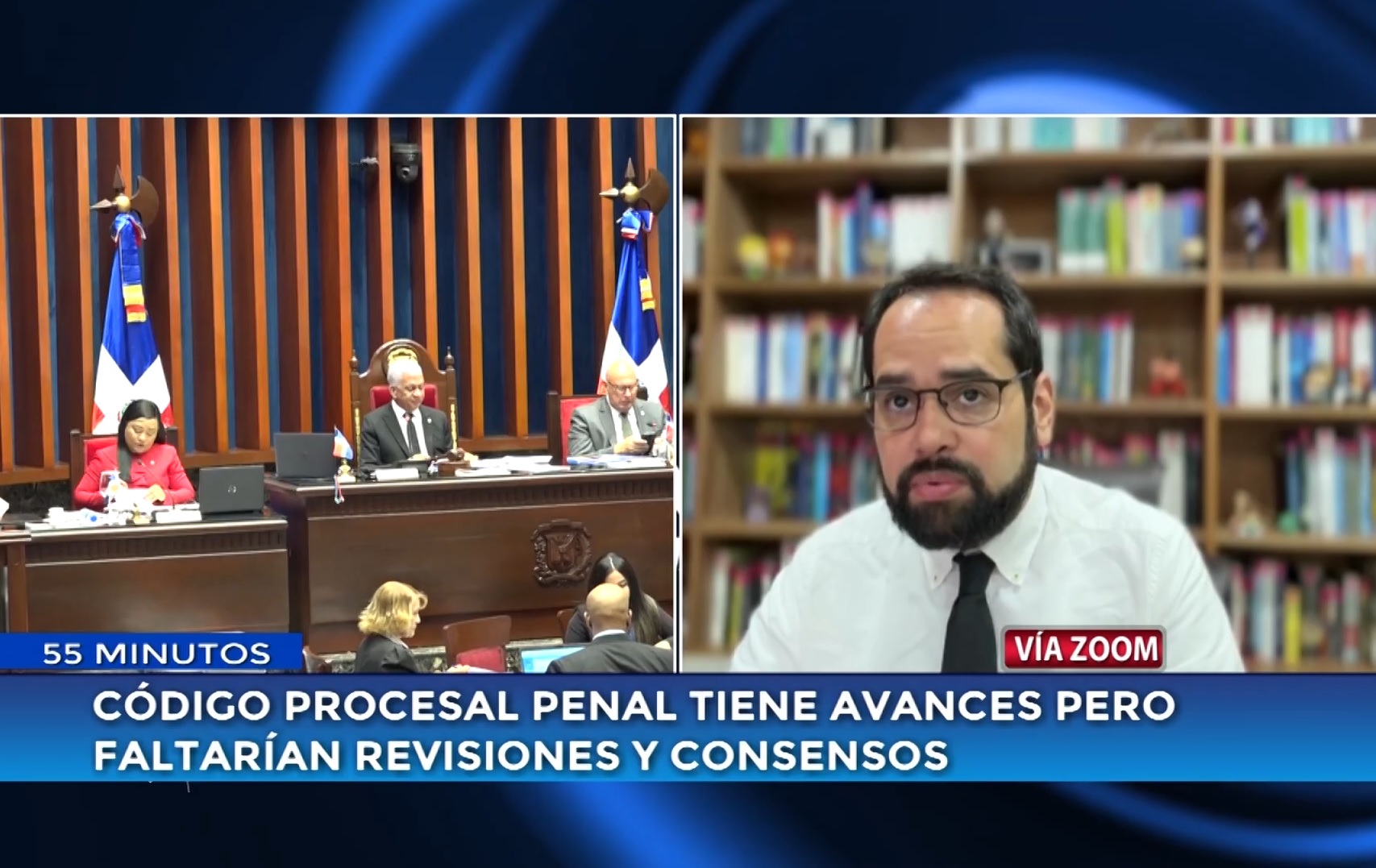
    SANTO DOMINGO – Prominent legal expert Francisco Álvarez Martínez has issued a stark warning regarding the Dominican Republic’s hastily implemented Criminal Procedure Code (CPP), asserting that its accelerated adoption threatens to unleash a flood of constitutional challenges. The distinguished jurist contends that the legislative process suffered from inadequate debate, inconsistent amendments between parliamentary chambers, and a complete absence of the customary transitional period (vacatio legis), fundamentally compromising the law’s legitimacy.

    During an appearance on CDN’s analytical program ’55 Minutos,’ Álvarez revealed that despite years of deferred discussions on judicial reform, the final legislation was pushed through with exceptional speed. This accelerated timeline prevented thorough technical evaluation and marginalized crucial contributions from civil society organizations. The expert noted that the continuous textual modifications during inter-chamber negotiations have not only diminished public trust in legislative integrity but also implanted fundamental structural deficiencies within the legal framework.

    Álvarez cautioned that these inherent vulnerabilities may collapse under judicial examination. The immediate implementation has compelled legal practitioners and judiciary members to apply intricate, untested statutes without adequate printed guidelines or professional training initiatives. This situation generates substantial legal unpredictability and imposes exceptional strain on both legal professionals and defendants within the justice system.

    The scholar highlighted that ongoing court proceedings—including significant corruption prosecutions—now demand nuanced interpretation. Judicial authorities must simultaneously evaluate both previous and updated procedural regulations to identify which framework offers stronger protections for defendant rights, consequently escalating judicial workloads and potentially prolonging litigation timelines.

    While acknowledging certain progressive elements such as expanded victim protections, Álvarez emphasized that the failure to harmonize the Penal Code with the new CPP represents a squandered opportunity that might provoke enduring legal conflicts. The constitutional expert concluded that judicial review appears inevitable unless legislators undertake substantive revisions to ensure alignment with established legal doctrines and precedent.

  • Dominican Senate reviews police reform to end institutional assignments

    Dominican Senate reviews police reform to end institutional assignments

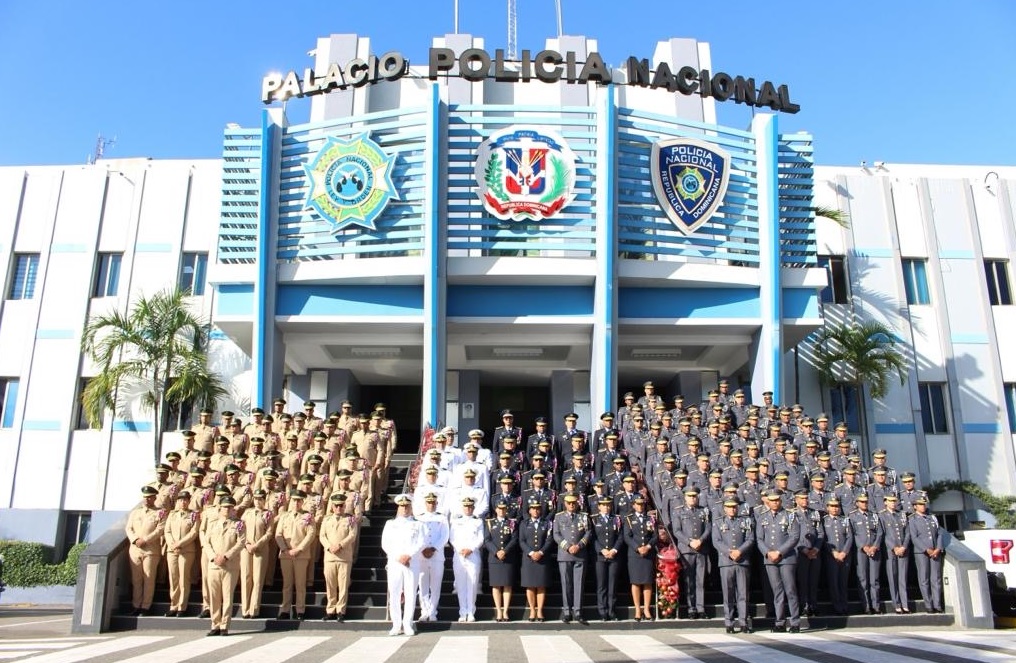
    SANTO DOMINGO – The Dominican Republic is undertaking a comprehensive overhaul of its national police force through groundbreaking legislation currently advancing through the Senate. The proposed reform represents the most significant restructuring of police operations in decades, fundamentally altering officer deployment protocols and accountability measures.

    The cornerstone of the legislation eliminates the long-standing practice of assigning police officers to guard government offices, state agencies, and private enterprises. Under the new framework, such assignments would be permitted only in exceptional circumstances where a genuine security threat has been formally identified and explicitly approved by the Interior Ministry.

    The reform package specifically addresses the private sector’s use of police personnel, prohibiting businesses from hiring officers as security staff unless the arrangement serves a demonstrable public interest. Even when authorized, companies would be required to fully subsidize all associated costs and annually disclose these agreements through public transparency mechanisms.

    Beyond deployment restructuring, the legislation establishes rigorous protocols governing the use of force by law enforcement. Officers would be mandated to operate under strict principles of legality, necessity, and proportionality, with any intervention resulting in injury requiring immediate reporting to the Public Prosecutor’s Office for independent review.

    The bill further proposes institutional innovations including the establishment of a National Standards Center to supervise police performance metrics and professional certification. A revamped promotion system would prioritize advanced training and competency evaluations, while the Internal Affairs division would be transferred to the Interior Ministry to enhance investigative independence and eliminate conflicts of interest.

    Although the current legislative session is concluding, congressional leadership has identified the police reform initiative as a top priority for the upcoming term, with committee deliberations expected to precede full chamber consideration.