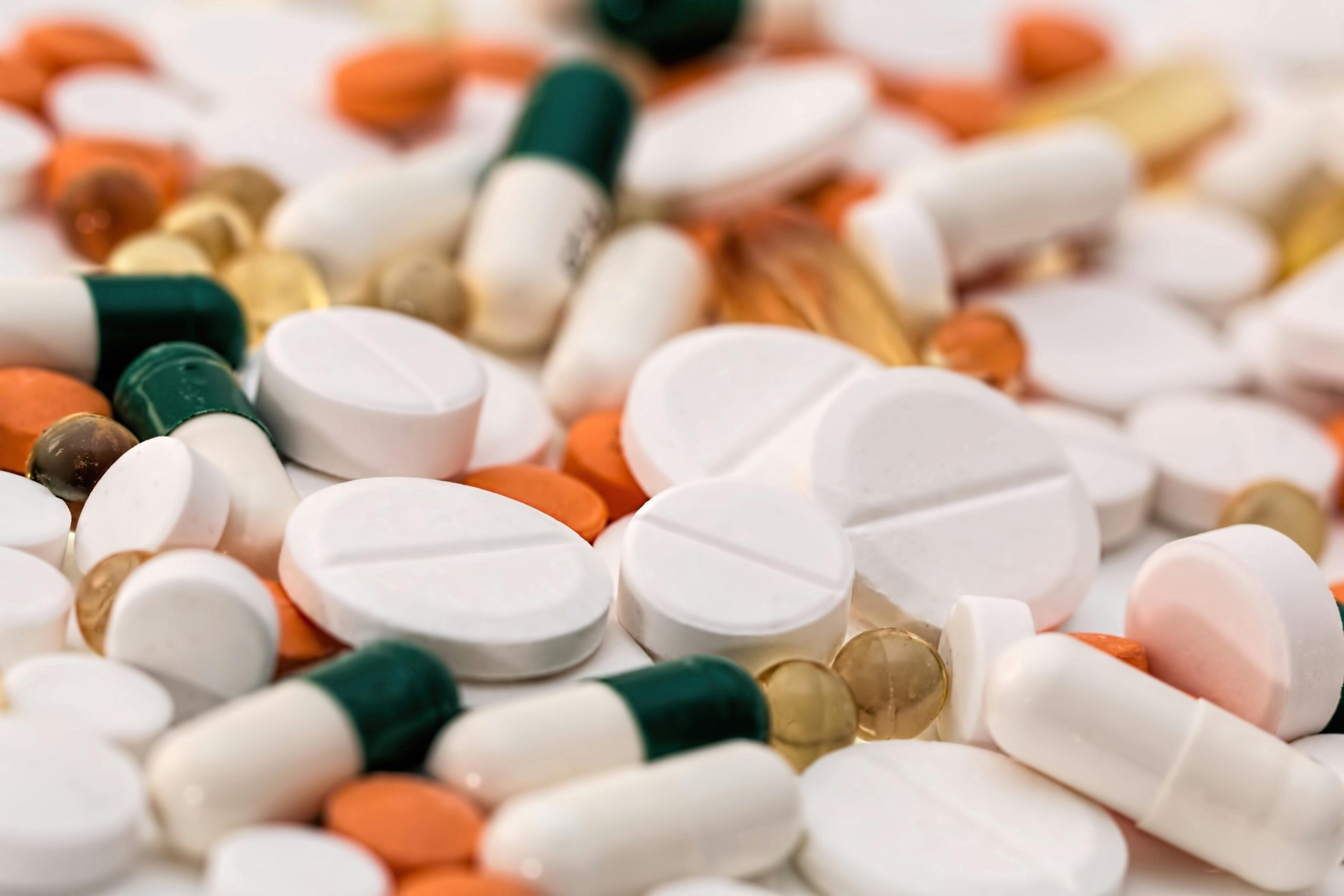
Santo Domingo – The Federation of Pharmaceutical Laboratories for Central America and the Caribbean (FEDEFARMA) has issued a critical public health warning regarding a significant escalation in counterfeit medication circulation throughout the holiday period. The organization emphatically advises consumers to purchase pharmaceutical products exclusively through authorized distribution channels including licensed pharmacies, clinical establishments, and regulated supermarkets.
Carmen Da Silva, FEDEFARMA’s regional director for the Panama-Dominican Republic corridor, elaborated that seasonal factors including heightened consumer traffic and increased disposable income typically drive demand for rapid, economical healthcare solutions. This seasonal pattern creates fertile ground for illicit distribution networks to market unregulated and potentially dangerous pharmaceutical products. These fraudulent medications not only pose direct threats to patient safety but also generate substantial financial burdens for public health infrastructure.
The organization detailed that counterfeit pharmaceuticals frequently feature deliberately misleading labeling concerning both composition and manufacturing origins. These products may contain improperly formulated active ingredients, subtherapeutic dosage levels, or even hazardous substances. FEDEFARMA emphasized that this dangerous phenomenon spans the entire pharmaceutical spectrum from critical life-sustaining medications to common analgesics, providing zero medical benefit while potentially causing severe adverse health consequences. The proliferation of these fake medicines forces families to bear additional healthcare expenditures and intensifies strain on emergency medical services through increased hospitalization rates.
FEDEFARMA provided comprehensive safety guidelines urging consumers to: purchase medications solely from established正规 retailers, maintain skepticism toward abnormally discounted pricing, completely avoid informal street vendors and unverified online platforms, meticulously inspect product packaging integrity, responsibly dispose of expired medications, and promptly report any suspicious pharmaceutical marketing activities to authorities.
World Health Organization research estimates that approximately 10-30% of medications circulating within developing regions—including Central America and the Caribbean—may be counterfeit. This illicit market generates staggering annual global losses exceeding $30.5 billion while simultaneously worsening public health outcomes through prolonged illness durations and accelerated development of antimicrobial resistance.