标签: Dominican Republic

多米尼加共和国

  • TSA annuls ruling ordering compensation for land in Cotubanamá National Park

    TSA annuls ruling ordering compensation for land in Cotubanamá National Park

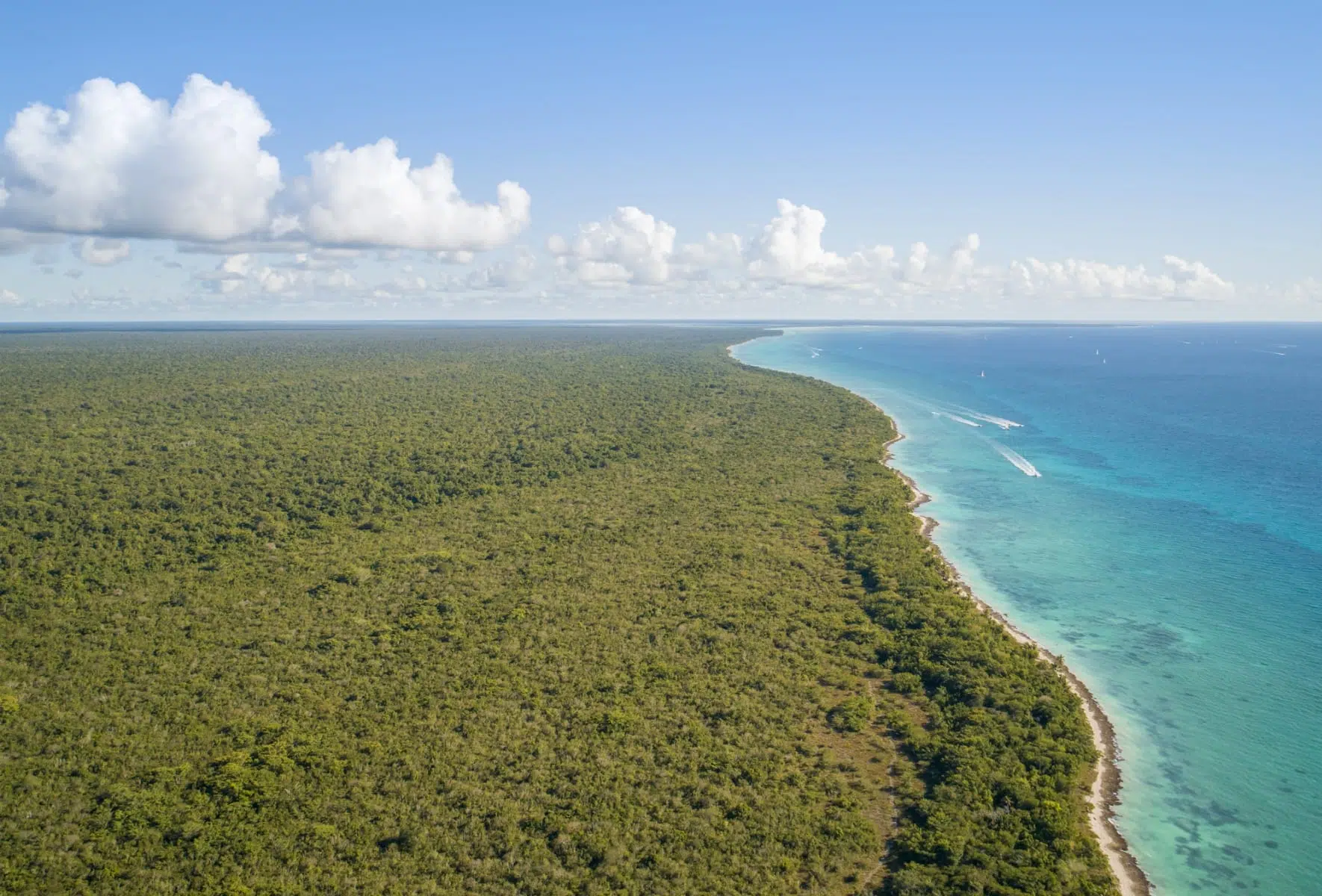
    In a landmark judicial decision, the Second Chamber of the Superior Administrative Court (TSA) in Santo Domingo has reversed a prior ruling that mandated state compensation for disputed lands within the Cotubanamá National Park. The court determined that the territory in question constitutes protected public domain property, rendering it constitutionally inalienable.

    The judicial panel, comprising Judges Antonio Sánchez Mejía and Úrsula Carrasco Márquez, upheld an unconstitutionality exception presented by the General Directorate of National Assets (DGBN). Their ruling challenged Article 40 of Law 1494-47, which established a one-year statute of limitations for such claims. The court found this provision violated constitutional guarantees of justice access when matters of collective national heritage are involved, specifically contradicting Articles 6 and 16 of the Dominican Constitution that designate protected areas as inalienable, unseizable, and imprescriptible.

    This decision nullifies ruling No. 0030-03-2022-SSEN-00193, which had previously favored claimants Sonia Yolanda Cedeño Valdez and Castillo Cedeño, SRL. The TSA identified critical legal deficiencies in the original proceedings, including improper notification of the state and the omission of Decree 722-75 that originally established the area’s protected status in 1975. The court further acknowledged parallel litigation in the Land Court of La Altagracia, where the government is contesting the validity of property titles and investigating potential fraudulent activities during land regularization processes.
  • Abinader and Collado inaugurate renovation of La Caleta Underwater National Park

    Abinader and Collado inaugurate renovation of La Caleta Underwater National Park

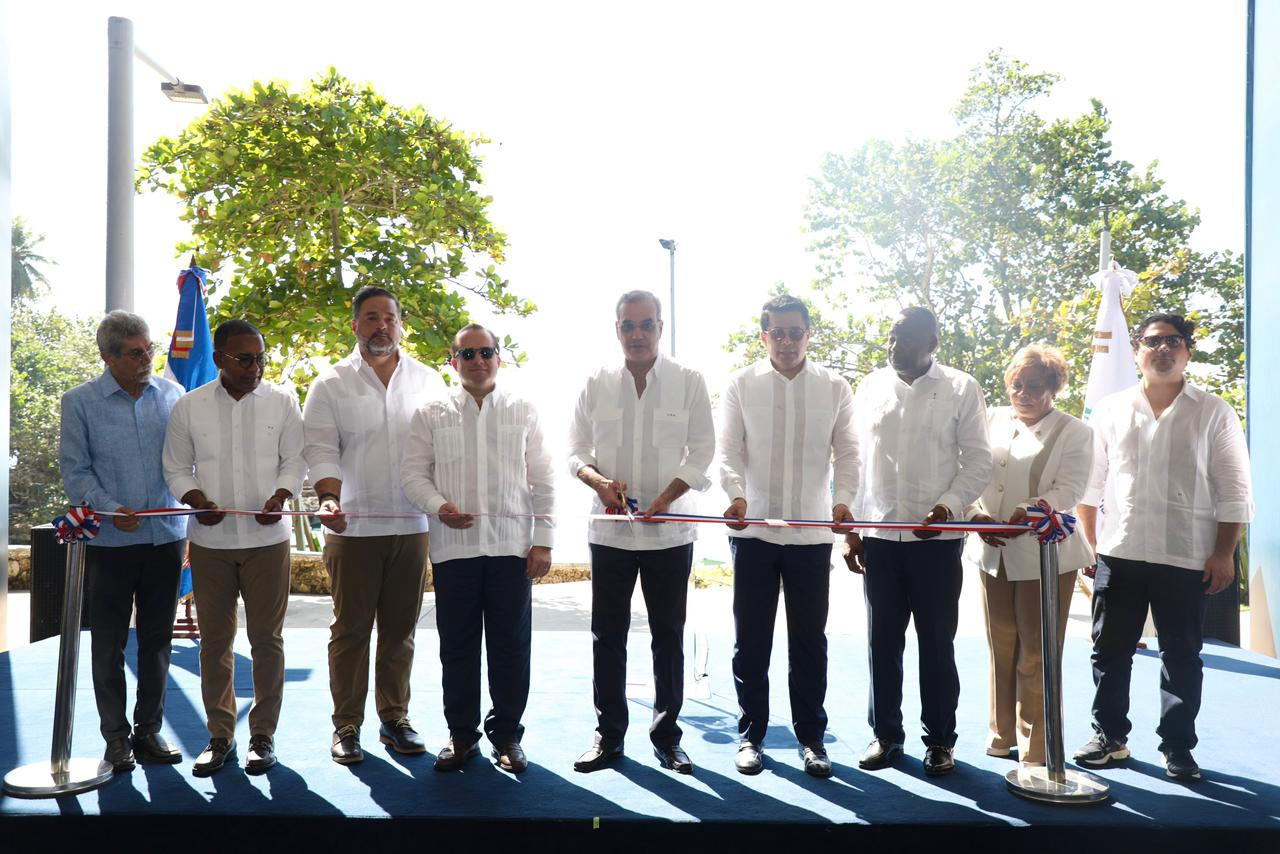
    Santo Domingo, Dominican Republic – President Luis Abinader and Tourism Minister David Collado have officially unveiled the completed first phase of La Caleta Underwater National Park’s comprehensive renovation, marking a significant milestone in the nation’s sustainable tourism and conservation efforts. The RD$420 million (approximately US$7 million) transformation represents one of the Caribbean nation’s most ambitious ecological and cultural preservation initiatives.

    The newly revitalized park, strategically positioned near Las Américas International Airport, now serves as an impressive gateway for international visitors. The extensive redevelopment covers approximately 120,000 square meters and features a meticulously constructed 2.74-kilometer seaside promenade, completely renovated public plazas, enhanced internal walkways, modern lighting systems, extensive landscaping, and contemporary public facilities.

    During the inauguration ceremony, President Abinader emphasized La Caleta’s historical significance as a premier destination for diving and aquatic sports. He outlined the government’s vision for implementing an integrated governance model that brings together national authorities, the Ministry of Environment, local government representatives, and private sector stakeholders to ensure the park’s long-term preservation and sustainable utilization.

    Tourism Minister David Collado characterized the project as fulfilling a four-decade-old commitment to the La Caleta community, demonstrating the administration’s dedication to reclaiming neglected public spaces through transparent and responsible investment strategies. The renovation forms part of a broader national coastline revitalization program designed to benefit both local residents and international tourists alike.

    Environmental officials highlighted the park’s dual role as both a protected marine ecosystem reserve and an educational center, while simultaneously serving as a hub for recreational activities including scuba diving and open-water swimming. The area boasts exceptional coral diversity and contains significant archaeological sites featuring indigenous artifacts and historical shipwrecks.

    With its new infrastructure—including pedestrian pathways, scenic viewpoints, recreational zones, service buildings, and improved security measures—La Caleta Underwater National Park has been repositioned as a flagship destination for eco-tourism, marine conservation, and cultural heritage appreciation in the Caribbean region. Temporary management will be overseen by a private sector-supported foundation until a permanent board of trustees is established.

  • Dominican National Police retire 535 officers across multiple ranks

    Dominican National Police retire 535 officers across multiple ranks

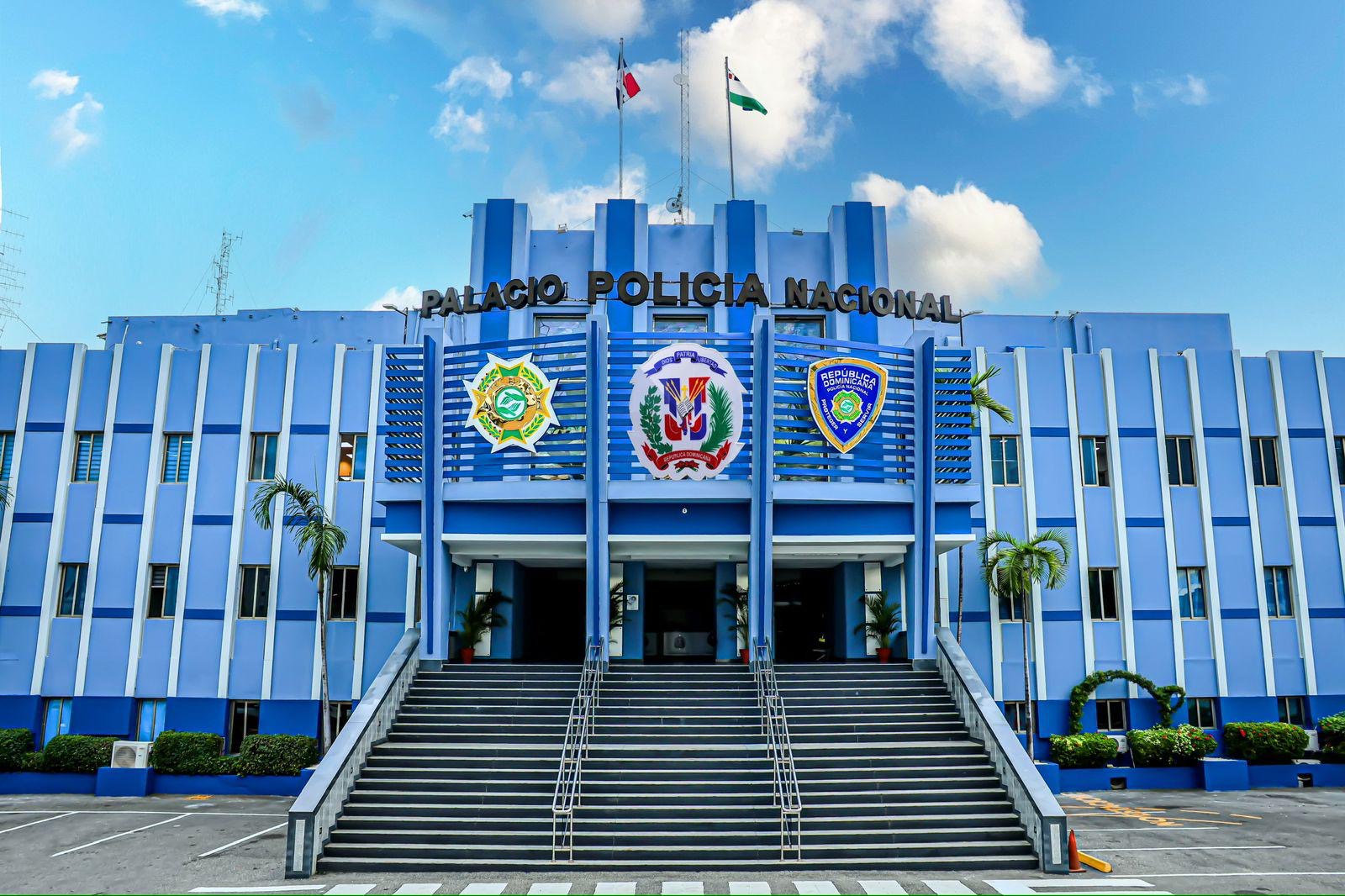
    Santo Domingo – In a significant move to modernize its force structure, the Dominican Republic’s National Police Directorate has formally retired 535 officers through an honorable discharge program. This strategic initiative represents a comprehensive personnel overhaul affecting multiple ranks across the organization, from senior colonels to junior enlisted personnel.

    The extensive retirement process, which forms part of the institution’s broader restructuring agenda, saw the majority of departures (504 officers) occur through voluntary applications under existing legal frameworks. Notably, some voluntarily retiring officers received promotional advancements to higher ranks as part of their separation packages. Meanwhile, 31 personnel were mandatorily retired due to standard administrative requirements including age limitations, maximum service duration, and time-in-rank regulations.

    Police authorities emphasized that this large-scale retirement program serves multiple institutional objectives: enhancing the professional standing of police careers, facilitating systematic leadership succession, and maintaining strict adherence to legal protections for retiring personnel. The initiative reflects ongoing efforts to optimize operational effectiveness while honoring the service commitments of veteran officers.

  • President Abinader inaugurates El Cercado–Hondo Valle–Juan Santiago highway

    President Abinader inaugurates El Cercado–Hondo Valle–Juan Santiago highway

    President Luis Abinader has officially opened the El Cercado–Hondo Valle–Juan Santiago highway, a transformative infrastructure initiative in the Dominican Republic’s southern border province of Elías Piña. This strategic project, long neglected for years, signifies a major governmental commitment to regional integration and economic revitalization.

    Constructed by the Ministry of Public Works under the direction of Minister Eduardo Estrella, the 22-kilometer roadway represents an investment exceeding RD$1 billion. The infrastructure dramatically slashes travel duration, reducing the journey from the capital, Santo Domingo, to Hondo Valle from over six hours to approximately four. This enhancement promises to revolutionize mobility for local residents, agricultural producers, and commercial transporters alike.

    The highway’s inauguration is projected to deliver profound socioeconomic benefits. By bridging the municipalities of El Cercado, Hondo Valle, and Juan Santiago, it effectively ends decades of isolation for surrounding communities in Elías Piña and San Juan provinces. Officials project that over 45,000 individuals will experience direct and indirect advantages, including strengthened local commerce, improved access to essential services, and new economic opportunities in rural zones.

    This development is strategically designed to curb urban migration by fostering sustainable growth in agricultural production and tourism within the border region. The project also emphasizes improved road safety and reinforces the government’s dedication to comprehensive territorial integration and security, marking a pivotal step in the nation’s broader regional development agenda.

  • Montecristi and Dajabón producers to receive RD$23 million for solar energy projects

    Montecristi and Dajabón producers to receive RD$23 million for solar energy projects

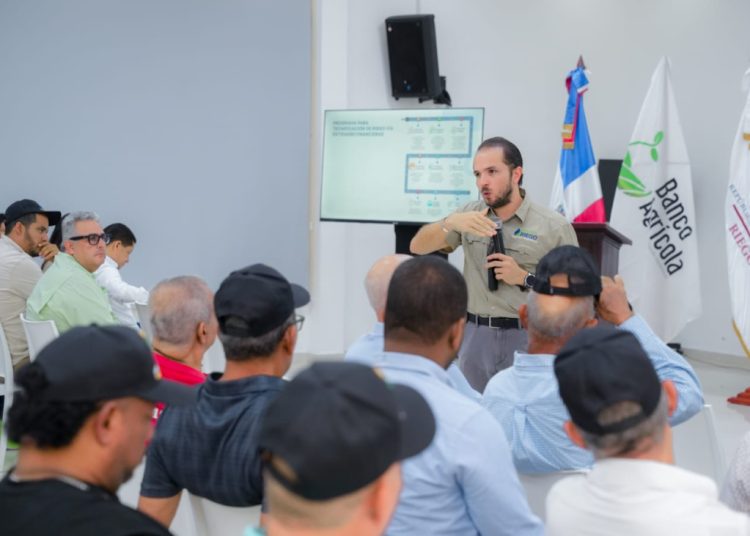
    The Dominican Republic’s agricultural sector is embracing renewable energy through a major government-backed initiative. The National Irrigation Technology Directorate (TNR) and the Agricultural Bank (Bagrícola) have announced a new funding round under the Fund for the Promotion of National Irrigation System Technology (Fotesir), specifically targeting agricultural producers in the northwestern provinces of Montecristi and Dajabón.

    This program provides substantial non-refundable incentives covering up to 25% of project costs, backed by an investment of RD$23 million (approximately US$390,000). The primary objective is to facilitate the adoption of solar-powered irrigation systems that reduce production expenses, enhance climate resilience, and advance sustainable farming practices across the nation.

    Operating under the Bagri-Riego program framework, this initiative will accept applications until February 6, 2026. It represents a strategic effort to modernize Dominican agriculture by decreasing reliance on fossil fuels while promoting environmentally conscious farming methods.

    Claudio Caamaño Vélez, Director of TNR, emphasized that solar energy integration is crucial for agricultural modernization. “Photovoltaic technology serves as a transformative tool for reducing energy costs, boosting productivity, and strengthening national food security while simultaneously supporting our environmental commitments,” Vélez stated.

    Steven Baldera, Project Coordinator at Bagrícola, revealed enhanced financing terms accompanying the technological incentives. Loan repayment periods have been extended from five to seven years with reduced interest rates, including special provisions of 7% financing for female agricultural producers and zero-interest loans for young farmers.

    The program has already generated significant interest nationwide, with hundreds of producers participating. Montecristi and Dajabón now join other regions benefiting from these renewable energy and irrigation technology projects.

    Eligibility is restricted to small and medium-scale agricultural producers—both individuals and legal entities—operating in the two northwestern provinces. Projects are limited to 60 kilowatts of installed capacity. Priority consideration will be given to proposals that demonstrate: replacement of conventional energy sources with solar irrigation technology, improved water efficiency, rehabilitation of existing pumping equipment, and measurable reduction of environmental impact. These criteria align with the government’s broader vision for a more competitive and sustainable agricultural sector.

  • Dominican Republic assumes presidency of Regulatel at Punta Cana assembly

    Dominican Republic assumes presidency of Regulatel at Punta Cana assembly

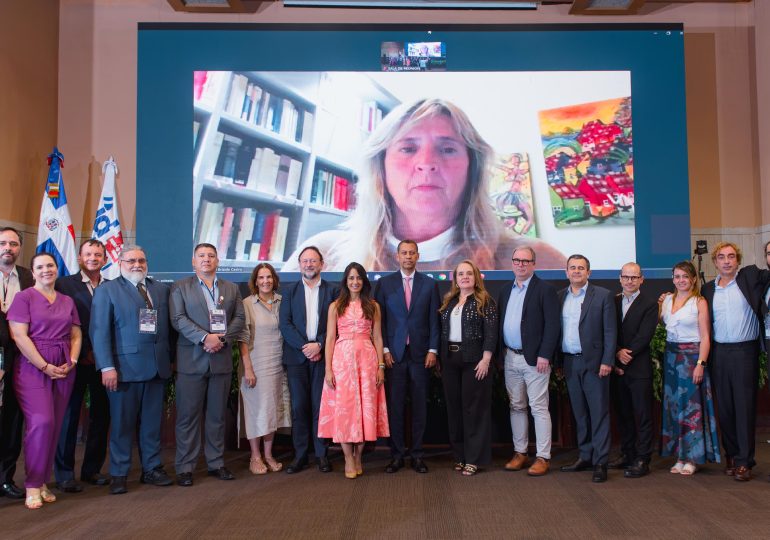
    PUNTA CANA – In a significant development for regional telecommunications governance, the Dominican Republic has been elected to preside over the Latin American Association of Telecommunications Regulators (Regulatel) for the second time. The leadership transition occurred during the 28th Plenary Assembly of Regulatel, hosted in Punta Cana, where Guido Gómez Mazara, President of the Dominican Institute of Telecommunications (Indotel), formally accepted the presidency from Colombia.

    Gómez Mazara characterized the appointment as a strategic opportunity to enhance collaborative efforts among regional regulators. He emphasized that Regulatel functions as a vital platform where regulatory authorities, telecommunications operators, and international partners converge to tackle shared challenges within the telecommunications and digital economy landscapes of Latin America and the Caribbean.

    The Dominican Republic’s leadership agenda will prioritize several critical initiatives: bridging the persistent digital divide, bolstering digital security measures, elevating service quality and affordability, and modernizing regulatory frameworks to keep pace with accelerating technological innovation. Gómez Mazara underscored that an inclusive approach to digital transformation is paramount to ensuring equitable access to technological advancements across all societal segments.

    A notable aspect of this presidency involves fostering bi-regional cooperation between Latin America and Europe. Regulatory entities including Spain’s National Commission for Markets and Competition (CNMC) and the Body of European Regulators for Electronic Communications (BEREC) are expected to play instrumental roles in this collaboration. The partnership aims to align regulatory standards, enhance market predictability, and drive sustainable development throughout the telecommunications sector.

    This marks the Dominican Republic’s second tenure leading Regulatel, having previously held the presidency in 2011. This recurrence solidifies the nation’s influential status in shaping regional discourse concerning telecommunications policy, digital transformation strategies, and digital economic development, demonstrating its sustained commitment to fostering innovation and inclusive growth throughout Latin America.

  • Former SENASA Director Santiago Hazim sent to 18 months of pretrial detention in major corruption case

    Former SENASA Director Santiago Hazim sent to 18 months of pretrial detention in major corruption case

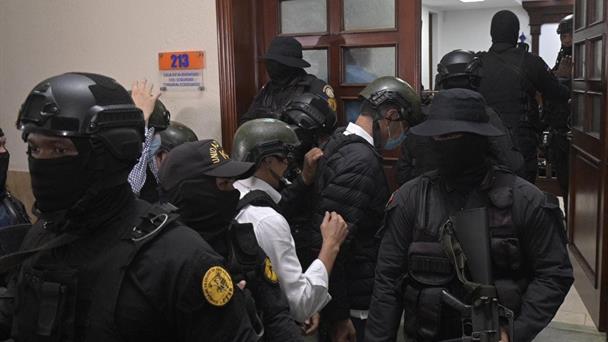
    In a landmark ruling that has sent shockwaves through the Dominican Republic’s public health sector, a National District court has mandated 18 months of pre-trial incarceration for former National Health Insurance (SENASA) director Santiago Hazim and six co-defendants. The decision comes in response to their alleged involvement in a sophisticated financial fraud scheme that reportedly defrauded the state-run insurer of over RD$15 billion.

    The Permanent Attention Office of the National District issued the detention order following extensive evidentiary presentations from the Public Prosecutor’s Office, which has characterized the case as one of the most significant corruption investigations in recent Dominican history. Prosecutors have identified Hazim as the purported mastermind behind a criminal network that operated undetected for approximately five years, employing falsified documentation and altered records to conceal systematic financial malfeasance within the health insurance system.

    In a contrasting development, the judicial authority demonstrated leniency toward three additional defendants who provided substantive cooperation with investigative authorities. These individuals received alternative restrictive measures including house arrest and international travel prohibitions rather than incarceration.

    According to official allegations, the organized network implemented elaborate mechanisms to divert public health funds while simultaneously creating complex financial structures to hide illegally acquired assets. The prosecution further contends that Hazim engaged in deliberate obstruction of justice through witness intimidation tactics designed to compromise the investigation’s integrity.

    This case has triggered intensified public scrutiny regarding the management of national health resources and amplified demands for enhanced transparency mechanisms within Dominican public institutions. The scale of the alleged fraud has prompted nationwide discussions about institutional accountability and governance reforms in the country’s public health administration.

  • Dozens protest at Palace of Justice over SENASA corruption and RD$15 billion embezzlement

    Dozens protest at Palace of Justice over SENASA corruption and RD$15 billion embezzlement

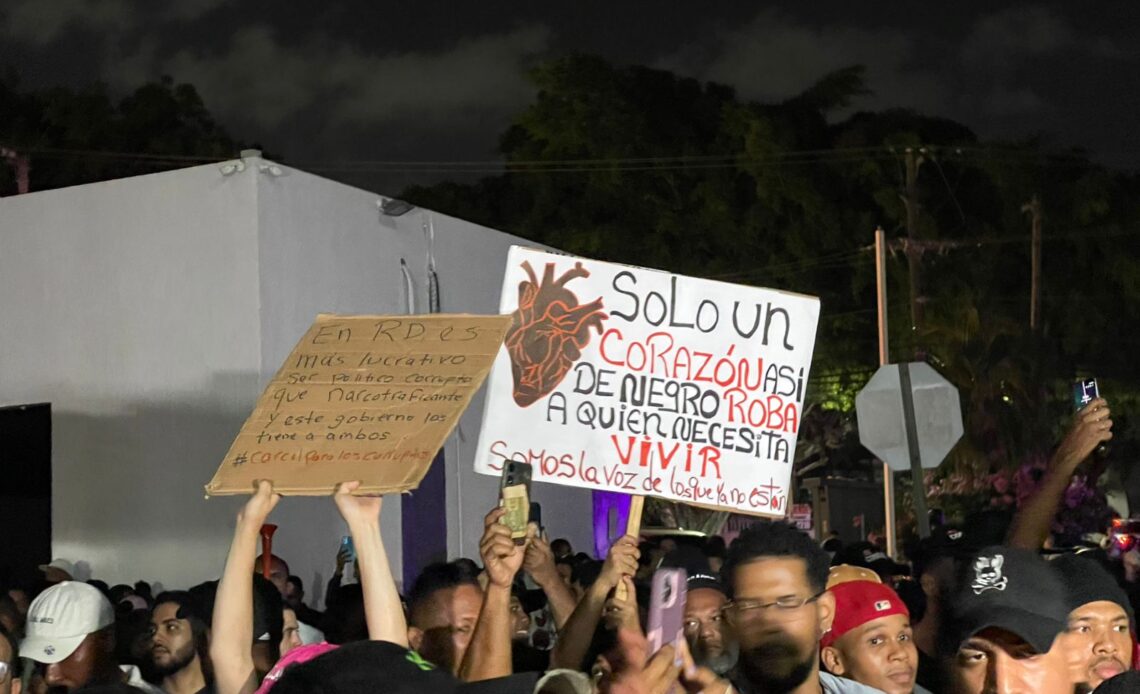
    SANTO DOMINGO – Public outrage erupted outside the Palace of Justice as dozens of demonstrators mobilized to demand accountability in a massive corruption scandal involving the National Health Insurance (SENASA). The protest coincided with judicial hearings to determine pretrial detention for individuals accused of embezzling over RD$15 billion from the state-run health insurer.

    Protesters carried placards calling for transparency and stringent anti-corruption measures, while civil society organizations emphasized that partial recovery of stolen funds would be meaningless without severe legal consequences. Police presence intensified around the courthouse to ensure order during proceedings that have captured national attention due to their implications for public health financing.

    The scandal, known as Operation Cobra, centers on former SENASA director Dr. Santiago Hazim and reveals a devastating financial collapse within the institution. According to newly released 2024 financial statements, SENASA’s net worth plummeted from a positive RD$2.9 billion in 2023 to a staggering negative RD$14.5 billion this year—a situation bordering on technical insolvency.

    Despite generating RD$75.4 billion in revenue, operating expenses surged to nearly RD$79 billion, resulting in losses exceeding RD$6.2 billion. This deficit was primarily driven by healthcare claim payments totaling RD$56.9 billion, alongside reinsurance and operational costs. With responsibility for providing health coverage to more than 7.6 million citizens, SENASA now faces urgent demands for financial restructuring and enhanced oversight mechanisms to prevent further mismanagement of public resources.

  • Dominican child found during immigration operations where 28 Haitians were detained

    Dominican child found during immigration operations where 28 Haitians were detained

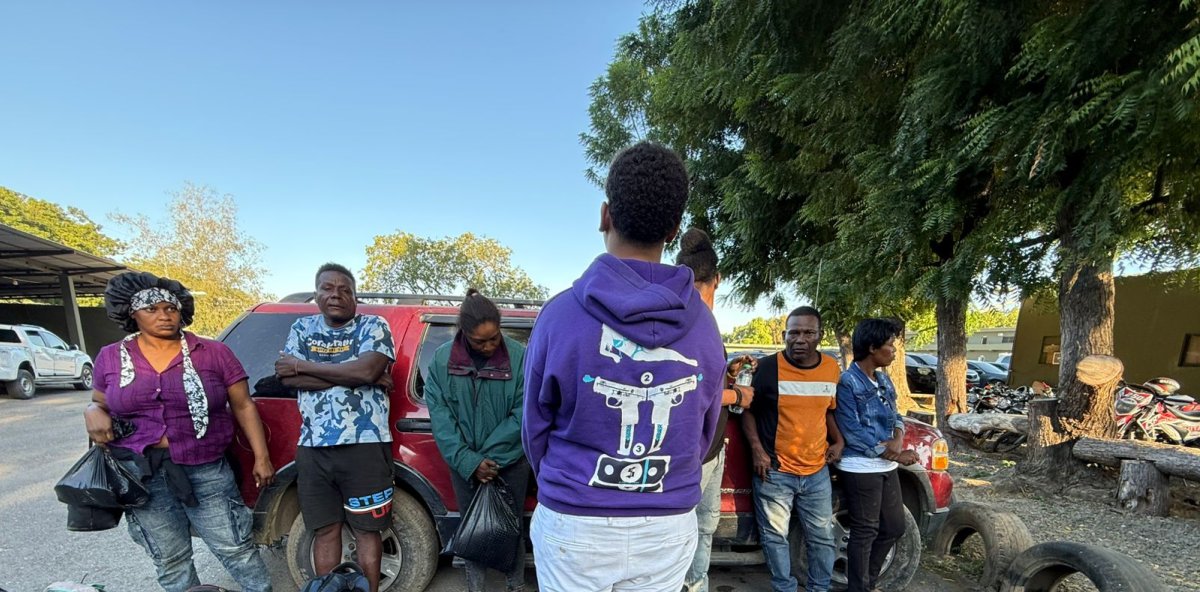
    VALVERDE, Dominican Republic – In a decisive security operation targeting illegal migration routes, the Dominican Republic Army (Ejército de la República Dominicana – ERD) successfully interdicted two vehicles engaged in human smuggling near the municipal district of Ámina. The operation culminated in the detention of 28 Haitian nationals found to be in an irregular migratory status within the country.

    The initial intervention occurred when ERD personnel identified and pursued a white Lexus SUV bearing license plate G094995. The driver, upon detecting military presence, executed an abrupt abandonment of the vehicle and fled the scene on foot. A subsequent inspection of the deserted Lexus revealed 20 undocumented Haitian migrants, comprising 17 adult males and 3 adult females.

    In a simultaneous and coordinated action, a second ERD patrol unit intercepted a red Ford Explorer with license plate G202999. Mirroring the first incident, the operator of this vehicle also evaded capture by escaping into the surrounding area. This abandoned SUV contained a dual discovery: 8 Haitian nationals (4 men, 3 women, and 1 minor) and an unaccompanied Dominican minor who was left behind.

    All detained individuals, including the 28 Haitian migrants and the Dominican minor, were transported under military escort to the headquarters of the 4th Infantry Brigade. The two impounded vehicles were also conveyed to the base. Dominican authorities confirmed that standard legal protocols are now being administered to process each case in accordance with the nation’s immigration and security statutes.

  • Indomet forecasts that the effects of the trough will continue in several provinces of the country.

    Indomet forecasts that the effects of the trough will continue in several provinces of the country.

    The Dominican Institute of Meteorology (Indomet) has released a comprehensive weather advisory indicating that a high-altitude trough system continues to influence weather patterns across northeastern provinces. Meteorological data shows that Hato Mayor, Samaná, El Seibo, and María Trinidad Sánchez have already experienced precipitation episodes, with the atmospheric disturbance expected to progress toward Hermanas Mirabal, Espaillat, and Puerto Plata regions in subsequent hours.

    According to meteorological analysis, atmospheric humidity levels are projected to diminish post-noon hours, resulting in predominantly clear skies with intermittent cloud coverage across most national territories. This improvement in weather conditions follows the trough’s movement through affected areas.

    Meteorologists note that despite daytime clearing, nocturnal hours may bring precipitation to southeastern sectors and portions of the Central Mountain Range. The capital region, including Greater Santo Domingo and the National District, anticipates partly cloudy conditions with isolated showers throughout the day.

    Temperature metrics indicate minimum readings between 20-22°C (68-72°F) and maximum temperatures ranging from 30-32°C (86-90°F). The institute continues monitoring atmospheric developments and will provide updates as weather patterns evolve.