标签: Dominican Republic

多米尼加共和国

  • DGM and Haitian Embassy review protocols for migrant processing

    DGM and Haitian Embassy review protocols for migrant processing

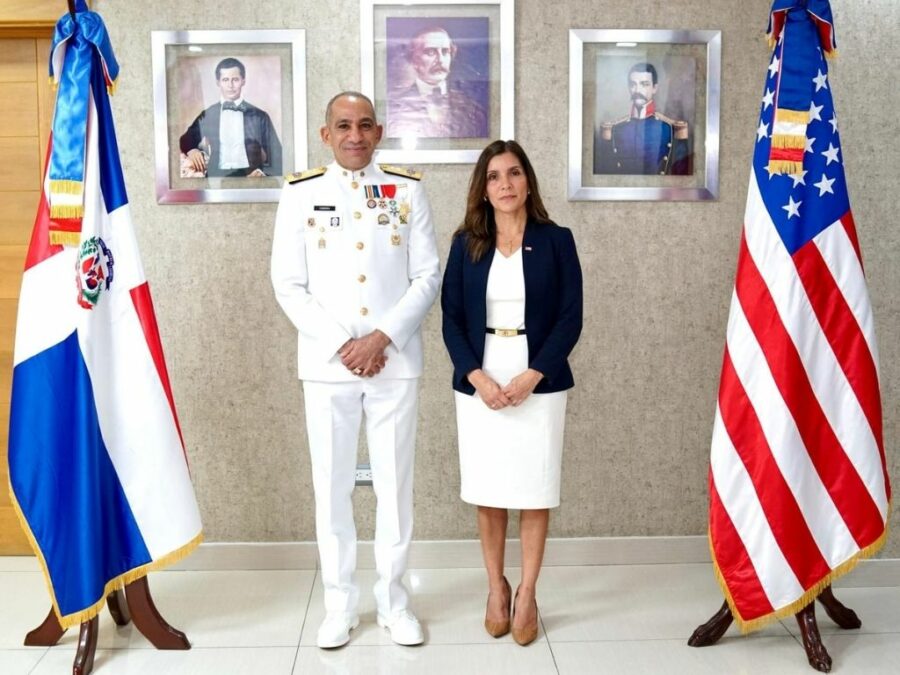
    Santo Domingo witnessed a significant bilateral meeting between Dominican migration authorities and Haitian diplomatic representatives to reinforce operational protocols governing border security and migrant treatment. Vice Admiral Luis Rafael Lee Ballester, Director General of Migration (DGM), convened with a Haitian delegation led by Minister Counselor Ralph Giraldo Raphael to systematically review interdiction procedures and detention center management standards.

    The discussions centered on legal compliance with Migration Law 285-04, with Lee Ballester emphasizing the institution’s commitment to human rights protection during enforcement operations. The migration director articulated that all personnel—including supporting military and police units—operate under strict guidelines respecting the dignity of undocumented migrants while maintaining national security priorities.

    Operational continuity formed a key part of the dialogue, with confirmation that nationwide interdiction measures would persist as components of the Dominican Republic’s comprehensive border management strategy. The officials detailed coordinated repatriation processes through designated border crossings at Dajabón, Elías Piña, Jimaní, and Pedernales, conducted during established binational operating windows with multi-agency coordination between migration control, armed forces, and security personnel.

    The high-level meeting featured representation from both nations’ institutional frameworks. The Haitian delegation included immigration legal expert Dr. Hipólito Dolis, Consul General in Santiago Stephen Junior Cherefant, and consular officials Fito Zephieren and Marie Danielle Lundi. Dominican representation included General Pilot Juan Carlos Vicente Pérez and Colonel Manuel de Jesús Carrasco Guerrero, signaling the meeting’s strategic importance to both governments.

  • Russian woman dies after car crashes into light pole

    Russian woman dies after car crashes into light pole

    A fatal traffic incident in the popular tourist destination of Punta Cana has resulted in the death of a Russian visitor. The accident occurred on Thursday afternoon along the Boulevard Turístico del Este, a major thoroughfare in the Bávaro region.

    According to official reports, the collision took place at approximately 4:15 p.m. near the intersection of the Verón-Punta Cana Fire Department. A blue Toyota Camry CE, traveling in the north-south direction, reportedly veered out of control and struck a recently installed light pole that had been positioned by infrastructure company RD Vial.

    The impact proved fatal for 39-year-old Mariia Tarasova, who was riding as a passenger in the vehicle. The driver, identified as 58-year-old Aleksey Ivanovich Troyan, also a Russian national, sustained injuries in the crash. Emergency response teams from the 9-1-1 system promptly transported Troyan to the Verón public hospital for medical treatment.

    Local authorities have initiated a comprehensive investigation into the circumstances surrounding the accident. Preliminary findings suggest loss of vehicle control as the primary cause, though investigators are examining all potential contributing factors. The newly installed roadway infrastructure, part of ongoing improvements to the tourist corridor, has become a focal point of the investigation.

    The tragic incident highlights ongoing safety concerns in the rapidly developing tourist region, where infrastructure expansion and increasing traffic volumes present continual challenges for both residents and visitors alike.

  • Dominican authorities burn over 1.4 tons of cocaine

    Dominican authorities burn over 1.4 tons of cocaine

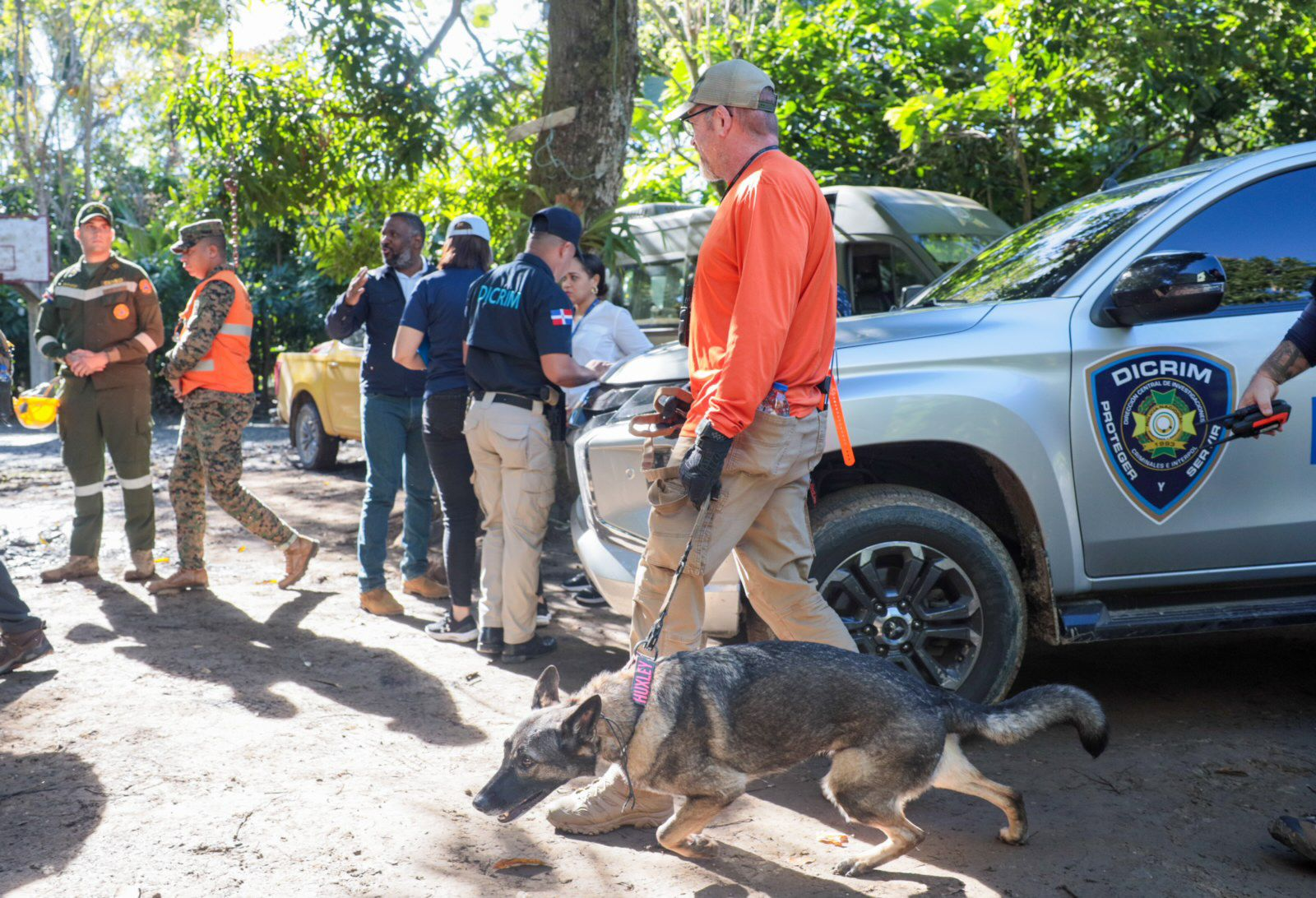
    SANTO DOMINGO – In a significant display of bilateral anti-narcotics cooperation, Dominican authorities have destroyed 1,450 kilograms of cocaine seized in three separate coastal interdictions this month. The operations were conducted as part of Operation Southern Spear, a U.S.-led multinational initiative designed to combat maritime drug trafficking routes throughout Latin America.

    The incineration ceremony, which also included other recently confiscated substances, was carried out at the Army’s First Infantry Brigade facility. The event held symbolic timing, coinciding with the regional visit of U.S. Secretary of War Pete Hegseth, underscoring the Trump administration’s intensified focus on intercepting South American speedboats suspected of transporting narcotics toward United States shores.

    Sonia Elizabeth Lebrón, Director of the National Institute of Forensic Sciences (INACIF), presided over the destruction process, emphasizing that the permanent elimination of seized drugs is critical to preventing their re-circulation into illicit markets. She praised the ‘phenomenal’ collaborative efforts between the National Drug Control Directorate (DNCD) and the Public Prosecutor’s Office, noting that each seizure directly mitigates the devastating social harm inflicted by narcotics, particularly among youth populations.

    This latest incineration brings the total volume of narcotics destroyed by INACIF so far this year to 28,452 kilograms, with cocaine constituting the majority of eliminated substances. The operation highlights growing international coordination against transnational drug cartels exploiting Caribbean maritime corridors.

  • Health Ministry identifies three Chikungunya cases from Cuba

    Health Ministry identifies three Chikungunya cases from Cuba

    Health authorities in the Dominican Republic have confirmed three imported cases of chikungunya virus identified in travelers arriving from Cuba. The nation’s epidemiological surveillance system detected these cases, with subsequent confirmation conducted by the Dr. Defilló National Reference Laboratory. Despite these imported instances, health officials maintain there is currently no evidence of community transmission within the country.

    Health Minister Víctor Atallah provided reassurances to citizens, confirming that government agencies are conducting daily monitoring of the situation. The ministry has implemented enhanced surveillance protocols nationwide and intensified active case-finding measures for febrile illnesses. Vector control operations have been substantially increased, including widespread fumigation campaigns, systematic elimination of mosquito breeding sites, and comprehensive community education initiatives.

    The chikungunya virus, transmitted primarily through bites from infected Aedes aegypti and Aedes albopictus mosquitoes, typically manifests with high fever and severe joint pain, presenting clinical similarities to dengue fever. In response to increasing regional cases throughout the Caribbean, particularly in Cuba, the Dominican Republic has maintained heightened health screening procedures at all airports, seaports, and border crossings.

    Healthcare facilities across the nation have reinforced their preparedness protocols to ensure accurate diagnosis, appropriate clinical management, and timely patient care aligned with recommendations from the Pan American Health Organization/World Health Organization (PAHO/WHO). Health authorities continue urging citizens to eliminate standing water sources, properly cover water storage containers, apply insect repellent regularly, and actively participate in community cleanliness and fumigation efforts.

  • RealtorDR Launches Initiative to Feed 500 Families Across the North Coast This Christmas

    RealtorDR Launches Initiative to Feed 500 Families Across the North Coast This Christmas

    In a significant demonstration of community solidarity, real estate firm RealtorDR has mobilized a comprehensive campaign to provide essential food supplies to 500 vulnerable families throughout the North Coast of the Dominican Republic this Christmas season. The initiative represents a collaborative effort involving company team members, educational institutions, community organizations, and charitable contributors to assist households experiencing economic hardship during the holiday period.

    The campaign has successfully generated $11,323 in public donations, with RealtorDR committing to match the entire amount, resulting in a substantial total of $22,646. These resources will facilitate the distribution of nutritionally balanced food packages to economically strained families across the municipalities of Sosúa, Cabarete, and Puerto Plata—regions where many residents face heightened financial pressures during seasonal celebrations.

    Robert Maceachern, President of RealtorDR, emphasized the initiative’s community-oriented nature: “We regularly encounter hardworking families who nevertheless struggle to provide complete holiday meals. This campaign represents our commitment to reciprocating the support and hospitality that the Dominican community has consistently extended to our organization.”

    The selection process for beneficiary families employed a meticulously designed collaborative methodology, incorporating insights from local educational professionals, school administrators, and community representatives who possess intimate knowledge of households most affected by economic challenges. This grassroots approach ensures precise targeting of assistance to those with the most pressing needs.

    While the Dominican Republic continues to experience demographic expansion and growing international recognition, numerous communities—particularly along the North Coast—confront persistent issues related to food security and escalating living expenses. Community-led initiatives like this underscore the critical importance of localized efforts in building resilient neighborhoods.

    Although RealtorDR maintains its primary business operations in real estate services throughout Cabarete, Sosua, and Punta Cana, the organization explicitly clarifies that this humanitarian effort remains entirely separate from commercial promotions. Instead, it exemplifies the company’s sustained dedication to meaningful social impact and community development within the Dominican Republic.

    As contributions continue to accumulate, volunteers and partner organizations across the target regions are preparing comprehensive food parcels scheduled for distribution preceding Christmas celebrations. Each package contains essential culinary items including rice, beans, pasta, cooking oil, and traditional holiday ingredients to enable families to prepare nutritious and culturally appropriate meals.

    Campaign organizers articulated the broader significance of the initiative: “This endeavor transcends mere nutritional support—it embodies hope, dignity, and communal solidarity. Collective action, even through modest individual contributions, can generate substantial positive transformation.”

    Prospective supporters can contribute directly through the official campaign portal or assist through network dissemination to amplify the initiative’s reach. The campaign maintains transparency as a core principle, with regular updates provided as the project advances toward its distribution phase next month.

  • UNICEF reports an increase in domestic violence in Dominican Republic

    UNICEF reports an increase in domestic violence in Dominican Republic

    A newly released UNICEF report has cast a stark light on a deepening crisis of gender-based violence in the Dominican Republic. The findings, published this Thursday, document 89 femicides in the nation so far in 2024, marking a significant and alarming surge from the 69 cases recorded throughout the entirety of 2023. This figure translates to a rate of 1.5 murders per 100,000 women.

    The study delves beyond the extreme outcome of femicide to outline a pervasive culture of violence that jeopardizes the safety of women and girls from a young age. It reveals that a staggering 31.5% of Dominican women aged 20–24 were married or entered into a union before their 18th birthday, with 9.4% doing so before the age of 15, placing them at heightened vulnerability.

    Citing data from the World Health Organization (WHO), the report underscores the prevalence of intimate partner violence. It states that 28.5% of women between 15 and 49 years old have endured physical or sexual violence from a partner at some point in their lives, with 22.8% experiencing it within the twelve months preceding the study.

    Anyoli Sanabria, UNICEF’s interim representative in the Dominican Republic, issued a powerful statement connecting these tragedies to their impact on the next generation. She emphasized that each femicide ‘devastates children’s lives’ and constitutes a fundamental violation of their right to a secure and nurturing upbringing.
    In response, UNICEF is collaborating with national authorities and community groups to fortify systems for prevention, early detection, and victim support. These initiatives include comprehensive training programs for families and educators, the expansion of care services for survivors, and advocacy for crucial legal reforms designed to better protect children and adolescents.

    Sanabria also issued a direct appeal to the government, urging the elimination of a remaining exception in the Penal Code that permits physical punishment within homes. She stressed that such normative violence often serves as a precursor to more severe acts, including femicide, and its abolition is a critical step toward breaking the cycle of abuse.

  • Government and Congress unite behind “Let Her Go” anti-violence reform

    Government and Congress unite behind “Let Her Go” anti-violence reform

    SANTO DOMINGO – In a significant address, Dominican President Luis Abinader has pledged his administration’s full backing for a comprehensive national strategy to eradicate gender-based and domestic violence. The initiative, known as the ‘Let Her Go’ Comprehensive Reform and the National Pact for Life, has garnered unprecedented cross-party support, uniting senators and representatives from across the political spectrum to establish a coordinated framework for the protection, prevention, and prediction of femicides and filicides.

    President Abinader detailed the substantial progress already achieved, citing a dramatic expansion of protective infrastructure. Under his leadership, the number of shelters for victims has increased sixfold, from a mere three to eighteen operational facilities. Furthermore, a specialized investigative unit dedicated to these crimes has been established within the National Police. The most striking statistic presented was a drastic reduction in femicides, which have plummeted from 233 in 2011 to 51 recorded between January and November of this year. However, the President solemnly declared that ‘one death is one too many,’ vowing to meticulously review the proposed legislative reforms and commit all necessary financial and institutional resources for their execution.

    The ambitious ‘Let Her Go’ reform proposal entails a substantial investment of RD$5 billion, earmarked exclusively for bolstering prevention programs and protection services. A core objective is to forge a more robust legal architecture to ensure policy continuity remains unaffected by future changes in government. Representative Kinsberly Taveras, a key proponent, highlighted the overwhelming legislative consensus, with the initiative securing endorsement from 95% of lawmakers. She also underscored the pivotal role of female leadership in driving this change, noting the historic presence of 71 women in the Chamber of Deputies and 4 in the Senate, whose collective influence was instrumental in advancing the pact.

  • MIVED reopens Chinese-owned business Dulce Hogar

    MIVED reopens Chinese-owned business Dulce Hogar

    SANTO DOMINGO – Dominican regulatory authorities have granted official permission for the Dulce Hogar retail establishment in the National District to resume operations, following a comprehensive verification of its adherence to national construction and safety standards. The Ministry of Housing and Buildings (MIVED) confirmed the store’s full compliance with the technical and regulatory mandates that had previously led to its temporary closure in early September.

    The shutdown was initially enforced under the provisions of Law 687-82, in conjunction with Technical Regulations R-004 and R-021. These legal frameworks require all commercial entities to obtain valid construction licenses and secure final inspection certifications prior to commencing occupancy or business activities.

    Edgar Pellerano, who heads the Directorate of Private Works Supervision, announced that a team of government inspectors conducted a meticulous on-site assessment. Their review concluded that Dulce Hogar had successfully addressed all previously identified issues, leading to the issuance of an official reopening certificate. Pellerano echoed a recent statement by Minister Carlos Bonilla, emphasizing that the ministry’s policy remains unequivocal: only businesses that complete the formal conciliation process and submit all requisite documentation will be approved to reopen.

    In its effort to achieve regularization, the management of Dulce Hogar executed a series of significant structural enhancements designed to guarantee public safety. These corrective measures included the installation of stiffeners on critical main beams, the reinforcement of beam-column junctions using specialized metal plates, a full certification process for all field welds, and the systematic replacement and adjustment of bolts to meet precise design specifications.

    MIVED also provided a status update on other establishments affected by the September enforcement actions. From the original eleven businesses closed, documentation from five additional entities has been received and is currently under review pending final approval. The ministry reiterated its dedication to assisting the remaining businesses through the compliance process, while maintaining its primary commitment to ensuring that all commercial operations provide a safe environment for employees and the public.

  • Abinader announces Corona Beer will be produced in the Dominican Republic

    Abinader announces Corona Beer will be produced in the Dominican Republic

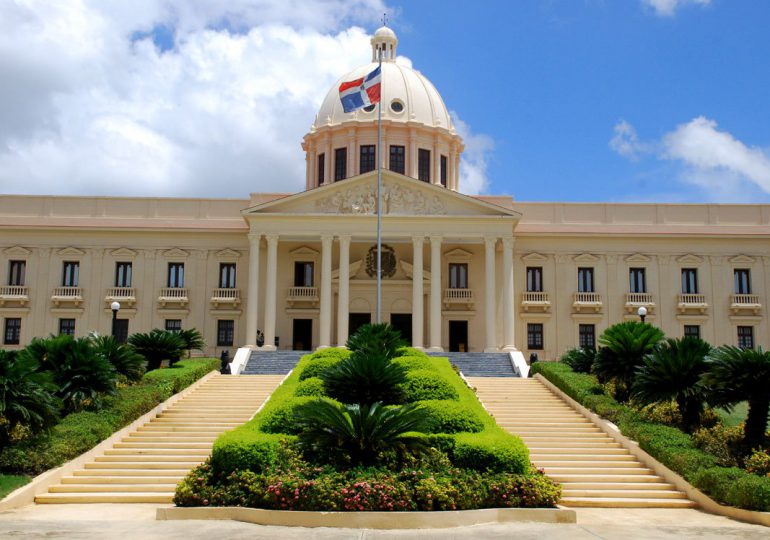
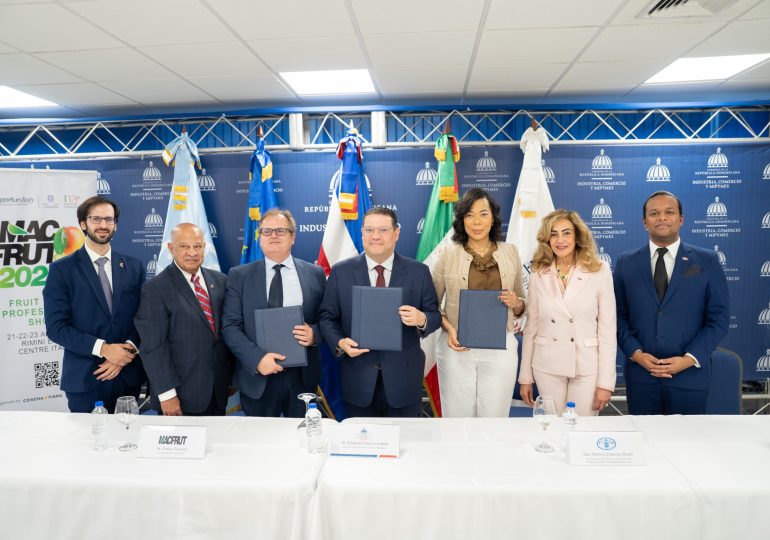
    SANTO DOMINGO – In a significant economic development for the Caribbean nation, global beverage giant Anheuser-Busch InBev has selected the Dominican Republic as a new strategic production center for its iconic Corona beer brand. The landmark decision was finalized during a high-level meeting between Dominican President Luis Abinader and senior executives from AB InBev at the National Palace.

    The investment is being hailed as a powerful endorsement of the country’s robust economic climate and institutional progress. President Abinader formally recognized the delegation, which included Jean Jereissati, CEO for AB InBev’s Middle Americas Zone; Fabián Suárez, President of the National Council of Private Enterprise (CND); and executives Luis Álvarez and Jochi Pérez.

    In his statements, President Abinader directly linked the corporation’s commitment to the nation’s sustained atmosphere of legal, economic, and social stability. He emphasized that such high-caliber foreign direct investment is a direct result of these favorable conditions. The establishment of the new production facility is projected to deliver substantial economic benefits, including a notable boost to local economic growth and the generation of a significant number of new employment opportunities.

    This corporate move underscores a deepening partnership between the Dominican public sector and international private enterprise. AB InBev’s choice reaffirms its long-term confidence in the Dominican Republic’s operating environment and its strategic position within the region. The collaboration marks a pivotal step in the country’s ongoing efforts to position itself as a premier destination for major international manufacturing investments.

  • “La Casa de Alofoke 2” earns Guinness World Record for longest livestream

    “La Casa de Alofoke 2” earns Guinness World Record for longest livestream

    The Dominican Republic has entered the global spotlight for digital entertainment innovation as Alofoke Media Group secured an official Guinness World Record for the longest continuous live video stream. Their groundbreaking project, “La Casa de Alofoke 2,” achieved this extraordinary feat during a 40-day digital marathon hosted at Lantica Studios in Juan Dolio, running from October 20 to November 28, 2025.

    The monumental achievement was personally celebrated by Santiago Matías, Founder and CEO of Alofoke Media Group, who publicly shared photographic evidence of the certification. Among the celebratory images was a particularly poignant photograph featuring his son, Prince, holding the officially framed Guinness certificate—a moment that added profound personal significance to the institutional triumph. Matías captioned the reveal with an exuberant declaration: “We did it! Guinness World Record baby.

    This international recognition represents more than just a technical accomplishment; it signifies a transformative moment for digital content creation in the Caribbean region. The record-breaking production solidifies “La Casa de Alofoke” as a pioneering reality-style digital format while establishing Alofoke Media Group as a frontrunner in innovative media production. The achievement positions the Dominican Republic as an emerging hub for digital entertainment and live-streaming technology, potentially inspiring new content creation methodologies worldwide.