标签: Dominican Republic

多米尼加共和国

  • Fire reported at Don Ernesto Parrillada in Santo Domingo’s Colonial City

    Fire reported at Don Ernesto Parrillada in Santo Domingo’s Colonial City

    A significant fire erupted at the renowned Don Néstor Parrillada restaurant in Santo Domingo’s historic Colonial City district on Sunday evening, triggering emergency responses and raising questions about safety protocols in one of the Dominican Republic’s prime tourist destinations.

    The blaze originated approximately at 6:30 p.m. within the establishment’s grill section, according to preliminary reports. Quick-thinking employees from adjacent businesses immediately deployed fire extinguishers in a bid to contain the flames before professional emergency crews reached the scene at Plaza España. The coordinated efforts between these first responders and subsequently arrived firefighters successfully prevented the conflagration from extending to neighboring properties.

    Through the activation of established safety protocols and efficient evacuation procedures, all restaurant staff and patrons were safely escorted from the premises without reported injuries. While the precise trigger of the incident remains under official investigation, the event has prompted immediate damage assessment by restaurant management and broader discussions regarding fire safety standards in high-density historic zones.

    The Colonial City, recognized as a UNESCO World Heritage site and major tourism attraction, faces ongoing challenges in balancing historic preservation with modern safety requirements. This incident marks the latest in a series of safety evaluations concerning commercial establishments operating within culturally significant architectures that often present unique fire prevention complications.

  • Dominican Republic advances climate monitoring deal with Italian Space Agency

    Dominican Republic advances climate monitoring deal with Italian Space Agency

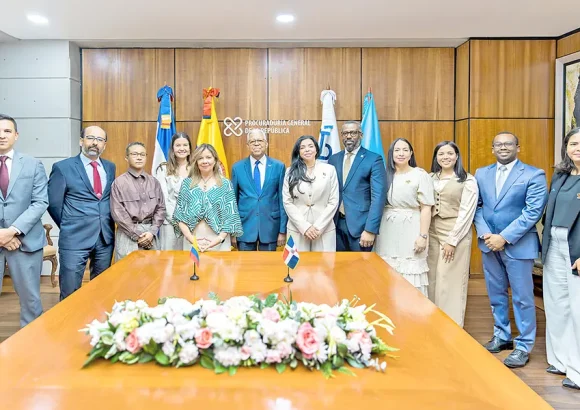
    Santo Domingo has taken a significant step toward technological advancement in climate security through a new partnership with Italy’s space sector. The National Council for Climate Change and Carbon Market (CNCCMC) has announced substantial progress in finalizing a cooperative agreement with the Italian Space Agency, marking a pivotal development in geospatial monitoring capabilities for the Caribbean nation.

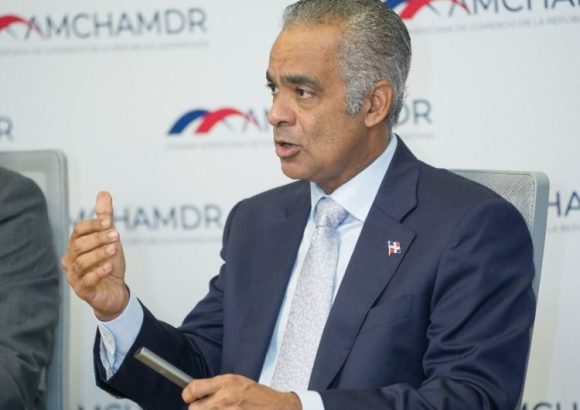
    This groundbreaking initiative, spearheaded by CNCCMC Vice President Max Puig, focuses on leveraging sophisticated satellite technology to transform disaster risk management. The collaboration will provide Dominican authorities with enhanced access to both real-time and historical satellite data, enabling more precise forecasting and response mechanisms for extreme weather phenomena including hurricanes, floods, and various hydrometeorological hazards.

    The partnership emerged from high-level discussions involving Marco Lisi, a representative connected to Italy’s Foreign Ministry and the European Space Agency’s Galileo navigation program, alongside academic experts from Pedro Henríquez Ureña University. This multilateral engagement underscores the international commitment to addressing climate vulnerabilities in the region.

    Central to the cooperation are several strategic components: the enhancement of early warning systems, the development of a comprehensive Climate Risk Atlas, and the potential establishment of a national satellite data processing center dedicated to climate analysis. This infrastructure will serve as the foundation for improved disaster preparedness and climate adaptation strategies.

    Officials emphasize that this agreement represents a transformative approach to climate resilience, integrating cutting-edge technology with international knowledge sharing. The initiative aligns with the Dominican Republic’s broader strategy to modernize its climate change adaptation framework through technological innovation and global partnerships, ultimately creating a more secure future for its citizens in the face of escalating climate challenges.

  • Caribbean Cinemas closes Malecón branch after violent incident

    Caribbean Cinemas closes Malecón branch after violent incident

    SANTO DOMINGO – A tragic law enforcement incident resulted in the death of National Police Officer Dary Daniel Andújar Pérez, 22, who succumbed to injuries sustained during an intervention at Caribbean Cinemas’ Cinema Centro Malecón on George Washington Avenue. The fatal confrontation occurred Sunday afternoon while the theater facility was closed to the public.

    Preliminary investigative reports indicate Officer Andújar Pérez responded to an active threat situation involving an armed individual who was allegedly threatening cinema employees. During the intervention, private security guard Santo Pimentel Lebrón was also killed in the exchange. Authorities currently believe Pimentel Lebrón may have inflicted the fatal injury that ultimately caused the officer’s death despite emergency surgical intervention at the National Police General Teaching Hospital (Hosgedopol).

    The incident connects to an earlier attempted homicide report at the same location involving a security guard from Eulen company and a female employee. Caribbean Cinemas management confirmed the incident occurred during non-operational hours and acknowledged that police intervention potentially prevented further casualties.

    National Police Director Andrés Modesto Cruz Cruz publicly honored Officer Andújar Pérez’s bravery and dedication to duty while extending official condolences to the bereaved family. The case remains under active investigation by judicial authorities with forensic analysis pending from INACIF. The cinema chain has implemented emergency protocols, cooperated fully with investigators, and temporarily shuttered the Malecón location pending completion of official proceedings.

  • Dayron is still waiting for high-cost medication; Family calls for protest for approval

    Dayron is still waiting for high-cost medication; Family calls for protest for approval

    In Santo Domingo, a desperate plea for medical justice unfolds as one-year-old Dayron Almonte Socias battles Spinal Muscular Atrophy (SMA), a severe genetic disorder causing progressive muscle deterioration. His parents, Inmanol Almonte and Genesis Socias, face an agonizing reality: despite constitutional guarantees to healthcare, the Ministry of Public Health and the High Cost Drugs Program have delayed approval of Evrysdi—the critical medication sustaining their son’s life—for over a year.

    The drug, priced at approximately 620,000 Dominican pesos per bottle (required every two months), remains financially unattainable for the family. With existing supplies dwindling, Dayron’s survival hinges on institutional intervention. In response, his parents will lead a peaceful demonstration on March 25 at 10:00 a.m. outside the National Palace, urging authorities to honor legal obligations under the Dominican Constitution and General Health Law 42-01.

    Article 61 of the Constitution explicitly mandates the state to ensure access to essential medicines and comprehensive healthcare for all citizens. The protest extends beyond Dayron’s case, symbolizing a broader struggle for countless individuals awaiting approval of vital treatments. Community solidarity is urged to amplify calls for systemic accountability and the protection of fundamental health rights.

  • Ashoresoca warns of risks to tourism due to conflicts in Cabarete; supports improved beach access

    Ashoresoca warns of risks to tourism due to conflicts in Cabarete; supports improved beach access

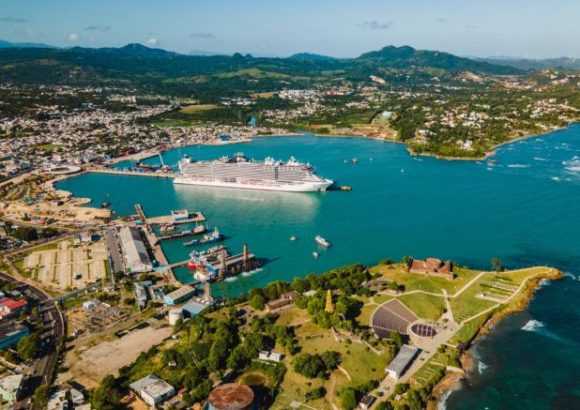
    The Hotel and Restaurant Association of Sosua and Cabarete (Ashoresoca) has issued a stark warning that escalating tensions between government authorities could severely damage the tourism prospects of Cabarete, a vital coastal destination in Puerto Plata province. This alert follows a highly visible verbal confrontation between personnel from the Dominican Navy and district director Freddy Cruz regarding beach access protocols during ongoing infrastructure improvements.

    Antonio Cárdenas, President of Ashoresoca, emphasized that such public disputes create detrimental perceptions among both current visitors and potential investors. This development arrives at a particularly sensitive juncture as the region intensifies efforts to enhance its tourism infrastructure and market competitiveness.

    While the association explicitly supports the coastal intervention project—recognizing its critical importance for enhancing organizational efficiency, visitor safety, and overall market positioning—it has urgently called for immediate diplomatic resolution to inter-agency conflicts. Industry leaders stress that any delays in completing these vital developments could generate substantial negative economic repercussions for the local tourism-dependent economy.

    The association advocates for structured dialogue between all stakeholders to ensure project continuity, maintaining that coordinated execution of improvement works is essential for safeguarding Cabarete’s reputation as a premier Caribbean destination.

  • Dominican Republic will host international meeting on sea turtle conservation

    Dominican Republic will host international meeting on sea turtle conservation

    Santo Domingo will transform into the epicenter of marine conservation efforts as the Dominican Republic prepares to host the prestigious Annual Meeting of the Wider Caribbean Sea Turtle Conservation Network (Widecast) from March 26-29, 2026. This pivotal gathering will unite scientific experts and conservationists from across the Caribbean basin to address critical challenges facing endangered sea turtle populations.

    The Ministry of Environment’s Vice Ministry of Coastal and Marine Resources confirmed the four-day symposium will facilitate unprecedented regional collaboration. Widecast represents a formidable coalition of conservation professionals spanning more than 40 nations and territories, collectively working to reverse population declines through scientifically-grounded management strategies.

    Central to the event’s mission is advancing technical exchange and scientific cooperation throughout the Wider Caribbean region. The network’s coordinated approach emphasizes capacity building and knowledge sharing to enhance conservation outcomes for multiple threatened sea turtle species.

    A dedicated session on March 27 will spotlight the Dominican Republic’s conservation initiatives, featuring comprehensive presentations from national institutions. These will showcase monitoring methodologies, community engagement programs, and educational campaigns implemented throughout the country’s coastal regions. Discussion will focus on identifying both persistent challenges and emerging opportunities in species protection.

    The urgency of these efforts is underscored by recent conservation data. During 2025, environmental authorities monitored 237 leatherback and hawksbill sea turtle nests across Dominican beaches. Conservationists implemented strategic interventions including the careful relocation of 71 vulnerable nests for protected incubation, while 166 nests remained in their natural habitats. These efforts culminated in the successful emergence of 635 hatchlings, demonstrating tangible progress in regional preservation initiatives.

  • Fundación Movido brings together traffic leaders to transform the road culture of motorcyclists in the DR

    Fundación Movido brings together traffic leaders to transform the road culture of motorcyclists in the DR

    The Dominican Republic has initiated a comprehensive national effort to combat its escalating road safety crisis through the First Road Safety Congress for Motorcyclists, titled “Safe Course.” Organized by the Dominican Road Mobility Foundation (Movido), the landmark event convened at the High Technology building of the Autonomous University of Santo Domingo’s Faculty of Engineering and Architecture, bringing together the nation’s foremost transportation authorities and safety experts.

    The congress centered on the critical premise that “investing in road safety is not an expense, but an investment in human lives, productivity and social welfare.” This foundational concept guided discussions among key participants including Engineer Omar Segura, Dean of UASD’s Faculty of Engineering and Architecture; Joel Gneco, Director of Transit at the National Institute of Transit and Land Transport (Intrant); and Franklin Glass, Executive President of the Dominican Chamber of Insurers and Reinsurers (Cadoar).

    Engineer Segura delivered a technical analysis highlighting how street design directly impacts accident rates, noting that “the motorcycle is highly sensitive to the environment of life.” He explained that common road conditions like potholes or inadequate drainage significantly reduce grip, creating potentially fatal hazards for motorcyclists. Segura proposed five strategic solutions: implementing inclusive road design standards, ensuring continuous pavement maintenance, adapting protective metal railings specifically for motorcycle safety, applying effective technological controls, and strengthening specialized education programs.

    Complementing the engineering perspective, psychologist Ofelia Mera addressed the human factors in road safety, emphasizing that on-the-road behavior reflects drivers’ personality traits and cognitive abilities. She defined risk perception as a “cognitive-emotional process through which traffic users interpret, assess the probability of suffering the accident, and the magnitude and consequences.”

    Franklin Glass presented startling comparative data, revealing that while the COVID-19 pandemic prompted nationwide lockdowns after causing 4,200 deaths over eighteen months, the country records approximately 3,400 annual traffic fatalities without comparable economic disruption. Glass highlighted that only 38% of motorcyclists carry insurance and proposed developing accessible, tailored policies covering health, life, accident, and theft protection.

    The congress concluded with a practical emergency response drill conducted by Civil Defense personnel, while recognizing contributions from transportation advocates Maribel Bellapart, Miguel Franjul, and Yindhira Taveras.

  • Modernizing Caribbean water systems for jobs, resilience, and growth

    Modernizing Caribbean water systems for jobs, resilience, and growth

    The economic vitality of the Caribbean, fundamentally anchored in tourism, agriculture, and fisheries, is confronting a severe threat from a growing water security crisis. These sectors, which collectively support millions of livelihoods, are entirely dependent on a resource that is increasingly under strain. Despite high connectivity rates with approximately 90% of households linked to piped systems, reliable water service remains elusive across much of the region due to aging infrastructure, climatic pressures, and systemic inefficiencies.

    A critical operational failure is the staggering scale of non-revenue water, with utilities losing an average of 50% of treated water through leaks in dilapidated pipe networks. This wastage carries a profound economic toll, exacerbated by the region’s status of having some of the world’s highest electricity prices. Pumping and treating water already consumes about 40% of utility operating costs, meaning lost water also represents squandered energy and capital.

    Further compounding the problem is inadequate wastewater management. An estimated 85% of wastewater is discharged untreated into the marine environment, polluting the very coastal ecosystems—coral reefs, fisheries, and beaches—that form the backbone of the tourism industry and sustain coastal communities. This pollution directly undermines employment, food security, and income generation.

    The situation is being intensified by climate change, with hurricanes and heavy rainfall causing destructive flooding that damages critical water infrastructure and disrupts transport networks.

    Addressing this multifaceted challenge requires a strategic, multi-pronged approach. Priorities include a fundamental shift in operational philosophy towards running utilities as modern, data-driven businesses to enhance efficiency and financial independence. Fostering deeper regional integration is also essential to allow small island states to pool resources, share technical expertise, and implement standardized solutions for leak detection and disaster recovery that would be unaffordable individually.

    Concurrently, modernizing the sector demands investment in human capital through specialized training in environmental engineering and digital technologies to build a skilled workforce. Finally, mobilizing significant investment is critical. Achieving climate-resilient water services requires annual investment of around 3% of regional GDP, a target unattainable through public funding alone. Improving utility governance and preparing bankable projects are vital to attracting private capital.

    The World Bank is supporting this transformation through initiatives like Barbados’s program-for-results financing focused on service delivery and policy reforms in Saint Lucia and Grenada. Building on these efforts, the Bank is developing a new regional water security program aimed at enhancing utility performance and cross-country cooperation. With concerted action, the Caribbean can secure the water systems that protect its economic future.

  • The country consolidates its position as a strategic partner of the U.S. at the Miami Security Forum

    The country consolidates its position as a strategic partner of the U.S. at the Miami Security Forum

    At the inaugural Miami Security Forum hosted by the Heritage Foundation, Dominican Interior and Police Minister Faride Raful delivered a comprehensive address on her nation’s remarkable security achievements and regional cooperation efforts. Representing President Luis Abinader at the Trump National Doral venue, Raful presented compelling data showing the Dominican Republic’s homicide rate plummeted to a historic low of 8.15 per 100,000 inhabitants in 2025—marking a substantial 15% reduction from 2024 figures.

    This dramatic improvement positions the Caribbean nation as the second safest country throughout Central America and the Caribbean region. Minister Raful attributed this success to three key strategic initiatives: evidence-based management through the Citizen Security Data Analysis Center, the significant expansion of police forces with 9,503 new officers, and comprehensive institutional reforms currently under legislative consideration in the Senate.

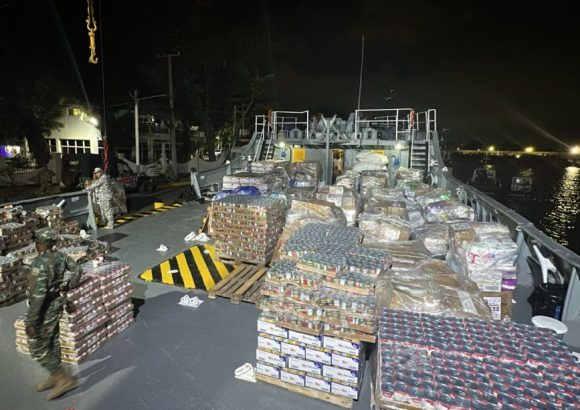
    The minister further highlighted extraordinary progress in combating drug trafficking, revealing that narcotics seizures have increased fivefold since 2019, reaching an impressive 48.3 metric tons in 2025. On economic matters, Raful emphasized the robust trade relationship with the United States, which surpassed $18.9 billion, complemented by substantial diaspora remittances exceeding $11.8 billion.

    Beyond bilateral relations, the forum facilitated crucial regional discussions. Minister Raful engaged in substantive dialogue with Puerto Rico Governor Jenniffer González Colón regarding Caribbean security modernization and coordinated crime prevention strategies. The minister also addressed the ongoing Haitian crisis, characterizing it as a hemispheric challenge demanding collective international response rather than isolated national solutions.

  • Dominican Republic improves in world happiness ranking and rises five positions in 2026

    Dominican Republic improves in world happiness ranking and rises five positions in 2026

    The Dominican Republic has demonstrated significant progress in national well-being, ascending five positions in the latest World Happiness Report from 69th to 64th place among 136 evaluated nations. This advancement coincides with global celebrations of the International Day of Happiness, highlighting the Caribbean nation’s improving quality of life metrics.

    The comprehensive report employs a multifaceted methodology that extends beyond subjective emotional states. Researchers analyze six critical indicators: GDP per capita, social support systems, healthy life expectancy, personal freedom in life choices, generosity within society, and perceptions of corruption. This data-driven approach provides an objective framework for comparing national well-being across diverse cultural contexts.

    Notably, Nordic nations continue to dominate the global happiness landscape. Finland maintains its top position for the seventh consecutive year, followed closely by Iceland and Denmark. Costa Rica emerged as the highest-ranking Latin American nation at an impressive fourth place, surpassing many wealthier European countries.

    The Dominican Republic joins several nations demonstrating remarkable happiness growth, including China, Mongolia, Philippines, Togo, Nicaragua and Vietnam. Meanwhile, the United States experienced minimal movement, advancing merely one position from 24th to 23rd place.

    Experts emphasize that sustainable national happiness stems from structural foundations and policy implementations rather than transient emotional states. The report underscores how institutional frameworks and governance quality directly influence citizen well-being. While the Dominican Republic’s progress indicates positive development in social and economic dimensions, analysts note continued challenges in maintaining this upward trajectory toward higher global rankings.