标签: Dominican Republic

多米尼加共和国

  • Dominican Republic among the best Caribbean countries for diving: here’s where to go

    Dominican Republic among the best Caribbean countries for diving: here’s where to go

    The Dominican Republic has solidified its position as a top-tier Caribbean destination for scuba diving enthusiasts, leveraging its unique geographical positioning between the Atlantic Ocean and Caribbean Sea. This strategic location provides exceptionally diverse marine environments that significantly enhance underwater exploration experiences.

    Over recent years, the nation has developed into a highly attractive hub for divers of all skill levels seeking to encounter vibrant coral reefs, exotic tropical fish species, historical shipwrecks, and even shark interaction opportunities in controlled environments. This broad spectrum of aquatic adventures has substantially elevated the country’s profile within the adventure tourism sector.

    International recognition recently came from tour operator Divers Team, which positioned the Dominican Republic ninth among ten preferred Caribbean diving locations. This ranking places the destination alongside established diving meccas including Colombia’s San Andrés, Mexico’s Cozumel, Belize’s Blue Hole, and Cuba’s Jardines de la Reina. The Dominican Republic distinguishes itself through particularly varied underwater ecosystems.

    The Professional Association of Diving Instructors (PADI), the global diving industry’s foremost certifying organization, explicitly endorses the Dominican Republic as an ideal diving location for novices, advanced practitioners, and underwater photographers. PADI’s official resources document frequent sightings of sea turtles, rays, moray eels, and reef sharks alongside brilliantly colored tropical fish species.

    Additional advantages include consistently warm water temperatures, exceptional visibility conditions, and easily accessible dive sites. The country’s underwater attractions encompass coral reef systems, submerged caverns, dramatic wall formations, and historically significant shipwrecks distributed across multiple regions with numerous dive locations.

  • Relatives of Justin De Los Santos are asking for help to find him after his disappearance in Verón.

    Relatives of Justin De Los Santos are asking for help to find him after his disappearance in Verón.

    Authorities and community members in the Dominican Republic have launched an extensive search operation for Justin De Los Santos Chalas, a 23-year-old construction painter who vanished under mysterious circumstances from the tourist district of Verón in Punta Cana. The young worker was last documented on December 11, 2025, at approximately 5:00 a.m. near his temporary residential area where he had been employed on local building projects.

    De Los Santos Chalas possesses distinctive physical characteristics that may aid in his identification: standing at an imposing 1.87 meters (approximately 6’1″) with a slender build, dark complexion, and notable dreadlock hairstyle. His disappearance has generated significant concern among both local residents and the expatriate community in the popular Caribbean tourist destination.

    Family representatives have expressed profound anxiety regarding his unexplained absence, noting that such behavior contradicts his established patterns of communication and work ethic. The National Police and missing persons organizations have been coordinating ground searches and reviewing surveillance footage from the vicinity where he was last observed.

    Investigators are appealing to both residents and visitors who might have been in the Verón area during the time of his disappearance to come forward with any potentially relevant information, however insignificant it might seem. Special hotlines have been established for tips regarding his whereabouts: 809-299-6352 and 809-474-4365.

    The case highlights the vulnerabilities faced by migrant workers in tourist economies and has sparked broader conversations about safety protocols for temporary workers in the Caribbean’s hospitality and construction industries.

  • Holidays 2026: These are the long weekends this year

    Holidays 2026: These are the long weekends this year

    The Dominican Republic’s Ministry of Labor has officially released the 2026 holiday calendar, implementing the nation’s unique holiday rescheduling system established by Law 139-97. This longstanding legislation allows for the strategic movement of midweek holidays to Mondays, creating extended weekends throughout the year.

    According to the published schedule, Dominican workers can anticipate seven extended holiday weekends during 2026. The system operates on the principle that when a holiday falls on Tuesday, Wednesday, Thursday, or Friday, it is automatically relocated to the preceding Monday, effectively creating three-day weekends. This approach applies regardless of whether the original holiday date falls on a Friday, with the weekend extending through Sunday.

    The 2026 holiday calendar begins with Three Kings’ Day, originally falling on Tuesday, January 6th but officially moved to Monday, January 5th. This creates the first extended weekend starting at noon on Saturday, January 3rd through Monday, January 5th.

    Subsequent extended weekends include:
    – January 24th-26th: Celebrating Juan Pablo Duarte’s birthday
    – February 27th-29th: National Independence Day observances
    – April 3rd-5th: Holy Week holidays (Good Friday observance)
    – May 2nd-4th: Labor Day celebrations (moved from first Friday of May)
    – November 7th-9th: Constitution Day observances
    – December 25th-27th: Christmas celebrations

    Additionally, 2026 features five fixed-date holidays that maintain their original scheduling: New Year’s Day (January 1), Our Lady of Altagracia Day (January 21), Corpus Christi Day (June 4), Restoration Day (August 16), and Our Lady of Mercy Day (September 24). This brings the total number of official holidays for 2026 to twelve, with seven offering extended weekend opportunities for Dominican workers and families.

  • Child under 12 years old reported missing in La Vega located

    Child under 12 years old reported missing in La Vega located

    Authorities in the Dominican Republic have successfully resolved a missing child case that garnered significant attention through digital channels. The National Police confirmed the safe recovery of a 12-year-old male minor in La Vega province after an intensive search operation triggered by social media alerts.

    The incident unfolded when educational staff at the boy’s school notified his mother of his unexplained absence from classes on Thursday, January 8. Despite having left his residence to attend the nearby learning institution, the child never arrived at the facility, prompting immediate concern.

    Law enforcement agencies sprang into action following digital dissemination of the missing person alert. Investigators from the Regional Investigation Subdirectorate (Dicrim) mobilized resources to trace the minor’s whereabouts through systematic investigative protocols.

    The case reached its positive conclusion when police verification confirmed the child had voluntarily traveled to Santiago province to stay with relatives, reportedly due to personal circumstances. The mother subsequently traveled to the location and safely retrieved her son without incident.

    Official statements from the National Police emphasized that the minor remained in good health throughout the episode and suffered no compromise to his physical wellbeing. With the child now under parental supervision, authorities have formally closed the investigation, noting no criminal elements were involved in the occurrence.

  • Without a trace or goodbyes: The heartbreaking disappearances of children in the country

    Without a trace or goodbyes: The heartbreaking disappearances of children in the country

    Santo Domingo — A silent crisis is gripping the Dominican Republic as families across the nation endure the unimaginable agony of missing children. The desperate plea—’Has anyone seen my child?’—echoes through communities where youngsters have vanished from everyday settings: school routes, family gatherings, and their own homes.

    This investigative report documents several heartbreaking cases that highlight systemic challenges in child protection and criminal investigations. The recent disappearance of three-year-old Brianna Genao Gonzalez during New Year’s Eve celebrations in Puerto Plata has triggered massive search operations involving specialized units from the Public Prosecutor’s Office, National Police, SWAT teams, and canine units. Despite confessions from two suspects regarding sexual assault and murder, Brianna’s whereabouts remain unknown.

    The pattern repeats across the country: Two-year-old Isaías Deversió was found deceased after vanishing from El Seibo province; Roldany Calderón, aged three, disappeared without trace from Jarabacoa 284 days ago; and nine-year-old Liz María Sánchez was allegedly murdered with her body never recovered despite a conviction.

    Particularly vulnerable cases include Abraham Baez Carrion, a non-verbal autistic child missing since 2017, and Yodalis Luciano, who vanished in 2015 while living with sickle cell disease. The tragedy extends to pregnant sixteen-year-old Emely Peguero, whose brutal murder revealed systemic violence against young women.

    These cases represent just a fraction of the unresolved disappearances that have left families in perpetual anguish and exposed critical gaps in child protection mechanisms, investigative protocols, and judicial follow-through. While authorities occasionally achieve breakthroughs, most families continue waiting for answers that may never come.

  • Due to pressure? Brianna Genao’s maternal grandmother’s lawyer withdraws from the case

    Due to pressure? Brianna Genao’s maternal grandmother’s lawyer withdraws from the case

    The investigation into the disappearance of three-year-old Brianna Genao in Puerto Plata has taken a dramatic turn with the resignation of the family’s legal representative. Santos Willy Liriano, attorney for the maternal grandmother of the missing girl, has withdrawn from the defense team citing overwhelming pressures he “cannot withstand,” according to sources close to the proceedings.

    The development comes amid controversial claims previously made by Liriano on a radio program, where he alleged that the girl’s uncles, Rafael and Reyes Núñez, had confessed to the crime under duress from National Police agents. These statements have created significant complications in the already complex case.

    Judicial authorities have indicated that the Prosecutor’s Office will refrain from seeking coercive measures against the accused parties until the National Police conclude their ongoing investigation. This decision adds another layer of uncertainty to proceedings that legal experts describe as shrouded in “a strong fog” of contradictions and evidentiary challenges.

    The case has captured national attention in the Dominican Republic, with the young girl’s disappearance from the Barreto area of Imbert remaining unresolved after eight days of intensive search efforts. The uncles’ inconsistent statements and the absence of an official position from the Attorney General’s Office have further complicated public understanding of the investigation.

    Legal analysts note that the attorney’s resignation underscores the intense scrutiny and pressure surrounding high-profile missing persons cases in the country, particularly those involving vulnerable children and allegations of judicial misconduct.

  • Abuse “They didn’t take care of her”

    Abuse “They didn’t take care of her”

    A recent horrific case involving three-year-old Brianna Genao González has shocked Puerto Plata and drawn national attention to the escalating crisis of sexual violence against minors. The child fell victim to kidnapping, sexual assault, and murder at the hands of her maternal uncles, highlighting the disturbing reality that perpetrators often operate within family circles.

    According to the latest National Survey of Sexual Assaults Against Women (Cipaf 2024), sexual violence against girls and adolescents under 19 has reached alarming proportions. The data reveals a 53.8% surge in cases among those aged 10-19, escalating from 13 incidents between 2013-2019 to 20 in 2022 alone. Similarly troubling trends have emerged among younger children aged 5-9.

    Social media responses to the Puerto Plata tragedy have followed a troubling pattern of blaming mothers and female caregivers, effectively diverting accountability from the male perpetrators who commit these atrocities. This response mechanism obscures the central issue: sexual predators exploiting trusted familial relationships to prey on vulnerable children.

    The societal discourse surrounding sexual assault prevention remains disproportionately focused on ‘stranger danger,’ while ignoring the more prevalent threat posed by family members. This oversight perpetuates a culture where abuse becomes invisibilized and culturally legitimized through historical normalization, typically emerging only through extreme cases that become public scandals.

    Addressing this epidemic requires comprehensive societal transformation. Experts emphasize the necessity of reshaping male behavioral patterns and challenging perceptions of women as sexual objects. Fundamental to this effort is establishing respect for female bodily autonomy as a core societal value, requiring coordinated efforts between state institutions and all community sectors to implement effective prevention and education strategies.

  • Floating Bridge to be closed Saturday for vessel passage

    Floating Bridge to be closed Saturday for vessel passage

    The Dominican Republic’s Ministry of Public Works and Communications (MOPC) has issued a public advisory regarding the temporary suspension of vehicular transit across the Ozama River Floating Bridge. This scheduled interruption will occur on Saturday, January 10, precisely between the hours of 10:00 a.m. and 12:00 p.m.

    The closure is necessitated to facilitate the safe passage of three commercial vessels navigating the river channel. Maritime traffic operations will include two ships traveling upstream for docking at the M&D Repair shipyard facility, accompanied by the downstream movement of the Hygrade 42 barge.

    In light of this temporary disruption, transportation authorities have proactively recommended that motorists who typically utilize this crossing consider alternative routing strategies. Officials specifically designated the Matías Ramón Mella, Juan Pablo Duarte, and Juan Bosch bridges as viable detour options to maintain regional connectivity.

    The MOPC emphasized that this advance notification is part of a comprehensive effort to mitigate potential traffic inconveniences and optimize urban mobility management. The ministry further reaffirmed its institutional dedication to preserving safe, orderly, and efficient transportation infrastructure for all citizens.

  • Santo Domingo Metro Line 1 to suspend night service for maintenance

    Santo Domingo Metro Line 1 to suspend night service for maintenance

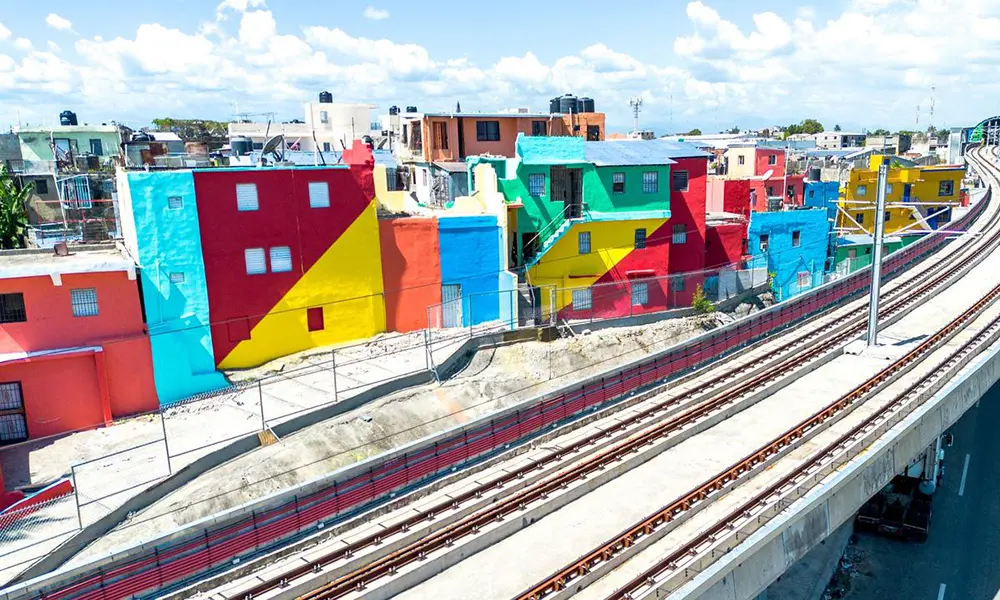
    The Office for the Reorganization of Transportation (OPRET) has unveiled a comprehensive nighttime maintenance initiative for Santo Domingo’s Metro Line 1, scheduled from January 10 through January 25. This carefully orchestrated operational pause will affect the critical segment connecting Gregorio Urbano Gilbert and Mamá Tingó stations, with services suspended daily from 8:00 p.m. onward throughout the sixteen-night period.

    In a proactive measure to ensure seamless urban mobility, transportation authorities have coordinated with the Metropolitan Office of Bus Services (OMSA) to deploy complimentary bus services along the affected route. This complementary transportation solution will operate during the maintenance window, providing uninterrupted connectivity for the metro’s regular commuters.

    The extensive maintenance protocol involves specialized technical crews working in coordinated eight-hour shifts during overnight hours. This strategic timing minimizes disruption to the metro’s daily ridership while allowing engineers to perform essential system upgrades and safety inspections. OPRET emphasizes that these scheduled interventions represent standard preventive measures crucial for maintaining operational excellence and passenger safety standards.

    Transportation officials have expressed appreciation for public understanding regarding temporary inconveniences, encouraging passengers to adjust travel plans accordingly during the maintenance period. The initiative reflects OPRET’s ongoing commitment to infrastructure reliability and service quality within the Dominican Republic’s capital transit network.

  • Contractors urge Congress to settled decades-old state debts for public works

    Contractors urge Congress to settled decades-old state debts for public works

    SANTO DOMINGO – In a significant development addressing historical financial grievances, over 100 small and medium-sized engineering and construction contractors convened at the National Congress this week. Their mission: to urgently appeal for the settlement of outstanding state obligations for public works projects, some of which were completed as far back as the 1990s.

    The delegation, comprising predominantly members of the Dominican College of Engineers, Architects and Surveyors (CODIA), is championing a groundbreaking legislative initiative. This proposal seeks to establish an exceptional legal framework, empowering the Ministry of Finance and Economy to finally disburse payments that the state has officially acknowledged but failed to deliver due to protracted bureaucratic entanglements.

    During an extensive session exceeding two hours, the Senate’s Permanent Commission on Public Works heard compelling testimonies from more than 30 contractors. They elaborated on the severe technical, financial, and personal ramifications these delayed payments have inflicted upon their enterprises and family lives. The completed projects in dispute encompass essential community infrastructure—including road networks, educational facilities, and water supply systems—all operational and received by the state, often constructed under emergency directives or official requests yet never formally processed for compensation.

    The human toll of this protracted delay was starkly highlighted, with contractors revealing that more than 20 engineers have passed away without ever receiving payment for their contributions, thereby transferring these unresolved financial claims to their heirs. Following a thorough review of the compelling arguments presented, the Public Works Commission issued a favorable report endorsing the initiative, originally proposed by Duarte province Senator Franklin Romero. Advocates underscored that the legislative measure prioritizes transparency and legal certainty through meticulous case-by-case audits, aiming to resolve a perennial historical liability and deliver long-awaited justice to professionals who have endured decades of financial limbo.