标签: Dominican Republic

多米尼加共和国

  • Dominican ophthalmologists warn of eye risks from Saharan dust

    Dominican ophthalmologists warn of eye risks from Saharan dust

    Residents of the Dominican Republic are now facing a little-discussed environmental health hazard tied to transcontinental atmospheric patterns, as the nation’s top ophthalmology body has issued a urgent public warning about the damaging impacts of Saharan dust intrusions on visual and ocular wellness.

    Each year, massive plumes of fine mineral dust lifted from the Sahara Desert in Northern Africa travel thousands of miles across the Atlantic Ocean to settle over the Caribbean, including the Dominican Republic. When concentrations of these tiny airborne particles spike, they create far more than just hazy skies—they pose direct risks to eye health that many people fail to anticipate, according to the Dominican Society of Ophthalmology.

    The organization has outlined a wide range of uncomfortable and potentially disruptive symptoms that can develop after exposure to high levels of Saharan dust. The most frequently reported issues include persistent eye irritation, a constant scratchy sensation like grit trapped under the eyelid, unexplained blurred vision, intense itching, abnormal dryness, and unusual discharge from the eye. Beyond these acute discomforts, the dust intrusion can also trigger serious flare-ups for people already living with chronic ocular conditions. Pre-existing issues such as allergic conjunctivitis and chronic dry eye syndrome often see dramatic worsening, with sharp increases in inflammation, persistent redness, and heightened vision-related discomfort that can interfere with daily activities.

    To help the public protect their ocular health during periods of elevated Saharan dust concentration, ophthalmology specialists have shared a set of clear, actionable preventive guidelines. First, they recommend cutting down on unnecessary time spent outdoors when dust levels are high, to reduce overall exposure to the harmful particles. If residents do need to go outside, they are advised to wear wraparound protective sunglasses that create a physical barrier to keep dust from reaching the eye surface. A critical safety reminder the organization emphasizes is to avoid rubbing the eyes even when irritation occurs, since rubbing can scratch the cornea or push more dust deeper into the eye tissue and worsen inflammation. For managing mild discomfort, specialists suggest using lubricating artificial tear eye drops that do not contain vasoconstrictors—ingredients often added to redness-reducing drops that can actually exacerbate dryness and irritation with long-term use.

    The society also stressed that knowing when to seek professional medical care is a key part of protecting long-term eye health. If symptoms such as persistent itching, ongoing redness, abnormal discharge, constant eye fatigue, or measurable reduced vision do not improve after a short period of treatment with over-the-counter lubricating drops, patients should schedule an appointment with an ophthalmologist immediately to avoid potential long-term damage.


  • Public Health reports significant decline in disease incidence

    Public Health reports significant decline in disease incidence

    Santo Domingo – The Dominican Republic has held steady, effective epidemiological control across the first 20 weeks of 2026, with public health authorities announcing unprecedented declines in multiple high-priority infectious diseases. The progress is credited to targeted prevention and widespread surveillance systems rolled out across every region of the country, according to an official announcement from the nation’s Ministry of Public Health.

    Local health directorates at both the provincial and area level have led on-the-ground initiatives to curb the spread of diseases tracked under special public health monitoring. Key interventions include systematic elimination of mosquito breeding grounds, proactive door-to-door active case detection, community-led public health outreach, and sustained vector control programs, all of which have combined to drive continued downward trends in infection rates. To catch potential outbreaks early, health officials maintain constant, real-time oversight through the country’s National Epidemiological Surveillance System (SINAVE), which is designed to flag unusual infection clusters and trigger rapid response to protect community health.

    Breaking down the latest epidemiological data, the Ministry reported just 10 new confirmed dengue cases in the most recent reporting week. That brings the total cumulative count for the year to 111 cases, a fraction of the volume recorded in previous years. Nationwide, cholera has maintained a streak of zero confirmed infections for the period under review.

    For malaria, four new cases were documented in the southwestern province of San Juan, but health authorities emphasize the limited outbreak is fully contained and under control. The national cumulative total for 2026 currently stands at 83 cases, marking a dramatic 84% drop from the 511 cases recorded in the same 20-week window in 2025.

    Two additional cases of leptospirosis were reported in the surrounding province of Santo Domingo, pushing the year-to-date total to 149 cases. Public health officials note that the majority of this year’s leptospirosis cases are linked to unusual climatic conditions that have created favorable environments for the bacteria to spread, though overall case counts remain far lower than historical averages.

  • Dominican Republic and Belgium hold first Bilateral Political Consultations Meeting

    Dominican Republic and Belgium hold first Bilateral Political Consultations Meeting

    BRUSSELS, Belgium — More than 130 years after establishing formal diplomatic ties, the Dominican Republic and the Kingdom of Belgium have marked a defining milestone in their cross-Atlantic relationship: their first-ever Bilateral Political Consultations Meeting. Held at Brussels’ iconic Egmont Palace, the high-level gathering aligned with a series of cultural and diplomatic events, including the launch of the first Dominican Week across Belgium and the Netherlands, creating a dynamic backdrop for deepening bilateral engagement.

    Senior diplomatic and government delegations from both nations converged at the talks, where leaders structured conversations around advancing partnership across a diverse slate of priority sectors. Discussions spanned political coordination, expanded bilateral trade opportunities, sustainable agribusiness development, expanded academic collaboration between higher education institutions, and inclusive economic growth strategies. Beyond bilateral priorities, the two sides also held constructive exchanges on pressing regional and global multilateral issues, reaffirming their shared belief that open dialogue is the foundation for solving cross-border challenges.

    Security cooperation emerged as a central focus of the consultations, with both delegations highlighting tangible progress in ongoing negotiations covering three key areas: joint police training and information sharing, maritime security to counter transnational organized crime, and streamlined customs cooperation to facilitate legitimate trade while boosting border security. Participants also spotlighted a landmark agreement already in motion: the memorandum of understanding signed between the Dominican National Police and Belgian Federal Police back in April 2026, which lays the groundwork for direct operational cooperation between the two nations’ law enforcement agencies.

    As the consultations drew to a close, official representatives from both the Dominican Republic and Belgium issued statements voicing unanimous satisfaction with the meeting’s outcomes. Both sides reaffirmed their long-term commitment to expanding and strengthening bilateral ties, anchored in shared democratic values, respect for international law, and unwavering support for a rules-based multilateral global order. The landmark meeting sets the stage for more targeted, impactful collaboration between the two nations in the years ahead, turning a decades-long diplomatic relationship into a dynamic modern partnership.

  • Why concerns over forced labor could affect Dominican Republic exports

    Why concerns over forced labor could affect Dominican Republic exports

    The Caribbean nation of the Dominican Republic has been drawn into growing U.S. trade oversight, after the Office of the United States Trade Representative added it to a high-stakes probe evaluating if global trading partners are adequately cracking down on forced labor in cross-border supply chains. This inquiry carries tangible risks: nations found lacking in their labor regulation enforcement could face punitive additional tariffs on their goods exported to the United States, a outcome that has sparked widespread anxiety across the Dominican Republic’s export-focused commercial ecosystem. The stakes of this review cannot be overstated given the United States’ long-standing role as the Dominican Republic’s largest single trading partner. Provisional trade data for 2025 shows the country hit a new export milestone, shipping out a total of $14.6 billion in goods. Nearly half of that total – $7.1 billion, equal to 48.6% of all exports – was bound for U.S. consumers and businesses. The potential economic impact is even more pronounced for the Dominican Republic’s network of free trade zones, which alone contributed more than $6.3 billion in U.S.-bound exports last year. These zones are a foundational pillar of the country’s economy, driving widespread job creation, attracting critical foreign direct investment, and fueling consistent national economic growth. Should U.S. authorities ultimately enforce tariffs aligned with the penalties proposed for other nations currently under review, Dominican exporters could see hundreds of millions of dollars in extra annual operating costs. Key export sectors that would bear the brunt of these new costs include medical device manufacturing, pharmaceutical production, electronics assembly, textile and apparel production, and tobacco product exports. Yet for all the near-term risks the investigation creates, it also opens unexpected strategic opportunities for the Dominican Republic. The same probe that threatens tariffs on the Caribbean nation could also lead to new tariffs on major Asian manufacturing competitors, a shift that would accelerate the growing nearshoring trend that has seen U.S. companies move production closer to the North American mainland. With its prime geographic location adjacent to North America, preferential trade access under the Dominican Republic-Central America Free Trade Agreement (DR-CAFTA), and a mature, well-developed free trade zone infrastructure, the Dominican Republic is uniquely positioned to capture new manufacturing investment and operations from companies looking to reduce their reliance on Asian supply chains. U.S. officials have confirmed the investigation is on track to reach a final conclusion within the coming weeks. As the outcome nears, labor compliance standards and end-to-end supply chain traceability have become make-or-break factors for Dominican exporters seeking to retain unobstructed access to the lucrative U.S. market.

  • Dominican mango exports set to reach 10 million boxes this year

    Dominican mango exports set to reach 10 million boxes this year

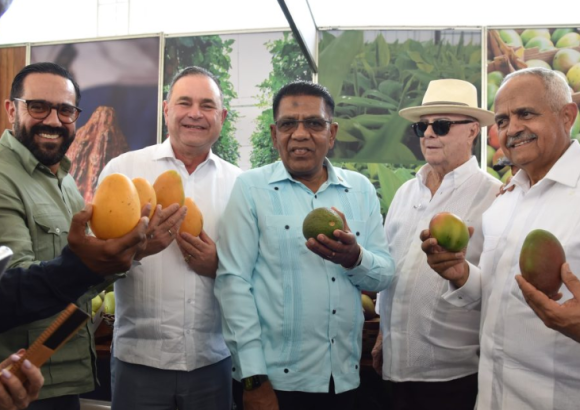
    BANÍ, Dominican Republic — The Dominican Republic’s mango export industry, one of the nation’s most valuable agricultural sectors, is poised for substantial expansion, with a projected target of nearly 10 million export boxes by 2026, according to the country’s Minister of Agriculture Francisco Oliverio Espaillat. Espaillat shared the ambitious growth forecast during the opening ceremony of the annual Expo Mango 2026, held in Baní, the nation’s newly designated Mango Capital. The minister attributed the sector’s consistent upward trajectory to the collaborative effort of independent producers, targeted government investment, widespread adoption of new agricultural technologies, and ongoing industry-wide modernization projects. Beyond its direct financial contribution, Espaillat emphasized that the mango industry delivers far-reaching benefits to the Dominican economy: it brings in critical foreign exchange, creates tens of thousands of stable jobs across the supply chain, revitalizes rural communities by supporting local livelihoods, and fuels broad-based national economic development. Senior industry officials have noted that Dominican mangoes have earned growing global acclaim in recent years, evolving from a regional commodity to a globally recognized symbol of Dominican agricultural excellence and a strong national brand in competitive international fresh produce markets. Event organizers released updated 2025 industry data confirming the sector’s rapid expansion: the country now boasts more than 150,000 acres dedicated to mango cultivation, supports over 2,100 active producers, and saw total exports exceed 34 million kilograms in 2025. Industry leaders also highlighted untapped growth opportunities in key high-demand markets, most notably the United States. These opportunities have been unlocked by targeted investments in modern processing facilities and upgraded export infrastructure, which have reduced supply chain bottlenecks and improved product quality for international consumers. Expo Mango 2026 serves as a central gathering place for producers, exporters, private sector business leaders, and government policymakers to highlight the industry’s recent achievements and map out strategies for future growth. The event also aligns with Baní’s ongoing efforts to cement its status as the heart of the Dominican mango industry, following recent national legislation that officially named the city the Dominican Republic’s Mango Capital.

  • Abinader calls for water and sanitation to become a regional priority

    Abinader calls for water and sanitation to become a regional priority

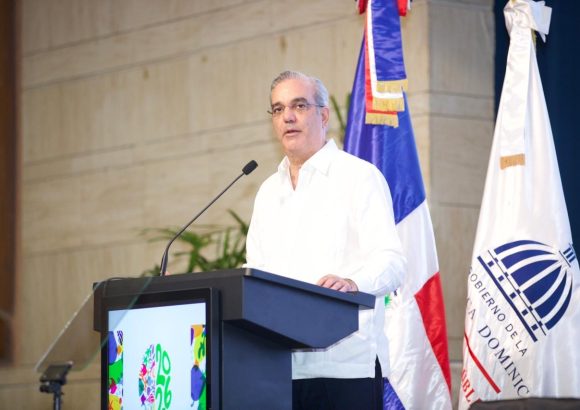
    PUNTA CANA, Dominican Republic – At the opening of the Latinosan 2026 conference hosted in this major Caribbean coastal tourism hub, Dominican Republic President Luis Abinader has issued a urgent call to governments across Latin America and the Caribbean to elevate water and sanitation infrastructure to the top of their national development agendas. In his keynote address, the president emphasized that basic sanitation can no longer be sidelined as a low-priority secondary concern, pointing to its far-reaching direct impacts on public health outcomes, long-term environmental sustainability, inclusive economic growth, and community-level climate resilience.

    Abinader underlined that equitable access to clean drinking water and well-functioning sanitation systems is a non-negotiable foundation for advancing key regional goals. From narrowing systemic social and economic inequality to preserving fragile natural ecosystems, from strengthening the competitiveness of the tourism sector that drives many regional economies to lifting overall quality of life for all populations, the president noted that these core services underpin nearly every dimension of sustainable progress. He made clear that universal, reliable access to high-quality water and sanitation is not a secondary outcome of development, but a prerequisite for achieving meaningful, long-lasting sustainable growth across the region.

    Turning to his own country’s ongoing efforts, Abinader highlighted the Dominican Republic’s sustained, large-scale investments in expanding modern water and wastewater infrastructure across the nation. A flagship example he cited is the Verón-Punta Cana Water and Sewerage Project, a major initiative that is on track to deliver improved services to more than one million people once fully completed. This project is a core component of the national government’s broader Universal Sanitation Program for Coastal and Tourist Cities, a strategic framework crafted to protect vulnerable freshwater reserves, anchor the growth of sustainable tourism, and guide orderly, sustainable urban expansion in the Punta Cana region – one of the Dominican Republic’s most economically vital areas.

    The president added that the Dominican Republic is currently undergoing a historic, once-in-a-generation transformation of its national water sector. This shift is being driven by record levels of public investment, targeted reforms to strengthen institutional governance of water resources, and long-term strategic planning that aligns infrastructure projects with climate and development goals. During the conference, Wellington Arnaud, the leader of the country’s water governance institute, detailed that the national government is rolling out one of the most ambitious water and sanitation investment portfolios in the entire Latin American and Caribbean region. This pipeline includes a series of major projects developed in partnership with the Inter-American Development Bank, with total combined investment valued at nearly US$1 billion.

    Government officials outlined the tangible outcomes these investments will deliver for the Dominican people: expanded access to safe drinking water for underserved communities, increased national wastewater treatment capacity to reduce pollution, enhanced protection for more than 200 kilometers of ecologically and economically critical coastline, and direct improved quality of life for more than one million residents across the country. Beyond national progress, the Latinosan 2026 conference also spotlighted the Dominican Republic’s growing leadership role in regional water management, sustainable sanitation, and equitable development, framing the country as an innovative regional model for advancing public health and environmental protection through targeted, large-scale infrastructure investment.

  • ProDominicana to honor top foreign investors at Americas Investment Forum 2026

    ProDominicana to honor top foreign investors at Americas Investment Forum 2026

    The Dominican Republic is set to shine a spotlight on standout contributors to its economic growth and foreign direct investment at a major upcoming regional event. The country’s official investment promotion agency, ProDominicana, has announced that it will host a special awards recognition as a core part of the 2026 Americas Investment Forum, scheduled to take place on July 1 at Santo Domingo’s JW Marriott Hotel.

    This new awards initiative is designed to honor companies that have delivered meaningful, measurable progress across multiple priority areas that underpin long-term national development. Honorees will be selected based on their contributions to job creation, cross-sector innovation, global knowledge transfer, sustainable business practices, and overall investment expansion. The recognition will cover contributions across all of the Dominican Republic’s key high-growth economic sectors, from tourism and traditional agribusiness to energy infrastructure, medical device manufacturing, construction, retail and commercial services, and financial services.

    Per ProDominicana’s official announcement, the awards program serves two core strategic goals: first, to highlight the transformative positive impact that foreign direct investment has already had on the Dominican economy, and second, to cement the nation’s standing as one of the most attractive destinations for international capital in the Latin American and Caribbean region.

    Biviana Riveiro Disla, leader of ProDominicana, noted that the awards ceremony will act as a high-profile platform to showcase the Dominican Republic’s competitive advantages for global investors. She emphasized that the event underscores the national government and investment community’s shared commitment to upholding a welcoming, business-friendly investment climate and advancing inclusive, sustainable economic growth that benefits all segments of Dominican society. Beyond celebrating past successes, the recognition event also aims to strengthen confidence among current investors and lay the groundwork for new cross-border business partnerships.

    The 2026 Americas Investment Forum itself has grown into one of the most prominent annual investment gatherings in the Western Hemisphere. This year’s iteration is projected to draw more than 50 expert speakers representing more than 25 nations across the globe, including high-level delegates from major economic powers such as the United States, China, the United Arab Emirates, Spain, the United Kingdom, Mexico, Switzerland, and Colombia. The forum brings together a diverse cross-section of stakeholders: active global investors, C-suite business leaders, senior government economic officials, and leaders of major international development and trade organizations. Over the course of the event, participants will collaborate to map emerging investment trends, unpack regional economic shifts, and unlock new collaborative opportunities across the Americas.

  • Jarabacoa Flower Festival celebrates 15 years, attracting thousands of visitors

    Jarabacoa Flower Festival celebrates 15 years, attracting thousands of visitors

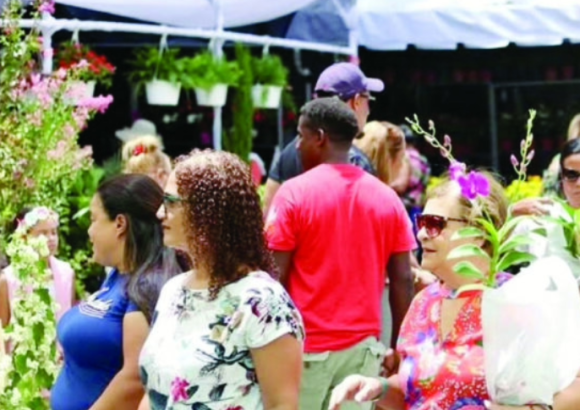
    Nestled in the misty mountain highlands of the Dominican Republic, the picturesque town of Jarabacoa is playing host to the 15th annual edition of its beloved Flower Festival, a landmark event that has already drawn thousands of tourists from across the Dominican Republic and beyond. Running through June 7, this multi-day celebration has solidified its standing as one of the Caribbean nation’s most anticipated cultural and ecotourism gatherings, blending natural splendor, local heritage, and cross-border collaboration into one immersive experience.

    This year’s program is crafted to highlight every facet of Jarabacoa’s unique regional identity, spanning vibrant flower and native plant exhibitions that showcase the area’s rich biodiversity, lively traditional cultural performances that bring centuries-old local customs to life, curated displays of handcrafted goods made by regional artisans, and headline musical concerts featuring some of the Dominican Republic’s most iconic artists, including Sergio Vargas, Fefita La Grande, and Fernando Villalona. Beyond artistic and cultural programming, festival organizers have also honored standout community contributors: Amberly Morales Rodríguez was crowned the festival’s official queen, while new ambassadors focused on advancing culture, environmental stewardship, and social equity were formally recognized for their work.

    One of the most notable additions to this year’s lineup is the participation of Colombia’s world-famous Medellín Flower Fair as the event’s invited guest festival. This collaborative pairing does more than add new layers of floral artistry to the celebration; it also deepens cultural and tourism connections between the two Latin American nations, opening new doors for future cross-regional exchange in creative and tourism sectors.

    Local government leaders and tourism officials emphasize that the festival delivers far more than cultural enjoyment: it acts as a consistent engine of economic growth for the Jarabacoa region, generating tangible revenue for small local businesses, from family-owned restaurants to independent craft vendors, while elevating the town’s profile as a top global destination for nature-based tourism and outdoor recreation. What began as a small community gathering has evolved into a vital platform for sharing Jarabacoa’s distinct cultural and natural identity with the world, drawing new visitors and laying the groundwork for long-term sustainable growth in the region’s tourism sector.

  • Heavy rain threat prompts green alert in eight areas across Dominican Republic

    Heavy rain threat prompts green alert in eight areas across Dominican Republic

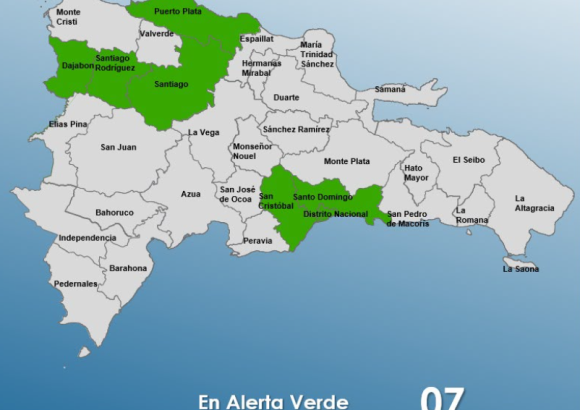
    Residents of the Dominican Republic are facing an extended period of heightened weather risk, as the country’s Emergency Operations Center (COE) has opted to prolong a green weather alert covering seven provinces and the National District. The extended warning comes as a complex combination of atmospheric conditions — a low-pressure trough, residual moisture from a tropical wave, and localized environmental factors — conspire to raise the chance of disruptive extreme weather across multiple parts of the island nation.

    The jurisdictions placed under the continued green alert include Santiago Rodríguez, Puerto Plata, Santiago, Dajabón, San Cristóbal, Santo Domingo, and the National District, which hosts the country’s capital. Forecasters from the Dominican Institute of Meteorology note that the combined weather system will drive moderate to locally intense rainfall across wide swathes of the country, with the highest concentration of showers expected along the Caribbean coastline, the northern and northwestern inland regions, the Central Mountain Range, and areas along the country’s border with Haiti.

    While only seven provinces and the National District carry the formal green alert, emergency officials are also cautioning that a number of neighboring regions could see just as much heavy precipitation. These additional at-risk areas include La Altagracia, San Pedro de Macorís, Monte Plata, Barahona, La Vega, Espaillat, Valverde, and Monseñor Nouel.

    In line with the extended alert, COE has rolled out clear precautionary guidance for the public. The agency has specifically urged residents living in low-lying, vulnerable zones near rivers, streams, and steep ravines to prepare for the potential of widespread flooding and fast-moving flash floods. To reduce preventable risk, officials have also advised the public to avoid attempting to cross swollen creeks or rivers, and to steer clear of recreational sites located within the alert zones.

    Juan Manuel Méndez García, a representative of COE, emphasized that emergency management teams will continue closely tracking the evolving weather system. He called on all Dominican citizens to stay up to date on official weather forecasts and follow all guidance issued by emergency response authorities to keep themselves and their families safe throughout the event.

  • Dominican business sector responds to U.S. forced labor investigation

    Dominican business sector responds to U.S. forced labor investigation

    In Santo Domingo, the Dominican Republic’s leading business advocacy group, the National Council of Private Enterprise (CONEP), has publicly thrown its weight behind the national government’s handling of a wide-ranging labor practices investigation launched by the Office of the United States Trade Representative (USTR). The probe, which centers on compliance with labor standards across global supply chains, has placed the Dominican Republic under heightened trade scrutiny, but CONEP has moved quickly to reinforce the country’s longstanding dedication to upholding internationally recognized labor rights and trade norms.

    CONEP emphasized in its official statement that the USTR review is not targeted solely at the Dominican Republic. Instead, the inquiry forms part of a broader, global effort by U.S. trade authorities that covers more than 60 nations across multiple regions. The business organization clarified that the initiation of the investigation does not amount to a formal accusation of wrongdoing against the Dominican Republic, and pointed to the constructive ongoing dialogue between Dominican government agencies, local productive sectors, and U.S. trade officials as a positive step toward addressing any potential concerns raised during the review process.

    According to CONEP, Dominican federal authorities have maintained consistent, open lines of communication with their U.S. counterparts throughout the process. The national government has also partnered closely with the country’s private sector to compile and submit detailed data and documentation, designed to give USTR investigators a full and accurate picture of labor regulations and practices across the Dominican Republic’s export-focused supply chains. The organization reaffirmed that private industry stands ready to continue full collaboration with domestic authorities and U.S. investigators, and expressed cautious confidence that ongoing technical discussions will ultimately confirm the Dominican Republic’s full compliance with all binding labor and trade obligations.

    The CONEP statement comes in direct response to the Dominican Republic’s recent inclusion in the USTR probe, which is being carried out under Section 301 of the U.S. Trade Act of 1974. The investigation focuses on alleged gaps in national efforts to eliminate forced labor from global supply chains connected to U.S. imports. If deficiencies are found, the U.S. government could implement punitive additional tariffs on goods imported from countries that fail to address the identified issues. As of the CONEP statement, no sanctions or trade restrictions have been imposed against the Dominican Republic, but the inquiry marks a new period of enhanced trade scrutiny for the Caribbean nation, coming as the U.S. ramps up its policy focus on labor rights, supply chain transparency, and national economic security.