标签: Dominican Republic

多米尼加共和国

  • Experts warn of a lack of awareness about lightning safety

    Experts warn of a lack of awareness about lightning safety

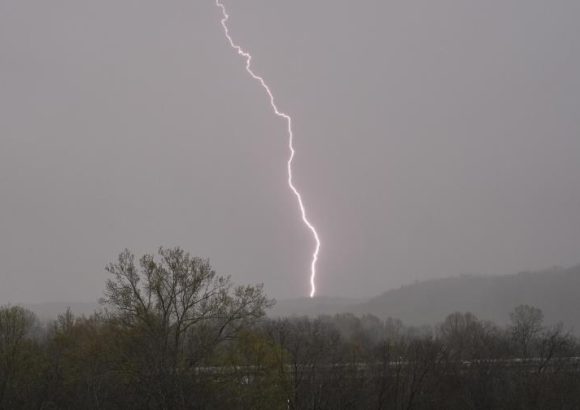
    Each year across the globe, thunderstorms claim human lives, destroy residential properties, disrupt critical public services and trigger billions in cumulative economic losses. Yet according to regional lightning protection specialists, the vast majority of these tragedies and damages are entirely preventable – if communities prioritize public education, enforce internationally recognized safety standards and close gaps in systemic preparedness. At a recent international seminar focused on lightning protection best practices, three electrical engineers affiliated with the US-based Latin American Association for Lightning Protection Education sounded the alarm on systemic underpreparation, particularly in the Dominican Republic, where the threat of lightning remains widely underestimated by the public and regulatory bodies alike.

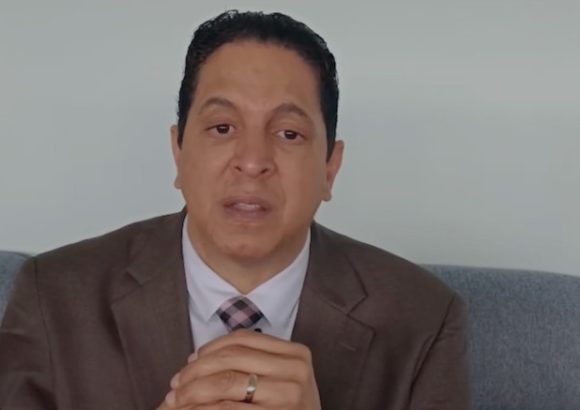
    Speaking to attendees at the “Theoretical and practical foundations of lightning protection” event, José González, Lizardo López and Jorge Noé outlined the key gaps that put Dominican residents at unnecessary risk. First, they noted, a large share of public and private buildings across the country lack properly engineered lightning protection systems that meet global safety benchmarks. Even when protection systems are installed, many fail to meet standards because they are designed and fitted by workers without sufficient technical training, who often use unregulated commercial devices with no proven effectiveness. The experts explicitly debunked widespread marketing claims for products advertised as being able to “dissipate” or “cancel” lightning strikes, emphasizing no existing technology can eliminate the natural risk, only mitigate its impact.

    International standards such as the U.S. NFPA 780, IEC 62305, and LPI 175 already outline clear, tested criteria for the design, placement and specifications of effective protection systems, the specialists noted, but these rules are rarely enforced consistently across the Dominican Republic. López, one of the association’s members, explained that being outdoors during an active thunderstorm is the deadliest behavior, as risk does not only come from a direct strike. The phenomenon of step voltage, he noted, can create lethal high voltage waves in the ground even from a lightning strike that lands a full kilometer away. Contrary to another common misconception, Jorge Noé added, damage and risk extend far beyond the direct point of impact, with dangerous surges capable of affecting any location within a five-kilometer radius of a strike – a fact that most of the public and many regional authorities do not understand.

    When thunderstorms do form, the core protective action is simple: seek shelter in a solid enclosed building immediately, and avoid the dangerous habit of lingering outdoors to watch or photograph lightning storms. Even a building without a dedicated protection system dramatically reduces risk of lethal injury, the experts confirmed – while infrastructure may suffer damage, people inside are far more likely to survive without severe harm. For those trapped outdoors with no access to a safe building, specialists advise closing legs tightly together, minimizing contact with the ground, and avoiding elevated open areas to reduce the risk of fatal voltage differences.

    Beyond public behavior gaps, the Dominican Republic also lacks a nationally implemented early warning system for thunderstorms, a tool that González calls essential to reducing population risk. While large-scale mining operations in the country currently use either satellite or local detection systems, and existing regional infrastructure can monitor atmospheric electrical activity, no widespread public alert framework is in place. Early warning systems, already successfully deployed in Colombia and Germany, give communities critical time to activate safety protocols and move to shelter before a storm hits. Past fatalities recorded at tourist beaches and outdoor recreation areas in Brazil and Peru could have been avoided, Noé noted, if adequate warnings had been issued and heeded.

    The rapid growth of solar energy installations across Latin America has also created new, underaddressed risks, the specialists warned. Solar panels, mounted as elevated metal structures on rooftops, act as natural lightning rods, and unprotected installations face a far higher risk of strikes. In addition to damaging the panels themselves, lightning strikes generate destructive power surges that can destroy expensive inverters and other electronic components tied to photovoltaic systems. All new and existing solar installations, the experts recommend, should be assessed by qualified specialists and fitted with code-compliant surge protection devices.

    Moving forward, the group called on Dominican authorities to prioritize lightning protection for high-occupancy sensitive infrastructure, including hospitals, schools, and churches, particularly in regions with frequent thunderstorm activity. Any protection project should begin with a evidence-based scientific risk assessment aligned with international standards, they emphasized, rather than installing one-size-fits-all systems without prior analysis. Beyond infrastructure upgrades, the specialists called for expanded technical training for professionals working on protection systems, and widespread public education campaigns to correct common misconceptions and teach life-saving safety protocols.

    Contrary to popular belief, the experts emphasized, the leading cause of lightning-related deaths and accidents is not a lack of available technology, but unnecessary human exposure during storms. “Everyone is responsible for their own safety,” Noé reminded, stressing that the ultimate goal of all prevention infrastructure and policy is to protect the most valuable asset: human life.
  • Electrical system Power outage schedule in Santo Domingo East today: ETED is working on the Los Mina substation

    Electrical system Power outage schedule in Santo Domingo East today: ETED is working on the Los Mina substation

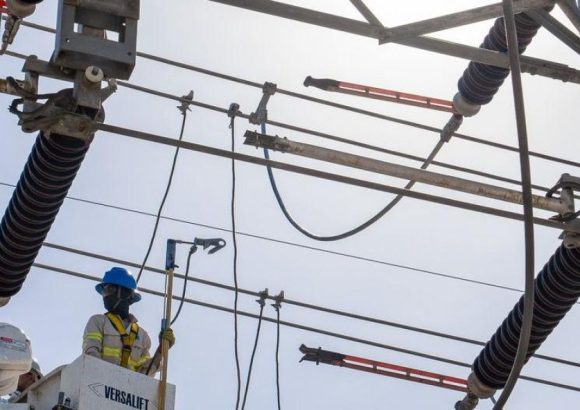
    The Dominican Electricity Transmission Company (ETED) has formally announced a scheduled preventive maintenance project that will take place at the 69 kV Los Mina substation this coming Saturday, June 6, 2026. The four-hour work is set to run from 10:00 a.m. local time to 2:00 p.m. local time, and is a core component of the state utility’s long-term strategic initiative to upgrade and refine the country’s national electricity transmission infrastructure.

    To facilitate the safe execution of this planned upgrade work, ETED confirmed that it will be necessary to temporarily suspend electrical service to a total of 10 residential communities, all located within the municipality of Santo Domingo Este. The affected residential areas include Los Mina, Boreal, Los Tres Brazos, Las Enfermeras, Los Platanitos, Mil Flores, Mirador del Ozama, Santo Tomás de Aquino, Riviera del Ozama, and San Lorenzo. Beyond residential zones, two major commercial entities — Templatisa and Megacentro — will also face power interruptions for the full duration of the maintenance window.

    In its public statement, ETED extended its gratitude to local residents and business operators for their patience and understanding while the work is carried out. The utility emphasized that this proactive intervention is a critical part of its ongoing nationwide transmission network maintenance and modernization roadmap. The ultimate goal of these upgrades, ETED notes, is to continuously boost the stability and operational efficiency of the Dominican Republic’s entire electrical system. These foundational improvements, the company added, will create the reliable infrastructure required to support the country’s ongoing energy transition and digital transformation efforts in the coming years.

  • Energy storage ETED paves the way for private investment to strengthen the Dominican electrical system

    Energy storage ETED paves the way for private investment to strengthen the Dominican electrical system

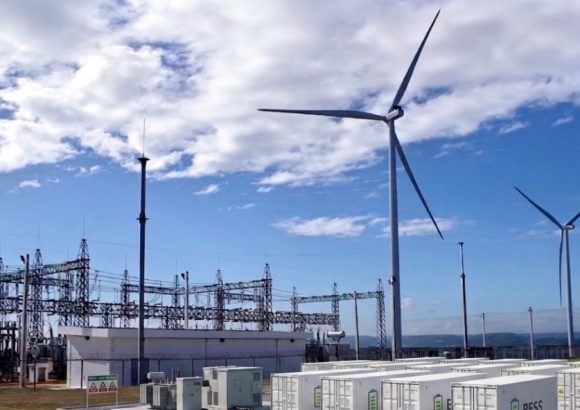
    The Dominican Republic’s national transmission utility, Empresa de Transmisión Eléctrica Dominicana, S.A. (ETED), is moving forward with crafting the full set of technical, financial, and regulatory rules that will open the door for private sector participation in battery energy storage systems (BESS), a critical infrastructure upgrade designed to reinforce the reliability, adaptability, and quick response capacity of the country’s National Interconnected Electric System (SENI).

    This strategic push stems from the long-term vision laid out by ETED Executive Vice President Engineer Alfonso Rodríguez Tejada, who has prioritized modernizing the nation’s transmission grid to meet the evolving pressures facing the Dominican power sector. These challenges include steadily rising consumer and industrial energy demand, the rapid growth of variable renewable energy generation that is being added to the system, the growing need for fast-acting adjustments to shifting grid conditions, and the expanding strain on infrastructure driven by the country’s ongoing economic expansion.

    BESS technology delivers unique value to power grids by storing excess electricity when generation outpaces current demand and discharging stored power back into the system when energy needs peak. This core functionality directly supports a range of critical grid outcomes: it smooths out voltage and frequency fluctuations to keep the grid stable, streamlines overall system operations, removes barriers to integrating larger shares of wind and solar generation, and bolsters the overall security of the nation’s energy supply.

    Building on productive initial discussions held during an information session with SENI market stakeholders focused on BESS investment opportunities, ETED is currently in the procurement stage for specialized third-party technical assistance. This external support will guide the agency through three key foundational steps: validating different grid integration scenarios, defining clear eligibility and technical criteria for private projects, and designing the competitive procurement mechanisms that will be used to select private developers in a future bidding phase.

    The contracted specialized firm will work closely alongside ETED’s in-house BESS Working Group to build data-driven models of how different battery storage deployments would integrate into the existing SENI grid, identify which grid services deliver the highest priority value to the system, and analyze feedback submitted by private sector stakeholders during the agency’s first call for expressions of interest in the project.

    Preliminary planning for the initiative outlines a target reference capacity of up to 600 megawatts / 1,200 megawatt-hours of total energy storage, built out using a flexible modular design that allows for future expansion as the system’s needs grow. The entire project is focused on two core national goals: strengthening the daily operation of the SENI grid and accelerating the Dominican Republic’s ongoing clean energy transformation.

  • Floods Rains leave two dead and cause other damage

    Floods Rains leave two dead and cause other damage

    SANTIAGO — Torrential downpours that swept through Santiago province over the past 24 hours have triggered a deadly traffic accident that claimed two lives when a passenger vehicle slid off a roadway and crashed into the Ulises Francisco Espaillat (UFE) irrigation canal in the western part of the city.
    The extreme weather, which dumped heavy rain across the region, created dangerous driving conditions that included widespread urban flooding and drastically cut down visibility for motorists. According to local emergency officials, these hazardous conditions directly led to the fatal incident.
    Officials have identified the two victims as Julio Álvarez, a Venezuelan national residing in the area, and Olga María Amparo, a citizen of the Dominican Republic. Francisco Arias, the provincial director of the Dominican Republic’s Civil Defense agency, confirmed that the driver of the vehicle missed the correct route amid the blinding rain, ultimately veering off into the canal.
    Search and recovery teams located the victims’ bodies in La Embocada community, located within Santiago’s Cienfuegos district. Once the bodies were recovered from the water, representatives from the National Institute of Forensic Sciences (INACIF) took charge of transporting the remains for official examination and next of kin notification.
    Local authorities have urged motorists to avoid unnecessary travel across the province as ongoing unstable weather continues to create unsafe driving conditions, with flash flooding remaining a major risk for low-lying and urban areas.

  • Public Health reports 10 new cases of dengue in the last week

    Public Health reports 10 new cases of dengue in the last week

    Public health officials in the Dominican Republic have released their latest epidemiological update for the 20th surveillance week of the year, outlining new case counts across a range of endemic and infectious diseases, as well as ongoing circulation patterns for common respiratory pathogens. The update, published by the nation’s Ministry of Public Health from the capital Santo Domingo, paints a mixed picture of disease transmission across the country, with most metrics tracking near or below recent seasonal averages.

    On dengue, one of the Caribbean region’s most persistent vector-borne endemic diseases, the ministry confirmed 10 new diagnoses across the country over the seven-day reporting period. This brings the cumulative total of confirmed dengue cases recorded since the start of the year to 111. Geographically, the bulk of cases have been concentrated in just a handful of provinces: La Altagracia leads all regions with 29 total confirmed cases, followed by Valverde with 8. Single additional cumulative cases have been recorded in San Cristóbal, La Vega, and Puerto Plata to date. When compared to the same reporting week in 2025, when 11 new dengue cases were logged, officials noted a small but measurable slight reduction in new infections.

    Turning to another endemic vector-borne illness, malaria, the update recorded four new confirmed cases over the past week. All of the new malaria diagnoses were in male patients, and all were detected in the southwestern province of San Juan. For the full year to date, the cumulative national count of confirmed malaria cases stands at 83. As with dengue, cases are heavily geographically concentrated: Azua province accounts for more than 62 percent of all national cases at 52, while San Juan follows with 20 confirmed cases.

    Leptospirosis, a bacterial infection spread through contact with water contaminated by animal urine, has also been tracked by officials. The ministry’s update puts the cumulative national case count at 149 confirmed infections so far this year, with two new cases added to the tally in the capital province of Santo Domingo during the 20th epidemiological week.

    Beyond infectious disease case counts, the report also included the latest data on maternal and infant mortality. Over the past week, three new maternal deaths and 27 new infant deaths were recorded across the country. Since the start of 2026, the cumulative total of maternal deaths reported nationwide stands at 46.

    On the respiratory virus front, public health authorities confirmed that multiple common pathogens remain in active circulation across the Dominican Republic. These include human metapneumovirus, parainfluenza, adenovirus, and influenza A subtype H3N2. In a key development, officials noted that SARS-CoV-2, the virus that causes COVID-19, has seen a steady increase in case counts over recent weeks and is now the most prevalent circulating respiratory virus in the country. The 20th week update recorded two new confirmed SARS-CoV-2 cases, alongside one new case of human metapneumovirus.

    The ministry added that it continues to maintain active surveillance for severe acute respiratory infections (SARI), which are currently circulating alongside less severe influenza-like illness (ILI). As of the latest update, the overall situation for influenza-like illness “remains within expected parameters,” with no unexpected surges or new concerning variants reported.

    As a reminder for the general public, the Ministry of Public Health reissued basic background information on COVID-19: the disease can cause a wide spectrum of severity, ranging from mild cold-like symptoms to life-threatening complications including pneumonia and severe acute respiratory syndrome. Common symptomatic presentations include a dry cough, sore throat, persistent fatigue, loss of smell or taste, shortness of breath, and nasal congestion. The virus spreads primarily through close contact with infected individuals, or via contact with contaminated surfaces and objects.

  • Infectious disease specialist warns of the risk of Ebola to the country

    Infectious disease specialist warns of the risk of Ebola to the country

    SANTO DOMINGO, DOMINICAN REPUBLIC — An Ebola outbreak spreading rapidly in the northwest of the Democratic Republic of the Congo demands global vigilance, including targeted preparedness measures from Dominican public health authorities, a leading local infectious disease specialist has warned. Dr. Hector Balcácer stressed that even geographically distant disease outbreaks carry modern spillover risks in an interconnected world, where a person can travel to nearly any corner of the globe in just 36 hours. The DRC has already implemented movement restrictions and quarantine measures to curb transmission, but Balcácer noted the nation shares open borders with nine neighboring countries, and cross-border population movement remains highly fluid in the region.

    In an interview with journalists Ramón García and Tomás Aquino Méndez on the Ahora TV Channel 3 current affairs program *Al punto vespertino*, Balcácer outlined the uniquely dangerous nature of the current outbreak. Unlike previous Ebola events, the virus is spreading at an accelerated pace, and no approved curative treatment or preventative vaccine is currently available. With a mortality rate between 40% and 60% — meaning four to six out of every 10 confirmed infections result in death — the virus poses a severe public health threat wherever it gains a foothold. “The most worrying thing about all of this is that this disease has no treatment, no vaccine, no cure,” Balcácer stated. “Where it arrives, it can cause high mortality. It is a disease that cannot be stopped with existing medical tools.”

    Balcácer commended the ongoing public warnings issued by local and global health authorities, noting that coordinated vigilance remains the most effective defense against cross-border spread. Contrary to widespread public anxiety, however, the specialist clarified that the outbreak is not currently projected to develop into a full global pandemic. The swift implementation of quarantine and movement restrictions by the DRC government has already slowed potential spread, reducing the immediate global risk.

    Even so, Balcácer insisted that Dominican authorities must adopt extreme precautionary measures to block the virus from entering the country, given its lethal characteristics and lack of targeted treatment. Alongside his warning about Ebola, the specialist also addressed the ongoing circulation of more common seasonal viruses within the Dominican Republic, a situation the country’s Ministry of Health has already publicly reported. Currently circulating pathogens include seasonal influenza, adenovirus, respiratory syncytial virus (RSV), and SARS-CoV-2, the virus that causes COVID-19 — though Balcácer noted current COVID-19 variants are far less lethal than earlier strains.

    To prevent severe complications from these common viruses, Balcácer urged Dominican residents to seek prompt medical care as soon as symptoms develop, a step that significantly reduces the risk of severe illness. He added that patients over 70 years old require particularly rapid and rigorous care to avoid life-threatening complications. For those with access to testing resources, Balcácer recommended taking a COVID-19 test when experiencing viral symptoms to rule out infection and enable appropriate care.

  • Hotel withdrawal in Cuba: Dominican Republic, the big winner

    Hotel withdrawal in Cuba: Dominican Republic, the big winner

    The Caribbean tourism landscape is undergoing a dramatic seismic shift, driven by sweeping U.S. sanctions that have forced major international hospitality players to abandon their operations in Cuba, creating an opening for neighboring Dominican Republic to solidify its position as the region’s preeminent tourist destination.

    The catalyst for this unprecedented business restructuring came with the enactment of U.S. Executive Order 14404, which tightened long-standing Washington sanctions on Cuban entities linked to the island nation’s key strategic sectors. The order mandates that any foreign company maintaining commercial ties with organizations blacklisted by the former Trump administration faces immediate asset freezing, creating an untenable legal and financial risk for international operators.

    In the wake of this regulatory crackdown, Spain’s Meliá became one of the highest-profile firms to exit the Cuban market, ending management contracts for 15 properties across the island. Fellow Spanish hospitality giant Iberostar followed suit, withdrawing from 12 joint venture properties it ran with state-owned Cuban conglomerate Gaesa. By mid-2024, Canada’s Blue Diamond Resorts — one of the last major international firms still expanding its Cuban footprint in recent years — confirmed its full withdrawal from the market effective June 1. Blue Diamond operated roughly 15 properties across five premium and mid-tier brands, with properties concentrated in top Cuban tourist hubs including Havana, Varadero, and Cayo Largo del Sur.

    In official statements shared with Dominican outlet Diario Libre, Meliá framed its exit as a response to overlapping geopolitical, legal, and economic pressures that eroded the operational and legal security of its Cuban investments. The company also acknowledged that most of the affected properties were already shuttered or operating under severe constraints, hobbled by widespread power outages, plummeting tourist demand, and chronic supply chain disruptions that have plagued Cuba’s struggling tourism sector in recent years.

    The contraction of Cuba’s tourism industry extends far beyond the hotel sector. Flagship Spanish carrier Iberia has suspended all direct flights to Havana, while Portuguese airline World2Fly has scrapped its Cuban operations entirely. Multiple other European and Canadian travel and hospitality firms have either scaled back their presence on the island or exited entirely, accelerating the downward trajectory of Cuba’s once-bustling tourism economy, which has long been the country’s largest source of foreign currency.

    While Cuba grapples with an unprecedented economic and tourism crisis, the Dominican Republic is experiencing a boom that has positioned it as the primary beneficiary of the regional shift. The country has secured its status as the Caribbean’s top tourist destination, posting consecutive years of record visitor arrivals and pursuing an aggressive growth strategy backed by upgraded airport infrastructure, expanded global air connectivity, macroeconomic stability, and clear, investor-friendly legal protections.

    Against this favorable backdrop, both Meliá and Iberostar have doubled down on their Dominican investments, making the country a core pillar of their broader Caribbean and Latin American strategic plans. Meliá now manages one of the largest hotel portfolios in the Dominican Republic, with a footprint across all of the country’s top tourist markets: Punta Cana, Bávaro, Miches, and Puerto Plata. The firm has developed some of the East Coast’s most iconic luxury resorts and continues to expand its offering of high-end and premium travel experiences for international visitors.

    For its part, Iberostar holds a strong market position across Punta Cana, Playa Bavaro, Puerto Plata, and Bayahibe, where it has built its strategy around sustainable tourism practices, industry-leading service quality, and high-value-added visitor experiences that draw millions of international tourists each year.

  • Dominican Republic’s electronic passport, “the best new travel document in Latin America”

    Dominican Republic’s electronic passport, “the best new travel document in Latin America”

    The Dominican Republic’s cutting-edge electronic passport has earned top regional recognition, taking home the High Security Printing Latin America Award in the prestigious Best New ID/Travel Document Series category. This honor is specifically designed to celebrate the most innovative and security-forward identity and travel document projects across the Latin American region.

    The award was officially conferred during the annual High Security Printing Latin America conference, the region’s premier gathering focused exclusively on security technologies for government-issued documents. The event brings together leading government authorities, global intergovernmental organizations, and top industry experts from every corner of Latin America to exchange insights and advance industry standards.

    An independent panel of judges evaluated competing entries across multiple critical metrics, including the overall design concept of the new travel document, the integration of next-generation identity protection technologies, the robustness of both physical and digital security features, and the document’s ability to meet the strictest global benchmarks for authentication and fraud mitigation.

    The award was accepted on behalf of the project by two key stakeholders: Lorenzo Ramírez, Director General of Passports for the Dominican Republic, and Daniel Ureña, President of Midas, the local representative of the consortium that led the design and development of the advanced security solutions integrated into the new electronic passport.

    In remarks following the award presentation, Ramírez confirmed that the Dominican Republic now issues travel documents that comply with the highest international security standards, delivering enhanced reliability and protection for both ordinary citizens and border control officials tasked with verifying document authenticity.

    Ramírez emphasized that the award represents independent international validation of the modernization agenda championed by President Luis Abinader, which targets upgrades to core government-issued identity documents including passports, national identity cards, and driver’s licenses. He noted that the recognition proves the Caribbean nation has successfully implemented world-class security solutions that strengthen national border security and safeguard the personal identity of all Dominican citizens.

    Beyond the honor itself, the award solidifies the Dominican Republic’s standing as a trailblazer in identity protection and document innovation across Latin America, boosting public trust in the country’s travel credentials domestically and reinforcing international confidence in the document’s security protocols.

  • The Santiago Monorail: the hidden side of a multi-million dollar investment

    The Santiago Monorail: the hidden side of a multi-million dollar investment

    Proponents of Santiago’s high-profile Monorriel project have long framed the initiative as a transformative milestone for the Dominican city, touting its role as a catalyst for urban modernization, faster commutes, integration with existing cable car networks, and a polished new global image for the capital. Elevated rail infrastructure undeniably projects an aura of progress, and that shiny, visible narrative has dominated public discussion of the project from its inception. But behind this polished public face lies a far more contentious story of flawed planning, questionable contracting, skyrocketing cost overruns, and repeated delays that raise fundamental questions about whether the project prioritizes private business interests over the public good it claims to serve.

    Critics of the process do not argue that Santiago does not need upgraded public transportation. The core dispute is not with the idea of improving mobility, but with how the monorail solution was chosen, and whether the city was forced to adapt to pre-selected technology and private business terms rather than selecting a solution tailored to its actual needs. Standard best practice for large public infrastructure projects follows a clear, public-centered sequence: first define the mobility problem, compare all viable alternatives against standardized metrics, then select the option that delivers the greatest benefit to the public at the lowest sustainable cost. In the case of the Santiago Monorail, all available evidence suggests this process was reversed: a specific technology was locked in early, separate contracts were structured around that choice, and the city was left to adjust its planning to fit the pre-determined project, rather than the other way around. This reversal inherently puts public interest at risk, as private interests end up guiding public planning that should remain the core responsibility of the state.

    A 2019 study conducted by Spanish consulting firm IDOM, financed by the Inter-American Development Bank (IDB) and known as PIMUS, offers a stark counterpoint to the monorail approach. Rather than proposing a single iconic project, the study laid out a holistic, city-wide integrated mobility network built around actual passenger demand patterns. After modeling Santiago’s existing mobility flows, the study found that the city’s busiest corridors saw peak demand of only 1,150 to 1,400 passengers per hour in each direction. For this level of demand, the most technically and economically reasonable solution was not an oversized premium rail system, but high-capacity articulated buses operating on dedicated and semi-dedicated lanes. The proposed trunk-feeder bus network, designed to expand gradually as demand grew, would have covered most of the city at a total projected cost of just $471 million, including vehicles, stations, fare infrastructure, and road upgrades.

    By comparison, the monorail concentrates nearly all its investment in a single corridor, with a stated capacity of 20,000 passengers per hour per direction – more than 14 times the maximum peak demand the PIMUS study identified. The cost gap is equally stark: the original 2022 civil works contract was awarded to the Santiago Monorail Transportation System Consortium (CSTM), a joint venture of Grupo Estrella and Sofratesa, for 25.028 billion pesos, equivalent to roughly $450 million at the time – nearly matching the entire cost of the alternative bus network. Since the award, major project adjustments including route changes and a new tunnel to bypass the Santiago Monument area have already been approved, and the final total cost is expected to rise dramatically, though updated figures have not been released to the public.

    The technological portion of the project – covering rolling stock, signaling, electromechanical systems, power infrastructure, and commissioning – was awarded directly to French firm Alstom and local partner Sofratesa for roughly 500 million euros, with no new competitive bidding process. This structure creates a problem known as technological encapsulation: because the civil works were built specifically to fit Alstom’s monorail technology, no other supplier could fairly compete for the technological contract, as the existing infrastructure already dictates strict technical specifications that lock in the pre-selected provider. As a result, the state lost all leverage to compare alternative technologies, renegotiate better terms, or adjust the project to fit public needs. The total projected cost of the monorail has now ballooned to between $1.2 billion and $1.3 billion for the single corridor, according to recent official comments.

    Delays have mirrored cost overruns. The original civil works contract stipulated an 18-month construction period, with work scheduled to wrap up between late 2023 and early 2024, followed by testing and commercial operation. The contract was awarded in March 2022, but Fitram – the Dominican Republic’s public Mass Transit Development Trust managing the project – has repeatedly pushed back completion dates. Initially, officials targeted the end of 2025, then pushed it to the first quarter of 2026, and now project operational testing will not begin until the end of 2026 – nearly four years after the original contract award, and 30 months past the original completion deadline. Much of the delay stems from the fact that core project details, including final engineering, land acquisition, urban adjustments, and inter-agency coordination, were not finalized before the contract was signed. Every additional month of delay adds further financial and fiscal costs that will ultimately be paid by Dominican taxpayers.

    The project also exposes deep institutional and transparency flaws. Fitram operates as a public trust managing public funds for mass transit, but its structure has been used to reduce transparency rather than enforce accountability. Splitting the project into multiple separate packages for civil works, technology, rolling stock, oversight, and financing makes it far harder for the public and auditors to trace how public funds are being spent. Officials claim the trust is audited, but transparency requires far more than internal review: it requires full public access to updated total costs, all contract addenda, scope changes, adjusted timelines, risk assessments, and all fiscal commitments tied to the project. Without this information, public debate is trapped between one-sided official promotion and unproven criticism, rather than being grounded in verifiable facts. A project of this size requires more than public trust in officials; it requires formal, accessible public accountability.

    This lack of accountability is not unique to the Santiago Monorail. The project is part of a broader regional wave of large public transport investment backed by multilateral loans, sovereign guarantees, and public trust structures, which have delivered a string of large urban rail projects including the Santo Domingo Metro expansion, new urban cable cars, and additional monorail proposals across the Dominican Republic. The issue is not that governments should invest in public transportation – improving mobility is a critical public good. The problem is that these investments are often advanced without full public disclosure of the comparative studies, risk assessments, updated costs, and long-term fiscal obligations that would allow citizens to verify whether the projects actually solve mobility problems, or simply add to public debt to build high-profile showcase infrastructure.

    There is no question that the Santiago Monorail will deliver on its promise of a visible, modern, iconic landmark. What remains in question is whether it was ever the best solution for the city, once all costs, tradeoffs, and alternatives are considered. What Santiago needed was a comprehensive, sustainable mobility system tailored to the actual needs of its residents, not a single technological showcase built to impress. The monorail stands as a cautionary example of what happens when technology and branding override careful, public-centered planning. The visible result is a gleaming elevated train; the hidden cost is a $1.3 billion oversize investment concentrated in one corridor, marked by unrelenting cost growth, years of delay, and dozens of unanswered questions about public funds. Santiago deserved a better, more transparent, more accountable public decision – one that prioritized functional mobility for all over a single iconic infrastructure project.

  • Jarabacoa Flower Festival celebrates 15 years, attracting thousands of visitors

    Jarabacoa Flower Festival celebrates 15 years, attracting thousands of visitors

    Nestled in the misty mountain highlands of the Dominican Republic, the picturesque town of Jarabacoa is playing host to the 15th annual edition of its beloved Flower Festival, a landmark event that has already drawn thousands of tourists from across the Dominican Republic and beyond. Running through June 7, this multi-day celebration has solidified its standing as one of the Caribbean nation’s most anticipated cultural and ecotourism gatherings, blending natural splendor, local heritage, and cross-border collaboration into one immersive experience.

    This year’s program is crafted to highlight every facet of Jarabacoa’s unique regional identity, spanning vibrant flower and native plant exhibitions that showcase the area’s rich biodiversity, lively traditional cultural performances that bring centuries-old local customs to life, curated displays of handcrafted goods made by regional artisans, and headline musical concerts featuring some of the Dominican Republic’s most iconic artists, including Sergio Vargas, Fefita La Grande, and Fernando Villalona. Beyond artistic and cultural programming, festival organizers have also honored standout community contributors: Amberly Morales Rodríguez was crowned the festival’s official queen, while new ambassadors focused on advancing culture, environmental stewardship, and social equity were formally recognized for their work.

    One of the most notable additions to this year’s lineup is the participation of Colombia’s world-famous Medellín Flower Fair as the event’s invited guest festival. This collaborative pairing does more than add new layers of floral artistry to the celebration; it also deepens cultural and tourism connections between the two Latin American nations, opening new doors for future cross-regional exchange in creative and tourism sectors.

    Local government leaders and tourism officials emphasize that the festival delivers far more than cultural enjoyment: it acts as a consistent engine of economic growth for the Jarabacoa region, generating tangible revenue for small local businesses, from family-owned restaurants to independent craft vendors, while elevating the town’s profile as a top global destination for nature-based tourism and outdoor recreation. What began as a small community gathering has evolved into a vital platform for sharing Jarabacoa’s distinct cultural and natural identity with the world, drawing new visitors and laying the groundwork for long-term sustainable growth in the region’s tourism sector.