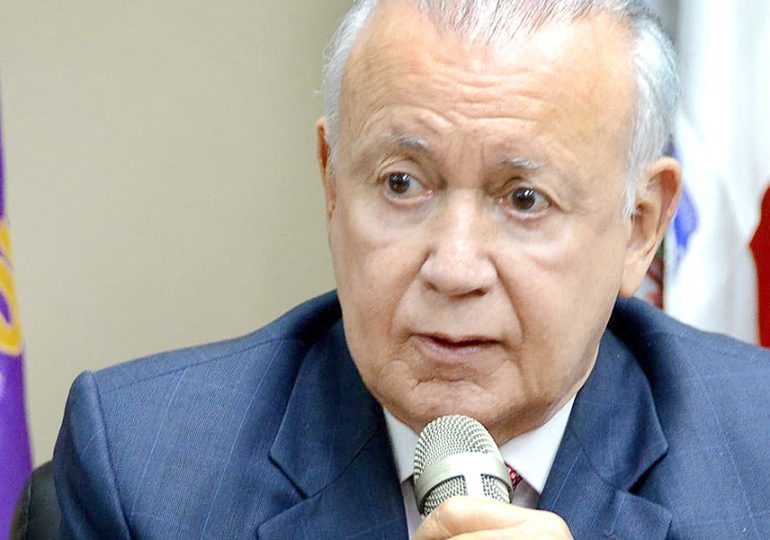
In a recent interview on the program *Esto no tiene nombre*, Rafael Alburquerque, a labor law expert and former Vice President of the Dominican Republic, denounced the unethical practices of certain employers who exploit Haitian workers and subsequently seek their deportation to evade paying labor benefits. Alburquerque labeled these actions as abusive and illegal, highlighting their detrimental impact on both the affected workers and the nation’s global reputation. He emphasized that such practices undermine the principles of legality, respect, and accountability that should govern labor relations. Alburquerque also addressed the 80-20 rule in Dominican labor law, which requires that at least 80% of a company’s workforce be Dominican. While exceptions are permitted for industries like construction and agriculture, he argued that the process for granting these exceptions should be managed by the Ministry of Labor in collaboration with employers, unions, and the National Migration Institute, rather than being solely at the discretion of the President. Furthermore, he called on the government to enhance oversight mechanisms to ensure that employers fulfill their obligations toward foreign workers. Alburquerque warned that failing to address these issues could lead to international complaints and damage the country’s standing. He concluded by stressing the importance of balancing national interests with the protection of human rights in the hiring of Haitian labor.
标签: Dominican Republic
多米尼加共和国
-

Abinader assures Summit of the Americas will be a great event
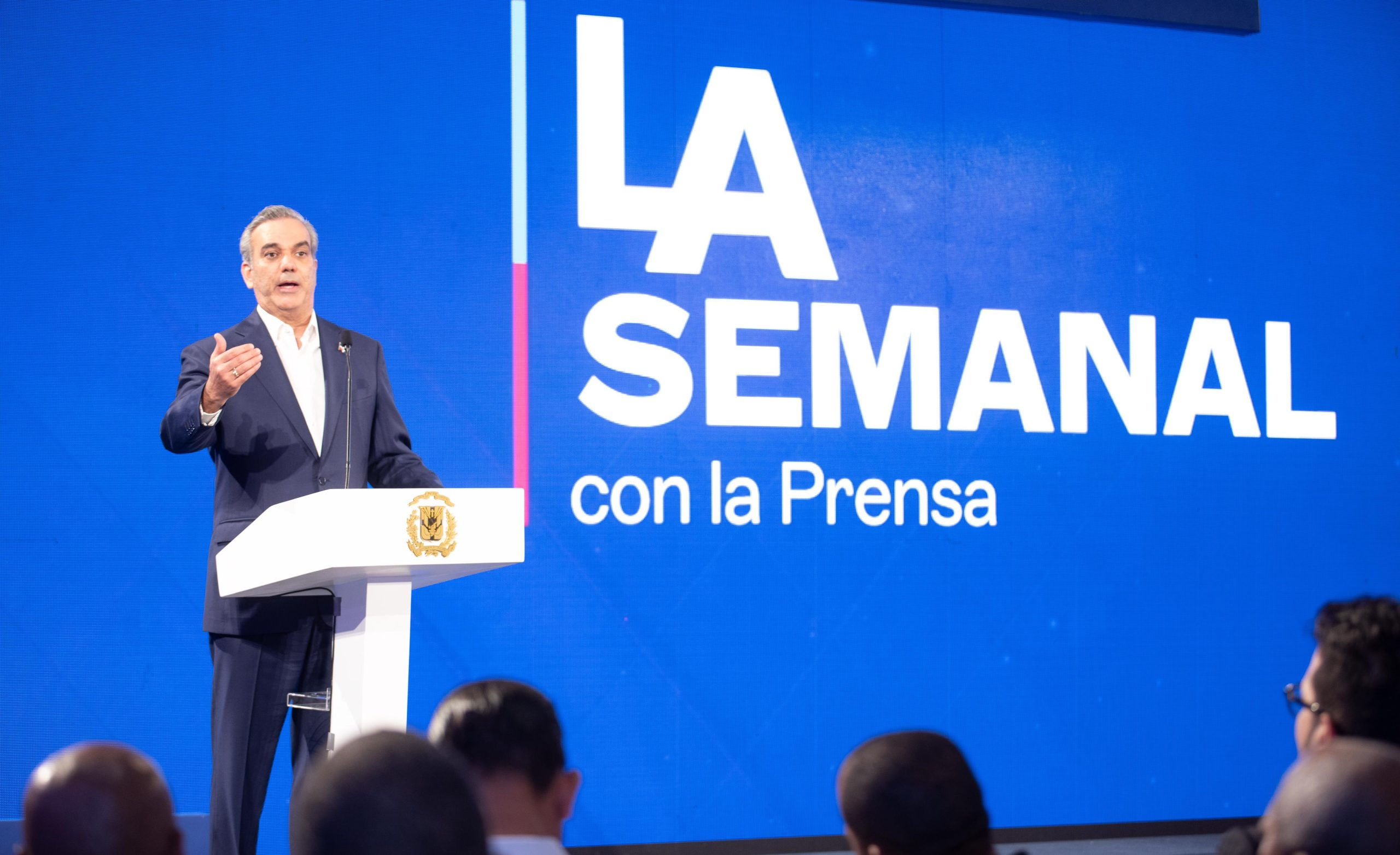
Santo Domingo – President Luis Abinader has revealed that the forthcoming Summit of the Americas, set for December 3 and 4 in Punta Cana, will be a landmark event uniting thousands of business leaders and heads of state from across the continent. During his address at *La Semanal con la Prensa* held at the National Palace, Abinader underscored the summit’s role as a strategic platform to highlight the Dominican Republic’s investment potential and tourism appeal. He emphasized that the event will transcend traditional political forums, incorporating multiple ‘mini-summits’ involving diverse regional sectors, including civil society. ‘This summit presents a tremendous opportunity to showcase our nation. I am confident that the Dominican Republic stands as the premier destination for investment in Latin America,’ Abinader declared. The Ministry of Foreign Affairs recently clarified that Cuba, Nicaragua, and Venezuela were not invited to the summit, a decision aimed at fostering broader participation and ensuring the event’s success. This gathering marks a significant diplomatic endeavor for the Dominican government, positioning the country as a key player in regional dialogue and collaboration.
-
Abinader says 80% of his administration’s loans were used to pay off opposition’s debt
Santo Domingo – In a robust defense of his administration’s fiscal policies, President Luis Abinader revealed on Monday that 80% of the debt incurred during his tenure has been allocated to settling or refinancing obligations inherited from previous governments. Speaking at his weekly press briefing, *La Semanal con la Prensa*, Abinader underscored that his government stands out as the only one in recent history to achieve a reduction in the national debt relative to GDP, decreasing it from 49.7% to 46.9%.
-
Dajabón Motorcycle Taxi Drivers Association protest illegal Haitian operators
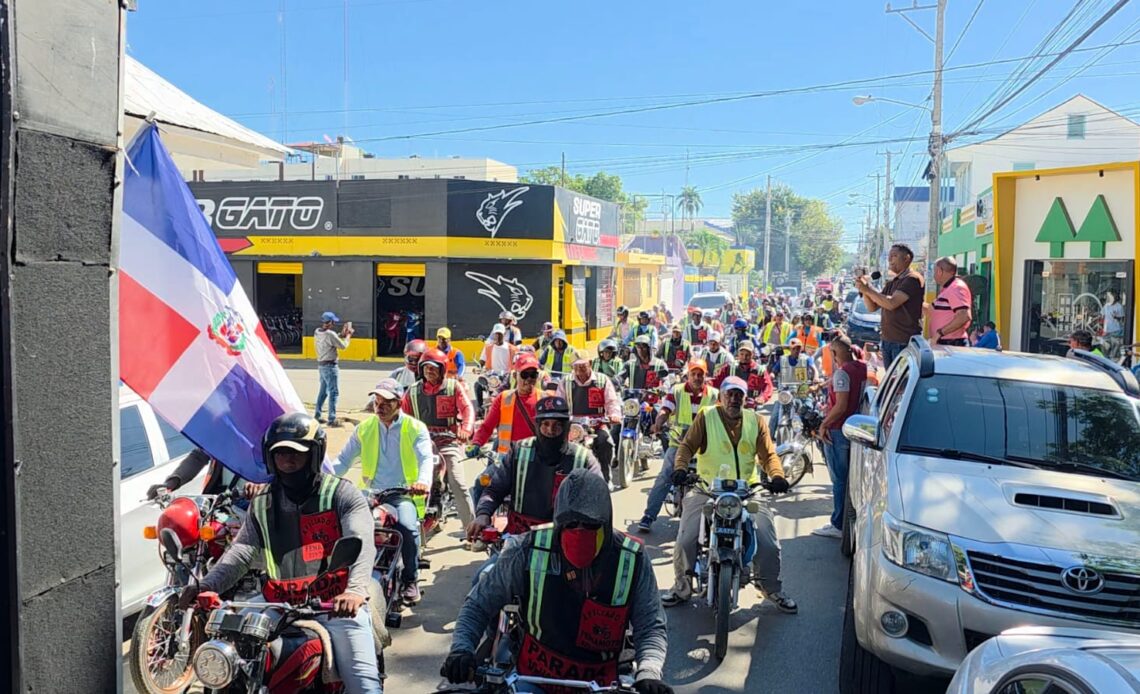
In a significant display of discontent, the Dajabón Motorcycle Taxi Drivers Association organized a large-scale protest outside City Hall, calling for stricter enforcement against Haitian drivers accused of operating illegally within Dominican territory. The demonstrators argued that undocumented foreign drivers are causing widespread chaos on local roads, leading to frequent traffic accidents involving motorcycles and three-wheelers. Eduardo Medina, president of the National Federation of Dominican Motorcycle Taxi Drivers in Dajabón, highlighted the unfair competition posed by Haitian drivers, who he claims are monopolizing motoconcho stops and jeopardizing the livelihoods of Dominican drivers. Medina emphasized that Dominican drivers face severe risks, including violence, if they attempt to operate in Haiti under similar conditions. The protesters voiced their support for Mayor Santiago Riverón’s efforts to regulate the movement of Haitian motorcycles in the municipality. Riverón reiterated the ongoing ban on Haitian triple-engine vehicles and stressed the importance of local drivers’ cooperation to enforce the regulation. Additionally, he announced that Dominican drivers would soon have access to new three-wheel motorcycles through the Promipyme program. The mayor firmly stated that municipal authorities would not yield to pressure from merchants or foreigners, insisting that Dajabón’s regulations must be upheld. Meanwhile, motoconcho drivers urged national authorities to take immediate action, warning that the illegal operations of Haitian drivers could deprive many Dominican families of their primary source of income.
-

Dominican Embassy promotes national flavor in Honduras
The Embassy of the Dominican Republic in Honduras made a remarkable impression at the Tegucigalpa International Gastronomic and Cultural Festival, held on Cervantes Avenue in the heart of the capital’s historic district. The event attracted hundreds of families, local residents, and members of the Dominican community, who gathered to celebrate the vibrant fusion of gastronomy and culture. The Dominican Embassy played a pivotal role in the festival, presenting two standout exhibits that captivated attendees. The first exhibit focused on gastronomy, offering a delectable array of traditional Dominican dishes, tropical juices, and local beers. Additionally, it featured a cultural showcase highlighting the iconic Diablo Cojuelo, a symbol of the Dominican carnival’s spirit. The second exhibit spotlighted Dominican exports, including coffee, rum, and tobacco, with tastings that drew significant attention and underscored the nation’s tourism and export potential. Ambassador Luis García Mercado emphasized that the Embassy’s participation aligns with its mission to enhance cultural diplomacy and foster stronger ties between the Dominican Republic and Honduras.
-

Haitian man killed by mob after alleged robbery attempt
In a tragic incident on Saturday night, a Haitian man identified only as ‘Blanco’ lost his life after being brutally attacked by a mob in the Gozuela area of Pepillo Salcedo municipality, Manzanillo. The incident occurred on a rice farm in the Santa María district, near the Dominican-Haitian border. According to the National Police’s Criminal Investigations Division (Dicrim) in Montecristi, the man allegedly attempted to rob a group of Haitians crossing into Dominican territory, which incited the violent response from the crowd. Dr. Rosibel Grullón, the medical examiner, confirmed that the victim succumbed to severe head trauma. Local residents revealed that the deceased had a reputation for targeting other migrants who used unofficial border crossings. Following the incident, judicial and police authorities transferred the body to the Padre Fantino Hospital morgue before sending it to the National Institute of Forensic Sciences (INACIF) in Santiago for an autopsy. Prosecutor Francis Alexander de Jesús Peña Sabés has initiated a comprehensive investigation to uncover the full details of the case and assign accountability.
-
Unified Council of EDEs clarifies replacement of power barge in Azua
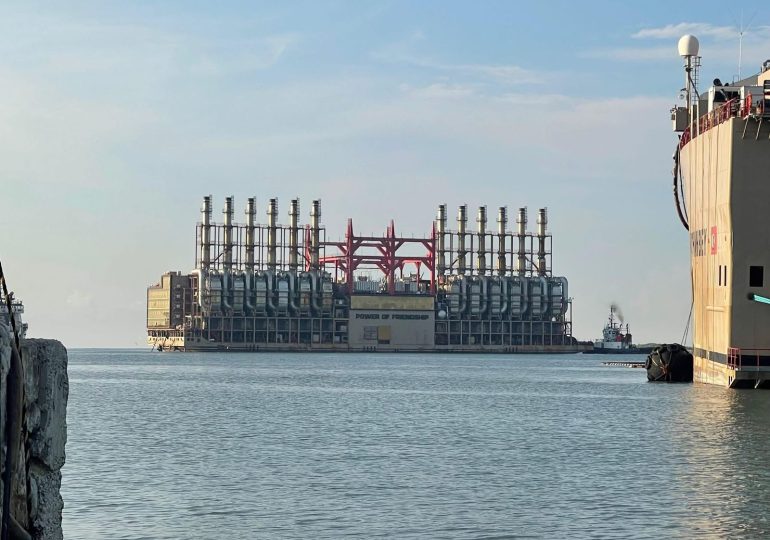
The Unified Council of Electricity Distribution Companies (CUED) has unveiled a strategic move to address the Dominican Republic’s electricity challenges. A new 230 MW power generation barge, operated by Turkish firm Karpowership, has docked at the Port of Los Negros in Azua. This initiative comes in response to dwindling generation reserves caused by delays in the activation of new private power plants. Originally, a 65 MW barge was contracted, but CUED opted for a higher-capacity unit to bolster the national grid. The two-year agreement, set to expire in 2026, ensures backup power during maintenance or unexpected disruptions in the National Interconnected Electric System (SENI). CUED emphasized that the new barge is not an additional unit but a temporary replacement within the existing contract framework. This measure aims to avert power shortages and maintain uninterrupted electricity supply, safeguarding both consumers and the national economy.
-

Haitians protest tax withholding at Codevi free trade zone
In a significant development at the Codevi free trade zone, located near the Dominican Republic-Haiti border, hundreds of Haitian workers organized a peaceful demonstration to voice their opposition to the industrial park’s decision to withhold taxes at the request of the Haitian government. The protest, which unfolded without violence, prompted the evacuation of Dominican personnel from the area. In response, the National Police of the Dominican Republic heightened security measures on their side of the border to ensure stability and prevent any potential escalation. According to Goidy Reyes, a correspondent from RC Noticias, an urgent meeting has been scheduled to address the grievances and facilitate the swift return of workers to their jobs. The situation underscores the ongoing economic and political tensions between the two neighboring nations, particularly concerning labor rights and cross-border trade policies.
-

Dominican Republic showcases culture and carnival at 2025 Hispanic Parade in Madrid
Madrid witnessed a spectacular celebration of Dominican culture during the 2025 Hispanic Parade, as a delegation of 140 participants marched from Plaza de España to Cibeles. The event showcased the vibrant traditions of the Dominican Carnival, featuring iconic characters such as Los Diablos Cojuelos, Guloyas, Roba la Gallina, Calife, and Lechón de Santiago. The parade was a vivid display of the nation’s cultural identity, blending historical elements with contemporary artistry.
A towering nine-meter float, illuminated with lights and adorned with Caribbean palm trees, served as the centerpiece of the procession. The Dominican Ballet in Europe captivated audiences with energetic performances of merengue and bachata, dressed in a mix of traditional and modern attire. Other artistic highlights included the Faceless Dolls, Monumental Waves symbolizing the Caribbean Sea, and vibrant folkloric groups, all contributing to the rich tapestry of Dominican heritage.
The event also paid homage to Daniel Tejeda, honored as the parade’s King, and Bernarda Jiménez (In Memoriam), represented by her daughter as the Honorary Queen. Dominican Ambassador to Spain Tony Raful emphasized the parade’s significance in strengthening the historical and cultural bonds between the Dominican Republic and Spain. Héctor Farías, director of the Dominican Carnival in Madrid, announced plans for the inaugural Dominican Parade in Madrid in 2026, reflecting the diaspora’s dedication to preserving and promoting their culture in Europe. The event was organized with the support of the Dominican Embassy, Consulate General, and INDEX Spain.
-
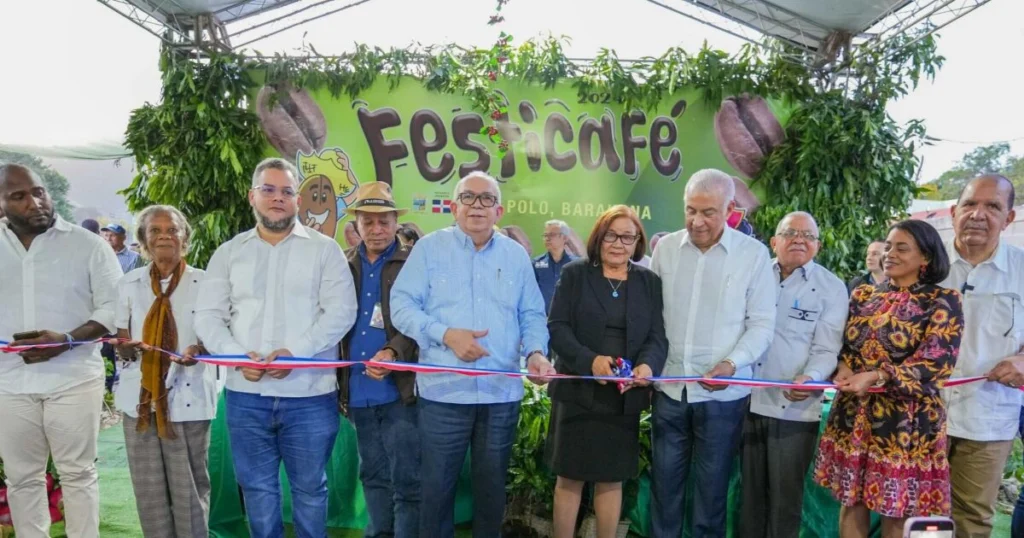
FestiCafé 2025 to highlight Polo’s organic coffee
The picturesque municipality of Polo in Barahona is gearing up to host the 17th Organic Coffee Festival (FestiCafé 2025) from October 24 to 26. This annual event, deeply rooted in the region’s coffee-growing heritage, serves as a platform to celebrate organic coffee production, foster international partnerships, and advocate for sustainable agricultural practices. This year’s festival will spotlight innovation in coffee production, featuring exhibitions by local and international producers, thought-provoking keynote lectures, and expert panels on topics such as sustainability, market expansion, and technological advancements. The event aims to highlight the superior quality of Polo’s organic coffee, bolster its production chain, and enhance its global presence. Costa Rica has been invited as the guest country, while San José de Ocoa will be recognized as the special guest province, facilitating knowledge exchange and collaboration among coffee-growing communities. FestiCafé 2025 will also pay tribute to the late Luisa Feliz (Mamá Gueda), a revered community leader and co-founder of the festival, through music and cultural performances that honor her enduring legacy. With support from the Presidency of the Republic, INDOCAFÉ, FEDA, and local institutions, the festival cements Polo and the Enriquillo region as a beacon of organic coffee, cultural richness, and sustainable development on both national and international stages.