
Santo Domingo – Fabio Augusto Jorge-Puras, a former advisor to the Executive Branch in the Dominican Republic, has been dismissed by President Luis Abinader following his indictment by U.S. authorities on charges of international drug trafficking. The dismissal was formalized through Decree 273-25 in May, which revoked his 2020 appointment. Jorge-Puras, who also holds a financial executive position with the Águilas Cibaeñas baseball team, is accused alongside Gaspar Antonio Polanco-Virella, alias ‘El Grande,’ of involvement in a cocaine trafficking network spanning the Dominican Republic, Colombia, and other countries between 2019 and December 2020. The U.S. Department of Justice alleges that the duo conspired to distribute and export cocaine to the United States. This case is part of a wider crackdown on transnational drug cartels, with potential extradition requests from the Dominican Republic being considered to bolster judicial cooperation.
标签: Dominican Republic
多米尼加共和国
-

Government and NVIDIA sign memorandum to promote AI training, innovation, and research
In a landmark event held in Santo Domingo, President Luis Abinader of the Dominican Republic spearheaded the signing of a Memorandum of Understanding (MoU) between the government and NVIDIA, a global powerhouse in artificial intelligence (AI) and accelerated computing. This strategic collaboration is set to propel the implementation of the National AI Strategy, revolutionizing critical sectors of the nation through cutting-edge technologies.
The partnership zeroes in on pivotal areas such as health, education, transportation, public safety, finance, and tourism. By integrating AI solutions, the initiative aims to elevate public services, boost competitiveness, and champion sovereign and inclusive technological advancements. President Abinader hailed the agreement as a historic milestone, underscoring its potential to shape a future anchored in the nation’s people, talent, and innovation. He highlighted the transformative social impact of AI, ranging from expedited medical diagnoses to the development of smart cities, personalized education systems, and sustainable tourism practices.
Key components of the MoU include:
1. **Technological and Data Sovereignty**: Ensuring local hosting of AI models and infrastructure to promote national control over technological assets.
2. **AI Talent Development**: Cultivating homegrown expertise through initiatives like the Deep Learning Institute and the planned AI Academy.
3. **Center of Excellence**: Establishing the first-of-its-kind AI hub in Central America and the Caribbean, dedicated to research, education, and innovation, accessible to students, professionals, entrepreneurs, and tourists.
4. **AI Training Programs**: Launching comprehensive training initiatives in collaboration with INFOTEP, with broader public and private sector involvement commencing in 2026.This agreement marks a decisive step in positioning the Dominican Republic as a regional leader in technological innovation. It underscores the nation’s commitment to digital sovereignty, smart solutions, and an AI-driven future. President Abinader described the partnership as the dawn of a new era of intelligence, innovation, and national progress.
-

JCE guarantees transparency and security in issuance of new ID
The Central Electoral Board (JCE) of the Dominican Republic has reaffirmed its commitment to safeguarding the personal, biometric, and demographic data of its citizens during the upcoming issuance of new identity and voter cards. In a public statement, JCE President Román Andrés Jáquez Liranzo underscored the transparency, legality, and security of the entire process, from bidding to implementation. The EMDOC Consortium, awarded the contract on October 3, includes five companies—one Dominican, two Panamanian, and two German, with Bundesdruckerei GmbH being partially owned by the German Federal Government. The JCE clarified that none of the companies involved have Haitian origins or capital, countering earlier media reports. Jáquez Liranzo emphasized that the JCE remains the sole custodian of all data, with no external entities granted access. All ID renewal procedures will be handled exclusively by trained and certified JCE personnel, ensuring the integrity of the process and the protection of democratic principles. The tender process, initiated in April 2024, was widely publicized in four national newspapers, the New York Post, and El País, and has garnered support from various political parties.
-
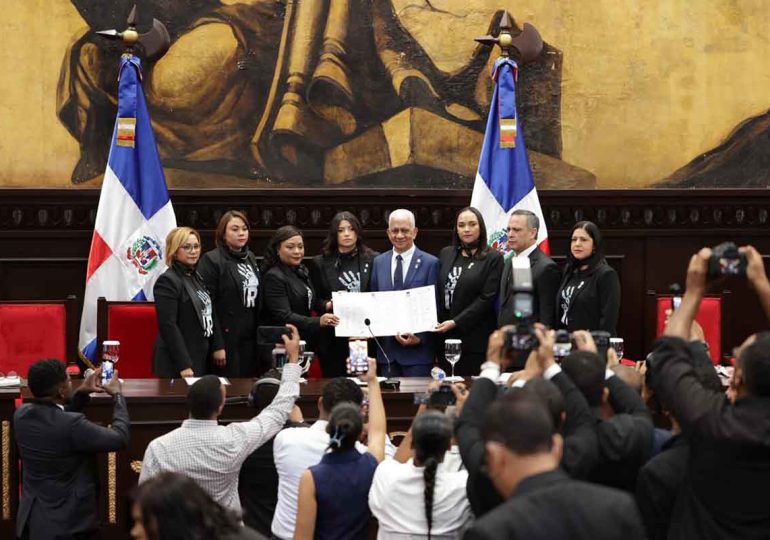
Dominican Congress presents “Let Her Go” Reform to fight violence against women and children
In a landmark session at the National Assembly of the Dominican Republic, Senate President Ricardo de los Santos and Chamber of Deputies President Alfredo Pacheco introduced the Comprehensive Reform ‘Let Her Go’ (Déjala Ir). This pioneering legislative initiative aims to significantly reduce femicides and filicides by 2030 and eradicate them entirely by 2035. The reform, championed by Representative Kimberly Taveras and supported by over 70 legislators from both chambers, was meticulously crafted over nine months to establish a national agenda focused on safeguarding lives and fostering family peace. Unlike traditional punitive approaches, the reform emphasizes prevention, protection, and the reintegration of victims, signaling a transformative shift in public policy and institutional modernization. Key components of the reform include the criminalization of vicarious violence, the establishment of specialized courts, the integration of emotional education and social workers in schools, and the implementation of a National Care System. Additionally, the initiative advocates for the disarmament of aggressors, the use of technology for monitoring and early warnings, and the coordination of policies across rural and border regions. Hailed as the largest women-led movement in the history of the Dominican Congress, the reform has garnered unanimous support from legislators across all political parties. During the session, participants read a manifesto declaring femicides and filicides a national emergency, urging all sectors of society—from the State and academia to media and civil organizations—to unite in collective action.
-
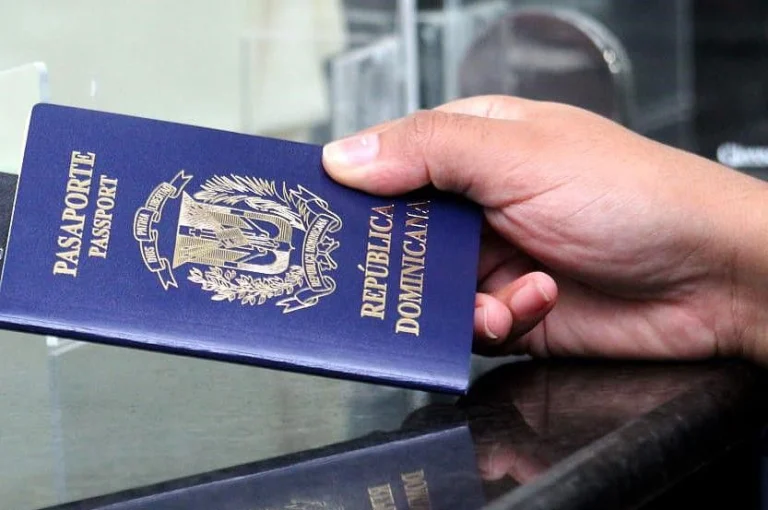
DGP ensures data security in new Electronic Passport system
The Dominican Republic has taken a significant step forward in safeguarding the personal and biometric data of its citizens with the implementation of the new Electronic Passport system. The General Directorate of Passports (DGP) has assured that the system adheres to the highest international standards in identification and cybersecurity, ensuring comprehensive protection of sensitive information.
Lorenzo Ramírez, Director General of the DGP, detailed that the entire process of capturing, processing, and encrypting passport data is conducted exclusively within DGP facilities. This process follows stringent guidelines set by the International Civil Aviation Organization (ICAO). Ramírez emphasized that passport booklets arrive in the country blank and are personalized locally using encrypted systems. This ensures that no foreign entity has access to the national passport database, and the Dominican State maintains full control over the system’s source codes.
The Electronic Passport project was awarded to the Franco-American consortium EMT, which includes Entrust (United States), Midas Dominicana, and Thales (France). These companies are globally recognized for their expertise in secure document and digital identity solutions. The DGP highlighted that this initiative represents a historic milestone in the modernization of national travel documents and enhances global trust in Dominican passports.
In accordance with Decree 438-22, the DGP also organized an inter-institutional technical roundtable involving security, civil aviation, and immigration authorities. This collaboration aimed to review the operational and logistical integration of the new system. Additionally, field visits to Las Américas and Punta Cana airports were conducted to validate the infrastructure for biometric passport processing and to ensure more efficient border control operations.
-

Government leads national reforestation effort using native species
The Dominican Republic is spearheading an ambitious nationwide reforestation initiative this October, designated as Reforestation Month. Led by the Ministry of Environment and Natural Resources, the campaign is being executed through the Reforestation Directorate of the Vice Ministry of Forest Resources. Over fifty tree-planting events are planned across the country, with the goal of planting more than one million native and endemic seedlings on over 20,000 acres of land impacted by human activities. This effort is supported by a coalition of public institutions, non-governmental organizations, and private companies, all united in their mission to safeguard water resources and mitigate the adverse effects of climate change.
October was strategically chosen for the campaign due to the favorable conditions provided by the rainy season, which enhances seedling growth. Among the diverse species to be planted are Criollo and Caribbean pine, caracolí, white and red cedar, juniper, cabirma, mahogany, almond, and Creole oak. These species are selected for their ecological significance and adaptability to the local environment.
This initiative is a critical component of the National Plan for Reforestation and Restoration of Forest Ecosystems, which was launched by President Luis Abinader in June 2023. Now in its second phase, the plan focuses on restoring degraded forest areas, increasing tree cover, improving water quality, and enhancing carbon sequestration. The provinces most actively involved in the campaign include Dajabón, Santiago Rodríguez, San Juan, Elías Piña, La Vega, Monseñor Nouel, Peravia, Sánchez Ramírez, Santiago, San Cristóbal, Monte Plata, San Pedro de Macorís, and Hato Mayor.
The large-scale reforestation effort underscores the Dominican Republic’s commitment to environmental sustainability and climate resilience. By addressing deforestation and promoting ecosystem restoration, the initiative aims to create a healthier environment for current and future generations.
-

UN celebrates 80 years with free fair in Santo Domingo
The United Nations System is set to mark its 80th anniversary with a vibrant public fair titled “UN Fair: 80 Years Building the Future!” The event will take place on October 17 and 18, from 10:00 a.m. to 5:00 p.m., at the Publishing Pavilion in the Plaza de la Cultura, Santo Domingo. Open to all, the fair aims to engage citizens, particularly youth and families, in exploring the UN’s global and national contributions through a variety of activities, including exhibitions, interactive spaces, and panel discussions. These will highlight eight decades of collaboration between the UN and the Dominican Republic, emphasizing themes such as peace, equality, sustainability, and human rights. The two-day celebration will feature a diverse program of artistic performances, storytelling, and interactive experiences designed to educate and inspire. The event is supported by key national institutions, including the Presidency of the Republic, the Ministries of Culture and Education, PLERD-MINERD, the UNESCO Associated Schools Network, and the Mayor’s Office of the National District. Additionally, private sector and civil society partners such as Mercasid Group, the Association of Multiple Banks (ABA), KahKow, “El Sistema de Punta Cana,” and FUNDARMONIARTES have joined the initiative. Julia del Carmen Sánchez, UN Resident Coordinator in the Dominican Republic, emphasized that the fair aims to empower citizens, especially young people, as agents of change while celebrating the enduring partnership between the UN and the Dominican Republic in fostering sustainable development and equal opportunities.
-

Dominican Republic’s president vows history-making Central American and Caribbean Games 2026
The Dominican Republic is set to host the 25th Central American and Caribbean Games in 2026, marking what is anticipated to be the largest edition of this prestigious regional multi-sport event. President Luis Abinader has declared that the nation will make history through its hosting of the Games, which will bring together over 6,000 athletes competing for a record-breaking 3,244 medals. The government has already allocated RD$315 million to the Dominican Olympic Committee to support athlete training, coaching, and preparatory camps, with high-performance athletes receiving a 100% increase in funding. The event will feature 40 sports, 57 disciplines, and 63 modalities, with 483 events held across eight venues, including the National District, Santo Domingo, Santiago, Bonao, Punta Cana, Cabarete, Baní, and Juan Dolio. Approximately 90% of the venues are expected to be completed by December 2025, with significant investments in facilities such as the Juan Pablo Duarte Olympic Center and Parque del Este. A lasting legacy of the Games will be the ‘Villa Centroamericana y del Caribe,’ a complex of 150 low-cost housing units that will be converted into affordable homes for Dominican families post-event. President Abinader emphasized that the Games will promote inclusion, national unity, and partnerships across various sectors, while also enhancing the Dominican Republic’s identity and regional reputation. This initiative underscores the government’s strategy to leverage major sporting events for urban development, housing solutions, and national branding.
-

Social Security in the sun: Using your U.S. benefits to retire in the Dominican Republic
For many Americans, the idea of retiring in the Dominican Republic is no longer just a dream but an attainable and affordable reality. With over 700,000 Americans receiving Social Security benefits abroad in more than 180 countries, the Dominican Republic has emerged as a top destination for retirees seeking a lower cost of living and a slower pace of life. The country’s tropical climate, vibrant culture, and ease of managing U.S. benefits make it an attractive option for those looking to stretch their retirement dollars. From the mountain views of Jarabacoa to the coastal tranquility of Punta Cana, retirees can enjoy a high quality of life while making their Social Security payments go further. The U.S. Social Security Administration (SSA) approves the Dominican Republic for receiving benefits abroad, ensuring retirees can access their funds seamlessly. To manage payments, most retirees maintain a U.S. bank account and transfer funds as needed, though opening a local account in pesos or U.S. dollars is also an option. Popular banks like Banreservas, Banco Popular, and Scotiabank support international transactions, making financial management straightforward. Retirees can also minimize transfer fees by using services like Wise, Remitly, or Xoom, which offer competitive exchange rates and low fees. The cost of living in the Dominican Republic is significantly lower than in the U.S., with a single retiree living comfortably on $1,500–$2,000 per month and couples budgeting around $2,500. Rent in mid-sized cities like Santiago averages $850–$1,100, while smaller towns offer even more affordable options. Fresh local produce and dining out are inexpensive, though imported goods tend to be pricier. Healthcare is high-quality and far more affordable than in the U.S., adding to the appeal. Retirees can also explore residency options through the Pensionado visa, which requires a guaranteed monthly income of at least $1,500. Many retirees are choosing to purchase property in full-service residential communities, which offer amenities like 24-hour security, pools, gyms, and beachfront access, often with tax incentives under the CONFOTUR law. For those considering this lifestyle, real estate professionals like Rosalyn Ortega-Elie of Smart Caribbean Properties provide guidance on selecting the right community and navigating the legal process of buying property abroad. With its affordability, beauty, and ease of living, the Dominican Republic is becoming an increasingly popular choice for Americans looking to retire in paradise.
-

MIVED raids Suplax store operating illegally after official closure
In a bold move to enforce regulatory compliance, officials from the Ministry of Housing and Buildings (MIVED) conducted an unexpected inspection at the Suplax store in Santo Domingo this Monday. The establishment, which had been officially shut down weeks prior, was found to be operating illegally, defying the closure order. The raid was prompted by an investigative report from N Digital, which exposed the store’s continued operations. Upon arrival, inspectors discovered dozens of employees and customers engaged in transactions, leading to chaos as individuals scrambled to exit the premises, some even attempting to conceal merchandise. MIVED authorities have declared that Suplax will face severe penalties for its blatant disregard of the closure mandate and violations of building and business regulations. The ministry emphasized its unwavering commitment to upholding the law across the nation and issued a stern warning that unauthorized reopening of closed establishments will result in stringent legal consequences.