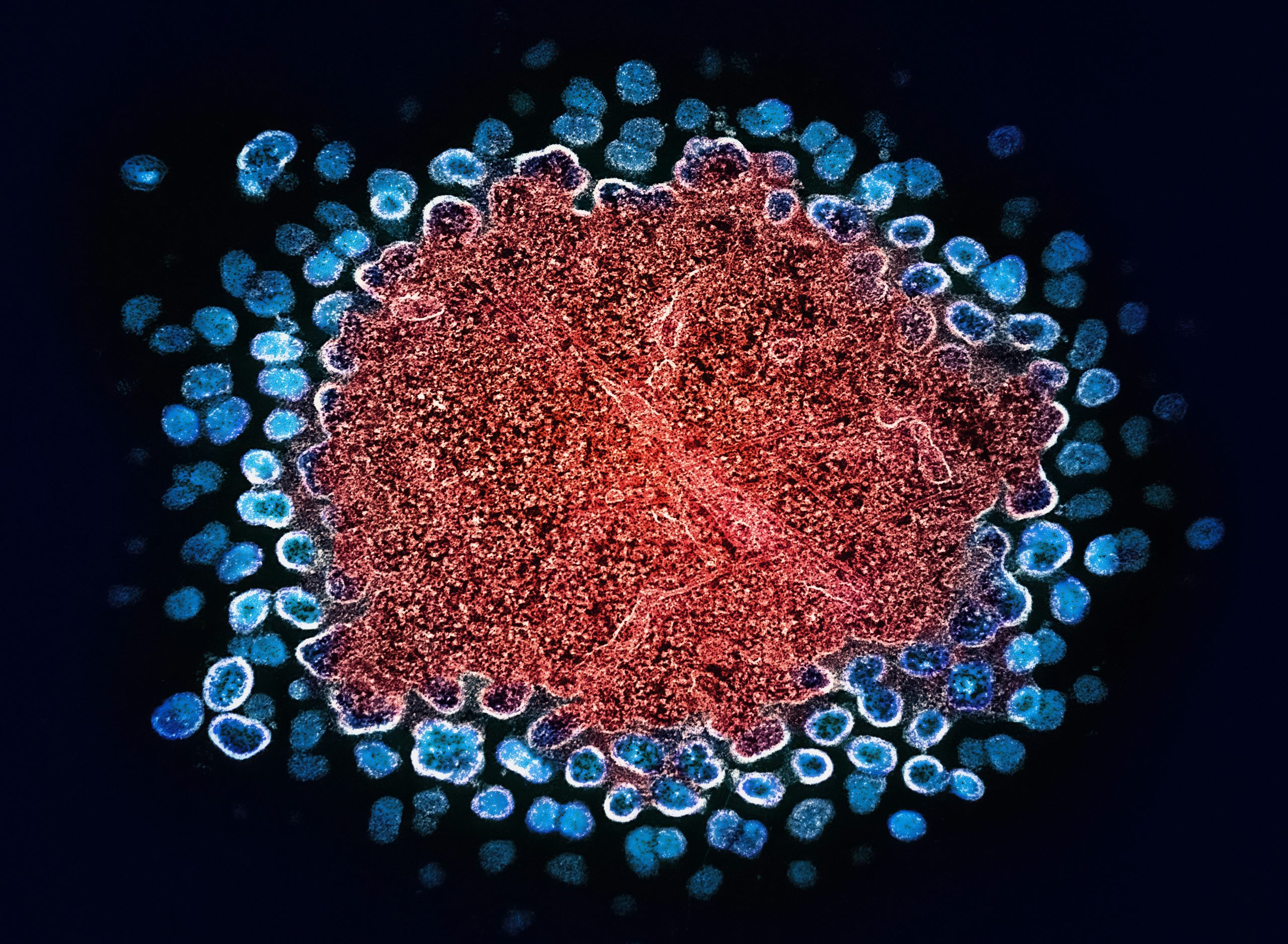
In a recent announcement by the National Council for HIV and AIDS (CONAVIHSIDA), it was revealed that approximately 87,000 individuals in the Dominican Republic are currently living with HIV. Among these, 79,810 have been formally diagnosed, 56,503 are undergoing antiretroviral treatment, and an encouraging 49,517 have achieved a suppressed or undetectable viral load. CONAVIHSIDA emphasized that individuals with an undetectable viral load are incapable of transmitting the virus, highlighting the critical need to safeguard their fundamental rights, including access to employment, healthcare, and education without facing discrimination. National data further indicates that the Dominican Republic has achieved a 13% reduction in new HIV infections and a 59% decline in AIDS-related deaths by 2024. These advancements are attributed to the successful implementation of comprehensive prevention, treatment, and awareness policies as part of the country’s ongoing HIV response strategy.
标签: Dominican Republic
多米尼加共和国
-

Caribbean movements unite against U.S. intervention on “Day of Collective Action”
The Assembly of the Peoples of the Caribbean (APC) has designated October 16 as a ‘Day of Collective Action,’ rallying Caribbean governments to stand united against U.S. military deployments and interventionist threats in Venezuela. The organization also opposes the proposed exclusion of Venezuela, Cuba, and Nicaragua from the upcoming Summit of the Americas. Through its Regional Executive Committee, the APC has called upon citizens, social movements, and progressive leaders to defend the Caribbean as a ‘zone of peace’ and resist foreign interference. This stance aligns with the positions of CARICOM, CELAC, and the Association of Caribbean States (ACS), all of which emphasize sovereignty and regional integration. In a strongly worded statement, the APC criticized U.S. policies in Latin America, labeling them as extensions of imperialist agendas aimed at controlling regional resources, particularly Venezuela’s oil reserves. The organization also condemned the U.S. blockade against Cuba, a policy widely rejected by the United Nations, and criticized the Dominican Republic’s decision to exclude Cuba, Venezuela, and Nicaragua from the December 2025 Summit of the Americas. The APC urged Caribbean leaders, especially those in Trinidad and Tobago, Guyana, and the Dominican Republic, to distance themselves from what it termed ‘U.S. aggression’ in the region. The declaration concluded with a call for unity, solidarity, and mobilization to protect Caribbean sovereignty, peace, and self-determination.
-
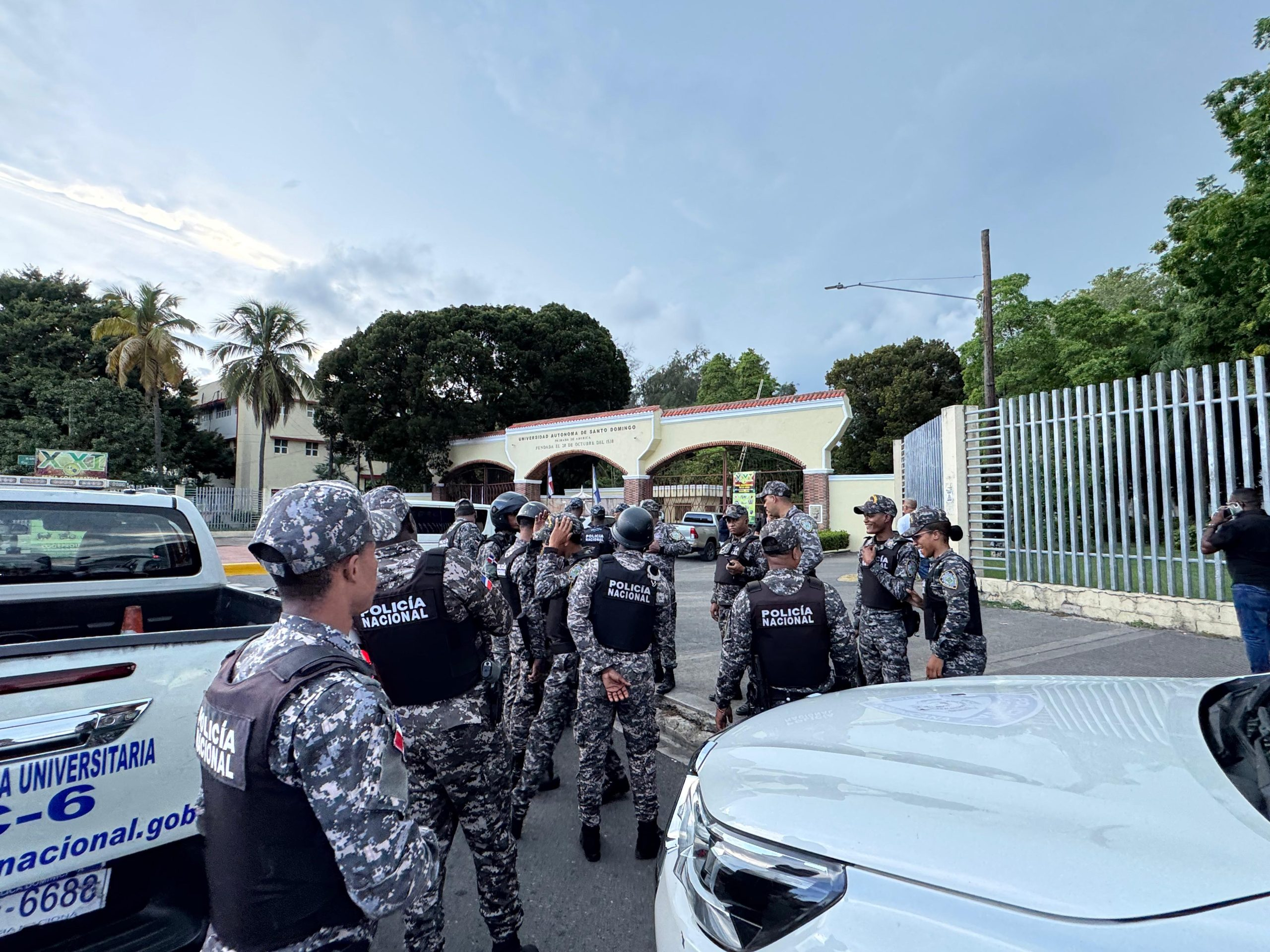
Shooting at UASD leaves several injured, including security officer
A violent shooting incident unfolded on Thursday afternoon at the main campus of the Autonomous University of Santo Domingo (UASD), leaving several individuals injured, including a member of the university’s security team. The chaos erupted when an armed man, reportedly carrying a 12-gauge shotgun, entered the campus premises. Upon being confronted by university security personnel, the assailant opened fire, injuring at least two guards before fleeing the scene. The suspect was later apprehended by security forces at a nearby store and subsequently handed over to university authorities. The incident triggered widespread panic and confusion among students, faculty, and staff. Despite the gravity of the situation, a significant number of National Police officers who responded to the scene were unable to enter the campus due to restrictions imposed by university autonomy regulations, which limit police access to UASD grounds.
-
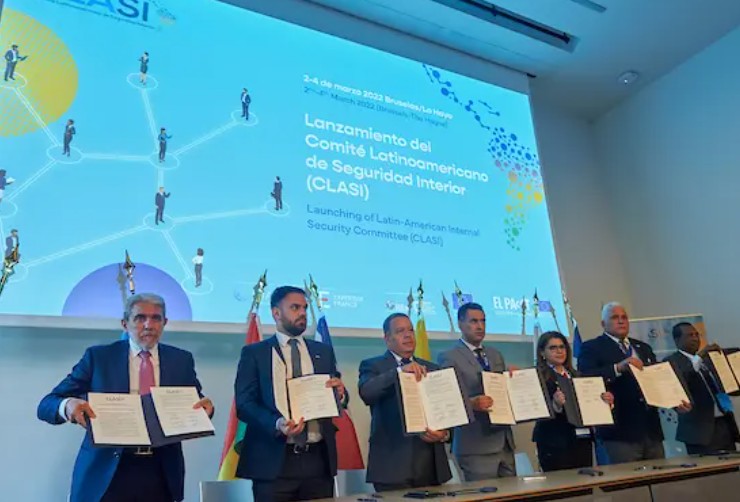
Dominican Republic elected Pro Tempore President of CLASI for 2026–2027
Santo Domingo – In a landmark diplomatic achievement, the Dominican Republic has been elected Pro Tempore President of the Latin American Committee on Internal Security (CLASI) for the 2026–2027 term. This prestigious role underscores the nation’s institutional and technical capabilities in spearheading regional cooperation on internal security, justice, and crime prevention. The election highlights the European Union’s confidence in the Dominican Republic’s strides in institutional modernization, democratic governance, and its robust efforts to combat organized crime. CLASI, bolstered by the EU’s EL PAcCTO program, serves as a platform for Latin American countries to harmonize policies on security and justice. The Dominican Republic’s Vice Ministry of Internal Security will lead this initiative, coordinating inter-institutional policies, engaging with international organizations, and setting strategic priorities for the region. The Pro Tempore Presidency will focus on fostering multilateral alliances, promoting evidence-based security models, driving innovation, and upholding human rights. This leadership position is expected to enhance collaboration with the EU and CLASI member nations, facilitating technical assistance, knowledge exchange, and the implementation of sustainable security projects across Latin America.
-
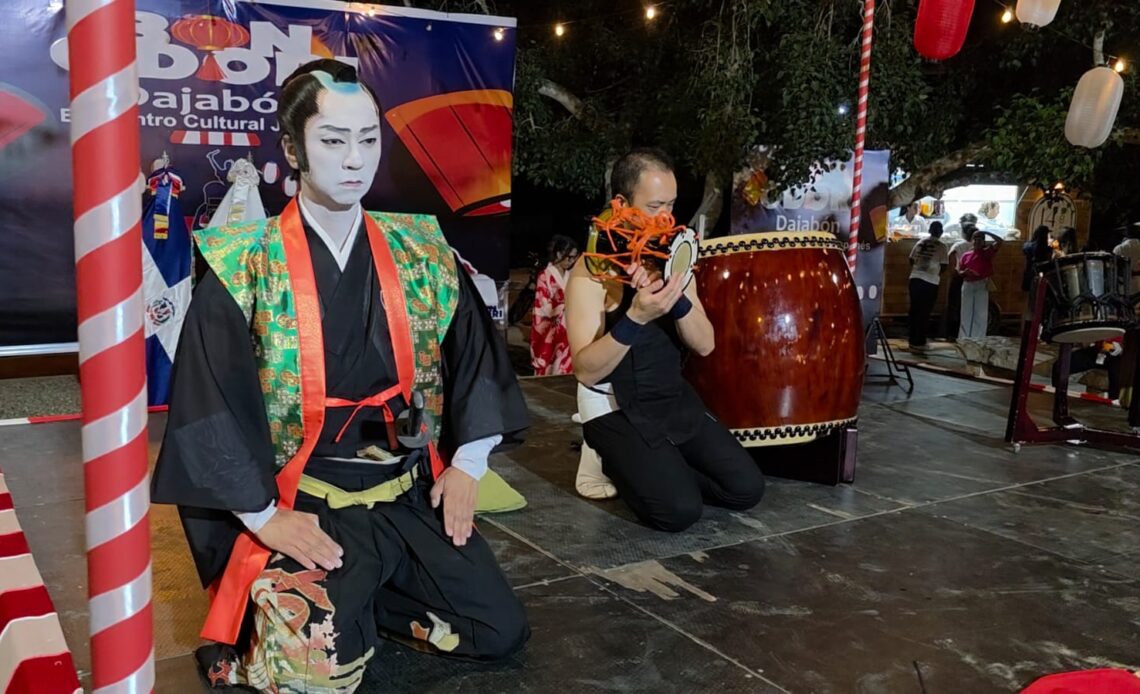
Bon Odori festival brings Japanese culture to life in Dajabón
The vibrant town of La Vigía in Dajabón recently hosted the Japanese Cultural Gathering ‘Bon Odori,’ a spectacular event that seamlessly blended Dominican and Japanese traditions. This celebration, held in the heart of the first Japanese colony in the Dominican Republic, was a feast for the senses, featuring traditional music, dance, and cuisine that paid homage to both cultures. Attendees were treated to the thunderous beats of taiko drums, mesmerizing ancestral dances, and the sight of participants adorned in yukatas, all while indulging in authentic Japanese delicacies like sushi and curry under the soft glow of traditional lanterns. The festival also highlighted local handicrafts, offering a comprehensive cultural experience. Omar Mukai, president of the Association of Japanese Descendants, emphasized the event’s mission to preserve and share Japanese heritage, which has been an integral part of Dominican culture for nearly 70 years. The Bon Odori, traditionally celebrated during Japan’s Obon Festival, is a joyous occasion that honors the spirits of ancestors with gratitude. The event was organized by Mukai in collaboration with the Ecotourism Cluster of Dajabón, led by Kathia Sarit De Mukai.
-

UNICEF donates safe space for migrant children and women
In a significant move to address the needs of vulnerable migrants, the General Directorate of Migration (DGM) in Santiago, Dominican Republic, has unveiled a new safe space designed specifically for children, adolescents, and pregnant or nursing women intercepted due to irregular immigration status. The facility, generously donated by UNICEF, is equipped to offer secure and comfortable conditions during the migration process. This initiative is part of a larger agreement that includes the establishment of three such centers, with one already operational in Dajabón and another under construction in Elías Piña. The combined investment for these projects exceeds 18.2 million Dominican pesos. Each center is thoughtfully designed with recreational areas, offices for psychosocial support, rest zones, accessibility features, and air conditioning to ensure the privacy, well-being, and protection of its users. The inauguration ceremony was graced by the presence of UNICEF officials Geny Lozada and Yamira Cuesta, IOM representative Santos Miguel Román, CONANI official Natividad Rodríguez, and DGM representatives General Juan Carlos Vicente Pérez and Colonel Manuel Carrasco Guerrero.
-
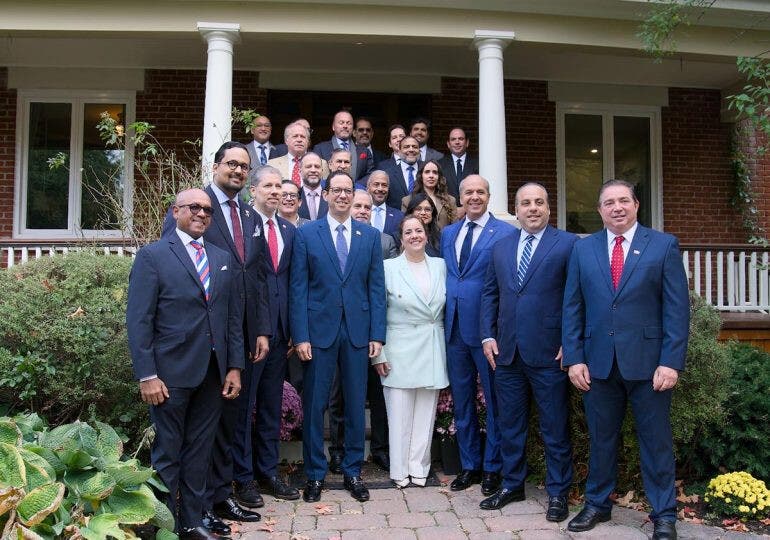
Dominican Week 2025 launches in Canada
The Dominican Republic Embassy in Canada has officially inaugurated Dominican Week in Canada 2025, with a series of events set to take place in Ottawa and Toronto on October 15 and 16. This initiative is designed to highlight the nation’s leadership, economic vitality, cultural richness, and investment potential on a global stage. The opening ceremony, held in Ottawa, featured Ambassador José Blanco Conde, who underscored the event’s significance in positioning the Dominican Republic as a dependable and competitive partner for Canada. The celebration included cultural showcases, such as a presentation of Creole cuisine by acclaimed chef Dayanny de la Cruz, who was honored for her efforts in promoting Dominican gastronomy worldwide. Sculptor Juan Trinidad was also recognized for his contributions to advancing Dominican art and culture internationally. Ottawa Mayor Mark Sutcliffe presented an official city proclamation, while Ambassador Blanco gifted a bust of national hero Juan Pablo Duarte to Ottawa City Hall, symbolizing the strong ties between the two nations. The Dominican delegation will participate in a packed agenda, including meetings with federal, provincial, and parliamentary leaders, as well as business executives. Key activities will feature panel discussions on air connectivity, trade, investment, tourism, and logistics, alongside a roundtable on critical minerals and rare earths. The delegation will also visit Bombardier’s aviation facilities. This year’s edition aligns with Hispanic Heritage Month and the Toronto Global Forum, serving as a strategic precursor to the 10th Summit of the Americas, which will be hosted by the Dominican Republic in December.
-
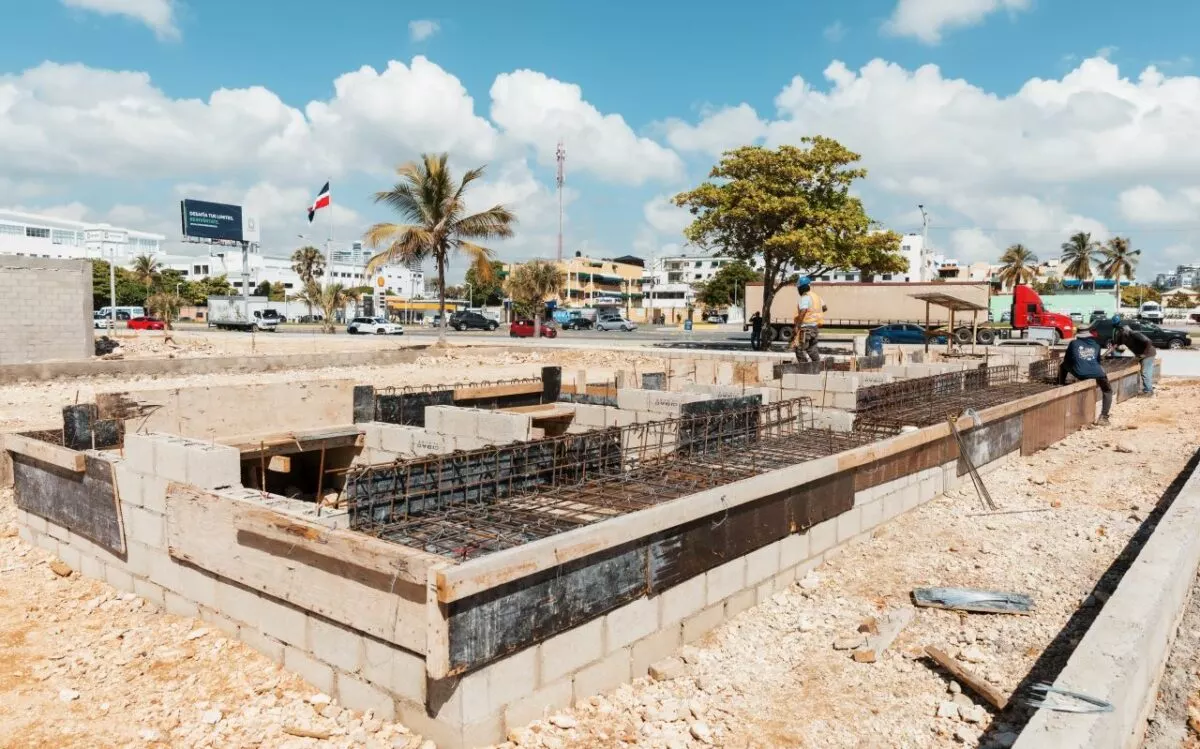
Construction advances on Santo Domingo’s Sports Boardwalk ahead of 2026 Games
Santo Domingo is set to witness a transformative urban development with the ongoing construction of the Sports Boardwalk, a flagship initiative under the Santo Domingo Integrated Plan. Spearheaded by Mayor Carolina Mejía and supported by President Luis Abinader, this project aims to revitalize 1.7 kilometers of the city’s iconic seawall. The first phase of the endeavor focuses on creating a vibrant public space that combines sports, leisure, and community engagement. Betsy Luciano, supervisor of the Infrastructure Department, recently provided updates on the project, emphasizing the installation of bleachers, beach volleyball courts, and two terraced food courts. Additionally, plans include the development of outdoor sidewalks, benches, and streetlights to enhance accessibility and aesthetics. Construction engineer Jorge Lerebours outlined further enhancements, such as the expansion and renovation of the parking lot, alongside the construction of a soccer field, paddle tennis court, amphitheater, and skate park. Mayor Mejía has projected that a significant portion of the Sports Boardwalk will be completed by April 2026, coinciding with the Central American and Caribbean Games, marking a milestone in the city’s urban renewal efforts.
-

New TRAE Control Center enhances safety for nearly 1.9 million students
The Dominican Republic has introduced a cutting-edge Georeferenced Control and Monitoring Center for its National Student Transportation System (TRAE), marking a significant leap in public school transportation safety and efficiency. This state-of-the-art platform will oversee 1,871 buses in real time, ensuring the safe transit of nearly 1.9 million students across the country. The initiative is expected to slash school transportation operating costs by 25%, while also enhancing transparency and reliability. Education Minister Luis Miguel De Camps emphasized President Luis Abinader’s dedication to modernizing the education sector, stating, ‘Behind every monitored route there is a calm mother, a confident father, a waiting teacher, and a State that supports and watches over its children.’ The system leverages preventive artificial intelligence to identify potential issues such as driver fatigue, unauthorized stops, or irregularities during trips. Each bus is being transformed into a ‘smart bus,’ equipped with GPS-enabled cameras, cybersecurity systems, and internet connectivity. Parents can now track buses in real time, receive boarding alerts, and view estimated arrival times, while drivers and managers gain access to tools for optimizing routes, monitoring vehicle status, and analyzing real-time operational data.
-
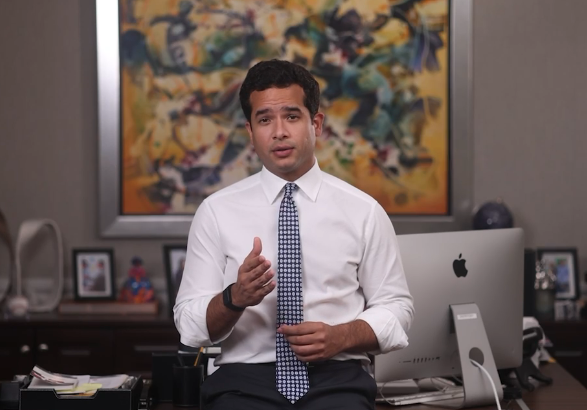
Omar Fernández calls for income tax relief for salaries under RD$52,000
In a compelling appeal to the Dominican government, Senator Omar Fernández, representing the National District, has called for an urgent revision of the income tax exemption threshold. On Wednesday, Fernández emphasized the need to raise the tax-free salary limit to RD$52,000, aligning with the Dominican Tax Code. His plea comes in response to the 2026 General State Budget proposal, which maintains the current threshold of RD$34,685—unchanged for six consecutive years despite rising inflation. Fernández criticized this stagnation, warning that it severely impacts over 300,000 workers, eroding their purchasing power. He highlighted that the failure to adjust the threshold results in a monthly loss of RD$17,244 for low- and middle-income earners. ‘This is money being directly taken from the pockets of Dominicans who need it most,’ he asserted in a social media video. The senator further underscored the economic strain by pointing out that the average cost of a basic food basket has surged to RD$46,716. He argued that maintaining the outdated tax threshold effectively deprives workers of a year’s worth of essential goods. Fernández urged the Executive Branch to adhere to the law and revise the exempt salary scale to reflect accumulated inflation. ‘My request is straightforward,’ he concluded. ‘The government must follow the law and provide Dominican families with much-needed economic relief.’