标签: Dominica

多米尼克

  • FAO to facilitate International Coffee Day on Oct 1,  highlighting crop’s  global contribution

    FAO to facilitate International Coffee Day on Oct 1, highlighting crop’s global contribution

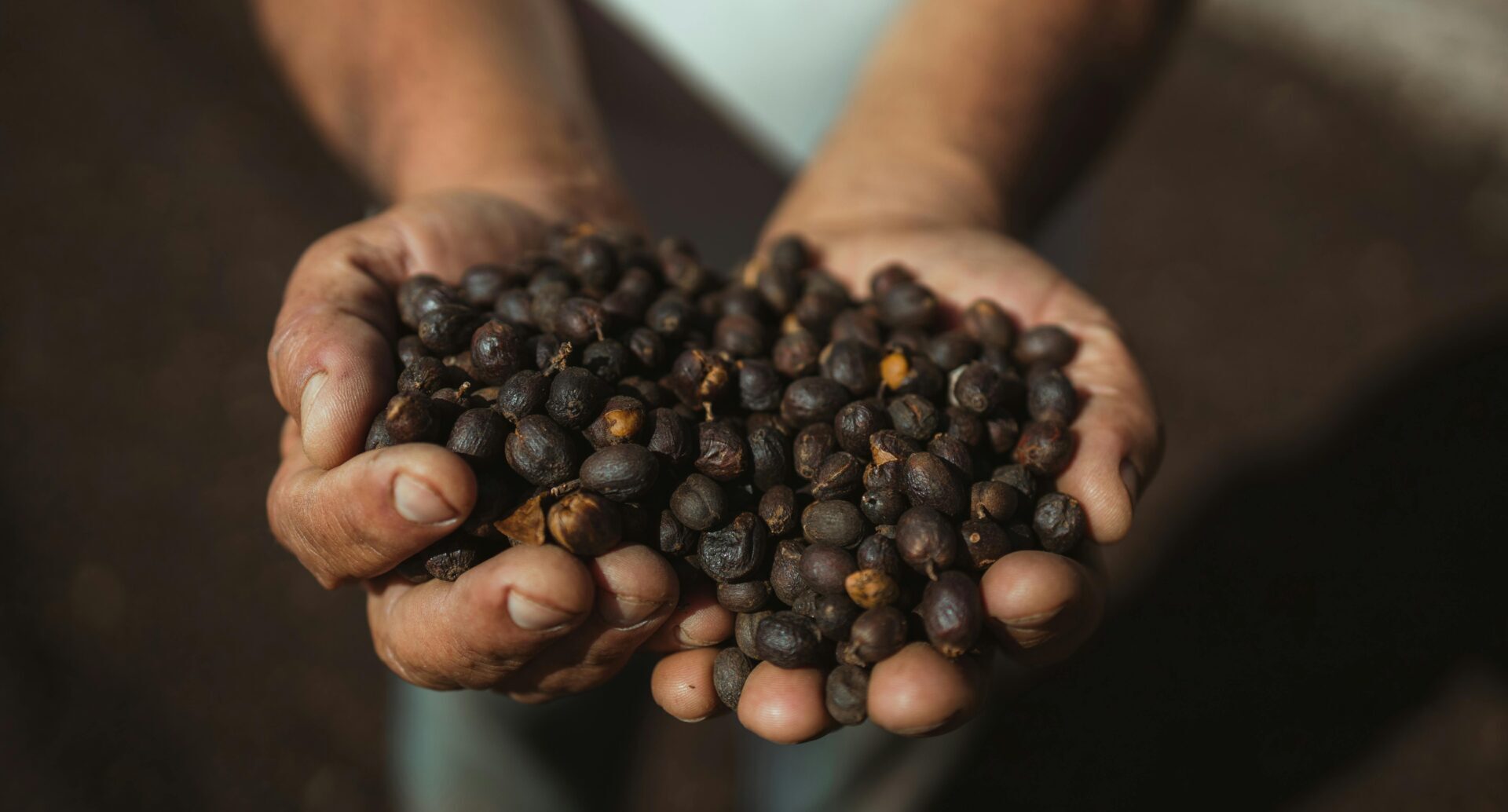
    In a historic move, the United Nations General Assembly has formally recognized coffee’s profound global significance through a groundbreaking resolution that establishes International Coffee Day. The Food and Agriculture Organization (FAO) will lead observances celebrating coffee’s extraordinary journey from ancient crop to modern cultural phenomenon.

    The resolution transcends coffee’s identity as merely a beverage, acknowledging its deep historical roots, social importance, and cultural symbolism across civilizations. It positions coffee as both a vital agricultural commodity and a universal social ritual that has shaped human interaction for centuries.

    Crucially, the UN resolution documents coffee’s substantial contributions to achieving multiple Sustainable Development Goals. These include combating hunger, reducing extreme poverty, promoting gender equality, and fostering sustainable economic growth through decent work opportunities. FAO analysis demonstrates how coffee production and trade systems support both local communities and global development initiatives.

    FAO Director-General QU Dongyu emphasized: “Coffee represents more than a drink—it’s a comprehensive global commodity chain that sustains millions of farming families and connects rural communities to international markets. This formal recognition will amplify awareness of coffee’s socio-economic importance and enhance its poverty eradication potential.”

    The resolution gained momentum after endorsement during FAO’s 44th Conference in 2025. The organization will now collaborate with the International Coffee Organization and other partners to develop meaningful observances that highlight coffee’s economic impact and promote sustainable industry practices.

    Current statistics underscore coffee’s massive economic footprint: global production exceeded 11 million tonnes in 2024, with approximately 8 million tonnes traded internationally. The industry generates nearly $25 billion in value, with bean trade reaching $34 billion. For numerous developing nations including Ethiopia, Uganda, and Burundi, coffee exports constitute vital foreign exchange earnings, sometimes exceeding food import costs.

    FAO’s extensive support programs for coffee-producing countries include climate adaptation strategies, pest management, agroforestry practices, and development of climate-resilient varieties. Initiatives such as Farmer Field Schools in Panama and cooperative models in Cuba demonstrate practical approaches to environmental challenges. Additional programs in Honduras, Guatemala, and Uganda focus on traceability systems and sustainability standards alignment.

    Through its Hand-in-Hand Initiative and World Bank partnerships, FAO mobilizes investments to enhance smallholder efficiency and income. The formal establishment of International Coffee Day provides a dynamic platform for strengthened collaboration, knowledge exchange, and concerted action toward building a more resilient, inclusive, and environmentally sustainable coffee sector worldwide.

  • Minister of Labour pledges gov’t support for establishments hit by fire

    Minister of Labour pledges gov’t support for establishments hit by fire

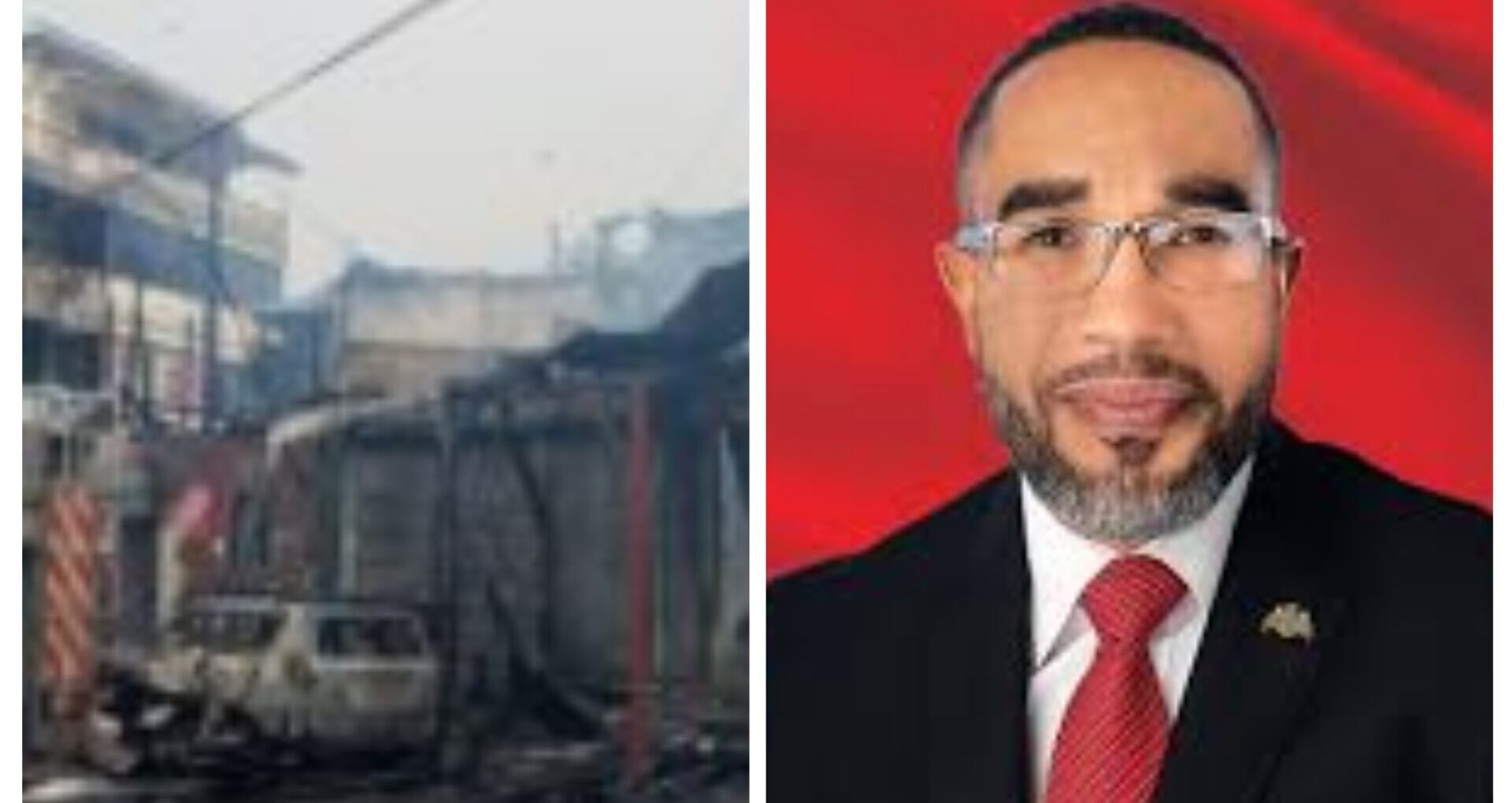
    The Government of Dominica has declared its unwavering commitment to supporting local entrepreneurs devastated by the major fire incident that struck Roseau on March 1st. Daren Pinard, Minister of State with responsibility for Entrepreneurship and Small Business Development, personally convened meetings this week with affected business owners through the Small Business Support Unit.

    This initiative represents part of the administration’s concerted effort to maintain direct dialogue with impacted stakeholders, ensuring that relief measures are precisely tailored to on-the-ground realities. Minister Pinard expressed profound solidarity with business proprietors, employees, and families suffering from the catastrophic event, acknowledging the years of diligent work that established these now-disrupted enterprises.

    During extensive consultations, government officials gathered critical insights into the immediate challenges facing the business community. These structured discussions revealed the substantial scale of losses and identified priority areas requiring short and medium-term intervention.

    The Ministry has initiated comprehensive assessments through its Small Business Support Unit to document damages across affected businesses. This systematic evaluation will determine appropriate assistance levels and ensure that support mechanisms remain precisely targeted and practically effective.

    Minister Pinard further detailed ongoing efforts to facilitate access to support programs, provide business recovery guidance, and coordinate with governmental agencies and development partners. The recovery strategy emphasizes collaborative engagement with all stakeholders to deliver both financial and technical assistance where needed.

    The government official concluded with a firm assurance: “We stand with you during this difficult time, and we will continue to work with you as you navigate the path toward recovery and rebuilding.”

  • Jamaica-Cuba medical partnership ends after nearly five decades amid reported contractual disagreements

    Jamaica-Cuba medical partnership ends after nearly five decades amid reported contractual disagreements

    After 49 years of bilateral health cooperation, Jamaica and Cuba have formally ended their medical partnership program as of March 4, 2026. The termination follows unsuccessful negotiations to renew the memorandum of understanding between the two nations, with fundamental disagreements regarding legal compliance and workers’ rights provisions ultimately derailing the partnership.

    Jamaica’s Ministry of Foreign Affairs and Foreign Trade issued a comprehensive statement detailing the decision-making process, emphasizing that the arrangement had become untenable under Jamaican law and international labor conventions. The government identified two primary concerns during its review: the compensation mechanism for Cuban medical personnel and their passport retention rights.

    According to Jamaican authorities, while Cuban medical professionals received compensation equivalent to their Jamaican counterparts, these payments were channeled through Cuban authorities in U.S. dollars rather than distributed directly to the workers. Additionally, the government discovered that Cuban personnel did not maintain possession of their passports, though this was promptly rectified once identified.

    The Jamaican government initiated formal discussions in July 2025 to restructure the agreement, proposing direct salary payments to workers and guaranteed passport control—measures already implemented in other Caribbean nations with similar Cuban medical partnerships. Despite multiple diplomatic overtures including formal proposals in October and December 2025, and engagements at ambassadorial and ministerial levels, Jamaica received no substantive response from Cuban authorities.

    Cuba’s Foreign Ministry expressed profound regret over the termination, characterizing Jamaica’s decision as a unilateral action influenced by external pressure from the United States. Cuban officials maintained that the partnership had significantly benefited Jamaican healthcare, citing statistics including over 8.1 million patients treated, 74,302 surgical procedures performed, and approximately 90,000 lives saved throughout the program’s history.

    The conclusion of this nearly five-decade partnership raises questions about future healthcare delivery in Jamaica, particularly in specialized services where Cuban medical professionals had made substantial contributions, including the Operation Miracle program that restored vision for nearly 25,000 Jamaicans since 2010.

  • Caribbean countries leverage migration to address labor shortages

    Caribbean countries leverage migration to address labor shortages

    Caribbean leaders are implementing innovative migration strategies to combat severe labor shortages threatening key economic sectors across the region. The International Organization for Migration (IOM) Caribbean, in partnership with the Caribbean Community (CARICOM) Secretariat, recently convened the tenth installment of their migration dialogue series, focusing on workforce sustainability through managed migration.

    Dominica’s Ambassador to CARICOM and the OECS, Dr. Gerard Jean-Jacques, revealed how demographic challenges including aging populations, declining birth rates, and outward migration of working-age citizens have created critical vacancies in healthcare, education, construction, agriculture, and public services. “Migration is already playing a role in sustaining our productive sectors,” Ambassador Jean-Jacques stated, highlighting structured support systems that facilitate registered farmers’ access to migrant labor.

    The discussion featured Yves Joseph, a Haitian migrant who arrived in Dominica 19 years ago and has since become a successful agricultural producer. His testimony underscored the persistent labor challenges: “To produce more, I only need one thing. I need labourers, I need farm workers.” While acknowledging many migrants view Caribbean nations as transit points, the ambassador emphasized Haiti’s crucial contribution to maintaining Dominica’s agricultural output.

    CARICOM’s labor portfolio representative emphasized the urgent need for coordinated labor mobility frameworks among member states. Despite investments in training healthcare and skilled professionals, retention remains problematic. Recent policies have encouraged regional mobility in hospitality and service industries, yet shortages in skilled trades and declining local agricultural participation continue to widen workforce gaps.

    Patrice Quesada, IOM Caribbean Coordinator and session moderator, stressed the critical timing of these discussions: “Accelerated demographic decline makes dialogue around labour needs extremely important. We must build on regional and global experiences to assist Caribbean nations.”

    The conversation expanded to include youth engagement strategies, with CARICOM Youth Ambassador for Jamaica Odane Brooks insisting that “young people are at the forefront, and any conversation about migration and workforce also impacts young people.” Panelists consensus emphasized that enhanced data collection, policy harmonization, and education systems aligned with emerging skills requirements are essential for preparing the Caribbean workforce for future demands.

    The overarching conclusion identified safe, orderly, and well-regulated migration as a strategic tool for economic development, workforce sustainability, and regional resilience. These ongoing conversations directly support CARICOM’s development of a Regional Migration Policy Framework, with the next dialogue scheduled for April 29, 2026.

  • OP-ED: Critical thinking and multiple intelligences

    OP-ED: Critical thinking and multiple intelligences

    In contemporary educational discourse, a growing chorus of experts advocates for fundamental reassessment of student evaluation methodologies. Education specialist Wayne Campbell has emerged as a prominent voice challenging the prevailing culture of standardized assessment, arguing instead for implementation of diverse evaluation frameworks that acknowledge the complex spectrum of human intelligence.

    The educational landscape frequently pressures educators to conform to uniform assessment protocols, yet Campbell emphasizes that evaluation represents a dual-purpose instrument serving both students and teachers. Students require clear understanding of their knowledge acquisition progress, while educators need accurate measurements of student comprehension to guide instructional strategies.

    Grounding his perspective in Howard Gardner’s seminal Multiple Intelligences Theory, Campbell outlines eight distinct intelligence modalities: linguistic competence involving language mastery; logical-mathematical capabilities for systematic problem-solving; spatial awareness for visual information processing; bodily-kinesthetic physical coordination; musical rhythm and pitch sensitivity; interpersonal social skills; intrapersonal self-awareness; and naturalistic environmental pattern recognition.

    Campbell stresses that effective curriculum design must incorporate gender and development perspectives to challenge stereotypes and foster inclusive learning environments. Traditional male-dominated curricular perspectives often perpetuate inequalities through biased content and language, whereas gender-sensitive approaches promote equity and prepare all students for societal participation.

    The analysis further identifies concerning trends in global education systems that potentially suppress critical thinking development. Referencing Edward Glaser’s 1941 seminal work, Campbell defines critical thinking as combining thoughtful inquiry attitudes, methodological knowledge of logical reasoning, and practical application skills. This triad of competencies enables students to examine beliefs systematically against supporting evidence and derived conclusions.

    Curriculum design emerges as the structural foundation addressing these multifaceted educational requirements. Defined as the purposeful organization of instructional components, effective curriculum development requires multisectoral collaboration to accommodate diverse learning styles and abilities. The ultimate objective remains enhancing student learning outcomes through tailored educational experiences.

    Campbell concludes with assessment reform advocate Dylan William’s perspective: evaluation should focus not on demonstrating existing knowledge but on improving future learning trajectories. This paradigm shift toward comprehensive, individualized assessment approaches represents the evolving frontier of educational excellence.

  • Strengthening emergency response capabilities: U.S.-Dominica police collaboration enhances tactical skills

    Strengthening emergency response capabilities: U.S.-Dominica police collaboration enhances tactical skills

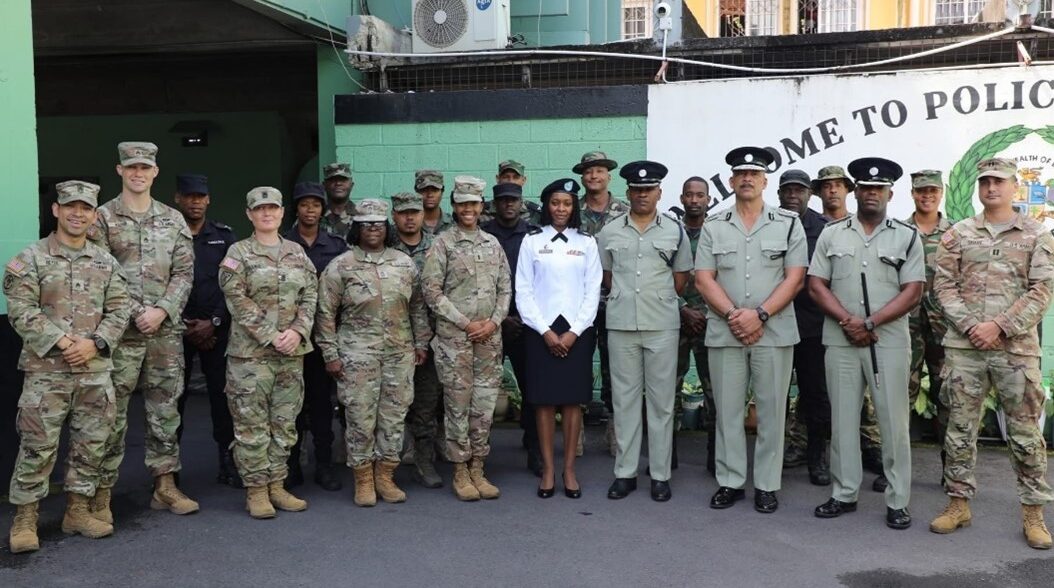
    In a significant demonstration of international security cooperation, U.S. and Dominican forces have concluded an intensive tactical medical exchange program that promises to enhance emergency response capabilities throughout the region. The five-day training initiative, conducted from February 23-27, brought together specialists from the U.S. Virgin Islands Army National Guard and the Commonwealth of Dominica Police Force for hands-on skill development.

    The comprehensive program focused on the MARCH protocol—an evidence-based approach to trauma care encompassing Massive hemorrhage control, Airway management, Respiration, Circulation, and Head trauma/hypothermia prevention. Participants engaged in both theoretical learning and practical application, culminating in realistic field simulations that tested their newly acquired life-saving techniques.

    Chief Lincoln Corbette of the Dominican Police Force expressed profound appreciation for the collaborative effort, noting: ‘We were blessed with practical knowledge that substantially strengthens our operational capabilities. Our partnership with the United States continues to deepen, and we anticipate further expanding this productive cooperation.’

    The training deployment was spearheaded by First Lieutenant Keyvil King of the U.S. Virgin Islands Army National Guard, with additional support from U.S. Army Civil Affairs personnel working in coordination with the U.S. Embassy in Bridgetown. These personnel simultaneously engaged in strategic relationship-building exercises to identify future collaborative opportunities.

    Captain Elbert Smart, Civil Affairs Team Leader, characterized the exchange as ‘both an honor and a pleasure,’ emphasizing that such initiatives ‘strengthen professional relationships and establish enduring partnerships.’

    According to official statements from the U.S. Embassy, this joint effort reflects the committed partnership between the United States and Dominica to enhance regional resilience, advance professional development standards, and significantly improve emergency preparedness protocols throughout the Caribbean region.

  • OP-ED:  513 births – Dominica’s demographic emergency and the opportunity we must not waste

    OP-ED: 513 births – Dominica’s demographic emergency and the opportunity we must not waste

    The Commonwealth of Dominica is experiencing a severe demographic crisis characterized by a dramatic decline in birth rates that has reached alarming proportions. According to recent data from China-Friendship Hospital, which handles nearly all births on the island, only 513 births were recorded in 2025—representing a staggering 43% decrease from the already concerning 899 births documented in 2007.

    The statistical trajectory reveals an increasingly dire situation. Official records show that in 2022, Dominica registered 658 births against 777 deaths, resulting in a natural population deficit of 119 persons. The following year saw a similar pattern with 657 births and 744 deaths, confirming that mortality now consistently exceeds natality—a reality that has already arrived rather than merely being projected.

    This demographic implosion has been decades in the making. Between 1995 and 2008, primary school enrollment collapsed by 42%, while the Social Security system reached a critical point by 2007, paying out 68 cents in benefits for every dollar collected in contributions. The agricultural sector faces similar challenges, with the majority of farmers now over 60 years old, indicating widespread aging across all economic sectors.

    An unexpected development has emerged within this crisis: The United States government, under President Trump’s executive orders on deportations, has indicated that Dominica will receive deportees and refugees. While politically sensitive for a sovereign nation, Prime Minister Roosevelt Skerrit has acknowledged the demographic necessity, stating publicly that Dominica’s population has become dangerously insufficient.

    The critical question now centers on the composition of incoming migrants rather than whether they should be accepted. Dominican authorities must urgently negotiate for families with children, as each settling family with two or three children directly addresses the birth deficit, refills classroom seats, adds future Social Security contributors, and establishes rooted community households. Conversely, the government should avoid disproportionate numbers of unattached single men, whose integration patterns historically create social pressures that small communities struggle to absorb.

    The window for strategic action is narrow—once migration compositions are established through diplomatic channels, they become difficult to restructure. With only 513 births recorded last year, every family with children that settles in Dominica represents a partial solution to the demographic emergency that now defines the nation’s future.

  • Caribbean nations enhance demographic data to improve strategic planning

    Caribbean nations enhance demographic data to improve strategic planning

    BRIDGETOWN, BARBADOS – In a landmark regional collaboration, Caribbean statistical experts and government officials are converging in Barbados to master next-generation population data techniques. The intensive five-day workshop, running from March 9-13, 2026, represents a strategic effort to transform how nations plan for climate adaptation, economic development, and social services through advanced demographic analysis.

    Hosted at Hotel Indigo in Bridgetown, the initiative brings together an unprecedented coalition including CARICOM, UNFPA, WorldPop, the UK’s FCDO, and the European Union’s Joint Research Centre. The curriculum focuses on two transformative methodologies: sophisticated population modeling for small-area estimates and the globally standardized Degree of Urbanisation (DEGURBA) framework.

    Jenny Karlsen, Acting Head of UNFPA’s Caribbean Sub-Regional Office, emphasized the paradigm shift in demographic science. ‘Emerging tools are fundamentally expanding our analytical capabilities,’ she noted. ‘Where traditional censuses provided periodic snapshots, we now combine modeling with satellite-derived settlement data to create dynamic, high-resolution population maps.’

    The DEGURBA methodology establishes consistent criteria for classifying areas as rural, peri-urban, or urban based on settlement density and spatial configuration – resolving longstanding comparability issues that hampered regional planning. Since 2023, UNFPA and EU partners have extended this framework to nearly 50 nations worldwide.

    Jennifer Hunte, Permanent Secretary for Economic Affairs and Planning, underscored the practical implications: ‘Granular population data directly informs infrastructure investment, healthcare deployment, and educational resource allocation. This isn’t about statistics – it’s about ensuring development policies reach every community effectively.’

    Dr. Armstrong Alexis, CARICOM Deputy Secretary-General, highlighted the urgency behind the initiative: ‘Climate vulnerability, migration patterns, and demographic changes require evidence-based responses. Standardized data enables coordinated regional resilience planning that transcends national boundaries.’

    The workshop’s practical component involves developing validated small-area population estimates using census data, satellite imagery, and predictive modeling. This technical capacity building aims to create policy-relevant data streams that can target investments toward vulnerable populations, particularly women, youth, and climate-affected communities.

    This collaboration exemplifies how regional partnerships are overcoming the limitations of individual national statistical systems. By creating shared methodologies and data infrastructures, Caribbean nations are pioneering a new model of evidence-based governance for sustainable development in an era of global challenges.

  • Young DA athletes set new CARIFTA qualifying standards and break national record

    Young DA athletes set new CARIFTA qualifying standards and break national record

    A new generation of track and field talent is emerging from Dominica as three young athletes post record-breaking performances, securing their places at the prestigious CARIFTA Games. The Dominica Athletic Association Inc. has officially recognized these exceptional achievements that signal a promising future for the nation’s athletics program.

    Keyoni Esprit of Pioneers Athletics Club delivered a blistering performance in the Under-17 Boys 200-meter event, clocking an impressive 22.6 seconds. This time not only represents significant personal improvement for the young sprinter but also comfortably meets the strict qualification standard for the upcoming regional championship.

    In the shorter sprint distance, Delanie George from Aspirers Athletics Club demonstrated explosive power and technical precision by achieving the CARIFTA qualifying mark in the Under-17 Boys 100-meter dash with a time of 11.0 seconds flat, showcasing consistency and competitive readiness.

    Perhaps most notably, high jumper Khaarim John-Baptiste, also representing Aspirers Athletics Club, made history by setting a new national record in the Under-18 High Jump category. His clearance of 1.87 meters surpassed his previous record established just weeks earlier, demonstrating remarkable rapid progression and technical development.

    The Dominica Athletic Association Inc. has extended formal congratulations to these athletes and their coaching teams, emphasizing that these accomplishments reflect both individual dedication and the growing strength of local athletic development programs.

    “These exceptional performances underscore the continuous evolution of track and field in Dominica and spotlight the extraordinary talent cultivated within our community clubs,” stated association representatives. “We anticipate providing further updates as our athletes intensify their preparations for forthcoming regional competitions.”

  • Dominica Amateur Athletics Association undergoes name change as part of long-term  expansion

    Dominica Amateur Athletics Association undergoes name change as part of long-term expansion

    In a landmark move signaling strategic evolution, the national governing body for track and field in Dominica has officially transitioned from its former identity as the Dominica Amateur Athletics Association to the newly established Dominica Athletics Association Inc. This transformative rebranding, effective immediately, represents a pivotal moment in the organization’s institutional development.

    The comprehensive name change forms an integral component of the Association’s broader modernization initiative, designed to achieve closer alignment with global standards promulgated by World Athletics, the international governing body for the sport. Officials emphasize that this strategic pivot extends far beyond superficial nomenclature, embodying a fundamental shift in organizational philosophy and scope.

    President Brendan Williams articulated the vision behind this significant transition, stating: “Our historical concentration on amateur athletics has now evolved into a comprehensive mandate encompassing emerging talents, elite performers, and professional competitors alike. This rebranding crystallizes our dedication to serving every athlete within our jurisdiction.”

    This organizational transformation emerges from an extensive strategic blueprint focused on enhancing governance protocols, securing sustainable operations, and formalizing administrative structures. The overhaul aims to strengthen the Association’s capacity to deliver impactful programs benefiting athletes, coaching personnel, and sports clubs across the Commonwealth of Dominica.

    Despite these substantial changes, the Association reaffirms its unwavering commitment to its foundational mission: promoting, developing, and regulating athletic pursuits nationwide while creating pathways for domestic and international competitive excellence. All stakeholders—including members, affiliated clubs, institutional partners, and the general public—are urged to adopt the new designation in all official communications and documentation moving forward.