标签: Dominica

多米尼克

  • STATEMENT: End of year message – Outgoing chair of the Caribbean Community (CARICOM) Dr the Most Honourable Andrew Holness, Prime Minister of Jamaica

    STATEMENT: End of year message – Outgoing chair of the Caribbean Community (CARICOM) Dr the Most Honourable Andrew Holness, Prime Minister of Jamaica

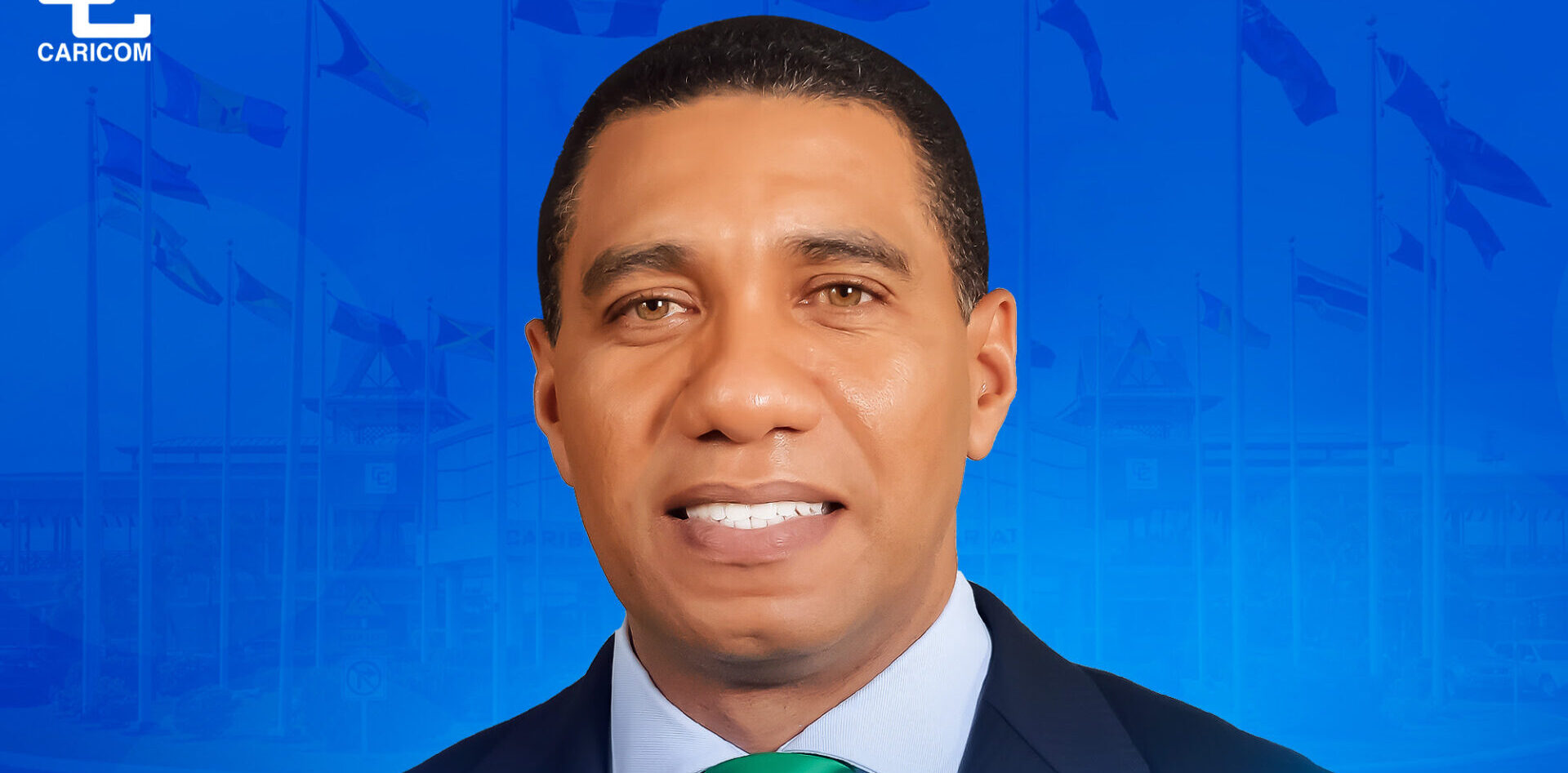
    In her concluding address as Chair of the Caribbean Community (CARICOM), Jamaica’s Prime Minister reflected on a period of significant regional achievement and collective resilience throughout 2025. The Caribbean nations demonstrated remarkable solidarity while confronting the catastrophic impacts of Hurricane Melissa, with international and regional support underscoring the fundamental strength of their regional alliance.

    CARICOM achieved historic milestones in regional integration with four member states—Barbados, Belize, Dominica, and St. Vincent and the Grenadines—implementing full free movement of persons effective October 2025. This ‘concentric circles’ model enables progressive integration while permitting other nations to join when prepared.

    Amid shifting global trade dynamics, CARICOM successfully safeguarded its economic interests through coordinated advocacy with the CARICOM Private Sector Organization and strategic international partners. Enhanced air connectivity and trade initiatives further strengthened regional food security and economic cooperation.

    On the global stage, CARICOM maintained a unified voice through high-level engagements at the United Nations General Assembly, G20 Summit, and CELAC-EU Summit. The Conference addressed emerging security challenges through the Montego Bay Declaration on Transnational Organized Crime and Gangs, recognizing the intrinsic link between security and sustainable development.

    While COP30 reaffirmed multilateral commitments to climate action, outcomes failed to adequately address the urgent needs of Small Island and Low-lying Coastal Developing States. CARICOM remains steadfast in its commitment to the 1.5°C goal and acknowledged the critical work of regional agencies in climate resilience and disaster management.

    The Community advanced strategic partnerships with Africa through the Second Africa-CARICOM Summit, fostering collaboration on trade, investment, and global advocacy including reparations. CARICOM sustained its advocacy for Haiti, supporting international efforts toward stability and anticipating free elections in 2026.

    CARICOM reaffirmed its commitment to maintaining the Caribbean as a Zone of Peace, grounded in respect for international law and peaceful conflict resolution. While acknowledging occasional divergent perspectives among sovereign members, the Community emphasized that institutional mandates and people-to-people connections remain unwavering.

    As geopolitical landscapes evolve, CARICOM will continue navigating international challenges through clarity, cohesion, and adherence to shared principles of sovereignty and diplomatic engagement. The outgoing Chair expressed confidence in the Community’s enduring strength and optimistic outlook for regional cooperation under new leadership.


  • COMMENTARY: A breach within CARICOM widens

    COMMENTARY: A breach within CARICOM widens

    The second administration of U.S. President Donald Trump has precipitated significant fractures within the Caribbean Community (CARICOM), testing bilateral relations while undermining regional cohesion. This geopolitical shift mirrors divisions witnessed during Trump’s first term regarding Venezuela policy, creating a tumultuous backdrop for Caribbean foreign relations with Washington.

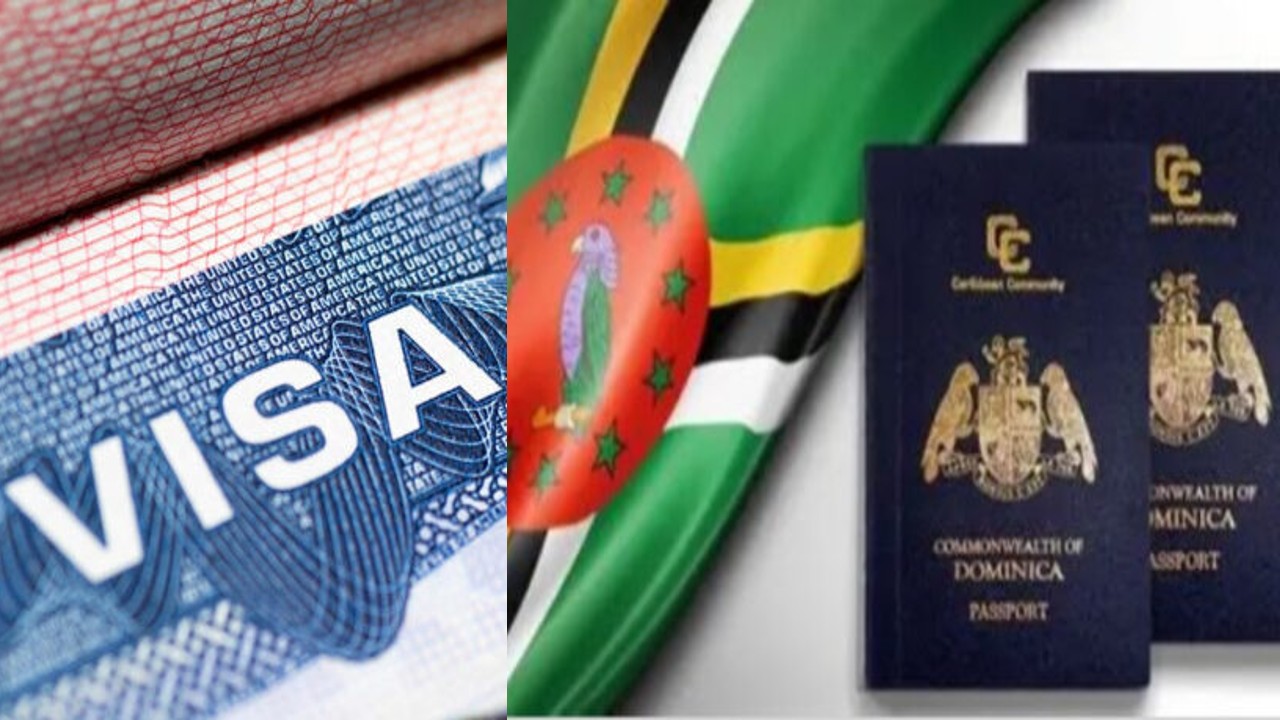
    The recent U.S. proclamation imposing partial entry restrictions on nationals of Antigua and Barbuda and Dominica exemplifies Washington’s scattershot approach to CARICOM relations. Though temporarily suspended following diplomatic engagement, this episode highlights the underlying tensions between cordial bilateral relations and fundamentally different visions of international governance.

    A critical fracture emerged with Trinidad and Tobago’s political transition in April 2025. Prime Minister Kamla Persad-Bissessar’s government broke from CARICOM consensus by supporting increased U.S. military presence in the region through ‘Operation Southern Spear.’ This alignment with Washington marks a dramatic departure from Trinidad’s traditional foreign policy and has drawn criticism from regional partners.

    The operation represents an escalation of U.S. pressure against Venezuela’s Maduro regime, targeting oil tankers carrying Venezuelan crude—a strategy with far-reaching implications for Caribbean energy security. Cuba and other nations reliant on Venezuelan shipments view these developments with particular concern.

    Trinidad’s Foreign Ministry defends its cooperation, citing enhanced surveillance capabilities, joint military exercises, and successful narcotics interdiction efforts. The government has approved transit for U.S. military aircraft and installed American radar systems, framing these actions as beneficial to national security.

    However, this position has sparked domestic criticism and regional backlash. Antigua and Barbuda issued a strongly worded statement criticizing Trinidad’s approach, prompting Persad-Bissessar to accuse CARICOM of aligning with ‘the Maduro narco government’ in social media posts that seemingly targeted a U.S. audience.

    Most CARICOM members remain committed to traditional foreign policy principles emphasizing peace, multilateralism, and dialogue. The bloc’s October 2025 meeting reaffirmed these values, though Trinidad reserved its position, highlighting the growing divide.

    Analysts suggest the Trump administration’s ‘Enlist and Expand’ strategy—dubbed the ‘Trump Corollary’ to the Monroe Doctrine—seeks to project U.S. hegemony throughout the Western Hemisphere. This ‘might makes right’ approach threatens to undermine CARICOM’s collective foreign policy effectiveness precisely when unity is most needed.

    The fracture within CARICOM represents a significant departure from decades of coordinated foreign policy and threatens to weaken the bloc’s international standing if not effectively addressed by regional leaders.

  • LETTER TO THE EDITOR: CBI accountability cannot be deflected by blaming U.S. systems

    LETTER TO THE EDITOR: CBI accountability cannot be deflected by blaming U.S. systems

    A critical examination of Dominica’s Citizenship by Investment (CBI) program has challenged recent attempts to deflect responsibility for its shortcomings onto United States information-sharing policies. The analysis identifies fundamental structural flaws within the program itself, arguing that design, incentive structures, and administration practices—not external factors—create systemic vulnerabilities.

    The central critique focuses on Dominica’s profound fiscal dependence on CBI revenue, which accounts for a majority of government income. This economic reality creates an inherent conflict of interest: when passport issuance becomes the state’s primary revenue stream, approval rates and processing speed inevitably receive priority over rigorous vetting. The program’s dominant role in national finances undermines claims that citizenship decisions remain insulated from financial pressures.

    Contrary to arguments presented in defense of the program, the analysis emphasizes that information gaps in applicant backgrounds demand enhanced scrutiny—not complacency. International anti-money laundering and counter-terrorism financing standards explicitly require heightened due diligence when dealing with applicants demonstrating identity complexity, legal name changes, or fragmented personal histories. These are global compliance norms, not exclusively American requirements.

    The response further challenges the notion that the United States bears responsibility for ‘fixing its databases’ to accommodate CBI programs. Border security begins with the sovereign act of granting citizenship, wherein the issuing nation vouches for the holder’s identity and trustworthiness. This fundamental responsibility cannot be outsourced or deflected to other nations.

    The analysis concludes that credible defense of Dominica’s CBI program requires confronting uncomfortable truths: excessive reliance on passport revenue, structural conflicts of interest, and the treatment of citizenship as a transactional commodity rather than a sovereign trust. Accountability must begin with domestic reforms rather than attempts to shift blame internationally.

  • Origins and activities of Boxing Day

    Origins and activities of Boxing Day

    December 26th marks Boxing Day, a holiday with centuries-old origins that has transformed from its charitable roots into a multifaceted global observance. While most strongly associated with the United Kingdom and Commonwealth nations, this post-Christmas tradition has developed distinct regional characteristics across the world.

    The historical foundation of Boxing Day traces back to medieval England, where it served as a day of gratitude and social reciprocity. Employers would present their servants, tradespeople, and tenants with decorative boxes containing money, practical goods, or Christmas feast leftovers. Simultaneously, churches collected alms in donation boxes for distribution to the impoverished, linking the day to Christian charitable traditions.

    Modern observances reveal fascinating geographical variations. In contemporary Britain, the day has evolved into a major commercial event featuring aggressive shopping sales comparable to America’s Black Friday, alongside traditional sporting events like football matches and horse racing. The Caribbean maintains stronger connections to the holiday’s philanthropic origins, with employers providing bonuses and communities organizing charitable activities. Region-specific celebrations include Jamaica’s vibrant Junkanoo festival with its elaborate costumes and rhythmic processions, and Trinidad’s Parang festival featuring traditional music performances.

    Commonwealth nations including Canada, Australia, and South Africa recognize Boxing Day as an official public holiday typically dedicated to shopping, sporting events, and family gatherings. Meanwhile, other regions have developed comparable December 26th traditions without the Boxing Day label—Germany observes St. Stephen’s Day with religious services and family time, while Japan has adopted the commercial aspect through year-end sales events.

    This evolution from community-focused charity to commercialized leisure activities reflects broader societal shifts in values and economic priorities. Despite these changes, the enduring theme of gratitude and social connection continues to unite global celebrations of this distinctive post-Christmas holiday.

  • U.S. strike targets ISIS camps in Nigeria amid Trump’s warnings about attacks on Christians

    U.S. strike targets ISIS camps in Nigeria amid Trump’s warnings about attacks on Christians

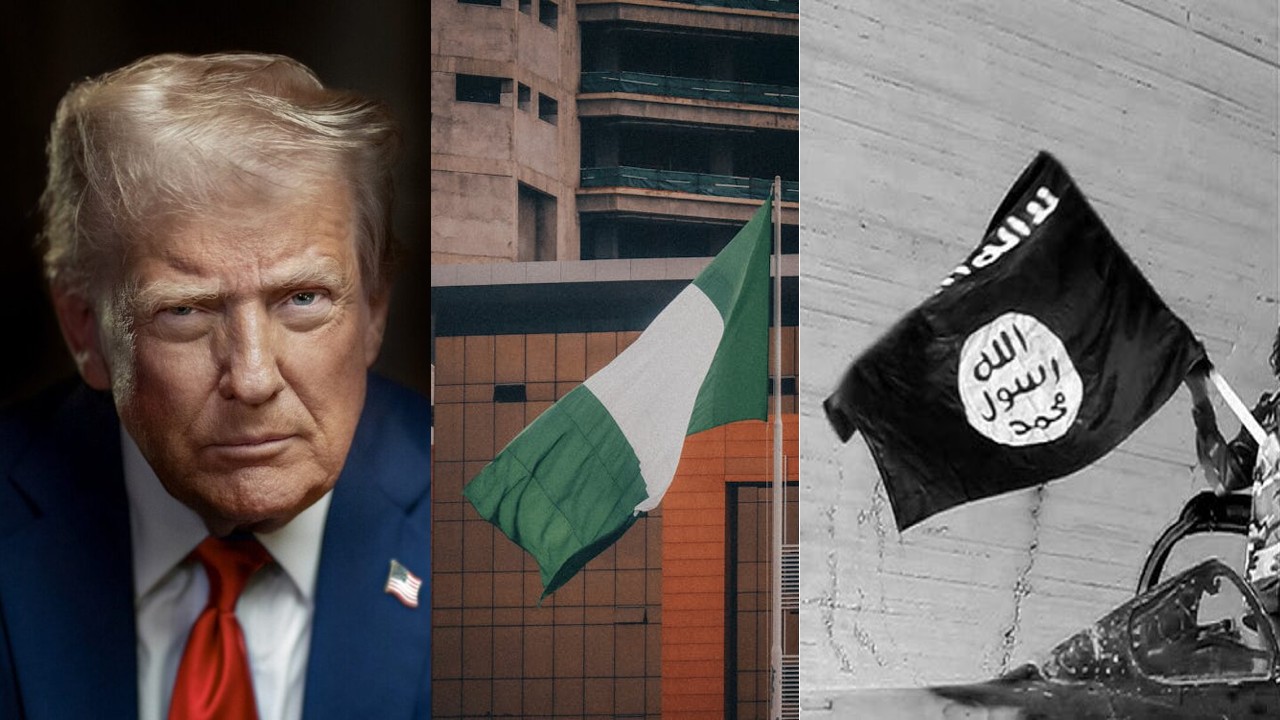
    In a significant military operation authorized by President Donald Trump, United States forces executed a targeted strike against ISIS-affiliated terrorists in northwestern Nigeria on Thursday. The action, carried out with Tomahawk missiles launched from a naval vessel, specifically targeted two ISIS strongholds in Sokoto State near the Nigerian-Nigerien border.

    President Trump announced the operation via social media, characterizing it as a ‘powerful and deadly strike against ISIS Terrorist Scum’ and explicitly linking the intervention to the protection of Nigerian Christians. ‘I have previously warned these Terrorists that if they did not stop the slaughtering of Christians, there would be hell to pay,’ Trump stated, adding a Christmas message that extended to ‘the dead Terrorists, of which there will be many more if their slaughter of Christians continues.’

    The operation received official confirmation from U.S. Africa Command (AFRICOM), which indicated preliminary assessments showed multiple ISIS fighters eliminated from their camps. Defense Secretary Pete Hegseth affirmed Nigeria’s cooperation in the mission, promising ‘more to come’ in future counterterrorism efforts.

    Nigerian Foreign Minister Yusuf Tuggar provided critical context, revealing he had consulted with U.S. Secretary of State Marco Rubio prior to the operation and that President Bola Tinubu had authorized the action. Tuggar emphasized the strike was not religiously motivated but rather aimed at protecting all civilians across Nigeria and the Sahel region, where extremist violence has escalated dramatically in recent years with Muslim communities constituting the majority of victims.

    Security analysts identified the likely target as Lakurawa, an emerging terrorist organization operating in northwestern Nigeria that was officially designated as terrorist earlier this year. The group has conducted numerous attacks against both civilians and security forces while maintaining bases in forested border regions.

    President Tinubu’s Christmas Eve message called for national unity among all faiths and reaffirmed his government’s commitment to protecting religious freedom for all Nigerians. The strike represents the latest in a series of military actions undertaken by the Trump administration since returning to office, including operations against Iran’s nuclear program and Venezuelan military buildup, marking a shift from campaign promises to reduce foreign military interventions.

  • LETTER TO THE EDITOR: Can Dominica help Trump secure America borders?

    LETTER TO THE EDITOR: Can Dominica help Trump secure America borders?

    In a sharp rebuttal to U.S. border security pressures, Caribbean nation Dominica has characterized American demands as unreasonable and bordering on mockery. The response comes amid heightened tensions over Citizenship by Investment (CBI) programs and their perceived impact on U.S. national security.

    President Trump’s administration has asserted that CBI passport holders represent a security threat, but Dominican officials present a contrasting perspective. They argue that background checks can only identify officially recorded criminal history, and that individuals without existing records cannot be flagged through standard vetting processes.

    The core dispute centers on information sharing limitations. According to the Dominican position, the United States maintains inadequate data transparency regarding visa denials. Currently, neither international due diligence firms nor vetting agencies can access U.S. visa denial databases, creating what Dominica describes as a structural flaw in American information policy.

    Rather than pressuring small nations, Dominican authorities suggest the United States should leverage its advanced technological capabilities to create and maintain a comprehensive database of security risks. Such a system would include criminals, fraudsters, and suspected terrorists, while improving international information-sharing mechanisms.

    The article emphasizes that national security represents a shared global responsibility, but contends that accountability must begin with domestic policy reforms. This perspective challenges the current approach of imposing external pressure on smaller nations while maintaining internal data limitations.

  • VIDEO: Ma Sharp’s Christmas Lights

    VIDEO: Ma Sharp’s Christmas Lights

    As the festivities of Christmas Day 2025 concluded across the Commonwealth of Dominica, one spectacular display continued to capture the nation’s collective imagination. In the community of Canefield, the annual exhibition known as ‘Ma Sharp’s Christmas Lights’ has firmly established itself as an indispensable component of the island’s holiday celebrations.

    This luminous tradition, which has evolved significantly over recent years, represents more than just decorative illumination. The display has transformed into a cultural phenomenon that draws visitors from across the island and beyond, creating a focal point for community gathering and seasonal joy. The carefully orchestrated arrangement of lights and decorations has grown in both scale and sophistication with each passing year, reflecting the growing significance of this personal initiative that has captured the national spirit.

    The emergence of Ma Sharp’s display as a Christmas staple demonstrates how individual creativity can blossom into shared cultural heritage. What began as a local neighborhood attraction has matured into a destination that families specifically plan to visit during the holiday season, with many now considering their Christmas incomplete without experiencing this radiant spectacle. The display’s popularity underscores the human desire for light and celebration during the darkest time of the year, particularly in tropical settings where traditional winter imagery contrasts beautifully with the Caribbean environment.

    This growing tradition also highlights how modern holiday customs continue to evolve in the digital age, where such displays gain additional recognition through social media sharing and word-of-mouth promotion. The Canefield lights have become photogenic symbols of Dominican Christmas spirit, representing both personal expression and community pride in a format that resonates with contemporary sensibilities while maintaining traditional holiday values.

  • DNO Christmas Shodo : Relive the magic of culture and creativity

    DNO Christmas Shodo : Relive the magic of culture and creativity

    The Dominica News Online (DNO) network is reviving its acclaimed cultural programming this holiday season, bringing back three cherished specials that spotlight Dominican artistic excellence. Originally broadcast in 2021, 2023, and 2024, these meticulously produced showcases highlight the nation’s extraordinary talents across musical performance, comedic arts, culinary traditions, and diverse cultural expressions.

    These programming initiatives were conceived as cultural preservation projects, capturing the vibrant essence of Dominican creativity while providing quality entertainment that resonates with both local and diaspora audiences. The specials achieved significant viewer engagement upon their initial releases, generating widespread appreciation for their authentic portrayal of Dominican cultural heritage.

    This strategic holiday rebroadcast serves dual purposes: introducing these cultural treasures to new audiences while offering dedicated viewers an opportunity to rediscover their favorite moments. The Christmas timing aligns with traditional periods of family gathering and cultural reflection, making the content particularly relevant for seasonal viewing.

    All three full-length programs are currently available through DNO’s digital platforms, providing on-demand access to these cultural documents that collectively form an important archive of contemporary Dominican artistic achievement. The rebroadcast initiative demonstrates media’s role in cultural conservation while leveraging digital technology to make heritage content perpetually accessible.

  • COMMENTRAY: “Legendary Old Man Bramble returned for Christmas”

    COMMENTRAY: “Legendary Old Man Bramble returned for Christmas”

    On a misty Christmas Eve morning in the coastal community of Coral Cay, a legendary figure known as Old Man Bramble made a rare appearance that would leave a lasting impression on residents. With a beard as white as sea foam and carrying a lantern emitting a warm, promising glow, Bramble emerged from the horizon’s golden light as if materializing from the ocean itself.

    Young Jerry, a local boy playing on the beach, became the first to encounter the mysterious visitor. Despite knowing the legends, Jerry never expected to witness Bramble’s physical manifestation. In a transformative moment, the boy reached for the lantern rather than Bramble’s hand, causing the flame to dance and flare—symbolically establishing a connection between the child and the legend as joint guardians of light.

    Their procession through the village became a silent celebration as doors opened and quiet smiles welcomed the returning legend. Elders watched from porches with nostalgic recognition while families emerged to witness the symbolic journey. The lantern between them glowed with something beyond mere flame—representing hope, continuity, and the community’s shared spirit.

    As families gathered in the western inlet’s boathouse that evening, Bramble delivered an profound discourse on resilience and human connection. Seated comfortably as if he had never departed, he explained the lantern’s symbolism: “Light is like the heart—the first lantern we ever carry. It glows when we love, dims when we’re afraid, and brightens when we’re kind. When shared, our heart-light touches others.”

    Bramble emphasized that everyone possesses an inner spark that must be nurtured through kindness and courage. He drew parallels between his lantern and the distant lighthouse, noting how steady brightness—not force or noise—guides sailors home. “A steady person becomes a beacon for others simply by being themselves,” he advised, adding that “even one small light can change everything and offer hope in the darkest times.”

    Before departing as quietly as he arrived, Bramble left the community with a final wisdom: “The world is heavy enough. Don’t add weight where you can add kindness. When you shine, the island grows softer.”

    The next morning, young Jerry discovered Bramble’s footprints leading toward the water—physical evidence of the magical visitation that had already begun transforming the community’s spirit. Though the legend had returned to his “Quiet Place,” he left behind a renewed sense of togetherness and the enduring message that sharing one’s light can guide an entire community forward.

  • COMMENTARY: The role of the remnant in Dominican society – a message for Christmas and the New Year

    COMMENTARY: The role of the remnant in Dominican society – a message for Christmas and the New Year

    The Caribbean nation of Dominica stands at a critical juncture where its very survival hinges not on military power or political rhetoric, but on moral fortitude, historical consciousness, and civic courage. This profound moment demands the awakening of what local intellectual Gabriel Christian describes as ‘the remnant’—those individuals forged in the principled postwar era following universal adult suffrage in 1951.

    Following the landmark achievement of self-governance, Dominica experienced a transformative period that cultivated exceptional character and civic virtue. This epoch produced visionary leadership including pragmatic businessman-statesmen and agricultural reformers who revolutionized education and rural development. The foundational philosophy of ‘koudmen’ (cooperative effort) created a society built on mutual accountability, discipline, and honesty that enabled effective governance despite limited resources.

    During this golden age, Dominica maintained thriving citrus and banana industries alongside local manufacturing of consumer goods ranging from fruit jellies to soft drinks. Trust-based financial cooperatives and credit unions flourished alongside genuine social cohesion, where traditional greetings symbolized deeper mutual respect rather than mere politeness.

    The remnant remembers institutional guardians like Truancy Officer Mr. Frank ensuring children’s education, Sanitary Officer Mr. Solomon maintaining public health standards, and forest guards protecting natural resources for future generations. This system represented not authoritarianism but ‘civic love’—a disciplined collective care preventing social fragmentation.

    Contemporary Dominica presents a stark contrast: educational institutions grappling with drug infiltration, communities besieged by criminal gangs, and environmental degradation threatening the ‘Nature Island’s’ ecological heritage. Trust in institutions has eroded while lawlessness proliferates, exacerbated by compromised leadership and foreign exploitation.

    Most alarmingly, some within the remnant class have acquiesced to systemic corruption, exchanging courage for complacency. This silent complicity threatens the nation’s foundational values as Dominica faces potential moral collapse under external influences and internal apathy.

    Drawing from Christian theological concepts, the remnant represents the moral minority preserving truth amidst societal compromise. Their power resides not in numerical superiority but in unwavering authenticity, perseverance, and obedience to conscience. This group must serve as Dominica’s moral compass—defending rule of law, environmental stewardship, and institutional integrity through concrete action rather than rhetoric alone.

    The urgent call to action demands the remnant reclaim their historical responsibility: mentoring youth, rebuilding cooperative institutions, and speaking truth to power without fear. Their mobilization represents the final barrier against complete moral dissolution and the last hope for national renewal through courageous civic engagement anchored in truth, justice, and genuine patriotism.