标签: Dominica

多米尼克

  • CARICOM Movement of Factors BIll passes in Parliament

    CARICOM Movement of Factors BIll passes in Parliament

    In a significant stride toward regional economic unification, the Caribbean Community (Movement of Factors) Bill 2026 has been formally enacted by Parliament. This pivotal legislation operationalizes core provisions of the Revised Treaty of Chaguaramas, establishing a robust legal framework to guarantee the right of establishment, the provision of services, and the unimpeded movement of capital across all CARICOM Member States.

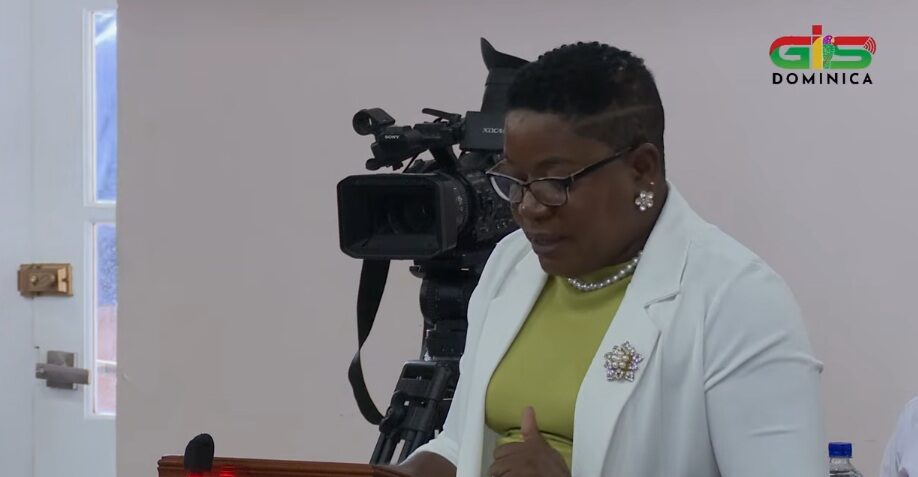
    Foreign Affairs Minister Dr. Vince Henderson heralded the passage of the Bill as a transformative moment for regional integration. He emphasized that the Act is designed to dismantle longstanding practical barriers that have historically hindered the free flow of people, capital, skills, and enterprise between member nations. “The Caribbean Movement of Factors Act is a critical instrument to translate regional policy into enforceable national law,” Dr. Henderson stated, underscoring its role in moving from agreement to action.

    The legislation is engineered to fortify the CARICOM economic union by instituting a predictable, transparent, and rights-based regulatory environment for cross-border economic activity. By systematically removing a complex web of administrative and legal obstacles, the Act ensures that both nationals and residents of member states can fully exercise their rights to establish businesses, offer services, and transfer capital without undue restriction.

    Dr. Henderson further elaborated on the macroeconomic significance, noting, “The Act enables the movement of capital among member states, which is the main thing. In the creation of an economic union through the Caribbean Common Market, we are ensuring that all member states, with minor amendments for their specific circumstances, adopt congruent legislation. This harmonization guarantees that all nationals throughout the economic union can uniformly enjoy these fundamental rights.” This legislative alignment is anticipated to stimulate investment, foster competitive markets, and solidify the region’s position as a cohesive economic bloc.

  • STATEMENT: President National Beekeepers Cooperative Society on introduction of the Food Safety Bill 2026

    STATEMENT: President National Beekeepers Cooperative Society on introduction of the Food Safety Bill 2026

    In a significant development for food safety regulation, Dominica’s National Beekeepers Cooperative Society Ltd has issued strong endorsements for the newly proposed Food Safety Bill 2026. The organization’s president, Mr. Kevin James, has publicly applauded parliamentary discussions addressing honey adulteration concerns, characterizing the legislative attention as demonstrating “serious commitment to protecting public health and the integrity of our local food industries.”

    The Cooperative has taken an unequivocal stance against honey adulteration practices, asserting that such fraudulent activities undermine consumer confidence and disadvantage legitimate beekeepers who maintain quality standards. Mr. James emphasized that honey represents both an economic asset and a natural product with significant nutritional and medicinal value, warranting robust regulatory protection.

    The proposed legislation establishes comprehensive frameworks including a national Food Safety Service, mandatory licensing for food businesses, and certification requirements for food handlers. Enhanced inspection protocols and enforcement mechanisms form core components of the bill, alongside systems for product traceability, recall procedures, and emergency response coordination.

    Industry representatives believe these measures will not only combat food fraud and misleading labeling but also strengthen market confidence in locally produced honey. The Cooperative has pledged collaborative engagement with government agencies and stakeholders to ensure effective implementation of the new regulatory regime, aiming to eliminate threats to industry integrity while supporting sustainable growth in the beekeeping sector.

    This legislative initiative emerges amid growing global concerns about food authenticity and safety standards, positioning Dominica to address these challenges through strengthened regulatory frameworks and industry partnerships.

  • PM Skerrit: Prolonged hiatus in voter registration represents administrative failure

    PM Skerrit: Prolonged hiatus in voter registration represents administrative failure

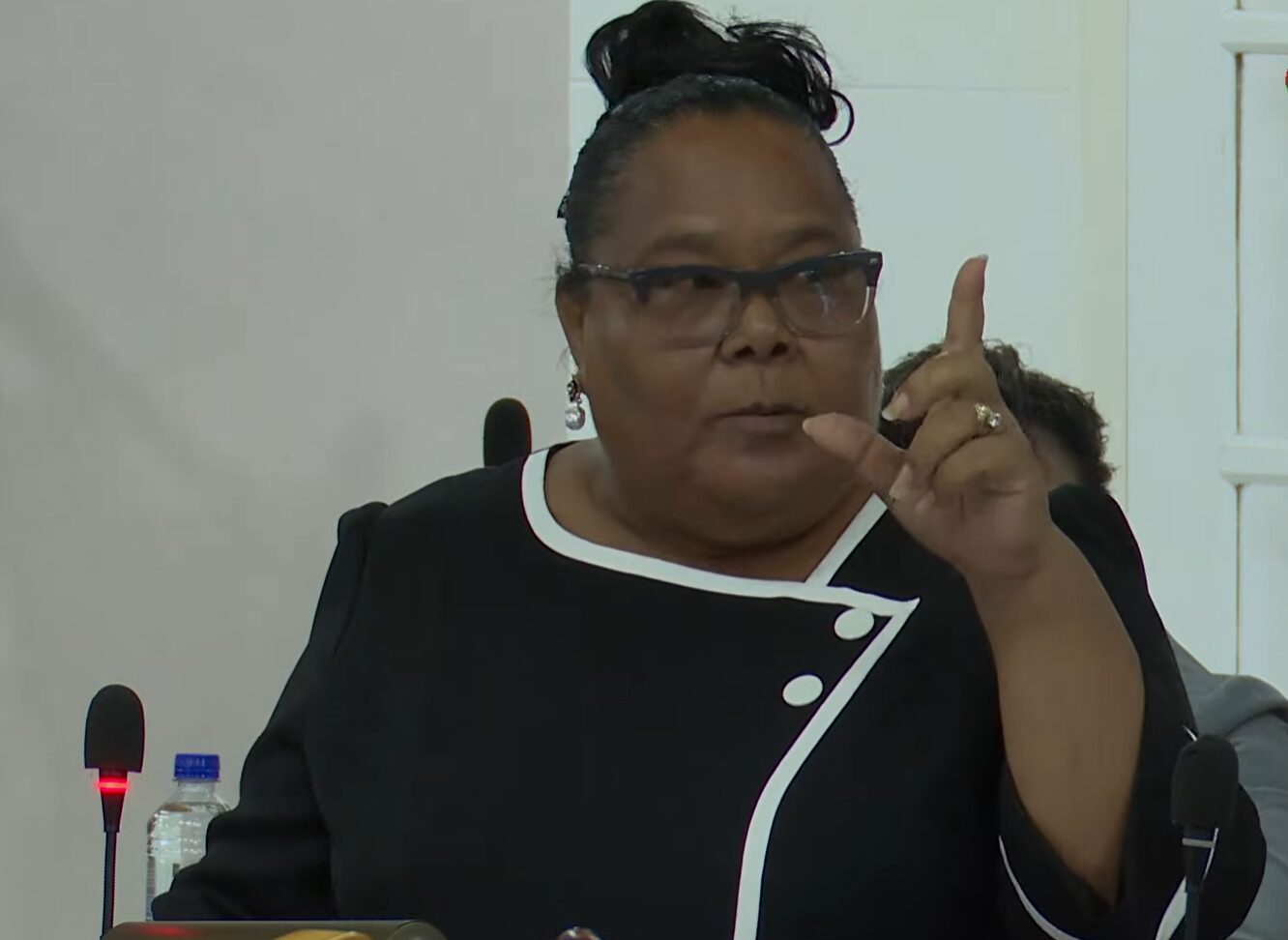
    Prime Minister Roosevelt Skerrit has publicly condemned the Electoral Commission of Dominica for what he characterizes as a severe administrative failure in maintaining the nation’s voter registration system. During a parliamentary session on Monday, the Prime Minister asserted that the Commission created an artificial impasse to justify its non-compliance with statutory obligations under the newly enacted Registration of Electors Act, 2025.

    The controversy stems from the Commission’s decision to suspend all voter registration activities for approximately twelve months, citing necessary technological upgrades mandated by the 2025 legislation. This Act requires the implementation of an advanced computerized system incorporating biometric facial and fingerprint recognition capabilities.

    PM Skerrit revealed that the Commission had previously procured a technology-supported registration system from Semelex International in 2017, which already possessed the biometric capabilities now required by law. Despite this existing infrastructure, the Commission procured a second system from the same vendor in June 2025 following the Act’s passage.

    The Prime Minister challenged the Commission’s justification for the prolonged suspension, arguing that even without the preferred technological systems, the Commission remained legally obligated to continue registration through manual or legacy methods. He emphasized that Section 17:1 of the Act explicitly mandates continuous registration without provision for interruption based on administrative convenience or technological readiness.

    Skerrit highlighted the particular impact on young citizens who have reached voting age during this suspension period and have been unable to exercise their constitutional rights. The Dominica Labour Party, which Skerrit leads, has reportedly been prevented from bringing new voters into the democratic process for the past year.

    The Electoral Office has announced that voter registration will finally resume on March 9, 2026, in accordance with the provisions of the 2025 Act, ending what the Prime Minister describes as an unjustifiable year-long interruption of a statutory process that Parliament intended to be continuous.

  • Local Girl Guides urge past and present members to don uniform for Guide Day

    Local Girl Guides urge past and present members to don uniform for Guide Day

    The Girl Guides Association of Dominica (GGAD) has issued a nationwide call to action, urging current members and alumni alike to participate in an island-wide demonstration of unity this Thursday. The event, designated as Guide Day, represents a significant mobilization of the Guiding community across the Caribbean nation.

    According to the official announcement, participants are encouraged to wear their complete traditional uniforms or alternative Guide T-shirts throughout the day—whether attending workplaces, educational institutions, or conducting daily activities. This sartorial demonstration aims to create visible solidarity across Dominica while honoring the historical significance of World Thinking Day within the national context.

    The association emphasizes the timeless guiding principle of “Once a Guide, always a Guide” as foundational to the event’s philosophy. Beyond sartorial participation, the organization encourages digital engagement through social media sharing. Participants are invited to photograph themselves in uniform and post using the dedicated hashtag #GGADGuideDay, creating a digital archive of collective participation.

    The visual transformation of Dominica into “a sea of blue and brown”—referencing the organization’s signature colors—serves as both metaphorical and literal representation of unity. This chromatic demonstration seeks to visually reinforce the organization’s presence and values across the island’s diverse landscapes.

    This coordinated effort simultaneously serves multiple purposes: demonstrating organizational solidarity, commemorating international Guiding traditions, and inspiring future generations of community leaders through visible representation of Guiding principles in daily life.

  • PRESS RELEASE: Cuba denounces new aggressive escalation by the United States and reaffirms its determination to defend its sovereignty

    PRESS RELEASE: Cuba denounces new aggressive escalation by the United States and reaffirms its determination to defend its sovereignty

    In a forceful address to the United Nations Human Rights Council, Cuban Foreign Minister Bruno Rodríguez Parrilla issued a stark warning about what he characterized as a new global dictatorship spearheaded by the United States. Speaking at the High-Level Segment of the Council’s 61st session in Geneva on February 23, 2026, Rodríguez Parrilla condemned what he described as a philosophy of dispossession and the normalization of force that undermines the post-World War II international order.

    The Cuban diplomat asserted that beyond ideological divisions, all nation-states now face existential threats from policies of aggression, interventionism, and resource competition. He specifically highlighted the struggle over strategic assets including hydrocarbons, critical minerals, rare earth elements, water resources, biodiversity, and commercial trade routes as flashpoints for potential conflict.

    Rodríguez Parrilla reserved particular criticism for American economic policies, labeling tariffs as instruments of aggression and condemning the extraterritorial application of U.S. laws. He characterized attempts to subject global affairs to the jurisdiction of American courts as a fundamental violation of state sovereignty and international legal norms.

    The address focused significantly on a January 29 executive order from the U.S. president that Rodríguez Parrilla described as imposing collective punishment on the Cuban people. He asserted this policy deliberately seeks to create a humanitarian catastrophe through an energy blockade, asking rhetorically whether the international community would allow ‘a great power to attempt to destroy a small, peaceful nation under the crude pretext of national security.’

    Despite these challenges, the Foreign Minister emphasized Cuba’s determination to defend its self-determination, independence, and constitutional order through national unity and consensus. He outlined the nation’s resilience measures, including leveraging its educated population, robust healthcare and education systems, agricultural resources, water reserves, mineral wealth, and domestic energy production capabilities. Rodríguez Parrilla noted Cuba produces nearly half of its consumed crude oil and is expanding its solar energy investment program as part of its strategy to prevent humanitarian crisis through self-reliance.

  • Kalinago council proposes permit requirement for entry into Territory

    Kalinago council proposes permit requirement for entry into Territory

    The Kalinago Council has announced the development of a groundbreaking permit system designed to regulate access and activities within the Kalinago Territory by non-community members. This strategic initiative represents a significant step toward reinforcing indigenous sovereignty and preserving cultural integrity in the Caribbean region.

    Under the proposed regulatory framework, all external visitors seeking to enter or reside within the territory must obtain formal authorization from the Kalinago governing body. The council clarified that this measure forms part of a comprehensive strategy to assert the Kalinago people’s inherent rights as traditional guardians of their ancestral lands.

    Council representatives emphasized that the system aims to create a balanced approach that welcomes constructive engagement while ensuring environmental protection and cultural preservation. “Our primary objective centers on protection rather than exclusion,” a council spokesperson noted. “We maintain an open stance toward respectful interaction but must simultaneously guarantee that our community’s welfare, security, and ecological resources remain uncompromised.”

    The forthcoming regulations will establish clear guidelines governing entry procedures, duration of stays, and approved activities within the territory. Notably, the system will incorporate streamlined processes for educational programs, research initiatives, and collaborative ventures that align with Kalinago cultural principles and comply with the provisions of the Kalinago Act.

    The council is actively engaging community members and stakeholders throughout the policy development phase, encouraging participatory dialogue as the implementation timeline progresses. This consultative approach reflects the administration’s commitment to transparent governance and community-centered decision-making.

  • Dominican squad heads to Guadeloupe for Carifta trials

    Dominican squad heads to Guadeloupe for Carifta trials

    Seventeen elite track and field athletes and five officials from Aspire Athletics Club are poised to represent Dominica at the upcoming Guadalupe CARIFTA Trials, demonstrating remarkable resilience amid significant challenges. The delegation, characterized by head coach Nabi Wallace as “a diverse team of sprinters, jumpers, throwers, and middle-distance runners,” includes five pre-qualified competitors—three of whom currently hold national records.

    The team’s departure is scheduled for Wednesday, February 25th, with competition set for Saturday, February 29th from 3:00 PM to 8:30 PM local time. Prior to the trials, athletes will engage in two crucial days of training at the Guadalupe stadium, allowing them to acclimatize to the synthetic track, jumping pits, and throwing areas—a strategic advantage that could significantly impact performance outcomes.

    Coach Wallace revealed in an official audio statement that preparation has been hampered by multiple obstacles, including volatile weather patterns, suboptimal training facilities, and financial constraints. “Nevertheless,” Wallace emphasized, “we have pushed through with our fundraising committee and the help of the Dominica Athletics Association and the Dominica Olympic Committee, along with adopters, supporters, and well-wishers. This is truly a team effort.”

    Highlighting the team’s philosophical approach, Wallace stressed the importance of faith and unity in their quest for athletic excellence. The primary objective remains making history through record-breaking performances and securing medal positions for Dominica at the CARIFTA Games. The 2026 CARIFTA Games are scheduled for April 4-6 at Grenada’s Kirani James Stadium, serving as the ultimate destination for these emerging Caribbean athletes.

  • COMMENTARY: Kubuli Farms – Cultivating innovation, inclusion and opportunity in Dominica

    COMMENTARY: Kubuli Farms – Cultivating innovation, inclusion and opportunity in Dominica

    In the heart of Dominica, Jeffrey Bruney has transformed Kubuli Farms into a beacon of agricultural innovation, demonstrating how purpose-driven farming can reshape economies and communities. His unconventional journey from telecommunications professional to agricultural pioneer spans 34 years, embodying a profound career shift that has yielded significant social and economic impacts.

    Bruney’s agricultural awakening began after a decade at Cable and Wireless, where despite financial stability, he found little fulfillment. The late Prime Minister Roosevelt Douglas catalyzed his transition with pivotal advice: ‘If your passion can be your livelihood, there’s no better life than that.’ This philosophy became the foundation for Bruney’s approach to agriculture as a vehicle for dignity, independence, and societal contribution.

    In 2000, Bruney embarked on an intentional migration to enhance his expertise, pursuing business studies and advanced agricultural training at Cornell University. His international experience included implementing innovative farming systems in New York and Sweden, where he developed greenhouse production initiatives for major organizations including Salvation Army and United Way. These experiences equipped him with cutting-edge knowledge in hydroponics, aquaponics, and aquaculture systems.

    Returning permanently to Dominica in 2019, Bruney established Kubuli Farms as a practical application of his global learning. The operation prioritizes context-appropriate innovation, utilizing locally sourced materials like bamboo and PVC for greenhouse construction instead of expensive imported systems. The farm’s hybrid aquaponics system converts fish waste into organic fertilizer delivered through drip irrigation, significantly reducing chemical inputs and operational costs while maintaining environmental sustainability.

    Kubuli Farms’ commercial success is anchored by its flagship product, Glo Coco coconut water, which has become a recognizable brand in Dominican markets. Coconut production forms the operational core, supplemented by diverse secondary crops including tomatoes, lettuce, bell peppers, and cabbages that enhance local food security and nutritional variety.

    Bruney’s innovative approach earned him the Farmer of the Year for Innovation award within just one year of production expansion. Beyond agricultural output, Kubuli Farms addresses critical industry challenges through workforce development. Bruney has created an inclusive employment model that integrates Dominican nationals, Kalinago Territory residents, youth, and migrant workers from Haiti and Cuba. This diversity helps overcome skilled labor shortages while providing lawful employment and professional development opportunities.

    The farm serves as an educational platform challenging perceptions about agricultural work. Youth engagement initiatives reframe farming as a technology-driven career path, while demonstrating its financial viability and entrepreneurial potential. Bruney’s model also encourages diaspora members to repatriate skills acquired abroad, creating knowledge transfer that supports Dominica’s growing tourism sector and market expansion.

    Through this multifaceted approach, Kubuli Farms exemplifies agriculture’s potential as a catalyst for food security, employment generation, technological innovation, and social inclusion. Bruney’s business-oriented methodology combined with modern techniques contributes significantly to Dominica’s economic resilience and sustainable development, offering a replicable model for private sector leadership in agricultural transformation.

  • Parliament: Henderson says regulatory ECCU financial services Bill ‘late’ but necessary

    Parliament: Henderson says regulatory ECCU financial services Bill ‘late’ but necessary

    The Eastern Caribbean Currency Union is poised to establish a comprehensive regulatory framework for payment services with the introduction of the Payment System and Services Bill 2026. Dr. Vince Henderson, Minister for Foreign Affairs, International Business, Trade and Energy, praised both Finance Minister Dr. Irving McIntyre and the Eastern Caribbean Central Bank (ECCB) for presenting the groundbreaking legislation to Parliament on Monday.

    The bill represents a significant milestone in financial regulation, creating a structured licensing system for payment service providers while expanding oversight mechanisms and enhancing consumer protection protocols across member states. During parliamentary proceedings, Dr. Henderson emphasized the urgent need for such regulation, noting the region has witnessed both the emergence and instability of money transfer systems.

    “This legislative action comes at a crucial time,” Henderson stated. “Our primary objective is to establish regulatory safeguards that protect consumers and their hard-earned money as we transition toward an increasingly cashless society.”

    The minister articulated a dual-focused approach: implementing necessary consumer protections while actively fostering innovation within the financial technology sector. He highlighted the importance of developing indigenous payment solutions that reduce dependency on international corporations like Visa, MasterCard, and American Express, thereby minimizing transaction fees for local businesses and consumers.

    Henderson specifically advocated for creating regionally developed money transfer systems and mobile banking platforms that would keep financial benefits within the Eastern Caribbean economic zone. “We must evolve from mere technology consumers to becoming creators and innovators,” he asserted. “This means developing our own properly regulated financial services that attract both local and international investment while generating employment opportunities.”

    The minister further connected digital financial infrastructure to energy security, noting that reliable electricity is fundamental to electronic payment systems. He drew attention to ongoing state investments in energy projects as essential components of national development strategy, all ultimately directed toward improving living standards and creating economic opportunities for citizens.

    This legislative initiative marks a coordinated effort to modernize financial services while ensuring economic benefits remain within the Eastern Caribbean community, representing a significant step toward financial sovereignty and technological self-reliance in the region.

  • ‘Bomb cyclone’ leaves NYC under nearly two feet of snow, continues across Northeastern U.S.

    ‘Bomb cyclone’ leaves NYC under nearly two feet of snow, continues across Northeastern U.S.

    A catastrophic winter storm identified as a bomb cyclone has unleashed unprecedented havoc across the Northeastern United States, placing approximately thirty million residents under active blizzard warnings. The tempest has generated ferocious winds exceeding 65 mph and dumped record-shattering snowfall, triggering massive disruptions to daily life and infrastructure.

    Meteorological reports confirm extraordinary snow accumulations, with numerous areas receiving over 30 inches since Sunday. At least five states, including New York and New Jersey, have documented depths surpassing two feet. This event now stands as the most significant snowfall for New York City and Philadelphia in years, with Central Park’s 19.7-inch measurement ranking it among the top ten storms since record-keeping began in 1869. Providence, Rhode Island, is confronting its largest snowstorm in history.

    The storm’s severity is captured in the testimony of a three-decade New York resident: ‘It is terrible out there, omg, never seen that before in all my years in New York.’

    Transportation networks have ground to a complete standstill. Widespread travel bans are enforced, public transit systems are suspended, and authorities are imploring citizens to avoid all non-essential travel. The national air travel system is in disarray, with over 10,000 flight cancellations tracked by FlightAware.

    Emergency and utility restoration efforts are severely hampered. In Massachusetts, a formal travel prohibition is active, while utility companies like National Grid struggle to address outages affecting over 51,000 customers statewide. Heavy, wet snow combined with hurricane-force winds has rendered countless roads impassable, blocking crews from reaching damaged infrastructure.

    As the system begins to push into New England on Monday afternoon, New York City Mayor Zohran Mamdani announced the worst has passed for the metropolis. Public schools are scheduled to reopen for in-person learning on Tuesday, February 24th, marking a return after the city discontinued traditional snow days starting in the 2022-23 academic year.