标签: Dominica

多米尼克

  • Dominica’s education ministry collaborates with IsraAID for first aid and CPR training of 47 local teachers

    Dominica’s education ministry collaborates with IsraAID for first aid and CPR training of 47 local teachers

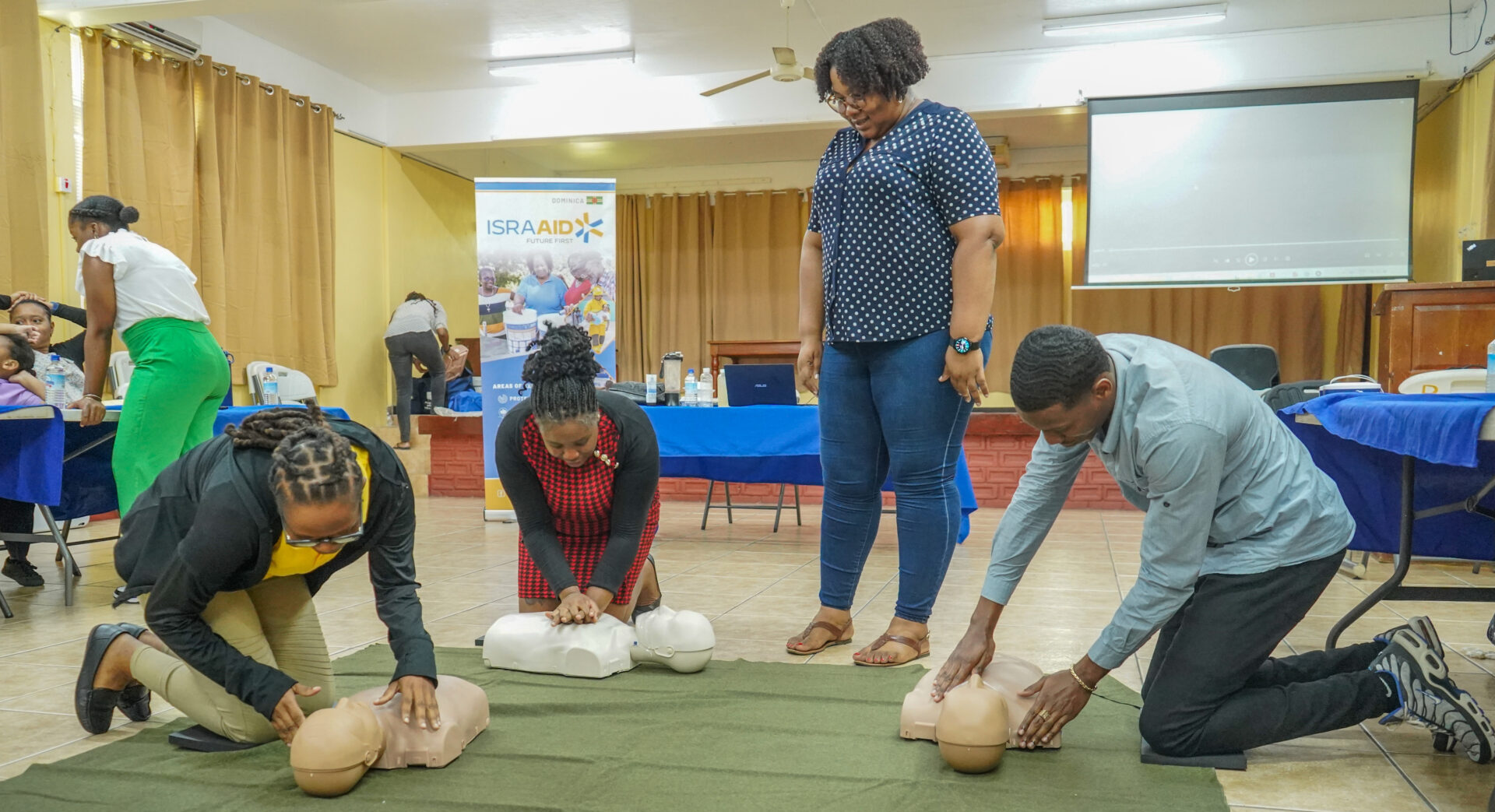
    In a significant stride toward educational safety, the Ministry of Education, Human Resource Planning, Vocational Training, and National Excellence has concluded a comprehensive two-day First Aid and CPR certification program. Conducted in partnership with the international humanitarian organization IsraAID, this intensive training equipped 47 primary and secondary school teachers from across Dominica with critical emergency response capabilities.

    The curriculum delivered expert instruction in Basic First Aid techniques, Cardiopulmonary Resuscitation (CPR) protocols, and the proper utilization of Automated External Defibrillators (AEDs). Participants who successfully completed the program will receive official certification through the St. John Association of Saint Lucia, ensuring adherence to internationally recognized first aid standards.

    Permanent Secretary Robert Guiste emphasized the strategic importance of this initiative, stating: ‘This training directly enhances schools’ capacity to respond effectively to medical emergencies and accidents, aligning with our national priorities for building a safer, more resilient education system.’ He further revealed complementary measures including the procurement of first aid kits and fire extinguishers for all schools, alongside personal protective equipment for vocational teachers.

    The program represents just the initial phase of a broader safety campaign. Ministry officials announced plans to train an additional 50 educators by January 2026, with another 50-targeted during summer sessions. The recently concluded training, valued at over $8,000, was fully funded by IsraAID Dominica.

    Wynela Francis, Senior Programme Officer at IsraAID, highlighted the enduring value of the partnership: ‘First Aid and CPR training constitutes essential lifesaving knowledge. Increasing the number of trained staff directly contributes to enhanced school safety and emergency preparedness across Dominican communities.’

    Notably, the instruction was delivered by a newly established cadre of local trainers, many from the Dominica Fire and Ambulance Services. These facilitators were previously certified through capacity-building programs jointly organized by IsraAID and the Office of Disaster Management in 2025. This train-the-trainer model demonstrates a sustainable approach to disaster readiness by developing local expertise and building long-term resilience within the island’s education infrastructure.


  • Dominica’s DPP to legal colleagues: Take a stand for the law amidst ‘senseless’ violence

    Dominica’s DPP to legal colleagues: Take a stand for the law amidst ‘senseless’ violence

    In a powerful address marking the opening of the new legal year, Director of Public Prosecutions Sherma Dalrymple has issued a urgent mandate to legal professionals across small island states, demanding concrete action against escalating gun violence. Speaking at the State House Conference Centre, Dalrymple challenged judges, attorneys, court administrators, and prosecutors to actively champion respect for the law through decisive measures.

    The prosecution chief emphasized that legal associations must break their silence and actively educate the public about legal consequences before crimes occur. “We cannot wait until cases reach courtrooms—by then lives are already lost, families grieve, and individual liberties hang in balance,” Dalrymple asserted, criticizing passive discussions at bar association meetings while societal violence worsens.

    Dalrymple highlighted the particular vulnerability of small island communities where gun violence “runs as a disease,” casting shadows over cultural celebrations, carnivals, and holiday gatherings. She noted with concern how media reports regularly shock communities with phrases like ‘double murders’ and ‘young men in critical condition after sustaining gunshot wounds.’

    While acknowledging existing robust legislative frameworks within Organization of Eastern Caribbean States (OECS) members—including firearms acts, anti-gang laws, and sentencing guidelines designed to deter violence—Dalrymple insisted legal professionals must shoulder responsibility rather than blaming society alone. “We must consider whether we, as justice system administrators, are truly making the law respectable while advocating against this plague,” she concluded, calling for updated protocols, guidelines, and laws through regional cooperation.

  • LETTER TO THE EDITOR: My experience with the US visa interview process as a Dominican

    LETTER TO THE EDITOR: My experience with the US visa interview process as a Dominican

    A recent firsthand account from a visa applicant reveals the practical implementation of the Trump administration’s stringent visa policies targeting Caribbean nations with Citizenship-by-Investment (CBI) programs. The applicant, a Dominican citizen with previous travel compliance to the United States, documented their experience during a January 2026 appointment at the U.S. Embassy in Barbados.

    Despite meticulous preparation including research on interview techniques and gathering supporting documentation such as job letters and bank statements, the encounter proved unexpectedly brief and ultimately unsuccessful. The approximately three-minute interview consisted of standard questions regarding travel history and compliance with previous visa terms, all of which the applicant answered satisfactorily based on their record of multiple previous visits to the U.S. without overstaying.

    Communication challenges marred the process, with the visa officer speaking quietly behind protective glass and through an unreliable intercom system. Critical wording—specifically the word “not” in the visa denial explanation—was unintelligible during the verbal exchange, creating confusion until written documentation clarified the outcome.

    The applicant received two yellow slips explaining the denial under current regulations, though the officer requested none of the prepared supporting materials that typically validate visa applications. The interaction concluded abruptly when the officer walked away without making eye contact, leaving the applicant with a sense that the denial was predetermined rather than based on individual merit.

    Notably, the embassy displayed unusually low activity, with no queue present—a significant departure from previous experiences at the facility. Conversations with successful applicants from non-restricted countries like Grenada suggested targeted differential treatment toward citizens from listed nations including Dominica and St. Lucia.

    The account suggests implementation of unspoken directives to visa officers to systematically deny applications from certain countries despite more nuanced public communications. The new bond requirement scheduled to take effect January 21, 2026, for Dominican citizens adds another layer of restriction to the visa process.

    This experience serves as both documentation and warning to citizens of affected countries regarding the current visa environment, suggesting that applications from these nations face effectively insurmountable barriers regardless of individual qualifications or preparation.

  • Despite ‘resilient growth’ in employment, global job quality is in stasis, says the ILO

    Despite ‘resilient growth’ in employment, global job quality is in stasis, says the ILO

    A comprehensive assessment by the International Labour Organization (ILO) reveals that while global unemployment rates remain stable, critical advancements in securing quality employment have effectively stalled. The report delivers a sobering analysis of worldwide labor conditions, noting that persistent challenges for young workers and emerging uncertainties from artificial intelligence and international trade policies threaten to further destabilize employment prospects.

    The investigation examines multiple dimensions influencing labor markets, including gender disparities, demographic transitions, and shifts in global trade dynamics. A particularly alarming finding indicates that approximately 300 million workers currently subsist in extreme poverty, surviving on less than US$3 per day. Concurrently, informal employment is expanding rapidly, with projections suggesting 2.1 billion individuals will occupy informal jobs by 2026—positions that typically offer minimal social protection, inadequate workplace rights, and negligible job security.

    This trend is especially pronounced in low-income nations, where workers with already precarious employment conditions are falling further behind in economic development. The Caribbean region exemplifies these global patterns, where superficial improvements in unemployment metrics mask deeper structural deficiencies. Despite regional efforts toward economic integration through CARICOM, the area contends with elevated informal employment rates, inconsistent job quality, and fragmented social safety systems.

    A critical concern highlighted for Caribbean nations involves skilled labor migration, which has created significant shortages in essential sectors including healthcare, education, and technical trades. Although CARICOM has initiatives to facilitate workforce mobility, inconsistent policy implementation has limited the region’s ability to effectively match skills with market demands.

    As Caribbean economies navigate structural transformations, climate vulnerabilities, and digital modernization, the ILO emphasizes that quantitative employment metrics alone provide an incomplete picture. The organization advocates for enhanced focus on improving job quality, expanding skills training programs, strengthening social protection frameworks, and fostering more robust regional cooperation to address these multifaceted challenges.

  • Stardom Calypso Tent opens tonight at the Factory

    Stardom Calypso Tent opens tonight at the Factory

    The Factory on Valley Road prepares to host the grand opening of Stardom Calypso Tent tonight at 8:30 p.m., marking the commencement of Dominica’s premier 2026 Carnival season. As one of the island’s most revered cultural institutions, this legendary venue offers general admission at $40 with VIP seating available for $50.

    Peter Letang, artistic director of Swing Stars Band and chief organizer, emphasized the tent’s extraordinary pedigree in his pre-event remarks. “This opening celebrates the largest tent in Dominica – home to nine of the previous eleven monarchs, including our current champion, and five of the last seven world titleholders,” Letang proclaimed. He invited audiences to immerse themselves in an evening of rhythmic excellence ahead of Saturday’s quarterfinal competitions.

    With a heritage spanning generations, Stardom has established itself as the foundational pillar of Mas Domnik celebrations. The tent serves as both a showcase for accomplished artists and a developmental platform for emerging calypso talents. Its reputation as the primary training ground for the national Calypso Monarch competition has made it an indispensable feature of Carnival’s cultural landscape.

    The venue’s historical significance is matched by its roster of legendary performers. Icons including Scrunter, Hunter, Observer, Daddy Chess, Checker, and Intruder have graced its stage, while simultaneously nurturing successive generations of musical innovators. This year’s relocation to The Factory marks a new chapter following previous residencies at Anchorage Hotel and The Strip in Lalay Coco.

    Audiences continue to flock to Stardom for its unique blend of poetic sophistication, social critique, and dynamic musicality. The tent has also served as an institution for honoring cultural contributors, such as longtime drummer Marcel Cruickshank and other musical architects.

    Letang confirms tonight’s inauguration will establish the artistic standard for the entire season, promising an unforgettable celebration of Dominica’s rich calypso tradition.

  • OP-ED: CARICOM faces a unity-defining moment

    OP-ED: CARICOM faces a unity-defining moment

    The Caribbean Community (CARICOM) confronts a severe foreign policy challenge following recent US military operations in Venezuela, exposing deep divisions among its 14 sovereign member states. Since September 2025, American military actions in the region have triggered contrasting responses that threaten the bloc’s cohesion.

    CARICOM leadership now navigates complex pressures stemming from the revived ‘Donroe Doctrine’ and concurrent US policy demands toward member nations. The organization faces the formidable task of formulating a unified foreign policy response to the Trump administration’s renewed emphasis on spheres of influence and strategic competition.

    Two distinct camps have emerged within CARICOM. Barbados exemplifies the traditional foreign policy approach, with Prime Minister Mia Amor Mottley delivering a blunt assessment of the January 3 US military action in Venezuela. Her position aligns closely with UN Secretary-General António Guterres, who termed the intervention ‘a dangerous precedent’ that risks regional instability and violates international norms.

    Conversely, Trinidad and Tobago has pursued a markedly different course, emphasizing regional peace concerns while simultaneously reaffirming commitment to Washington’s intervention logic. The nation’s prominent role in ‘Operation Southern Spear’ has raised eyebrows within CARICOM, particularly as US interventionism appears resurgent in Latin America and the Caribbean.

    The crisis unfolds against broader geopolitical shifts, with the United States withdrawing from numerous international organizations and treaties it previously established. This retreat from multilateralism particularly concerns CARICOM members, who rely heavily on UN-based international law and multilateral frameworks to protect their interests as small states.

    The upcoming Fiftieth Regular Meeting of CARICOM Heads of Government assumes critical importance as members seek common ground. While some unity exists on certain US policy aspects—such as hosting deported migrants—the fundamental question remains whether the bloc can overcome its divisions during this unity-defining moment.

    Dr. Nand C. Bardouille of The University of the West Indies observes that CARICOM leadership recognizes the summit represents a test the regional grouping cannot afford to fail, given the high stakes for Caribbean sovereignty and international law principles.

  • Burglaries in Dominica have reduced  by over 300 percent over the years, says deputy police chief

    Burglaries in Dominica have reduced by over 300 percent over the years, says deputy police chief

    Dominica is witnessing a remarkable transformation in public safety, with official data revealing a staggering decline in burglary incidents across the island nation. Deputy Chief of Police Jeoffrey James has officially confirmed this positive trend, attributing the success to a multi-faceted strategy combining community engagement, policing reforms, and technological adoption.

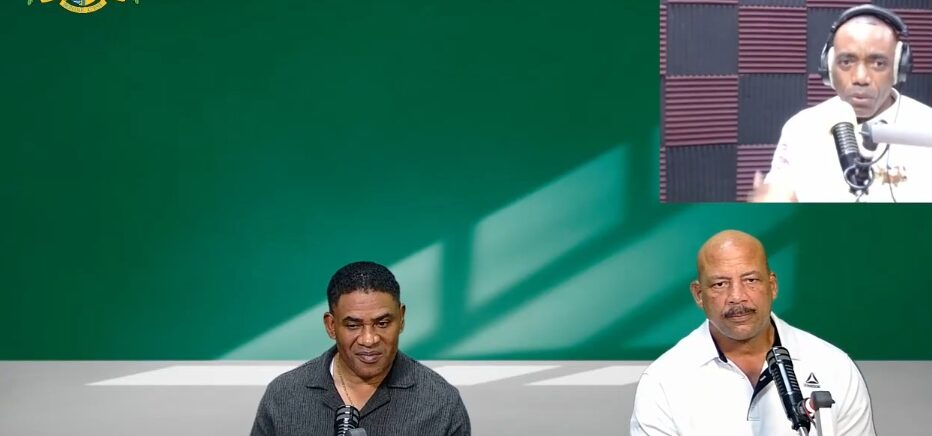
    During a recent appearance on the ‘Legal Affairs & You’ program broadcast by State-Owned Radio DBS, Mr. James presented compelling statistics to illustrate this dramatic turnaround. He revealed that while the island recorded over 2,000 burglaries in the mid-1990s, current figures show this number has been drastically reduced to approximately 200 cases annually—representing a decrease of roughly 90%.

    ‘Burglary was once a very common offense islandwide, not limited to the Roseau area,’ James stated. ‘We have now witnessed a significant decrease in the central districts and across the entire island, with some areas experiencing continuous reductions exceeding 300 percent in certain instances.’

    The senior law enforcement official identified several key factors driving this improvement in community safety. The implementation of Community Policing initiatives has fostered greater cooperation between citizens and police authorities, creating a more collaborative approach to crime prevention.

    James also highlighted the impact of modern security technology, particularly the widespread adoption of CCTV systems. ‘People are increasingly utilizing cameras and other technological instruments for safety purposes, which significantly aids in both crime detection and offender identification,’ he explained.

    Additional contributing factors include successful law enforcement outcomes, with many offenders being investigated, convicted, and incarcerated at the state prison. Natural attrition within criminal circles has also played a role, with some offenders having died or retired from criminal activity due to advanced age.

    The increased visible presence of police patrols across communities has further contributed to creating a deterrent effect against potential burglaries, according to the Deputy Chief of Police.

  • Burglaries in Dominica have decreased by over 300 percent over the years, says deputy police chief

    Burglaries in Dominica have decreased by over 300 percent over the years, says deputy police chief

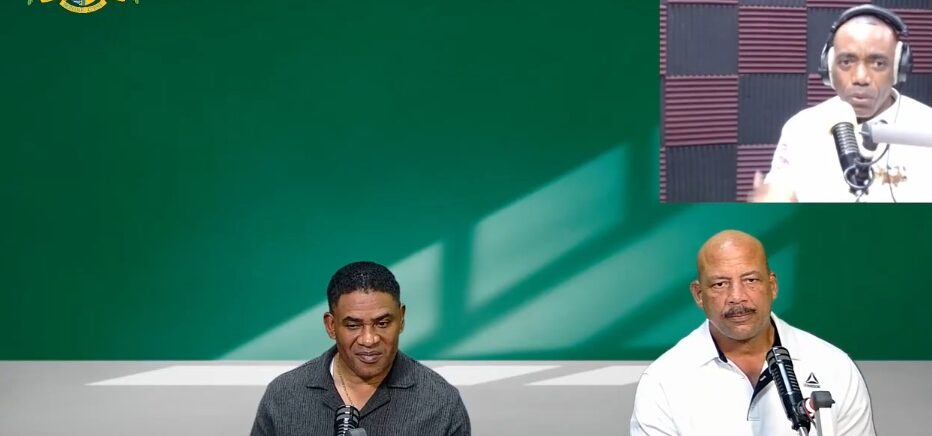
    Dominica’s law enforcement authorities are reporting a historic breakthrough in crime prevention, with burglary rates plummeting by approximately 90% over the past three decades. Deputy Chief of Police Jeoffrey James revealed these striking statistics during a recent appearance on the “Legal Affairs & You” program broadcast by state-owned DBS Radio.

    According to official data, the island nation has witnessed nothing short of a crime reduction revolution. Where mid-1995 recorded alarming numbers exceeding 2,000 burglary cases across the island, current figures show a remarkable decline to approximately 200 incidents annually. James emphasized that this dramatic improvement represents a consistent decrease of over 300% in certain instances, affecting all regions including central districts and the capital Roseau.

    The police official attributed this success to multiple converging factors that have fundamentally transformed crime prevention capabilities. The implementation of Community Policing initiatives has fostered greater collaboration between residents and law enforcement, creating a network of vigilance across communities.

    Technological advancements have played an equally crucial role, with widespread adoption of CCTV systems and sophisticated surveillance equipment enabling both crime deterrence and efficient offender identification. Modern forensic capabilities have significantly enhanced investigation outcomes, resulting in more convictions and prison sentences for those engaged in criminal activities.

    James further noted that demographic shifts within the criminal population have contributed to the trend, with some offenders dying or aging out of criminal enterprises. The increased visible presence of police patrols has created an additional layer of security, making potential burglars reconsider their actions in the face of heightened detection risks.

    This comprehensive approach to crime reduction demonstrates how strategic policing, technological integration, and community engagement can collectively transform public safety landscapes in small island nations.

  • Darnley Guye honored as Mas Domnik 2026 Personality of the Year

    Darnley Guye honored as Mas Domnik 2026 Personality of the Year

    In a prestigious ceremony marking the opening of Mas Domnik 2026, veteran carnival artisan Darnley Guye has been formally recognized as Personality of the Year by Dominica’s Ministry of Tourism and Discover Dominica Authority (DDA). The celebration took place in Pottersville during the festival’s inaugural parade this past weekend.

    Mr. Guye received this distinguished accolade in acknowledgment of his extraordinary five-decade dedication to the preservation and evolution of Dominican carnival traditions. His multifaceted contributions span costume design, parade coordination, artistic craftsmanship, and community leadership.

    Expressing profound gratitude upon accepting the honor, Guye remarked, ‘This recognition demonstrates that people are observing our work. I am deeply thankful and remain committed to contributing my utmost to this cultural legacy.’

    The celebrated artisan issued a compelling appeal for sustained engagement in costume craftsmanship, emphasizing the necessity of long-term dedication. ‘Carnival arts demand perpetual commitment—not transient participation. One cannot merely engage temporarily and withdraw. My involvement has been continuous since inception,’ Guye articulated.

    He further reflected on the symbiotic relationship between artists and their audience, noting, ‘Public response energizes our creative spirit. Their appreciation generates profound gratitude within us. Ultimately, while we create the costumes, it is the public that validates their artistic merit and determines their cultural continuation.’

    Now serving as a mentor to emerging costume artists, Guye continues to nurture the next generation of Dominican cultural custodians, ensuring the transmission of traditional knowledge and techniques to enthusiastic newcomers in the field.

  • LIVE FROM 7PM: Electoral Reform Coalition Forum on visa bonds and visa restrictions

    LIVE FROM 7PM: Electoral Reform Coalition Forum on visa bonds and visa restrictions

    Viewers anticipating tonight’s live broadcast are advised of important technical information regarding stream accessibility. The scheduled transmission is set to commence at 7:00 PM local time, with a live video feed embedded directly within the hosting platform.

    Technical support guidance has been proactively issued to ensure optimal viewing experiences. Should users encounter any display irregularities or failure to load the video player, the primary recommended troubleshooting step involves refreshing the web page. This simple action typically resolves most common streaming issues by reloading the content delivery components.

    The provision of a direct video embed represents a continuation of efforts to enhance digital accessibility for remote audiences. This approach eliminates the need for external applications or complex viewing procedures, allowing seamless access through standard web browsers on multiple device types.

    Organizers emphasize that these preparatory instructions are standard practice for live digital events and reflect commitment to viewer convenience rather than anticipation of technical difficulties. The broadcast will proceed as scheduled barring any unforeseen technical complications.