
A wave of brutal violence that left 47 residents dead and over 50 people abducted in a previously tranquil agricultural settlement on the outskirts of Haiti’s capital Port-au-Prince has ended with the partial release of captives, the United Nations Children’s Fund (UNICEF) has officially confirmed. Thirteen hostages, comprising six children and seven adult women, were freed from gang captivity late Friday in the nearby mountain town of Kenscoff, according to the agency. Among the released children are three toddlers under the age of 2, one 7-year-old minor, and two adolescent girls. Yannig Dussart, UNICEF’s deputy representative in Haiti, called the long-awaited release a “rare moment of hope” for a nation grappling with spiraling gang violence and humanitarian collapse. However, he emphasized that the mass abduction itself serves as a stark, urgent reminder of how widespread and frequent attacks on vulnerable children have become across the entire country. Once a quiet getaway for Port-au-Prince residents and a stable hub for small-scale farming, the targeted community has become the latest site of gang expansion, as armed groups extend their control beyond the capital’s crowded slums into outlying rural areas. Kidnapping for ransom has emerged as one of the Haiti gang’s most profitable criminal activities, with ordinary civilians, including children, increasingly targeted even in areas once considered safe from organized violence.
标签: Dominica
多米尼克
-

WEATHER (6:00 AM, 30 August) A small craft warning and a high surf advisory are in effect
The northern portion of the Lesser Antilles island chain is currently facing disruptive and potentially dangerous weather conditions, driven by a powerful tropical wave that formed from the remains of former Tropical Storm Dolly. Meteorological assessments indicate that the system is highly unlikely to redevelop into an organized tropical cyclone, but its residual moisture and energy are set to trigger a range of hazardous conditions across the region starting from the end of Tuesday and continuing into the overnight hours and early Wednesday morning.
One of the most significant threats posed by the system is locally intense rainfall, which has the potential to quickly overwhelm drainage systems and trigger flash flooding in low-lying and vulnerable areas. Combined with the heavy rain, the region will see gusty winds and frequent thunderstorms that could further complicate conditions for residents and travelers. Dominica is among the areas that will bear the brunt of this weather event, according to the latest forecasts.
As of Tuesday morning, forecasters note that a formal flood watch or flood warning could be issued for parts of the region by midday if current rainfall projections hold. Officials are urging all residents who live in zones with a history of flooding, landslides and falling rock events to remain vigilant throughout the event, adjust daily plans to account for the hazards, and prepare for potential evacuation if conditions deteriorate rapidly.
Beyond inland weather hazards, marine conditions across the affected coastlines are already worsening and will remain dangerous through the day. Forecasters predict moderate to rough seas across the region, with significant wave height expected to climb to as much as 7 feet along western-facing coastlines and up to 10 feet on eastern coastlines. Strong breaking onshore waves will create particularly risky conditions for anyone in or near the water. Currently, a small craft advisory and a high surf warning are active for all northern and eastern coastlines of the affected island chain. Small vessel operators are instructed to take all necessary safety precautions, including avoiding open water until conditions improve, and recreational swimmers are strongly advised to stay out of the ocean to avoid the risk of being swept away by powerful surf.
-

Roseau North Constituency set for September 7 By-Election
Residents of Dominica’s Roseau North Constituency are entering the final stretch of campaigning ahead of a pivotal parliamentary by-election, scheduled to take place on September 7, 2026. Three contenders have officially thrown their hats into the ring for the vacant seat, each bringing distinct political affiliations and platforms to the contest. Daniel Lugay stands as the nominee for the United Workers Party (UWP), Ashma McDougal represents the incumbent Dominica Labour Party (DLP), and Sherman Boston is competing as an independent candidate.
The electoral process formally entered its final phase on Nomination Day, August 21, 2026, when all three candidates successfully filed their paperwork to secure a place on the ballot. In a recent press briefing held at the Electoral Office Conference Room, Chief Elections Officer Anthea Joseph laid out the full operational arrangements for polling day to members of the local media, aiming to bring clarity to voters ahead of the contest.
To streamline access for all registered voters across the constituency, Joseph confirmed that 10 dedicated polling centres have been established, with each elector assigned to a specific location based on their residential community. The full breakdown of polling locations and their service areas is as follows: Polling Centre 1, based at the Goodwill Parish Hall, will serve voters residing in Pottersville. Polling Centre 2, hosted at the Alpha Center and Genesis Christian Union Preschool, caters to voters from Lower Goodwill East. Lower Goodwill West voters will cast their ballots at Polling Centre 3, located at St. Alphonsus Preschool, while residents of Upper Goodwill will head to Polling Centre 4, split between the Red Cross Headquarters and Christian Union Primary School.
For voters in Bellevue Rawle, polling will take place at Polling Centre 5 inside Goodwill Primary School. Fond Cole residents will use Polling Centre 6 at the Fond Cole Community Center. Stockfarm electors have been assigned to Polling Centre 7 on the campus of Dominica State College, and Louisville voters will cast their ballots at Polling Centre 8 at the Red Cross Headquarters. Three communities — Gutter Village, Tarish Pit, and parts of Goodwill — share Polling Centre 9, also located at Goodwill Primary School. Finally, residents of Morne Daniel will vote at Polling Centre 10, housed in the former Chinese Embassy building.
As the by-election enters its final campaign days, Joseph has issued a public call to all eligible registered voters in Roseau North to confirm their assigned polling locations ahead of September 7 to avoid delays on voting day, and emphasized the importance of civic participation in selecting the constituency’s new parliamentary representative. The upcoming contest will ultimately decide which of the three candidates will claim the vacant seat and represent Roseau North in parliament.
-

Nurses urged to make compassion a cornerstone of patient care
The nursing profession is rooted in more than just clinical expertise, and the top leader of Dominica’s national nursing organization is reminding healthcare workers across the Caribbean island of that fundamental truth. In an official public statement released on August 26, 2026, Joanna Laurent-Blaize, President of the Dominica Nurses Association and a practicing registered nurse, has issued a clear appeal to all nurses and frontline healthcare staff across the country: prioritize compassionate, dignified care alongside professional medical treatment for every patient.
Laurent-Blaize’s call specifically targets workers in all hospital and community health center settings, where patients facing illness or injury often find themselves in uniquely vulnerable positions. Beyond physical discomfort, many patients grapple with fear, uncertainty, and disorientation during medical visits or extended stays, making emotional reassurance just as critical as evidence-based treatment to positive health outcomes, she argues.
Against the often high-stress, high-pressure backdrop of modern healthcare, Laurent-Blaize encourages nurses, ward aides and all patient-facing staff to uphold empathetic engagement with the people they serve, no matter what challenging circumstances they may face during their shifts. She emphasizes that the communication style and responsiveness of healthcare workers leave a lasting imprint on a patient’s entire care journey and can directly shape their mental and physical well-being throughout treatment and recovery.
One key point of Laurent-Blaize’s statement pushes back against a widespread but harmful cultural misconception: the idea that demonstrating compassion toward patients is a sign of professional weakness. Re-framing this narrative, she asserts that empathy is instead a marker of professional strength, and an non-negotiable core quality of the nursing field. Her message closes with a clear call to action: all healthcare workers across Dominica must keep empathy, respect, and genuine kindness at the center of every patient interaction.
-
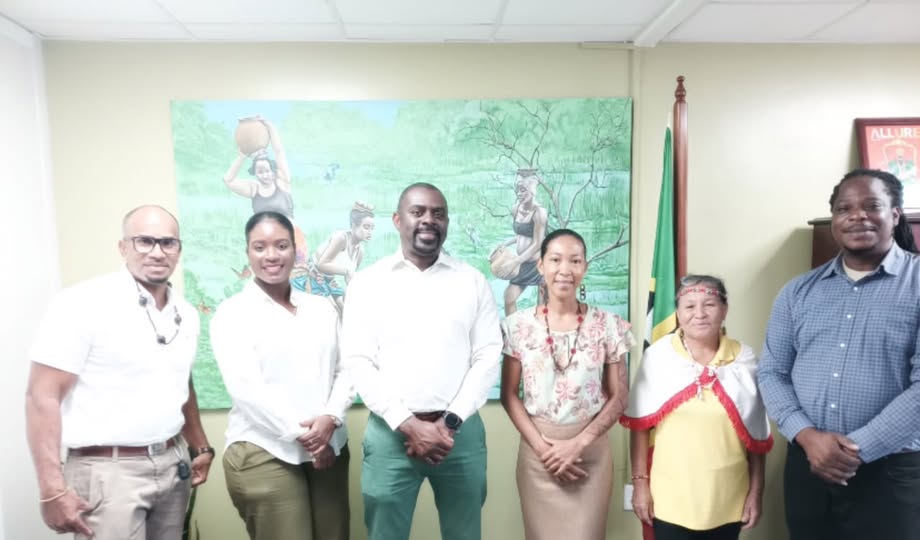
Kalinago council members visit St. Kitts to facilitate a new Kalinago craft centre
A delegation of Kalinago indigenous leaders, headed by Chief Anette Sanford and Councilor Miranda Langlais, is currently conducting an official working visit to St Kitts, focused on expanding development opportunities for Kalinago communities residing outside their home nation of Dominica, the Kalinago Council announced in an official public statement recently.
During the ongoing visit, bilateral discussions have already delivered tangible progress on a key collaborative initiative: the proposed establishment of a dedicated Kalinago Craft Center in St Kitts. Once completed, this cultural and commercial hub will directly generate new, sustainable economic pathways for the Kalinago population that has made St Kitts their home, while also preserving and showcasing the indigenous group’s distinct cultural heritage to the broader Caribbean community.
In its statement, the Kalinago Council highlighted a historic milestone tied to this engagement: the Government of St Kitts and Nevis has become the first English-speaking Caribbean government to enter into formal, substantive dialogue with the Kalinago people focused on expanding opportunity for their communities beyond Dominica’s borders. “This is the kind of regional partnership we welcome,” the statement read. “It recognizes that our cultural heritage is a living resource that can create cultural, social and economic opportunities for present and future generations. We look forward to strengthening this partnership and continue to build bridges between our Kalinago communities across the Caribbean.”
Beyond economic and collaborative development talks, the visit also includes a solemn ceremonial component. The Kalinago delegation is scheduled to take part in a public remembrance ceremony honoring Chief Tegremond, the Kalinago leader of St Kitts who was assassinated in 1626 in a plot organized by Sir Thomas Warner — father of Kalinago Chief Thomas Warner of Dominica, who was also widely known by the alternative names “Carib Warner” and “Indian Warner.” The commemoration marks a key moment of collective reflection on shared indigenous history across Caribbean Kalinago communities.
-
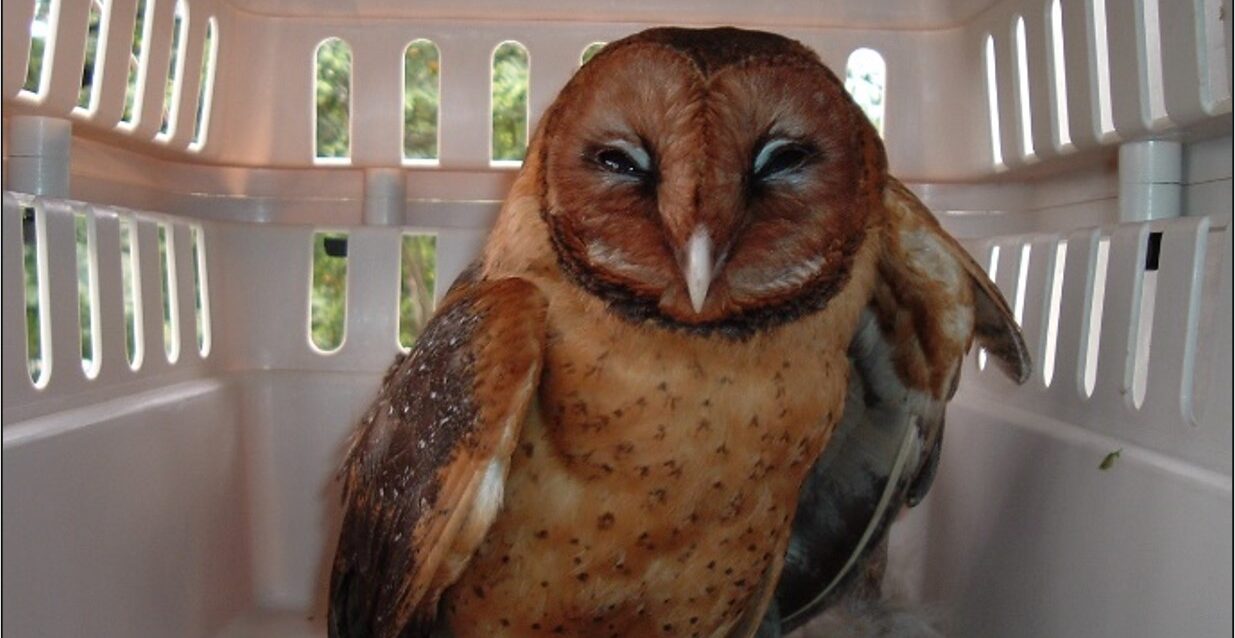
COMMENTARY: The Dominica Barn owl – another endemic bird for the Nature Isle
For generations of residents across the Caribbean island of Dominica, the local barn owl has been a familiar, if often nocturnal, presence. Many islanders have spotted the stealthy raptor roosting in local church buildings, caught a glimpse of its silent flight overhead, or woken to its distinctive screech after dark. Known by two traditional local names, the species is called *chawan* by Kwéyòl speakers, while communities in the Marigot and Wesley regions that speak Kòkòy refer to it as *jombie bòd*, or jumbie bird. As a permanent resident breeder, the owl lives and reproduces exclusively on the island year-round.\n\nAs a nocturnal apex predator, the Dominica barn owl hunts under cover of darkness, with an unusually broad diet that supports the island’s natural ecological balance. Its prey includes a wide range of species: small mammals such as rats and bats, large insects, lizards, and multiple bird species including seasonal migratory visitors. A decades-old field expedition to study the owl’s feeding habits offers clear evidence of this diverse diet. In the late 1990s, three researchers – retired Dominican forestry officer and lifelong bird enthusiast Bertrand ‘Dr. Birdy’ Jno. Baptiste, a French ornithologist based in Guadeloupe, and the original author of this report – climbed a rickety wooden ladder to access a long-standing owl nest inside the iconic steeple of the now-demolished Portsmouth Roman Catholic Church. By dissecting several regurgitated owl pellets collected from the nesting site, the team uncovered the preserved skeletons of bats, rats, large insects and multiple bird species, matching the expected dietary profile of the resident adult, which observed the group silently from its perch above throughout the research work.\n\nUntil recent taxonomic updates, the Dominica owl was classified as part of the widely distributed common barn owl species, *Tyto alba* – long labeled the most geographically widespread owl species on the planet. With a natural range spanning Africa, Asia, Australia, Europe and the Caribbean, and introduced populations on Oceanic islands brought in for rodent control, the species showed marked physical variation across different regions. Unlike common barn owls found across most of the world, which have a distinct white facial disc bordered by an orange ring and lighter overall plumage, owls native to the Lesser Antilles have dark brown feathers and a fully dark facial disc. These consistent physical differences led taxonomists to reclassify the Lesser Antilles population as a separate standalone species, renamed the Lesser Antilles barn owl with the scientific name *Tyto insularis*, restricted only to the Windward Islands of Grenada, St. Vincent, the Grenadines and Dominica.\n\nFurther detailed analysis of the Lesser Antilles barn owl population uncovered even more distinct differences between island groups. Researchers confirmed that the Dominica population has unique physical traits that set it apart from barn owls on the other Lesser Antillean islands. As a result, the Dominican population has now been reclassified as a unique endemic subspecies, with the new scientific designation *Tyto insularis nigrescens*, while populations on Grenada, St. Vincent and the Grenadines retain the classification *Tyto insularis insularis*.\n\nThis new classification adds *Chawan*, as the owl is locally known, to Dominica’s growing list of endemic bird species – animals found nowhere else on Earth other than the Nature Isle. It now joins the island’s iconic endemic Sisserou Parrot (*Amazona imperialis*), the Jaco Parrot (*Amazona arausiaca*), and the Kalinago Wren (*Troglodytes martinicensis*) as a unique biological treasure found only within Dominica’s borders.\n\nBeyond its new taxonomic status, there are several fascinating and little-known facts about this unique endemic raptor. Unlike many wild raptors that prefer undisturbed old-growth forest, some of Dominica’s barn owls favor man-made structures like church steeples and abandoned warehouses as roosting and nesting sites, bringing them into close proximity with local communities. The owls also occasionally compete with larger native bird species for prime nesting real estate: several years ago, one pair of owls took over a pre-existing tree cavity nest built by parrots in Mone Diablotin National Park’s rainforest, with the resident owl even resting outside the entrance to enjoy daylight views on occasion.\n\nLike all owls, the Dominican subspecies has a number of extraordinary biological traits. Newly hatched barn owl chicks are covered in pure white down, which is gradually replaced by signature dark brown plumage as they mature. All owls, including the Dominica barn owl, can rotate their heads nearly 270 degrees – three-quarters of a full rotation – an incredible anatomical adaptation that lets them survey their surroundings without moving their bodies.\n\nFor many local communities, the owl also carries deep cultural and superstitious meaning. A long-held local belief holds that if an owl’s screech is heard in a village or town, it signals the impending passing of an elderly resident in the area, tying the raptor closely to local folklore and traditions that have persisted for generations.
-

Soufrière Dive Fest returns this weekend with two days of marine adventures
One of Saint Lucia’s most anticipated coastal community events is making its return this month, as the picturesque Soufrière region gears up to host the 2026 edition of Soufrière Dive Fest across August 29 and 30. The two-day gathering, which centers on celebrating the area’s world-renowned natural splendor and unrivaled underwater ecosystems, was formally announced by Denise Charles-Pemberton, the Parliamentary Representative for Soufrière who also serves as the country’s Minister of Tourism, International Transport and Maritime Initiatives.
The festival is a collaborative community-led effort, brought together by Charles-Pemberton’s office and the Soufrière Organising Committee, with key partnerships from the Soufriere–Scotts Head–Gallion Village Council and the national Ministry of Tourism. From early morning adventure to evening celebrations, the event is packed with activities designed to engage visitors of all ages and skill levels, whether they are seasoned water enthusiasts or first-time visitors to the region.
The first day of the festival kicks off at 6:00 AM on Saturday with a guided Hike & Soak experience that lets attendees explore the island’s iconic inland tropical terrain before moving to the coast. From 10:00 AM to 2:00 PM, a series of introductory water activities will open up Soufrière’s coastal wonders to new audiences, including beginner-friendly sessions in scuba diving, freediving, and kayaking, alongside educational presentations on local coral ecosystems. Starting at 2:00 PM, the Soufrière Bayfront becomes the hub for a lively Family Fun and Fish Lyme, where attendees can enjoy casual boat rides, open kayaking, interactive family games, local arts and crafts booths, fresh seafood offerings, and continuous live entertainment throughout the afternoon.
On Sunday, the festival continues with another block of accessible activities from 10:00 AM to 2:00 PM, including additional coral education sessions, introductory swimming lessons for new swimmers, and beginner snorkeling excursions that let guests explore shallow reef systems just off the coast. From 3:00 PM to 5:00 PM, a competitive Corporate Kayak Race will take center stage, with a generous $2,500 grand prize up for grabs for the winning team. The entire festival will close out with a headline MainStage Event starting at 5:00 PM, which brings back popular activities including boat rides, kayaking, and floating tube experiences, alongside family games, nonstop live performances, and abundant opportunities to sample authentic local and traditional Saint Lucian cuisine.
-
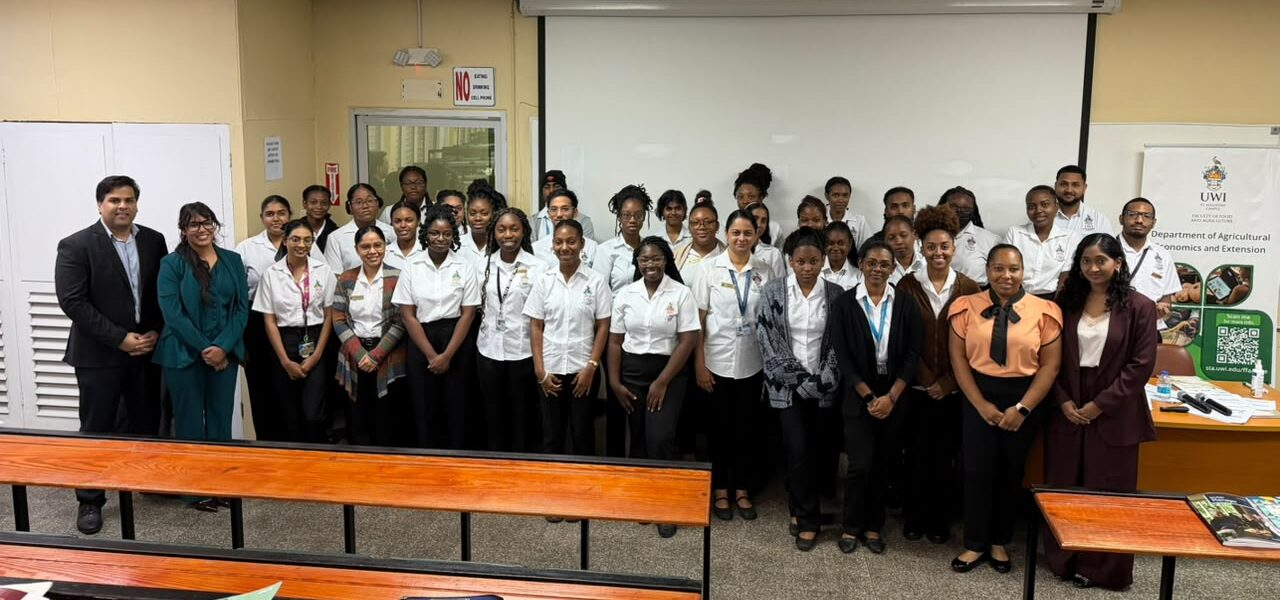
UWI students get boost in food safety skills through CARPHA training
Thirty-five aspiring nutrition and dietetics professionals at The University of the West Indies (UWI) St. Augustine Campus have completed a rigorous, industry-recognized advanced food safety training program, stepping into the regional workforce with a competitive new credential that strengthens Caribbean public health capacity.
The specialized two-and-a-half-day course, delivered by the Caribbean Public Health Agency (CARPHA) at the request of UWI’s Department of Agricultural Economics and Extension (DAEE), is part of an effort to expand micro-credential opportunities for undergraduate students pursuing a Bachelor of Science in Human Nutrition and Dietetics. Designed to bridge the gap between classroom learning and real-world professional practice, the program focuses on hands-on, actionable skills that directly address regional food safety priorities.
Over the course of the training, participants mastered core competencies including best practices for safe food handling, rigorous hygiene and sanitation protocols, strategies to prevent cross-contamination and foodborne illness outbreaks, and methods to mitigate time and temperature abuse across every stage of the food supply chain. Trainees also emphasized the critical need for consistent food safety compliance at every link of the food chain, from production to consumer service.
The program, the internationally accredited ServSafe® Train-the-Trainer Advanced Food Safety Certification Course issued under the National Restaurant Association, was led by a multidisciplinary team of CARPHA experts: Keston Daniel, Visitor-based Surveillance Coordinator for CARPHA’s Regional Tourism and Health Program (THP); Dr. Sastee Kissoondan, Senior Technical Officer for Planning and Coordination in the Office of the Executive Director; and Frieda Mohammed, THP Standards and Training Officer.
Opening the first day of the program, Daniel highlighted the strategic importance of the inter-institutional partnership in building the next generation of Caribbean public health leaders. “CARPHA’s THP is proud to collaborate with The UWI in equipping future Nutrition and Dietetics professionals to champion food safety and protect public health. This partnership reinforces our shared commitment to building healthier and safer Caribbean communities,” he said in official remarks.
All 35 participating interns successfully completed both the training and final certification examination. Graduates who meet all credential requirements will receive an advanced food safety certification valid for five years, a qualification that extends far beyond a line item on a resume.
According to CARPHA’s official press release announcing the completion of the program, the new certification not only boosts graduates’ employability across the region’s food and health sectors but also provides them with specialized tools to lead food safety outreach and reduce the frequency of dangerous foodborne disease outbreaks across the Caribbean.
The initiative also underscores a growing regional consensus on the value of combining traditional academic degree programs with practical, globally recognized skills training—an approach that aligns with ongoing efforts by Caribbean nations to strengthen national and regional public health and food safety systems.
-

Dr Gaile Gray-Phillip appointed Deputy Director of UWI Global Campus sites
The University of the West Indies (UWI) has announced the permanent appointment of Dr. Gaile Gray-Phillip as Deputy Director of its Global Campus Sites, with the appointment officially taking effect on August 1, 2026, according to an official press release from the institution.
This appointment marks a natural progression of Gray-Phillip’s service at the regional higher education leader, as she already held the position in an acting capacity for the full 12-month period from August 1, 2025, to July 31, 2026. Before stepping into the acting deputy director role, she led the UWI Global Campus site in the Federation of St. Kitts and Nevis, building deep, on-the-ground expertise in the institution’s distance learning model.
Across her decades-long career, Gray-Phillip has accumulated a diverse and extensive resume spanning secondary education, higher education, public administration, academic research, and institutional leadership. She launched her professional career in education at what is now the Charles E. Mills Secondary School (formerly Sandy Point High School), where she taught mathematics, information technology, and physics. She then moved to Clarence Fitzroy Bryant College (CFBC), where she spent 21 years rising through the academic and administrative ranks: starting as a Lecturer, advancing to Senior Lecturer, and ultimately serving as Dean of the Division of Arts, Sciences and General Studies.
Her connection to UWI’s open and distance learning programs stretches back to 2002, more than two decades before her latest appointment. Over that period, she has held nearly every role in academic program delivery and development for the Global Campus and its predecessor institutions, including tutor, online e-tutor, course coordinator, facilitator, examiner, course reviewer, course developer, and research supervisor. Beyond academia, she has also served as Senior Director of the St. Kitts and Nevis Central Statistics Office, and her published research focuses on public health topics including adolescent alcohol consumption, national alcohol regulatory policies, and youth marijuana use.
In terms of academic credentials, Gray-Phillip holds a PhD in Education from UWI’s Mona Campus, a Master of Research in Educational and Social Research from the University of London, and a Bachelor of Science degree also from the UWI Mona Campus. She currently maintains active community and professional leadership roles: she sits on the CFBC Board of Governors and the St. Kitts and Nevis National Council on Drug Abuse Prevention, and serves as Treasurer of the Mixed-Methods International Research Association for the 2025–2027 term.
Pro Vice-Chancellor and Principal Dr. Francis O. Severin praised Gray-Phillip’s longstanding commitment and exceptional qualifications for the new role. “Dr. Gray-Phillip has continued to live up to our highest expectations since she formally joined the Campus as Head of Site in the Federation of St Kitts and Nevis in 2019,” he said. “Of course, she has been a fundamental part of the Campus family for well over two decades, as it evolved and transformed to the Global Campus from the Open Campus and its antecedents. She is therefore exceptionally qualified for this post of Deputy Director.”
Severin further highlighted Gray-Phillip’s unique combination of professional strengths, noting that she blends the rigorous skills of an educational administrator and experienced researcher with a deep commitment to student-centered care. “Dr. Gray-Phillip combines the attributes of an educational administrator and researcher and has always embraced the ideals of what I would call pastoral care in education. She is a genuine teacher,” he added.
Following the announcement of the permanent appointment, the UWI Global Campus Senior Management Team issued a formal statement congratulating Gray-Phillip, expressing confidence in her leadership, and confirming the team’s anticipation of her ongoing contributions to advancing the strategic growth and development of the Global Campus Sites Division.
-
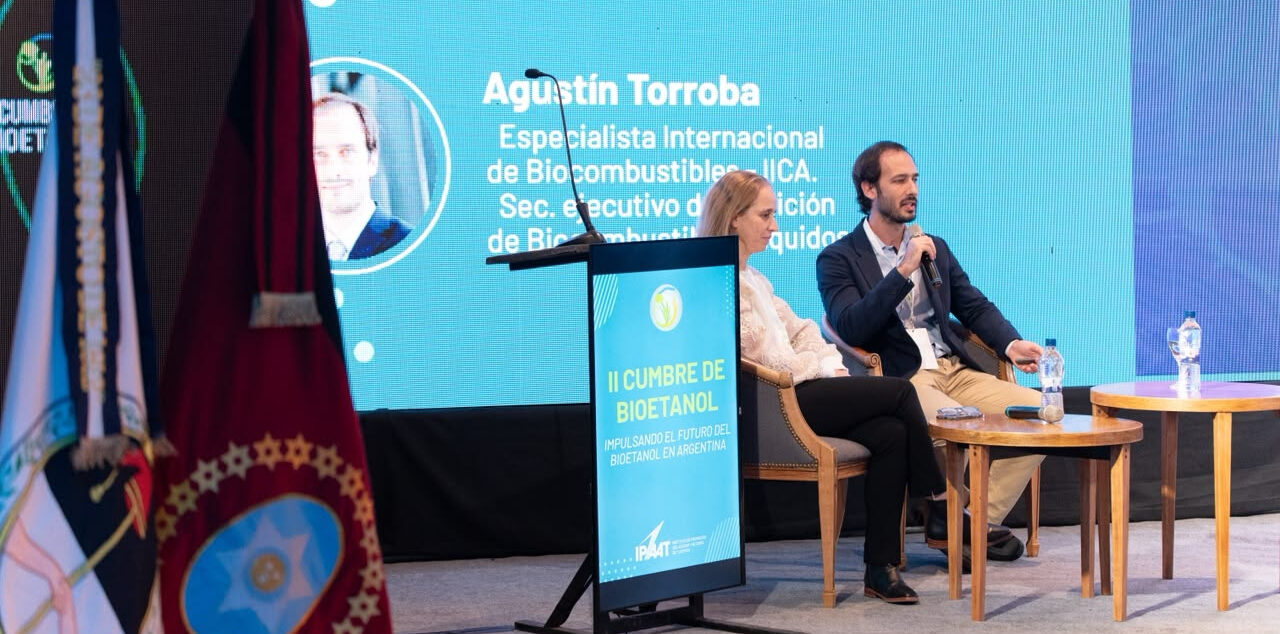
IICA highlights bioethanol opportunities as Argentina advances energy transition
As Argentina works to shift its national energy matrix toward lower-carbon sources, two leading hemispheric agricultural and biofuel organizations are stepping up to back the expansion of sustainable biofuel production and green mobility across the country.
The Inter-American Institute for Cooperation on Agriculture (IICA) and the Pan American Liquid Biofuels Coalition (CPBIO) recently took part in two major industry events held in San Miguel de Tucumán: the second national Bioethanol Summit, and the inaugural working meeting of Argentina’s newly launched Mobility Energy Transition Movement. Hosted by the Tucumán Sugar and Alcohol Promotion Institute (IPAAT), the gathering brought together a cross-section of public sector agencies, private industry operators, and research institutions to collaborate on strategies for scaling up renewable energy use in transportation and advancing Argentina’s decarbonization goals.
Key stakeholders in attendance included Agustín Torroba, IICA’s lead biofuels specialist and CPBIO’s executive secretary, Fernando Schwanke, IICA’s Argentina-based country representative, leadership from IPAAT, the Obispo Colombres Agroindustrial Experimental Station, Argentina’s National Agricultural Technology Institute (INTA), and the National Institute of Industrial Technology (INTI), alongside dozens of other industry and institutional partners.
During a panel discussion focused on the evolving global landscape for biofuels, Torroba outlined key comparative advantages Argentina holds in the sector. The country already boasts expanding harvests of sugarcane, corn, and soybeans—core feedstocks for biofuel production—and Torroba emphasized the untapped potential to develop new high-value uses for agricultural biomass to drive further growth.
He told attendees that more than 80 percent of all ethanol consumed worldwide today is purchased in markets that enforce strict sustainability criteria. This regulatory landscape creates significant new economic opportunities for Argentinian producers that can earn international environmental certification, opening access to premium global markets.
Torroba also pointed to northern Argentina’s large recurring corn surpluses as a readily available resource to expand domestic ethanol output. As a model for scalable production, he highlighted Brazil’s dual-feedstock flexible processing facilities, which switch between sugarcane and corn processing to match seasonal harvest cycles, maximizing operational efficiency and output.
Another high-growth area on the agenda was sustainable aviation fuel (SAF), a rapidly expanding market where ethanol can be converted into jet fuel via the Alcohol-to-Jet production pathway, creating a new long-term revenue stream for Argentina’s biofuel sector.
Marcia Valeria Sousa Alves, a representative from Brazil’s Ministry of Mines and Energy, also shared insights from Brazil’s decades-long experience building one of the world’s largest and most advanced biofuel industries. Brazil currently produces large volumes of sugarcane and corn-based ethanol, alongside biodiesel, biogas, and biomethane, and has integrated high ethanol blends into its national gasoline supply for more than 40 years.
She confirmed that Brazil’s latest regulatory milestone took effect this past August, with a mandatory 32 percent ethanol blend now required for all gasoline sold across the country. She also highlighted Brazil’s RenovaBio program, launched in 2017, as a successful policy framework that has driven major progress in decarbonizing the country’s road transport sector, offering a replicable model for other countries in the region like Argentina looking to accelerate their own energy transitions.